Watch Sea Turtles Nest on a Guided Walk Just 1 Hour 20 Minutes From Miami
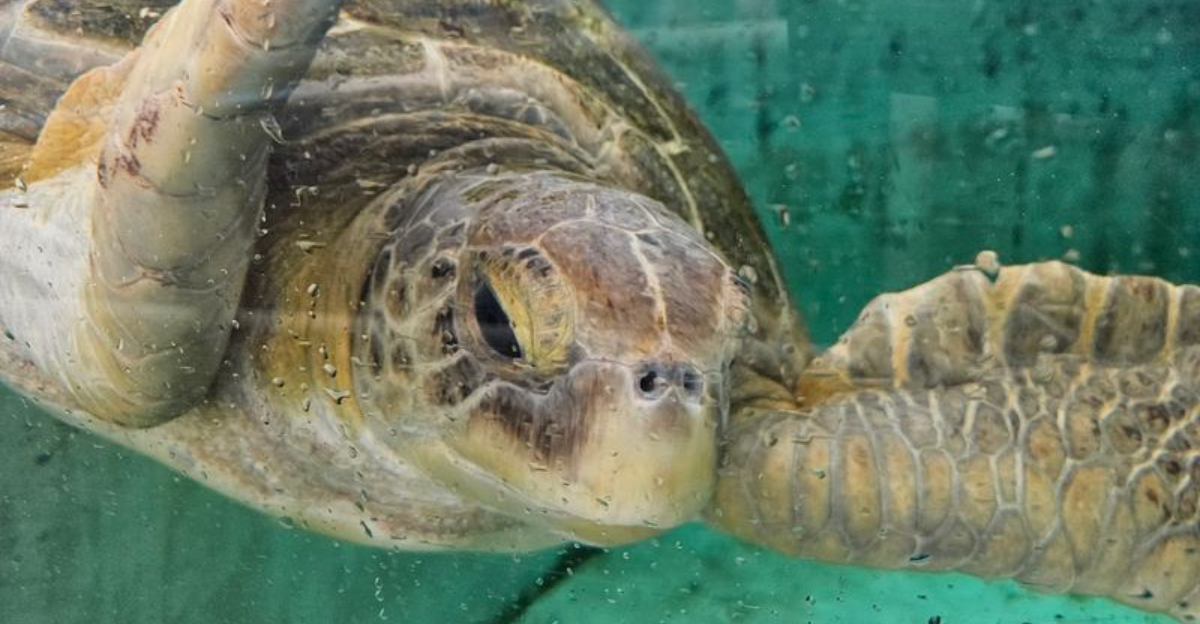
Every summer night along Florida’s coast, something magical happens when massive sea turtles crawl onto the sand to lay their eggs. At Loggerhead Marinelife Center in Juno Beach, you can witness this ancient ritual up close on guided turtle walks that put you right in the middle of the action. Located just 80 minutes north of Miami, this nonprofit center combines world-class turtle rehabilitation with unforgettable nighttime beach experiences that’ll have you talking for years.
Whether you’re a local looking for a unique evening adventure or a visitor wanting to see real Florida wildlife, these guided walks offer front-row seats to one of nature’s most incredible shows.
1. Witness Nesting Season From June Through October
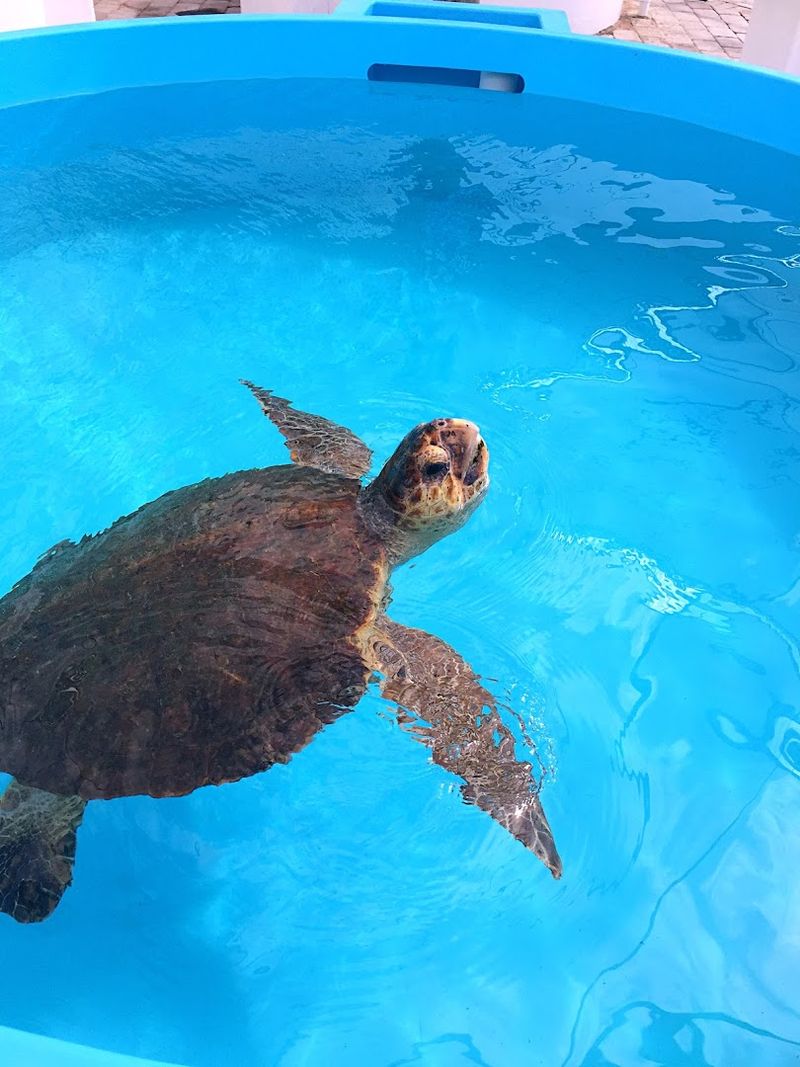
Nesting season transforms Juno Beach into a bustling maternity ward for sea turtles. From June through October, female loggerheads, greens, and leatherbacks return to the same beaches where they hatched decades ago. Watching a 300-pound turtle haul herself across the sand is something you won’t forget anytime soon.
The center’s guided walks run during peak nesting months, typically starting around 9 PM when turtles are most active. You’ll need to book ahead because these walks fill up fast, especially on weekends. The darkness protects the turtles from stress, so red lights are the only illumination allowed.
Temperature determines everything during nesting season. Warmer sand produces more females, while cooler sand yields males. Each nest contains about 100 eggs that incubate for roughly 60 days before tiny hatchlings emerge and scramble toward the ocean.
Trained guides lead small groups to active nesting sites while explaining the biology and conservation challenges these ancient mariners face. You might see a turtle digging her nest, laying eggs, or covering the chamber before returning to sea. Some lucky visitors even catch hatchlings making their moonlit dash to the waves.
2. Book Your Turtle Walk Adventure In Advance
Scoring a spot on these guided walks requires planning ahead. The center opens reservations several weeks in advance, and prime weekend slots disappear within hours. Online booking through their website is the easiest route, though you can also call during business hours if you prefer talking to a real person.
Each walk accommodates limited participants to minimize disturbance to nesting turtles. Groups typically include 15 to 20 people led by knowledgeable volunteers who’ve been trained in sea turtle biology and conservation. The cost runs about $25 for adults and less for kids, with all proceeds supporting the center’s rescue and rehabilitation programs.
Arrive 15 minutes early for check-in and a pre-walk orientation. Staff will explain proper etiquette like staying quiet, avoiding flash photography, and keeping a respectful distance from nesting mothers. They’ll also set realistic expectations since wildlife sightings are never guaranteed, though success rates during peak season hover around 80 percent.
Wear comfortable walking shoes and bring bug spray because mosquitoes love summer beach nights as much as turtles do. Long pants help too. The walks last roughly two hours, depending on turtle activity and how far you need to trek along the beach to find active nests.
3. Explore The Rehabilitation Hospital During Daytime Visits
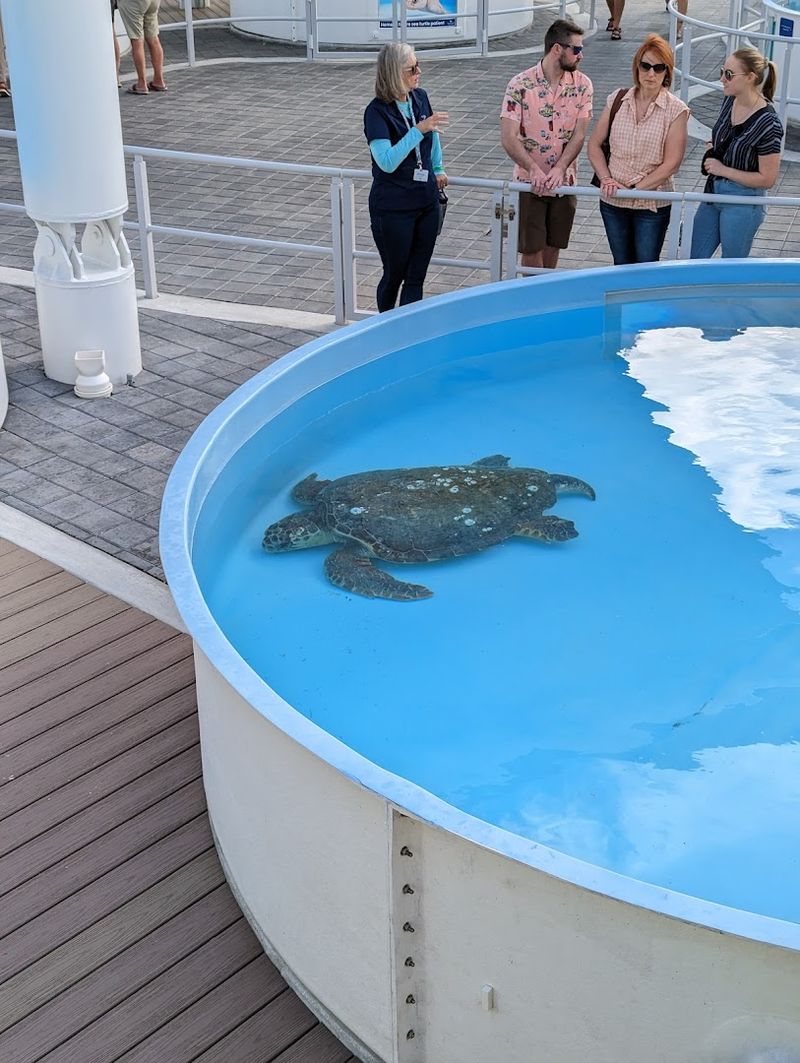
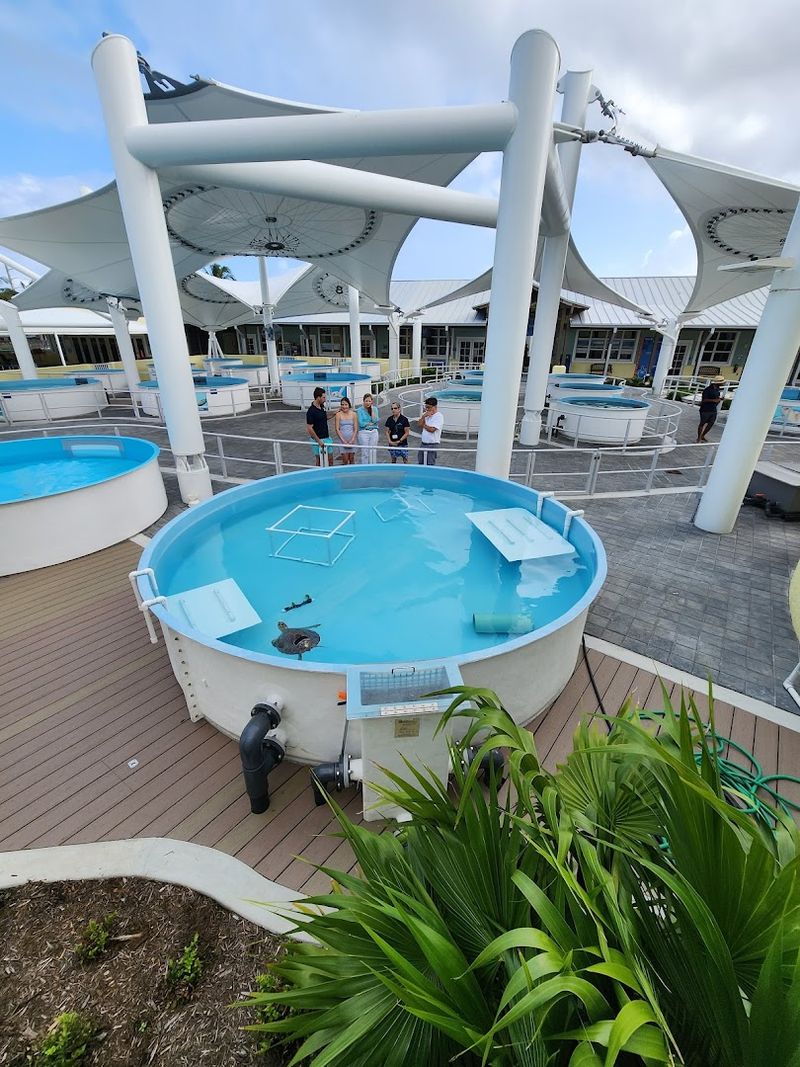
Before your nighttime turtle walk, spend some daytime hours exploring the center’s incredible rehabilitation facility. This isn’t just a tourist attraction but a working hospital where injured and sick turtles receive life-saving medical care. Large viewing windows let you watch veterinary staff treating patients recovering from boat strikes, fishing line entanglements, and other human-caused injuries.
Admission to the center operates on a suggested donation basis, typically $10 per person, though nobody gets turned away. Three floors of exhibits explain sea turtle biology, ocean conservation, and the specific stories of current patients. You’ll meet turtles like Cider, a permanent resident who can’t be released due to her injuries, swimming in the deep dive tank.
Interactive displays teach kids about marine ecosystems while touch tanks let them gently handle horseshoe crabs and other coastal creatures. The hospital interpreters stationed throughout the facility answer questions and share fascinating details about each turtle’s rescue story and treatment plan. Many visitors report spending three to four hours exploring everything the center offers.
An upstairs cafe serves snacks and light meals with ocean views, while the gift shop stocks everything from plush turtles to conservation-themed jewelry. All purchases directly support the center’s mission of rescuing and rehabilitating sea turtles along Florida’s coast.
4. Meet The Volunteers Who Make It All Possible
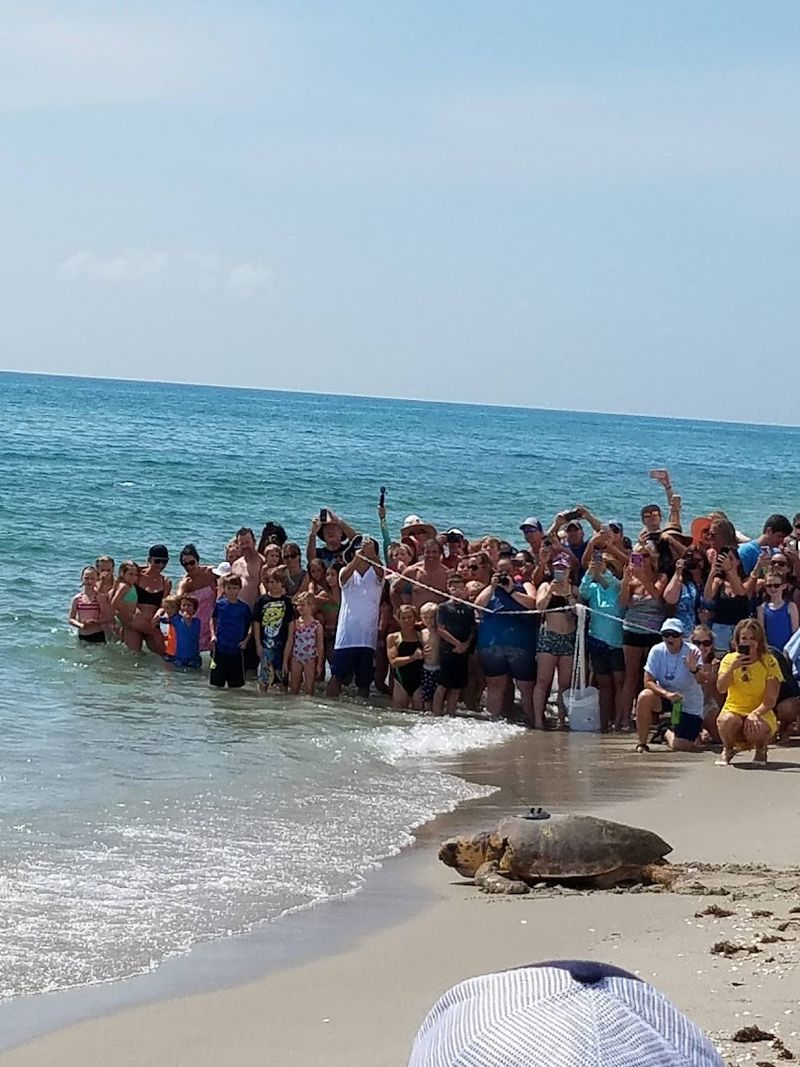
Behind every successful turtle walk and rehabilitation success story stands an army of passionate volunteers. These dedicated folks donate thousands of hours annually to monitor nesting beaches, lead educational programs, and assist with turtle care. Their enthusiasm and knowledge transform a simple beach walk into an unforgettable educational experience.
Many volunteers have worked with the center for years, some even decades. They can identify individual turtles by sight and recall the rescue circumstances of patients from seasons past. During walks, they share stories that bring conservation challenges to life, explaining everything from light pollution impacts to fishing gear dangers.
The center trains new volunteers extensively before they interact with guests or turtles. Training covers sea turtle biology, Florida nesting species identification, proper handling techniques, and how to engage visitors of all ages. This preparation shows in the quality of every tour and presentation.
Volunteers also patrol beaches during nesting season, marking new nests and checking on existing ones. They collect data that helps scientists understand population trends and nesting success rates. Some even participate in early morning hatchling releases, ensuring baby turtles make it safely to the ocean.
Their dedication makes Loggerhead Marinelife Center one of the most respected turtle conservation facilities in Florida.
5. Learn About Cold-Stunned Turtle Rescues
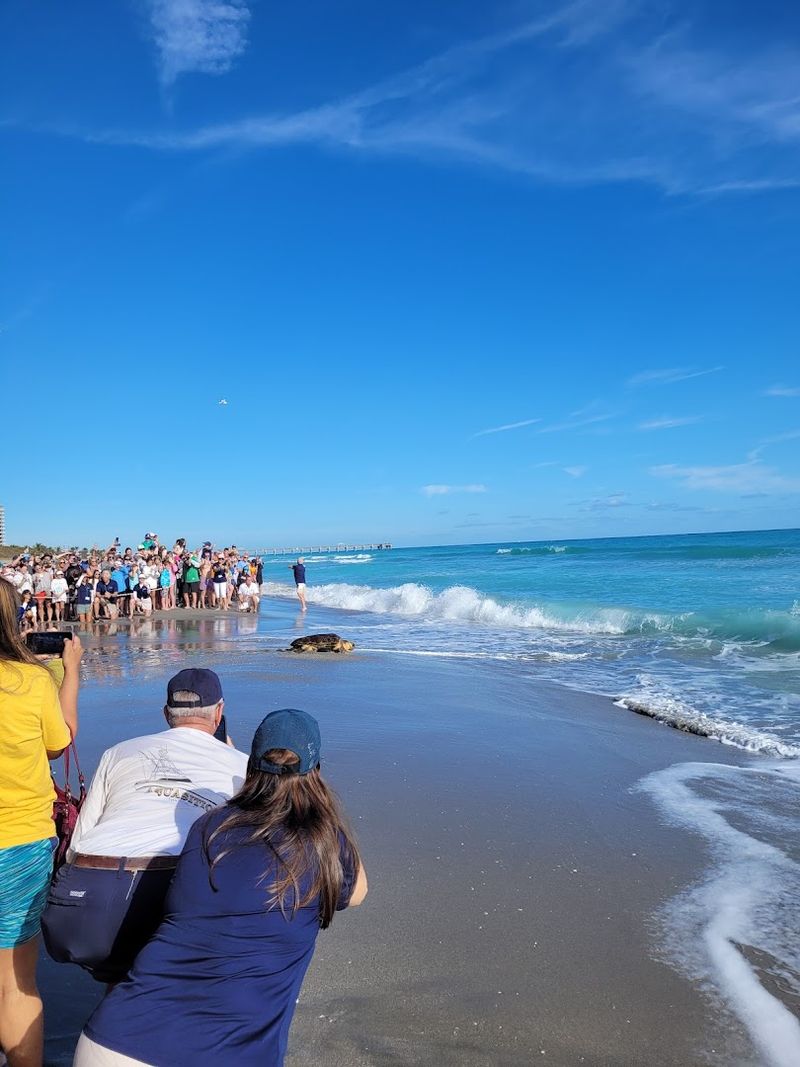
Every winter brings a different kind of emergency to the center when cold snaps along the northeastern coast leave sea turtles stunned and stranded. These cold-blooded creatures become lethargic when water temperatures drop suddenly, washing ashore unable to swim or feed. Loggerhead Marinelife Center often takes in dozens of these patients, sometimes receiving 25 or more turtles in a single event.
Cold-stunned turtles arrive in critical condition, requiring gradual warming and intensive medical care. Staff must raise their body temperature slowly over several days to avoid shocking their systems. During recovery, turtles receive antibiotics, fluids, and nutritional support until they regain strength.
Visiting during winter months might mean seeing rows of small tanks filled with recovering cold-stun patients. The care these turtles receive is meticulous, with staff monitoring temperatures, administering medications, and documenting every detail of their recovery. Success rates are impressive, with most patients eventually returning to warmer southern waters.
These rescues highlight the center’s role in the broader sea turtle conservation network. Facilities from Massachusetts to Florida coordinate to save cold-stunned turtles, with southern centers like Loggerhead providing crucial rehabilitation space. Watching staff care for these vulnerable animals shows the dedication required to protect endangered species in our changing climate.
6. Visit Juno Beach And See Protected Nest Sites
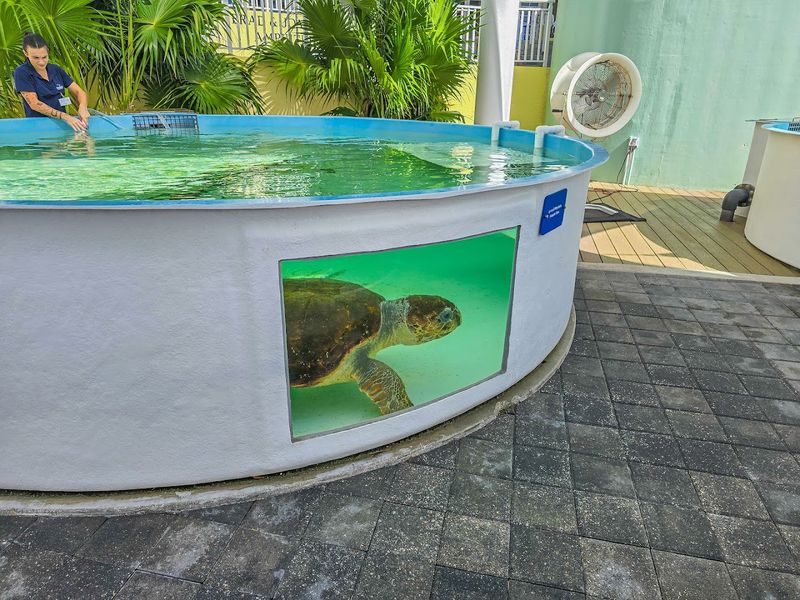
Right across the street from the center lies beautiful Juno Beach, one of the most important sea turtle nesting areas in the entire Western Hemisphere. Walking this beach during nesting season reveals dozens of marked nests cordoned off with stakes and bright tape. Information boards update daily with nest counts and hatching statistics for each species using the beach.
The beach itself is pristine, with soft white sand and clear blue water perfect for swimming when you’re not turtle watching. Free parking makes beach access easy, and the relatively uncrowded atmosphere beats the chaos of more famous South Florida beaches. Families love the gentle waves and lifeguard supervision during daylight hours.
Those marked nests represent the center’s extensive monitoring program. Volunteers check the beach every morning during nesting season, recording new nests and checking on existing ones. They track which species nested, estimate egg numbers, and predict hatching dates.
This data helps scientists understand nesting trends and threats.
Respect those cordoned areas because disturbing nests is illegal and harmful. Hatchlings use natural light cues to find the ocean, so beachfront property owners are asked to minimize artificial lighting during nesting season. The collaboration between the center, local government, and residents has made Juno Beach a sea turtle success story.
7. Support Conservation Through Turtle Adoption Programs
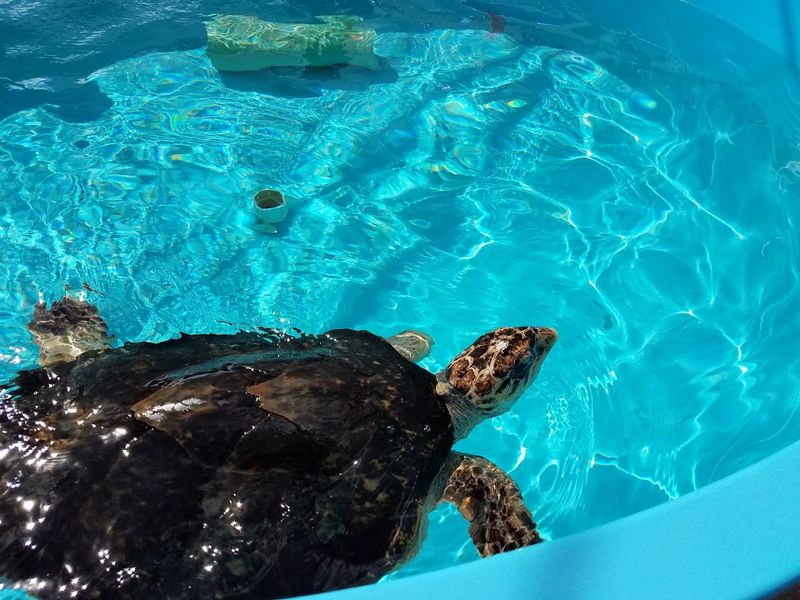
Want to make your visit really count? The center’s turtle adoption program lets you directly support a specific patient’s care while receiving awesome perks. Adoption packages start at $40 and scale up to $250, with each level including different goodies like stuffed turtles, hats, reusable bags, and adoption certificates.
When you adopt a turtle, you receive updates on your animal’s progress through treatment and rehabilitation. You can check their status online and even visit them during facility hours. Adopters get to see exactly where their money goes, watching their turtle heal and eventually return to the ocean.
Paddles, a loggerhead recovering from a boat strike, is one popular adoptee. Her fractured shell was stabilized with bone plates, and she’s receiving antibiotics, pain management, and wound care. Following her journey from critical injury to ocean release creates an emotional connection that turns casual visitors into lifelong conservation supporters.
These adoptions fund the center’s operations since they rely entirely on donations rather than government funding. Medical care, food, facility maintenance, and educational programs all depend on generous supporters. The gift packs are nice, but knowing you helped save an endangered animal’s life is the real reward that keeps people coming back year after year.
8. Experience Special Events Like The Annual Turtlefest
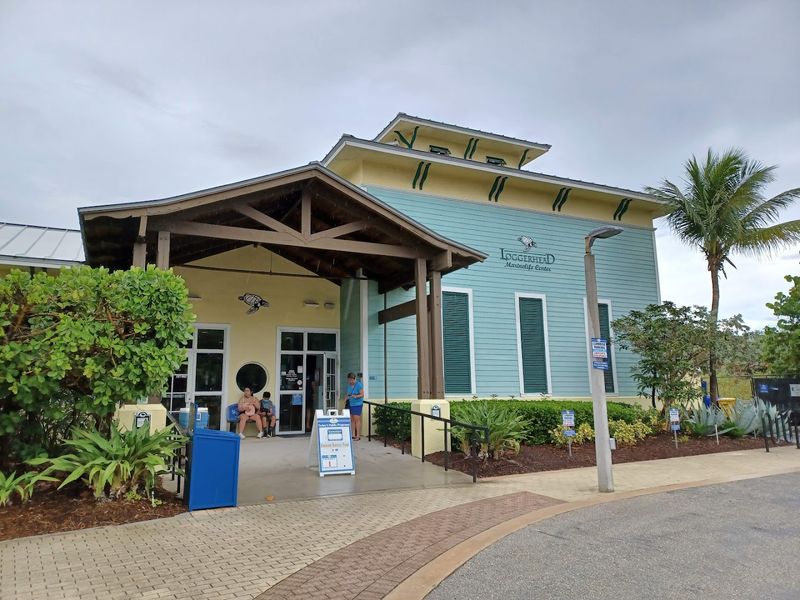
Beyond regular visits and turtle walks, the center hosts special events that draw crowds from across South Florida. Turtlefest, held annually in February, transforms the facility into a massive celebration of marine life and conservation. This family-friendly festival features rides, vendors, live entertainment, and educational exhibits that make learning about ocean conservation genuinely fun.
FPL sponsors the event, keeping admission affordable for families. Kids love the carnival atmosphere while parents appreciate the educational value packed into every activity. Interactive booths teach about marine ecosystems, plastic pollution, and how individual actions impact ocean health.
Live animal demonstrations showcase species beyond sea turtles, including sharks, rays, and coastal fish.
The festival also offers behind-the-scenes tours not available during regular hours. These special access opportunities let visitors see areas of the hospital typically closed to the public. Staff members share detailed information about veterinary procedures, rehabilitation techniques, and long-term care strategies for non-releasable animals.
Turtlefest represents the center’s commitment to community engagement and environmental education. Thousands of visitors attend each year, many becoming regular supporters afterward. The combination of entertainment and education creates lasting impressions, especially on young minds who might grow up to become the next generation of marine biologists and conservation leaders protecting Florida’s incredible sea turtle populations.