This Florida Mango Festival Is A Juicy Summer Celebration Of The State’s Sweetest Obsession
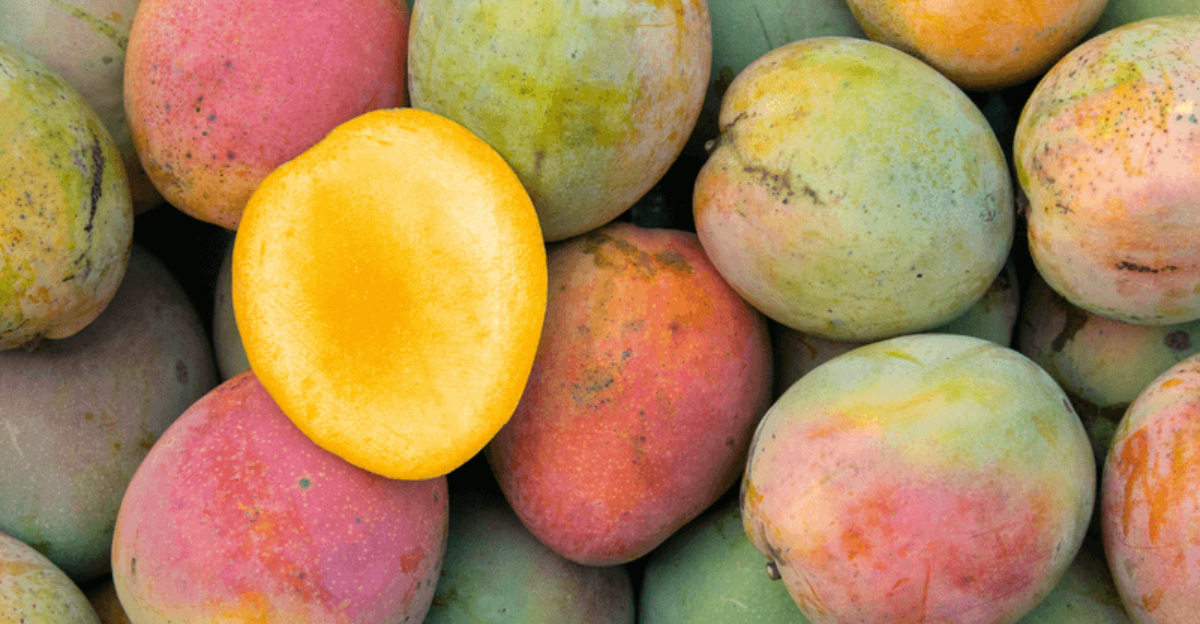
Every summer, mango lovers from across Florida gather for one of the most delicious events of the season. The Florida Mango Festival transforms the Palm Beach County Convention Center into a tropical paradise where hundreds of mango varieties take center stage. Whether you’re a serious fruit grower or just someone who loves a sweet, juicy treat, this festival offers something special for everyone who appreciates Florida’s favorite summer fruit.
1. Air-Conditioned Comfort Makes All the Difference
Forget sweating through outdoor summer festivals. The Florida Mango Festival takes place entirely inside the Palm Beach County Convention Center, where powerful air conditioning keeps everyone comfortable no matter how hot it gets outside. This indoor setup means you can spend hours exploring without worrying about sunburn, heat exhaustion, or sudden afternoon thunderstorms that love to crash Florida summer events.
The climate-controlled environment serves another important purpose beyond visitor comfort. Mangoes stay fresh and perfectly ripe throughout the day, letting you taste them at their absolute best. Vendors can display their fruits without worrying about them getting overheated or damaged by weather conditions.
Families with small children especially appreciate the indoor setting. Kids can run around and explore without parents constantly reapplying sunscreen or searching for shade. The convention center also offers easy access to restrooms, water fountains, and places to sit down when your feet need a break from all that festival walking.
2. Meet the Growers Behind Your Favorite Fruit
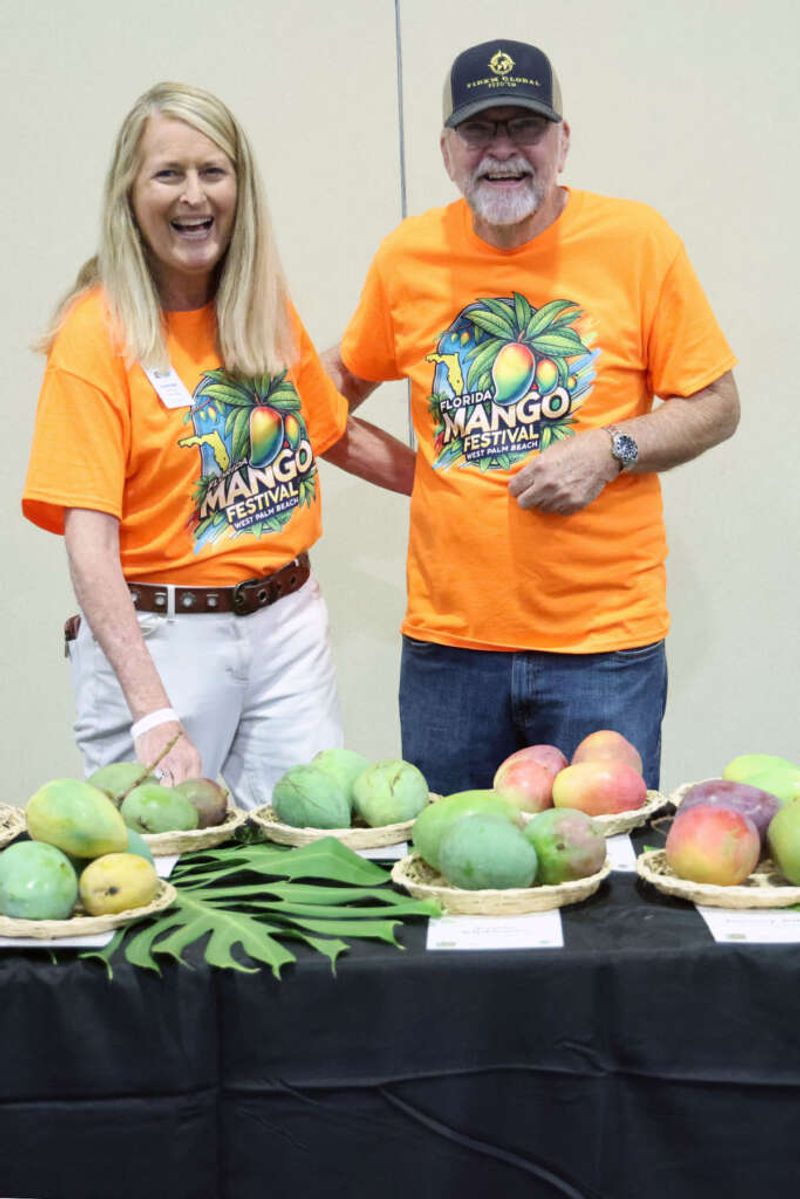
The festival brings together small, independent mango growers from across Florida who rarely get face time with the people who enjoy their fruit. These farmers spend months nurturing their trees and perfecting their growing techniques, and the festival gives them a chance to share their passion directly with visitors. You can ask questions about everything from planting schedules to pest management, and they’ll happily share decades of accumulated wisdom.
Many of these growers specialize in rare or heirloom varieties you’ll never find in grocery stores. They’ve dedicated their farms to preserving mango diversity and keeping unique cultivars alive for future generations. Some focus on ultra-sweet varieties, while others grow mangoes prized for their fiber-free texture or unusual flavors.
Building relationships with local growers means you might discover where to buy fresh mangoes during peak season or even score tips on starting your own backyard mango tree. These farmers genuinely love talking about their work, and their enthusiasm becomes contagious as they describe the subtle differences between varieties.
3. Taste Your Way Through Hundreds of Varieties
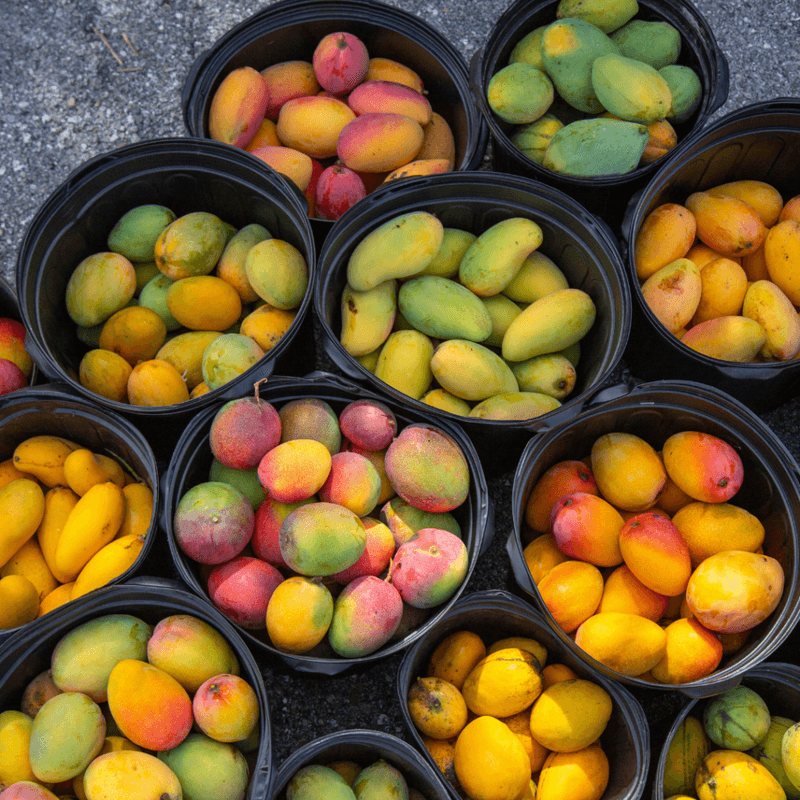
Most people have only tasted one or two mango varieties from the supermarket, but Florida grows an incredible diversity of this tropical fruit. The festival showcases rare and exceptional cultivars you’ve probably never heard of, each with its own distinct flavor profile, texture, and sweetness level. Some taste like honey with hints of citrus, while others have peachy undertones or tropical flower notes.
Tasting stations let you sample multiple varieties side by side, helping you discover your personal favorites. You might find that you prefer the buttery smoothness of one cultivar over the stringy texture of another, or that you love the intense sweetness of a variety that others find too sugary. Everyone’s palate responds differently to these flavor nuances.
The experience transforms how you think about mangoes forever. Once you’ve tasted a perfectly ripe, specialty variety grown by a dedicated farmer, those bland grocery store mangoes will never quite satisfy you the same way again. Many festival-goers leave with a mental list of varieties they want to track down throughout the summer.
4. Educational Programs Teach Growing Secrets
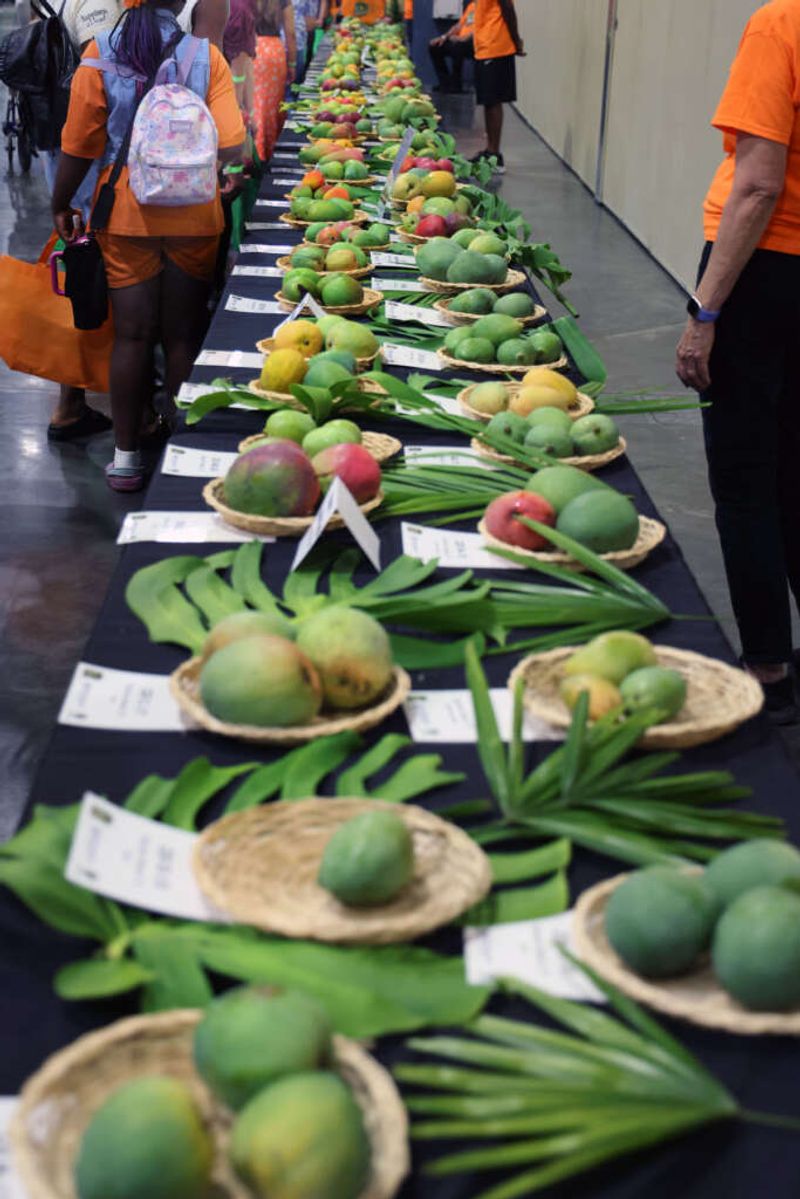
Growing mangoes in Florida requires more knowledge than just sticking a tree in the ground and hoping for the best. The festival’s educational program features lectures from experienced growers who share their hard-won expertise on topics like soil preparation, fertilization schedules, pruning techniques, and disease prevention. These sessions give beginners a solid foundation and help experienced growers refine their skills.
The lectures cover practical challenges specific to Florida’s climate and soil conditions. You’ll learn about managing the wet summer season, protecting trees during occasional cold snaps, and dealing with pests that love mango trees as much as you do. Speakers discuss which varieties thrive in different parts of the state and how to maximize fruit production from limited space.
This educational component reflects the festival’s partnership with UF/IFAS Extension, bringing university research directly to home gardeners and small-scale farmers. The information comes from scientific studies and real-world experience, not just internet rumors or outdated advice. Attending these sessions can save you years of trial and error in your own mango-growing journey.
5. Master Display Shows Cultivar Diversity
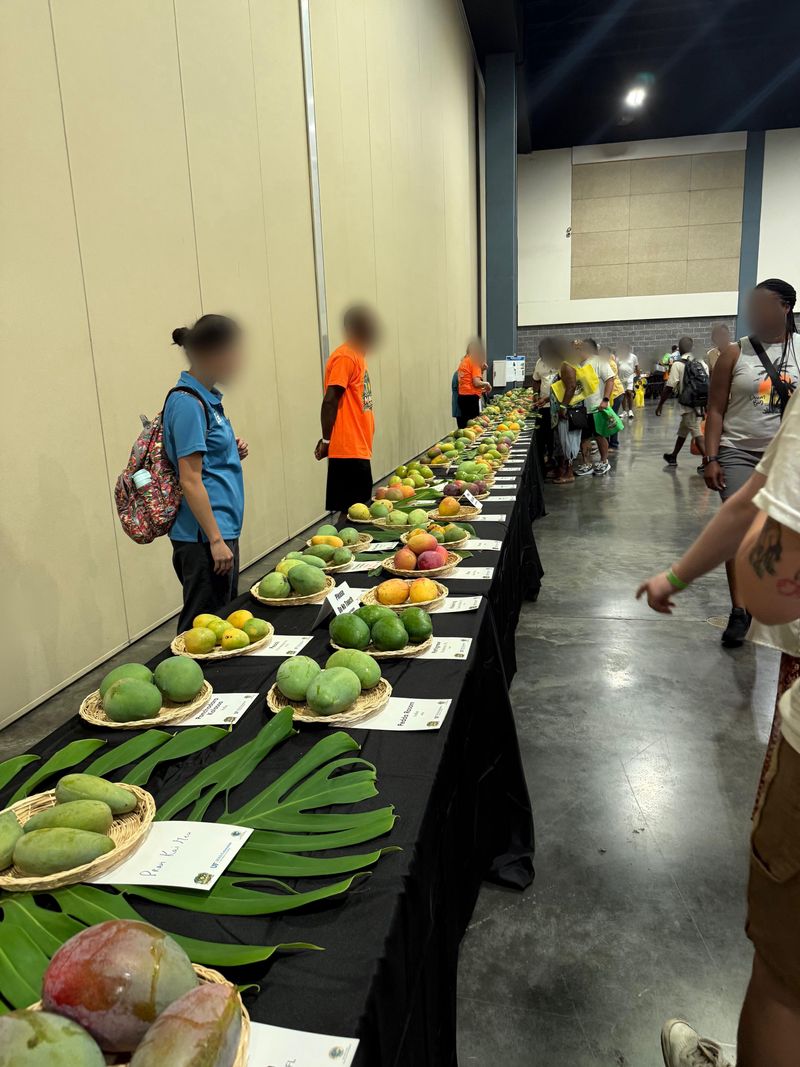
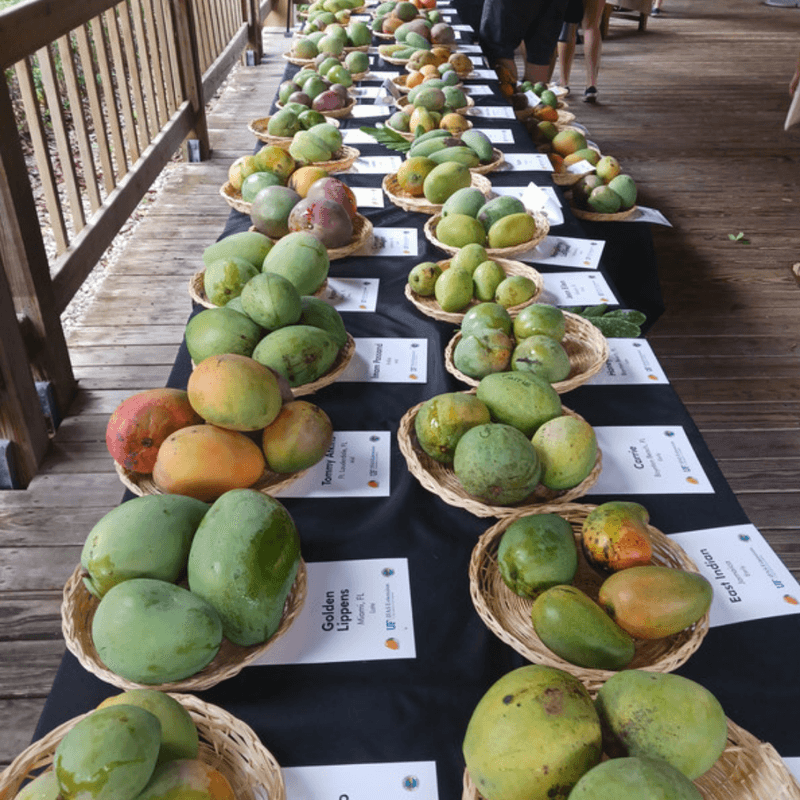
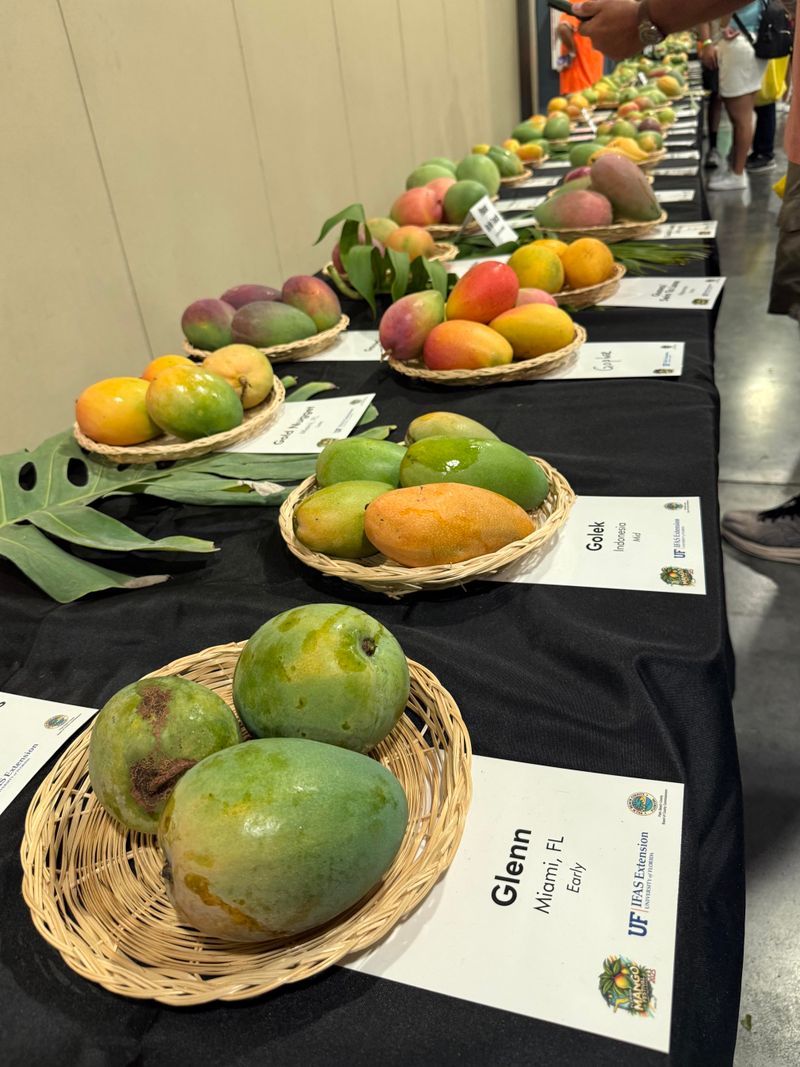
Walking past the master display feels like entering a mango museum. Dozens of cultivars are carefully arranged and labeled, showing the incredible range of sizes, shapes, and colors this single fruit species can produce. Some mangoes are small enough to fit in your palm, while others weigh over two pounds.
Colors range from bright green to golden yellow to deep crimson, with many varieties displaying beautiful blushes and streaks.
Each variety comes with information about its origin, flavor characteristics, and growing requirements. You can see how some cultivars developed in Florida differ from those that originated in India, Thailand, or the Caribbean. The display helps you understand why certain varieties became popular while others remained specialty items for collectors.
Photography enthusiasts love this section because the visual variety creates stunning images. The display also serves as a reference tool when you’re trying to identify an unknown mango tree in your neighborhood or determine which variety might work best for your yard. It’s educational and beautiful at the same time.
6. ID Your Mango Booth Solves Mysteries
Have you ever wondered what kind of mango tree grows in your backyard or your neighbor’s yard? The “ID Your Mango” booth exists specifically to answer that question. Bring in a sample fruit or even just a leaf, and knowledgeable experts will examine it to determine the variety.
They look at characteristics like fruit shape, seed size, skin texture, and other identifying features that help distinguish one cultivar from another.
This service proves incredibly valuable for people who bought homes with established mango trees or received mystery seedlings from friends. Knowing your variety helps you understand when the fruit will ripen, how sweet it should taste, and whether it’s worth keeping or replacing with a more desirable cultivar. Sometimes people discover they have rare or valuable varieties growing unnoticed in their yards.
The identification process also educates visitors about the subtle differences between similar-looking varieties. Experts explain what features they’re examining and why certain characteristics indicate specific cultivars. It’s like getting a mini-lesson in mango taxonomy while solving your personal fruit mystery.
7. Scion Exchange Connects Serious Growers
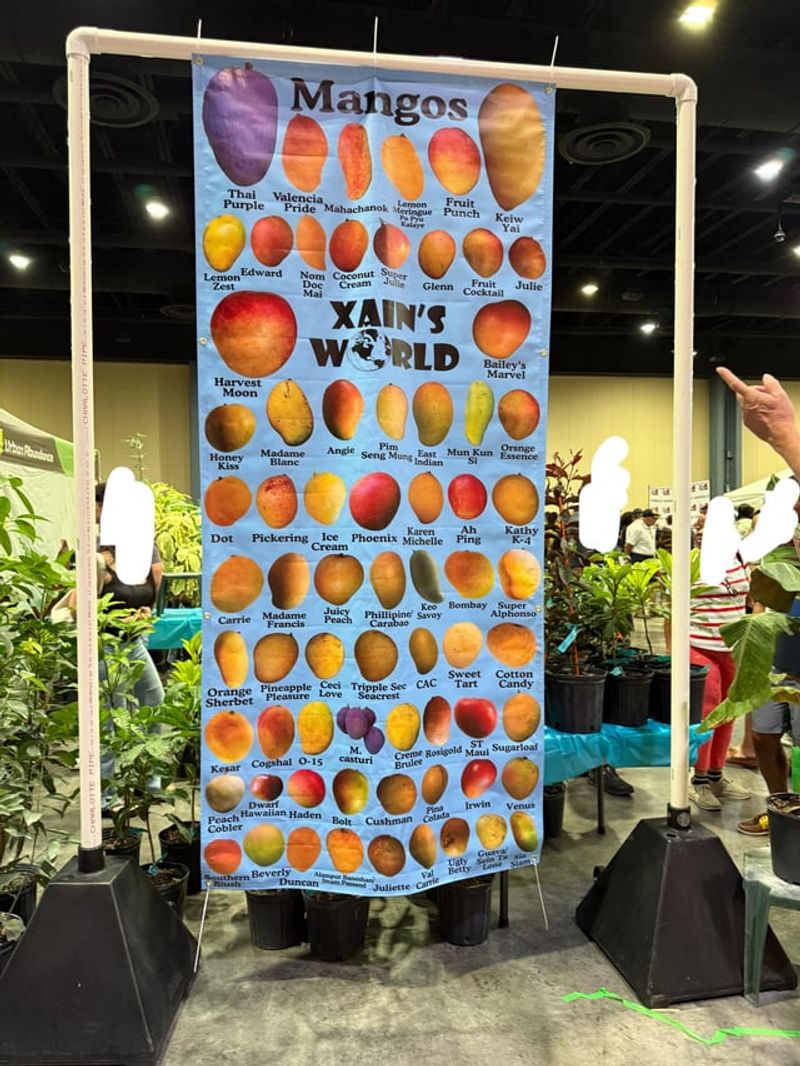
The scion exchange brings together serious mango enthusiasts who propagate their own trees through grafting. Scions are small branches cut from desirable mango varieties that can be grafted onto rootstock to create new trees. This method lets growers multiply rare cultivars and share them with others who appreciate unique varieties.
The exchange operates on a community-building philosophy where growers trade scions rather than just buying and selling.
Participating in the scion exchange requires some horticultural knowledge, but the festival environment makes it accessible to newcomers willing to learn. Experienced grafters often share tips and techniques, helping beginners understand proper cutting angles, timing, and aftercare for successful grafts. This knowledge transfer keeps traditional propagation skills alive in Florida’s mango-growing community.
The exchange preserves mango diversity by spreading rare varieties beyond single locations. If one tree dies from disease or hurricane damage, the variety survives in other yards across the state. This distributed conservation approach protects Florida’s mango heritage while letting more people enjoy exceptional fruit that would otherwise remain unavailable.
8. Vendors Offer Mango Products and Growing Supplies
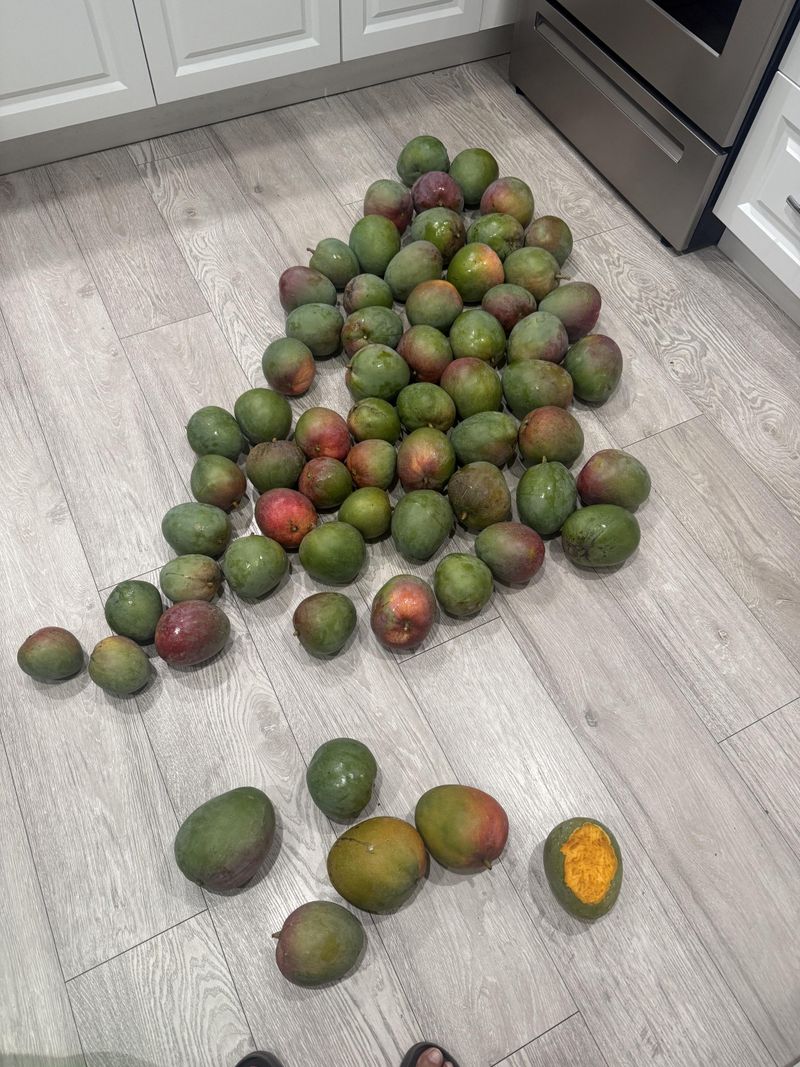
Beyond fresh fruit, the vendor area showcases the many ways mangoes transform into other delicious products. Local producers sell mango chutneys, salsas, jams, dried mango slices, and even mango hot sauces that balance sweetness with serious heat. These value-added products let you enjoy mango flavors year-round, long after fresh fruit season ends.
Many vendors offer samples so you can taste before committing to a purchase.
The festival also features suppliers selling everything needed for successful mango cultivation. You’ll find specialized fertilizers formulated for tropical fruit trees, pruning tools designed for mango branches, pest management products, and soil amendments that improve Florida’s sandy earth. These vendors understand the specific challenges of growing mangoes in the Sunshine State and stock products that actually work in local conditions.
Shopping at the festival supports small businesses and local agriculture rather than sending money to distant corporations. You can ask vendors detailed questions about their products and get personalized recommendations based on your specific growing situation. The combination of food products and agricultural supplies makes the vendor area useful for both casual mango lovers and dedicated growers.