11 Florida Springs Worth Visiting Before Summer Turns Up The Heat
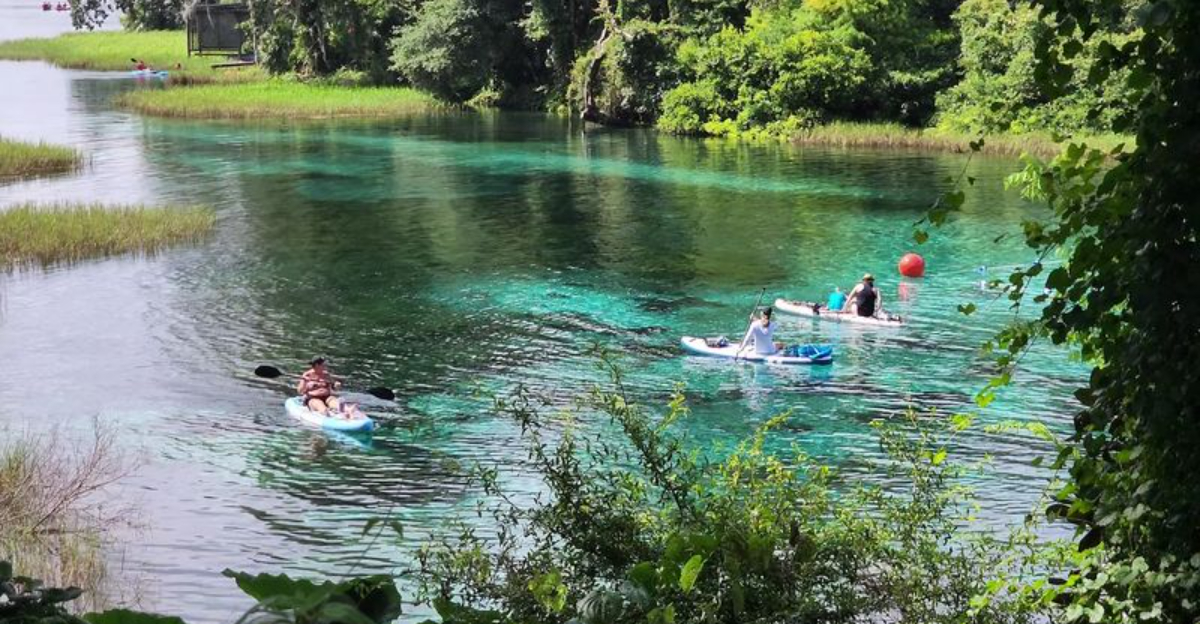
Florida’s springs stay a cool 72 degrees year-round, but visiting them before peak summer hits makes all the difference. Once school lets out and temperatures climb into the 90s, these natural attractions turn into elbow-to-elbow crowds fighting for tube rentals and parking spots. Right now, though, you can still paddle, swim, and explore without the chaos, enjoying clearer water visibility and shaded trails that feel genuinely peaceful instead of like a theme park queue.
1. Ichetucknee Springs State Park (Fort White)
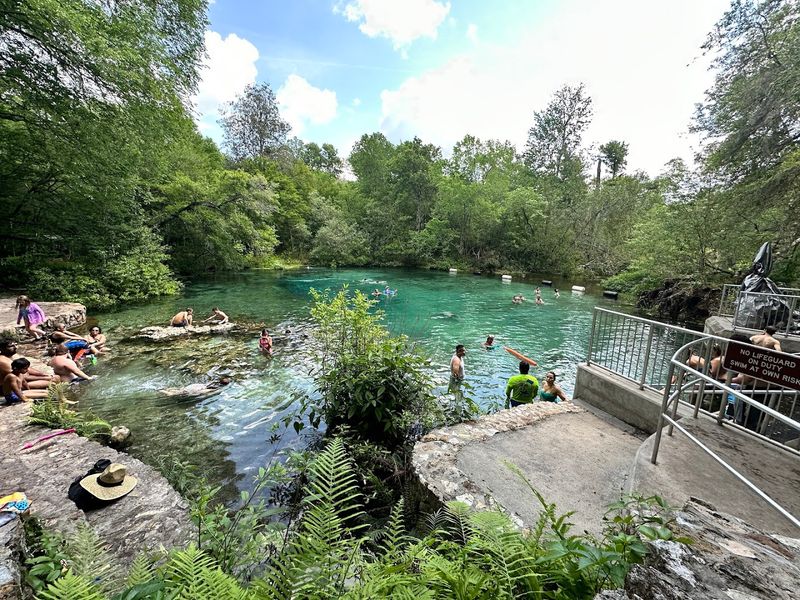
Tubing down the Ichetucknee River feels like Florida’s version of a lazy afternoon done right. The water stays cold enough to wake you up but not so frigid you’re miserable, and the current does most of the work while you float past cypress trees and limestone banks.
Florida DEP calls this one of the state’s finest spring parks for paddling and tubing, which tracks once you see how clean and consistent the flow is. The river runs clear enough that you can watch fish dart underneath your tube, and the whole setup feels more natural than manufactured.
Before summer crowds pack the launch points, you can actually rent a tube without a two-hour wait and pick your own pace. The park offers both a shorter one-hour float and a longer three-hour route, depending on how committed you are to doing absolutely nothing productive.
Shaded sections along the route give you breaks from direct sun, and the water temperature makes even midday floats comfortable. Pack a waterproof bag for snacks and sunscreen, and go on a weekday if you can swing it—the difference in crowd density is dramatic.
2. Rainbow Springs State Park (Dunnellon)
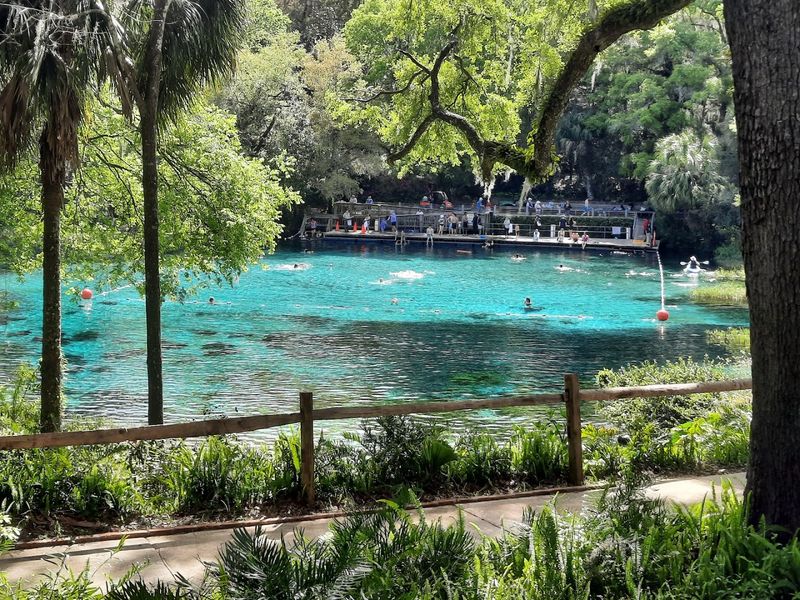
Rainbow Springs lives up to its name with water so blue it looks digitally enhanced, except it’s just limestone filtering spring water at 400 million gallons per day. The main spring area has gardens, waterfalls, and swimming zones that feel more curated than your average Florida spring—but in a good way, not a tacky way.
Paddling the Rainbow River gives you miles of clear water and overhanging trees, with enough wildlife sightings to keep things interesting without feeling like a nature documentary. Turtles sun themselves on logs, fish swirl in the shallows, and the occasional otter makes an appearance if you’re quiet.
The park gets absolutely slammed once summer vacation starts, so visiting now means you can actually walk the garden paths without getting stuck behind a slow-moving tour group. The tube rentals and kayak launches stay manageable, and parking doesn’t require circling like a vulture.
Bring water shoes because the limestone bottom can be sharp in spots, and pack a picnic for the shaded pavilion areas. The waterfalls near the headspring make for solid photos, and the whole park has enough variety that you won’t feel like you’ve seen everything in 20 minutes.
3. Wekiwa Springs State Park (Apopka)
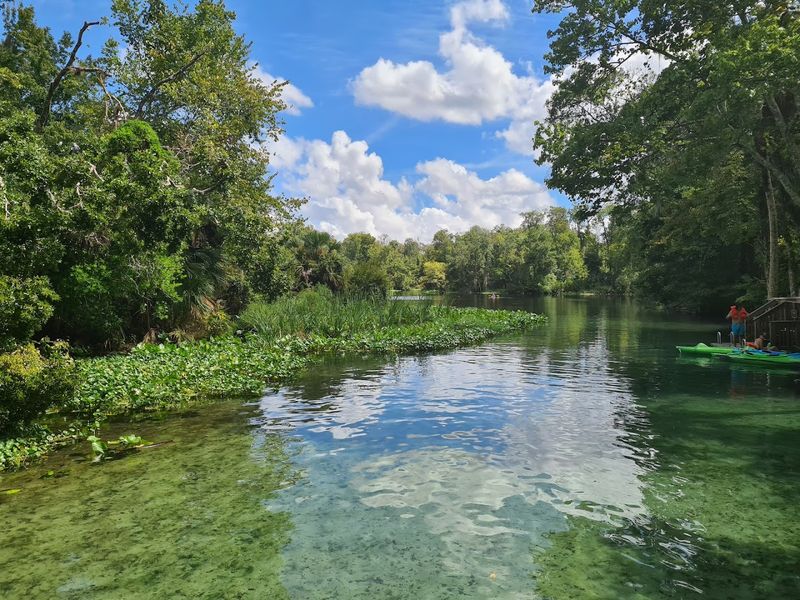
Sitting just north of Orlando, Wekiwa Springs gives you that nature-escape feeling without requiring a full road trip. Southern Living includes it among Florida’s clearest freshwater springs, which matters when you’re trying to decide if the water looks inviting or sketchy.
The spring basin stays busy but rarely feels chaotic, especially if you show up before noon. Swimming here means jumping into 72-degree water that shocks your system for about 30 seconds before feeling perfect, and the sandy bottom makes entry easy even for kids.
Paddling the Wekiva River (yes, different spelling) takes you through quieter stretches where the only sounds are birds and your paddle cutting water. The park rents canoes and kayaks if you don’t have your own, and the routes range from short loops to longer downstream trips.
Hiking trails wind through sand pine scrub and hardwood hammocks, offering a break from water activities without straying too far from the main spring area. Gopher tortoises cross the paths regularly, and deer pop up in the early morning or late afternoon.
Pack bug spray for the trails and bring cash for the park entry fee. The concession stand sells basics, but prices reflect the captive-audience situation, so bringing your own snacks makes more sense.
4. Rock Springs at Kelly Park (Apopka)
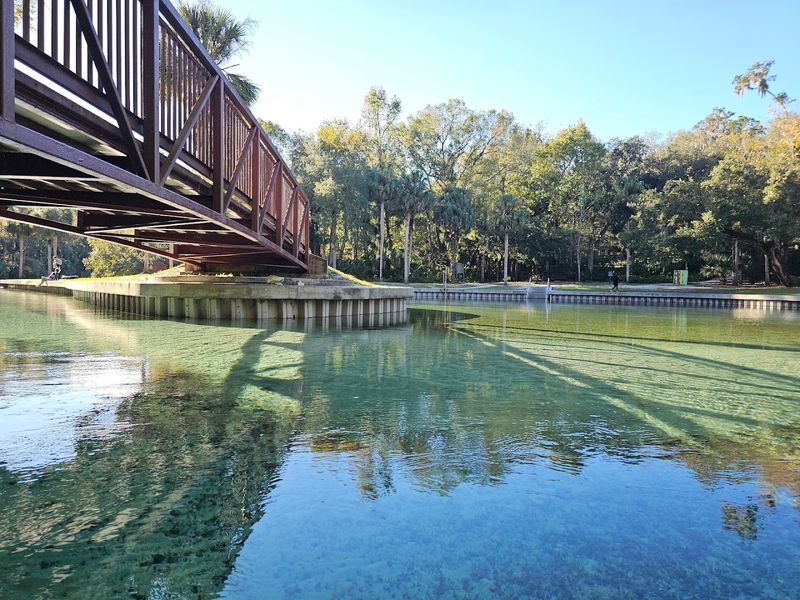
Kelly Park’s spring run operates like a natural lazy river, except the water is cold, clear, and moves at a pace that feels genuinely relaxing. The loop measures about a quarter-mile, and you can float it as many times as your patience for carrying a tube back to the start allows.
Local guides warn this place hits capacity fast during summer, with cars lining up at dawn just to get in. Right now, though, you can roll in mid-morning and still snag parking without the stress of wondering if you drove 40 minutes for nothing.
The spring run stays shallow enough that kids can touch bottom in most spots, and the current never gets aggressive enough to feel scary. Tubes are allowed, but so is just wading or swimming without any floatation device.
Bring your own tube if possible because the park doesn’t rent them, and make sure it’s sturdy—cheap inflatables don’t hold up well against the limestone bottom. Coolers are allowed in designated areas, and shaded pavilions near the spring provide good spots for setting up base camp.
The water stays cold year-round, which feels amazing in summer but can be borderline uncomfortable on cooler spring days. Plan accordingly with towels and a change of clothes in the car.
5. Blue Spring State Park (Orange City)
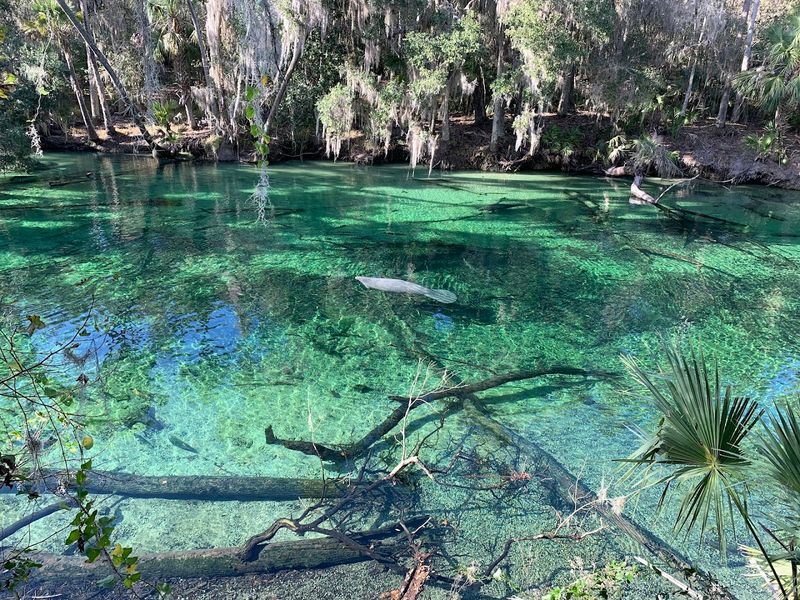
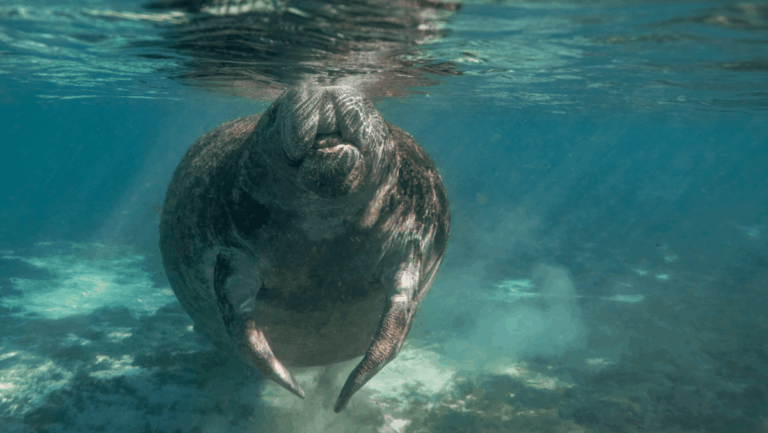
Blue Spring’s boardwalk stretches along the spring run, giving you a bird’s-eye view of the clearest water you’ll see without scuba gear. In winter, manatees pack the spring by the dozens, but visiting before summer means you get the beauty without the marine mammal traffic jam.
Swimming is allowed in designated areas once manatee season ends, and the water temperature stays consistent enough that it feels refreshing without being punishing. The spring basin drops to significant depth quickly, so strong swimming skills help if you plan to venture beyond the shallow edges.
Paddling the St. Johns River from the park takes you through quieter backwaters where cypress trees drip with Spanish moss and alligators sun themselves on banks. Kayak and canoe rentals are available on-site, and the routes are well-marked enough that getting lost isn’t a real concern.
Hiking trails wind through hardwood hammocks and offer shaded relief from direct sun, with interpretive signs explaining the ecosystem without being preachy. Camping is available if you want to make a weekend of it, and the sites stay relatively quiet compared to bigger state parks.
Pack binoculars for bird watching and bring a waterproof camera for the boardwalk views. The spring’s blue color is most dramatic in morning light when the sun hits the water at the right angle.
6. Weeki Wachee Springs State Park (Weeki Wachee)
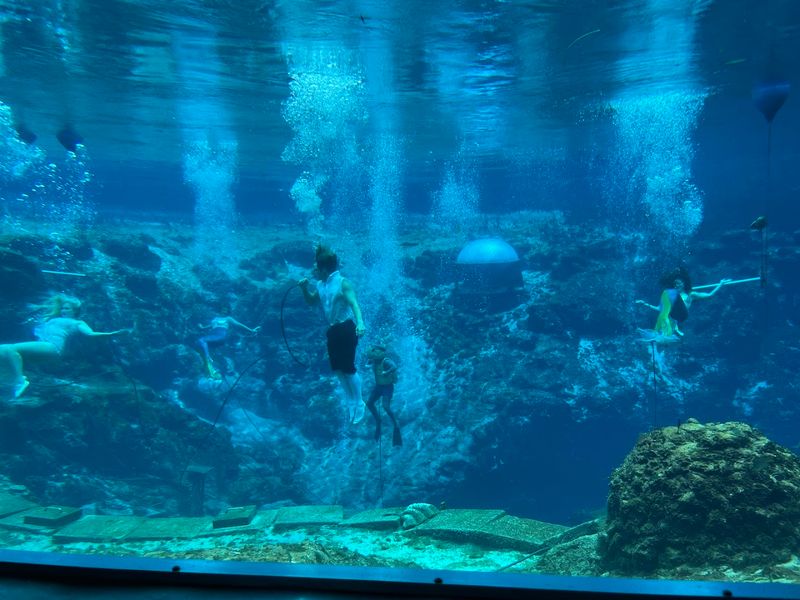
Weeki Wachee’s mermaid shows have been running since 1947, which makes them either delightfully retro or completely absurd depending on your tolerance for Florida kitsch. Either way, the spring itself is legitimately beautiful, and the river offers solid paddling opportunities beyond the theatrical underwater performances.
The spring pumps out 117 million gallons daily, feeding a river that winds through undeveloped coastline toward the Gulf of Mexico. Kayaking or canoeing here means spotting manatees, turtles, and enough fish to keep things visually interesting without feeling like a crowded aquarium.
Buccaneer Bay, the park’s water playground area, opens seasonally and provides a more traditional swimming experience with slides and sandy beaches. It’s geared toward families but doesn’t feel overly commercialized compared to actual water parks.
The mermaid shows run multiple times daily and include underwater ballet routines that are genuinely impressive from a breath-holding perspective. Tickets are included with park admission, and the theater stays cool even when outside temperatures climb.
Bring water shoes for rocky areas along the river, and pack snacks because the concession options are limited and pricey. The park gets busy on weekends, so weekday visits offer shorter lines for both the shows and kayak rentals.
7. Gilchrist Blue Springs State Park (High Springs)
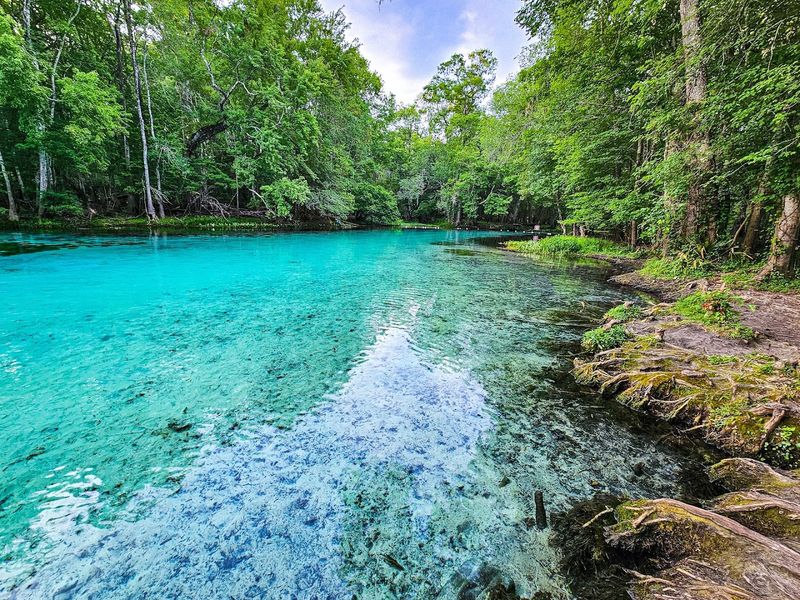
Gilchrist Blue Springs sits in North Florida’s spring belt, where the water runs so clear you can count individual pebbles 20 feet down. Southern Living highlights it as one of Florida’s clear-water spring stops, which is accurate once you see how the limestone filters everything to an almost unnatural clarity.
The spring basin is smaller than some of the more famous spots, which means it feels less like a public pool and more like a hidden swimming hole. Depths reach about 30 feet in the center, and the cold water creates a sharp temperature gradient that you can feel as you swim deeper.
Paddling the Santa Fe River from the park takes you through sections where the current picks up enough to keep things interesting without requiring whitewater skills. Fallen trees create natural obstacles, and the riverbanks stay wild enough that you feel genuinely removed from civilization.
The park is smaller and quieter than nearby Ichetucknee or Ginnie Springs, which makes it ideal if you’re looking for a less crowded experience. Facilities are basic but functional, with picnic areas and restrooms that do the job without any frills.
Bring your own kayak if possible because rentals aren’t available on-site, and pack a dry bag for valuables. The spring stays swimmable year-round, but spring and fall offer the best balance of air temperature versus cold water shock.
8. Ginnie Springs (High Springs)
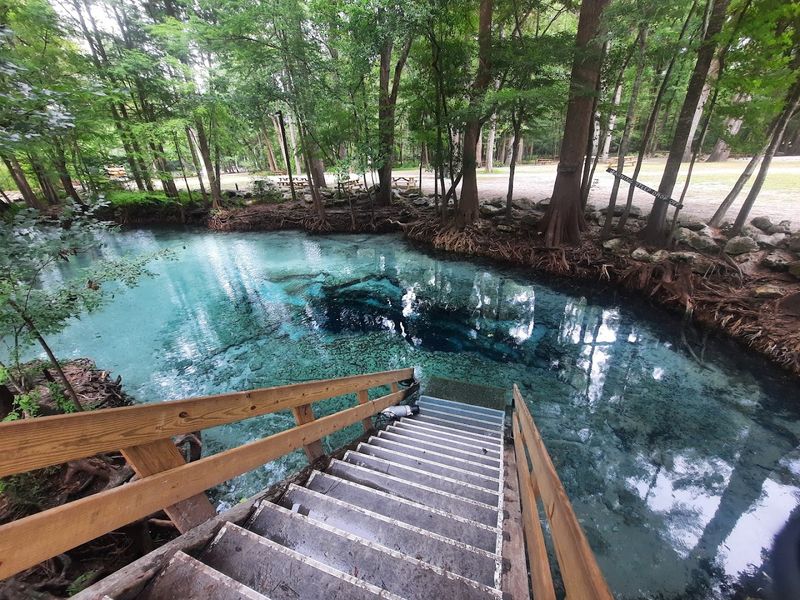
Ginnie Springs operates as a privately owned park, which means it charges admission and stays open longer hours than state-run alternatives. The trade-off is better amenities, more camping options, and a setup that caters specifically to people who want to spend a full day or weekend at the springs.
The main spring is famous among divers for its underwater cave systems, but you don’t need scuba gear to appreciate the clarity. Snorkeling here reveals rock formations, fish, and enough visibility to see across the entire spring basin.
Tubing the Santa Fe River connects multiple springs and creates a lazy float that takes a few hours depending on water levels. The current does most of the work, and the route passes through shaded sections that provide relief from direct sun.
Camping options range from primitive sites to RV hookups, and the park allows alcohol, which sets it apart from most state parks. The vibe skews younger and more social, especially on weekends when college students from Gainesville make the trip.
Bring cash for admission and tube rentals, and expect crowds during peak season. Visiting before summer means easier parking, shorter waits for tubes, and a generally less hectic atmosphere that makes the experience more enjoyable.
9. Juniper Springs Recreation Area (Ocala National Forest)
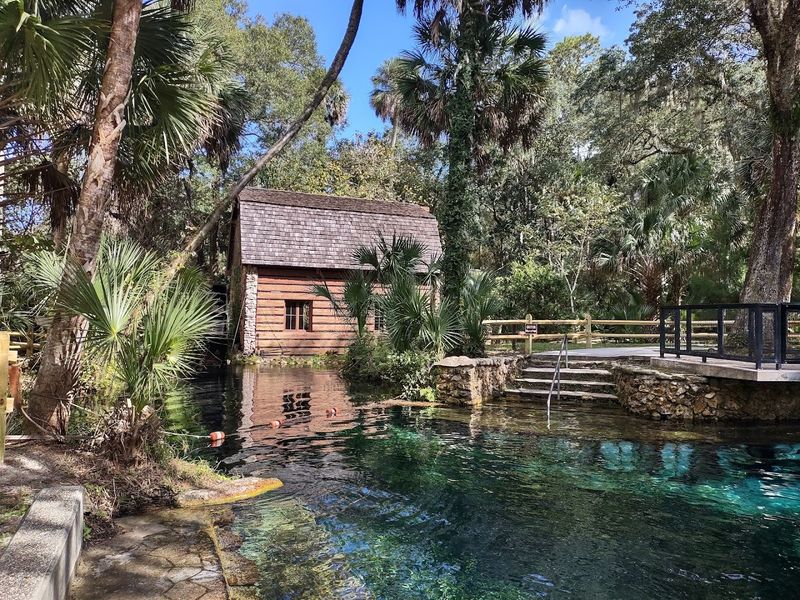
Juniper Springs sits deep in Ocala National Forest, surrounded by sand pine scrub and hardwood hammocks that make the approach feel like you’re heading somewhere genuinely remote. The spring itself is smaller and more intimate than the big-name parks, with a stone-lined pool that dates back to Depression-era construction by the Civilian Conservation Corps.
The paddling route through Juniper Creek is the main draw here, winding seven miles through narrow channels overhung with vegetation. Fallen trees and tight turns keep things interesting, and the isolation means you’re more likely to see wildlife than other people.
Swimming in the spring pool feels like stepping back in time, with historic stonework framing the basin and forest pressing in from all sides. The water temperature stays cold year-round, and the depth drops quickly from the edges.
Canoe rentals are available on-site, and the staff provides shuttle service back from the downstream takeout point. The route takes three to four hours depending on water levels and how often you stop to appreciate the scenery.
Bring bug spray because mosquitoes thrive in the forest environment, especially near dawn and dusk. The recreation area charges a day-use fee, and facilities are basic but clean, with restrooms and picnic areas near the spring.
10. Alexander Springs Recreation Area (Ocala National Forest)
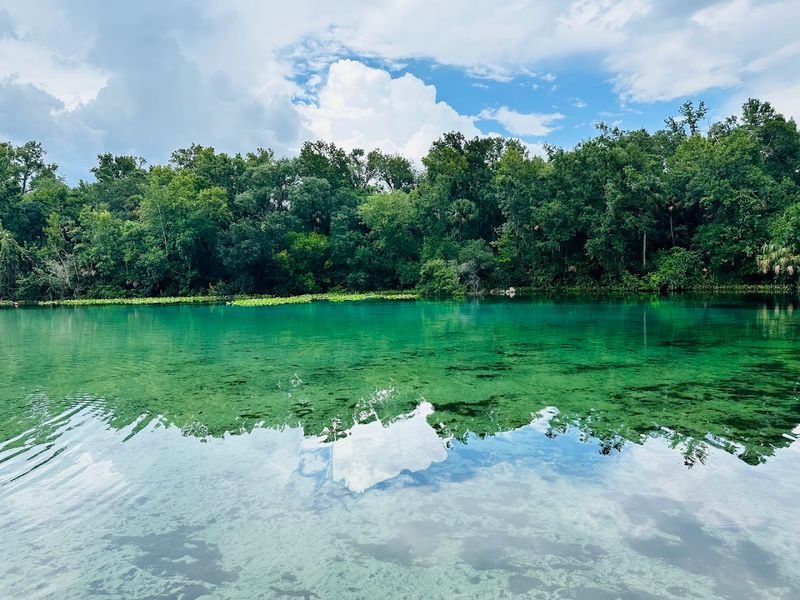
Alexander Springs offers a gentler, more accessible spring experience compared to some of Ocala National Forest’s more rugged options. Recent Florida travel guides describe it as a serene spot with clear water and nature-focused recreation, which undersells how genuinely pretty the spring basin is once you see it in person.
The swimming area features a sandy beach that slopes gradually into the spring, making it easier for kids and less confident swimmers to enjoy the water. The spring pumps out 76 million gallons daily, creating a constant flow that feeds Alexander Creek.
Paddling the creek takes you through forest corridors where cypress trees line the banks and wildlife sightings are common. The route is less challenging than Juniper Creek, with fewer obstacles and a more relaxed current that suits beginners.
Camping is available in the recreation area, with sites that stay relatively quiet even during busier weekends. The forest setting provides shade and privacy, and the facilities are well-maintained for a national forest campground.
Snorkeling in the spring reveals limestone formations and fish populations that thrive in the constant 72-degree water. Visibility is excellent, and the spring’s depth creates interesting light effects as sunlight filters through the water column.
Pack everything you need because the nearest stores are a significant drive away, and bring cash for the day-use fee.
11. Three Sisters Springs (Crystal River)
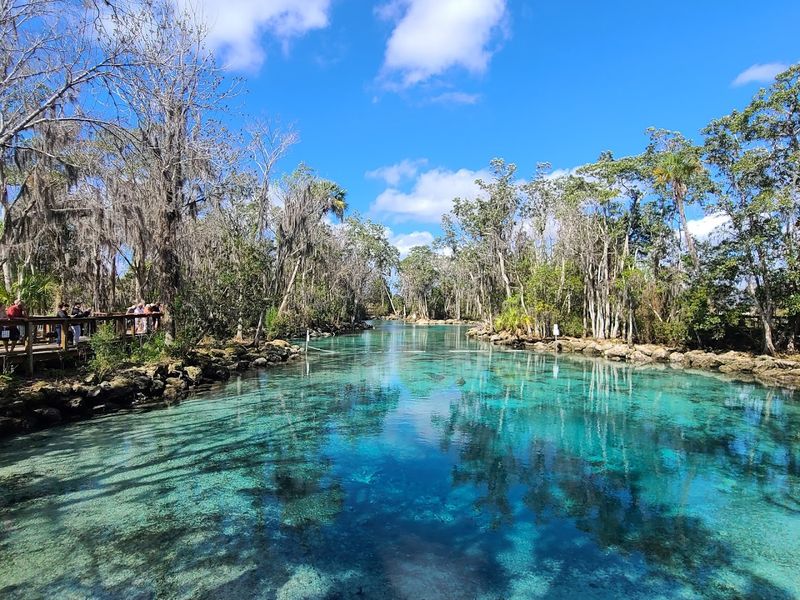
Three Sisters Springs looks like someone turned up the saturation on a nature photo, except the turquoise water really is that bright in person. The spring system feeds into Kings Bay and serves as a critical manatee refuge during winter, but visiting before summer heat arrives means you can still enjoy the scenery without the intense manatee-viewing crowds.
Boardwalks circle the springs, providing viewing platforms that showcase the water clarity and spring vents bubbling up from the limestone below. Even if you don’t get in the water, the boardwalk experience alone justifies the trip.
Paddling is allowed seasonally, and kayaking through the springs gives you a water-level perspective that feels more immersive than viewing from above. The city of Crystal River manages access carefully to protect the ecosystem, so permits and launch times are regulated.
Swimming is restricted in certain areas to protect manatee habitat, but designated zones allow snorkeling and floating when conditions permit. The water stays clear enough to see the bottom even in deeper sections, and fish populations thrive in the protected environment.
Bring a waterproof camera because the photo opportunities are exceptional, and arrive early because parking fills quickly even outside peak season. The area has become increasingly popular on social media, which has boosted visitor numbers significantly in recent years.