These 8 Florida Animal Rescues Let You Meet Incredible Creatures While Supporting A Good Cause
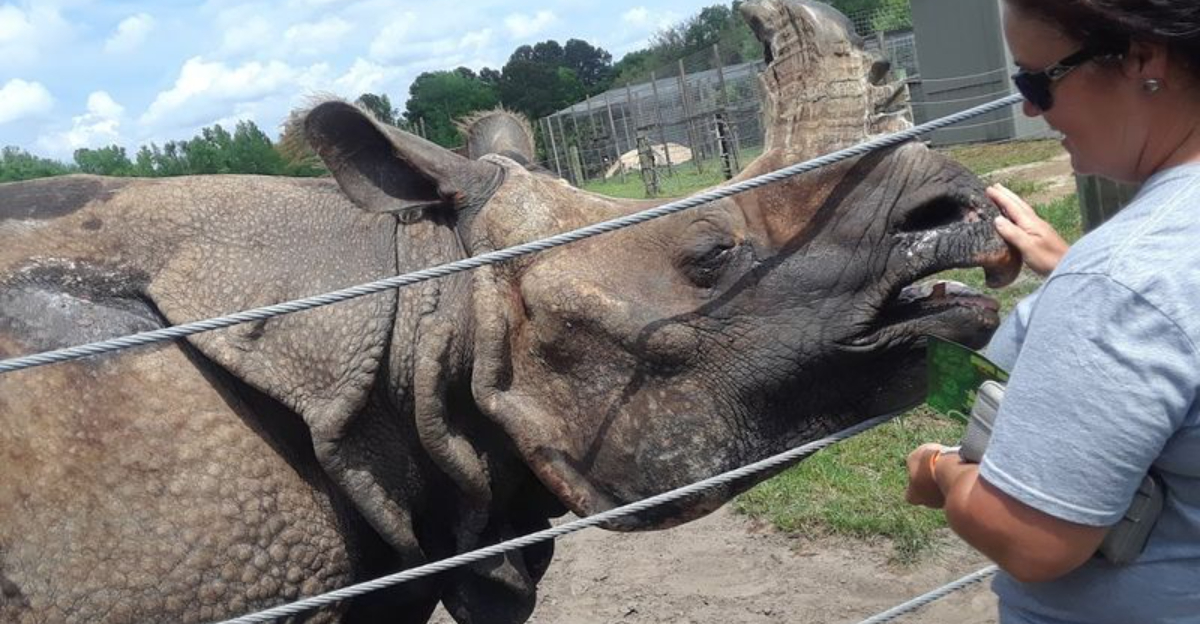
Florida is home to some incredible animal rescue organizations that give you the rare chance to get up close with wildlife while supporting their lifesaving work. From majestic elephants to misunderstood wolves, these sanctuaries rescue, rehabilitate, and provide forever homes to creatures who need a second chance. Whether you’re looking for a family adventure or want to learn more about conservation, visiting these rescues lets you connect with amazing animals and contribute to their care at the same time.
1. Myakka Elephant Ranch (Myakka City)
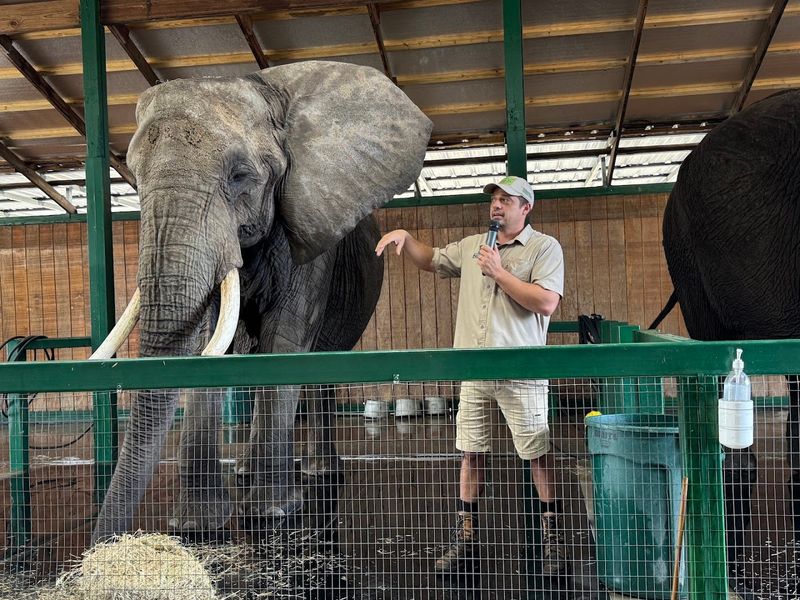
Walking alongside an elephant is something most people only dream about, but at Myakka Elephant Ranch, it’s a reality. This nonprofit conservation center gives visitors the chance to meet resident elephants while learning about their intelligence, behavior, and the challenges they face in the wild. Educational encounters here focus on fostering respect and understanding for these gentle giants.
The ranch offers a variety of experiences, from observing the elephants during their daily routines to more hands-on options where you can help with bathing or feeding. Each visit is designed to be both memorable and meaningful, with guides sharing stories about each elephant’s personality and background. The intimate setting ensures every guest leaves with a deeper appreciation for elephant conservation.
What sets this place apart is its commitment to education over entertainment. The staff emphasizes the importance of protecting elephants in their natural habitats and supporting ethical treatment worldwide. By visiting, you’re directly contributing to the care of the elephants living here and funding broader conservation efforts.
Reservations are required since space is limited to keep the experience stress-free for the animals. Many visitors describe their time here as life-changing, especially for kids who get to see these magnificent creatures up close. The ranch’s peaceful rural location adds to the magic, making it feel like you’ve stepped into another world where elephants roam freely and humans are simply honored guests.
2. Seacrest Wolf Preserve (Chipley)
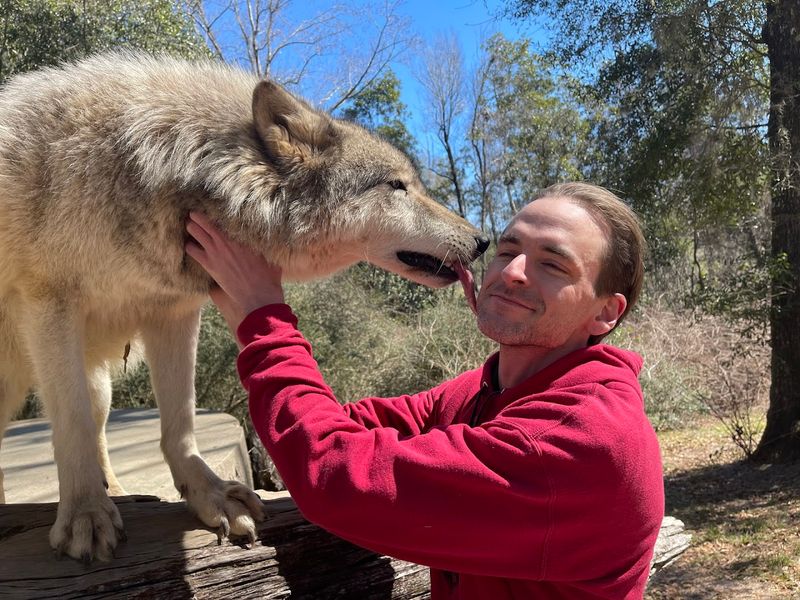
Wolves have been misunderstood for centuries, but one visit to Seacrest Wolf Preserve might just change everything you thought you knew about them. This nonprofit sanctuary in the Florida Panhandle is dedicated to wolf conservation through education, offering visitors a rare opportunity to meet ambassador wolves face-to-face. The preserve operates on a reservation-only basis to maintain a calm environment for both wolves and guests.
During your visit, knowledgeable guides share fascinating insights about wolf behavior, pack dynamics, and the critical role these predators play in healthy ecosystems. You’ll learn why wolves were nearly driven to extinction and what’s being done to protect them today. The educational encounters are designed to dispel myths and replace fear with respect and admiration.
The highlight for many visitors is the chance to interact directly with the wolves, looking into their eyes and witnessing their intelligence firsthand. These aren’t tame pets—they’re wild animals living in a protected setting where they can exhibit natural behaviors. The preserve’s staff has built trust with these wolves over years of dedicated care, allowing for these incredible encounters.
Because space is limited and the experience is intimate, booking well in advance is essential. Visitors consistently rave about how moving the experience is, often describing it as spiritual or transformative. The preserve’s remote location in Chipley adds to the sense of adventure, making the journey part of the memorable experience of connecting with these magnificent creatures.
3. St. Augustine Wild Reserve (St. Augustine)
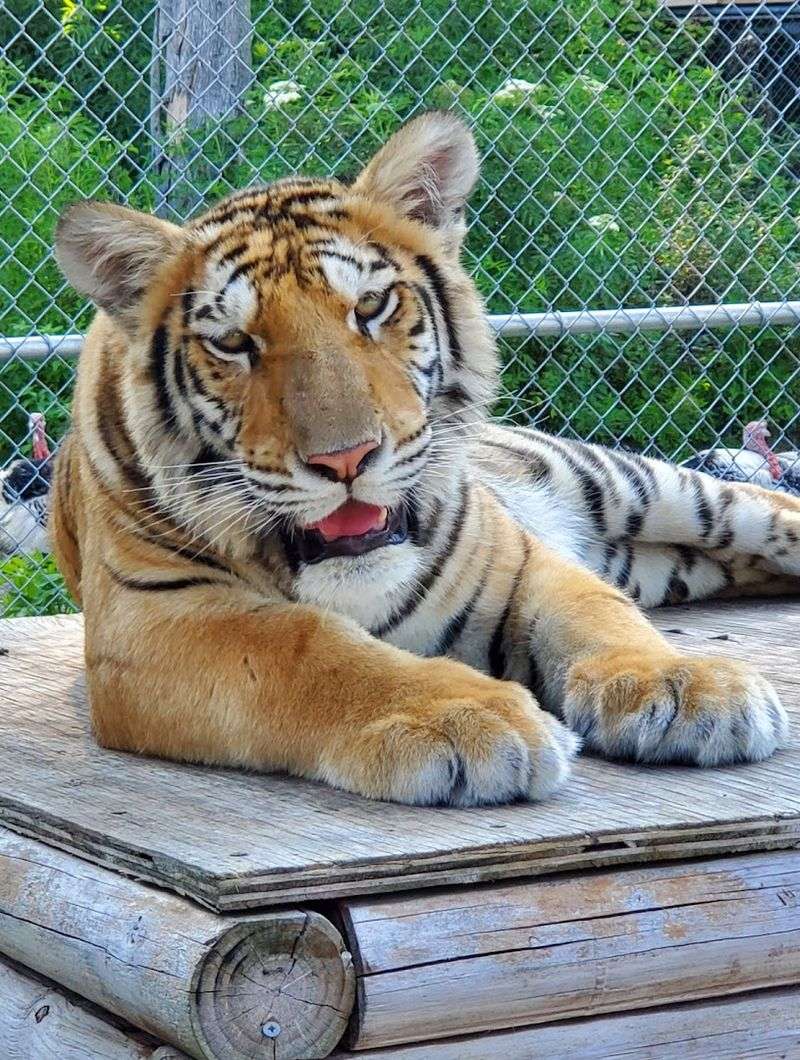
Big cats prowling through spacious enclosures, their power and grace on full display—that’s what awaits at St. Augustine Wild Reserve. This wildlife rescue operation has earned local recognition as a top animal encounter destination, but its real mission goes much deeper than tourism. The reserve provides a home for exotic animals who can’t be released into the wild, many rescued from difficult situations.
Guided tours take you through the facility where you’ll meet tigers, leopards, and other incredible creatures while learning about their individual stories. The knowledgeable staff doesn’t sugarcoat the realities these animals faced before arriving at the reserve. Instead, they use these stories to educate visitors about the exotic pet trade, habitat loss, and the importance of ethical wildlife conservation.
What makes this place special is how it balances education with genuine care for its residents. The animals aren’t performing or being exploited—they’re living in environments designed to meet their physical and psychological needs. During your visit, you’ll see enrichment activities that keep the animals engaged and healthy, from puzzle feeders to climbing structures.
The reserve’s location in historic St. Augustine makes it easy to combine with other attractions, but many visitors say this experience stands out as the most meaningful part of their trip. Photography opportunities abound, though the focus remains on learning rather than just snapping pictures. By supporting the reserve through your visit, you’re helping fund the ongoing care these remarkable animals require for the rest of their lives.
4. Carson Springs Wildlife Conservation Foundation (Gainesville)
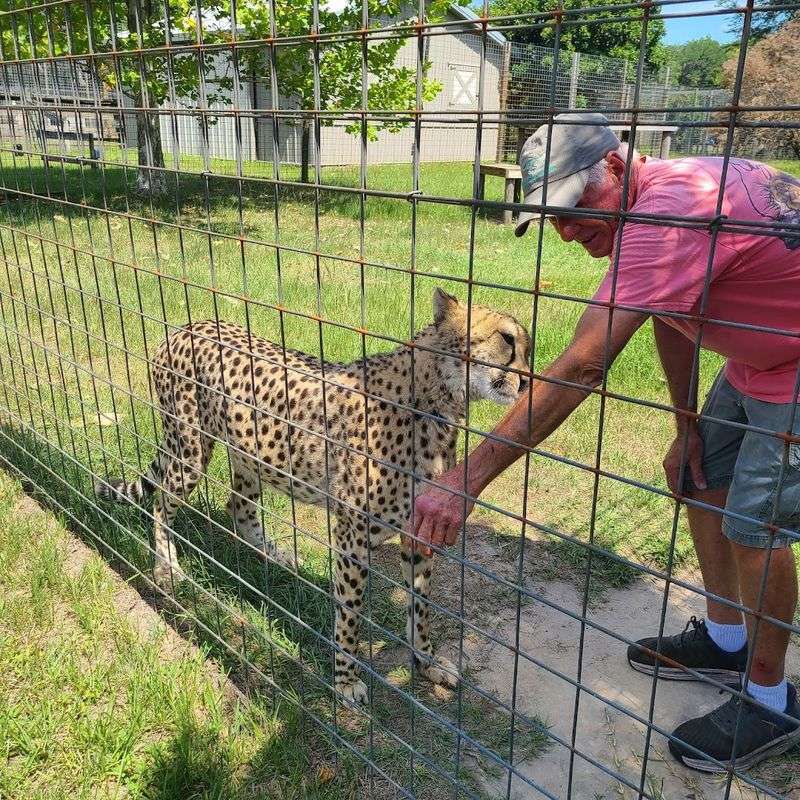
Not all heroes wear capes—some run wildlife sanctuaries in North Central Florida. Carson Springs Wildlife Conservation Foundation operates as a haven for exotic animals who need permanent homes, offering educational tours that open visitors’ eyes to the realities of wildlife conservation. The foundation welcomes guests through scheduled tours, open houses, and private visits designed to accommodate different group sizes and interests.
During a tour, you’ll encounter an impressive variety of species, from big cats to primates, each with their own backstory. Many arrived at the sanctuary after being surrendered by owners who couldn’t properly care for them or rescued from inadequate living conditions. The staff shares these stories not to judge but to educate about the responsibilities and challenges of exotic animal ownership.
The foundation’s approach emphasizes respect for the animals’ needs above all else. Enclosures are spacious and enriched with features that allow natural behaviors, and the care protocols prioritize animal welfare. Visitors learn not just about the individual animals but about broader conservation issues affecting their wild counterparts around the globe.
Carson Springs also offers symbolic adoption programs and accepts donations to support their ongoing work. These contributions directly fund food, veterinary care, and habitat improvements for the residents. Many guests return multiple times, drawn back by the passion of the staff and the chance to see how the animals are thriving in their forever home.
The educational component is strong here, making it ideal for families who want their kids to learn about wildlife responsibility and conservation ethics firsthand.
5. Rooterville Animal Sanctuary (Melrose)
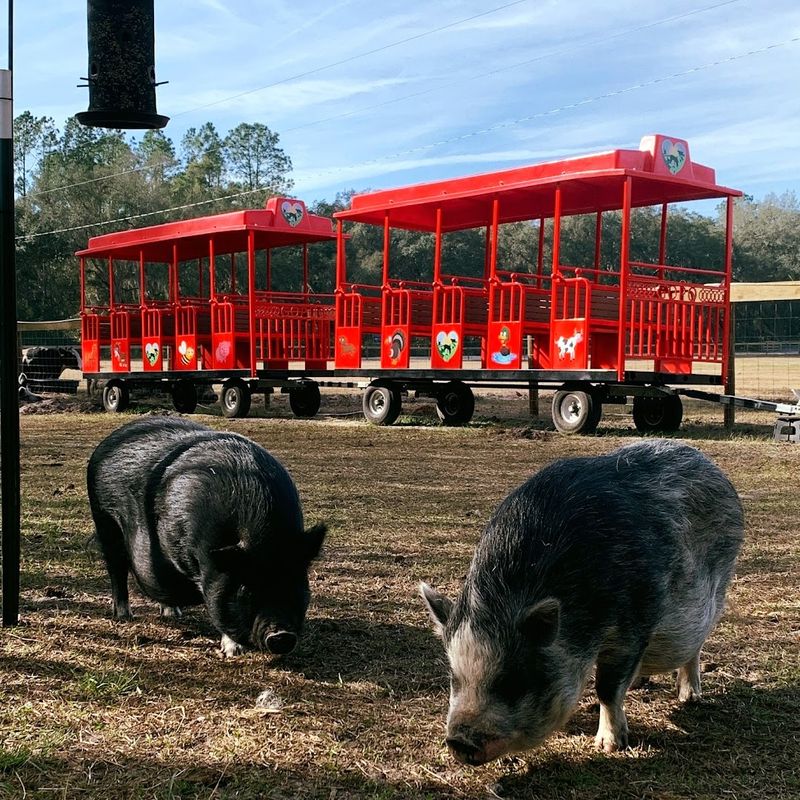
Highland cows with their shaggy coats and sweet faces might just be the most huggable creatures on four legs. At Rooterville Animal Sanctuary, you can experience exactly that through their popular Highland cow cuddle sessions. But this sanctuary’s mission extends far beyond adorable photo ops—it provides a safe haven for rescued farm animals, particularly pot-bellied pigs who were abandoned or abused.
Founded specifically to help unwanted pigs, Rooterville has expanded to care for cows, goats, chickens, and other farm animals who needed rescue. Visitors can tour the sanctuary, meet the residents, and hear their individual stories of survival and recovery. The staff’s genuine love for these animals shines through in every interaction, and their dedication to providing the best possible care is evident everywhere you look.
The sanctuary offers several visitor options, from simple farm visits to private experiences and even overnight stays for those who want to immerse themselves fully in sanctuary life. Picnics on the grounds let you relax while watching the animals roam freely in their spacious pastures. Each experience is designed to help people connect with farm animals in a way that recognizes their intelligence and emotional capacity.
What’s particularly special about Rooterville is how it challenges visitors to think differently about the animals we often take for granted. Pigs aren’t just farm commodities here—they’re individuals with personalities, preferences, and the ability to form deep bonds. By supporting Rooterville through visits or donations, you’re helping ensure these animals live out their days in comfort, safety, and dignity surrounded by people who truly care about their wellbeing.
6. Busch Wildlife Sanctuary (Jupiter)
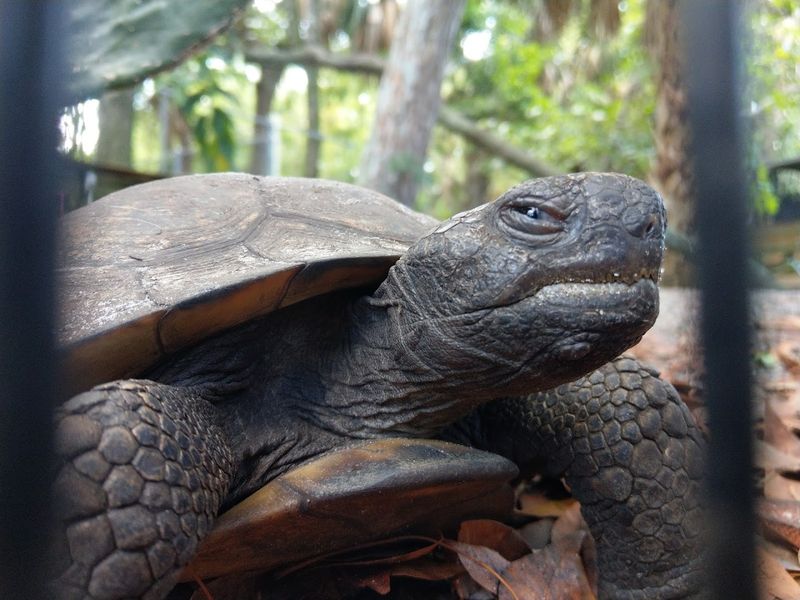
Sometimes the most remarkable wildlife encounters happen with creatures right in our own backyard. Busch Wildlife Sanctuary focuses exclusively on Florida native species, making it the perfect place to meet the animals who share our state while learning about the challenges they face. This nonprofit operates primarily as a rehabilitation center with a strong educational component open to visitors.
The sanctuary’s mission revolves around the three Rs: rescue, rehabilitation, and release. Animals arrive injured, orphaned, or unable to survive in the wild, and the dedicated staff works to heal and prepare them for return to their natural habitats whenever possible. Those who can’t be released become permanent residents and educational ambassadors, helping teach visitors about Florida’s diverse ecosystems.
You’ll encounter everything from majestic raptors to shy gopher tortoises, each representing an important part of Florida’s ecological web. The staff doesn’t shy away from discussing the human impacts that lead to so many animals needing rescue—habitat destruction, vehicle strikes, and illegal feeding all take their toll. These honest conversations help visitors understand how their daily choices affect local wildlife.
What makes Busch Wildlife Sanctuary particularly valuable is its focus on native species that often get overlooked in favor of more exotic animals. An injured bald eagle or a baby raccoon might not seem as exciting as a tiger, but the conservation work happening here directly benefits the wild spaces Floridians enjoy every day. Admission is free, though donations are greatly appreciated and directly support the sanctuary’s lifesaving work for thousands of animals each year.
7. Octagon Wildlife Sanctuary (Punta Gorda)
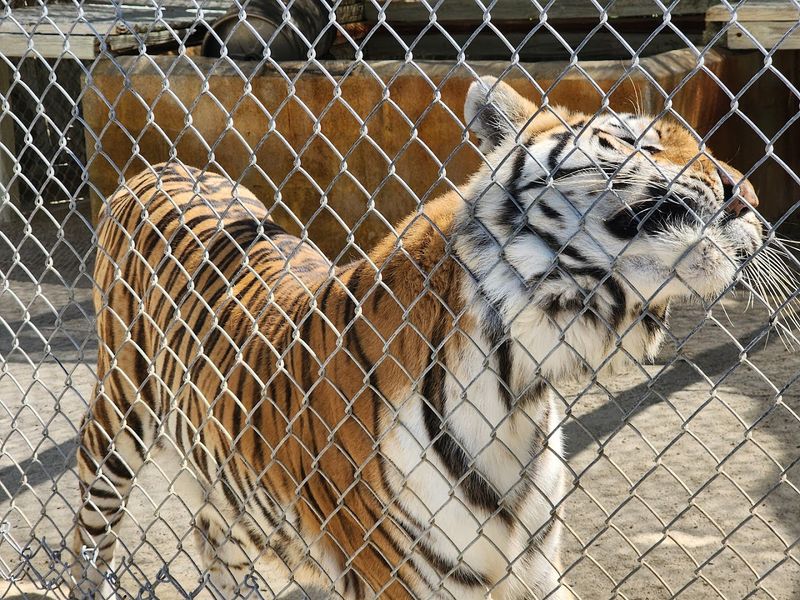
Every animal at Octagon Wildlife Sanctuary has a story, and most of those stories start in difficult places. This nonprofit provides permanent sanctuary for exotic animals who were unwanted, no longer needed, or rescued from mistreatment. The resident population includes big cats, bears, primates, birds, reptiles, and more—all living out their days in a safe environment designed around their needs.
Guided tours offer visitors the chance to meet these incredible animals while learning about the often heartbreaking circumstances that brought them here. Many came from failed breeding operations, private owners who couldn’t properly care for them, or entertainment industries that discarded them when they were no longer profitable. The sanctuary staff shares these realities to educate about the consequences of the exotic pet trade and wildlife exploitation.
The animals’ welfare always comes first at Octagon, which means the sanctuary maintains strict protocols for visitor interactions. Tours are structured to minimize stress on the residents while maximizing educational impact for guests. You’ll see how much space and enrichment each species requires, understanding why keeping exotic animals as pets rarely works out well for anyone involved.
Located in Punta Gorda, the sanctuary operates entirely on donations and visitor support. There’s no government funding backing this operation—just the dedication of staff, volunteers, and visitors who care about giving these animals the best possible life. Many guests describe feeling both heartbroken by the animals’ past experiences and hopeful seeing how they’ve recovered in sanctuary care.
It’s a powerful reminder that while we can’t undo past harm, we can create better futures through compassion and commitment to proper animal welfare.
8. Endangered Animal Rescue Sanctuary / EARS (Citra)
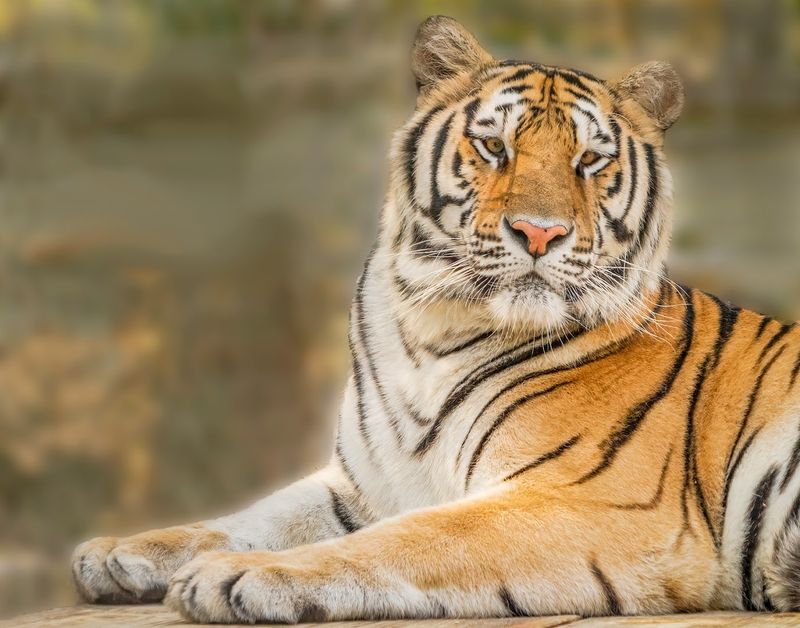
Peace and quiet aren’t luxuries for the big cats at EARS—they’re necessities. This sanctuary takes a deliberately low-key approach to public access, offering only limited visits and private tours by appointment. The reason is simple: after lives spent in stressful situations, these rescued animals deserve tranquility above all else.
EARS provides lifelong sanctuary for abused, neglected, and abandoned exotic animals, with a particular focus on big cats.
The sanctuary’s philosophy prioritizes the animals’ psychological wellbeing alongside their physical health. Small tour groups mean less noise, fewer crowds, and a more respectful experience for both visitors and residents. During your appointment-only visit, you’ll learn about each animal’s background and see firsthand how they’ve flourished in an environment free from exploitation or inadequate care.
What EARS does exceptionally well is demonstrate what proper exotic animal care actually looks like. The spacious, naturalistic enclosures stand in stark contrast to the cramped cages or inappropriate conditions many residents experienced before their rescue. Visitors often express shock at learning how these animals were previously kept, which drives home the sanctuary’s educational message about exotic animal ownership.
The appointment-only model might seem inconvenient, but it reflects EARS’ unwavering commitment to putting animals first. This isn’t a zoo or entertainment venue—it’s a retirement home for creatures who’ve earned the right to live without constant human attention. By keeping visits small and controlled, the sanctuary ensures residents can relax and exhibit natural behaviors.
Supporting EARS through visits or donations helps fund the extensive care these animals require, from specialized diets to veterinary treatments, for the remainder of their lives in this safe haven.