We Stumbled Upon the Most Enchanting Forest in Florida
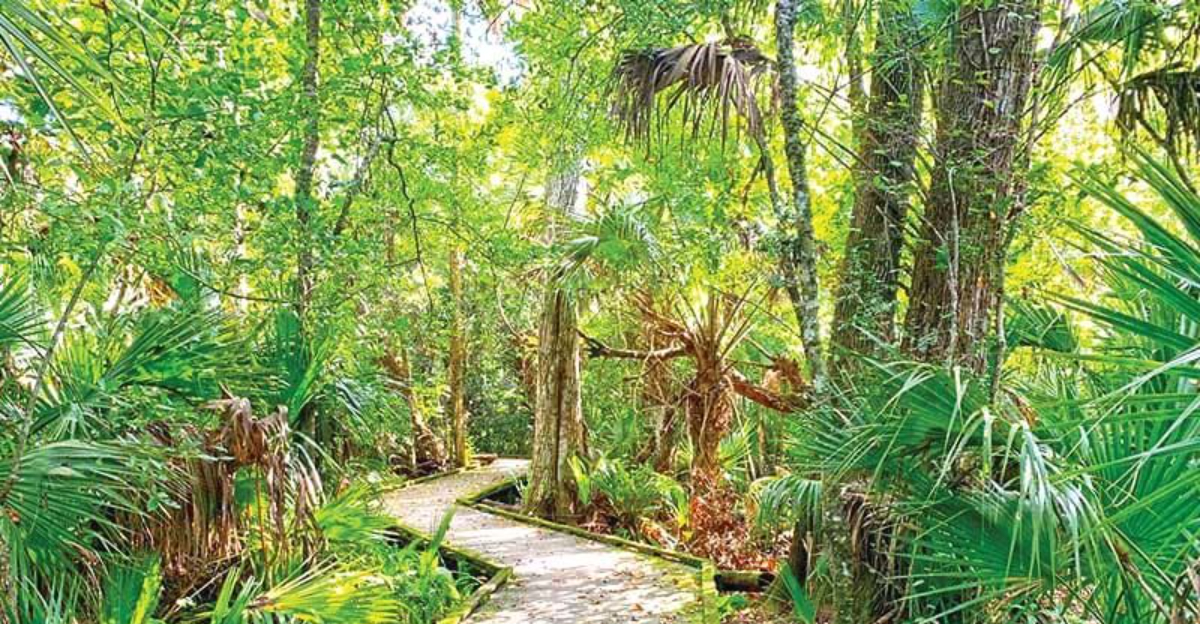
Unexpected and eye-catching, the Brevard County Enchanted Forest Sanctuary lives up to its magical name in every possible way. This 470-acre wildlife refuge offers something you won’t find at typical Florida beaches or theme parks—a genuine connection with nature that feels both peaceful and exciting. Whether you’re searching for gopher tortoises, exploring boardwalks over trickling streams, or simply enjoying trails that wind through ancient trees, this hidden gem delivers an outdoor experience that keeps families coming back again and again.
1. Multiple Trail Options for Every Adventure Level
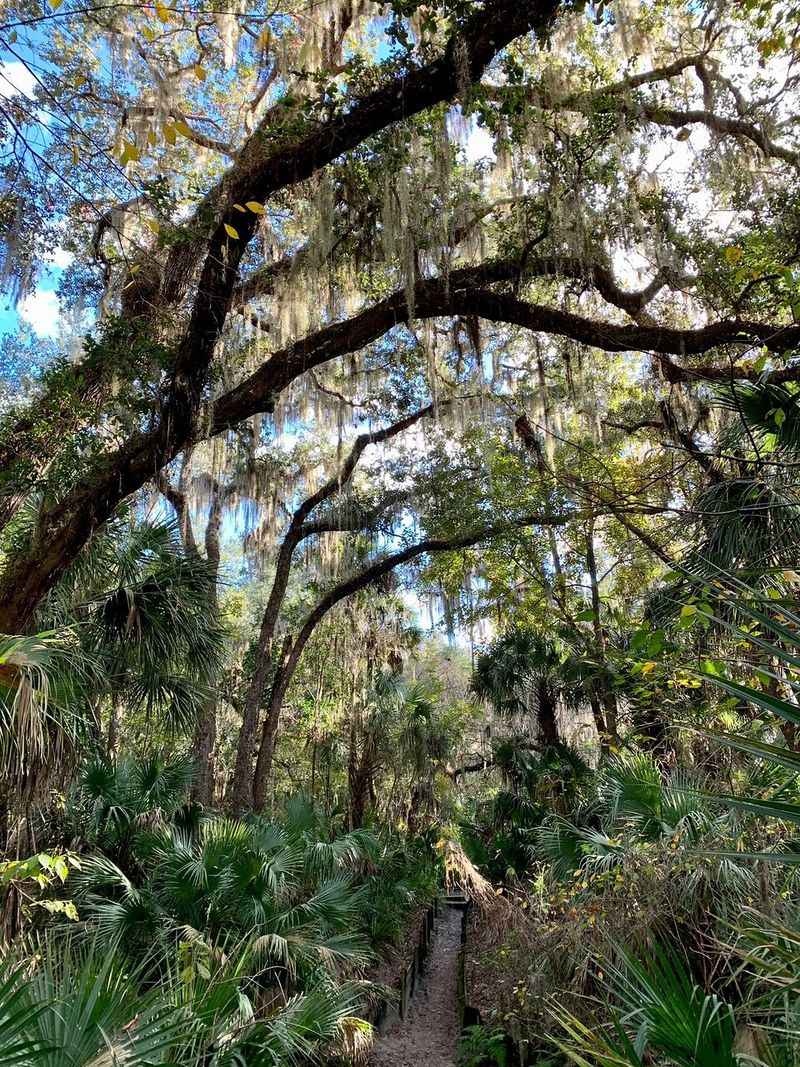
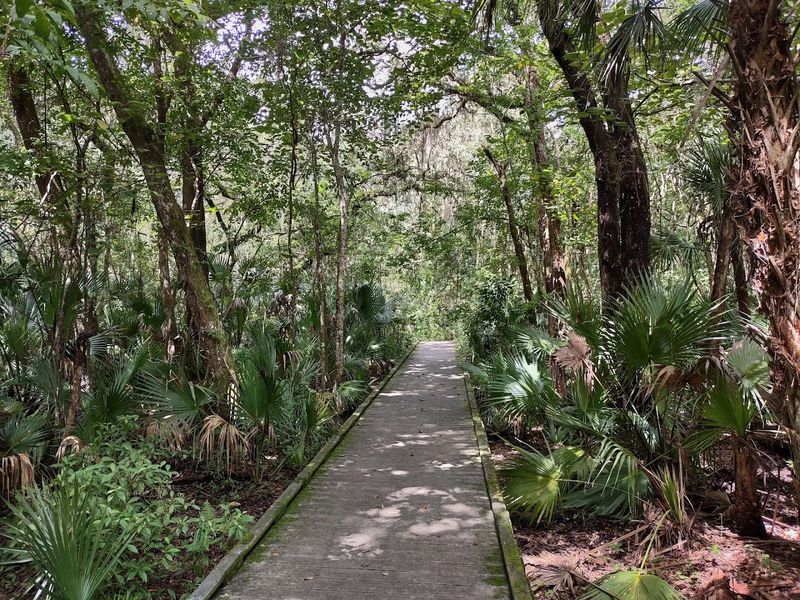
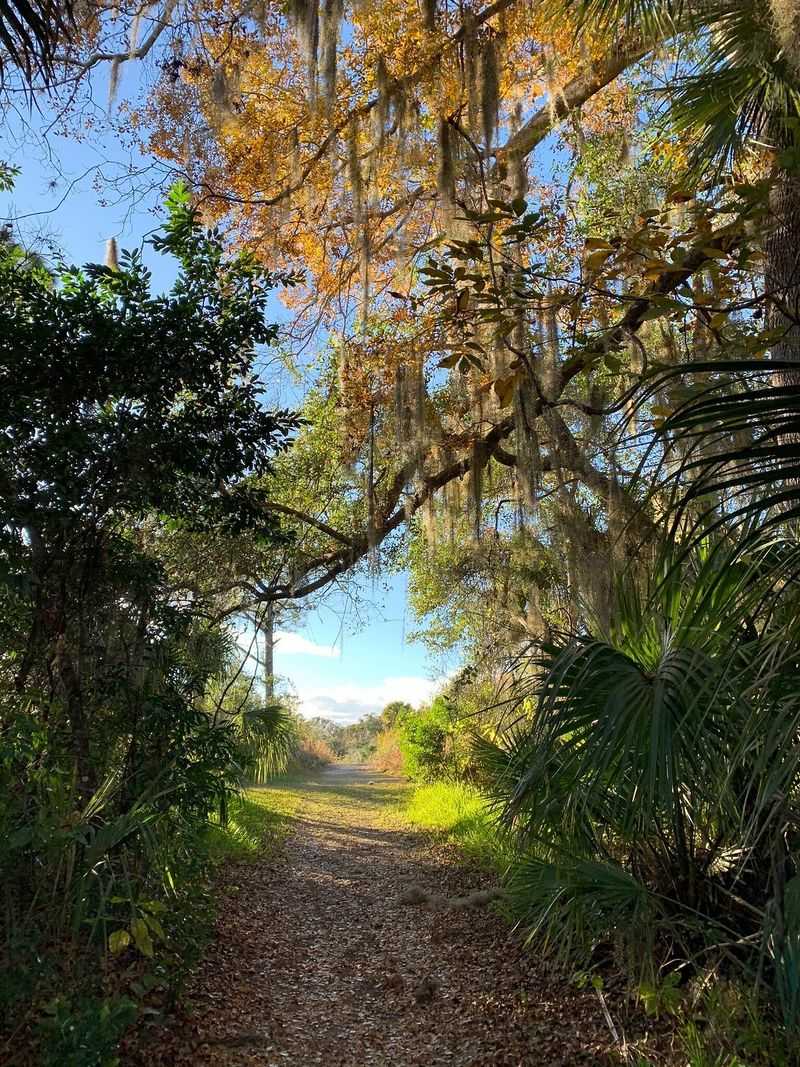
Walking through the sanctuary feels like stepping into several different worlds all connected by well-marked paths. Some trails feature hard-packed sand that crunches beneath your feet, while others surprise you with smooth concrete sections perfect for wheelchairs or strollers. Wooden boardwalks carry you over wetland areas where you might spot turtles basking on logs.
The variety means everyone in your group can find something that works. Got someone recovering from an injury or using mobility aids? The paved accessible boardwalk near the visitor center offers an easy option.
Feeling more adventurous? Longer trails wind deeper into the forest, taking you through different ecosystems where northern and southern plant species somehow coexist.
Trail lengths range from quick half-mile loops to longer routes that can take a couple hours to complete. Signposts keep you from getting lost, and benches scattered throughout give you perfect spots to pause and soak in the surroundings. Most paths stay shaded under the tree canopy, which makes afternoon hikes surprisingly comfortable even during warmer months.
Families appreciate that they can customize their visit based on energy levels and time available. You could spend just thirty minutes or make it a full morning adventure exploring every connected loop.
2. Wildlife Encounters Around Every Corner
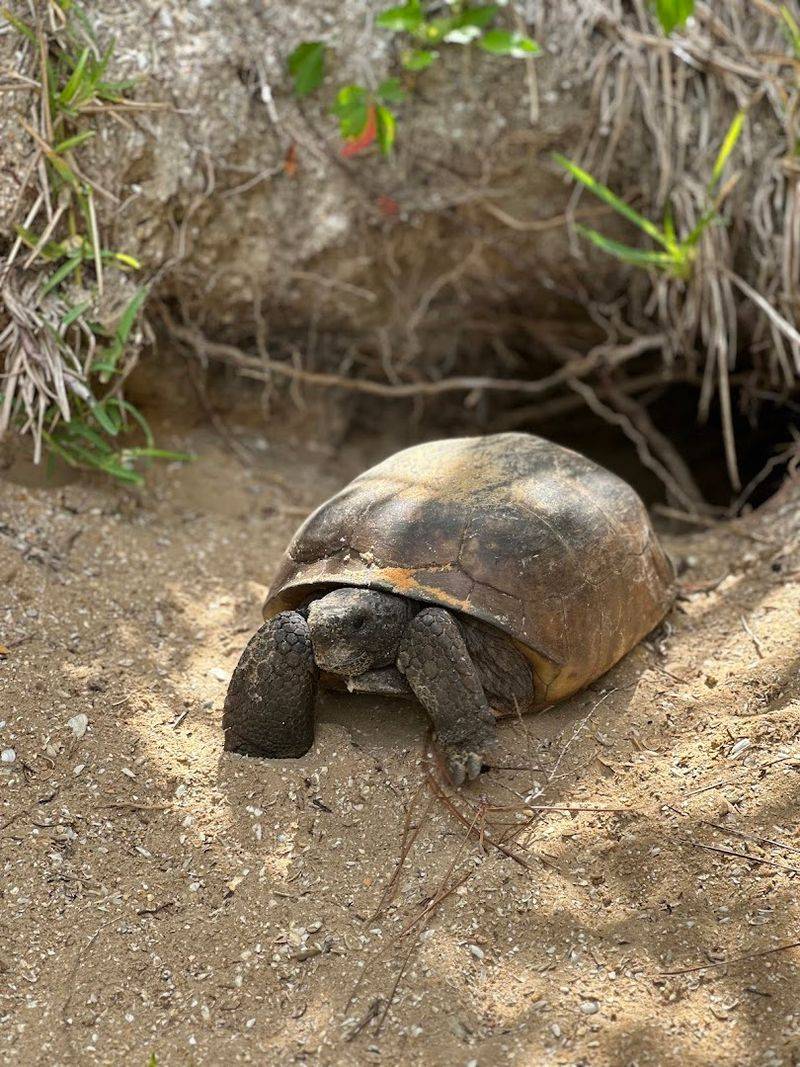
Armadillos scurry across paths with surprising speed when they sense your approach. Gopher tortoises lumber along at their own pace, completely unbothered by human visitors snapping photos. The sanctuary practically guarantees wildlife sightings if you walk quietly and keep your eyes open.
Bird watchers bring binoculars to spot species that thrive in this unique habitat where different Florida ecosystems meet. You might catch glimpses of wild turkeys near the pond or watch tracks appear fresh in sandy sections of trail. Some visitors have spotted boars, rabbits, and various snake species basking in sunny clearings.
The parking lot even features an educational enclosure housing a resident gopher tortoise that kids absolutely love visiting. Inside the nature center, stuffed animals and interactive displays teach you what to look for before heading out on trails. Staff members and volunteers gladly share tips on the best times and locations for spotting specific creatures.
Early morning visits often yield the most wildlife activity, though afternoon explorers still encounter plenty of interesting animals. Remember that this is a protected sanctuary, so all creatures here live undisturbed in their natural environment. Bringing bug spray is smart—mosquitoes consider you just as interesting as you find the armadillos.
3. Educational Visitor Center Packed with Activities
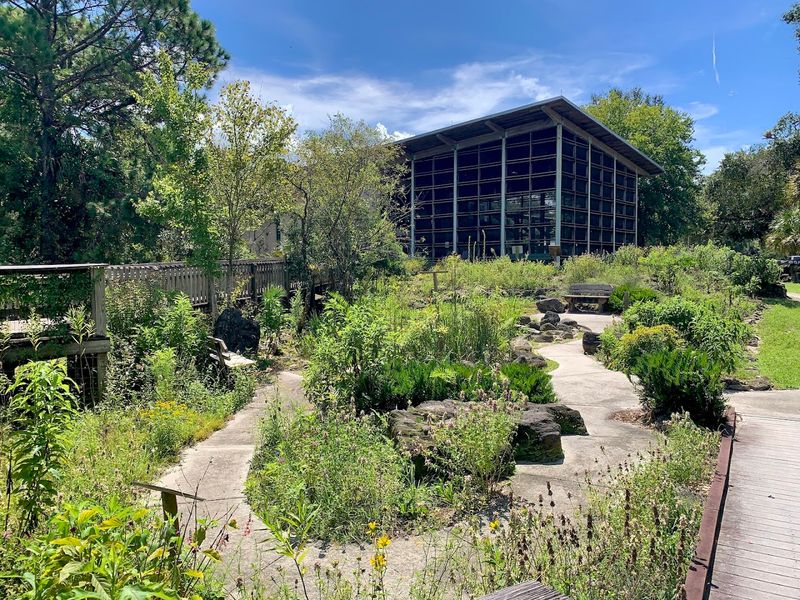
The building surprises first-time visitors with how much it packs into a compact space. Kids gravitate immediately toward the interactive exhibits featuring microscopes, animal skeletons, and touchable specimens that make learning feel like play. Books line shelves for young readers curious about Florida ecosystems, while games and puzzles keep little hands busy.
A dedicated classroom area hosts special programs throughout the week. Story time sessions for children six and under happen on Wednesday mornings, combining tales about nature with simple craft projects. Families can grab scavenger hunt sheets at the front desk, turning their trail walk into an exciting search mission.
The gift shop stocks reasonably priced items that actually relate to the sanctuary experience—field guides, nature-themed toys, and locally made crafts. Many visitors mention being pleasantly surprised by the quality and affordability compared to typical tourist trap pricing. Air conditioning provides welcome relief after hiking, and the water fountain helps everyone rehydrate.
Volunteers and staff members genuinely enjoy sharing their knowledge about the sanctuary. They’ll point out which trails currently have the most wildlife activity or suggest age-appropriate activities for your group. Bathrooms stay clean and accessible, which parents definitely appreciate after spending hours outdoors exploring with excited kids.
4. Screened Pavilion for Comfortable Outdoor Gatherings
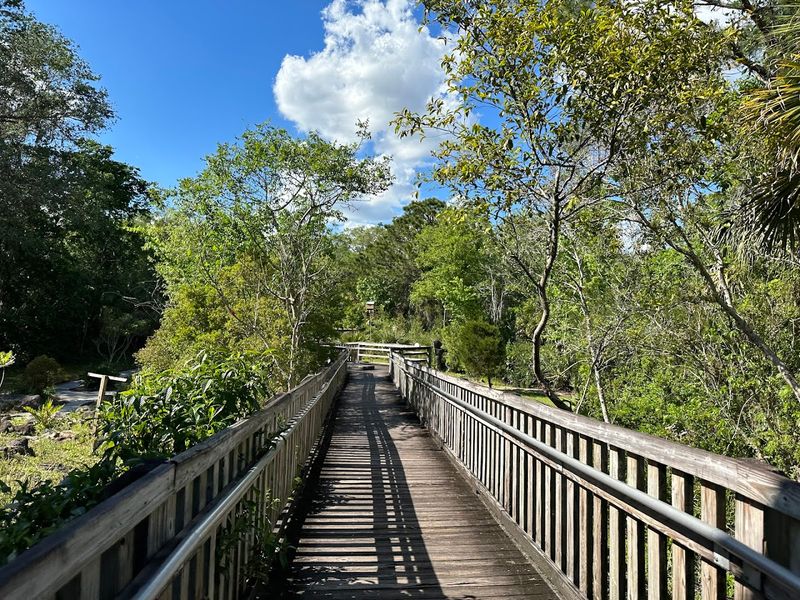
Yoga classes meet regularly in the spacious screened pavilion, where participants can stretch and breathe without battling bugs or blazing sun. The structure offers that perfect combination of being outdoors while staying protected from Florida’s more annoying natural elements. Groups use this space for educational talks, community events, and special programs throughout the year.
The screening keeps mosquitoes at bay while letting breezes flow through, creating a naturally comfortable environment. Locals know this spot as one of the best places in the area for outdoor activities that don’t require constant swatting or sunscreen reapplication. The pavilion sits close enough to parking that carrying supplies isn’t a hassle.
Families sometimes gather here for nature-based birthday celebrations or group outings that combine structured activities with free exploration time. The covered space means events can proceed even if weather turns drizzly, though the sanctuary does close during severe storms. Educational programs led by sanctuary staff often use this area for presentations before heading out onto trails.
The thoughtful design shows how the sanctuary prioritizes making nature accessible and enjoyable for everyone. You get the sights, sounds, and smells of the forest without the discomfort that sometimes keeps people from spending extended time outdoors in Florida’s climate.
5. Highest Elevation Point in Brevard County
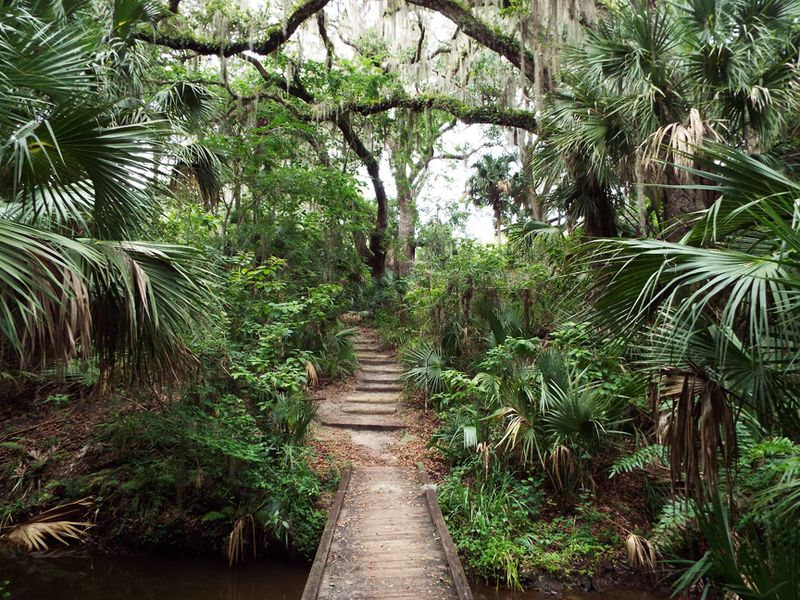
Brevard County isn’t exactly known for mountains, which makes the sanctuary’s elevation change genuinely interesting for geography enthusiasts. Trails wind up and down terrain that feels surprisingly varied for Florida, with some paths descending into small ravines via stairs. The highest point in the entire county sits within sanctuary boundaries, offering bragging rights for hikers who reach it.
These elevation changes create distinct microclimates and ecosystems within a relatively small area. Plants that typically grow further north thrive in cooler pockets, while southern species dominate sunnier, lower sections. Walking from one elevation to another, you’ll notice temperature shifts and different bird songs echoing through the canopy.
The varied terrain also makes the hiking experience more engaging than Florida’s typically flat trails. Your legs actually get a workout on some routes, and the ups and downs keep kids interested rather than bored by monotonous scenery. Photographers love how the changing elevations create diverse backdrops and lighting conditions throughout the day.
Some visitors specifically seek out this geographical feature, wanting to stand at the county’s peak even if it’s modest by mountain state standards. Others simply enjoy the natural variety without realizing they’re experiencing something unique to this particular preserve in otherwise level Central Florida.
6. Free Admission with Convenient Operating Hours
Quality outdoor experiences don’t always require emptying your wallet, and this sanctuary proves it beautifully. Admission costs absolutely nothing, making it accessible for families on any budget or locals who want to visit weekly without financial stress. The only day you can’t visit is Monday—every other day from Tuesday through Sunday, the gates open at nine in the morning and stay welcoming until five in the afternoon.
Parking fills up quickly on pleasant weekend mornings because locals know what a treasure they have here. Arriving earlier gives you better parking spots and often means encountering more active wildlife before the heat of the day. The sanctuary’s popularity among residents speaks volumes about its quality and the positive experiences people have there.
Free doesn’t mean bare-bones here. You get well-maintained trails, knowledgeable staff, educational programs, and facilities that rival places charging admission fees. The county’s Environmentally Endangered Lands Program manages the sanctuary, ensuring it stays protected and accessible for future generations without becoming commercialized.
Smart visitors call ahead at 321-264-5185 if they have specific questions about current trail conditions or special events. The website provides additional details about upcoming programs and seasonal considerations for planning your visit to this exceptional natural resource.
7. Perfect Spot for Photography and Nature Study
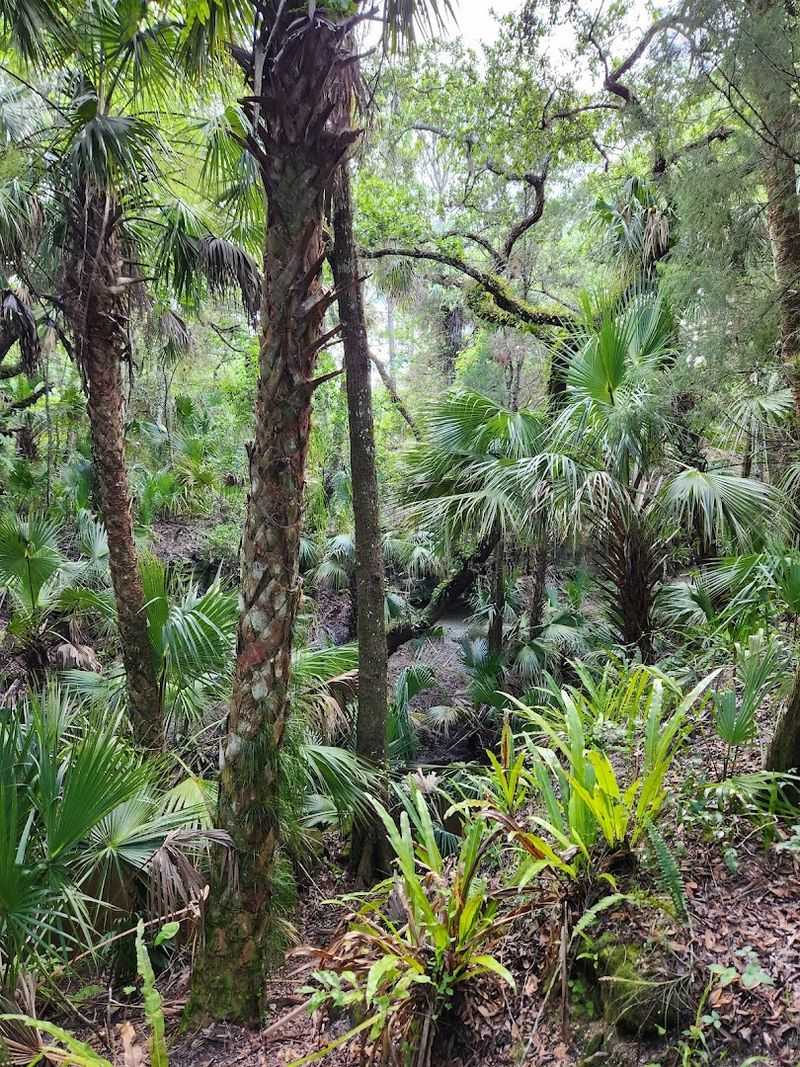
Photographers return repeatedly because the sanctuary delivers constantly changing subjects and lighting conditions. Wild orange trees surprise visitors who’ve never seen citrus growing naturally in Florida forests. Massive magnolia trees create dramatic frames for landscape shots, while colorful beauty berries pop against green foliage backgrounds.
Different mushroom varieties appear seasonally, offering macro photography opportunities.
Plant enthusiasts can spend hours identifying species and noting which natives thrive in various microhabitats throughout the preserve. Wild coffee grows in shaded areas, and the diversity of flora reflects that special zone where northern and southern ecosystems overlap. Bringing a field guide helps you learn what you’re seeing, though sanctuary staff can also answer botanical questions.
Animal tracks in sandy sections tell stories about nocturnal visitors you might not encounter during daytime hikes. Fresh scat from coyotes and other mammals provides evidence of the complete ecosystem functioning here. Serious nature students bring notebooks to document seasonal changes and species observations over multiple visits.
The variety of habitats packed into this preserve means you can capture wetland scenes, dense forest shots, and open clearing images all in one outing. Golden hour photography works beautifully here, with sunlight filtering through Spanish moss and creating that magical Florida forest atmosphere that makes every photo look professionally composed.
8. Family-Friendly Programs and Scavenger Hunts
Scavenger hunts transform regular trail walks into exciting missions where kids actually pay attention to their surroundings. The sanctuary provides sheets listing specific plants, animals, or natural features to find, turning education into adventure. Children who might normally complain about hiking suddenly become eager explorers racing to spot the next item on their list.
Wednesday morning story times combine age-appropriate nature tales with hands-on craft projects that reinforce learning. The programs work perfectly for preschoolers and kindergarteners, giving them structured activities that match their attention spans and developmental levels. Parents appreciate having free educational entertainment that gets kids excited about the natural world.
School field trips happen regularly because teachers know the sanctuary offers curriculum-aligned learning in an engaging outdoor setting. The biodiversity trail works particularly well for older elementary students studying ecosystems and habitats. Groups can arrange special programming by contacting the sanctuary in advance, though drop-in families find plenty to do without reservations.
The approach here focuses on making nature accessible and fun rather than lecturing kids about environmental concepts. Hands-on exhibits let children touch fossils, examine specimens under microscopes, and interact with educational materials at their own pace. This philosophy creates positive associations with outdoor spaces that often last into adulthood, building the next generation of conservation-minded citizens.