Free Parking, Free Entry, and a Scenic Overlook? This Florida Hike Is an Easy Yes
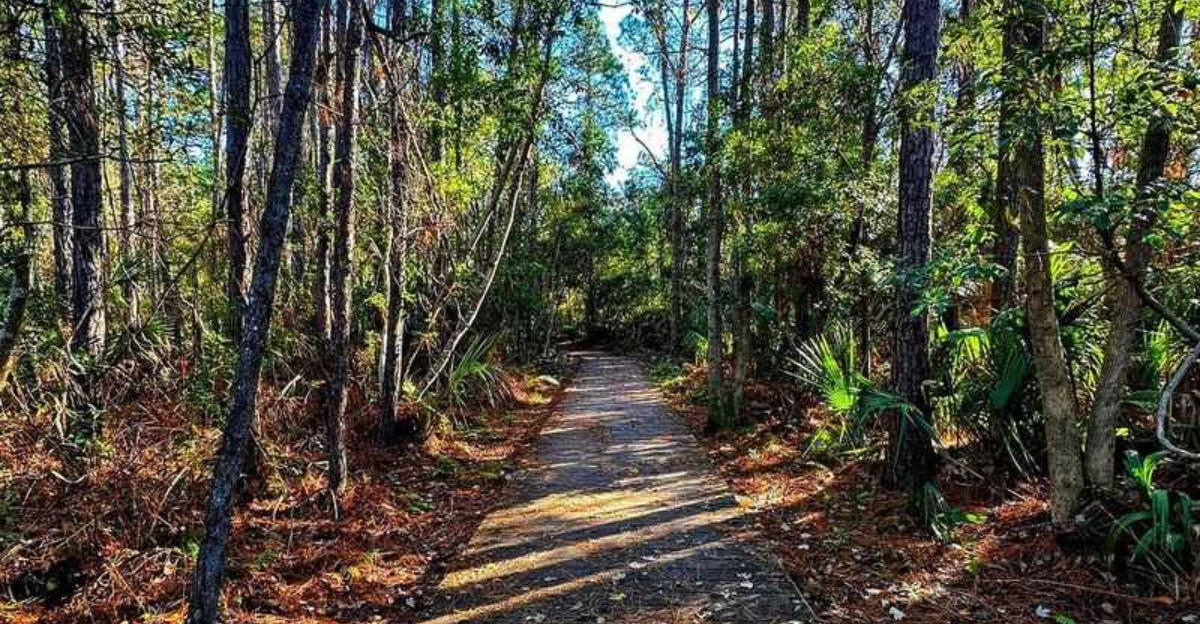
Spanish Pond Trailhead in Jacksonville offers something rare in today’s world: a genuine outdoor adventure that won’t cost you a dime. This hidden gem within the Timucuan Ecological and Historic Preserve delivers miles of shaded trails, fascinating wildlife, and a stunning marsh overlook that’ll make you forget you’re still in the city. Whether you’re looking for a quick morning walk or a longer exploration through five different ecological zones, this trail system welcomes everyone from solo hikers to families with strollers and leashed dogs.
1. Zero Cost, Maximum Adventure
Forget entrance fees and parking charges. Spanish Pond Trailhead operates completely free of charge, making it one of Jacksonville’s best-kept secrets for budget-conscious adventurers. The small parking lot fills up fast on busy weekends, but weekday mornings offer plenty of space and solitude.
Part of the National Park Service’s Timucuan Ecological and Historic Preserve, this trail proves you don’t need deep pockets to experience Florida’s natural beauty. The only investment you’ll make is time, and even that’s flexible since the trail accommodates everything from quick 30-minute strolls to multi-hour explorations covering over four miles.
Located at 32225 Jacksonville, the trailhead sits conveniently across from Fort Caroline National Monument. Visitors can easily combine both locations for a full day of discovery without spending a cent. The preserve operates Wednesday through Sunday from 9 AM to 5 PM, staying closed Mondays and Tuesdays.
Families especially appreciate this no-cost option. Kids can run, explore, and learn about Florida ecosystems without parents worrying about wasted admission fees if someone gets tired early. Dogs on leashes join the fun too, making this a genuine community resource that welcomes everyone regardless of budget constraints or hiking experience level.
2. That Jaw-Dropping Marsh Overlook
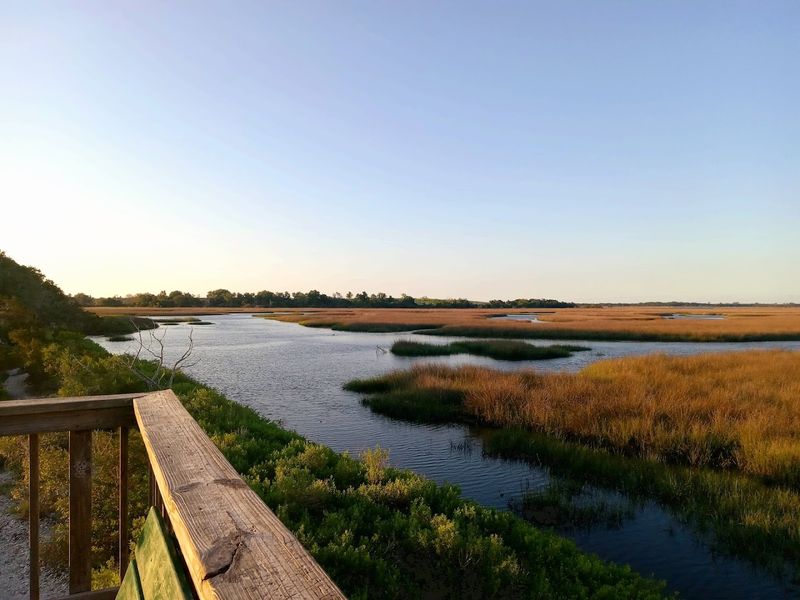
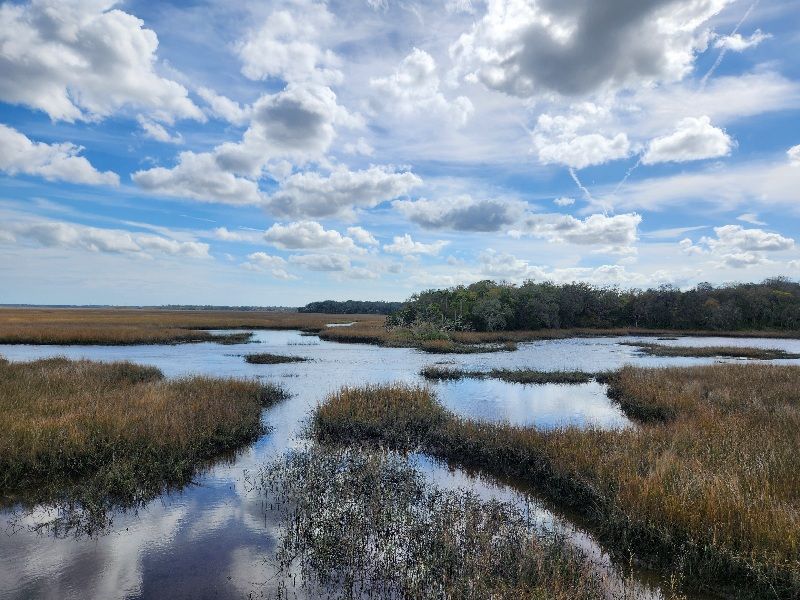
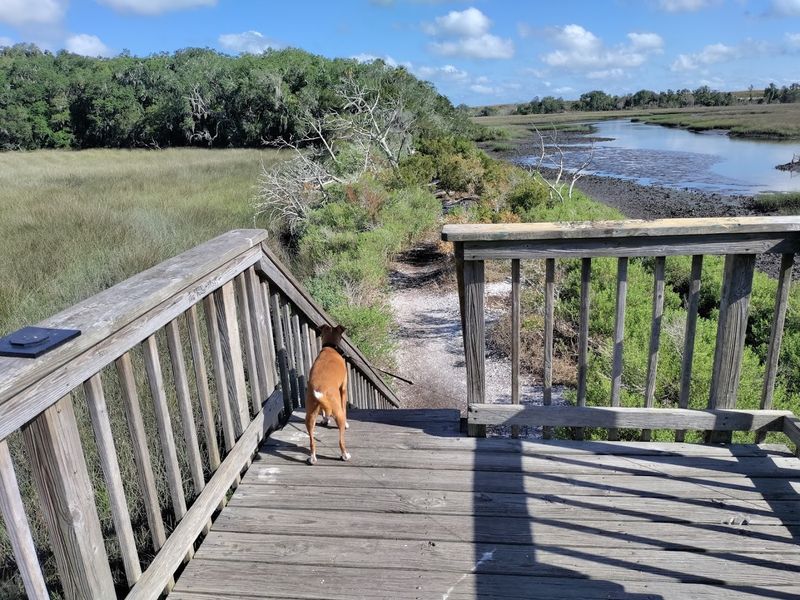
The Black Trail’s observation platform delivers the payoff that makes every step worthwhile. Standing on this wooden deck, you’ll gaze across endless marsh grasses swaying in the breeze, with the St. Johns River system stretching toward the horizon. Photographers arrive at sunrise and sunset to capture golden light dancing across the wetlands.
Getting there requires about a mile of walking from the trailhead, but the journey stays manageable for most fitness levels. The trail winds through shaded forest before opening onto this peninsula viewpoint. Benches at the platform let you sit and soak in the scenery while watching for wildlife.
Bald eagles frequently soar overhead, especially during cooler months. Patient observers spot herons stalking through shallow water, osprey diving for fish, and occasionally alligators sunning on distant banks. Bring binoculars if you’ve got them—the view rewards close examination.
Many hikers make this overlook their turnaround point, creating a pleasant two-to-three-mile round trip. The Black Trail loops back to connect with the main Red Trail, so you won’t retrace your exact steps. Morning visits offer cooler temperatures and better lighting, though late afternoon brings dramatic shadows and often spectacular bird activity as species return to roost.
3. Willie Brown’s Forgotten Homestead
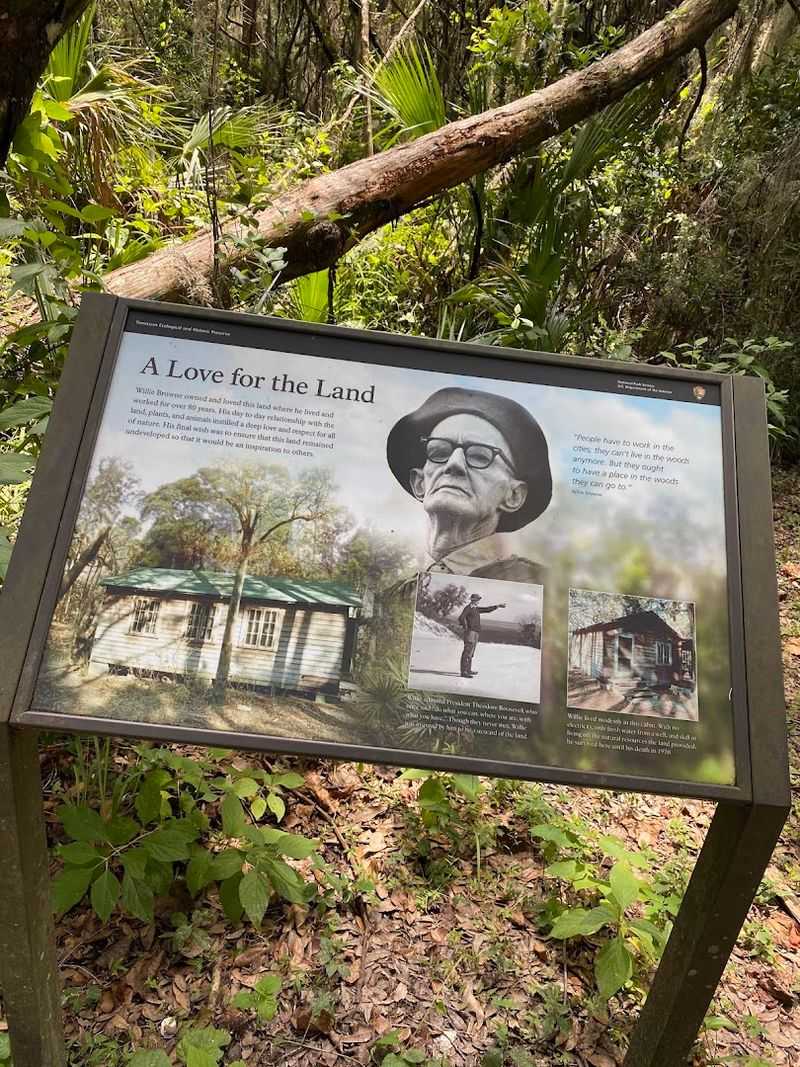
History whispers through the trees along this trail. Willie Brown’s homestead ruins stand as silent testimony to Florida’s pioneer past, offering a fascinating glimpse into 19th-century frontier life. The crumbling foundations and scattered artifacts tell stories of families who carved out existence in this challenging landscape.
Rangers ask visitors to respect these fragile remnants by looking without touching. The ruins sit slightly off the main path, marked but not overly developed. This preservation approach maintains authenticity while protecting what remains for future generations to discover and appreciate.
Interpretive signs provide context about Willie Brown and the community that once thrived here. Learning about daily challenges these settlers faced—from mosquitoes to hurricanes to isolation—makes modern hiking complaints about tree roots seem pretty minor. The homestead area also includes a small cemetery, though vegetation has reclaimed much of it.
Guided tours on Saturdays at 1 PM with park rangers like Rodney bring these stories to life. Rangers share details about construction techniques, food sources, and how families adapted to Florida’s unique environment. Even without a guide, the ruins spark imagination about who lived here, what they grew, and why they eventually left this now-peaceful forest setting.
4. Five Ecosystems, One Trail System
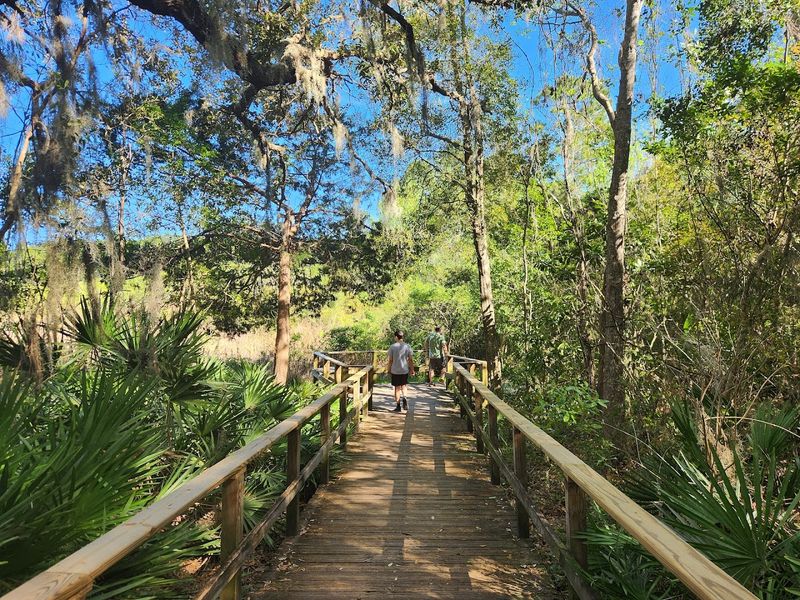
Walking Spanish Pond Trail means traveling through five distinct ecological zones without leaving Jacksonville. This variety creates constantly changing scenery that keeps even experienced hikers engaged. One moment you’re in dense hardwood hammock, the next you’re surrounded by towering pines, then suddenly you’re on boardwalks crossing wetland areas.
The ecological diversity supports incredible wildlife variety. Different zones attract different species, so sharp-eyed hikers might spot everything from gopher tortoises in sandy areas to river otters near water edges. Butterfly enthusiasts love the trail because various habitats support different butterfly species throughout the seasons.
Rangers emphasize this diversity during their Saturday tours, explaining how soil composition, water availability, and elevation changes create these distinct communities. Even Florida’s modest elevation shifts—we’re talking maybe 20 feet total—significantly impact what grows where. Understanding these patterns transforms a simple walk into an educational adventure.
Spring brings spectacular wildflower displays as different zones bloom at different times. Summer intensifies the jungle-like feel in shaded hammock areas. Fall migration draws birders hoping to spot rare visitors passing through.
Winter offers the most comfortable hiking temperatures and clearest views through deciduous areas. Each season reveals different aspects of these interconnected ecosystems, rewarding repeat visitors with fresh discoveries.
5. Stroller-Friendly Wilderness Access
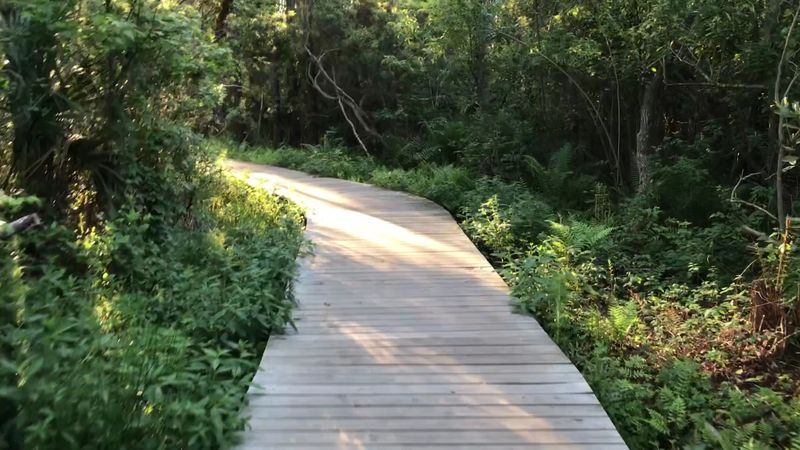
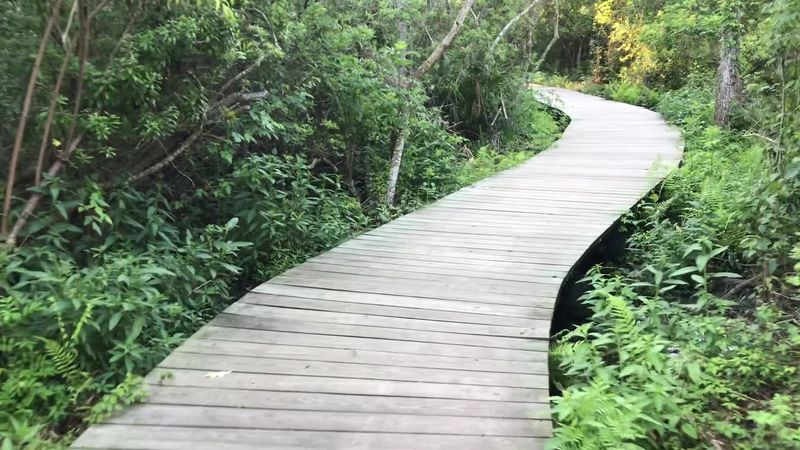
Parents rejoice—this trail actually accommodates strollers. Both the main paths and wooden boardwalk sections handle baby joggers and toddler strollers without requiring an engineering degree to navigate. Surfaces alternate between packed natural ground and elevated walkways, both manageable with standard wheels.
That said, tree roots do create occasional obstacles. All-terrain stroller wheels handle these better than small plastic ones. Some families find baby carriers easier for longer distances, but plenty of reviewers confirm successfully pushing strollers the entire route to the observation deck and back.
The trail’s width allows strollers to pass walkers and runners comfortably. Shade coverage keeps little ones cool even during warmer months, though morning starts still make the most sense for family outings. Multiple benches along the route provide rest stops for nursing, snack breaks, or just catching your breath.
Grandparents especially appreciate this accessibility. Several reviews mention multi-generational visits where grandkids in strollers enjoyed the journey alongside walking adults. The relatively flat terrain—despite some elevation change—doesn’t require serious fitness levels.
Families can introduce young children to hiking without the intimidation factor of more challenging trails, building positive outdoor associations that hopefully last a lifetime.
6. Connected Trail Network for Extended Adventures
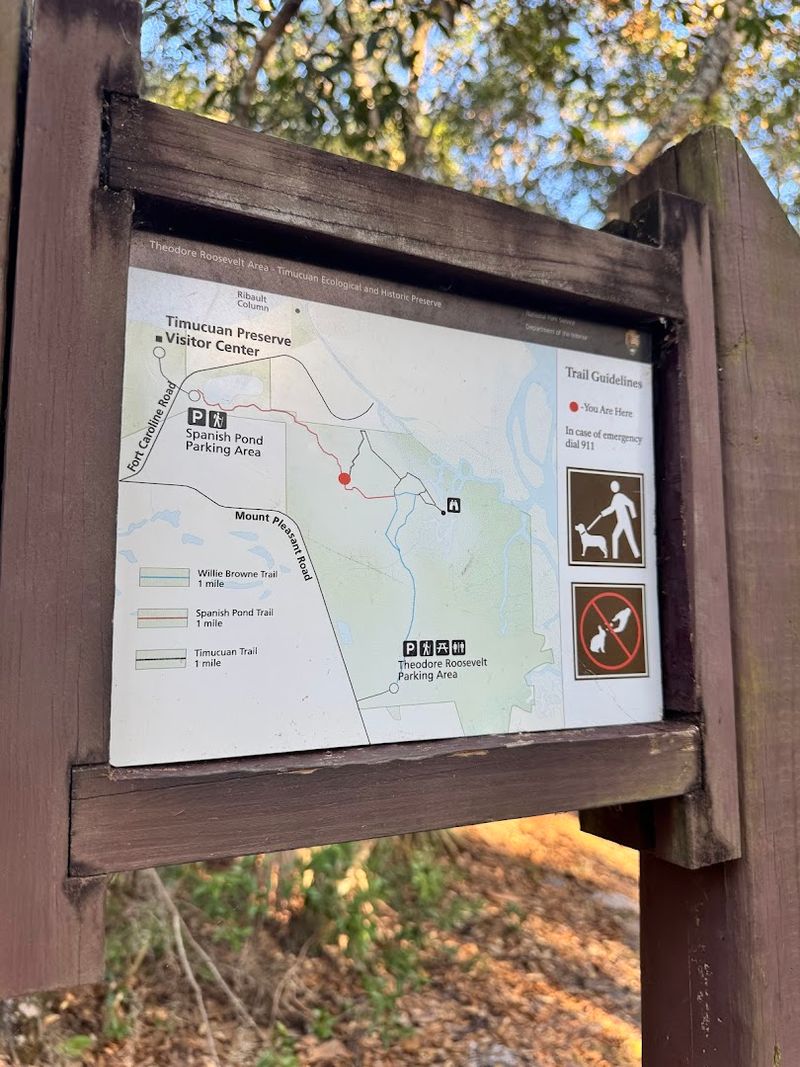
Spanish Pond serves as a gateway to much larger trail networks. The Blue Trail connects directly to the Theodore Roosevelt Area, extending your hiking options considerably. Ambitious walkers can cover over six miles without significant repetition by combining different colored routes into custom loops.
Trail markings use a color-coded system that actually makes sense. Red indicates the main Spanish Pond Trail, Blue heads toward Theodore Roosevelt, and Black marks the scenic loop to the observation platform. Frequent maps posted along routes help prevent getting lost, though the well-traveled paths make navigation fairly intuitive.
The 1.7-mile connection between Spanish Pond and Theodore Roosevelt entrances opens up strategic planning options. Some hikers park at one end and arrange pickup at the other. Others create figure-eight patterns hitting highlights from both areas.
Restrooms exist only at the Theodore Roosevelt entrance, so plan accordingly for longer adventures.
Runners and cyclists share certain sections, though the trail system designates specific areas for different uses. Mountain bikers appreciate the modest elevation changes—rare in Florida—that add challenge without requiring extreme technical skills. Everyone benefits from the variety this connected network provides, whether you’re squeezing in a quick lunchtime walk or dedicating an entire morning to exploration.
7. Wildlife Watching Without the Crowds
December through February offers peak eagle-watching opportunities. Bald eagles nest along the St. Johns River system, and patient observers frequently spot them soaring, fishing, or perched in tall pines. Two eagles in a single visit isn’t uncommon during winter months when populations peak.
Beyond eagles, the wildlife roster reads like a Florida field guide. Hawks patrol overhead. Owls hoot from oak hammocks.
Rabbits dart across paths. Cooler months bring the best viewing since animals stay more active and vegetation thins enough to improve sightlines.
Reptile and amphibian enthusiasts find plenty to appreciate too. Various snake species inhabit different trail sections—mostly harmless varieties that flee from approaching footsteps. Frogs chorus from wetland areas, especially after rain.
Turtles sun on logs near water edges, though they’re shy and require quiet approaches.
Tick awareness matters, particularly if you bring dogs. January reviews mention deer tick encounters, so thorough checks after hiking protect both humans and pets. Bug spray earns its weight in gold during warmer months when mosquitoes and biting flies emerge.
Early morning or late afternoon timing helps avoid peak insect activity while maximizing wildlife sightings. Binoculars and patience reward visitors with memorable encounters that commercial wildlife attractions can’t replicate.
8. Ranger-Led Tours That Transform the Experience
Saturday afternoons at 1 PM bring something special—guided tours with knowledgeable park rangers. Rodney, mentioned repeatedly in glowing reviews, exemplifies the quality interpretation visitors receive. These tours transform casual walks into educational journeys through natural and human history.
Rangers share insights you’d never notice alone. They identify bird calls, explain plant relationships, point out animal tracks, and connect historical dots between Willie Brown’s homestead and broader Florida settlement patterns. The depth of knowledge enriches understanding and appreciation exponentially.
Tours stay intimate since they’re offered but not heavily promoted. Sometimes just a few people participate, creating almost private experiences. Rangers adjust pacing to group needs—one review praised Rodney’s patience when a young hiker needed ankle rest, demonstrating the personalized attention these tours provide.
Even hikers who’ve walked these trails dozens times learn something new from ranger presentations. The tours run free like everything else here, making them exceptional value. Arriving around 12:45 PM ensures you don’t miss the start.
No reservations required, though calling ahead confirms the schedule hasn’t changed. Rangers greet other hikers along the route too, offering quick tips and answering questions even outside formal tour contexts, creating a welcoming atmosphere that enhances everyone’s visit.