There’s More To Northwest Florida Than Beaches, And This Historic Site Proves It
Northwest Florida is famous for its stunning beaches, but hidden in Milton lies a treasure that tells a completely different story. Arcadia Mill Archaeological Site takes you back to the 1800s when this area was home to Florida’s first and largest water-powered industrial complex. Walking through the ruins and trails here feels like stepping into a time machine, where you can see the foundations of mills, dams, and waterways that once powered a booming lumber operation.
1. A Working Industrial Complex That Shaped Early Florida
Imagine Florida in the early 1800s, when this region wasn’t about tourism but about building a new frontier. Arcadia Mill wasn’t just one building. It was an entire industrial village with sawmills, a gristmill, and even a sixteen-mile log flume that transported timber from the forests to the mill site.
The operation used the power of Pond Creek to drive massive water wheels that ran gang saws and other machinery. Workers lived on site, creating a self-sustaining community that produced lumber shipped throughout the Gulf Coast. This was cutting-edge technology for its time, and Florida had nothing else like it.
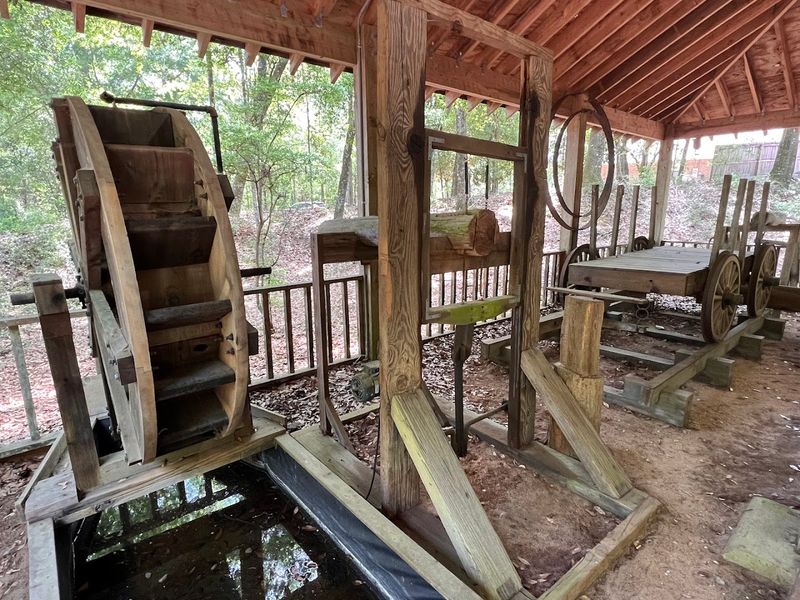
Today, you can walk among the stone foundations and imagine the roar of the saws, the splash of the water wheel, and the smell of fresh-cut pine filling the air. The Discovery Shed displays original equipment including a water wheel, gang saws, and a rail cart that once hauled materials around the property. Interpretive signs explain how everything worked together, making it easy to picture the bustling activity that once filled these now-quiet woods.
2. Boardwalk Trails Through Living History
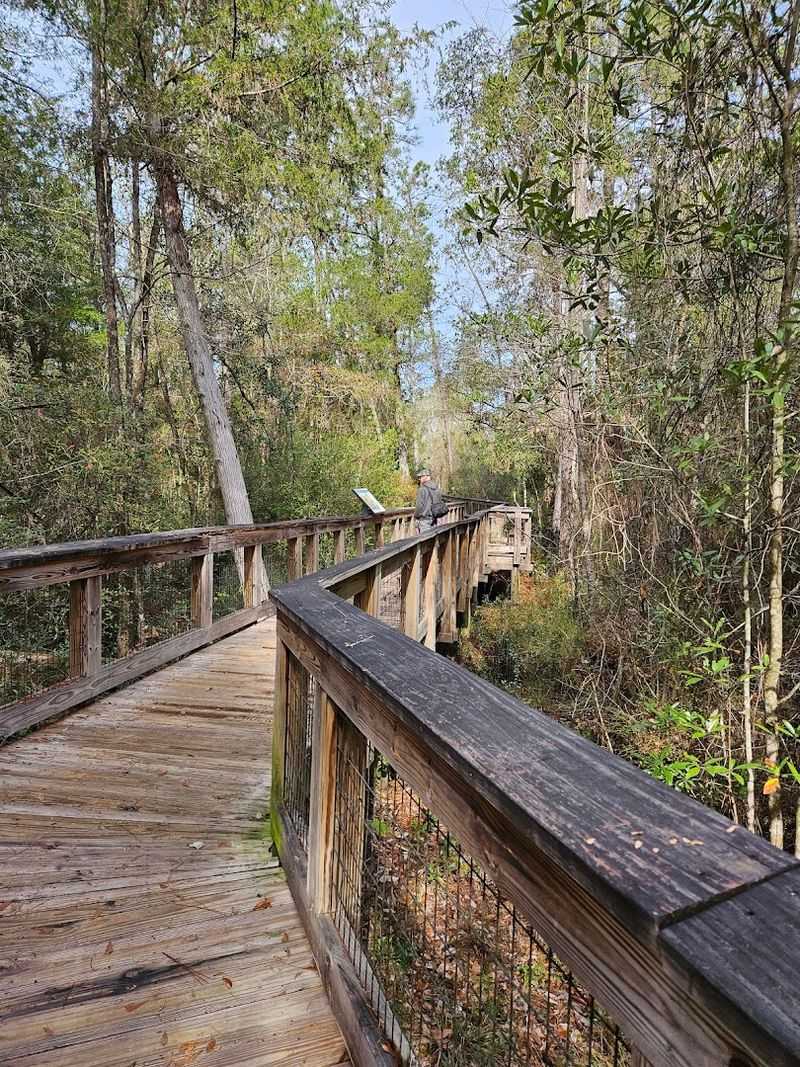
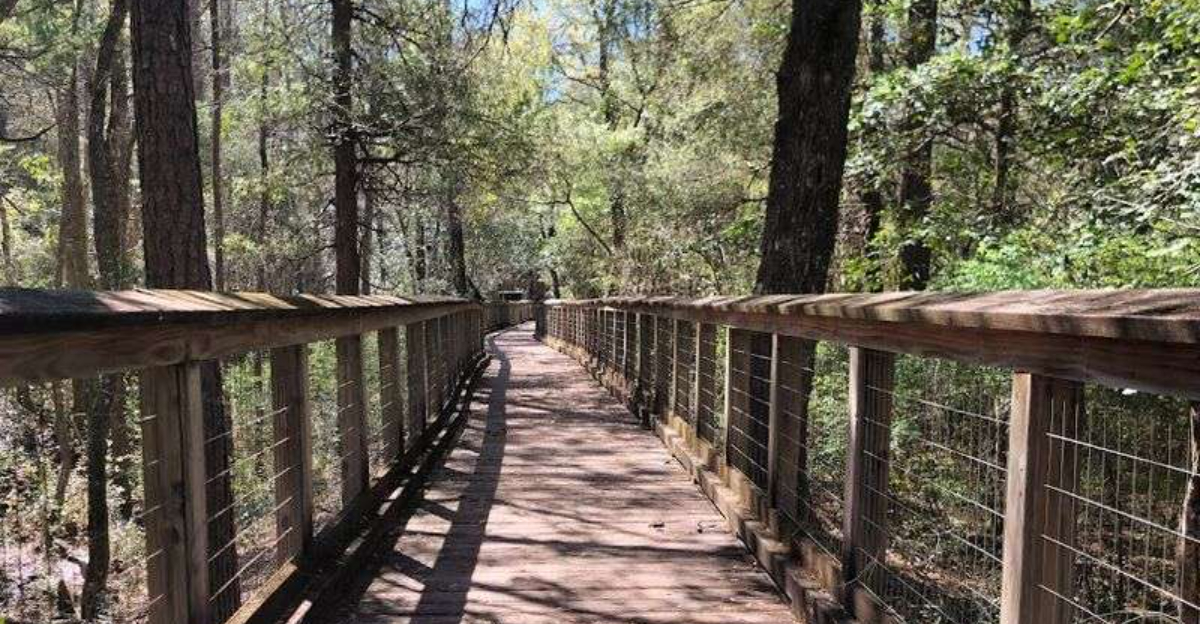
The boardwalk at Arcadia Mill isn’t your typical nature walk. Sure, you’ll see plenty of native plants and wildlife, but you’re also walking directly through an active archaeological site where researchers continue to uncover pieces of the past.
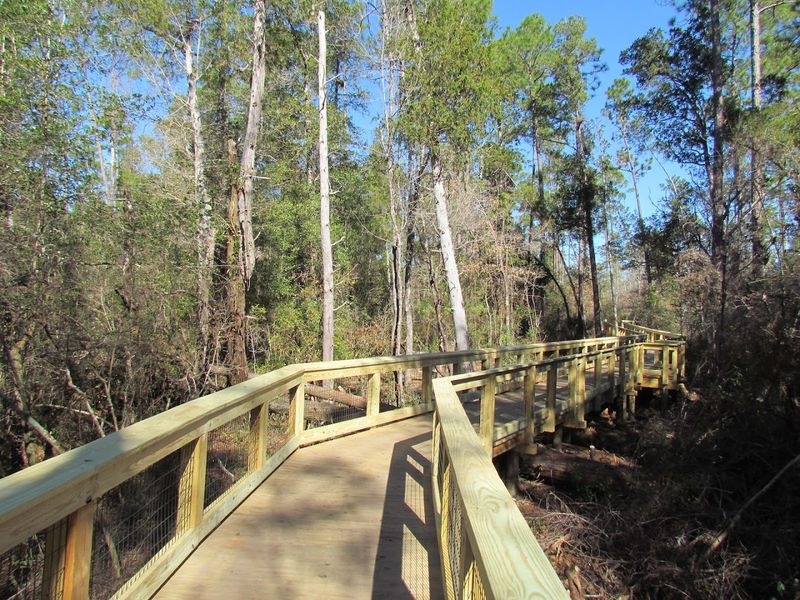
The elevated walkway protects both the fragile ruins below and keeps your feet dry as it winds through wetlands and along Pond Creek. Information panels along the route point out where different mill buildings once stood, and you can still see original dam foundations and waterways that channeled water to power the operation. The boardwalk makes the site accessible for strollers and anyone who prefers easier walking, though some sections need repair.
Beyond the boardwalk, ground trails take you deeper into the woods where nature has reclaimed much of the old mill complex. Root systems from massive trees now grow through and around the historical remnants, creating an eerie but beautiful blend of human history and natural reclamation. The full boardwalk loop covers about 1.25 miles, perfect for an hour of exploring without feeling rushed or exhausted.
3. The Discovery Shed and Original Mill Equipment
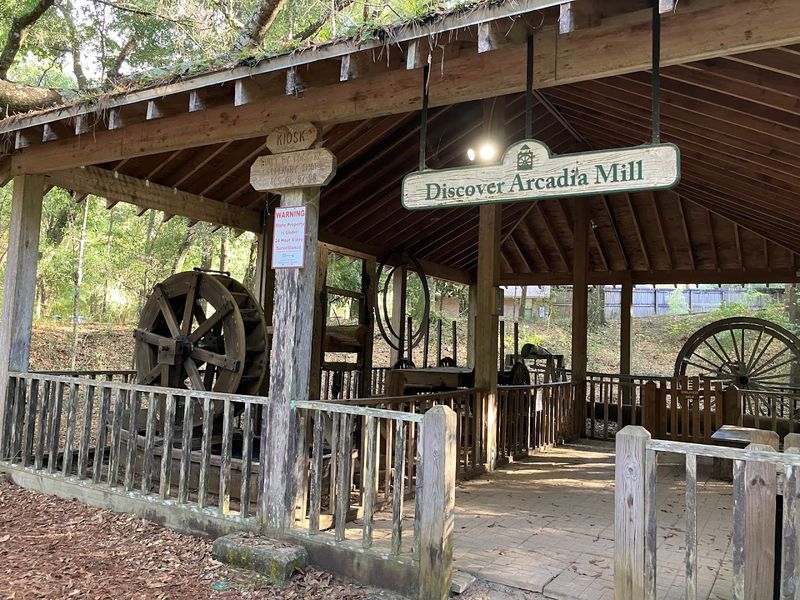
Right at the entrance to the trails, you’ll find a covered pavilion called the Discovery Shed that houses some seriously impressive pieces of history. The water wheel alone is worth the visit, a massive wooden structure that once harnessed the creek’s power to run the entire mill operation.
Gang saws on display show how timber was cut into boards using multiple blades at once, dramatically speeding up production compared to single-saw methods. A rail cart sits nearby, the kind that was pulled by mules along tracks throughout the mill complex to move heavy loads of lumber and supplies. You can get up close to examine the construction and imagine the engineering minds that designed these tools without computers or modern machinery.
Interactive elements let you understand the mechanics, though some equipment like the Soundpost may not always be working. QR codes provide additional information you can read on your phone, diving deeper into the technical details if you’re interested. The shed offers shade and a great starting point before you head out onto the trails, giving context that makes the ruins you’ll see later much more meaningful and easier to visualize.
4. Wildlife and Native Flora Along the Trails
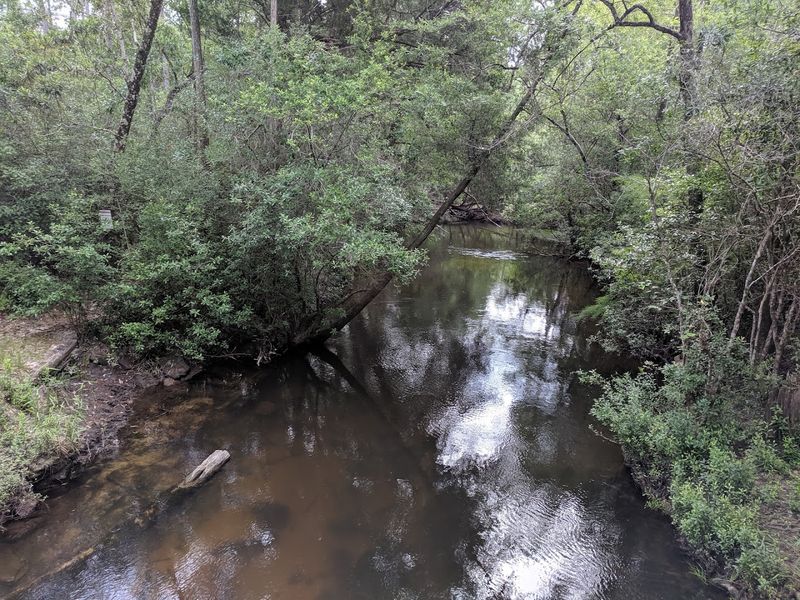
History isn’t the only reason to visit Arcadia Mill. The site sits within a thriving ecosystem where you can spot birds, turtles, and if you’re lucky, even deer wandering through the woods. The trails wind through diverse habitats from wetlands to upland forests, each supporting different plant and animal communities.
Pay attention to the trees and you’ll notice interpretive signs identifying native species and explaining their role in the local environment. Unusual ferns that some visitors have never seen before grow in the shaded areas near the creek. The honey bee hive just past the steel bridge is active and fascinating to observe from a safe distance, showing how nature continues to thrive here.
Bring binoculars if you’re into birdwatching, because the variety of species using this habitat is impressive. The mix of water, forest, and open areas creates perfect conditions for wildlife. Just remember bug spray, especially in warmer months when mosquitoes and yellow flies can be active.
Despite warnings, many visitors report minimal bug issues, but it’s better to be prepared than sorry when you’re trying to enjoy the peaceful natural surroundings.
5. The Visitor Center and Museum Exhibits
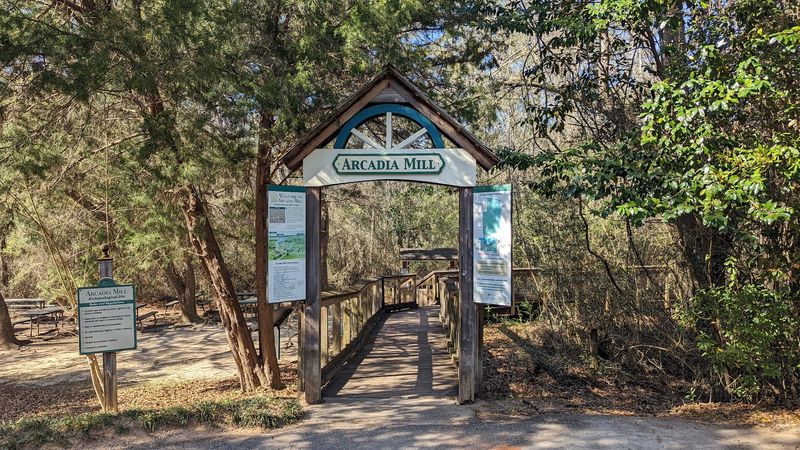
Open only Friday and Saturday from 10 a.m. to 4 p.m., the visitor center packs a lot of information into a compact space. Budget cuts have limited operating hours, but when it’s open, the museum offers a deep dive into the mill’s history and the people who lived and worked here.
Knowledgeable staff can answer questions and provide context that brings the outdoor ruins to life. Exhibits explain the engineering challenges of building a water-powered mill in flat Florida terrain, where most of the country’s mills relied on steep elevation changes. You’ll learn about the families who settled here, the economics of the lumber trade, and how this operation connected to larger regional development.
Admission is affordable at around five or six dollars for adults and three dollars for kids under 18, and it includes access to the nearby Arcadia Homestead site as well. The museum is well laid out and engaging even for younger visitors who might not naturally gravitate toward history. Programs and seminars are sometimes offered for different age groups, making it educational without feeling like a boring classroom lecture.
Check the website before visiting to confirm hours and any special events.
6. The Arcadia Homestead Connection
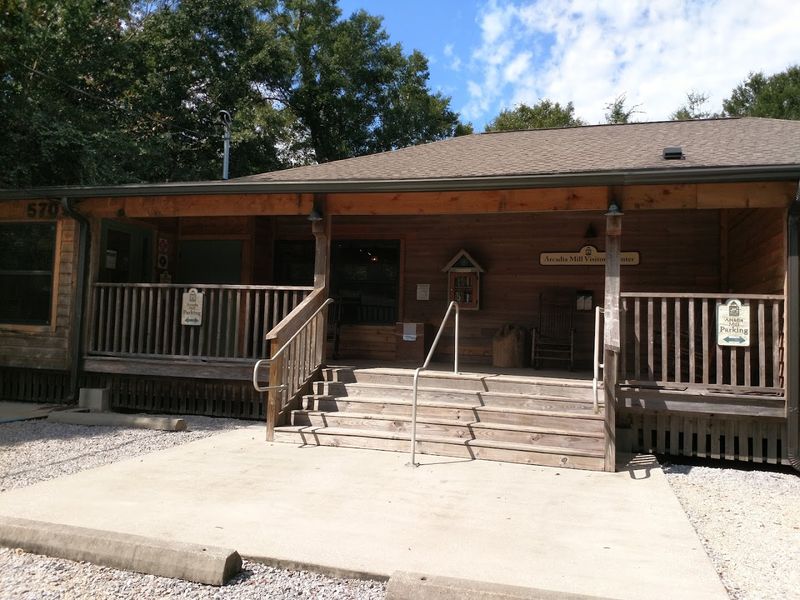
Your admission to Arcadia Mill also gets you into the Arcadia Homestead, a separate site that shows how ordinary families lived during the mill’s heyday. The Simpson House is set up with period furnishings and interactive elements that let you experience daily life in early Florida.
Kids especially love the hands-on approach, where they can touch replica tools and household items instead of just looking at things behind glass. The homestead complements the mill site perfectly, showing the human side of the industrial operation. Workers needed homes, and those homes needed to function without electricity, running water, or any modern conveniences we take for granted.
Walking through the house, you’ll see how people cooked, cleaned, preserved food, and entertained themselves before television and smartphones. The homestead operates on the same limited Friday and Saturday schedule as the visitor center, so plan accordingly if you want to see both sites. Together, they paint a complete picture of life in this area during the 1800s, from the heavy industrial work at the mill to the domestic rhythms of home and family that sustained the community through challenging times.
7. Free Access to Grounds Year-Round
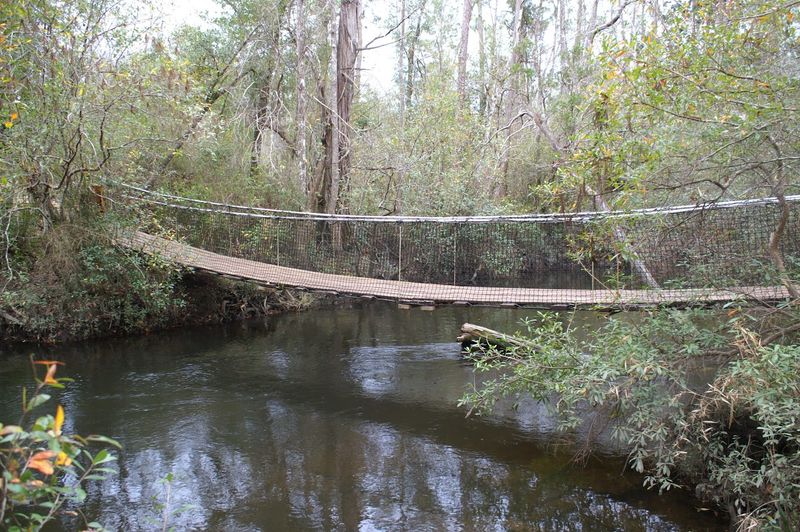
Here’s something most visitors don’t realize until they arrive: you can explore the boardwalk, trails, and outdoor areas of Arcadia Mill completely free any day from sunrise to sunset. The museum and homestead require admission and have limited hours, but the archaeological site itself is always accessible.
This makes Arcadia Mill perfect for impromptu visits when you need a quick nature walk or want to stretch your legs without planning around museum schedules. Local residents use the trails for regular exercise, and it’s easy to see why. The peaceful setting, combination of boardwalk and ground trails, and interesting historical elements make it more engaging than a typical park loop.
Picnic tables near the pavilion provide spots to rest and eat lunch if you want to make an afternoon of it. The free access means you can visit multiple times to experience different seasons, watch how the vegetation changes, or simply enjoy a favorite walking route without worrying about admission fees. Of course, visiting when the museums are open gives you the full experience, but knowing the grounds are always available makes this site incredibly flexible for whatever kind of visit fits your schedule and interests.
8. Getting There and What to Expect
First-time visitors often feel confused when GPS directions take them through a regular neighborhood to reach Arcadia Mill. Don’t worry, you’re not lost. The entrance really is tucked at the end of Mill Pond Lane, surrounded by homes that make you question whether you’re heading to a historic site or someone’s backyard.
Parking is available near the trailhead, and from there you’ll immediately see the Discovery Shed and boardwalk entrance. Wear proper walking shoes because even though the boardwalk is smooth, the ground trails can be muddy after rain and are covered with tree roots in many sections. Strollers work fine on the boardwalk but struggle on the natural surface trails.
No restroom facilities are mentioned by most reviewers, so plan accordingly before you arrive. The site is suitable for all ages and fitness levels if you stick to the boardwalk, though kids will need supervision near the creek and ruins. Allow at least an hour for a leisurely visit, or several hours if you want to explore all the trails, read every interpretive sign, and really soak in the history.
The combination of easy accessibility and genuine historical significance makes this one of Milton’s best-kept secrets.