One Of The World’s Best Shell Collections Is Hiding In This Florida Museum
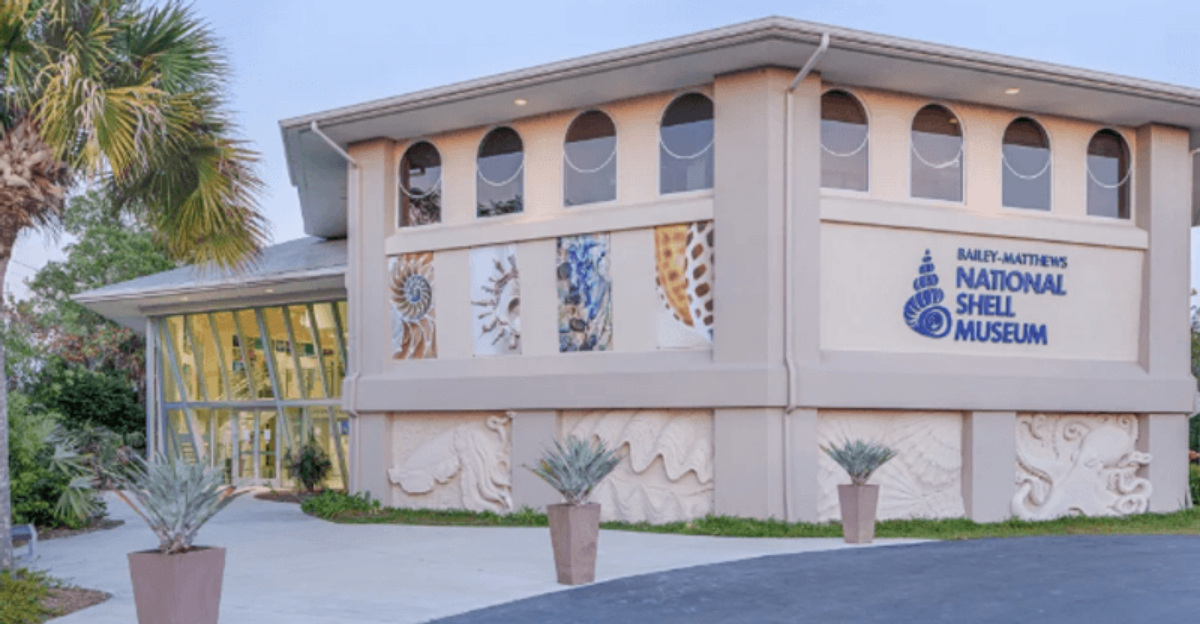
Tucked away on Sanibel Island, the Bailey-Matthews National Shell Museum and Aquarium is the kind of place that catches you completely off guard. What looks like a modest building on Sanibel Captiva Road turns out to house one of the most jaw-dropping shell collections on the entire planet.
Whether you’re a curious kid, a seasoned beachcomber, or someone who just wandered in out of the Florida heat, this museum delivers something genuinely unforgettable. It’s rated 4.6 stars for a reason, and once you step inside, you’ll understand exactly why.
The Great Hall of Shells: A Room That Rewires Your Brain
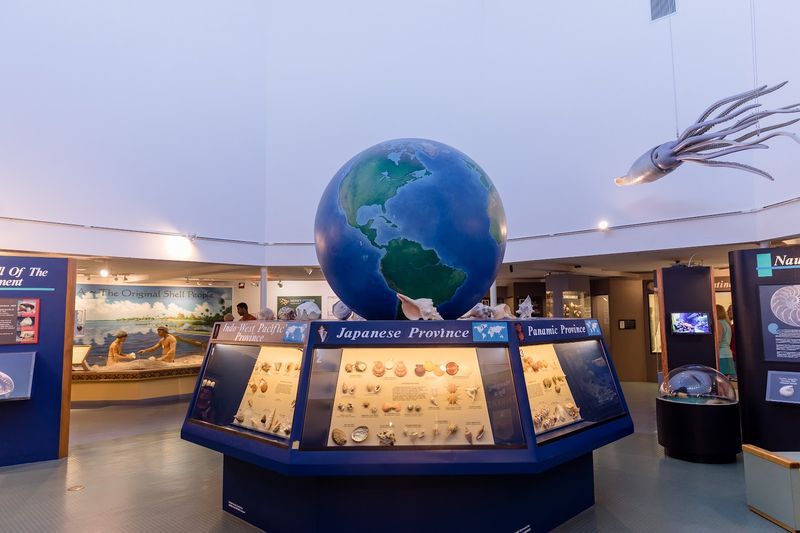
Walking into the Great Hall of Shells feels less like entering a museum room and more like stepping into a different dimension. The circular layout pulls you in every direction at once, with hundreds of shells arranged in beautifully lit display cases that showcase specimens from every corner of the world.
Sizes range from barely-there micro shells to giants that look like they belong in a fantasy novel.
The collection spans an almost absurd range of species, colors, and textures. Glossy cones sit beside spiky murex shells.
Delicate augers line up next to thick, battle-worn conches. Each display is organized thoughtfully, with clear signage explaining where each shell came from and what creature called it home.
What makes this hall especially cool is that it doesn’t feel stuffy or untouchable. Signs throughout the exhibit actually tell you it’s okay to handle certain shells on display, which is genuinely rare for a museum of this caliber.
That openness transforms the experience from passive observation into something much more personal and memorable.
Visitors who love reading every single placard will be in heaven here. The historical context woven into each display adds serious depth, connecting shells to ancient trade routes, cultural rituals, and ecological stories that span centuries.
You leave knowing things you never expected to learn.
Plan to spend a solid chunk of your visit upstairs. Most people report spending well over an hour in the hall alone, and that’s before factoring in the video presentations playing nearby.
The hall is currently expanding too, so future visits will bring even more to explore. If you only have time for one floor, this is the one to prioritize.
Live Aquarium Tanks Downstairs That Actually Impress
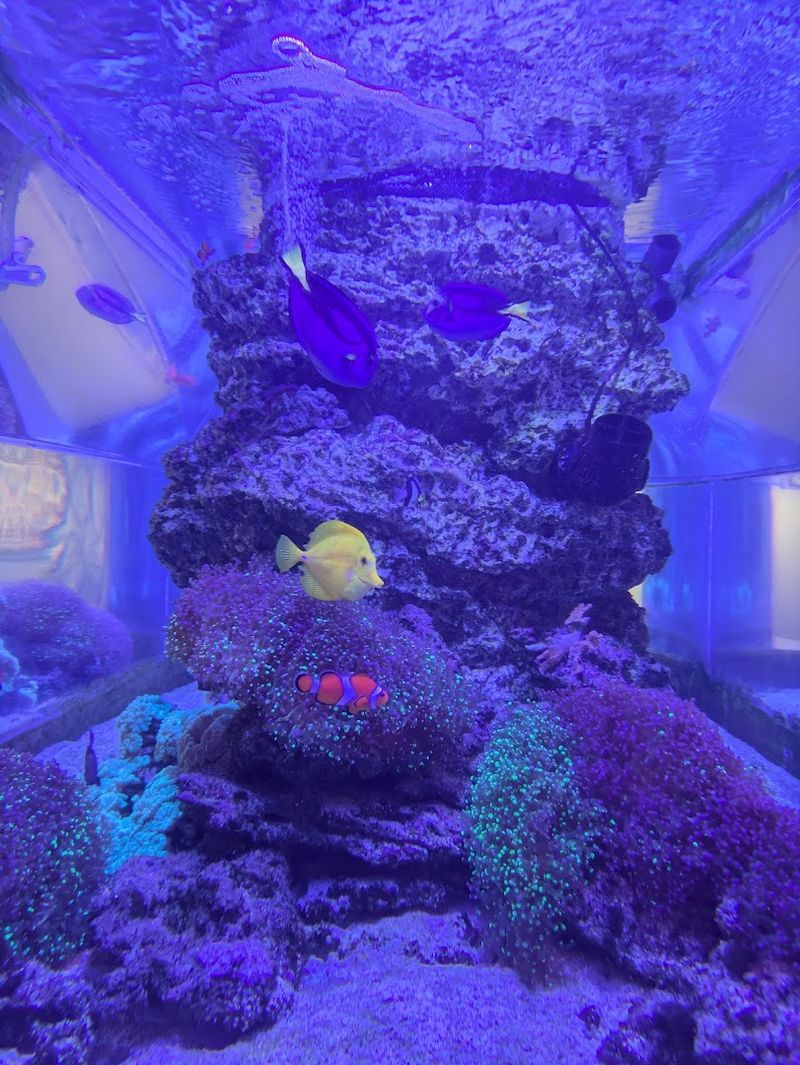
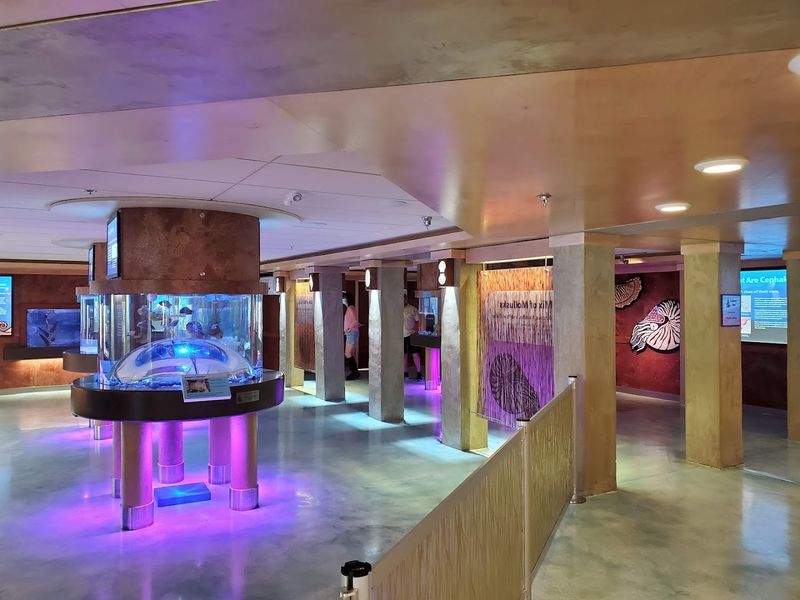
Before you even make it upstairs to the shell collection, the ground floor stops you in your tracks. The aquarium section features multiple tanks filled with live marine animals, and the variety here is genuinely surprising for a museum of this size.
Clownfish dart between anemones. Blue tangs glide past.
The whole setup feels alive in a way that wakes up your senses immediately upon entry.
The tanks are well-maintained and clearly cared for by people who take the science seriously. Each one comes with informative signage that explains the species on display and their role in the broader marine ecosystem.
Nothing feels thrown together. Every tank tells a story, and the storytelling is accessible enough that kids and adults absorb it equally well.
One standout feature is the sheer variety of creatures you encounter. Beyond the colorful reef fish, there are tanks dedicated to mollusks, sea hares, and other invertebrates that most people have never seen up close.
The museum makes a point of showcasing the animals most connected to their shell collection, which creates a satisfying through-line between the two floors.
Staff members known as docents circulate through the aquarium area regularly, ready to answer questions and share facts that go well beyond what the signs say. Several visitors have noted how willing the staff are to geek out about marine biology when given the chance.
That enthusiasm is contagious in the best possible way.
Admission is $25 for adults, with discounts available for children, teachers, students, and first responders. Given everything packed into both floors, most visitors feel the price is more than fair.
The aquarium section alone justifies the trip for families traveling with younger kids who need something interactive and visually exciting.
The Giant Pacific Octopus That Steals Every Visit
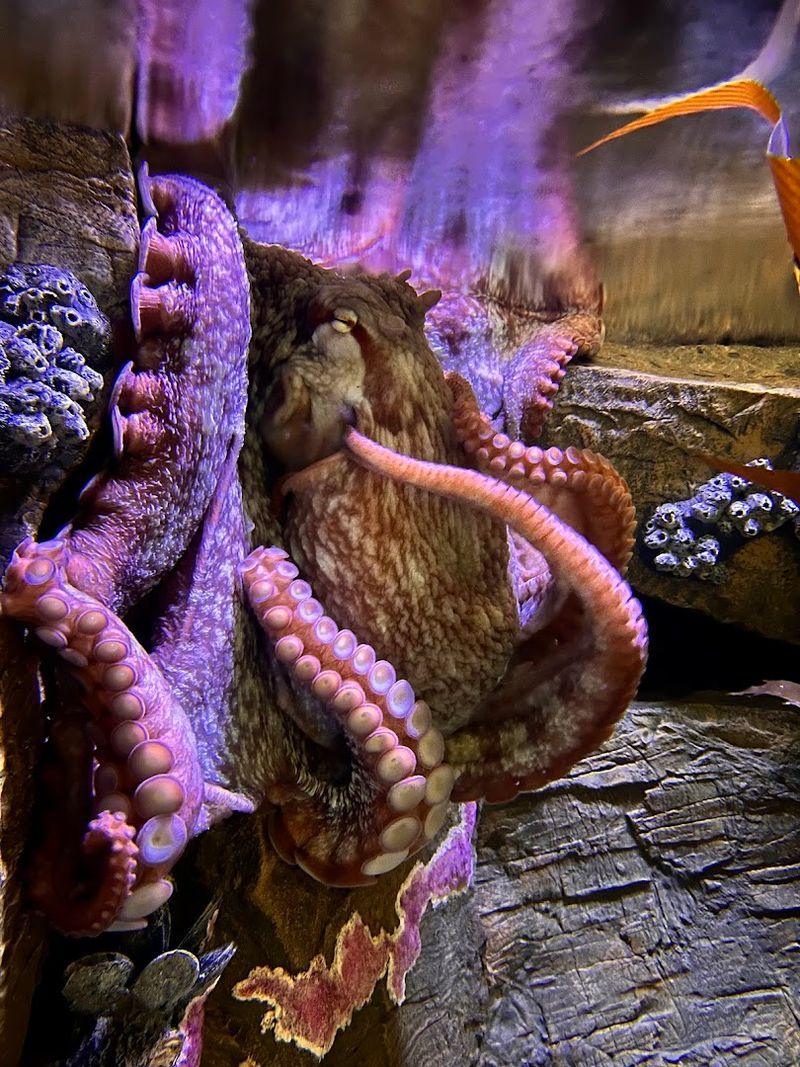
Ask almost anyone who has visited the Bailey-Matthews National Shell Museum recently what the single most memorable moment was, and a good chunk of them will say the same thing without hesitation: the Giant Pacific Octopus. This creature commands attention in a way that’s hard to put into words until you’re standing in front of its tank, watching it move.
The museum offers dedicated keeper talks centered around the octopus, where an aquarist walks visitors through the animal’s biology, behavior, and personality. These sessions have earned rave reviews for being informative without being dry, and the educators clearly love what they do.
One visitor described the presentation as engaging and clearly delivered, which is exactly what you want from a live animal talk.
Giant Pacific Octopuses are among the most intelligent invertebrates on Earth, and the museum does a great job communicating that. Their problem-solving abilities, their ability to change color and texture, and their surprisingly short lifespan make for a genuinely fascinating story.
By the time the talk wraps up, you’ll have a whole new respect for something you may have previously only seen in nature documentaries.
Beyond the educational component, there’s something almost meditative about watching this animal navigate its tank. The way it flows and stretches is unlike anything else in the building.
Children are absolutely transfixed, but so are adults who weren’t expecting to feel emotional about a cephalopod.
Timing your visit to catch a keeper talk is worth the effort. Check with staff when you arrive to find out the day’s schedule.
Talks don’t run constantly, but when they do, they’re one of the highlights of the entire Sanibel Island experience, not just the museum.
Touch Tanks Where You Actually Get Hands-On With Sea Life
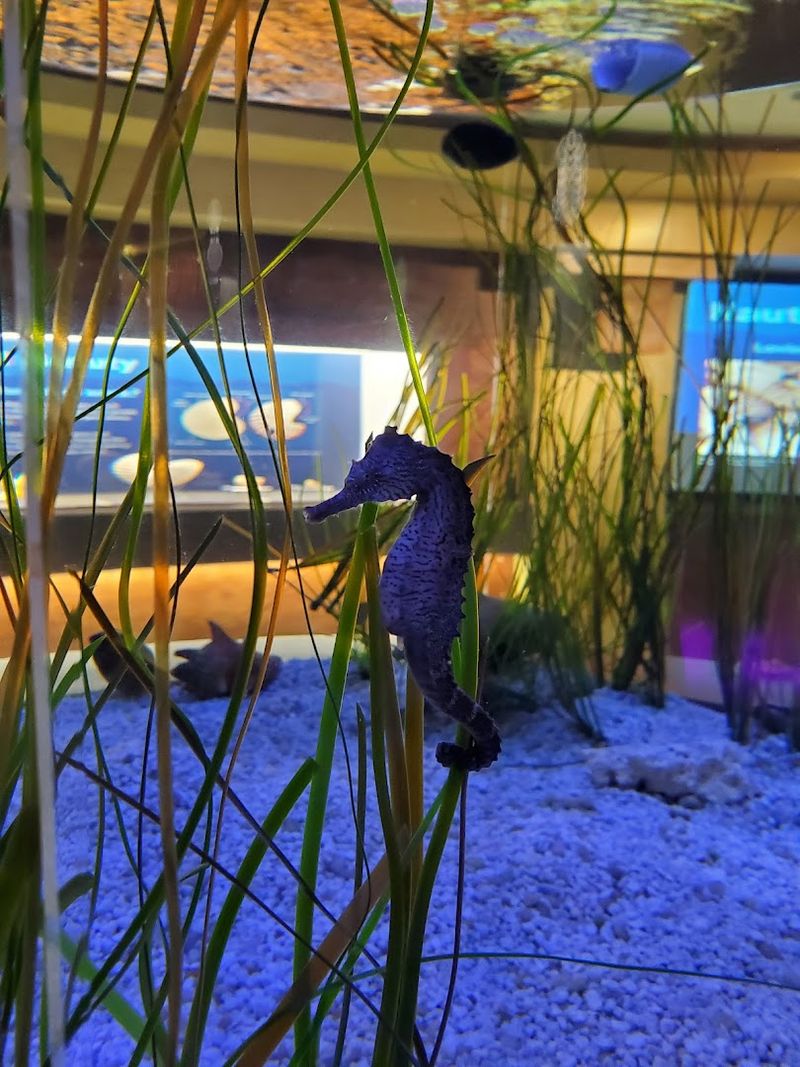
There’s something about putting your hands in a touch tank that no amount of reading or screen time can replicate. The Bailey-Matthews National Shell Museum has figured this out completely, and their touch tank setup is one of the most talked-about features in visitor reviews.
Both kids and adults consistently call it a highlight, which says a lot about how well it’s executed.
The museum runs two separate touch tanks, and they rotate the animals between them to give the creatures regular rest periods. In one tank, you might find moon snails, sea hares, and abalones.
The other features conchs and whelks. A knowledgeable docent is stationed nearby to guide the experience and answer every question that comes flying out of excited kids and curious adults alike.
What separates this touch tank from others around Florida is the range of animals available. Moon snails and sea hares are not standard touch-tank fare.
Visitors with experience at other aquariums have specifically pointed out that this level of access is rare and genuinely special. The museum trusts its guests, and that respect goes a long way toward making the experience feel meaningful rather than overly controlled.
Hand-washing stations are available right there, so hygiene is handled easily and naturally. The whole setup feels relaxed and well-organized without being rigid.
Families with young children especially appreciate how approachable the staff make the entire interaction, creating an environment where curiosity is celebrated rather than managed.
If you have a two-year-old or a twelve-year-old in tow, or honestly anyone who has ever wanted to hold a living conch shell, this part of the museum delivers on every level. Block out some extra time here because people tend to linger much longer than they planned.
The Cuban Polymita Display: Tiny Shells, Massive Impact
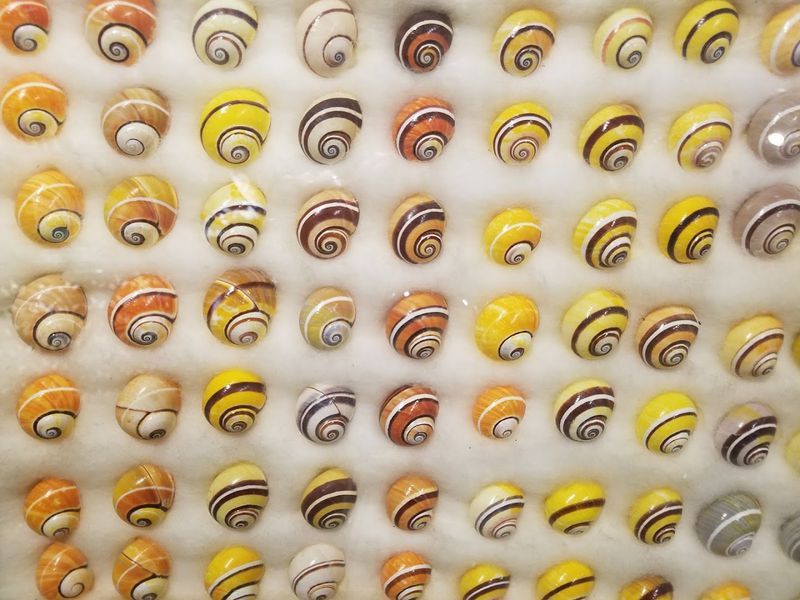
Hidden among the many exhibits in the Great Hall is a display that stops seasoned shell collectors cold: the Cuban Polymita section. If you’ve never heard of Polymita picta, prepare to be completely caught off guard.
These land snails from Cuba produce shells in swirling, candy-like patterns of red, orange, yellow, green, and white that look almost too vivid to be real.
The display at Bailey-Matthews is described by visitors as a wonderful and thoughtful touch, and it’s easy to see why that phrase comes up. Polymita snails are critically endangered, making their shells incredibly rare and precious.
The museum presents them not just as objects of beauty but as ambassadors for conservation, connecting their story to the broader mission of protecting marine and coastal biodiversity.
Each shell in the collection is slightly different, which is part of what makes the display so mesmerizing. You find yourself scanning the case slowly, trying to take in every color variation and spiral pattern.
The signage provides cultural and ecological context that transforms what could be a simple display into a genuinely moving experience about what the world stands to lose when species disappear.
Shell collectors who visit often say this is one of the most emotionally resonant parts of the museum. It’s not the largest display, and it’s not the loudest.
But it carries a quiet weight that sticks with you long after you’ve left the building and driven back across the causeway.
For anyone with even a passing interest in natural history, biodiversity, or just extraordinarily beautiful objects, the Polymita display alone is worth seeking out. Don’t rush past it.
Give it the time it deserves, and read every word on those plaques.
Shells in Fashion and Culture: The Exhibit You Didn’t Expect
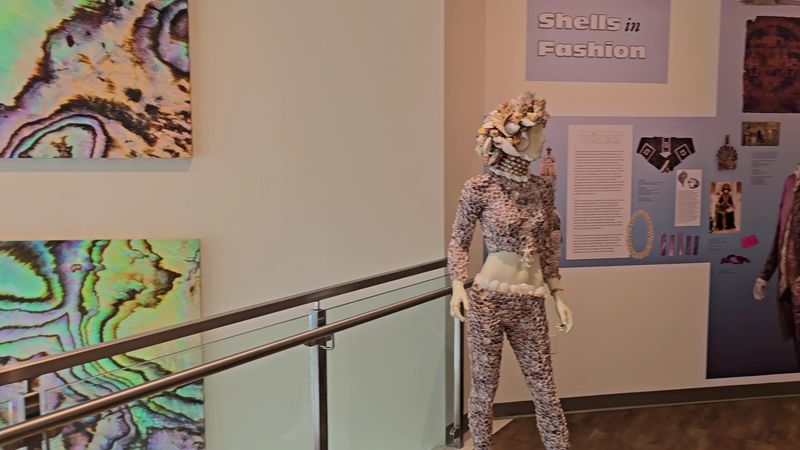
Most people walk into a shell museum expecting to see, well, shells. What they don’t expect is an entire exhibit dedicated to the role shells have played in human fashion, culture, and history across civilizations.
The Bailey-Matthews National Shell Museum delivers exactly that, and it consistently surprises visitors who weren’t anticipating anything beyond natural history.
This exhibit traces how shells have been used as currency, jewelry, ceremonial objects, and fashion accessories across cultures spanning thousands of years. Cowrie shells, for example, served as currency across parts of Africa and Asia for centuries.
Wampum made from quahog shells carried deep cultural significance in Indigenous North American communities. The exhibit handles these stories with care and context, never reducing complex cultures to simple decoration.
The fashion angle is particularly unexpected and genuinely fun. Shells have shown up in haute couture, traditional dress, and everyday ornamentation in ways most visitors have never considered.
Seeing these connections laid out visually makes the exhibit feel like a completely different kind of museum experience, one that blurs the line between natural history and cultural anthropology in the most satisfying way.
Visitor reviews specifically flag this as a must-see, which is saying something given all the competition for attention in the building. The exhibit is thoughtfully curated with enough visual variety to keep non-shell-enthusiasts fully engaged.
Even someone dragged along reluctantly by a family member tends to find themselves genuinely absorbed.
The second floor of the museum houses both this cultural exhibit and the Great Hall, so you’ll naturally move between them during your visit. Give yourself permission to slow down here.
The connections between the natural world and human creativity on display in this room are genuinely worth sitting with for a while.
The Kids’ Discovery Area and Scavenger Hunt That Keeps Everyone Moving
Traveling with kids to a museum can go one of two ways: they’re either completely locked in or completely checked out within fifteen minutes. At the Bailey-Matthews National Shell Museum, the discovery area and scavenger hunt format tilts things firmly toward the first outcome.
The museum has clearly thought hard about how to keep younger visitors genuinely engaged rather than just tolerating the experience.
The scavenger hunt is a crowd favorite. Kids work their way through the museum searching for specific shells, creatures, or clues embedded throughout the exhibits.
It gives them a mission, which transforms the visit from passive observation into active exploration. At the end of the hunt, kids get to pick out a free shell as a reward, which turns out to be a surprisingly powerful motivator for the under-ten crowd.
A discovery cart also makes appearances on the floor, where staff use hands-on props to spark conversations about marine life and shell biology. This is the kind of interactive moment that kids remember for years, the time they held a real shell from a specific ocean and learned something true about the animal that made it.
Families with wide age ranges consistently report that the museum works for everyone. One reviewer brought kids ranging from seven months to twelve years old and said the whole group had a genuinely good time.
That kind of cross-age appeal is rare and worth noting for anyone planning a group outing.
The museum opens at 10 AM every day of the week, making it a natural morning activity before hitting the beach or exploring the rest of Sanibel Island. Factor in at least two hours if you’re bringing kids.
They will not want to leave quickly, and honestly, neither will you.
The Gift Shop and Junonia Collection: Perfect Ending to a Perfect Visit
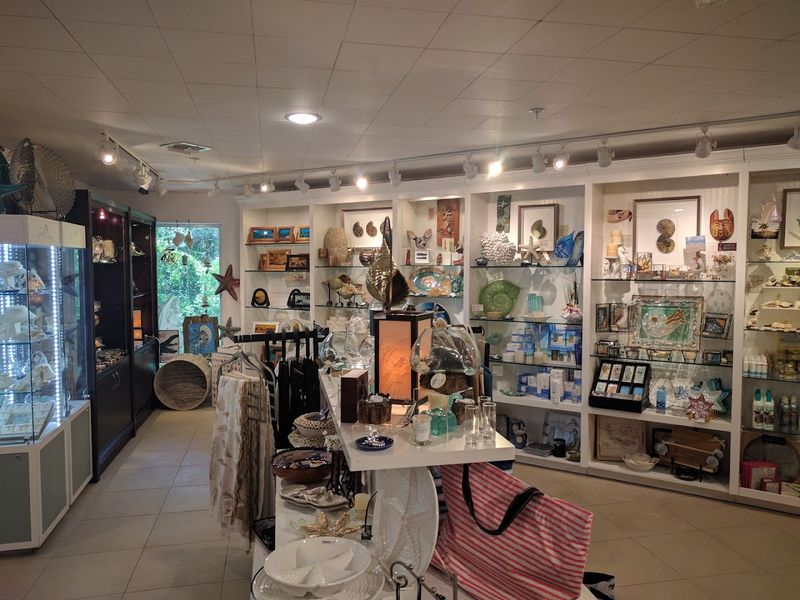
Every great museum visit deserves a great ending, and the Bailey-Matthews National Shell Museum gift shop delivers one. Visitors consistently call it well-curated and fun, which in gift shop terms is about the highest praise possible.
It’s not the usual wall-to-wall trinkets. The selection includes quality shell specimens, books on marine biology, nature art, magnets, and educational items that you’d actually want to take home.
One reviewer specifically mentioned finding great books in the gift shop, which tracks with the museum’s overall commitment to education. The staff clearly apply the same thoughtfulness to the retail space that they bring to the exhibits.
Nothing feels like filler. Even the impulse buys feel intentional and worthwhile.
Before you leave the upstairs exhibit area, make sure you’ve found the Junonia display. The Junonia shell is something of a local legend on Sanibel Island.
Finding one on the beach is considered a rare and lucky event, and the museum’s collection of these spotted, cone-shaped beauties draws genuine excitement from longtime island visitors. One reviewer who grew up visiting Sanibel specifically called the Junonia display their absolute favorite part of the entire museum.
The Junonia’s story connects directly to Sanibel’s identity as one of the best shelling beaches in the world. The island’s unusual east-west orientation causes shells to wash ashore in remarkable quantities, and the museum contextualizes that geography beautifully throughout its exhibits.
By the time you reach the Junonia case, you understand exactly why it matters.
Completing the survey available during your visit currently earns you a free pass for a return trip, which is a genuinely generous offer. Given how much the museum has to offer, a second visit isn’t a hard sell at all.