This Massive Florida Swimming Hole Is One Of The Deepest Freshwater Springs On Earth
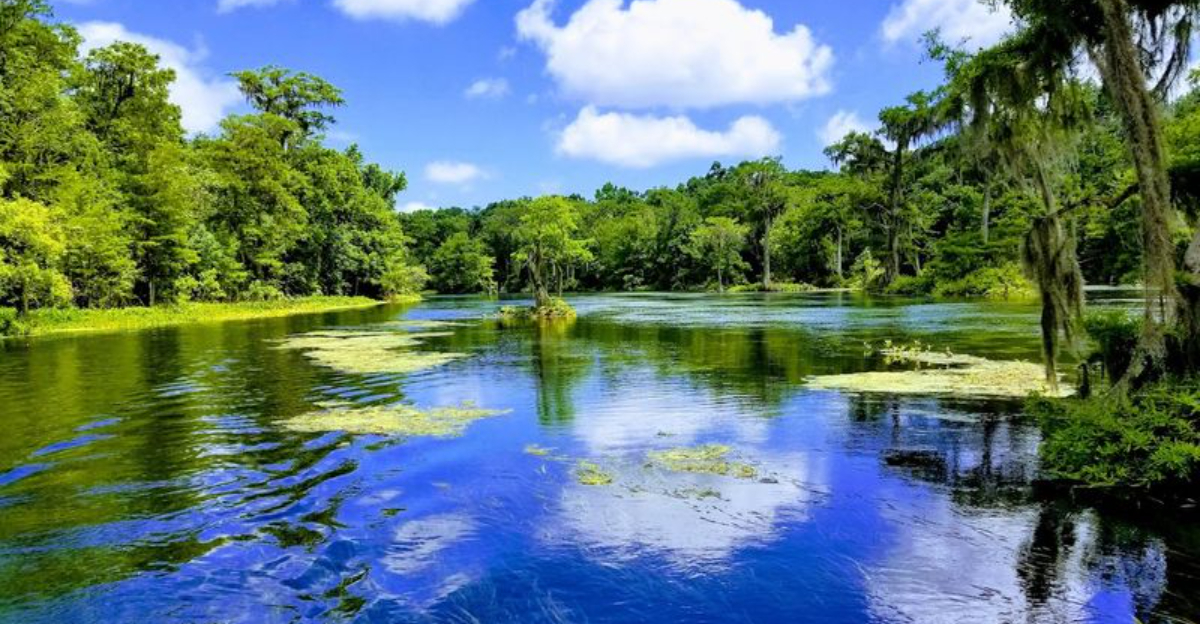
Wakulla Springs holds a secret beneath its mirror-like surface that few freshwater springs on the planet can claim. Plunging to depths that have challenged even experienced cave divers, this natural wonder near Tallahassee draws visitors who want to experience something truly extraordinary. The spring pumps out nearly 400,000 gallons of crystal-clear water every single minute, creating a swimming hole that stays a refreshing 70 degrees year-round while supporting an ecosystem packed with wildlife you won’t find anywhere else.
1. A Spring That Reaches Astonishing Depths
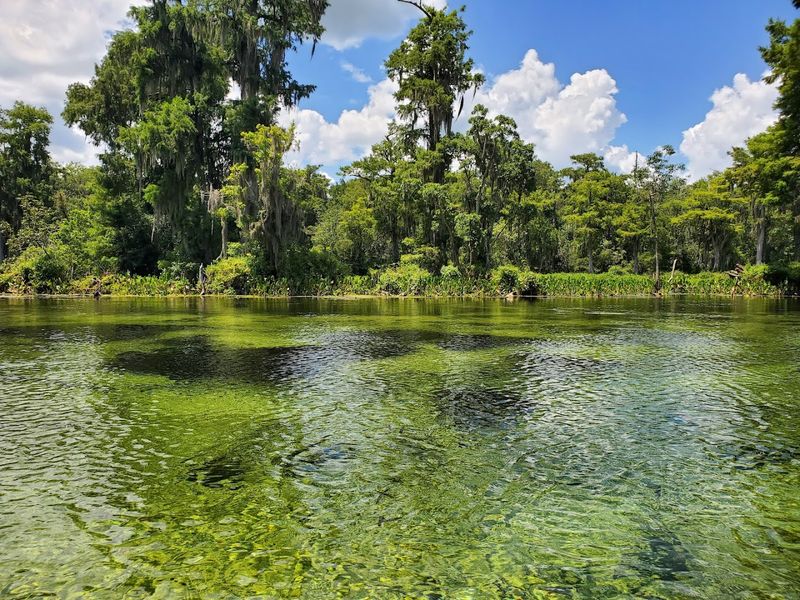
Water so clear you can see straight to the bottom sounds impossible until you visit Wakulla Springs. The main spring basin reaches documented depths of 185 feet, though cave systems below extend much deeper into Florida’s limestone foundation. Divers have explored these underwater caverns for decades, mapping passages that twist through ancient rock formations.
Standing on the diving platform, you’re looking down into what geologists call a first-magnitude spring. That fancy term means it discharges at least 100 cubic feet of water per second, putting Wakulla among the most powerful springs in the entire state. The constant flow keeps the water impossibly transparent, letting sunlight penetrate far below the surface.
The spring maintains its 70-degree temperature whether you visit in January or July. Cold-water species thrive here alongside tropical fish that drift in from downstream. Scientists have documented the spring’s flow rate at nearly 400,000 gallons per minute during peak periods.
Early Spanish explorers noted this spring in their journals, recognizing its unusual depth and clarity. Modern researchers continue studying the underground aquifer system that feeds it, trying to understand the complex hydrology beneath North Florida’s surface.
2. Wildlife Encounters That Feel Like a Nature Documentary
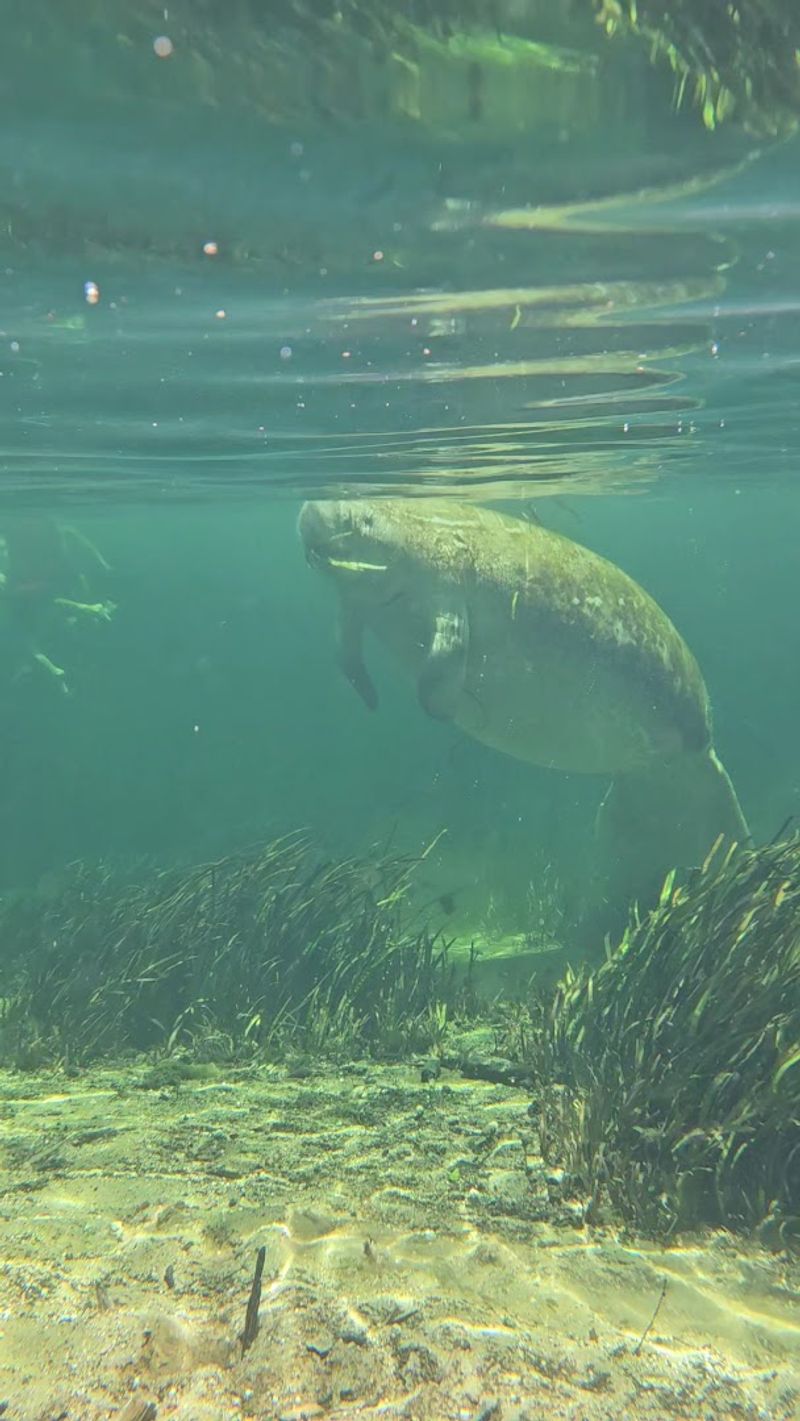
Manatees gather at Wakulla Springs during cold snaps, seeking the warm water that flows constantly from deep underground. Visitors spot these gentle giants right from the swimming platform, watching them graze on aquatic vegetation in water so clear every detail shows. Winter mornings after a cold front bring the biggest numbers, sometimes a dozen or more clustering near the spring’s source.
Alligators sun themselves along the river banks, completely unbothered by the tour boats that glide past. You’ll count them by the dozens on a typical boat ride, from tiny hatchlings to massive adults stretching twelve feet or longer. River otters munch crayfish on floating logs while anhinga birds dry their wings in characteristic poses.
The bird diversity here rivals dedicated wildlife refuges. Limpkins call from the cypress trees with their distinctive wailing cry. Great blue herons stalk the shallows while wood storks patrol overhead.
Lucky visitors spot barred owls roosting in the hardwood hammocks.
Even the fish put on a show. Massive schools of mullet create ripples across the surface while largemouth bass lurk in the shadows. The constant spring flow supports this incredible biodiversity, creating habitat that attracts species from throughout the region.
3. Boat Tours That Reveal Hidden Florida
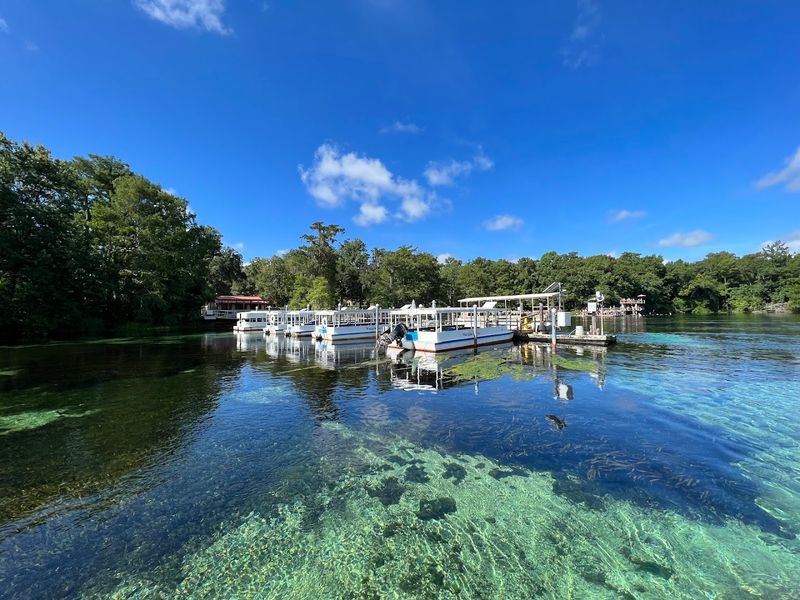
Riverboat tours launch every half hour from the historic lodge, carrying visitors down the Wakulla River through scenery that hasn’t changed much in centuries. Your guide navigates the quiet electric boat through channels lined with cypress trees dripping Spanish moss. These aren’t rushed trips either, the tours run about 45 minutes and guides adjust the pace based on what wildlife appears.
Every guide brings different knowledge and personality to their tours. Some focus heavily on bird identification while others share stories about the old Tarzan movies filmed here in the 1930s. The boats hold around 25 people but never feel crowded, with everyone getting good views of whatever appears along the banks.
Booking online sometimes shows sold out, but the lodge front desk typically holds back ten tickets per tour for walk-ups. The early morning departure at 9:40 only sells at the front desk and offers the best chance for manatee sightings. Tours run from morning until evening during peak season, giving you flexibility to fit one into your day.
Cold mornings deliver the most dramatic wildlife encounters. Manatees cluster at the spring’s warm water source while alligators remain sluggish along the banks. Even repeat visitors report seeing something new each trip.
4. Swimming in Constant 70-Degree Clarity
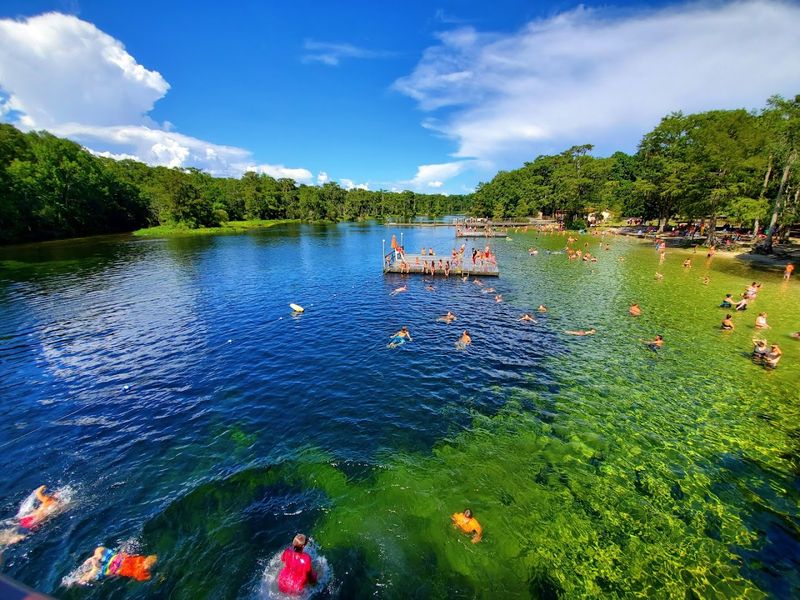
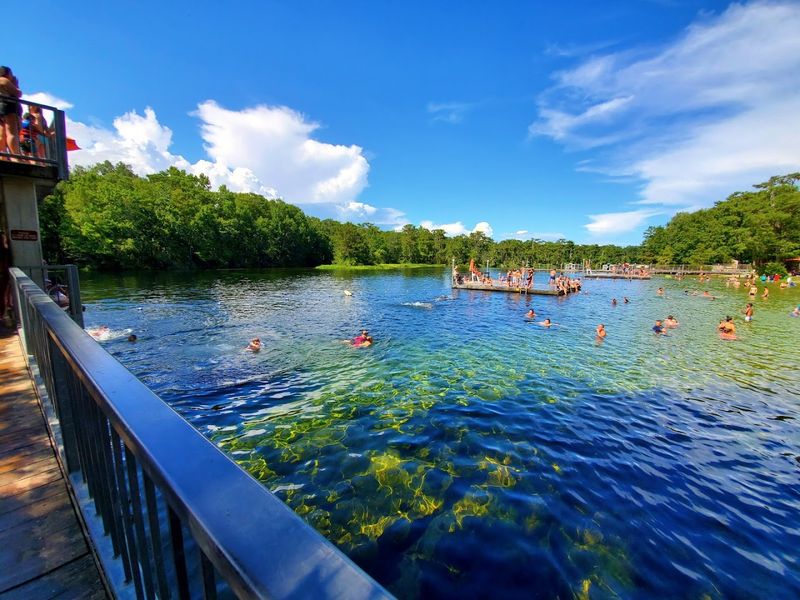
Jumping from the 20-foot platform ranks as the swimming area’s main attraction for anyone with a bit of daring. The tower stands tall above the roped-off swimming zone, offering thrills that bring teenagers back multiple times during a single visit. Smaller floating platforms dot the swimming area for those who prefer lounging in the sun between dips.
The roped boundaries keep swimmers separate from the boat channel and the deeper spring basin beyond. Lifeguards monitor the area during operating hours, making this one of the safer spring swimming spots in Florida. Shallow sections near the beach work perfectly for younger kids who want to wade and splash.
That constant 70-degree temperature feels shockingly cold on hot summer days but absolutely perfect when you’ve been hiking the trails. Your body adjusts after a few minutes, and the clarity makes every swim feel special. You can open your eyes underwater and see other swimmers dozens of feet away.
The sandy beach area provides easy entry, though the limestone bottom gets uneven as you move deeper. Water shoes help navigate the rocky patches. Facilities include changing rooms and bathrooms that visitors consistently rate as clean and well-maintained.
The whole setup balances natural beauty with practical amenities.
5. The Historic Lodge That Time Forgot
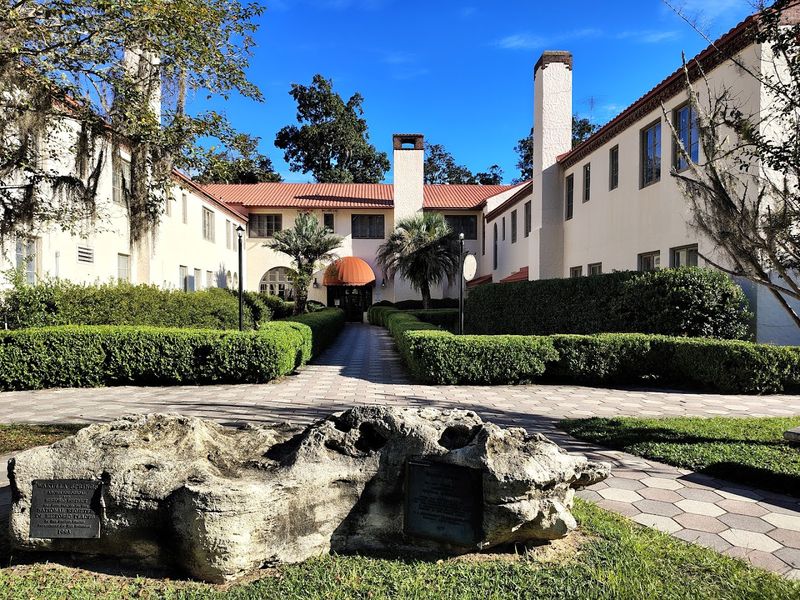
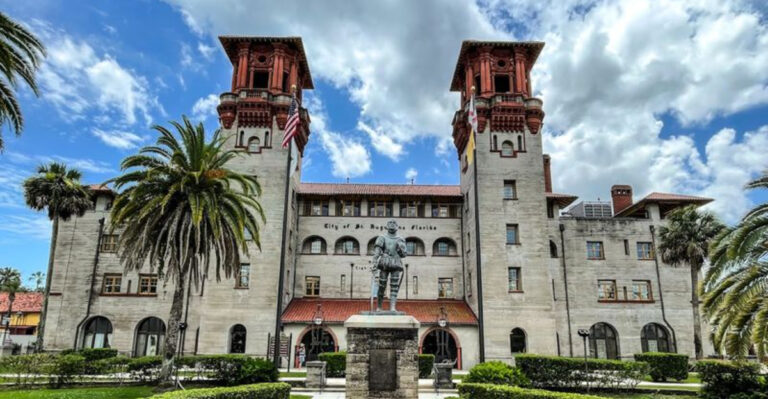
Walking into the Wakulla Springs Lodge feels like stepping back to 1937, when railroad magnate Edward Ball built this Spanish-style retreat. Marble floors stretch across the lobby while massive cypress beams support the ceiling overhead. The architectural details showcase craftsmanship rarely seen in modern construction, from hand-painted tiles to wrought-iron fixtures.
Ball spared no expense creating this destination, importing materials from around the world and hiring the finest craftsmen available. The lodge originally served wealthy guests who arrived by train, seeking respite from northern winters. Today it operates as part of the state park system but maintains that vintage elegance.
The restaurant inside serves surprisingly good food with views overlooking the spring. Breakfast gets you fueled for a day of exploring while lunch offers a perfect midday break. The menu covers classic American fare without trying to be fancy, focusing on fresh ingredients and reliable preparation.
Guest rooms upstairs preserve the historic character while meeting modern standards for comfort. Staying overnight lets you experience the park during quiet early morning hours before day visitors arrive. The gift shop near the lobby stocks books about the spring’s natural history alongside typical souvenirs.
Evening brings a peaceful atmosphere as wildlife becomes more active around the grounds.
6. Hollywood History Beneath the Surface
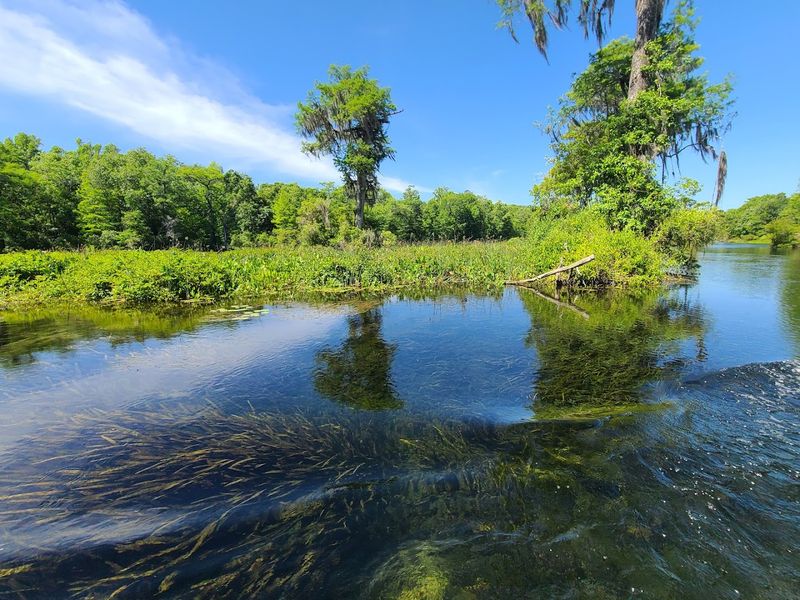
Six Tarzan movies splashed across these waters during the 1930s and 40s, with Johnny Weissmuller swinging from the very cypress trees that still line the river. Directors chose Wakulla Springs for its unmatched water clarity and exotic-looking vegetation. The spring’s depth allowed underwater filming that looked convincing as African rivers and lakes.
The Creature from the Black Lagoon also emerged from Wakulla’s depths in 1954, cementing the spring’s place in cinema history. Film crews built elaborate sets along the riverbanks and used the natural scenery as backdrop for jungle adventures. Local residents worked as extras and support staff during these productions.
Tour guides point out specific locations where famous scenes were shot, though the forest has grown considerably since Hollywood departed. The spring itself looks remarkably similar to old production photos. That timeless quality attracted filmmakers then and captivates visitors now.
Old movie posters and photographs line the walls inside the historic lodge, documenting this unique chapter in Florida history. The gift shop sells books detailing the filming locations and behind-the-scenes stories. Modern visitors sometimes recreate iconic Tarzan poses on the diving platform, continuing a tradition that spans nearly a century of spring swimming.
7. Practical Details for Planning Your Visit
The park opens at 8 AM daily and stays open until 7:30 PM, giving you plenty of daylight hours to explore. Admission runs just six dollars per vehicle, making this one of Florida’s best bargains for a full day of activities. That entrance fee covers parking, swimming area access, and use of the trails and picnic facilities.
Boat tours cost an additional eight dollars per person and absolutely deserve the extra expense. Reserve online if possible, though walk-up tickets usually remain available at the lodge front desk. The 9:40 AM departure offers the best wildlife viewing but only sells in person.
Pack water shoes for navigating the rocky bottom in the swimming area. Shirts and shoes are required everywhere except the actual swimming zone, so keep cover-ups handy. The park provides picnic tables and grills scattered throughout the grounds, perfect for making a full day of your visit.
The drive from Tallahassee takes about 30 minutes heading south on Highway 61. From Panama City or St. George Island, expect roughly 90 minutes of travel time. The location at 465 Wakulla Park Drive puts you deep in Old Florida territory, surrounded by forest rather than strip malls.
Cell service can be spotty, so download any directions or information before leaving civilization.
8. Year-Round Appeal With Seasonal Highlights
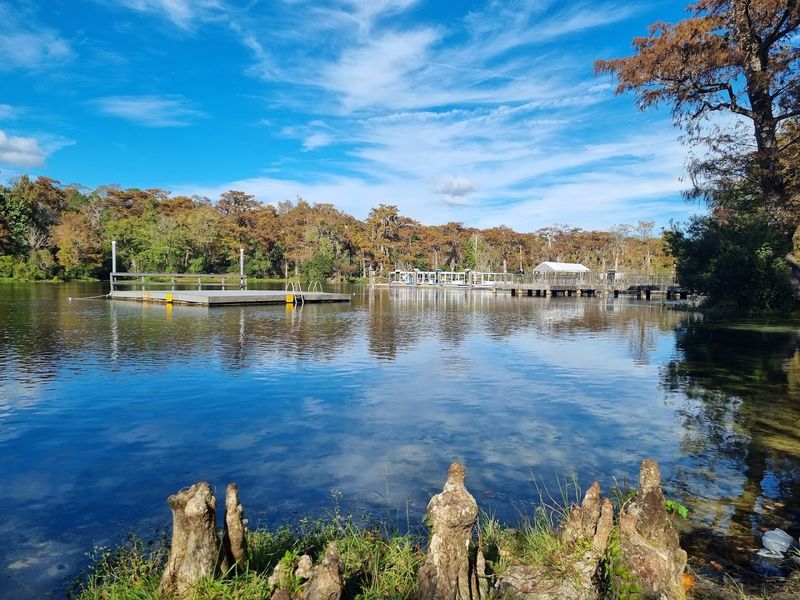
Winter transforms Wakulla Springs into manatee central, with cold-sensitive sea cows packing the warm spring waters from December through February. A cold front pushing through overnight almost guarantees excellent manatee viewing the next morning. The 70-degree spring water feels like a hot tub compared to the 50-degree river temperatures downstream.
Summer brings families seeking relief from the heat, with the swimming area seeing peak crowds on weekends. The constant spring temperature that feels warm in January turns refreshingly cool during July’s sweltering days. Arrive early on summer weekends to claim good spots on the beach.
Spring and fall offer the best combination of comfortable air temperatures and manageable crowds. Migratory birds pass through during these transitional seasons, adding species you won’t see during summer or winter. The forest surrounding the spring explodes with wildflowers during March and April.
Even rainy days have their charm here, with mist rising from the spring’s surface creating an otherworldly atmosphere. The covered boat tours run unless lightning threatens, and the lodge provides indoor refuge when weather turns nasty. Each season reveals different aspects of this remarkable ecosystem, rewarding visitors who return multiple times throughout the year to experience the spring’s changing moods.