This Little-Known Florida Beach Town Is Almost Too Pretty To Stay Hidden
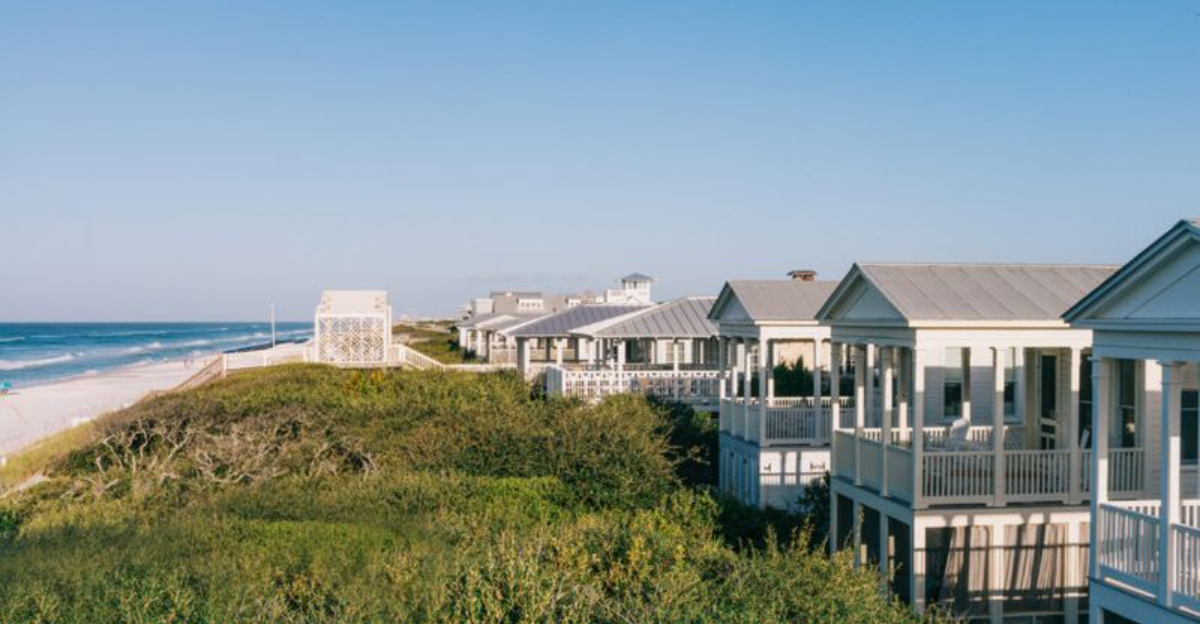
Seaside looks like it was plucked straight from a storybook. This tiny resort town with its pastel-painted cottages, white picket fences, and charming town squares has quietly become one of the most photogenic spots on the Gulf Coast. Whether you’re craving a peaceful beach escape or just want to wander streets that feel frozen in a simpler time, Seaside offers something truly special that bigger beach towns just can’t match.
1. Postcard-Perfect Architecture That Started a Movement
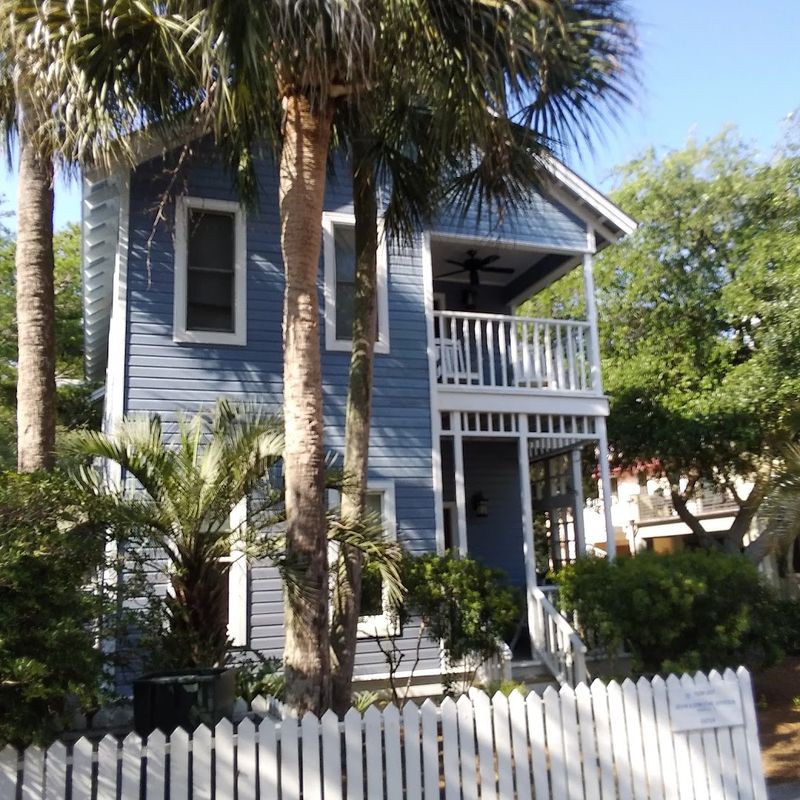
Walk through Seaside and you’ll immediately notice something different. Every home seems carefully designed yet wonderfully unique, painted in soft blues, corals, peaches, and mint greens that pop against the bright Florida sky. These aren’t just pretty houses—they’re part of a revolutionary urban planning concept called New Urbanism that started right here in the 1980s.
Founders Robert and Daryl Davis wanted to create a walkable community where neighbors actually knew each other, where front porches encouraged conversation, and where cars took a backseat to pedestrians. The result? A town that feels refreshingly old-fashioned despite being relatively new.
White picket fences frame flower gardens, screened porches catch Gulf breezes, and narrow streets encourage leisurely strolls instead of rushed drives.
Architects from around the world have studied Seaside’s design, and the town has influenced countless developments trying to recapture this magic. But there’s still nothing quite like experiencing the original. The attention to detail extends everywhere—from the positioning of houses to maximize shade and airflow, to the placement of public spaces that naturally draw people together.
You might recognize these streets from the Jim Carrey movie “The Truman Show,” which was filmed here. That surreal, too-perfect quality the film captured? It’s genuinely what walking through Seaside feels like on a sunny afternoon.
2. Beach Pavilions That Double as Landmarks
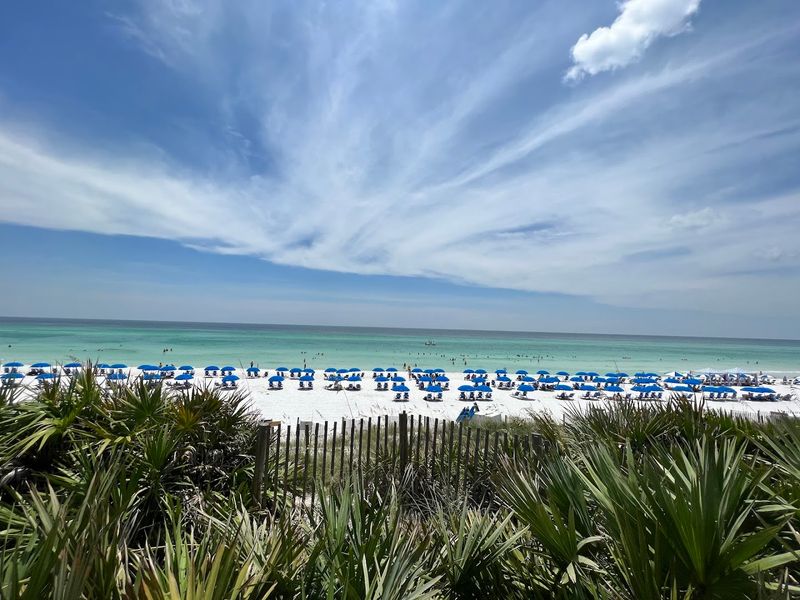
Most beach towns just have wooden walkways leading to the sand. Seaside decided to turn beach access into an art form. Scattered along the coastline, you’ll find a series of striking pavilions—each one architecturally distinct, each one designed by a different architect to be both functional and beautiful.
These aren’t your typical covered picnic shelters. We’re talking about bold geometric structures, some with soaring towers, others with curved rooflines that echo ocean waves. One features a circular design with columns, another looks like a modernist interpretation of a classical temple.
They’ve become beloved landmarks that locals use for navigation and visitors photograph obsessively.
Beyond their visual appeal, these pavilions serve a practical purpose. They provide shade on scorching summer days, shelter during sudden afternoon showers, and gathering spots for families to meet up after separating on the beach. Many have outdoor showers where you can rinse off sand, and benches perfect for changing out of wet swimsuits.
The pavilions also mark public beach access points, making it easy to find your way to the water no matter where you’re staying in town. Each has its own personality and fan club—ask any regular visitor and they’ll tell you which pavilion is “theirs.”
Photographers particularly love the golden hour here, when the setting sun casts long shadows and bathes these structures in warm light against the turquoise Gulf waters.
3. A Town Center Made for Wandering
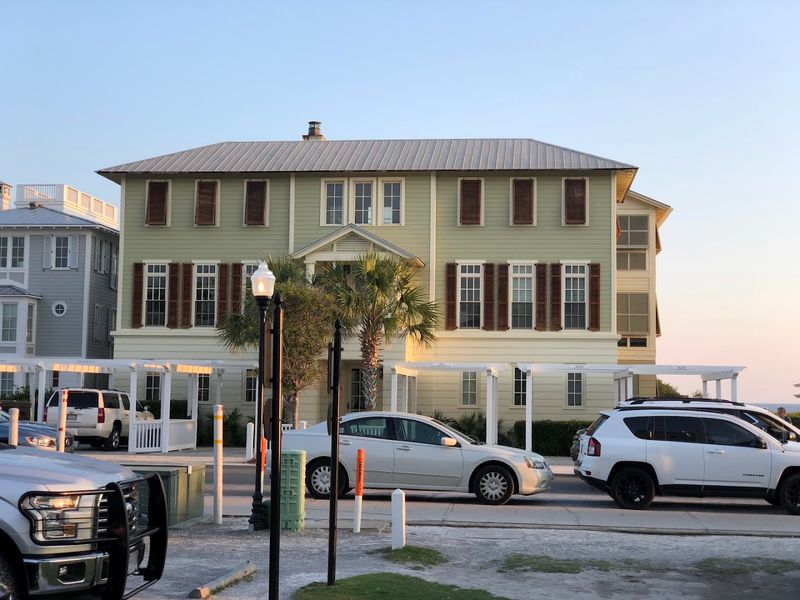
Forget sprawling strip malls and parking lot mazes. Seaside’s town center clusters everything within easy walking distance, creating a European-style plaza where shopping, dining, and people-watching blend seamlessly together. You can park once and spend hours exploring without ever getting back in your car.
Boutique shops line the streets, offering everything from beach gear and sundresses to home décor and local art. These aren’t chain stores—you’ll find unique items you won’t see anywhere else, often made by local artisans or carefully curated by shop owners who actually live in the community. Window shopping here feels like treasure hunting.
When hunger strikes, you’re spoiled for choice. Grab fresh seafood at casual outdoor spots where you can eat with sand still on your feet, or settle in for a more refined meal at restaurants serving coastal cuisine with ingredients sourced from nearby farms and waters. Coffee shops offer perfect morning gathering spots, while ice cream parlors become evening destinations for families.
The layout encourages lingering. Benches tucked under shade trees invite rest between shops. Small green spaces provide spots for impromptu picnics.
Street musicians occasionally set up, adding soundtrack to your stroll.
During peak season, the town center buzzes with energy but never feels overcrowded thanks to thoughtful design that disperses foot traffic naturally. Off-season brings a quieter charm that locals particularly treasure.
4. Sugar-White Sand That Squeaks Underfoot
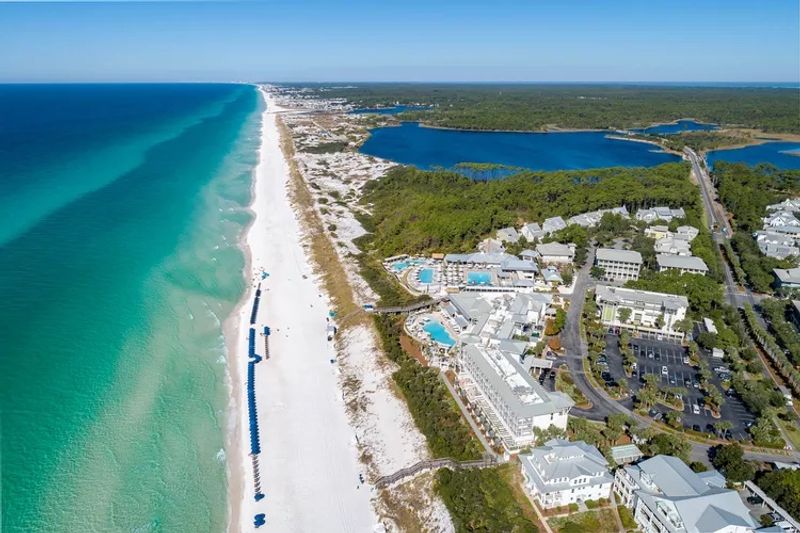
Step onto Seaside’s beach and you’ll immediately understand why people drive hundreds of miles to experience this coastline. The sand here isn’t just white—it’s an almost blinding shade of powdery quartz that feels impossibly soft and actually squeaks when you walk on it. Seriously, the high quartz content creates a distinctive sound with each step.
This isn’t packed, hard-surfaced sand. It’s fine and fluffy, the kind that gets absolutely everywhere but you don’t really mind because it’s so beautiful. Kids love building sandcastles with it, though the dry grains don’t pack quite as well as wetter sand closer to the waterline.
The beach stretches for miles in both directions from Seaside, giving you plenty of room to spread out even during busy periods. Unlike some Gulf Coast beaches that can feel crowded, you can usually find your own stretch of paradise here. The gentle slope into the water makes it perfect for families with young children—you can wade out quite far before the water gets deep.
That famous emerald-green Gulf water provides stunning contrast against the white sand, creating postcard views that somehow look even better in person than in photos. The water clarity varies by season and weather, but on calm days you can see your feet even in chest-deep water.
Beach chairs and umbrella rentals are available if you didn’t bring your own, and the previously mentioned pavilions provide convenient spots to take shade breaks.
5. Nearby Grayton Beach State Park for Nature Lovers
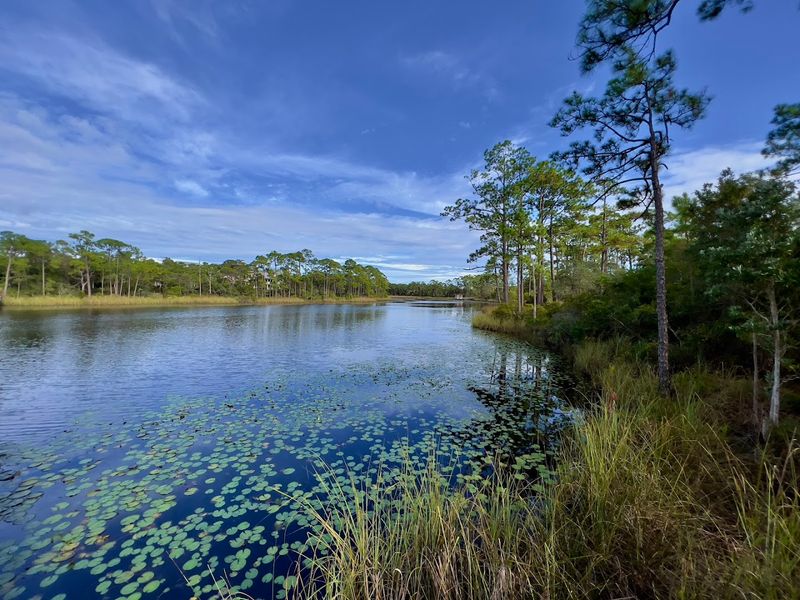
Just a short drive west of Seaside’s manicured streets, Grayton Beach State Park offers a completely different side of Florida’s coast. Here you’ll find 2,000 acres of protected land where nature runs wild—towering sand dunes, scrubby coastal forests, and one of the area’s rare coastal dune lakes.
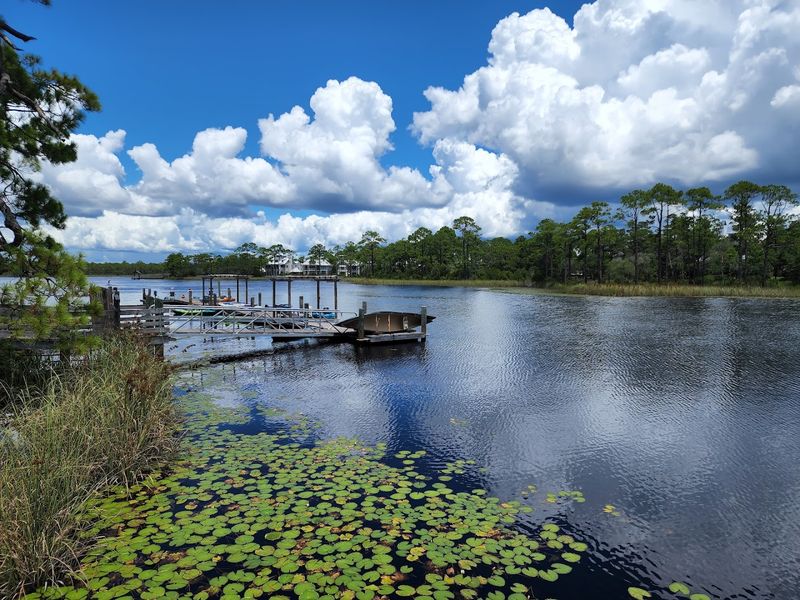
These dune lakes are geological oddities found in only a few places worldwide, and Florida’s Panhandle has several. Basically, they’re freshwater lakes separated from the Gulf by just a narrow strip of sand, and occasionally they breach and mix salt and fresh water. Western Lake in Grayton is particularly stunning, with hiking trails that circle its shores and offer completely different scenery than the beach.
The park’s nature trails wind through ecosystems you won’t see in developed areas—look for gopher tortoises, shorebirds, and if you’re lucky, deer moving through the maritime forest. It’s a nice counterbalance to Seaside’s human-designed perfection, showing what this coastline looked like before development.
Beach access within the park tends to be less crowded than Seaside’s main beaches, though you’ll need to pay a small entrance fee. The park also offers camping if you want to extend your stay and fall asleep to the sound of waves.
Bring water and wear good walking shoes if you plan to hike—the trails can get sandy and hot. Early morning visits offer the best wildlife viewing and temperatures cool enough for comfortable exploring.
6. A Slower Pace That Feels Deliberately Designed
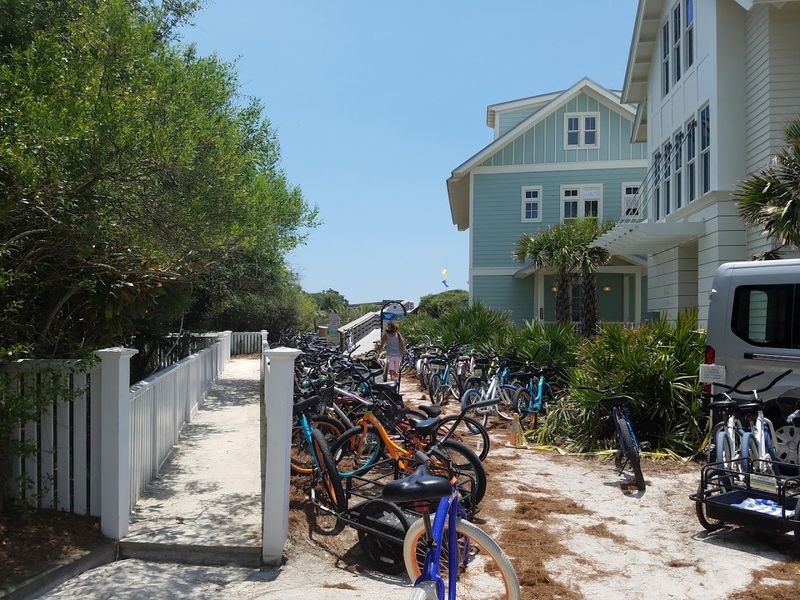
Something shifts when you arrive in Seaside. Maybe it’s the absence of traffic lights and fast-food chains, or perhaps it’s the sight of families biking together instead of rushing between scheduled activities. Whatever the cause, you’ll find yourself naturally slowing down, breathing deeper, noticing small details you’d normally miss.
This isn’t accidental. The town’s founders specifically designed Seaside to encourage a different rhythm of life. Narrow streets discourage speeding.
The compact layout means you can walk or bike nearly everywhere. Front porches positioned close to sidewalks invite conversation with passersby. These design choices subtly shape how people behave and interact.
You’ll see it in action everywhere. Neighbors chatting over fences while watering gardens. Families playing board games on screened porches instead of staring at phones.
People actually making eye contact and saying hello to strangers. It feels like stepping back to a gentler era, though with modern comforts intact.
The absence of big-box stores and chain restaurants means you’re not constantly bombarded with familiar corporate branding competing for attention. Instead, local businesses create unique experiences that encourage browsing rather than efficient shopping. You might stop in for one item and leave an hour later having had three interesting conversations.
This intentional pace makes Seaside particularly appealing for genuine relaxation. You’re not here to check boxes on a must-see list—you’re here to unwind, reconnect with travel companions, and remember what it feels like to have nowhere you absolutely must be.
7. Year-Round Events That Build Community
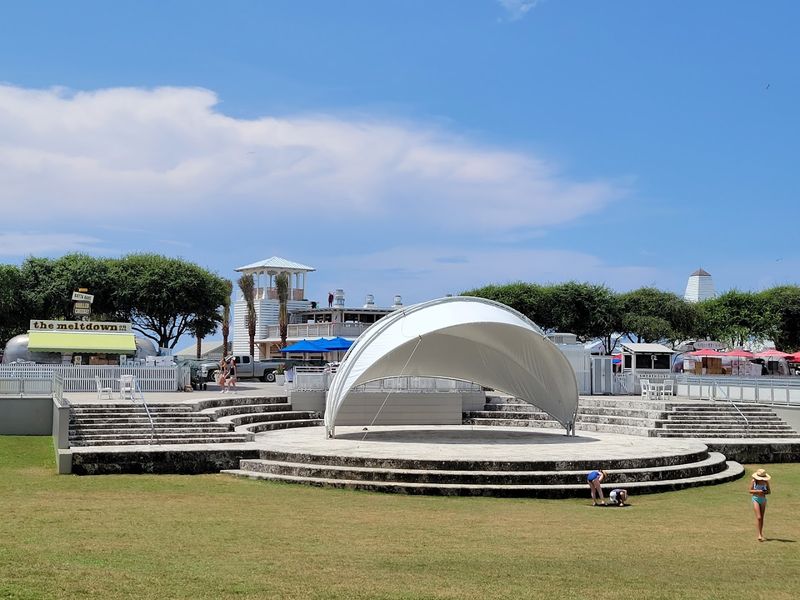
Small town doesn’t mean boring, especially when that town actively works to bring people together. Seaside hosts events throughout the year that give visitors a taste of genuine community while providing locals with reasons to gather and celebrate.
The Seaside Farmers Market runs on Saturdays and draws vendors from across the region selling fresh produce, artisan breads, local honey, handmade crafts, and prepared foods. It’s become a social event as much as a shopping trip, where you’ll see the same faces week after week, building relationships over discussions of heirloom tomatoes and the best way to prepare Gulf shrimp.
Summer brings outdoor concerts where families spread blankets on the lawn, kids dance unselfconsciously, and the music drifts over the neighborhood as the sun sets. These aren’t big commercial productions—they’re intimate gatherings that feel more like a talented friend performing at a backyard party.
The annual Seaside Half Marathon and 5K attracts runners who appreciate the scenic coastal course, while various art and wine festivals throughout the year celebrate creativity and Gulf Coast cuisine. Even holidays get the Seaside treatment, with Easter egg hunts, Fourth of July celebrations, and Christmas events that emphasize community participation over commercial spectacle.
Check the town’s event calendar before visiting—timing your trip to coincide with one of these gatherings adds an extra dimension to your experience and offers glimpses into what makes this community tick beyond its pretty architecture.
8. A Blueprint for How Beach Towns Could Be
Here’s what makes Seaside truly remarkable beyond its immediate beauty—it proved that different approaches to development could actually work. When the Davis family started building here in 1981, conventional wisdom said Americans wanted big lots, wide streets, attached garages, and separation between residential and commercial areas. Seaside rejected all of that.
Instead, houses sit close together on small lots with detached garages tucked behind, accessed by narrow lanes. Shops and homes mix in the same neighborhoods. Everything clusters within walking distance.
Front porches face streets instead of private backyards facing away. These choices flew in the face of decades of suburban development patterns.
Critics initially dismissed it as nostalgic fantasy that would never catch on. Then something unexpected happened—people loved it. They loved knowing their neighbors, loved walking to dinner, loved the sense of community that emerged from the design.
Urban planners and architects took notice, and New Urbanism was born as a movement.
Today, hundreds of communities worldwide have adopted principles pioneered in Seaside. You’ll see its influence in mixed-use developments, walkable town centers, and renewed emphasis on public spaces that encourage interaction. Not all succeeded as well as the original, but Seaside demonstrated that thoughtful design could shape not just how places look, but how people live within them.
Visiting Seaside isn’t just a beach vacation—it’s a chance to experience a living experiment in community building that changed how we think about development itself.