This Miami Neighborhood Is a Chic Escape for Art, Fashion, and Food Lovers
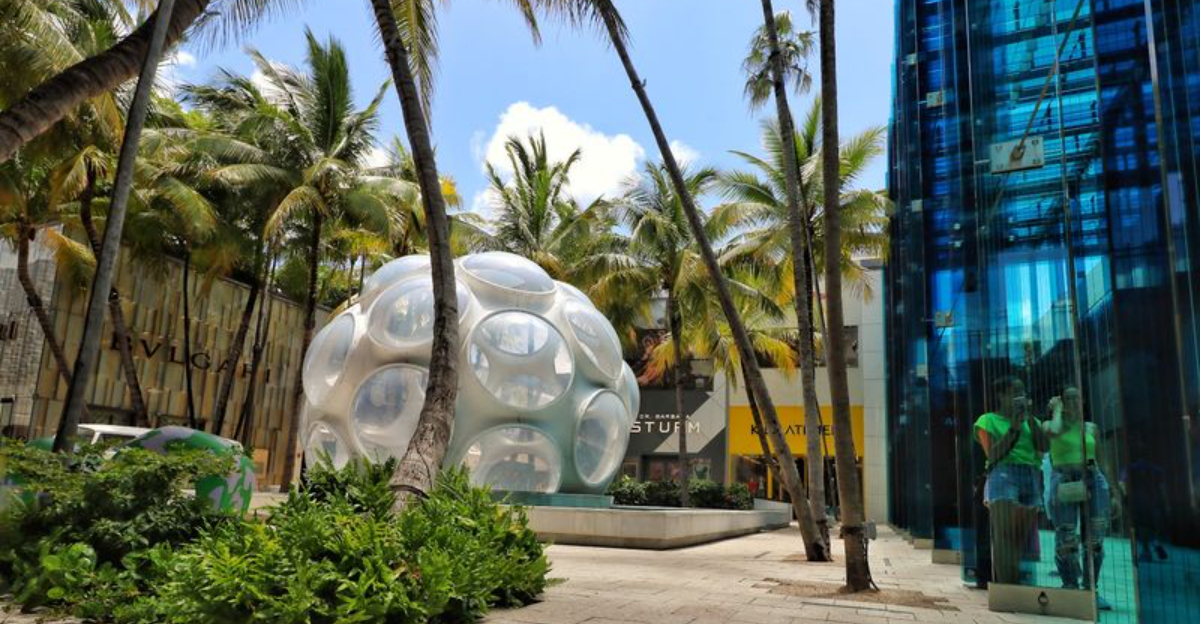
Miami’s Design District isn’t just another trendy neighborhood—it’s where modern architecture meets world-class shopping, cutting-edge galleries, and celebrity-chef restaurants all in one walkable area. Tucked between Midtown and Upper East Side, this 18-block creative hub transforms luxury retail into an outdoor museum experience with jaw-dropping public art installations around every corner. Whether you’re hunting for designer handbags, admiring contemporary sculptures, or grabbing farm-to-table brunch, the Design District delivers that perfect Miami blend of sophistication and sunshine.
Get ready to explore why art lovers, fashion fans, and serious foodies all consider this neighborhood their happy place.
1. Buckminster Fuller’s Fly’s Eye Dome
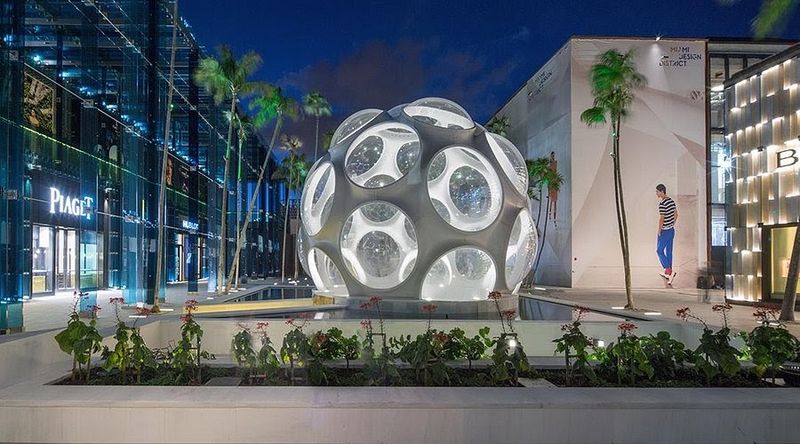
Picture a giant metallic eyeball staring up at the Miami sky—that’s basically what Buckminster Fuller’s Fly’s Eye Dome looks like, and it’s become one of the most photographed spots in the entire Design District. This geodesic dome structure wasn’t originally built for Miami; Fuller designed it back in the 1960s as part of his vision for affordable, portable housing that could be mass-produced and shipped anywhere. The version sitting in the Design District today was actually completed after his death, making it a posthumous tribute to his revolutionary architectural ideas.
Standing beneath the dome feels slightly surreal because you’re basically inside a piece of visionary history that was ahead of its time by decades. The hexagonal panels create intricate shadow patterns when sunlight filters through, turning the interior into a natural kaleidoscope that changes throughout the day. Visitors love lounging on the benches underneath while snapping Instagram shots or just taking a breather between boutique shopping sprees.
Fuller believed architecture should work with nature rather than against it, and this lightweight structure proves his point beautifully. The dome represents his lifelong obsession with doing more with less—maximum strength using minimal materials. When you visit, take a moment to walk around the entire structure and notice how the panels fit together like a three-dimensional puzzle.
It’s public art you can actually interact with, not just admire from behind velvet ropes.
2. Institute of Contemporary Art
Free admission might sound too good to be true, but the Institute of Contemporary Art delivers world-class exhibitions without charging a single penny at the door. Housed in a stunning building designed by Aranguren + Gallegos Arquitectos, the museum itself looks like a work of art—all clean lines, dramatic angles, and light-filled galleries that make you feel like you’ve stepped into a minimalist dream. The architecture intentionally avoids competing with the artwork inside, creating neutral spaces where cutting-edge contemporary pieces can truly shine.
ICA Miami focuses exclusively on work created after 1990, which means you’re seeing artists who are actively shaping culture right now rather than historical retrospectives. Exhibitions rotate regularly, featuring both emerging talents and established names pushing boundaries in painting, sculpture, video, performance, and installation art. One visit might introduce you to an artist experimenting with AI-generated imagery, while your next could showcase someone working with reclaimed ocean plastics.
The museum’s commitment to accessibility goes beyond free admission—they genuinely want art to feel approachable rather than intimidating or exclusive. Educational programs, artist talks, and community events happen regularly, creating opportunities to understand contemporary art’s context and meaning. Bring your curiosity rather than worrying about whether you “get it” or not.
The second-floor sculpture terrace offers gorgeous neighborhood views, making it perfect for a contemplative moment between galleries. Plan at least an hour for your visit, though art enthusiasts could easily spend half a day exploring every corner.
3. Luxury Fashion Boutiques
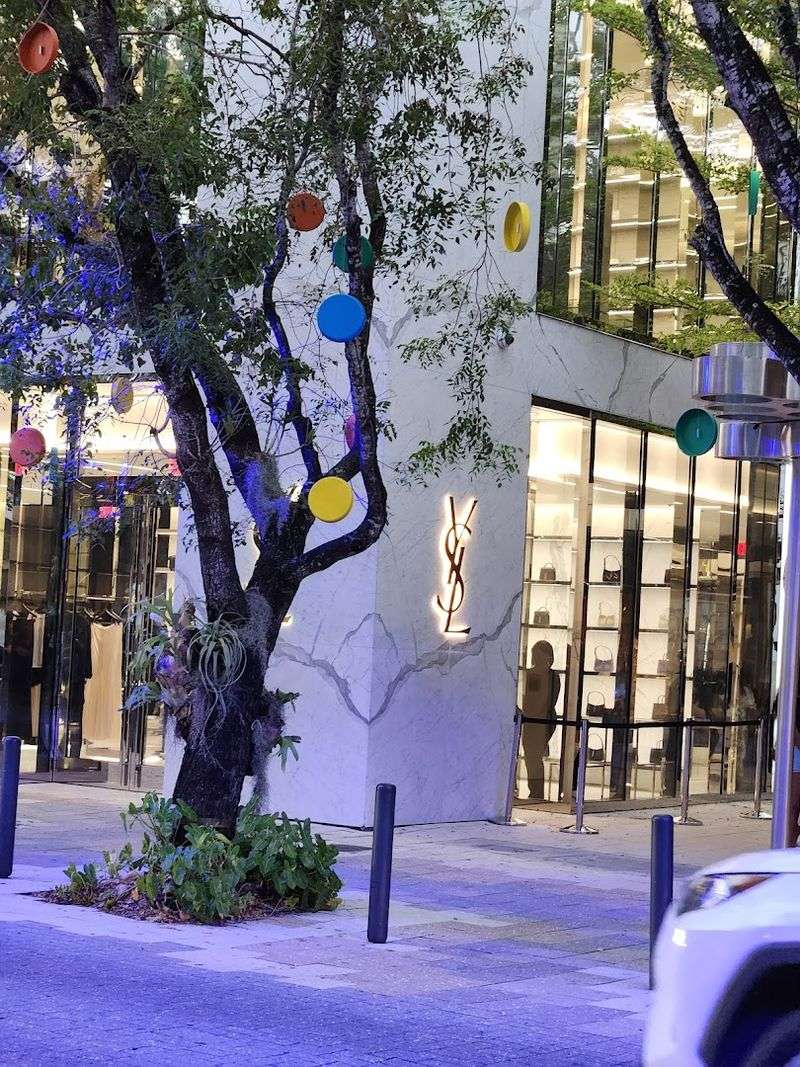
Forget massive malls with fluorescent lighting and generic layouts—the Design District turns luxury shopping into an outdoor adventure where each boutique feels like entering a different universe. Hermès, Louis Vuitton, Dior, Prada, and practically every other name that makes your credit card nervous all have stunning standalone locations here. These aren’t your typical retail spaces either; brands invested serious money creating architectural statements that double as Instagram backdrops.
Walking between stores means strolling palm-lined streets dotted with sculptures and art installations, making window shopping feel more like gallery hopping than mall crawling. The Christian Louboutin boutique features the designer’s signature red sole motif throughout its interior design, while the Hermès store incorporates Miami’s tropical vibe into its traditionally Parisian aesthetic. Even if you’re just browsing without buying, the experience feels special rather than stuffy—sales associates generally understand that today’s browser might become tomorrow’s customer.
Beyond the mega-brands, you’ll discover smaller luxury boutiques showcasing emerging designers and exclusive collections you won’t find in department stores. Jewelry lovers should carve out extra time because the concentration of high-end jewelers here rivals anything you’d find in New York or Beverly Hills. De Beers, Cartier, and Bulgari all maintain presences, along with independent ateliers creating one-of-a-kind pieces.
Smart shoppers visit weekday mornings when crowds thin out, giving you more personalized attention and elbow room. Valet parking is available throughout the district, though walking between stores is part of the experience. Comfortable shoes recommended—those cobblestone sections look prettier than they feel after an hour.
4. Celebrity Chef Restaurants
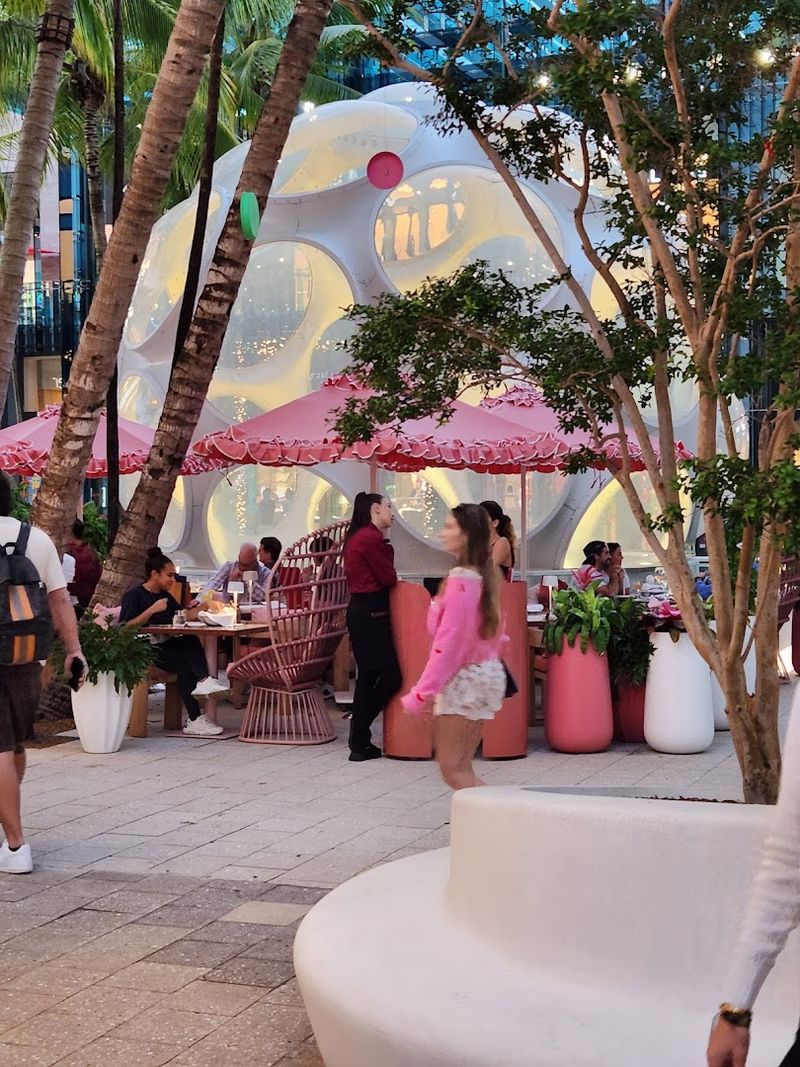
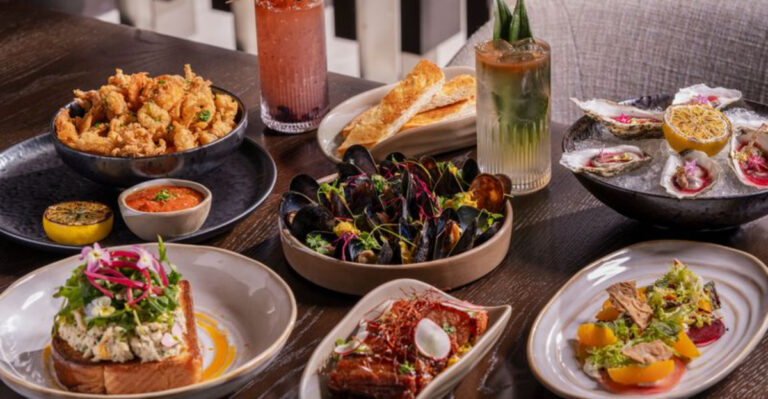
Michael Schwartz, Michelle Bernstein, and other culinary heavy-hitters have planted flags in the Design District, transforming it into one of Miami’s most serious dining destinations. These aren’t celebrity-endorsed chain restaurants slapping famous names on mediocre menus—these are actual chef-driven concepts where the people whose names are on the door actively shape every dish. Michael’s Genuine Food & Drink kicked off the neighborhood’s restaurant revolution, proving that farm-to-table cuisine could thrive in Miami’s urban landscape while maintaining approachable prices and zero pretension.
What makes dining here different from typical Miami scenes is the emphasis on food quality over velvet-rope exclusivity. Sure, you’ll spot well-dressed crowds and occasionally recognize someone from gossip columns, but restaurants focus on delivering exceptional meals rather than creating nightclub atmospheres. Reservations definitely help, especially for weekend dinners, though many spots save bar seating for walk-ins willing to eat solo or in pairs.
The variety spans way beyond fine dining too—you’ll find everything from elevated ramen shops to French bistros, Mediterranean mezze bars to New American gastropubs. Mandolin Aegean Bistro transports diners straight to a Greek island courtyard with its whitewashed walls and lemon trees, serving fresh seafood and grilled meats that taste like vacation. Breakfast and brunch scenes have exploded recently, with spots like Swan offering Instagram-worthy interiors designed by Ken Fulk alongside seriously good food.
Coffee culture thrives here too, with multiple specialty roasters and barista-driven cafes perfect for afternoon pick-me-ups between shopping sessions. Plan your dining strategy ahead because spontaneous dinner decisions often lead to disappointment or hour-long waits.
5. Public Art Installations
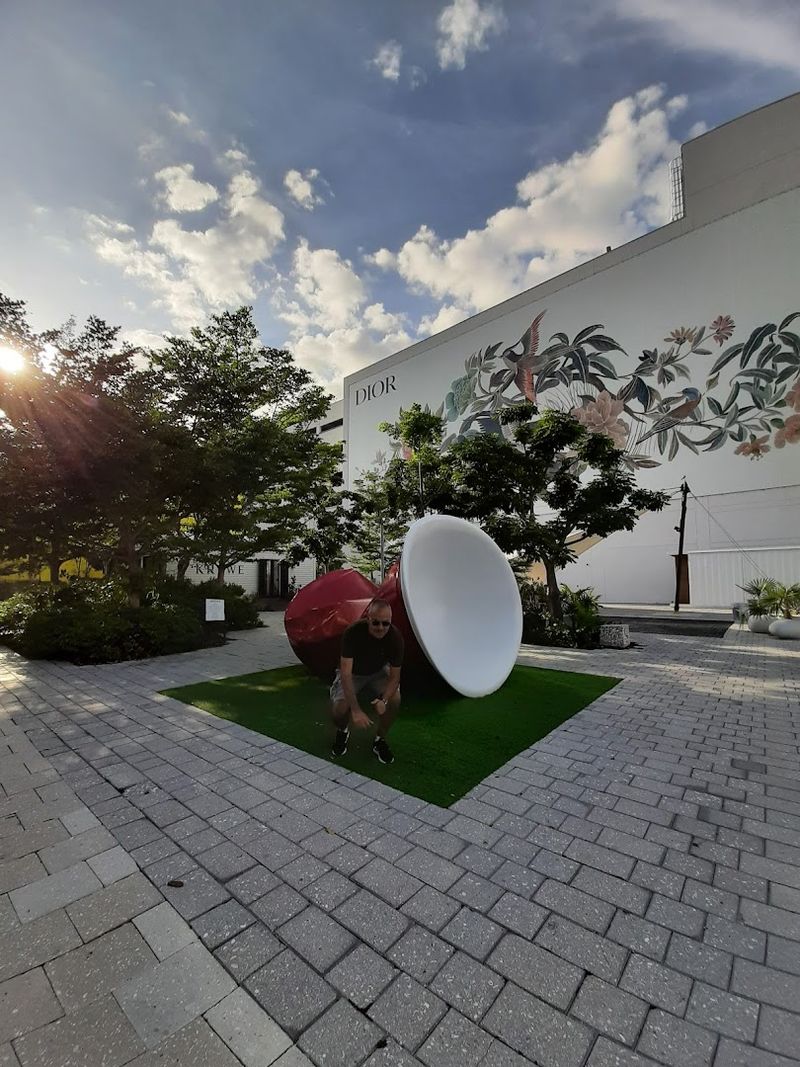
Art doesn’t hide behind museum walls in the Design District—it jumps out from sidewalks, building facades, parking garages, and literally everywhere you look. The neighborhood functions as a constantly evolving outdoor gallery where world-renowned artists create site-specific installations that interact with the urban environment. John Baldessari’s massive “Beethoven’s Trumpet (With Ear) Opus #133” features a gigantic ear and trumpet suspended in conversation, creating this wonderfully absurd moment that makes you smile while questioning what you’re seeing.
Nearby, you’ll encounter works by Urs Fischer, KAWS, and other contemporary art superstars whose pieces normally sell for millions at auction houses. The difference here? You can walk right up, touch some installations, and experience art as part of daily life rather than special museum occasions.
Xavier Cortada’s “Reclamation Project” incorporates Miami’s environmental realities into thought-provoking commentary about rising sea levels and climate change, proving public art can be beautiful and meaningful simultaneously.
New installations appear regularly, meaning repeat visitors always discover something fresh even if they’ve walked these streets dozens of times before. The Design District’s developers partnered with serious art advisors and curators rather than just buying random sculptures to fill empty corners. This intentional curation shows—pieces complement each other while maintaining individual personalities, creating cohesive outdoor exhibition flow.
Grab a free walking map from information kiosks showing installation locations, or just wander randomly and let discoveries happen organically. Golden hour photography sessions work beautifully here because the changing light transforms how sculptures and installations appear. Dog-friendly streets mean you can bring your pup along for art appreciation walks.
6. Modern Architecture Showcase
Architecture nerds experience actual heart palpitations walking through the Design District because practically every building showcases cutting-edge design that pushes boundaries. This wasn’t always an architecturally significant neighborhood—transformation happened intentionally when developers recruited internationally acclaimed architects to reimagine the entire district. What emerged is a living laboratory of contemporary design where buildings function as both functional spaces and artistic statements.
The Moore Building, originally constructed in 1921, received dramatic updates that honor its historic bones while injecting thoroughly modern elements. Its facade now features a striking geometric pattern that plays with light and shadow throughout the day, creating an ever-changing visual experience. Zaha Hadid’s final project before her death—a luxury condo tower—brings her signature flowing, futuristic aesthetic to Miami’s skyline.
The building looks like it might take flight at any moment, all curves and momentum frozen in concrete and glass.
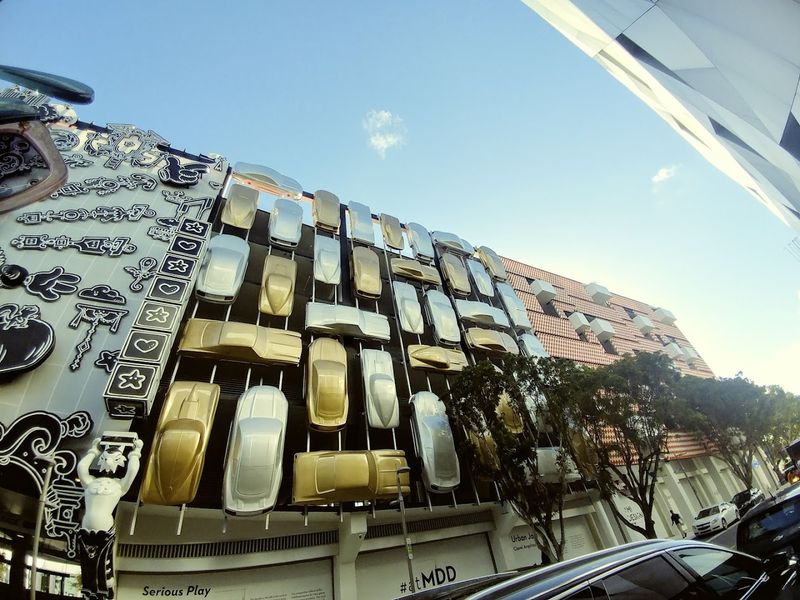
Even parking garages received architectural attention here, which tells you everything about the district’s commitment to design excellence. The Museum Garage features facades designed by different architects and artists on each level, turning utilitarian parking into a vertical art exhibition. Sou Fujimoto’s contribution looks like a geometric jungle growing up the building’s side, while Nicolas Buffe created an ornate baroque-meets-street-art explosion.
Photography enthusiasts should bring wide-angle lenses because these buildings demand to be captured in their full glory. Weekday afternoons offer the best light for exterior shots without weekend crowds photobombing your compositions. Architecture tours happen regularly if you want expert insights into design decisions and building histories rather than just admiring pretty facades.
7. Upscale Interior Design Showrooms
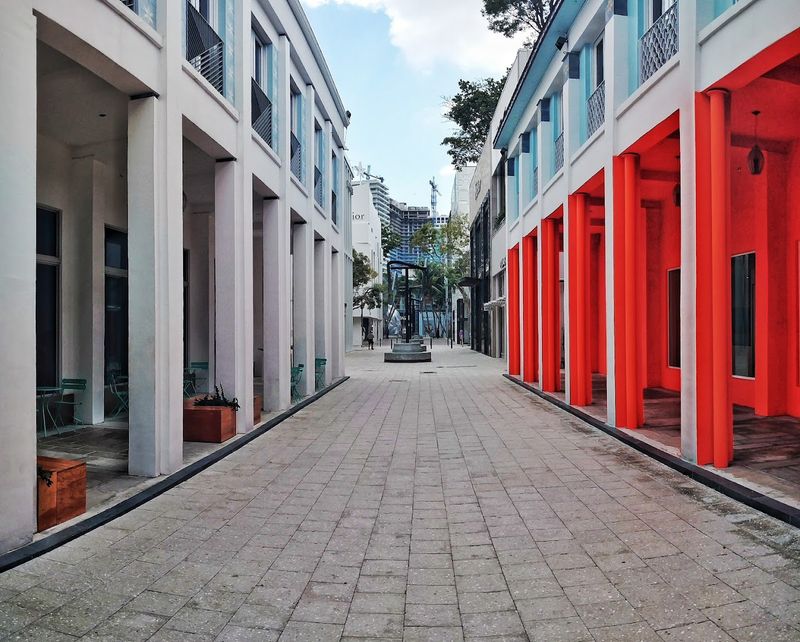
Interior designers, architects, and homeowners with renovation dreams flock to the Design District’s concentration of to-the-trade showrooms and luxury home furnishing boutiques. This neighborhood earned its name partly because it became the Southeast’s premier destination for high-end interior design resources—we’re talking custom Italian furniture, hand-woven rugs from Turkey, lighting fixtures that cost more than cars, and wallcoverings you didn’t know existed. Many showrooms traditionally operated as trade-only, meaning regular folks couldn’t enter without designer credentials, but that’s gradually changing as retailers recognize consumers want direct access.
Holly Hunt, Knoll, Poliform, and dozens of other prestigious brands maintain stunning showrooms displaying their latest collections in fully styled room settings. Walking through feels like touring impossibly chic homes where every detail has been considered and every piece represents the pinnacle of craftsmanship. Even if you’re not currently renovating, visiting these spaces provides serious inspiration and education about what’s possible when budget isn’t the primary concern.
The Design District also houses specialty shops focusing on specific categories—there are entire stores devoted exclusively to high-end kitchen fixtures, others showcasing only European bath products, and boutiques specializing in rare antique textiles. Dering Hall opened a physical showroom here, connecting consumers directly with interior designers and their curated product selections. This concentration of resources makes the neighborhood invaluable for anyone undertaking serious home projects.
Trade professionals should bring business cards and credentials because many showrooms still maintain some access restrictions. Regular shoppers can still explore plenty of open-to-public retailers offering similar quality without membership requirements. Allow extra time because these showrooms are designed for lingering, not rushing through like typical furniture stores.
8. Outdoor Dining and Cafe Culture
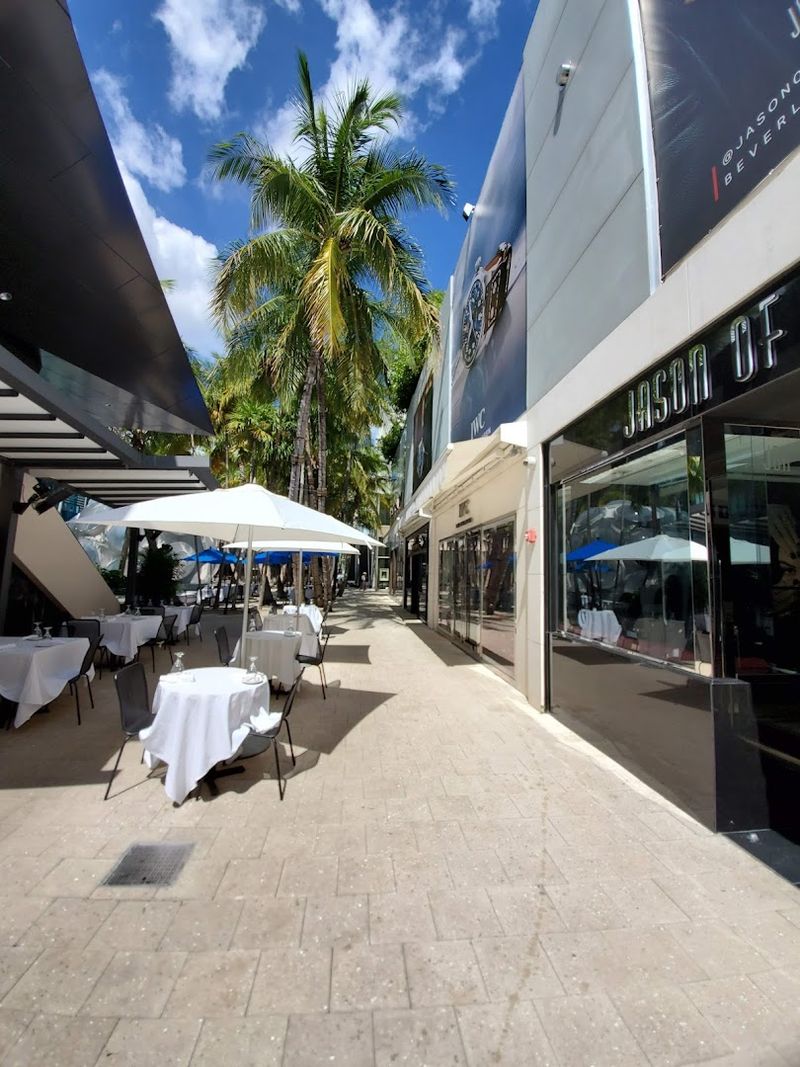
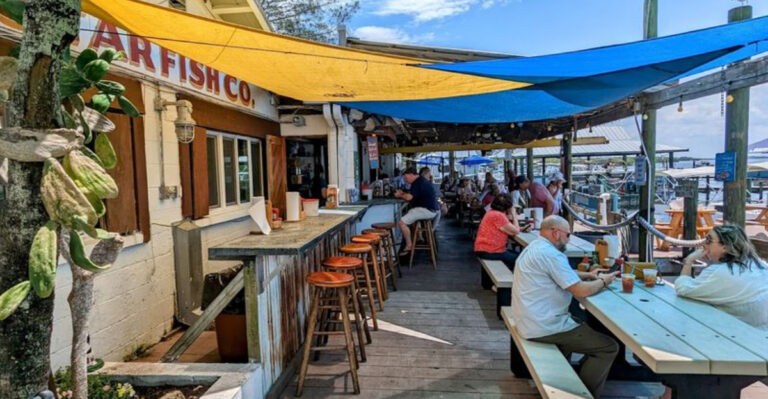
Miami’s eternal sunshine makes outdoor dining not just possible but preferable year-round, and the Design District maximizes this advantage with sidewalk cafes, courtyard restaurants, and al fresco lounges scattered throughout. Unlike some neighborhoods where outdoor seating means plastic chairs squeezed beside traffic, the Design District created pedestrian-friendly spaces where dining outside actually feels relaxing and civilized. Palm trees provide natural shade, misters cool down particularly steamy afternoons, and the constant parade of stylish pedestrians creates perfect people-watching opportunities.
Coffee culture here rivals what you’d find in Portland or Melbourne, with specialty roasters taking their craft seriously. OTL (Over The Limit) serves meticulously prepared espresso drinks alongside pastries from Zak the Baker, creating the perfect mid-morning refueling station. Boulud Sud offers Mediterranean-inspired dishes on a gorgeous patio where you can linger over wine and mezze while debating which gallery to visit next.
The Citadel food hall provides multiple dining options under one roof with shared outdoor seating, ideal for groups who can’t agree on a single cuisine.
Evening transforms outdoor dining spaces into something magical as string lights illuminate patios and the temperature drops to perfection. Restaurants strategically designed their outdoor areas to feel like destinations rather than afterthoughts—you’ll find full bars, comfortable seating, and complete menus available outside, not just limited selections. Weekday lunches offer the most relaxed outdoor dining experiences, while weekend brunches and Friday dinners attract crowds requiring patience or advance reservations.
Dog-friendly patios are common, making the Design District perfect for including your four-legged shopping companion. Dress codes lean smart-casual, meaning you should probably change out of beach clothes but don’t need to break out formal wear either.