Cook Pancakes at Your Table Inside This One-of-a-Kind Florida State Park
Hidden among ancient oak trees in Volusia County sits a Florida gem where breakfast becomes dinner theater. De León Springs State Park offers something no other state park can claim: a restaurant where you flip your own flapjacks right at your table while sitting inside a historic sugar mill. Beyond the famous pancake house, this 600-acre wonderland serves up crystal-clear springs, wildlife encounters, and centuries of fascinating history that’ll make you forget the modern world exists.
1. The Old Spanish Sugar Mill Pancake House Experience

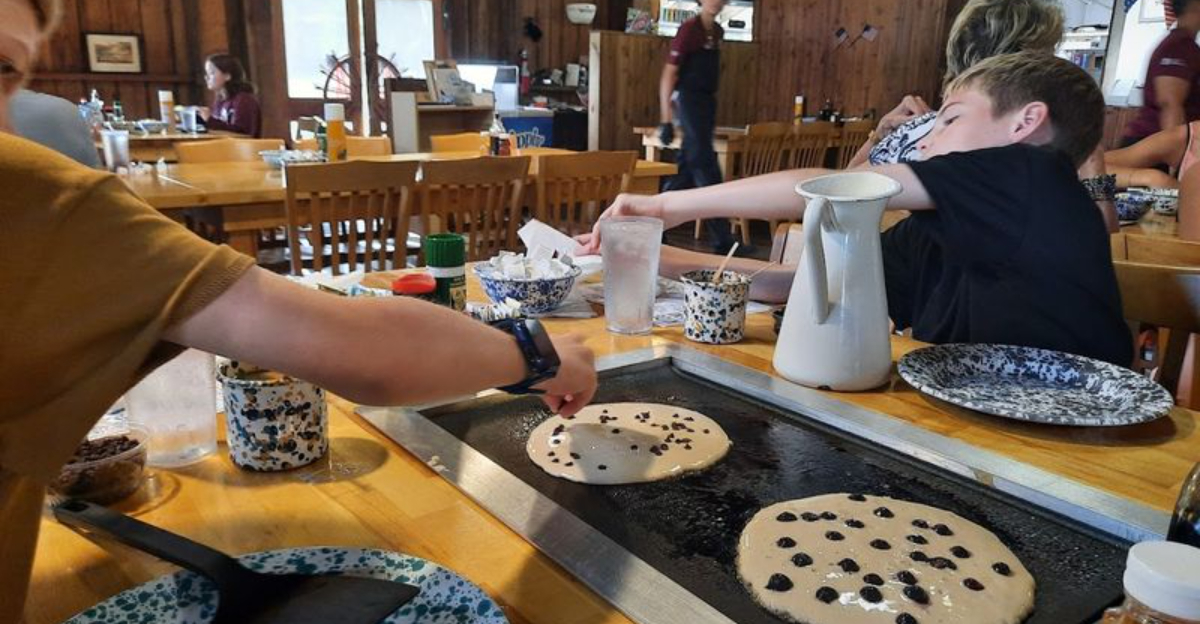
Picture yourself seated at a table with a sizzling griddle right in the middle, batter pitcher in hand, ready to become breakfast chef for the morning. The Old Spanish Sugar Mill isn’t your typical restaurant experience. Each table comes equipped with its own hot griddle where you control every aspect of your pancake creation, from size to golden-brown perfection.
The restaurant operates inside an actual 1830s sugar mill, with massive wooden beams overhead and grinding wheels still visible as historical artifacts. You can order all-you-can-eat pancakes with various batters including whole wheat, buckwheat, and blueberry options. The staff brings pitchers of batter to your table along with butter and syrup, then you take over as cook.
Expect serious wait times on weekends, often stretching beyond two hours during peak season. Locals recommend arriving before the 9 AM opening or visiting on weekdays when crowds thin out considerably. The reasonable prices make the wait worthwhile for most families.
Beyond pancakes, the menu offers lunch items, but the griddle experience remains the main attraction. Kids absolutely love the hands-on cooking adventure, and parents appreciate watching their little ones master the art of the flip without making a mess in their own kitchens.
2. Swimming in the 72-Degree Spring Pool
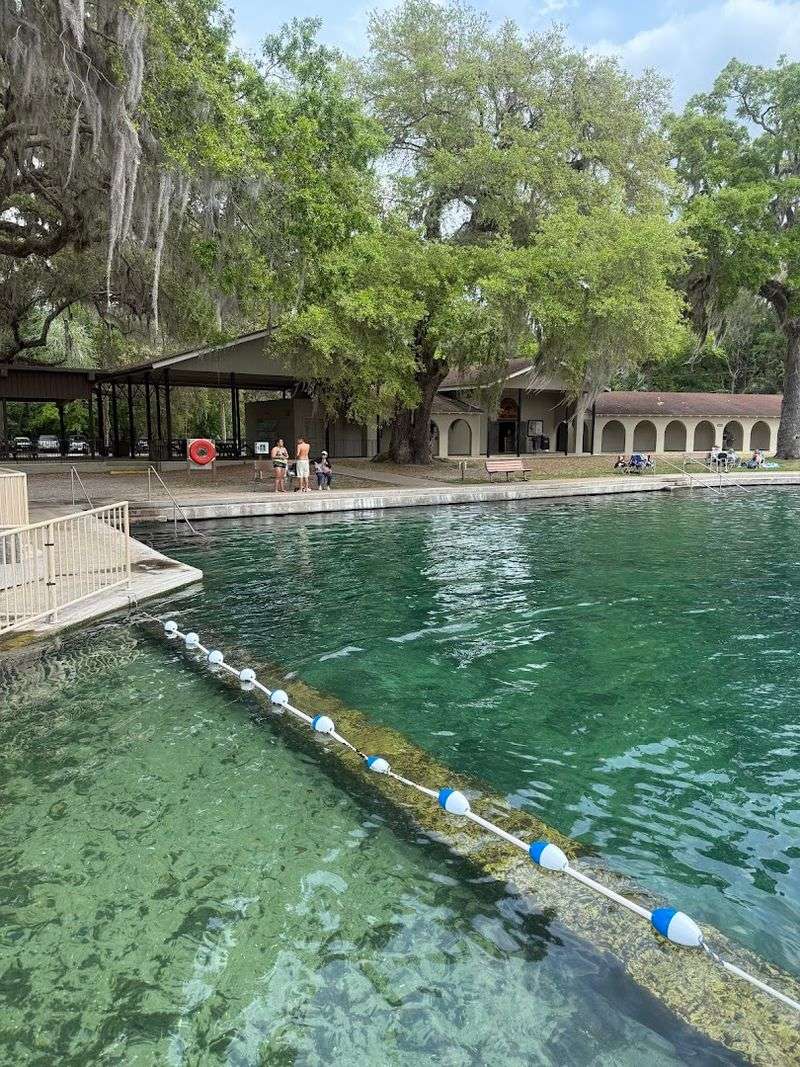
Forget fighting ocean waves or dealing with murky lake water. De León Springs delivers a swimming experience in water so clear you can count pebbles on the bottom from the surface. The spring-fed pool maintains a constant 72 degrees year-round, which feels refreshing in summer and surprisingly warm during winter months.
The swimming area features a roped-off shallow section perfect for younger children and nervous swimmers. Meanwhile, the deeper sections attract scuba divers who explore the underwater cave system where the spring water emerges. You might spot certified divers descending into the blue depths while you float on the surface.
Turtles frequently cruise through the swimming area, popping their heads up to check out the human visitors. The spring pumps out roughly 19 million gallons of water daily, keeping everything pristine and creating gentle currents that make floating effortless. Surrounding the pool, concrete decking provides plenty of space for sunbathing and setting up camp for the day.
Weekends get packed, especially during summer, so arriving early guarantees prime swimming spots. The park opens at 8 AM, giving early birds first dibs on the best areas before crowds descend around midday.
3. Scenic Pontoon Boat Tours Along Spring Garden Creek
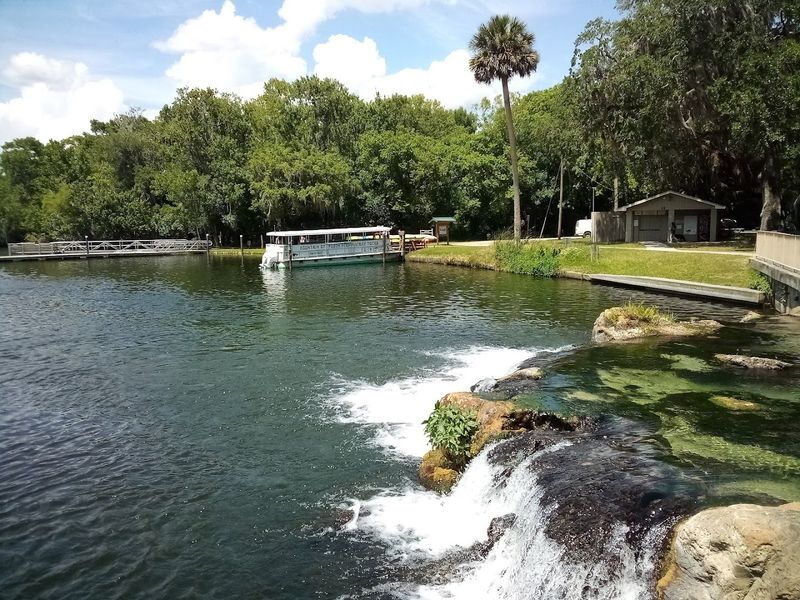
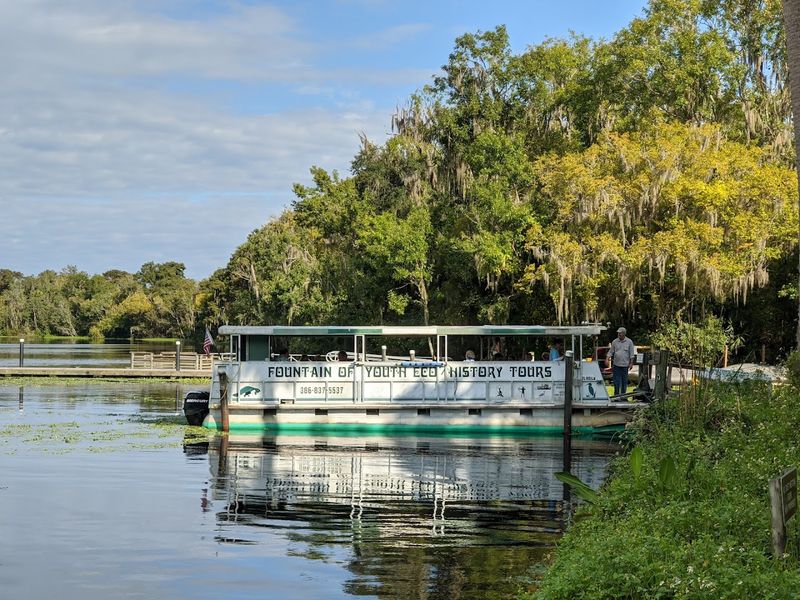
A 50-minute pontoon cruise down Spring Garden Creek transforms casual park visitors into wildlife spotters and history buffs. Knowledgeable captains navigate the narrow waterway while sharing stories about the area’s past, from Native American settlements to failed attempts at creating a Fountain of Youth resort. Their entertaining commentary makes the tour educational without feeling like a classroom lecture.
Manatee sightings happen frequently, especially during cooler months when these gentle giants seek the warmer spring water. You’ll see their snouts breaking the surface as they come up for air, though the tannin-stained river water prevents clear underwater views. Alligators sunbathe along the banks, and patient observers spot various bird species including herons, egrets, and anhinga.
The tour costs run around $19 per adult, which some visitors consider steep for the duration. However, early morning and weekday tours typically offer better wildlife viewing since fewer boats disturb the animals. Booking the first tour of the day increases your chances of manatee encounters significantly.
Captains and deckhands demonstrate genuine passion for the ecosystem, answering questions and ensuring everyone gets decent views of wildlife. The shaded pontoon provides relief from Florida sun while letting you experience the park’s natural beauty from a different perspective.
4. Exploring Nature Trails Through Ancient Forest
Towering oak trees older than the United States itself shade the walking trails at De León Springs. These paths wind through ecosystems that have remained relatively unchanged for centuries, offering quiet escapes from the busier swimming and dining areas. The trails vary in difficulty and length, making them accessible for different fitness levels and time constraints.
Historical markers along the routes tell stories of the Mayaca people who originally inhabited this land, Spanish explorers seeking legendary fountains, and entrepreneurs who tried turning the springs into a tourist resort in the 1800s. One trail leads to Old Methuselah, a cypress tree estimated at over 600 years old that somehow survived logging operations that cleared most ancient trees.
Some longer trails occasionally close for maintenance or environmental protection, so calling ahead prevents disappointment if you’re planning an extended hike. The shorter loops near the main facilities stay open year-round and provide excellent bird watching opportunities, especially during migration seasons.
Shaded canopy keeps temperatures cooler than open areas, making trail walks pleasant even on warm days. Benches positioned at scenic spots invite contemplation and rest. The trails connect various historical sites including ruins of the old sugar mill machinery and remnants of resort buildings from failed commercial ventures.
5. Picnicking Under Oak Canopies
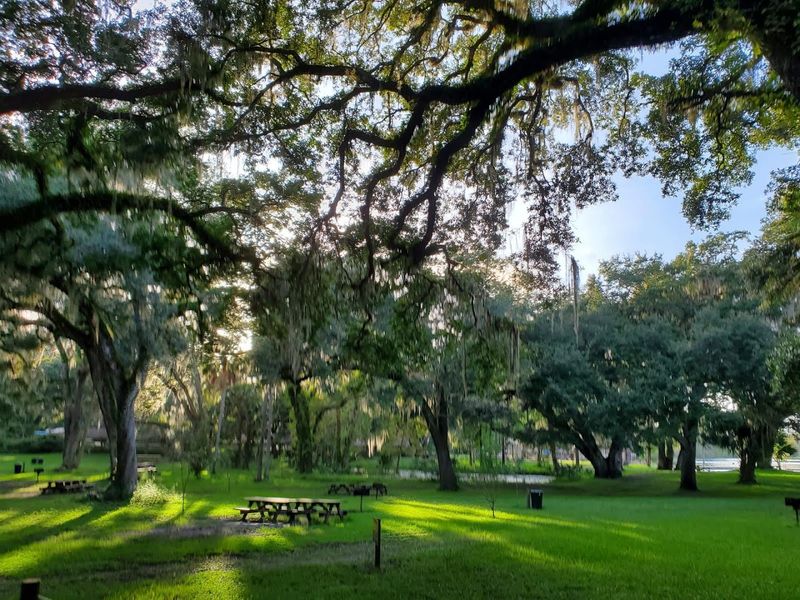
Massive live oaks create natural cathedrals perfect for spreading out a feast without worrying about sunburn. The park offers numerous picnic tables scattered throughout the grounds, both individual tables and larger pavilions available for rental at $75 per day. Spanish moss drapes from branches overhead, swaying in breezes that provide natural air conditioning even during summer.
Charcoal grills positioned near many picnic areas let you cook up burgers and hot dogs while the kids play nearby. The playground sits conveniently close to both picnic spots and the swimming area, allowing parents to relax while keeping eyes on their children. Sunday afternoons often feature families celebrating birthdays and reunions, creating a festive community atmosphere.
Off-season visits, particularly fall and winter weekdays, practically guarantee your pick of prime picnic locations. During peak summer weekends, arriving early becomes essential for snagging shaded tables near the swimming area. The park prohibits alcohol, keeping the family-friendly vibe intact throughout the day.
Clean restroom facilities and a small gift shop sit within easy walking distance of picnic areas, though some visitors note that restrooms can get messy during busy periods. The combination of natural beauty, convenient amenities, and proximity to swimming makes this an ideal spot for all-day family gatherings without breaking the budget.
6. Kayaking and Paddleboarding Adventures
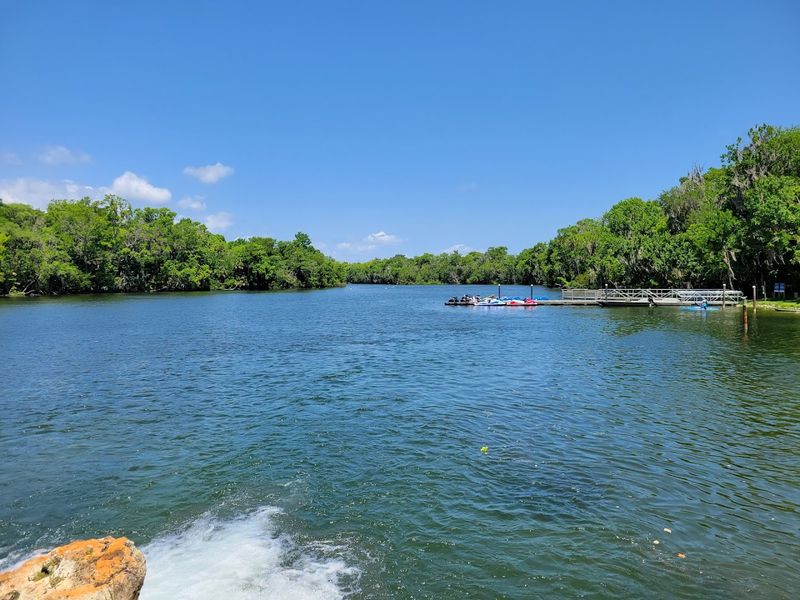
Gliding across glass-smooth spring water in a kayak or on a paddleboard offers a peaceful way to explore beyond the swimming boundaries. Rental options let you venture out onto Spring Garden Creek at your own pace, discovering hidden coves and quiet channels where wildlife congregates away from human activity. The steady flow from the spring creates gentle currents that make paddling easier than fighting stagnant lake water.
While some reviewers note the kayaking doesn’t match the exceptional quality found at other Florida springs, the experience still delivers solid outdoor recreation value. The creek narrows in sections, creating an intimate paddling environment where overhanging branches form tunnels and wildlife appears just feet away. Patient paddlers often encounter turtles sunning on logs, wading birds hunting in shallows, and occasional alligators maintaining respectful distances.
Water clarity decreases as you move downstream from the spring source, with tannins from decomposing vegetation staining the creek a tea-like brown. This natural phenomenon doesn’t indicate pollution but rather represents typical Florida waterway characteristics. The staining actually creates beautiful amber tones when sunlight filters through the water.
Rental rates remain reasonable compared to private outfitters, and the convenience of renting directly at the park eliminates transportation hassles. Morning paddles typically offer calmer conditions and better wildlife viewing before afternoon breezes pick up and boat tour traffic increases.
7. The Fountain of Youth Legend and Historical Sites
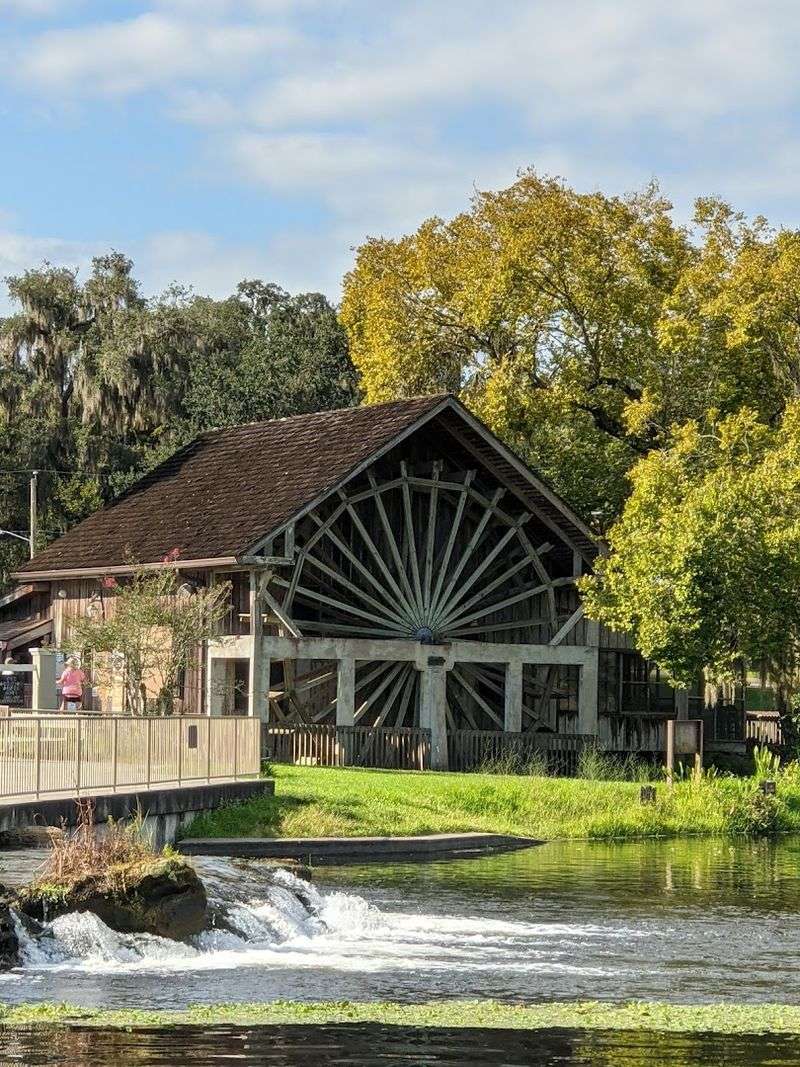
Long before Disney created fantasy kingdoms, Spanish explorer Ponce de León supposedly searched these very springs for waters promising eternal youth. While historians debate whether he actually visited this specific location, the legend stuck, and the park carries his name as a reminder of Florida’s colorful colonial past. Walking the grounds feels like stepping through centuries of human ambition and natural endurance.
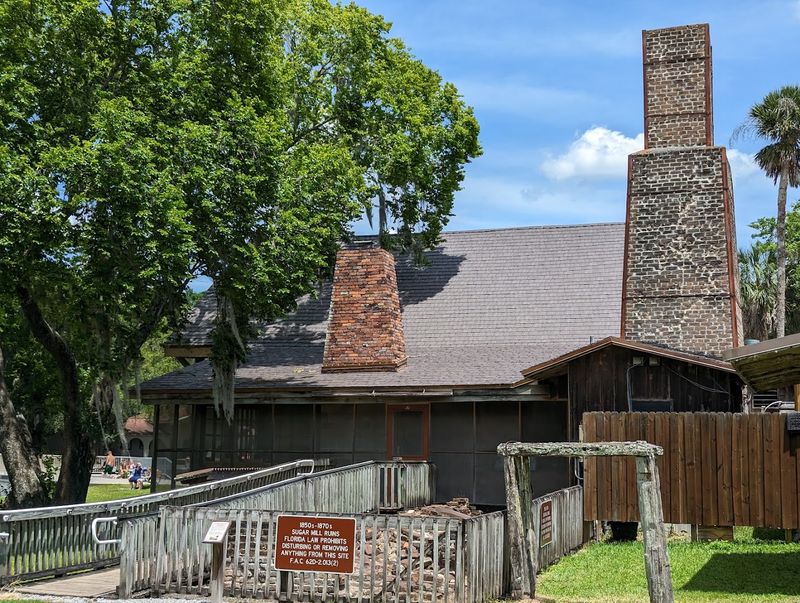
Visible ruins scattered throughout the park tell stories of various commercial ventures that tried capitalizing on the spring’s appeal. The sugar mill operated during the 1830s, grinding sugarcane into profitable sweetener until the Second Seminole War disrupted operations. Later entrepreneurs attempted creating a health resort, convinced the spring water possessed healing properties that would attract wealthy tourists seeking cures.
Rangers like Randy share fascinating historical details with visitors who show interest, transforming a simple park visit into an educational journey. The small museum area displays artifacts and photographs documenting the site’s evolution from Native American settlement to failed resort to beloved state park. These exhibits help visitors appreciate how this land has served different purposes while the springs continued flowing unchanged.
The historical layers add depth to your visit beyond just swimming and eating pancakes. Understanding the centuries of human interaction with this natural wonder creates appreciation for the preservation efforts that keep it accessible today.
8. Year-Round Accessibility and Affordable Entry
At just $6 per vehicle, De León Springs State Park delivers extraordinary value compared to commercial attractions charging ten times that amount for less natural beauty. The park opens daily at 8 AM and stays accessible until 8:30 PM, giving visitors flexibility to arrive early and beat crowds or show up for afternoon adventures after the initial rush subsides. This extended schedule accommodates different vacation styles and family schedules.
Year-round operation means you can visit during any season, with each offering distinct advantages. Summer brings warm water temperatures perfect for extended swimming sessions, while winter attracts fewer crowds and increases manatee sighting opportunities. Spring and fall provide ideal weather conditions with comfortable temperatures and reduced humidity that make hiking trails more enjoyable.
The park’s location in North Florida, about 20 minutes from DeLand, makes it accessible for day trips from Orlando, Jacksonville, or Daytona Beach. This proximity to major population centers explains weekend crowding but also confirms the park’s reputation as a must-visit destination. Homeschooling families particularly appreciate weekday visits when the park feels almost private.
Everything you need for a full day exists within the park boundaries: swimming, dining, hiking, wildlife viewing, and historical exploration. The affordable entry fee combined with reasonable food prices and rental rates means families can enjoy a complete outdoor experience without the sticker shock common at Florida’s commercial attractions.