No Cars, No Rush—Just History On This Remote Florida Island
A place where the loudest sound is the crash of waves and the rustle of palm fronds in the breeze. Cayo Costa sits off Florida’s Gulf Coast as one of the last truly wild barrier islands you can visit, accessible only by boat or ferry.
With no paved roads, no shops, and no crowds fighting for beach space, this state park offers something rare: a chance to experience Old Florida exactly as it was decades ago, complete with pristine beaches, abundant wildlife, and stories etched into every shell-covered shore.
Boat-Only Access Keeps the Crowds Away
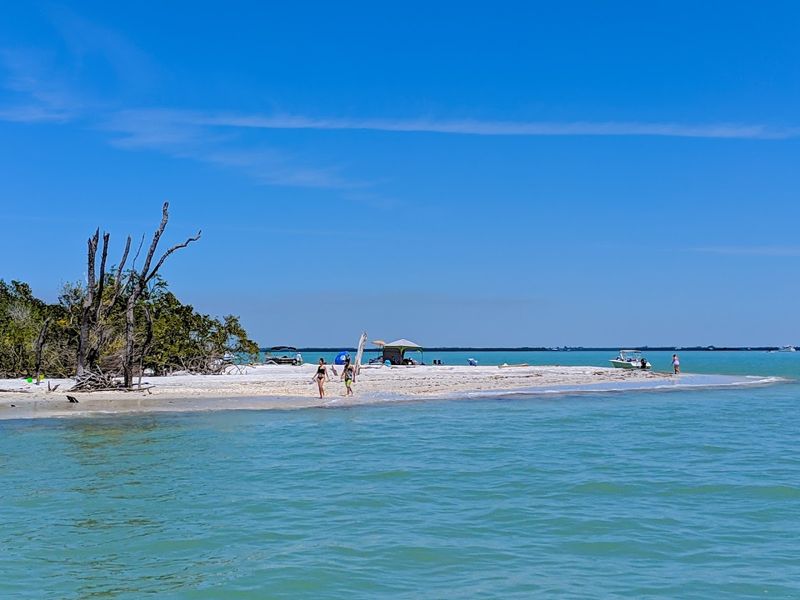
Getting to Cayo Costa requires planning because there’s no bridge connecting this island to the mainland. You’ll need to catch a ferry from Boca Grande, Pine Island, or Captiva, or bring your own boat if you’re feeling adventurous.
This boat-only access acts like a natural filter, keeping away the casual beachgoers who prefer parking lots and snack bars.
The Tropic Star ferry service runs regularly from several departure points, and the ride itself becomes part of the experience. Dolphins often play in the boat’s wake, and you might spot manatees lounging in the shallow channels.
The journey takes anywhere from twenty minutes to an hour depending on your starting point, giving you time to disconnect from the mainland mindset.
Some experienced paddlers make the trip by kayak or canoe from nearby Gasparilla Island, though park rangers warn this route is only for skilled boaters. The currents can be strong, and hammerhead sharks are known to frequent these waters.
One wrong turn in the mangrove channels could leave you circling for hours.
Once you arrive at the park dock, a tram waits to transport campers and their gear to the campsites. Day visitors can simply walk the short path to the beach.
The park rangers are genuinely helpful, often stopping the tram to let passengers collect firewood or pointing out wildlife along the way.
This isolation is exactly what makes Cayo Costa special. Without easy car access, the island has avoided the overdevelopment that plagues most of Florida’s coastline.
The beaches remain wide and wild, the water stays clear, and you can actually hear yourself think. It’s the kind of place that reminds you what Florida looked like before the high-rises and highways took over.
Shell Collector’s Paradise Stretches for Miles
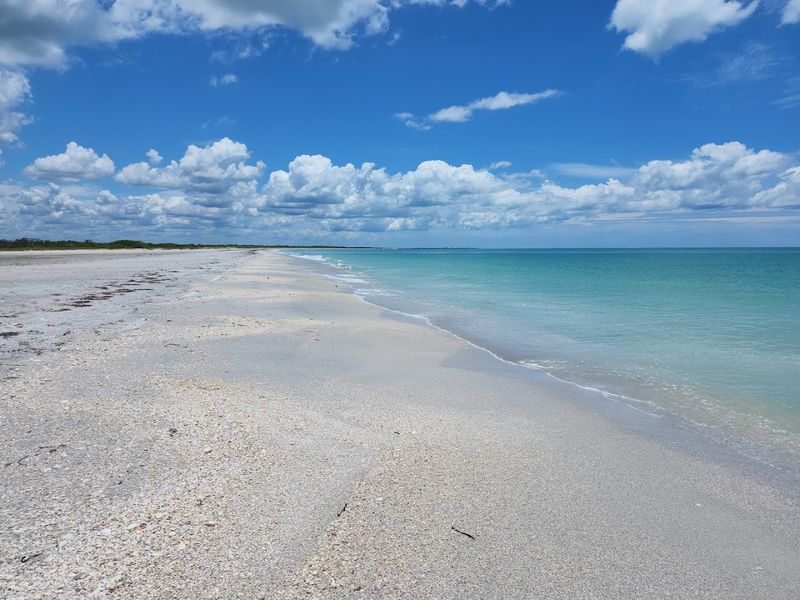
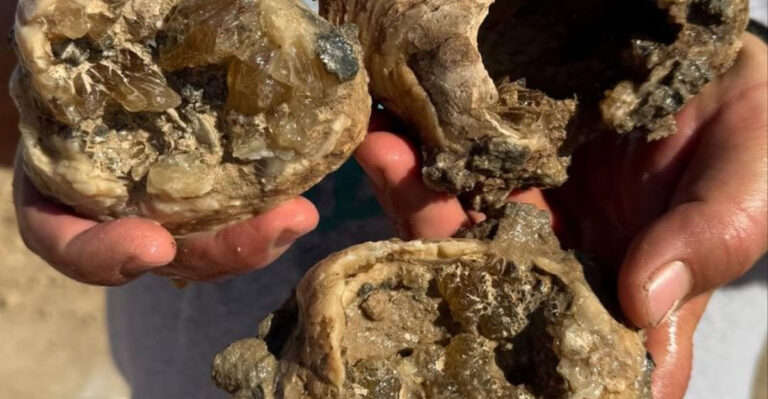
Walk along Cayo Costa’s nine miles of beaches and you’ll understand why shell collectors plan entire vacations around this spot. The Gulf waters deposit an incredible variety of shells daily, from tiny coquinas to massive conch shells still showing their spiral patterns.
Unlike heavily trafficked beaches where the good shells disappear by sunrise, Cayo Costa’s remote location means fresh treasures wash up constantly.
Between the shells, sharp-eyed visitors hunt for fossilized shark teeth. These ancient relics range from tiny lemon shark teeth to impressive specimens from long-extinct species.
Kids especially love the treasure-hunt aspect, filling buckets with their finds while parents relax nearby.
The best shelling happens after storms or during low tide when the waves expose new sections of the beach. Early morning beachcombers have the advantage, but even afternoon visitors rarely leave empty-handed.
Some regulars bring mesh bags instead of buckets because they collect so many shells they need something that drains water.
One unique feature appears during certain tides: a natural walkway forms where the ocean seems to split, creating a shallow path through the water. This phenomenon reveals even more shells and sea creatures, offering photo opportunities that look almost otherworldly.
The sight stops first-time visitors in their tracks.
Remember that this is a protected state park, so live shells containing creatures must stay on the beach. Only empty shells can come home with you.
The park rangers occasionally check bags to ensure visitors follow this rule, which helps preserve the ecosystem for future shell hunters. Despite these restrictions, you’ll still collect more beautiful shells than you can carry, each one a natural souvenir from this unspoiled corner of Florida.
Primitive Camping Brings You Closer to Nature
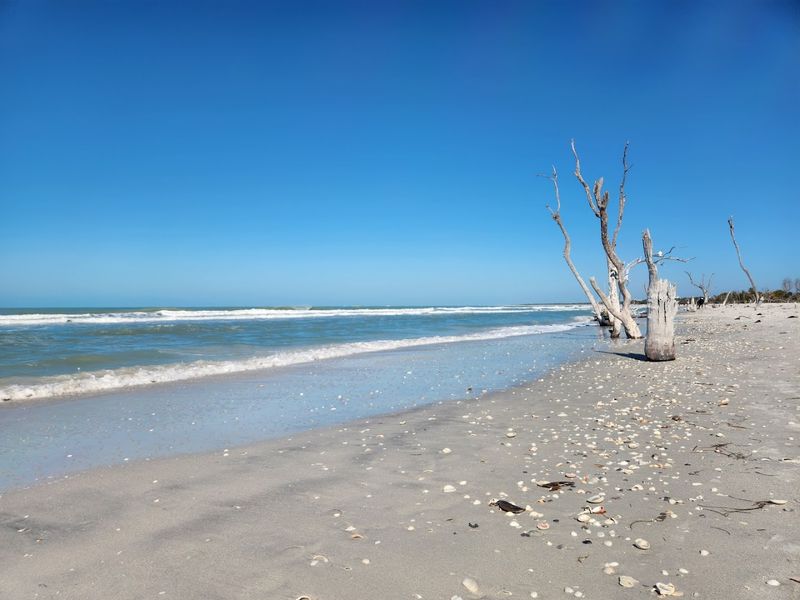
Forget glamping. Cayo Costa’s campsites offer a genuinely primitive experience that either thrills outdoor enthusiasts or sends comfort-seekers running back to their hotels.
The thirty campsites sit nestled among pine trees and palmettos, each equipped with a picnic table, grill, and hammock strung between trees. That’s it.
No electricity. No water hookups.
No Wi-Fi to distract you from the stars overhead.
The park does provide communal facilities including outdoor showers and water spigots for cooking and drinking. These showers run on solar power, meaning the water temperature depends entirely on how much sun the panels absorbed that day.
Summer showers can be surprisingly warm, while winter visits might require some mental preparation before rinsing off.
Site number eight gets mentioned frequently in reviews as a favorite spot, offering excellent shade and privacy. The ranger-led tram ride to the campsites includes a stop where passengers can gather firewood, a thoughtful touch that saves campers from hauling logs on the ferry.
Rangers also provide ice packs to keep coolers functioning in Florida’s heat.
Nighttime at Cayo Costa transforms the camping experience into something magical. With zero light pollution, the Milky Way stretches across the sky in a brilliant band of stars.
Lying in your tent listening to the ocean roar just beyond the dunes creates an almost primal connection to the natural world. Some campers report this soundtrack helps them sleep better than any white noise machine.
The cabins offer a slight step up in comfort with bunk beds and screened windows, though they’re still quite basic. Both options require bringing all your own food, cooking equipment, and supplies.
There’s something deeply satisfying about this self-sufficiency, knowing you’re truly disconnected from the modern world for a night or two.
Wildlife Encounters Happen Daily
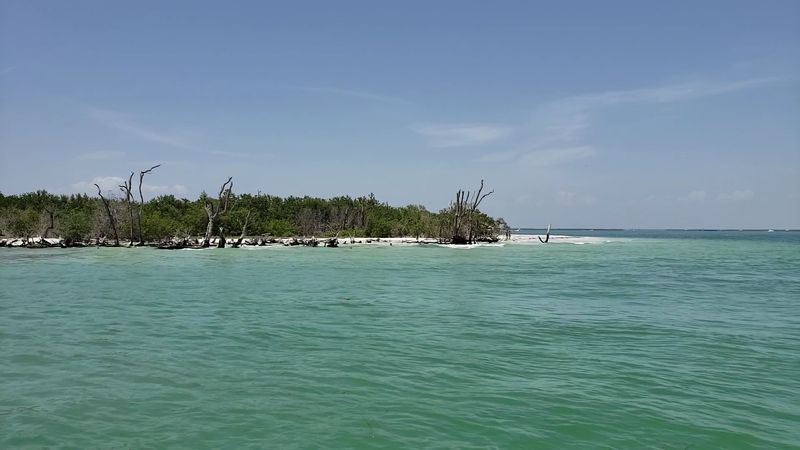
Cayo Costa functions as a wildlife sanctuary where animals outnumber humans most days. Dolphins are practically guaranteed sightings, often swimming so close to shore that wading beachgoers can watch them hunt fish in the shallows.
These playful creatures seem unbothered by human presence, sometimes putting on impromptu shows as they leap through waves.
Gopher tortoises lumber across the island’s interior trails, their ancient eyes regarding visitors with calm indifference. These protected reptiles dig extensive burrow systems that also shelter other species, making them essential to the island’s ecosystem.
Watch where you step on the nature trails because these guys have right-of-way.
Manatees occasionally visit the waters around Cayo Costa, especially during warmer months. These gentle giants munch on seagrass in the shallow bays, their whiskered snouts breaking the surface for air.
Families lucky enough to spot a manatee often remember that moment for years, since these endangered animals remain relatively rare despite conservation efforts.
Bird enthusiasts bring binoculars and field guides because the island hosts an impressive variety of species. Pelicans dive-bomb the surf, terns hover on updrafts, and roseate spoonbills wade through the shallows with their distinctive pink plumage.
During migration seasons, the island becomes a crucial stopover point for birds traveling the Gulf Coast.
Sea turtles nest on Cayo Costa’s beaches by the hundreds each summer. Rangers have documented over 350 nests in a single season, with protected areas roped off to give these ancient mariners space to lay their eggs.
If you visit during nesting season, you might witness hatchlings scrambling toward the ocean, a sight that connects you to a cycle that’s repeated for millions of years on these shores.
Crystal-Clear Water Perfect for Swimming
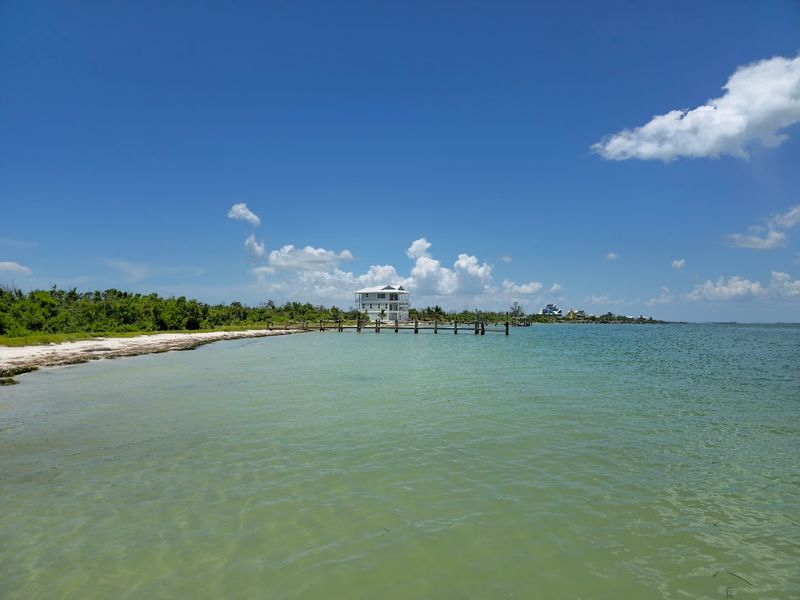
The water surrounding Cayo Costa often looks photoshopped because it’s hard to believe that shade of turquoise exists in real life. On calm days, you can see straight to the sandy bottom even in chest-deep water, watching small fish dart between your legs.
The clarity results from the island’s protected location and relatively light boat traffic compared to more accessible beaches.
Water temperature stays comfortable most of the year, ranging from refreshingly cool in winter to bathwater warm in summer. May visitors particularly rave about the perfect temperature, not too cold for extended swimming but cool enough to provide relief from the sun.
The gentle slope of the beach means kids can wade safely while parents relax on shore.
Stingrays glide through the shallows, their wings rippling gracefully as they search for food in the sand. While these creatures are generally harmless, the old shuffling technique still applies: drag your feet instead of taking steps to give them warning to move away.
Most visitors never have issues because the rays prefer avoiding humans just as much as we prefer avoiding them.
The Gulf side of the island offers calmer swimming conditions than the bay side, where currents can be stronger and the water less clear. Park rangers warn about these currents, especially for families with young children.
The protected beaches on the Gulf provide the best swimming experience, with waves that are usually manageable even for less confident swimmers.
Unlike some Florida beaches plagued by seaweed blooms or murky runoff, Cayo Costa maintains its water quality year-round. Even during periods when nearby beaches suffer from red tide, the island sometimes escapes the worst effects.
This consistency makes it a reliable destination for anyone seeking that perfect beach day with water so clear it looks like a Caribbean postcard.
Mangrove Trails Reveal Hidden Ecosystems
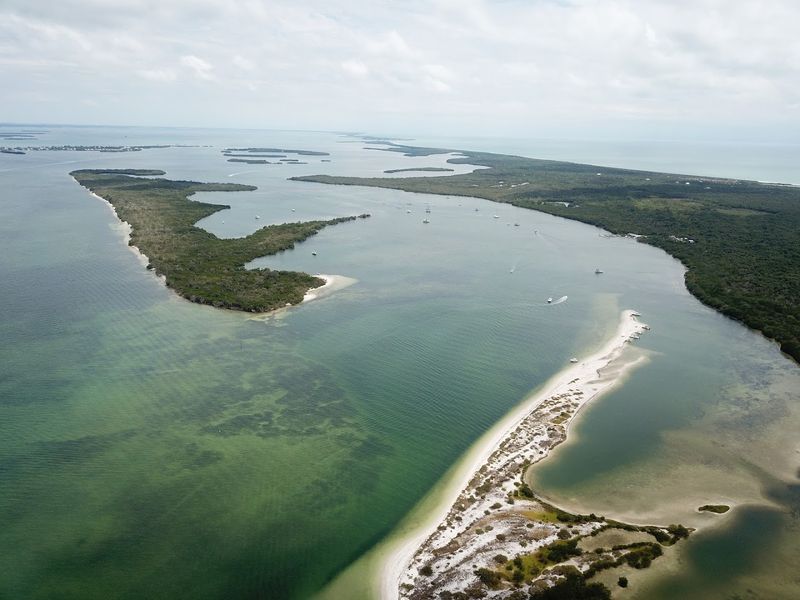
Behind the beaches, Cayo Costa’s interior holds a completely different world where mangrove forests create a maze of twisted roots and shaded waterways. The walking trails through these areas offer a welcome break from the sun and a chance to see the island’s less obvious inhabitants.
These paths wind through ecosystems that have remained virtually unchanged for centuries.
Mangroves serve as nurseries for countless fish species, their tangled roots providing shelter from predators. Peer into the shallow water beside the trails and you’ll spot tiny fish, crabs scuttling sideways, and occasionally a small shark or ray.
The air smells different here, a mix of salt and decomposing vegetation that signals a thriving wetland ecosystem.
The trails aren’t long or particularly challenging, making them accessible for most fitness levels. They do require closed-toe shoes because the roots and shells create uneven footing.
During summer months, these shaded paths offer relief from the intense beach sun, though they also tend to harbor more mosquitoes and no-see-ums than the open beach areas.
Educational signs along the trails explain the mangrove ecosystem’s importance to Florida’s coastal health. These trees prevent erosion, filter water, and sequester carbon more efficiently than most forests.
Understanding their role transforms a simple walk into an appreciation for the complex systems that keep barrier islands like Cayo Costa functioning.
The canopy creates a tunnel effect in some sections, with branches meeting overhead to block out the sky. This natural architecture makes the trails feel almost mystical, especially during early morning or late afternoon when the light filters through at dramatic angles.
Photographers love these trails for capturing a side of Florida that tourists rarely see beyond the beach.
No-See-Ums Demand Serious Bug Protection
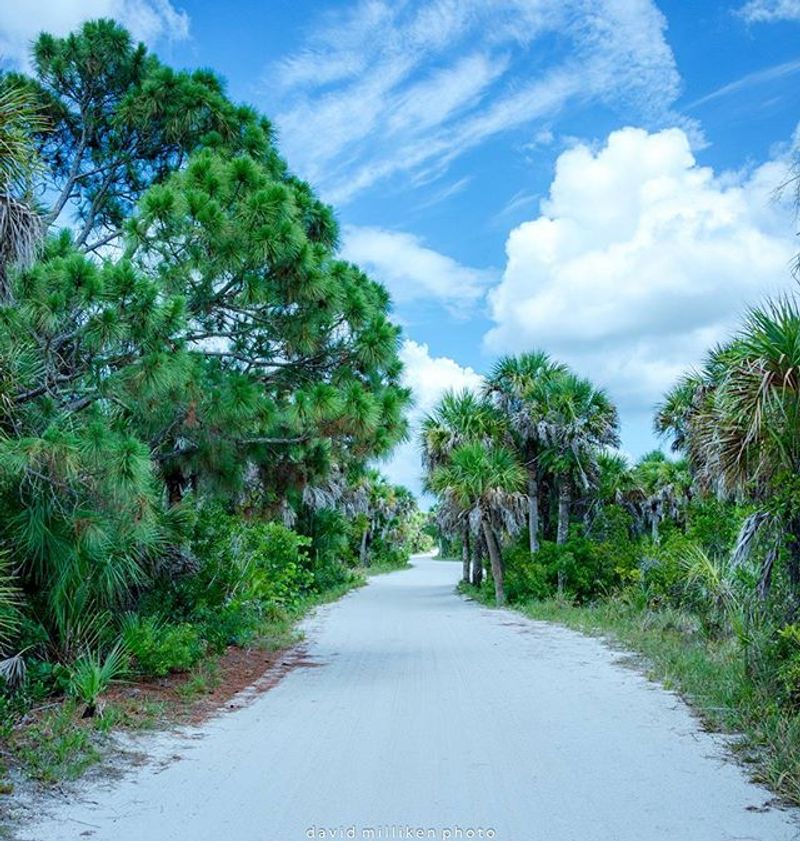
Every Cayo Costa review eventually mentions them: the notorious no-see-ums that can transform a paradise afternoon into an itchy nightmare. These tiny biting flies, technically called Ceratopogonidae, are so small they can pass through regular window screens.
Their bites create welts that itch intensely and last for days, making proper protection absolutely essential rather than optional.
The bugs are worst during dawn, dusk, and nighttime hours, particularly in summer months. Campers report that these periods require full defensive measures: long sleeves, long pants, socks pulled up, and generous applications of DEET-based repellent.
Thermacell devices get mentioned repeatedly in reviews as genuinely effective, with experienced campers recommending at least six repellent mats for an overnight stay.
Day visitors have an easier time because the bugs rarely venture onto the open beach during midday. The ocean breeze keeps them at bay, and the full sun seems to discourage their activity.
This means you can enjoy hours of beach time without much concern, only needing to apply bug spray when heading into shaded areas or preparing to leave.
Off! Deep Woods wipes with DEET receive specific praise from reviewers who’ve tested various products.
The wipe format makes reapplication easy and ensures even coverage. Some visitors also pack lightweight Columbia fishing shirts and pants, which provide physical barriers while remaining comfortable in Florida’s heat.
Despite the bug issue, most people insist Cayo Costa remains worth visiting if you come prepared. The key word is prepared.
Arriving without adequate bug protection can ruin an otherwise perfect trip. Check the calendar before booking, as cooler months typically have fewer bugs, while June and July represent peak no-see-um season when even hardcore campers struggle with the intensity of these tiny terrors.
Fishing Opportunities Abound from Shore
Serious anglers make regular pilgrimages to Cayo Costa because the fishing here rivals anywhere on Florida’s Gulf Coast. The island’s remote location means less fishing pressure than accessible beaches, allowing fish populations to thrive.
Cast a line from shore and you’re likely to hook snook, redfish, trout, or tarpon depending on the season and your technique.
Shore fishing eliminates the need for a boat, making this an affordable option for families or budget-conscious anglers. The deeper channels near the beach drop-offs hold larger fish, while the shallows teem with smaller species perfect for kids learning to fish.
Some visitors report catching their dinner within an hour of arriving, then cooking their fresh catch over campsite grills.
The bay side offers different fishing opportunities than the Gulf beaches. Snook hide around the mangrove roots, requiring accurate casts into tight spaces.
Redfish cruise the grass flats in packs, their copper-colored backs visible in the clear water. These sight-fishing opportunities create exciting moments even when the fish aren’t biting because you can watch them investigate your bait.
Proper fishing licenses are required, and Florida’s regulations about size and bag limits apply. Park rangers occasionally check licenses and catches, so make sure you’re following the rules.
The state park also has specific regulations about where fishing is allowed to protect sensitive habitats and nesting areas.
Charter captains offer guided fishing trips to Cayo Costa, providing all equipment and expertise for visitors who want a more structured experience. These guides know exactly where fish congregate during different tides and seasons, dramatically increasing your chances of landing something impressive.
Even experienced anglers sometimes hire guides for their first Cayo Costa visit to learn the island’s unique fishing spots and patterns.
Day Trips Offer a Taste Without Camping
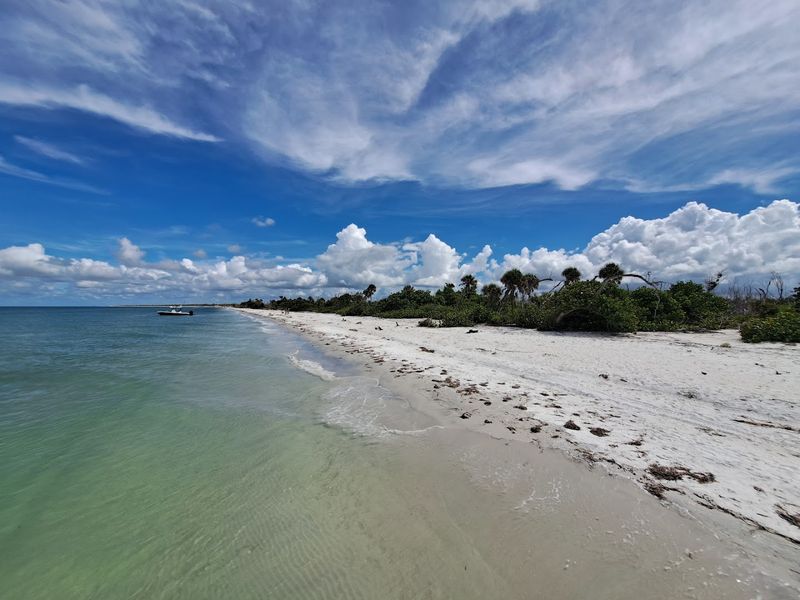
Not everyone wants to rough it overnight, and Cayo Costa accommodates day-trippers who simply want a few hours on an unspoiled beach. Multiple ferry services run daily trips from various departure points, with the boat ride itself providing half the adventure.
You’ll spend four to six hours on the island, enough time to swim, shell, explore the trails, and enjoy a picnic lunch.
Packing for a day trip requires more planning than a typical beach outing because the island offers zero amenities. Bring all your own food, drinks, sunscreen, and beach gear.
A cooler with ice keeps drinks cold in Florida’s heat, and bringing more water than you think you’ll need prevents dehydration. The lack of shade on the beach means umbrellas or pop-up tents are valuable additions to your gear.
The ferry schedule determines your day’s rhythm, with specific departure and return times that can’t be missed. Arrive at the dock early because the boats fill up during peak season, and latecomers might get left behind.
The return trip often features spectacular sunset views, with the sky turning orange and pink as you motor back to civilization.
Families with young children often prefer day trips over camping because it provides the Cayo Costa experience without the challenges of primitive camping with kids. Toddlers can play in the sand, older kids can hunt for shells, and parents can relax knowing they’ll return to comfortable beds that evening.
The boat ride also entertains kids, especially when dolphins make appearances.
Regular day-trippers often become so enchanted with Cayo Costa that they eventually plan camping trips. The day visit serves as a test run, letting you experience the island’s magic while confirming whether you’re ready for a more immersive adventure.
Many visitors report that their first day trip sparked an obsession with this special place that keeps them returning year after year.
Sunset Views Create Unforgettable Memories
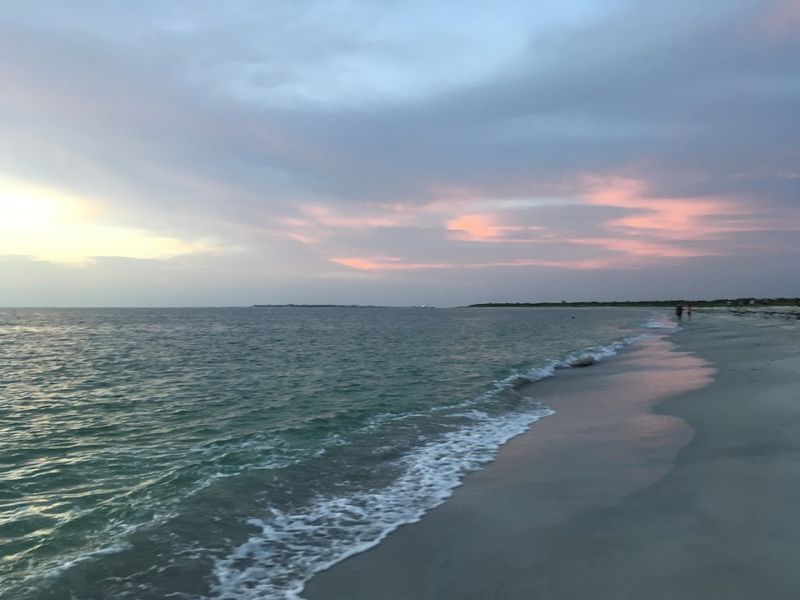
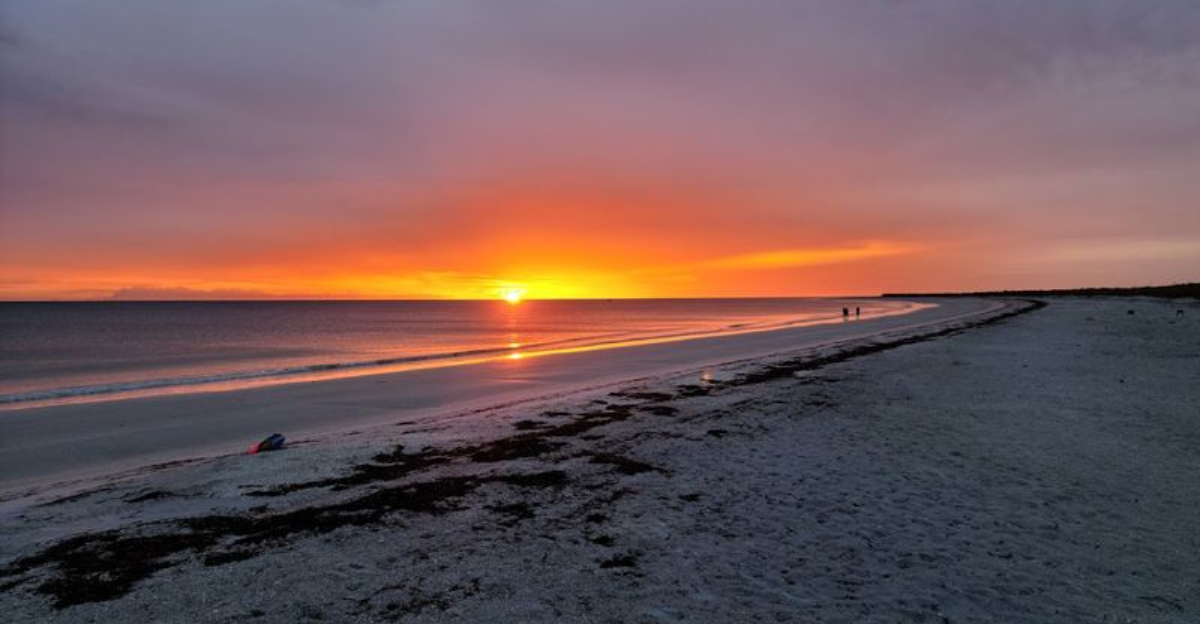
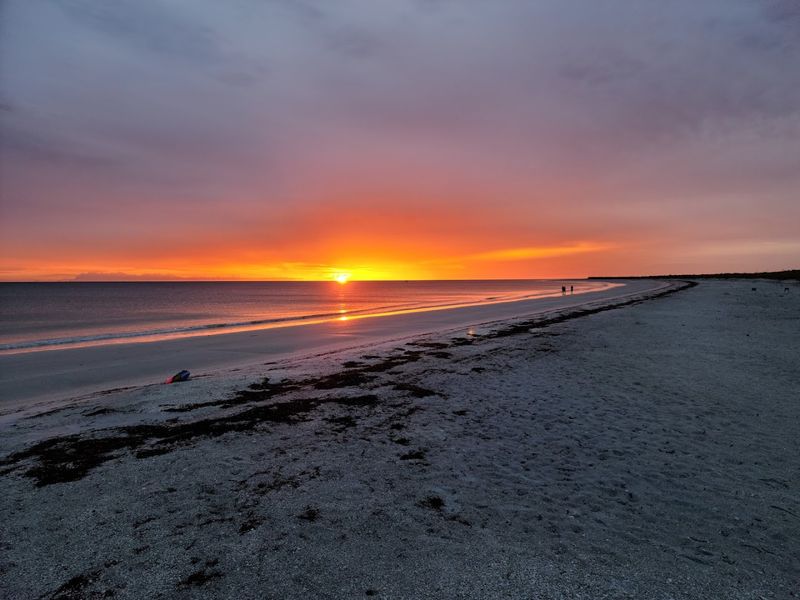
Cayo Costa’s western orientation provides front-row seats to some of Florida’s most spectacular sunsets. As the sun drops toward the Gulf horizon, the sky explodes in colors that range from soft pastels to intense oranges and purples.
The wet sand reflects these colors, creating a mirror effect that doubles the visual impact and leaves first-time visitors speechless.
Photographers arrive hours early to claim the best vantage points, though honestly the entire nine-mile beach offers equally stunning views. The lack of buildings, power lines, or other human structures means nothing interrupts the natural beauty.
Just sky, water, and sand painted in the day’s final light show.
Campers have the advantage of experiencing these sunsets in relative solitude because day-trippers have departed by late afternoon. Walking the beach during golden hour often means having entire stretches to yourself, with only shorebirds for company.
The temperature drops slightly, the breeze picks up, and the whole island seems to exhale as the day ends.
The sunset marks transition time for wildlife as well. Dolphins often become more active during this period, and birds return to their roosting spots in dramatic formations.
Ghost crabs emerge from their daytime burrows to scuttle across the sand, and if you’re lucky, you might spot a sea turtle making her way up the beach to nest.
These sunsets create the kind of memories that stick with people for decades. Couples get engaged here, families take annual sunset photos to track their kids growing up, and solo travelers find moments of peace that recharge their spirits.
The combination of natural beauty and the island’s untouched character makes these sunsets feel more meaningful than the typical beach vacation photo op, connecting you to something timeless and authentic about Florida’s coastal heritage.