10 Florida Lakes With Beauty That Rivals the Caribbean
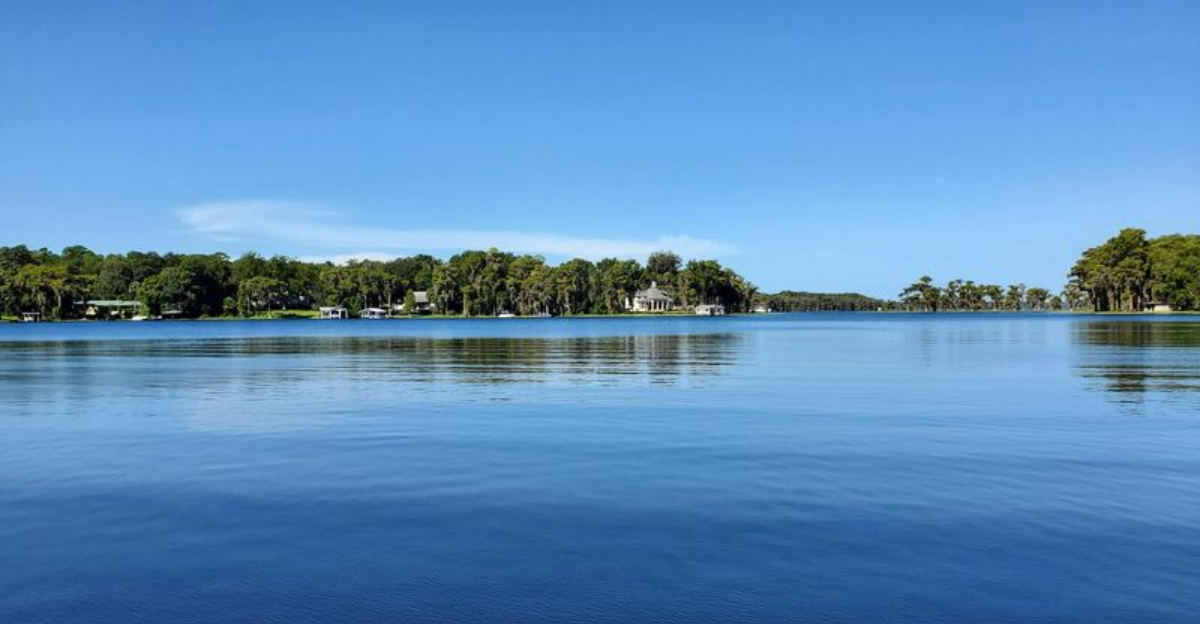
When you think of crystal-clear turquoise waters and white sandy shores, your mind probably jumps straight to a tropical island getaway. But Florida hides some stunning secrets right in its own backyard—freshwater lakes so gorgeous they could easily be mistaken for Caribbean lagoons.
These hidden gems offer the same breathtaking beauty without the passport, plane ticket, or pricey resort fees, making them perfect for anyone craving that island vibe closer to home.
1. Lake Wauburg — Gainesville, Florida
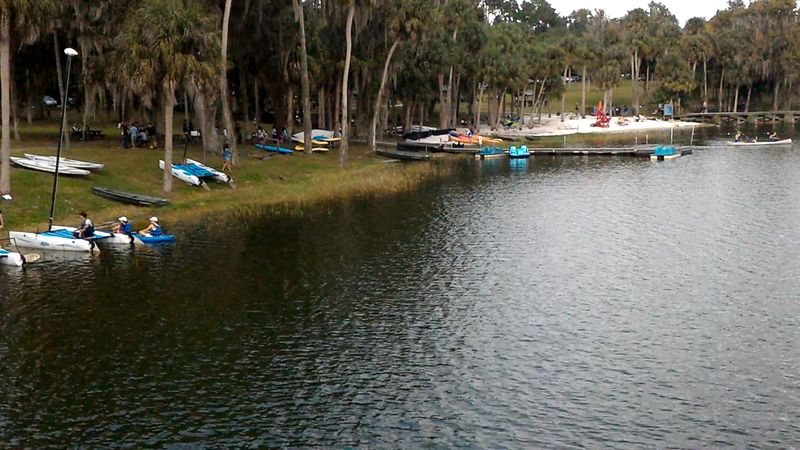
Located just south of Gainesville, Lake Wauburg is a scenic freshwater lake known for its peaceful atmosphere and abundance of outdoor recreation opportunities. Managed in part by the University of Florida, the lake is a favorite destination for students, locals, and visitors looking to enjoy nature without venturing far from the city.
Surrounded by lush forests and open green spaces, Lake Wauburg offers a tranquil setting that feels surprisingly remote despite its proximity to a major university town. One of the lake’s biggest attractions is its variety of water-based activities.
Visitors can enjoy kayaking, canoeing, paddleboarding, sailing, and fishing while taking in the natural beauty of the area. The calm waters make it an excellent spot for beginners learning water sports as well as experienced outdoor enthusiasts seeking a relaxing day on the water.
The lake is also home to a variety of wildlife, including turtles, wading birds, osprey, and occasionally bald eagles. The surrounding area features picnic spots, walking trails, and recreational facilities that make it ideal for family outings and weekend adventures.
Sunsets over Lake Wauburg are particularly beautiful, with the calm water reflecting vibrant colors across the sky. While it may not have the turquoise waters typically associated with Florida’s springs, its serene landscape and outdoor opportunities have made it one of Gainesville’s most cherished natural destinations.
2. Lake Istokpoga — Sebring, Florida
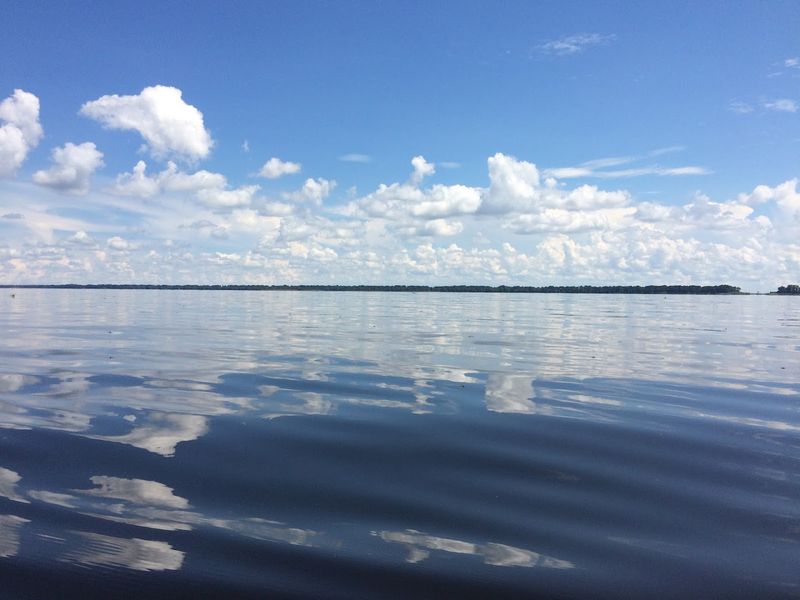
Lake Istokpoga is one of Florida’s largest and most famous freshwater lakes, covering more than 27,000 acres in Highlands County near Sebring. Known for its vast open waters and exceptional fishing opportunities, the lake attracts anglers from across the country who come in search of trophy-sized largemouth bass.
In fact, Lake Istokpoga is widely regarded as one of the premier bass-fishing lakes in the entire state. Beyond its reputation among fishermen, the lake is also celebrated for its natural beauty and diverse ecosystem.
The shoreline is lined with marshes, cypress trees, and native vegetation that provide habitat for a wide range of wildlife. Birdwatchers often visit to spot herons, egrets, osprey, bald eagles, and numerous migratory species.
The lake’s shallow waters and extensive wetlands create a thriving environment for fish, reptiles, and aquatic plants. Unlike many of Florida’s heavily developed lakes, Lake Istokpoga retains a distinctly wild and untouched character.
Boaters can explore miles of open water while enjoying expansive views of the surrounding landscape. The peaceful atmosphere and abundant wildlife make it a rewarding destination for nature lovers as well as outdoor photographers.
Visitors often find that Lake Istokpoga offers a glimpse of “Old Florida,” where natural beauty takes center stage. Whether you’re fishing, birdwatching, boating, or simply enjoying the scenery, the lake provides a memorable outdoor experience that showcases a different side of the Sunshine State.
3. Western Lake — South Walton, Florida
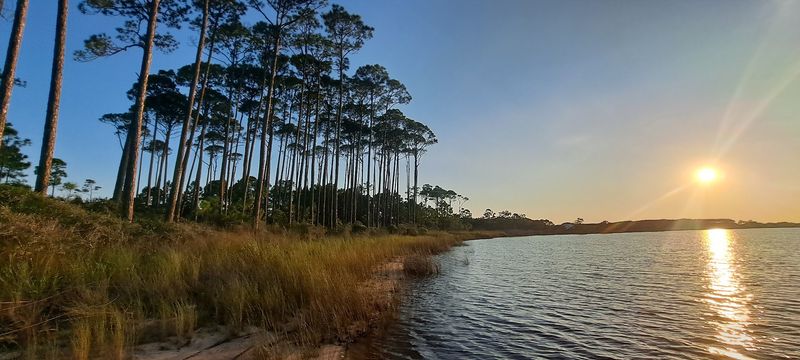
If you’re hunting for that jaw-dropping moment when you first glimpse paradise, Western Lake delivers it in spades. This coastal dune lake spans over 400 acres of pure natural beauty, making it one of the largest and most impressive along the Emerald Coast.
The contrast here is absolutely striking—bright white sand dunes rise dramatically on one side while the impossibly blue water stretches out on the other. On certain days when the outfall opens to the Gulf, you can actually walk between the lake and the ocean, experiencing two completely different bodies of water within steps of each other.
It’s a surreal experience that few places on Earth can offer.
Western Lake’s size means there’s plenty of room for everyone to find their own special spot. Some visitors prefer the quiet northern shores where longleaf pines provide shade and privacy.
Others gravitate toward the southern end where the sand dunes create a more dramatic, desert-island aesthetic that photographs beautifully.
The lake supports an incredible variety of wildlife, from osprey diving for fish to ghost crabs scuttling across the sand at dusk. Patient observers might even catch sight of river otters playing in the shallows or alligators sunning themselves on the far banks—a reminder that this is wild Florida, not a manufactured resort experience.
Accessing Western Lake requires a bit of local knowledge since there’s no official state park here. Public access points exist along County Road 30A, but they can be tricky to find and parking is limited.
Locals recommend visiting during weekdays or off-season months when the area feels more like your own private discovery and less like a tourist destination.
4. Lake Powell — Panama City Beach, Florida
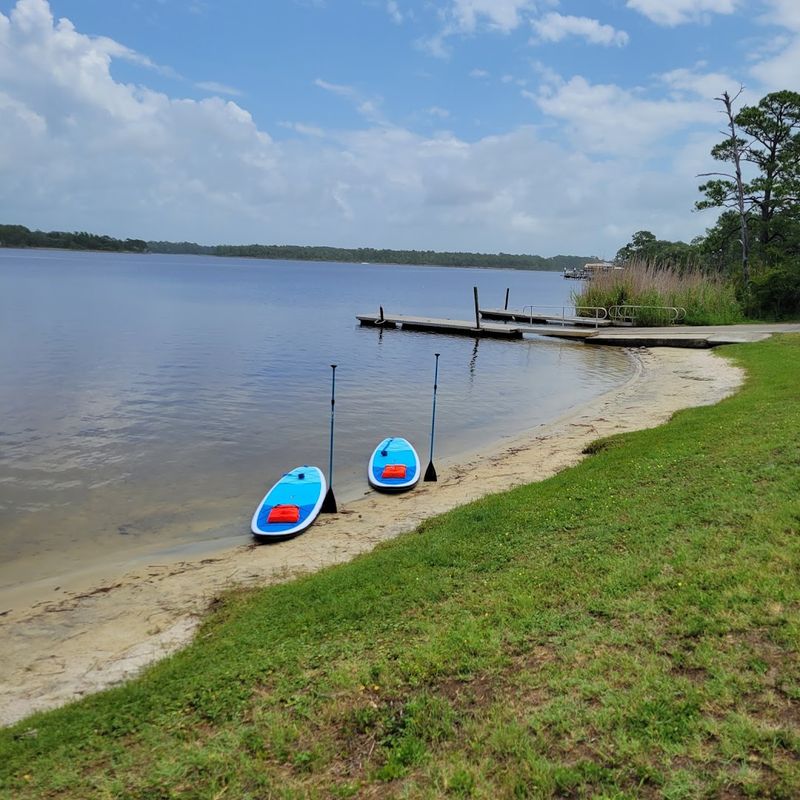
Nestled within a protected conservation area, this coastal dune lake serves up Caribbean vibes with a side of easy accessibility that makes it perfect for families and first-time visitors. Lake Powell sits right off Front Beach Road, yet somehow maintains a peaceful, natural atmosphere that feels worlds away from the bustling tourist strips nearby.
The water here gleams with that signature emerald-green color that gives this stretch of coastline its famous nickname. On calm days, the surface becomes so still and reflective that you can’t tell where the water ends and the sky begins—it’s an optical illusion that makes for incredible photography and even better memories.
What sets Lake Powell apart is the excellent infrastructure surrounding it. Well-maintained boardwalks and observation platforms let visitors of all mobility levels enjoy the scenery without disturbing the delicate dune ecosystem.
The conservation area includes interpretive signs that teach you about the rare plants and animals that call this place home, turning a simple lake visit into an educational adventure.
Kayaking and paddleboarding are hugely popular here, with rental shops located conveniently nearby. The calm waters make it ideal for beginners who want to try their hand at paddling without worrying about waves or strong currents.
More experienced paddlers can explore the entire shoreline, discovering hidden coves and quiet spots perfect for a mid-adventure break.
Sunset at Lake Powell is nothing short of magical. As the sun sinks toward the horizon, it paints the sky in brilliant oranges and pinks that reflect perfectly on the water’s surface.
Local families often gather here in the evening, spreading blankets on the sand to watch the daily show while kids splash in the shallows one last time before heading home.
5. Juniper Run Lagoon — Ocala National Forest, Florida
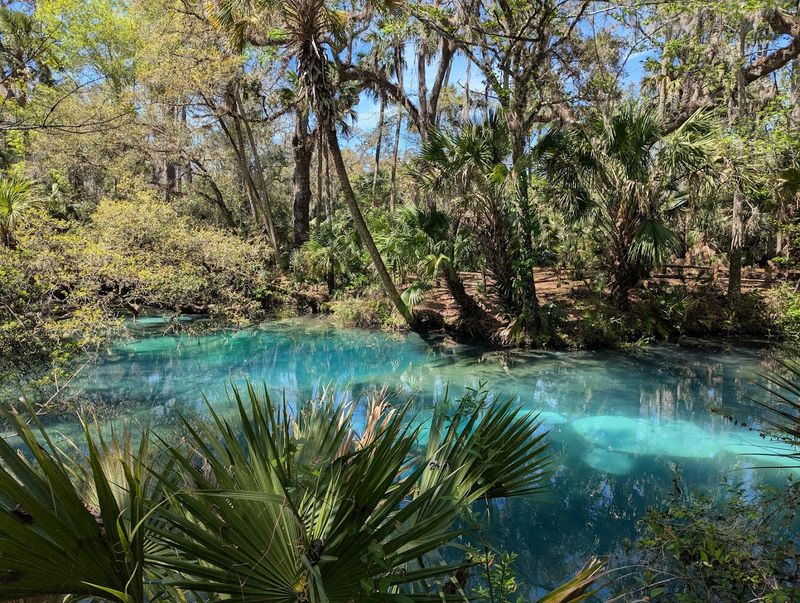
Deep in the heart of Central Florida’s largest forest, this spring-fed lagoon offers a completely different take on Caribbean-style beauty. Instead of coastal dunes and salt air, you’re surrounded by towering cypress trees and the sounds of the forest—yet the water is just as stunning and crystal-clear as any island paradise.
Juniper Run flows from Juniper Springs, one of Florida’s first-magnitude springs that pumps out 13 million gallons of water daily. The lagoon area near the spring head features water so transparent you can count individual grains of sand on the bottom even in the deepest sections.
The temperature holds steady at 72 degrees year-round, making it refreshingly cool in summer and surprisingly warm during winter months.
Snorkeling here feels like exploring an alien world. The spring boils up from limestone caverns below, creating dancing patterns of light and shadow on the sandy bottom.
Small fish dart between patches of aquatic vegetation, and if you’re lucky, you might spot a turtle gliding past or even a manatee during cooler months when they seek out the warm spring water.
The famous Juniper Run canoe trail starts at this lagoon, offering a seven-mile paddle through some of Florida’s most pristine wilderness. The narrow waterway twists and turns through dense jungle-like vegetation, with overhanging trees creating natural tunnels that make you feel like you’re on an expedition rather than a day trip.
It’s moderately challenging with some fallen trees to navigate around, but absolutely worth the effort.
Facilities at Juniper Springs include a developed swimming area, picnic pavilions, and even a historic water wheel mill that dates back to the 1930s. The recreation area gets busy on summer weekends, so arriving early gives you the best chance at experiencing the lagoon’s magic before the crowds arrive.
6. Lake Santa Fe
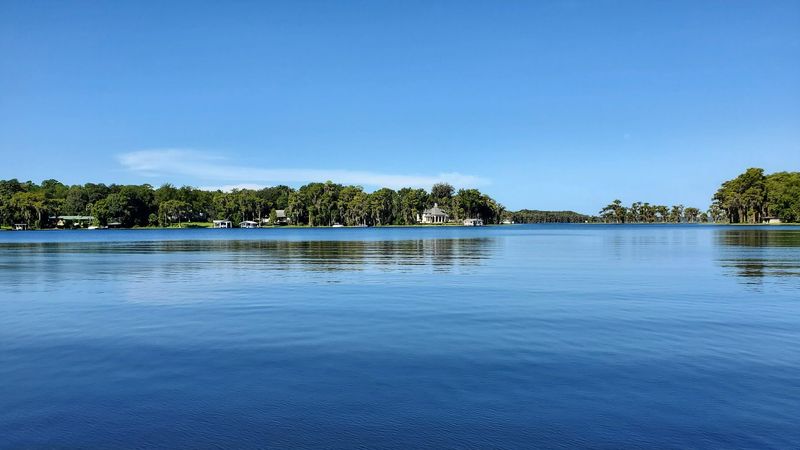
Stretching across nearly 6,000 acres in North Central Florida, this massive freshwater lake surprises visitors with water clarity that rivals tropical destinations. Lake Santa Fe doesn’t fit the typical image of a dark, tannin-stained Florida lake—instead, it offers surprisingly clear waters in shades of blue and green that change with the depth and light conditions.
The lake’s unusual clarity comes from its connection to several underground springs that constantly feed fresh, filtered water into the system. These springs create pockets of incredibly clear water where you can see 20 feet down to the sandy bottom, watching bass and bream swim past like you’re looking through an aquarium glass.
Boating on Lake Santa Fe feels like having your own private Caribbean sea. The lake is large enough that you can cruise for hours without covering the same water twice, yet it maintains a peaceful, uncrowded atmosphere even on busy weekends.
Several natural islands dot the surface, creating perfect destinations for a picnic lunch or some exploratory hiking.
Fishermen consider this lake a hidden treasure, with healthy populations of largemouth bass, speckled perch, and catfish. The varied bottom structure—from sandy flats to submerged vegetation beds—creates ideal habitat for gamefish.
Early morning anglers often report catching their limit while watching the sunrise paint the water in shades of purple and gold.
The small town of Melrose on the lake’s southern shore offers a glimpse into Old Florida charm with its historic downtown and friendly local vibe. After a day on the water, you can grab lunch at one of the family-owned restaurants where everyone knows each other’s names.
Public boat ramps and a campground provide easy access for visitors, though the lake remains blissfully underdeveloped compared to many Florida waterways.
7. Blue Cypress Lake — Indian River County, Florida
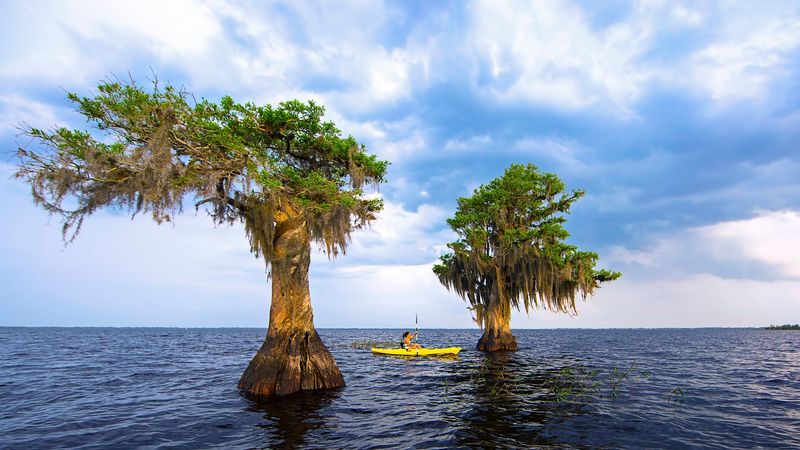
Named for the brilliant blue waters that seem impossibly vivid against the backdrop of dead cypress trees, this lake creates one of Florida’s most photographed and hauntingly beautiful landscapes. The stark white trunks of ancient cypress trees rise from the water like ghostly sentinels, creating a visual contrast that photographers and nature lovers find absolutely irresistible.
The water’s intense blue color comes from the lake’s unusual depth and clarity for a Florida freshwater body. While many state lakes appear dark or tea-colored from tannins, Lake Blue Cypress maintains a bright azure hue that genuinely rivals Caribbean waters—just with a distinctly wilder, more primordial atmosphere.
Fishing guides consider this lake legendary for trophy bass. The combination of abundant vegetation, deep channels, and clear water creates perfect conditions for growing monster-sized largemouth bass.
Anglers from across the country make pilgrimages here hoping to land that fish of a lifetime, and the lake consistently delivers impressive catches.
Paddling through the cypress forest feels like traveling back in time to prehistoric Florida. The dead trees create an otherworldly landscape where great blue herons stalk the shallows and anhingas spread their wings to dry in the sun.
Alligators are common here, adding an element of wild excitement to your adventure—though they typically mind their own business if you mind yours.
The lake’s remote location in Indian River County means it stays relatively uncrowded despite its beauty. There’s no development along the shores, no jet skis buzzing around—just pure, untouched Florida wilderness.
A public boat ramp provides access for those willing to make the drive, and the reward is an experience that feels authentically wild and completely unique. Sunrise and sunset here are particularly spectacular when the blue water reflects the colorful sky.
8. Lake June-in-Winter — Lake Placid, Florida
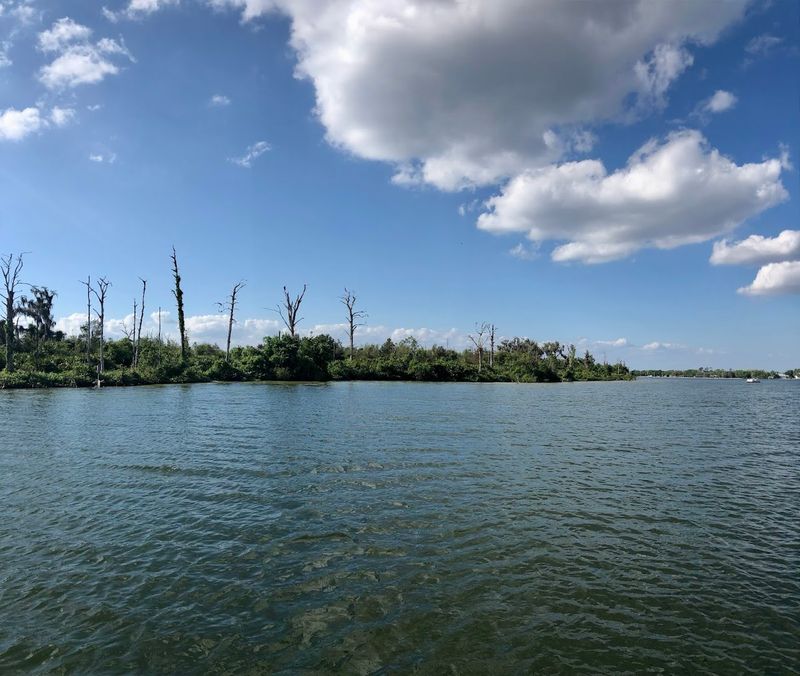
With a name that sounds like a riddle, this Highlands County gem offers some of the clearest, most inviting water in Central Florida. The unusual name supposedly comes from an early settler who discovered the lake in June but thought the cool, clear water felt more like winter—though that story might be more legend than fact.
What’s definitely true is the lake’s remarkable clarity and beautiful blue-green color. Fed by underground springs and sitting on a sandy bottom, Lake June-in-Winter maintains visibility that lets you see your toes even in chest-deep water.
The sandy shoreline feels soft and clean, creating natural beach areas that could easily pass for a coastal paradise if you squint away the surrounding pine forests.
The lake covers about 3,500 acres with a relatively shallow average depth, making it incredibly popular for swimming and water sports. Families with young children particularly appreciate how gradually the depth increases from shore, creating a safe natural wading area.
The warm water temperature in summer makes it perfect for spending entire afternoons floating, swimming, and playing without ever wanting to get out.
Lake June-in-Winter supports a thriving ecosystem despite its clarity. Bass fishing is excellent here, with the clear water adding an extra challenge that skilled anglers enjoy.
You can often sight-fish, watching bass cruise the shallows and presenting your lure precisely where it needs to be—it’s visual, exciting fishing that feels more like hunting.
The town of Lake Placid embraces its aquatic treasure, maintaining several public access points and a lovely lakefront park. The community has earned the nickname “Town of Murals” for the dozens of painted murals decorating downtown buildings, making a lake visit part of a larger cultural experience.
Local restaurants serve fresh fish and classic Florida comfort food, perfect for refueling after a day on the water.
9. Kingsley Lake — Starke, Florida
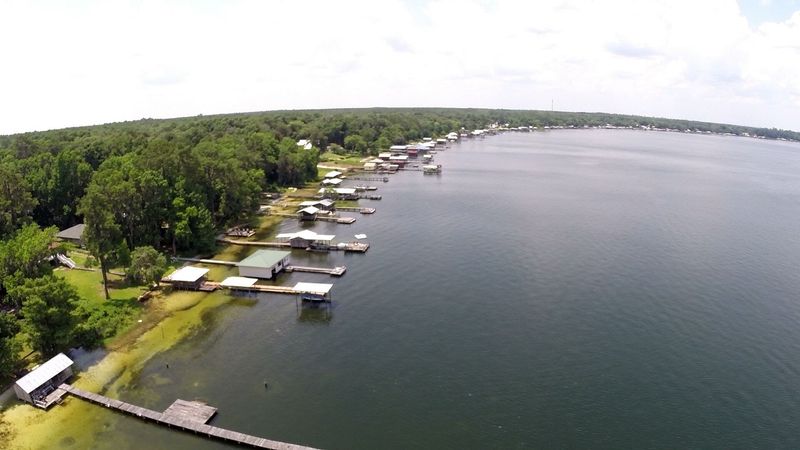
Almost perfectly circular in shape, this geological oddity in North Florida offers crystal-clear water and a unique origin story. Kingsley Lake formed in an ancient sinkhole, creating a nearly round body of water about two miles in diameter with steep sides that drop quickly to depths exceeding 90 feet in the center.
The depth and spring-fed nature of the lake create water clarity that’s exceptional for North Florida. The color ranges from pale turquoise near the sandy beaches to deep sapphire in the center, creating a gradient effect that looks like something from a tropical postcard.
The sandy bottom and lack of vegetation in deeper areas mean you can see down 20 feet or more on calm days.
Swimming here feels special because the water stays refreshingly cool even in the height of summer, thanks to those deep springs feeding in from below. The designated swimming areas feature soft white sand that’s perfect for building sandcastles or just lounging with a book.
The steep drop-off makes it exciting for confident swimmers who enjoy diving and exploring deeper water without having to swim far from shore.
Camp Blanding, a military installation, occupies much of the lake’s shoreline, which has actually helped preserve the area from overdevelopment. Public access is available at several points, including a county park with picnic facilities and a boat ramp.
The limited development means the lake maintains a peaceful, natural character that’s increasingly rare in Florida.
Local legend claims the lake is bottomless or connected to underground rivers, though actual measurements show the maximum depth around 90 feet. Still, the mysterious deep blue water in the center does create an almost mystical quality.
Scuba divers sometimes explore the depths, discovering interesting rock formations and encountering surprisingly large fish in the deeper zones where light barely penetrates.
10. Lake Jackson — Tallahassee, Florida
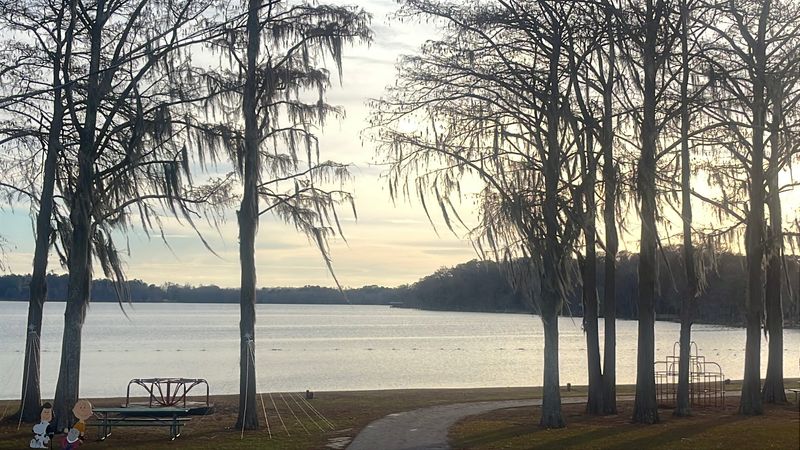
Right in Florida’s capital city, this 4,000-acre lake offers an escape to Caribbean-like beauty without leaving the Tallahassee area. Lake Jackson sits on limestone bedrock riddled with sinkholes, giving it a fascinating geological character and contributing to water clarity that exceeds what you’d expect from an urban lake.
The water takes on beautiful blue and green tones, especially in areas where the depth increases or where springs bubble up from below. Several natural springs feed the lake, creating pockets of exceptionally clear water where you can watch fish swimming past in perfect detail.
The sandy bottom in many areas adds to the tropical beach vibe, making you forget you’re in North Florida rather than the Florida Keys.
Lake Jackson’s claim to fame includes its periodic disappearing act—every few decades, the sinkholes open up and drain much of the lake away, only to have it refill over time. This dramatic event creates a constantly evolving ecosystem and makes the lake feel even more special when it’s full and beautiful.
The cycle has been happening for thousands of years, making it a natural phenomenon rather than a cause for concern.
Recreation opportunities abound here with multiple public access points, boat ramps, and parks surrounding the lake. Anglers target largemouth bass, crappie, and catfish with consistent success.
The lake’s size means there’s always room to find a quiet cove for kayaking or a stretch of shoreline for a peaceful afternoon of fishing.
The surrounding parks include hiking trails, picnic areas, and playgrounds that make Lake Jackson a community gathering spot. Locals love watching sunsets here when the sky explodes in color and the lake reflects every shade of pink, orange, and purple imaginable.
It’s proof that you don’t need to travel to distant islands when Florida hides so much natural beauty in unexpected places.