There’s An Abandoned Florida Village Filled With Tiny “Elf Houses,” And Nobody Seems To Know Why
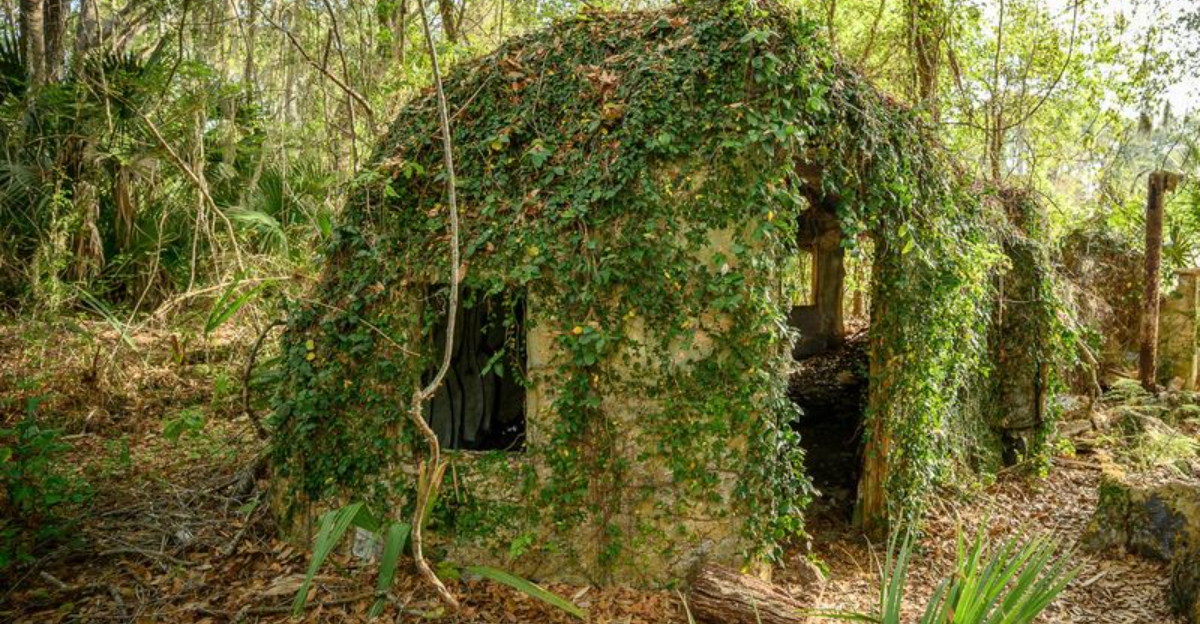
Deep in the woods of Oak Hill, Florida, a cluster of strange dome-shaped structures sits quietly among the palmettos and Spanish moss. These mysterious little buildings, known locally as the Elf Houses, look like something straight out of a fairy tale or a vintage sci-fi movie. Built decades ago as part of a forgotten roadside attraction, they’ve been reclaimed by nature, leaving behind more questions than answers about who built them and why they were abandoned.
1. The Mysterious Dome Structures That Started It All
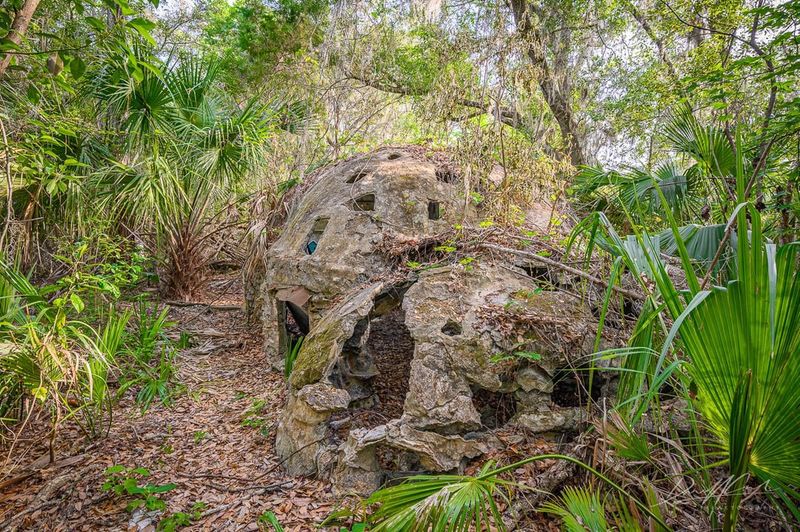
Scattered across a quiet patch of land in Oak Hill, these peculiar concrete domes immediately catch your eye with their unusual shape and weathered appearance. Each structure stands just a few feet tall, with rounded tops that give them an otherworldly quality. The concrete has aged beautifully over the decades, taking on a patina that blends with the surrounding forest.
Local historians believe these structures were built sometime in the mid-20th century, likely during Florida’s roadside attraction boom. Back then, entrepreneurs along Highway 1 competed for tourist attention with quirky stops and unusual sights. The Elf Houses fit perfectly into that era of kitschy Americana, when families on road trips would pull over for anything strange or whimsical.
What makes these domes truly fascinating is their construction quality. Despite years of neglect and exposure to Florida’s harsh weather, they’ve remained remarkably intact. The concrete work shows careful craftsmanship, suggesting someone invested real time and money into building them.
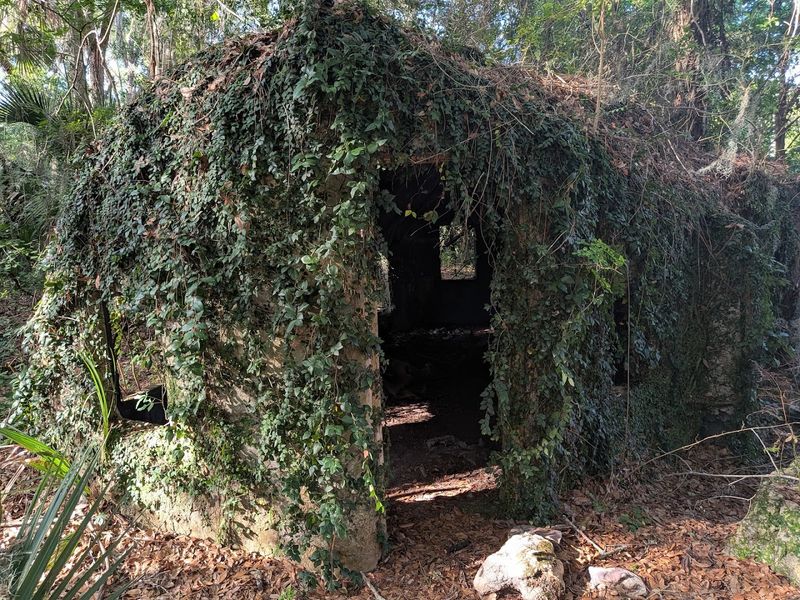
Today, nature has woven itself around and through these structures. Vines crawl up the sides, moss covers portions of the concrete, and tree roots have begun embracing the bases. This reclamation by the forest only adds to their mystical, forgotten quality.
2. A Roadside Attraction Lost to Time
Florida’s Highway 1 once buzzed with tourist traffic heading to and from the Space Coast. During the golden age of American road trips, this coastal route became lined with attractions designed to separate travelers from their vacation dollars. The Elf Houses likely emerged during this period, competing with alligator farms, shell shops, and other quirky stops.
Roadside attractions in the 1950s and 60s didn’t need much justification for existing. Weird was good. Strange was memorable.
Families would gladly pay a quarter to see something unusual, snap a few photos, and continue their journey with a story to tell.
The Elf Houses probably offered exactly that kind of experience. Visitors might have walked among the domes, posed for pictures, and wondered at their purpose. Perhaps there were painted gnomes or elves decorating the site, or maybe the mystery was part of the appeal even back then.
As interstate highways diverted traffic away from Highway 1 and tastes changed, many of these roadside oddities closed down. The Elf Houses shared this fate, gradually fading from memory as the forest slowly reclaimed the property. No grand closing happened, no final goodbye.
They simply stopped being maintained and slipped into obscurity.
3. The Architecture That Defies Easy Explanation
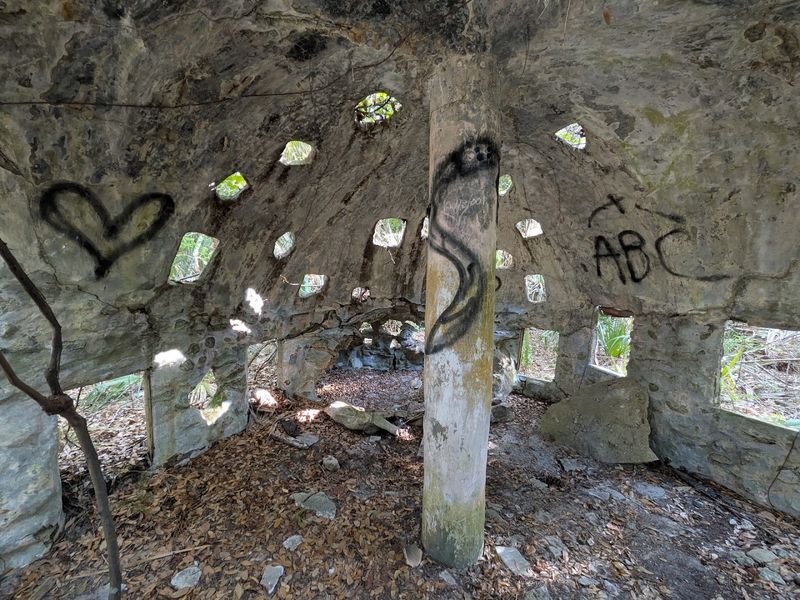
Walking up to these structures, you can’t help but notice their peculiar design choices. The domes aren’t uniform in size, and their placement seems almost random, like mushrooms sprouting across the forest floor. Some stand alone while others cluster together, creating an eerie village atmosphere.
The construction technique raises interesting questions. Building rounded concrete structures requires specific skills and forms. Someone with construction knowledge clearly designed these, yet their purpose remains unclear.
Were they meant to be entered? Were they purely decorative? The openings in some suggest they might have been interactive.
Compared to typical mid-century Florida architecture, which favored flat roofs and angular designs, these domes stand out dramatically. Their rounded shape actually makes practical sense in Florida’s hurricane-prone climate, as curved surfaces handle wind loads better than flat ones. Whether this was intentional or coincidental remains unknown.
The thickness of the concrete walls varies between structures, suggesting they might have been built over time rather than all at once. This piecemeal construction could explain why the site was never completed or why it eventually closed. Financial troubles might have halted expansion plans, leaving behind this incomplete fairy tale village.
4. Nature’s Slow Reclamation Project
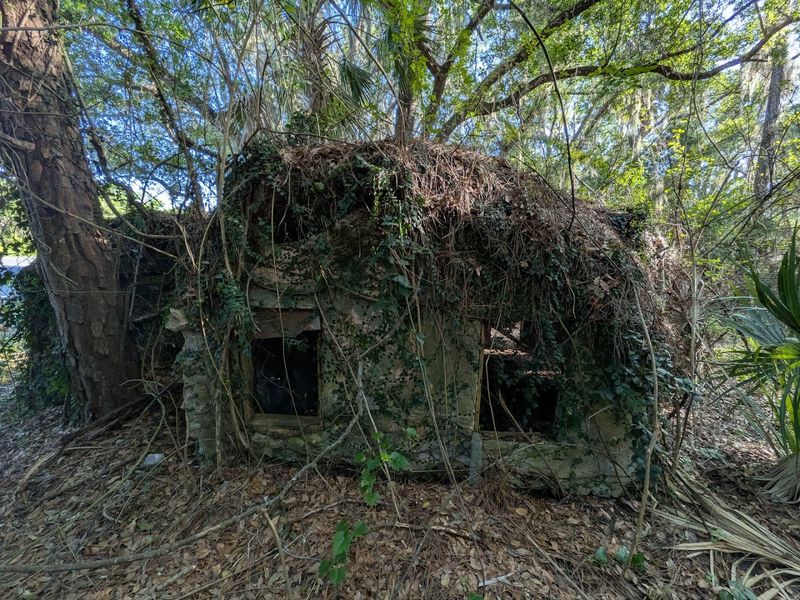
Mother Nature has been hard at work transforming the Elf Houses into something even more magical than their creators likely intended. Thick vines snake across the concrete surfaces, creating natural patterns that look almost intentional. Resurrection ferns sprout from crevices, going from brown and crispy to lush green whenever rain arrives.
Spanish moss hangs from nearby oak trees, draping the scene in that quintessentially Florida gothic atmosphere. Palmettos have pushed up through cracks in any remaining pavement, while saw palmettos create natural barriers around some structures. The forest hasn’t destroyed these domes so much as absorbed them into its ecosystem.
This gradual reclamation actually protects the structures in some ways. The vegetation shields the concrete from direct sunlight and helps stabilize temperature fluctuations that cause cracking. Tree roots, while potentially damaging, also help prevent erosion around the foundations.
Wildlife has certainly noticed these sheltered spaces. Evidence suggests various creatures use the domes for protection from weather and predators. Birds nest in the higher openings, while smaller animals leave tracks around the bases.
The Elf Houses have become part of the local habitat, serving a purpose their builders never imagined.
5. The Mystery of the Missing History
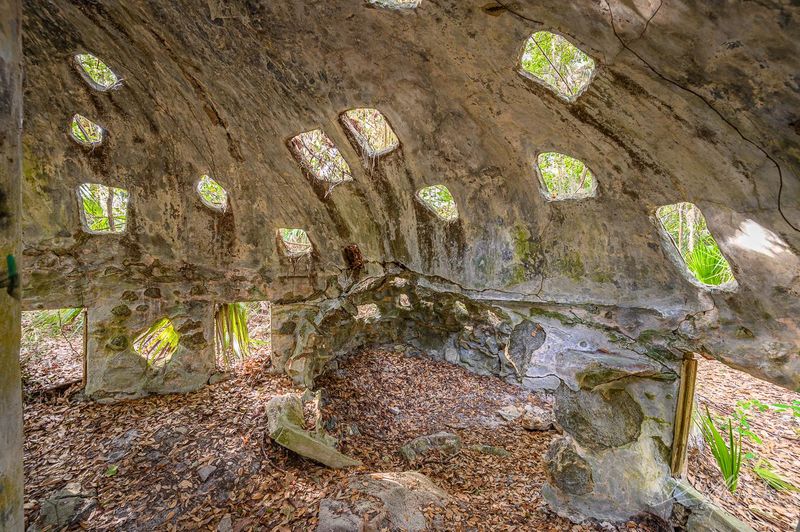
Perhaps the most frustrating aspect of the Elf Houses is how little documented history exists about them. Local records offer few clues about who owned the property or when construction began. No grand opening announcements appear in old newspapers, no vintage postcards advertise their existence, and no former employees have come forward with stories.
This absence of information seems almost intentional, though it’s more likely just a casualty of time and poor record-keeping. Small roadside attractions often operated informally, sometimes without proper permits or documentation. Owners might have paid property taxes without ever officially registering their business name or purpose.
Local historians have interviewed longtime Oak Hill residents, but memories prove fuzzy and contradictory. Some recall the structures being there since childhood, while others insist they appeared later. A few elderly residents remember hearing stories about the site but can’t recall specific details about its operation or closure.
County property records show the land changed hands several times over the decades, but nothing in those transactions mentions the structures specifically. This suggests they might have been considered insignificant improvements to the land rather than the main feature. The mystery deepens when you consider that something this unusual should have left more of a mark on local memory.
6. The Urban Legends and Local Lore
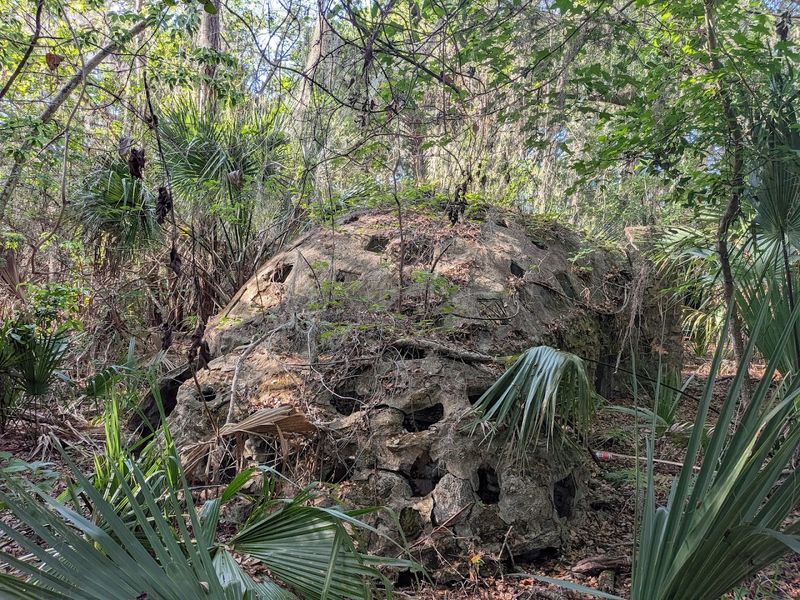
Whenever concrete facts disappear, folklore rushes in to fill the void. The Elf Houses have accumulated their share of local legends, each more creative than the last. Some claim a eccentric millionaire built them as a retirement project before dying mysteriously.
Others insist they were part of a failed theme park that never opened.
Teenagers from nearby towns have long treated the site as a spooky destination for nighttime adventures. Stories circulate about strange lights, unexplained sounds, and ghostly figures spotted among the domes. While these tales probably say more about teenage imaginations than actual supernatural activity, they’ve helped keep the Elf Houses in local consciousness.
One persistent rumor suggests the structures were built by a religious group or cult as part of some ceremony or ritual. This theory lacks any supporting evidence but persists because the domes’ arrangement seems almost ceremonial to some observers. The truth is likely far more mundane, involving tourism and profit rather than mysticism.
Other stories claim the site was a miniature golf course, a gnome garden, or even a nuclear fallout shelter disguised as a roadside attraction. Each theory has its believers, and each gets embellished with additional details over time. The lack of definitive answers allows these legends to flourish unchecked.
7. Visiting the Elf Houses Today
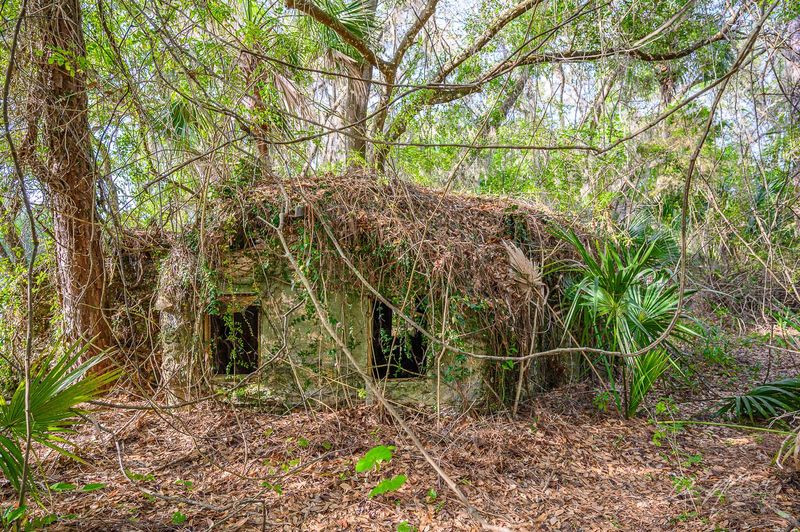
Finding the Elf Houses requires some determination and respect for private property. The structures sit on land that’s changed ownership multiple times, and access rules remain unclear. Some visitors report walking in without issues, while others have been turned away.
Always check current access status before planning a visit.
The site isn’t maintained or marketed as a tourist destination anymore. No signs direct you there, no parking lot welcomes visitors, and no safety measures protect curious explorers. This means you’re entirely responsible for your own safety if you do visit.
Watch for uneven ground, sharp concrete edges, and wildlife that might have made homes in the structures.
Photographers love the Elf Houses for their unusual appearance and atmospheric setting. The interplay of weathered concrete, encroaching vegetation, and filtered forest light creates compelling images. Early morning and late afternoon offer the best lighting, when sun angles through the trees create dramatic shadows and highlights.
If you do visit, practice good etiquette. Don’t damage the structures, remove vegetation, or leave trash behind. These odd little domes have survived decades of neglect and deserve respect as quirky pieces of Florida history.
Take only photographs and leave only footprints, as the saying goes.
8. Why These Oddities Matter to Florida’s Story
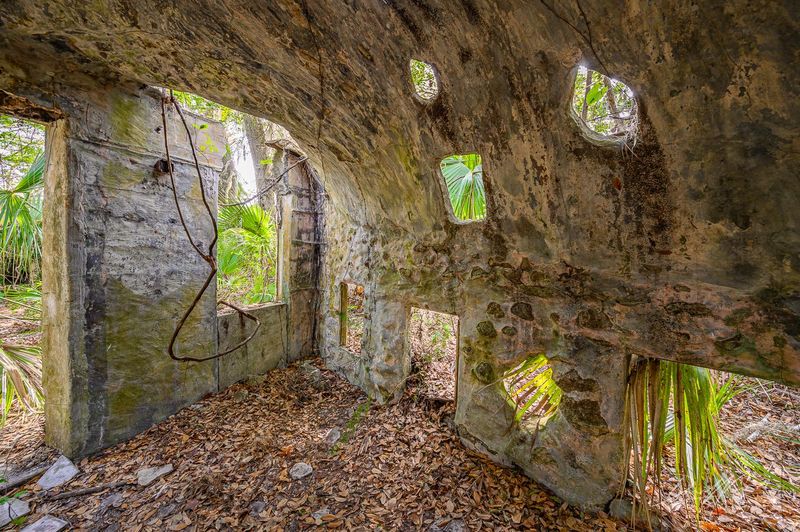
The Elf Houses represent something larger than just a few abandoned concrete domes in the woods. They’re physical reminders of a particular moment in Florida’s development, when the state was transforming from a sleepy backwater into a major tourist destination. Every weird roadside stop, every gator farm, and every oddball attraction contributed to building Florida’s reputation as a place where anything goes.
These structures also remind us how quickly history can be forgotten. Something that likely attracted hundreds or thousands of visitors during its heyday has vanished from collective memory within a few decades. Without documentation, photographs, or preservation efforts, even relatively recent history can disappear completely.
The mystery surrounding the Elf Houses might actually be their greatest value. In an age when every question can supposedly be answered with a quick internet search, having genuine unsolved local mysteries feels refreshing. Not everything needs an explanation, and sometimes the questions prove more interesting than the answers.
Preservation-minded folks worry about the structures’ future. Without protection or maintenance, they’ll eventually crumble and disappear completely. Some argue they should be documented, studied, and possibly stabilized as examples of vernacular roadside architecture.
Others feel they’re perfect as they are, slowly returning to nature in their own time.