10 Florida Beaches Where Sea Turtles Hatch Right on the Sand
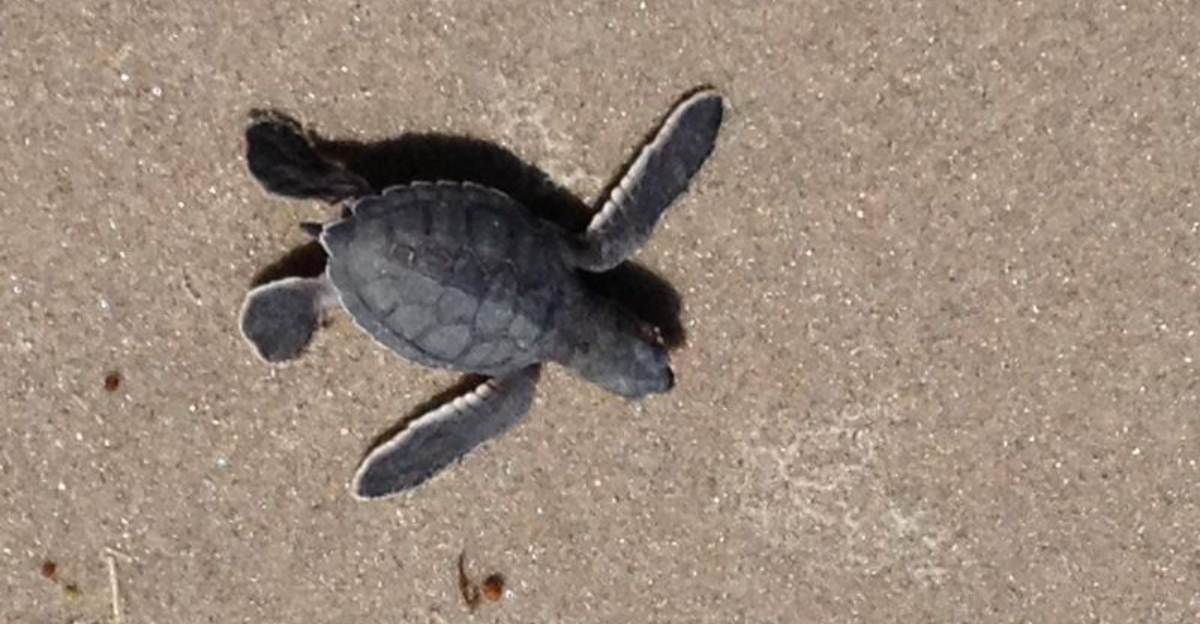
Every summer, something magical happens along Florida’s coastline. Female sea turtles crawl onto the sand under cover of darkness, dig nests, and lay dozens of eggs before returning to the ocean. About two months later, tiny hatchlings emerge and make their frantic dash toward the waves.
Watching this ancient ritual unfold is one of the most moving wildlife experiences you can have in the Sunshine State, and certain beaches offer front-row seats to the action.
1. Melbourne Beach (Brevard County)
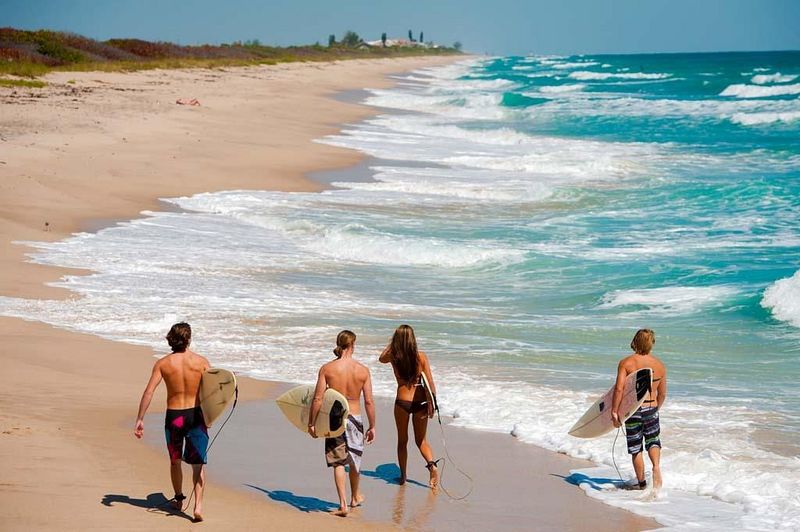
Tucked along Florida’s Space Coast, Melbourne Beach sits at the heart of one of the planet’s busiest sea turtle nesting zones. The Archie Carr National Wildlife Refuge stretches along this coastline, protecting over 20 miles of critical habitat where loggerheads and green turtles return year after year.
During peak season—roughly May through October—volunteers and researchers mark hundreds of nests along this stretch. The sand here is soft and dark, exactly what nesting females prefer. If you visit at dawn or dusk during summer, you might spot tiny tracks leading from a nest to the surf.
Because this area is so important ecologically, lighting restrictions are strict. Beachfront properties keep lights off or shielded during nesting season so hatchlings don’t get confused and wander inland. It’s a community effort that really works.
Guided turtle walks are sometimes available through local conservation groups, giving visitors a chance to witness nesting or hatching firsthand. These programs book up fast, so plan ahead if you want in. Even without a tour, simply walking the beach in early morning reveals telltale signs—crawl marks in the sand, stakes marking protected nests, and the occasional glimpse of a hatchling making its journey.
Melbourne Beach proves that conservation and coastal living can coexist beautifully when everyone pitches in.
2. Wabasso Beach (Indian River County)
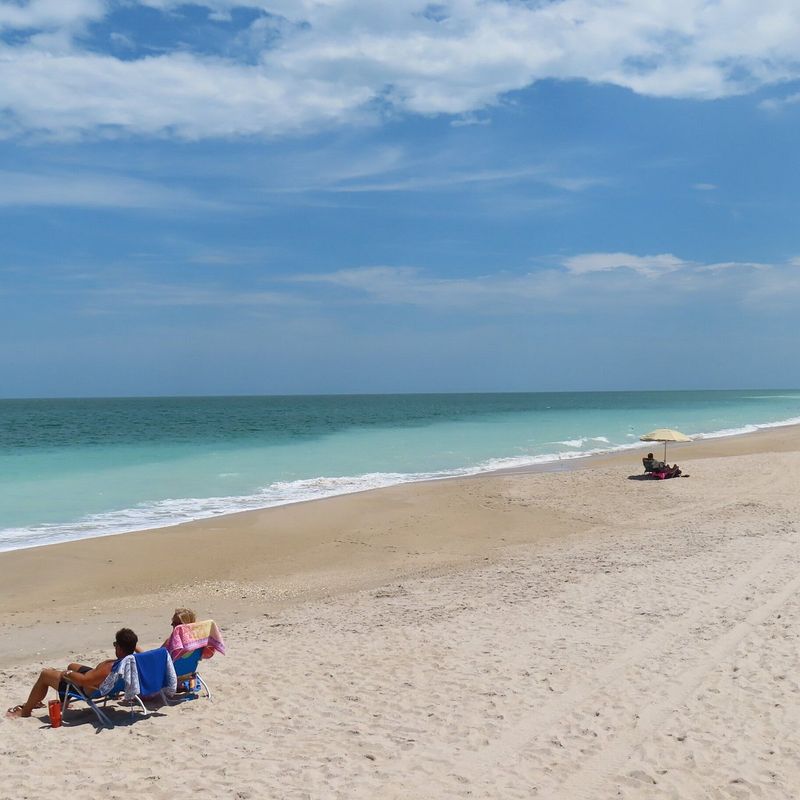
Just south of Vero Beach, Wabasso Beach forms another vital piece of the Archie Carr National Wildlife Refuge corridor. This 20.5-mile stretch is among the densest sea turtle nesting habitats in the Western Hemisphere, with thousands of nests recorded each year.
Loggerheads dominate here, but green turtles also come ashore in significant numbers. The beach itself is wide and relatively undeveloped, offering turtles the quiet, dark conditions they need. Wooden boardwalks cross the dunes, providing access without disturbing the fragile ecosystem.
Local ordinances require beachfront lights to be turned off or turtle-friendly during nesting season. Residents take this seriously, and it shows—hatchling disorientation rates are lower here than on more developed coastlines. You’ll see orange stakes marking nests, often clustered in certain zones where conditions are just right.
Early risers often encounter nest survey teams walking the beach at sunrise, documenting new nests and checking on older ones. These volunteers are friendly and happy to share what they’ve found, as long as you keep a respectful distance from any active nests.
Wabasso also offers excellent shelling and birdwatching, so even if you don’t spot a turtle, the trip is worth it. The beach has a wild, untouched feel that’s increasingly rare along Florida’s Atlantic coast.
3. Canaveral National Seashore (Titusville / New Smyrna Beach)
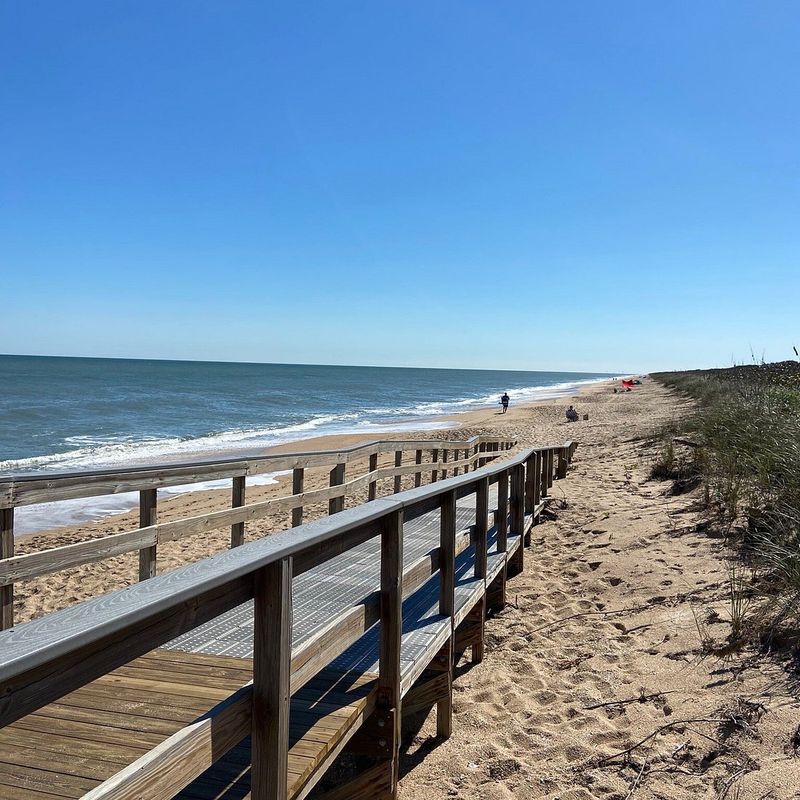
Stretching 24 miles along Florida’s central Atlantic coast, Canaveral National Seashore is one of the few federally protected beaches in the state. This means minimal development, dark skies, and ideal conditions for nesting sea turtles.
In strong years, researchers document thousands of nests here—loggerheads, greens, leatherbacks, and even the occasional Kemp’s ridley. Leatherbacks are the giants of the sea turtle world, sometimes weighing over 1,000 pounds, and seeing their massive tracks in the sand is unforgettable.
The seashore is divided into two main beach access areas: Apollo Beach on the north end near New Smyrna, and Playalinda Beach to the south near Titusville. Both offer long stretches of undisturbed sand where turtles nest from May through October.
Rangers and volunteers conduct regular surveys, and if you visit early in the morning, you might cross paths with a survey team. They’re usually happy to share recent sightings and explain their work. Just remember: federal regulations prohibit disturbing nests or hatchlings, so observe from a distance.
Because the seashore is so large and relatively remote, it feels like stepping back in time. The beaches are wide, the dunes are tall, and the only sounds are waves and seabirds. It’s the kind of place where nature still calls the shots.
4. Juno Beach (Palm Beach County)
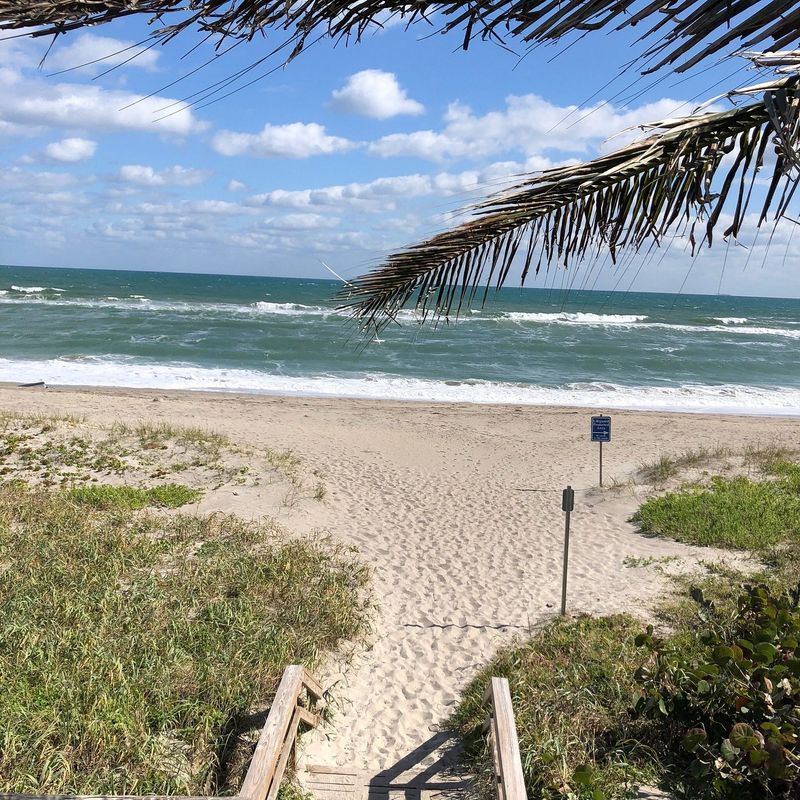
Juno Beach isn’t just a great place to see sea turtles—it’s also home to the Loggerhead Marinelife Center, a world-class sea turtle hospital and research facility. The center sits just steps from the beach, making it easy to combine a beach visit with an educational tour.
From March through October, leatherbacks, loggerheads, and green turtles all nest along this stretch of Palm Beach County coastline. Leatherbacks are particularly active here in spring, often nesting earlier than other species. Their nests are huge, sometimes containing over 100 eggs.
The Marinelife Center offers guided turtle walks during nesting season, led by trained naturalists who know where to look and how to interpret turtle behavior. These walks are incredibly popular and require advance reservations. If you can’t snag a spot, the center’s exhibits and outdoor turtle hospital are open year-round and free to visit.
Juno Beach itself is a charming, low-key town with a strong conservation ethic. Beachfront lighting is carefully managed, and residents are passionate about protecting their nesting turtles. You’ll see educational signs along the beach explaining how to identify nests and what to do if you encounter a hatchling.
Even outside nesting season, Juno Beach is worth a visit for its clear water, gentle waves, and relaxed vibe. It’s a beach that balances human enjoyment with wildlife protection beautifully.
5. Singer Island (Palm Beach County)
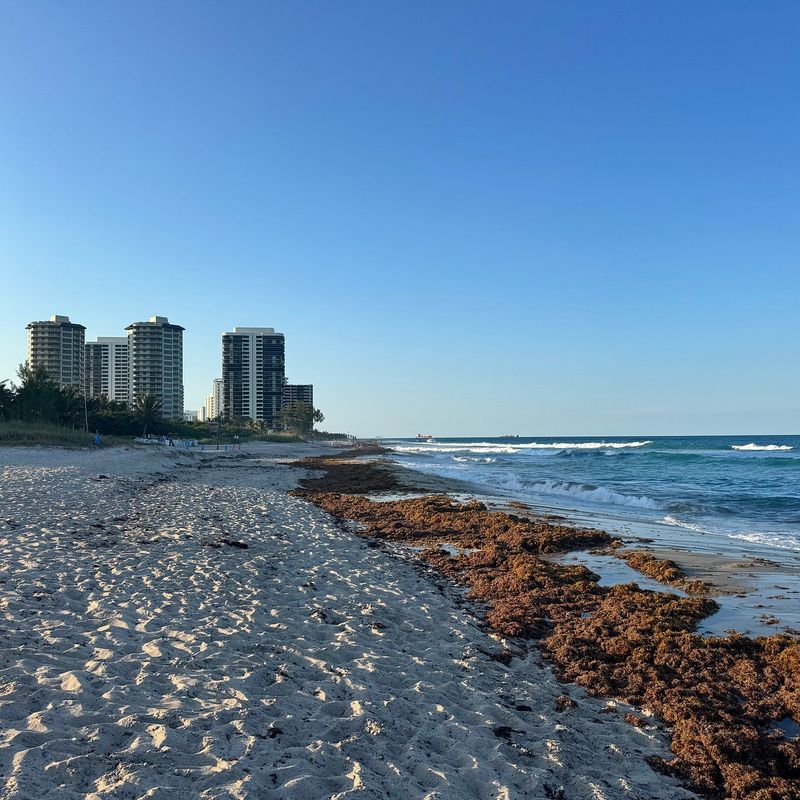
Singer Island, just north of Palm Beach, is part of one of the densest sea turtle nesting regions in the entire state. The island’s Atlantic-facing beaches see heavy nesting activity every summer, with loggerheads and greens being the most common visitors.
What makes Singer Island special is its combination of accessibility and active conservation. The beaches are easy to reach, with plenty of public access points, yet strict lighting ordinances and volunteer monitoring programs keep the turtles safe. You’ll see marked nests all along the shoreline during peak season.
Local condo associations and hotels participate in turtle-friendly lighting programs, switching to amber or red lights that don’t disorient hatchlings. It’s a community-wide effort that’s paid off—nesting numbers have remained strong even as development has increased.
Early morning beachcombers often spot fresh crawl marks leading up from the tide line, evidence that a turtle nested overnight. These tracks are distinctive—wide and symmetrical, with flipper marks on either side. Following them up the beach (without disturbing anything) can lead you to a freshly covered nest.
Singer Island also offers great snorkeling and diving just offshore, where you might encounter sea turtles feeding on seagrass or cruising along the reef. It’s a reminder that these beaches are just one part of the turtles’ life cycle—they spend most of their time in the ocean.
6. Fort Lauderdale Beach (Broward County)
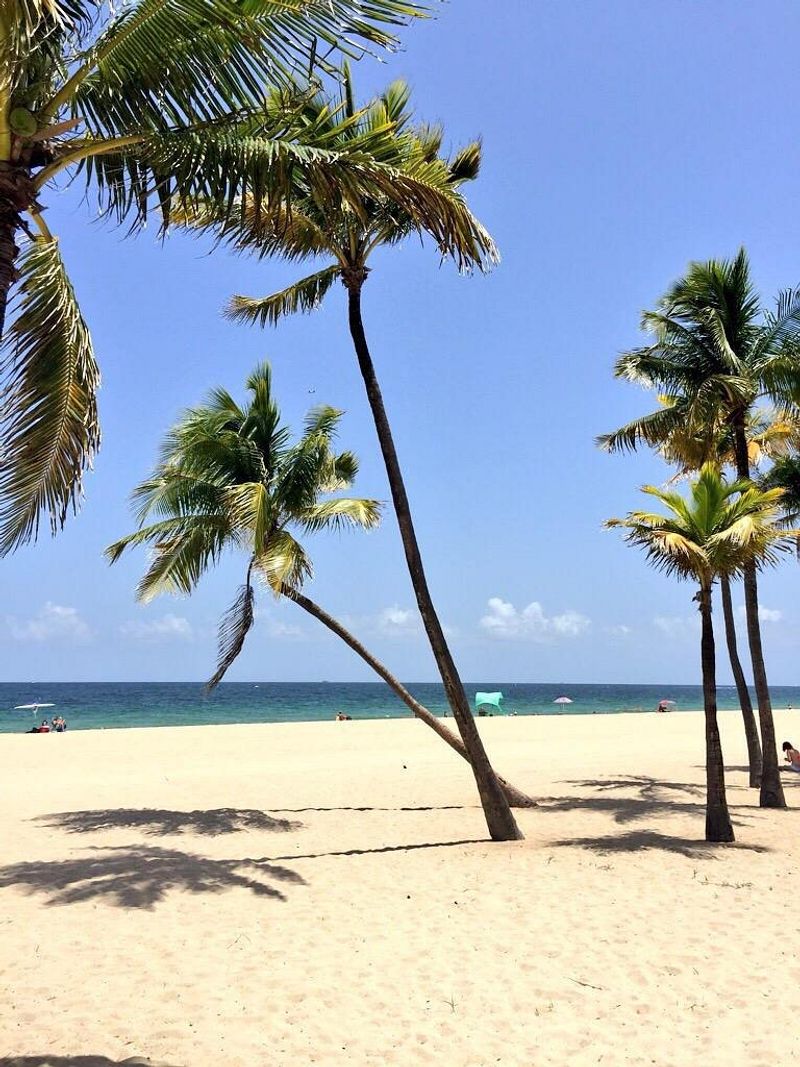
Fort Lauderdale Beach might be known for its lively boardwalk and bustling hotels, but it’s also an important sea turtle nesting site. Every summer, Broward County’s coastline sees hundreds of nests, carefully marked and monitored by local conservation groups.
What’s impressive here is how a major tourist destination manages to protect nesting turtles. Beachfront properties comply with strict lighting rules during nesting season, and marked nests are a common sight even in front of busy hotels. Orange stakes and yellow caution tape alert beachgoers to give these spots a wide berth.
Broward County’s Sea Turtle Conservation Program coordinates monitoring efforts, training volunteers to survey the beach each morning for new nests. If you’re walking the beach at dawn, you might see survey teams at work, carefully measuring and marking nests.
The juxtaposition of urban energy and ancient wildlife ritual is striking. You can be sipping coffee at a beachfront café one moment and watching a hatchling emerge from the sand the next. It’s a reminder that sea turtles have been nesting on these shores far longer than hotels and high-rises have existed.
Fort Lauderdale proves that tourism and conservation don’t have to conflict. With the right policies and community buy-in, even heavily developed beaches can support thriving sea turtle populations. It’s an encouraging example for coastal communities everywhere.
7. Miami Beach (Miami-Dade County)
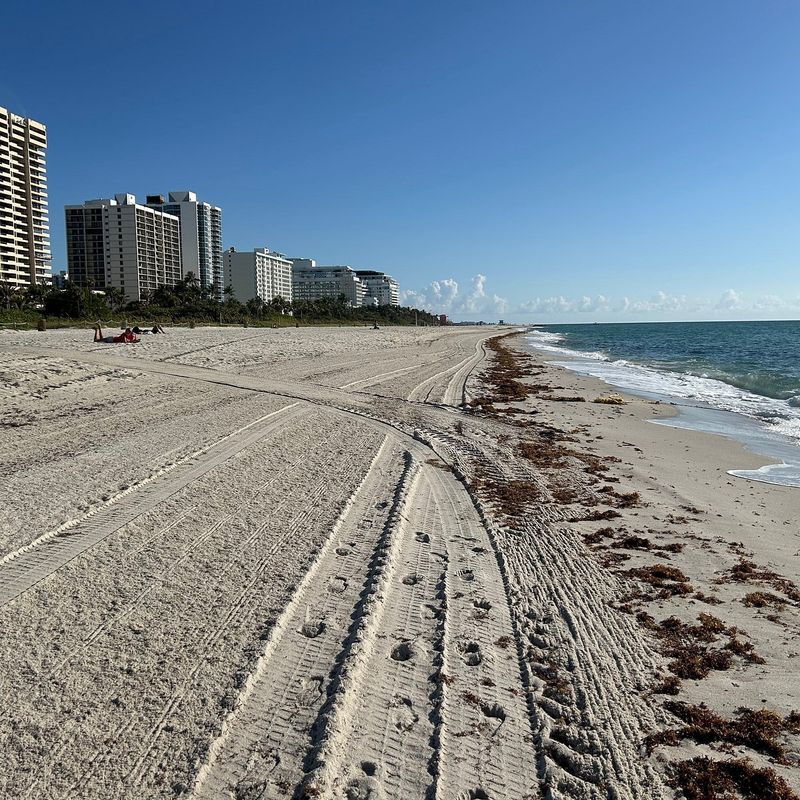
Miami Beach’s glittering skyline and vibrant nightlife might seem like the last place you’d find sea turtles, but nature has other plans. Every year from March through October, loggerheads, greens, and the occasional leatherback nest along this iconic stretch of sand.
Conservation here is all about managing light pollution. Miami Beach has some of the strictest beachfront lighting ordinances in the state, requiring properties to turn off or shield lights during nesting season. The city takes enforcement seriously, because hatchlings are easily confused by artificial light and can wander toward buildings instead of the ocean.
Local organizations like Miami Beach Sea Turtle Patrol monitor nests and educate the public about how to coexist with nesting turtles. Their volunteers walk the beach daily, marking new nests and checking on existing ones. If you visit during nesting season, you’ll see their work everywhere—stakes, tape, and educational signs.
One of the coolest things about Miami Beach is how residents and tourists alike rally around turtle conservation. Hotel guests often gather to watch hatchlings emerge at dusk, maintaining a respectful distance while these tiny creatures make their first journey to the sea.
The contrast between Miami’s urban intensity and the timeless ritual of sea turtle nesting creates a unique experience. It’s proof that wildlife can adapt to almost anything, as long as humans are willing to make a few accommodations.
8. Sanibel Island (Lee County)
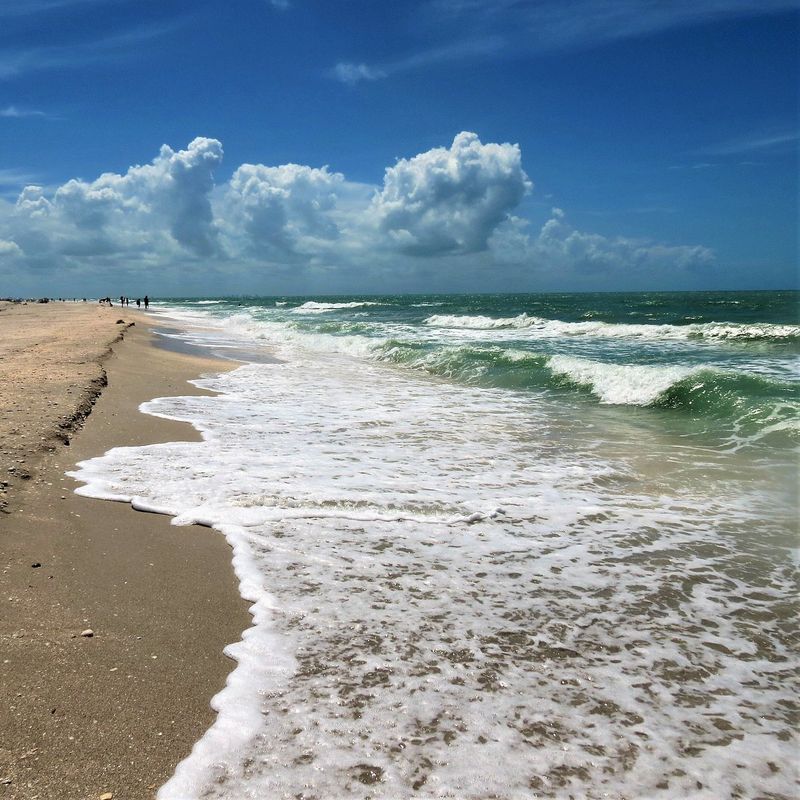
Sanibel Island’s Gulf-facing beaches are famous for shelling, but they’re equally important as sea turtle nesting habitat. During nesting season, volunteers from organizations like Sanibel-Captiva Conservation Foundation (SCCF) monitor the beaches daily, documenting nests and protecting hatchlings.
Loggerheads are the most common nesters here, though greens and the occasional Kemp’s ridley also make appearances. The island’s wide, gently sloping beaches provide ideal nesting conditions, and the community’s commitment to keeping beaches dark and clean makes Sanibel a sea turtle success story.
SCCF offers educational programs and guided turtle walks during nesting season, giving visitors a chance to learn about sea turtle biology and conservation. These programs are hugely popular and often sell out, so book early if you’re interested. Even without a formal tour, you’ll see marked nests all along the beach.
One thing that sets Sanibel apart is its strong local conservation culture. Residents genuinely care about protecting the island’s wildlife, and that attitude extends to visitors. You’ll see signs reminding beachgoers to fill in holes, knock down sandcastles, and remove beach furniture at night—all measures that help hatchlings reach the water safely.
Sanibel’s beaches are also stunning in their own right, with calm Gulf waters and spectacular sunsets. It’s a place where you can relax, explore, and witness one of nature’s most incredible phenomena all in one trip.
9. Captiva Island (Lee County)
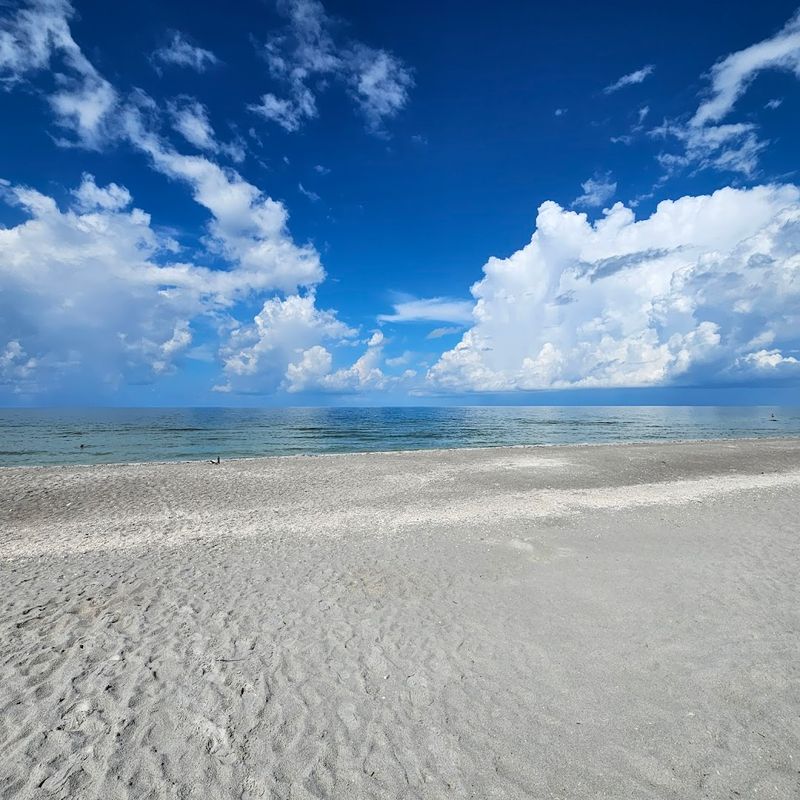
Just north of Sanibel, Captiva Island continues the same monitored Gulf nesting corridor. The beaches here are quieter and less developed than Sanibel’s, offering turtles even more seclusion during nesting season.
Loggerheads are the primary nesters, with greens and occasional Kemp’s ridleys also recorded. The sand on Captiva is soft and white, perfect for digging nests, and the island’s low-density development means fewer lights and less disturbance.
Captiva shares monitoring efforts with Sanibel through SCCF, so nests here receive the same careful attention. Volunteers walk the beach each morning, recording new nests and checking on older ones. If you’re staying on Captiva during nesting season, you’ll likely see marked nests near your resort or rental.
One of the joys of Captiva is its unhurried pace. The island has a sleepy, Old Florida charm that makes it easy to slow down and appreciate small wonders—like the sight of a hatchling track leading down to the surf, or the distinctive crawl pattern a nesting turtle leaves behind.
Because Captiva is less crowded than many Florida beaches, you stand a better chance of having a quiet, personal encounter with sea turtle nesting activity. Early morning walks often yield sightings of fresh nests or hatchling tracks, and the island’s conservation-minded community ensures these nests are well protected.
Captiva is proof that sometimes the best wildlife experiences happen in the quietest places.
10. St. George Island (Franklin County)
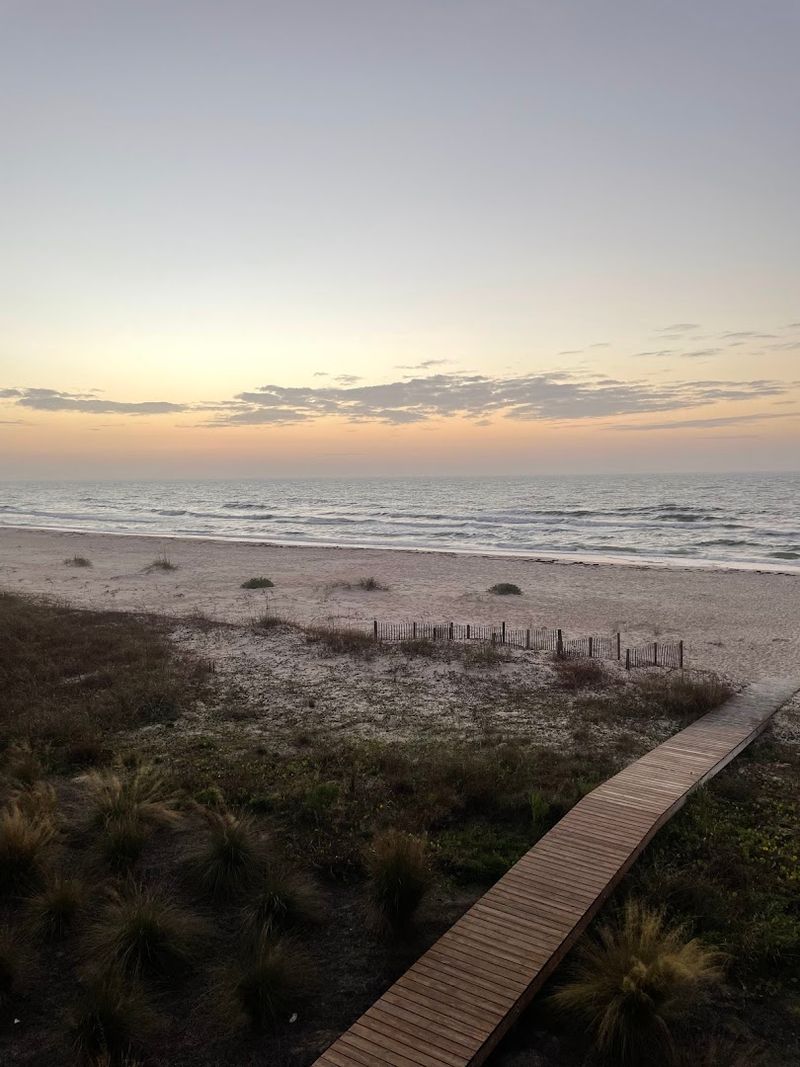
Way up in Florida’s Panhandle, St. George Island offers a completely different sea turtle experience. This quiet barrier island has dark, sandy shores that support nesting loggerheads and occasional greens, far from the crowds and development of South Florida beaches.
St. George Island State Park protects much of the island’s eastern end, providing pristine nesting habitat. The park’s beaches are undeveloped and often deserted, giving turtles the solitude they prefer. Nesting season here runs roughly May through October, with peak activity in June and July.
Local volunteers monitor nests throughout the season, marking them with stakes and caution tape. Because the island is so lightly populated, artificial light is rarely an issue—these beaches stay dark at night, just as nature intended.
What makes St. George Island special is its wild, untouched character. The beaches stretch for miles with nothing but dunes, sea oats, and Gulf waves. It’s the kind of place where you can walk for an hour without seeing another person, and where wildlife sightings feel like private gifts rather than shared spectacles.
If you’re looking for a sea turtle experience that’s more remote and contemplative, St. George Island delivers. The island’s quiet beauty and strong nesting numbers make it a hidden gem for turtle enthusiasts willing to venture off the beaten path. It’s Florida’s Gulf Coast at its most natural and unspoiled.