Not Texas Or Arizona, But This Southern State Has The Hottest Weather Travelers Should Prepare For
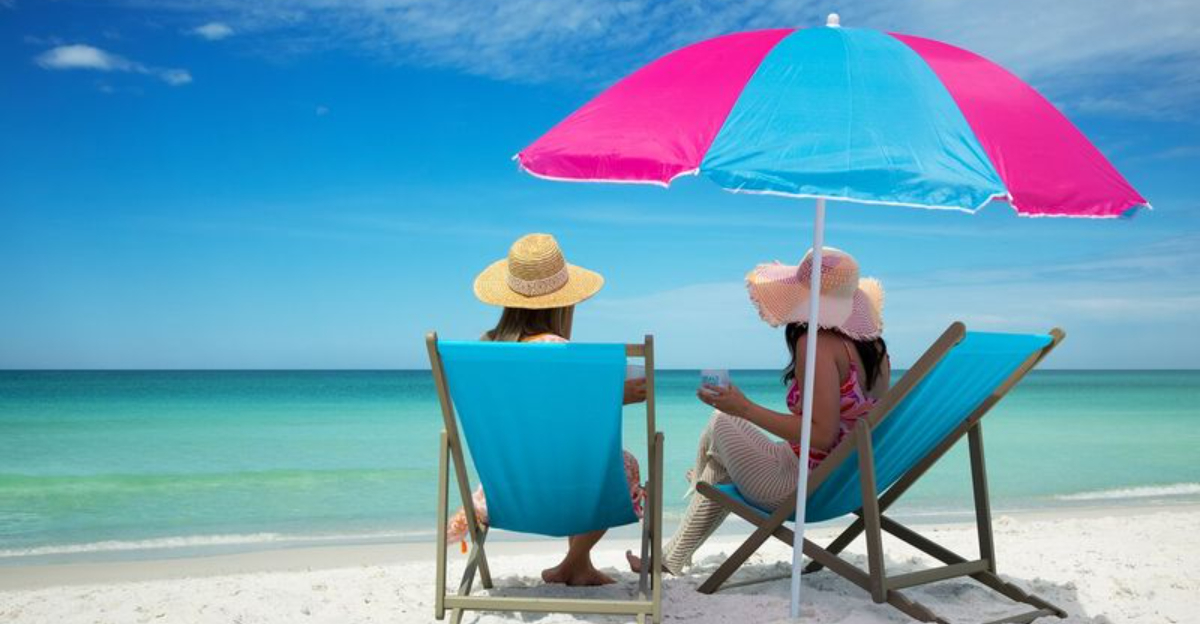
When people think about scorching summer heat, Texas and Arizona usually steal the spotlight. But Florida brings a different kind of intense weather that catches travelers off guard every single year. The combination of relentless humidity, blazing sunshine, and unpredictable afternoon storms creates conditions that can be more challenging than the dry desert heat found out west.
Understanding what makes Florida’s climate so demanding will help you pack smarter, stay safer, and actually enjoy your Sunshine State adventure.
1. The Heat Index Makes It Feel Way Hotter Than The Thermometer Says
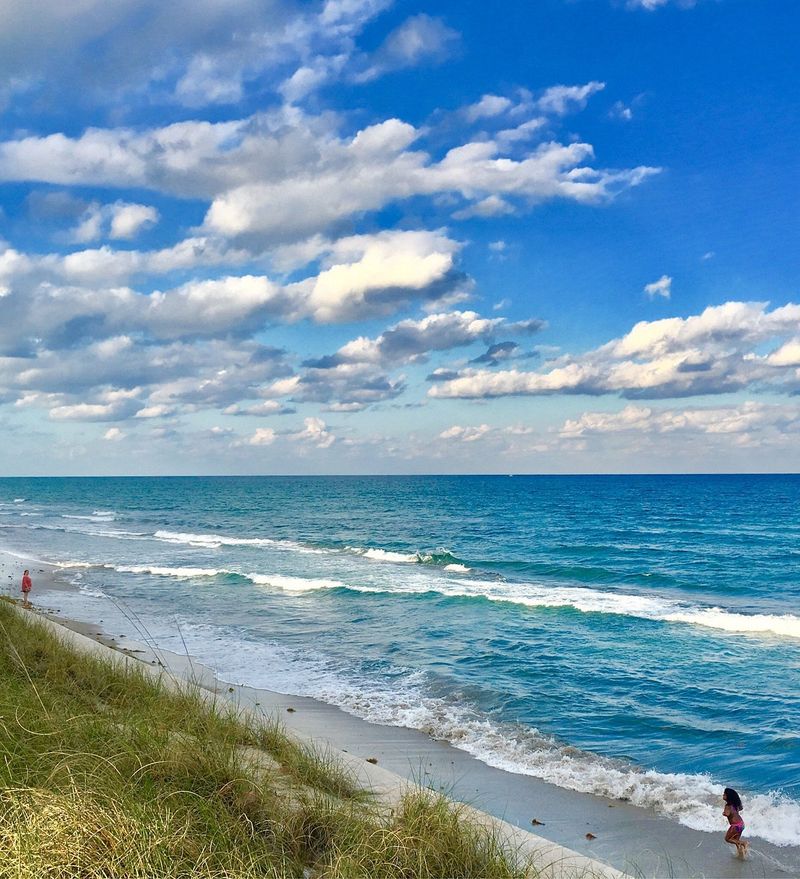
Florida’s real challenge isn’t just the temperature on the thermometer. The heat index combines air temperature with humidity levels to show what it actually feels like outside. When the thermometer reads 92 degrees but the humidity sits at 80 percent, your body experiences something closer to 115 degrees.
That’s because sweat can’t evaporate properly in humid air, which is how your body naturally cools itself.
Most summer days across Florida feature heat index values between 105 and 110 degrees. Central and southern parts of the state regularly see these extreme readings from June through September. Coastal areas get slightly better sea breezes, but inland cities like Orlando often feel like ovens by midday.
Your body works overtime trying to cool down in these conditions. Visitors from drier climates often underestimate how draining this humidity becomes after just 20 minutes outdoors. Even Florida natives adjust their schedules around the worst afternoon heat.
Planning outdoor activities before 10 AM or after 5 PM makes a huge difference. Theme parks, beaches, and nature trails become much more enjoyable during these cooler windows. Staying hydrated becomes absolutely essential, not just recommended.
Carrying a refillable water bottle and drinking before you feel thirsty helps prevent heat exhaustion.
The combination of heat and humidity in Florida demands respect and preparation.
2. Afternoon Thunderstorms Roll In Almost Every Single Day
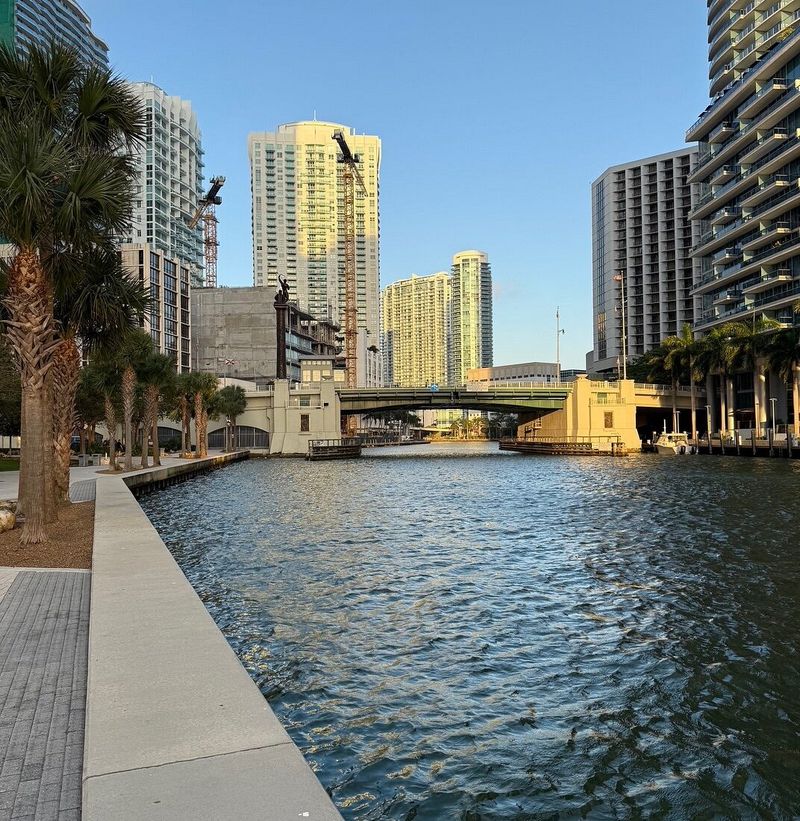
Around 2 or 3 PM, the sky often transforms from bright blue to dark gray in about 15 minutes. Florida experiences more lightning strikes than any other state, earning its nickname as the lightning capital of America. These afternoon storms develop because morning sunshine heats the land, creating rising air that forms towering thunderclouds.
The process happens so predictably that locals set their watches by it.
Summer months bring daily storm patterns that drench everything in sight. Rain falls in sheets so thick you can barely see across the street. These storms typically last 30 minutes to an hour before moving on, leaving behind steamy conditions and sometimes flooded parking lots.
Smart travelers check radar apps throughout the day and plan accordingly. Getting caught outdoors during these storms means more than just getting wet. Lightning poses a serious danger, and Florida records more lightning deaths than most states combined.
Seeking shelter in buildings or vehicles becomes necessary, not optional.
Theme park visitors learn this lesson quickly when rides shut down during electrical storms. Beach trips get interrupted when lifeguards clear the water at the first rumble of thunder. The good news?
These storms often cool things down by five or ten degrees. Waiting them out usually rewards you with slightly more comfortable conditions.
Just never stand under isolated trees or stay in open fields when lightning starts flashing.
3. The Sun Feels More Intense Because Florida Sits Closer To The Equator
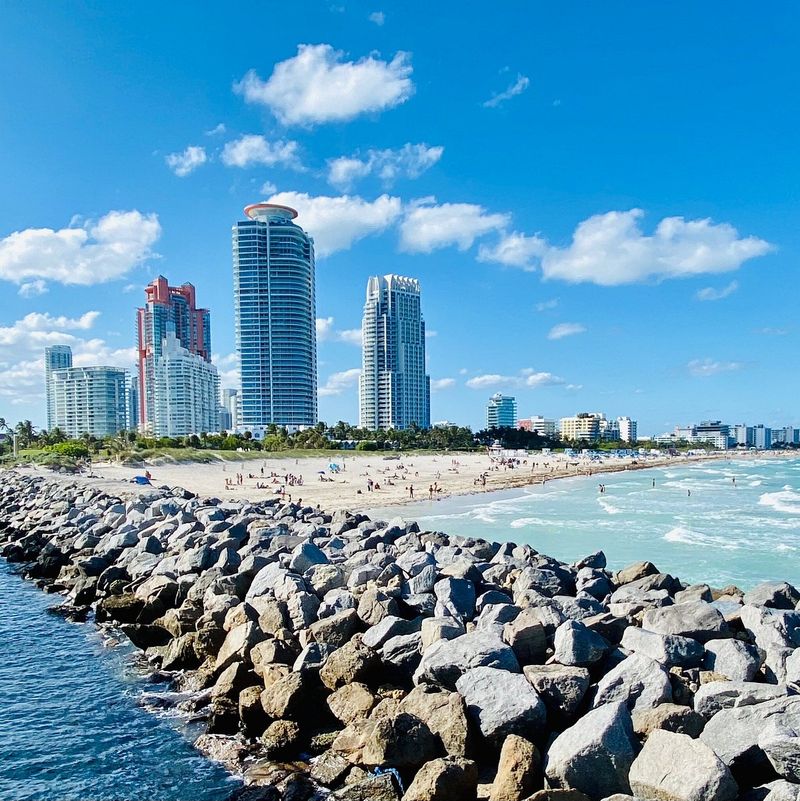
Geography matters when it comes to sunshine intensity. Florida extends farther south than any other continental state, putting it closer to the equator than Phoenix or El Paso. This southern position means the sun sits higher in the sky year-round, creating more direct rays that pack more ultraviolet punch.
During summer months, the sun reaches nearly overhead at noon in South Florida.
Sunburns happen faster here than in northern states. What might take an hour to burn your skin in Boston could happen in just 20 minutes in Miami. The UV index regularly hits extreme levels between 10 AM and 4 PM during summer.
Even cloudy days deliver significant UV exposure because clouds don’t block all ultraviolet radiation.
Tourists often make the mistake of skipping sunscreen on overcast mornings. They end up with painful burns by evening despite never seeing full sunshine. Reapplying sunscreen every two hours becomes absolutely necessary, especially after swimming or sweating heavily.
Wearing wide-brimmed hats and UV-protective sunglasses helps protect your face and eyes. Lightweight, long-sleeved shirts made from sun-protective fabric offer better coverage than constantly reapplying lotion. Seeking shade during peak sun hours prevents both immediate burns and long-term skin damage.
The intense Florida sun demands constant vigilance.
One careless beach day can ruin the rest of your vacation with painful, blistering burns that make even wearing clothes uncomfortable.
4. Humidity Makes Everything Feel Sticky And Exhausting

Step outside in Florida summer and you immediately feel wrapped in a wet blanket. Humidity levels routinely stay between 70 and 90 percent throughout the day. Your clothes stick to your skin within minutes.
Hair frizzes no matter what products you use. Even breathing feels different because the air carries so much moisture.
This constant dampness affects your body’s ability to regulate temperature. Sweat beads up on your skin but doesn’t evaporate efficiently. Without evaporation, your body can’t cool down properly, leading to that overwhelming feeling of exhaustion.
Simple activities like walking through a parking lot leave you drenched and tired.
Visitors from desert climates or northern states often struggle most with Florida humidity. They’re used to sweat drying quickly and providing relief. Here, sweat just accumulates, making you feel gross and uncomfortable.
Air-conditioned spaces become necessary refuges rather than luxuries.
Packing moisture-wicking fabrics instead of cotton helps tremendously. Cotton absorbs sweat and stays wet, while synthetic materials designed for athletic wear dry faster and feel less clingy. Taking multiple showers throughout the day isn’t excessive here; it’s practically required for comfort.
Keeping a small towel handy to wipe your face and neck provides relief. Hotels and rental properties keep their air conditioning running constantly because opening windows just invites more humid air inside.
Embracing the humidity rather than fighting it makes Florida visits much more enjoyable.
5. Your Body Loses Water Faster Than You Realize
Dehydration sneaks up on people in Florida’s climate. Between the heat, humidity, and constant sweating, your body loses fluids at an alarming rate. Most adults need to drink twice as much water here compared to cooler climates.
Waiting until you feel thirsty means you’re already behind on hydration needs.
Early warning signs include headaches, dizziness, and decreased energy. Your urine color provides an easy check—dark yellow means you need more water immediately. Many visitors mistake dehydration symptoms for just feeling tired from vacation activities.
They power through without drinking enough, which can quickly escalate to heat exhaustion or worse.
Plain water works best for staying hydrated, though drinks with electrolytes help replace minerals lost through heavy sweating. Alcohol and caffeine actually increase dehydration, so balancing that beach beer with extra water becomes important. Kids and older adults face higher risks because their bodies regulate temperature less efficiently.
Carrying a large refillable water bottle everywhere makes constant hydration easier. Freezing water bottles overnight gives you cold drinks that last longer in the heat. Many Florida attractions offer free water stations specifically because dehydration sends so many tourists to first aid.
Setting phone reminders to drink water every 30 minutes might seem excessive, but it prevents problems. Restaurants here automatically bring water to tables because servers know customers need it.
Respecting your body’s increased fluid needs prevents vacation-ruining health issues.
6. Air Conditioning Becomes Your Best Friend And Biggest Expense

Florida residents joke that air conditioning isn’t a luxury—it’s survival equipment. Running AC constantly from May through October creates substantial electricity bills that shock first-time visitors and new residents. Vacation rentals and hotels keep thermostats set to 72 degrees or lower because anything warmer feels uncomfortable after coming in from outside.
The temperature difference between indoor and outdoor spaces can reach 30 degrees or more. Walking from a 70-degree store into 98-degree heat with high humidity creates a physical shock to your system. This constant transition between extreme temperatures takes adjustment.
Some people experience headaches or feel lightheaded from the repeated changes.
Cars parked in Florida sun become ovens within minutes. Interior temperatures can hit 140 degrees or higher, making steering wheels too hot to touch. Remote starters that cool cars before you enter them aren’t fancy extras here; they’re practical necessities.
Cracking windows doesn’t help much because the incoming air is nearly as hot.
Budgeting for higher cooling costs matters whether you’re visiting or relocating. Vacation rentals typically include utilities, but longer stays might charge separately for electricity. Using fans to circulate cool air and closing blinds during peak sunshine hours helps reduce AC workload.
Portable AC units provide backup cooling if the main system struggles. Florida’s relationship with air conditioning defines daily life. Without it, the state would be nearly uninhabitable during summer months.
Modern AC technology makes Florida living possible and tourism viable.
7. Heat Exhaustion And Heat Stroke Are Real Dangers Here
Emergency rooms across Florida treat heat-related illnesses daily during summer months. Heat exhaustion develops when your body can’t cool itself adequately, causing heavy sweating, weakness, nausea, and confusion. Without intervention, it progresses to heat stroke, where body temperature rises above 103 degrees and organs begin shutting down.
Heat stroke kills people every year in Florida, often tourists who underestimate the climate.
Warning signs demand immediate attention. Stop all activity and move to air conditioning or shade at the first symptoms. Drinking cool water and applying cold compresses to neck, wrists, and forehead helps lower body temperature.
Never ignore dizziness, rapid heartbeat, or stopping sweating despite extreme heat—these indicate serious problems requiring medical help.
Certain groups face higher risks, including children, elderly visitors, people with chronic health conditions, and anyone taking medications affecting temperature regulation. Overweight individuals and those unaccustomed to heat also struggle more. Even young, healthy athletes can succumb to heat illness when pushing too hard in Florida’s extreme conditions.
Taking frequent breaks in air-conditioned spaces prevents heat buildup in your body. Thirty minutes outside followed by fifteen minutes inside creates a sustainable pattern for enjoying outdoor activities. Wearing light-colored, loose-fitting clothes helps your body stay cooler.
Checking on travel companions regularly ensures everyone stays safe. Theme parks position first aid stations throughout their properties because heat illness happens so frequently. Recognizing symptoms early and responding quickly prevents tragic outcomes.
Florida’s heat deserves serious respect.
8. Even Nighttime Doesn’t Bring Much Relief From The Heat
Unlike desert states where temperatures drop significantly after sunset, Florida stays warm and muggy all night long. Overnight lows during summer rarely fall below 75 degrees, and humidity remains oppressively high. That concrete and asphalt absorb heat all day, then radiate it back out for hours after dark.
Urban areas like Miami and Tampa stay even hotter due to the heat island effect.
Sleeping without air conditioning becomes nearly impossible for most people. Open windows bring in humid air that feels heavy and uncomfortable. Fans just push hot air around without providing real cooling.
Hotels occasionally experience AC failures during peak season, creating miserable conditions for guests trying to sleep.
Evening activities still require sun protection because UV rays remain strong until actual sunset. Walking around downtown areas or beach boardwalks after dinner means continuing to sweat and stay hydrated. The lack of temperature relief means your body never gets a break from heat stress during Florida summers.
Coastal areas benefit slightly from ocean breezes that provide some comfort during evening hours. Inland locations suffer more because they lack this natural cooling effect. Thunderstorms sometimes bring temporary relief by dropping temperatures five or ten degrees, but humidity often increases afterward.
Planning indoor evening activities in air-conditioned venues makes sense during the hottest months. Movie theaters, shopping malls, and restaurants provide comfortable spaces to spend time.
Florida’s persistent nighttime warmth extends the challenge of managing heat beyond just daytime hours.