This Hidden Florida Trail Takes Hikers Past Caves, Cliffs, And An Incredible Sinkhole
Hidden in the forests near Inverness, Florida, the Trail to Lizzie Hart Sink offers adventurous hikers a journey through landscapes you might not expect to find in the Sunshine State. This lesser-known path winds through rocky terrain, past mysterious caves, and leads to a stunning natural sinkhole that changes with the seasons.
Whether you’re a seasoned explorer or just looking for a peaceful escape into nature, this trail delivers surprises at every turn and gives you a taste of Florida’s wild side that most visitors never see.
Finding the Hidden Trailhead
Getting to the Trail to Lizzie Hart Sink starts with a bit of detective work that makes you feel like you’re discovering a genuine secret. The trailhead at 129 West Stage Coach Trail in Inverness isn’t exactly advertised with big signs and parking lots.
Brush and fallen limbs often block the obvious entrance, which has led some visitors to mistakenly think the trail is closed.
Walk around those natural barriers and you’ll find Trail 15 heading north, clear and ready for exploration. The lack of obvious access actually works in your favor because it means fewer crowds and a more peaceful hiking experience.
Most people turn back when they see the blocked entrance, leaving this beautiful trail almost empty for those willing to look a little harder.
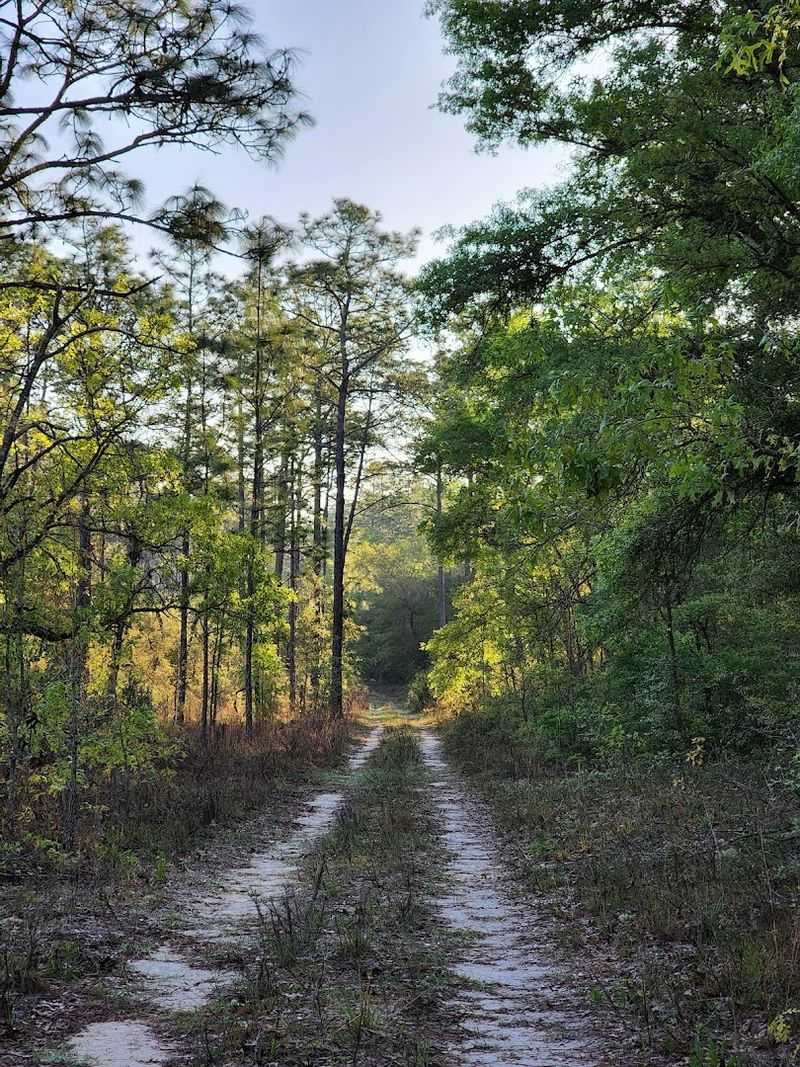
Once you’re past the trailhead, you’ll notice yellow paint marks on the trees that guide your way through the forest. These blazes are your best friends on this hike, keeping you on track as the path winds through the woods.
The trail starts by running parallel to private farmland on your left, so stay to the north side and follow those yellow markers.
Within the first few minutes, you’ll reach a fork where you need to zag left, not right. Missing this turn is easy if you’re not paying attention, but it’s crucial for reaching Lizzie Hart Sink.
The right fork takes you toward Brush Sink and eventually loops back to Stage Coach Trail, which is a different adventure altogether.
The initial segment follows an old forest road that’s both scenic and relatively easy to navigate. Beautiful farmland views peek through the trees on one side while dense forest surrounds you on the other.
This contrast gives you a sense of Florida’s agricultural heritage mixed with its wild natural spaces, creating a uniquely peaceful atmosphere that sets the tone for the rest of your hike.
The Rocky Forest Road Segment
After you navigate the initial fork and head in the correct direction, the trail transitions from that pleasant forest road into something more challenging and interesting. Roots snake across the path like natural obstacle courses, and limestone rocks jut up from the ground in unexpected places.
This isn’t your typical flat Florida trail where you can zone out and let your feet do the work on autopilot.
Watching your footing becomes essential as you move deeper into the forest. Trip hazards appear frequently, with rocks and roots competing for space along the narrow path.
The uneven terrain actually adds to the adventure rather than detracting from it, making you feel like you’re truly exploring wilderness rather than walking through a manicured park.
The forest itself changes character as you progress along this segment. Scrub pines mix with sturdy oaks, while palmettos crowd the understory and create that distinctly Florida feel.
Different types of forest landscape blend together, offering variety that keeps the scenery interesting even though you’re walking through woods the entire time.
Sunlight filters through the canopy in shifting patterns, creating dappled shadows that dance across the rocky trail. The effect is especially beautiful in the morning or late afternoon when the light comes in at an angle.
Bring your camera because the interplay of light, rock, and vegetation creates photo opportunities that capture the essence of Florida’s inland forests.
This segment requires about 20 to 25 minutes to traverse at a moderate pace, longer if you’re stopping to photograph or examine the interesting rock formations. The rocks themselves tell a geological story, remnants of ancient marine environments that existed millions of years ago when this part of Florida was underwater.
You’re literally walking on history with every step, though most hikers don’t realize the ground beneath their boots is actually fossilized sea floor.
Intersection with the Florida Trail
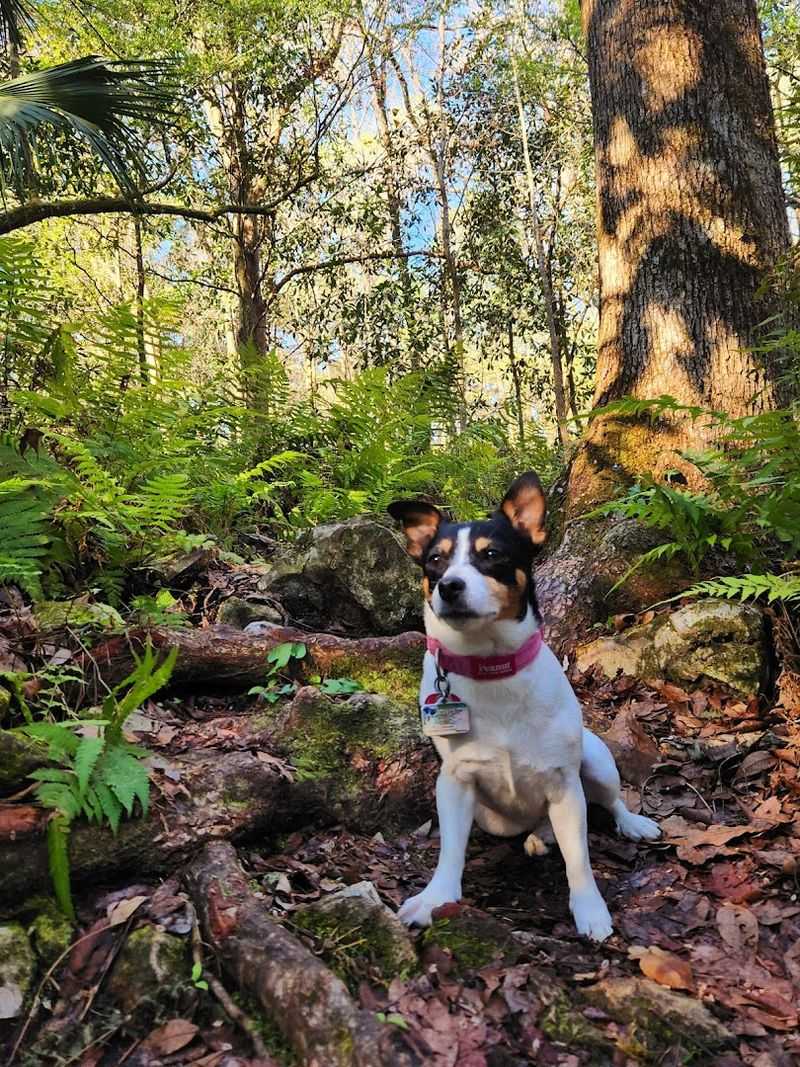
Eventually, your forest road walk intersects with the famous Florida Trail, and this junction marks an important decision point. Turn left to continue toward Lizzie Hart Sink, your ultimate destination.
Turn right and you’ll head toward Brush Sink before looping back to Stage Coach Trail, which is a longer route better saved for another day when you have more time and energy.
The Florida Trail itself is a legendary long-distance hiking path that stretches over 1,000 miles across the state. Standing at this intersection, you’re connected to a trail system that runs from the Everglades to the panhandle, linking countless natural wonders.
Even though you’re only walking a small segment, there’s something special about being part of such an extensive network.
After turning left, the trail’s character shifts noticeably. The path becomes narrower and more intimate, winding through denser forest where the canopy closes in overhead.
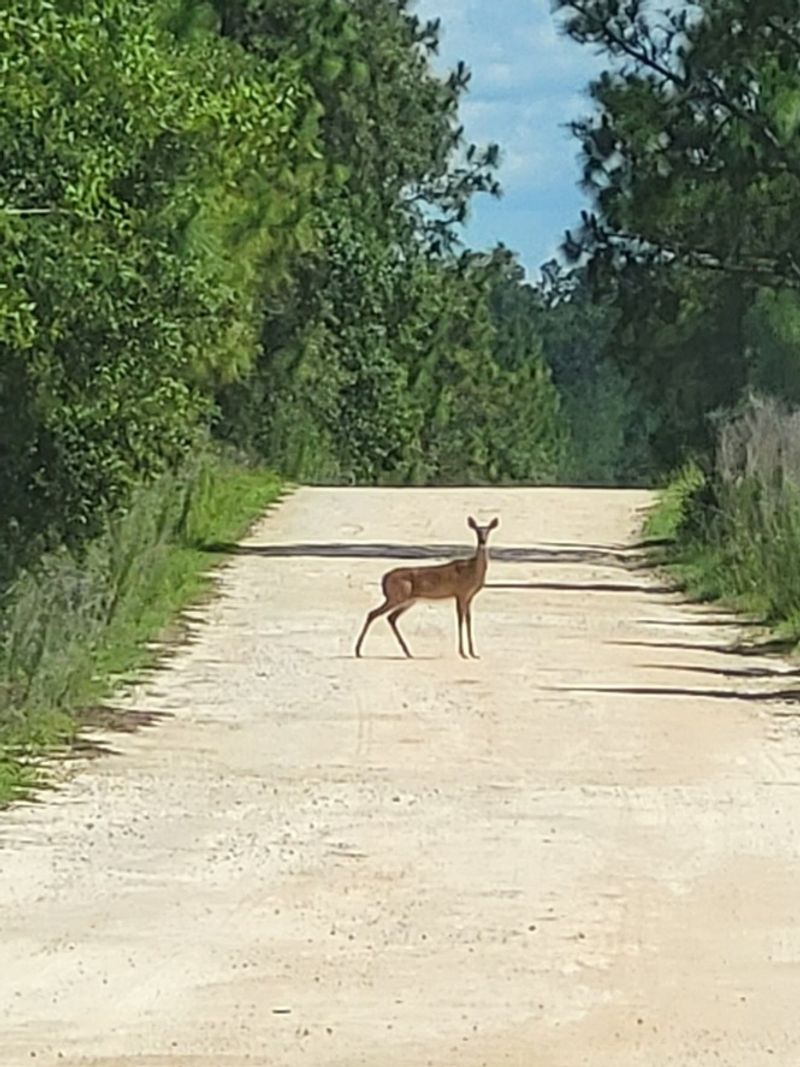
Wildlife sightings become more likely in this section because the thicker vegetation provides better cover for animals. Deer are commonly spotted, and lucky hikers have encountered bobcats moving silently through the underbrush.
The trail blazes continue with yellow paint on trees, but you’ll want to pay closer attention here. Graffiti throughout the forest has unfortunately made it easier to lose the official blazes if you’re not focused.
Some visitors recommend downloading the AllTrails app before you go, which provides GPS tracking that helps you stay on course even when visual markers get confusing.
This portion of the hike feels more adventurous and wild than the earlier segments. The sounds of civilization fade completely, replaced by bird calls, rustling leaves, and the crunch of your boots on the forest floor.
It’s the kind of solitude that reminds you why hiking matters, why stepping away from screens and schedules into natural spaces feeds something essential in the human spirit that modern life often starves.
Wildlife Encounters Along the Way
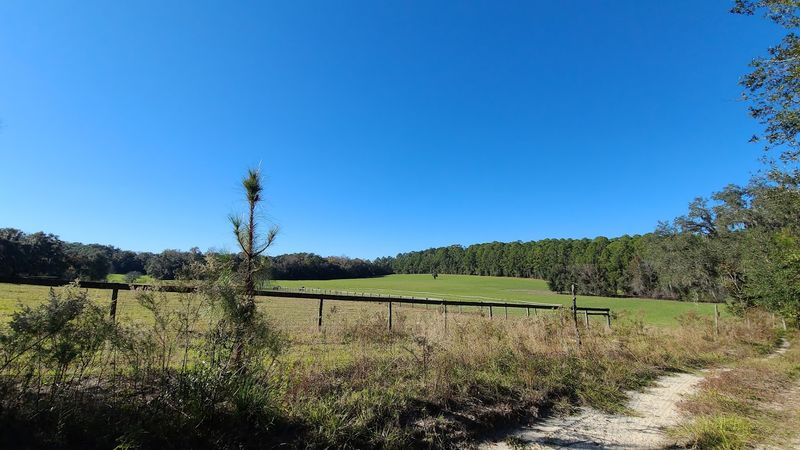
One of the most thrilling aspects of hiking to Lizzie Hart Sink is never quite knowing what wildlife you might encounter around the next bend. Bobcats prowl these forests, and while they’re generally shy around humans, hikers have spotted them crossing the trail or watching from the shadows.
Seeing one of these beautiful wild cats in its natural habitat is an unforgettable experience that reminds you Florida is home to genuine wilderness, not just beaches and theme parks.
White-tailed deer are much more common sightings along this trail. Does often appear in small groups, grazing near the path or bounding away when they detect your approach.
Their graceful movements through the forest add magic to any hike, and if you move quietly and wear neutral colors, you might get surprisingly close before they notice you.
Bird watchers will find plenty to keep their binoculars busy on this trail. The mixed forest habitat supports diverse bird species, from woodpeckers hammering on dead trees to hawks circling overhead.
The varied landscape means different birds occupy different zones along the trail, so keep your eyes and ears open throughout the entire hike.
The tranquil nature of this trail, thanks to its hidden entrance keeping crowds away, means wildlife is less spooked and more active. Animals that might hide from hikers on busier trails go about their normal routines here.
You’re more likely to see natural behaviors rather than just glimpses of fleeing creatures, which makes the experience feel more like genuine wildlife observation than simply hiking through animal territory.
Smaller creatures deserve attention too. Gopher tortoises dig their burrows near the trail, lizards scurry across sunny patches, and if you’re hiking during warmer months, you might spot various snake species.
Most are harmless, but it’s wise to watch where you step and give any snakes you encounter plenty of space. They’re just as interested in avoiding you as you probably are in avoiding them, so mutual respect keeps everyone safe and happy.
Cave Explorations and Peace Cave
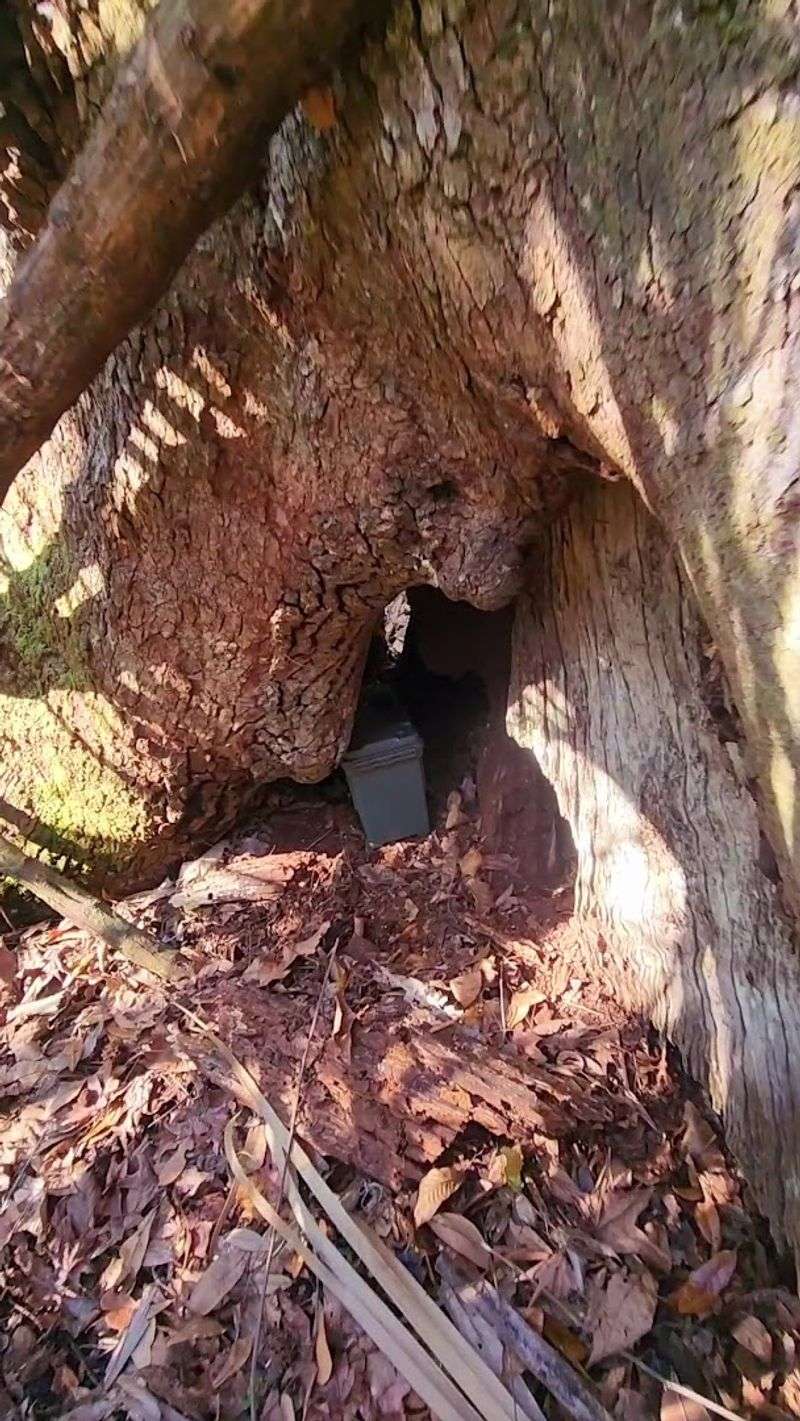
Scattered throughout the forest near the trail are several caves that add an element of underground exploration to your hike. Peace Cave is the most well-known, though finding it requires some detective work and a willingness to literally look down.
The entrance isn’t something you walk into at ground level; instead, you have to climb down into it, which surprises many first-time visitors expecting a horizontal cave opening.
Look for a massive tree trunk covered in graffiti near the trail. Once you spot this landmark, start examining the ground around its base carefully.
The cave entrance opens in the earth nearby, a dark hole in the limestone that you’ll need to carefully descend into using the rocks as handholds and footholds.
Safety is crucial when exploring Peace Cave. The rocks can be slippery even in dry conditions, and moisture makes them downright treacherous.
Sneakers without good tread will slide on the limestone, so wear proper hiking boots with grippy soles if you plan to venture inside. Going down is challenging enough; climbing back out requires even more caution and upper body strength.
Once you’ve climbed down into the cave, you can stand upright in the entrance chamber. Moving toward the back requires bending over and duck-walking through a lower section before the cave opens up again into a rear chamber where you can stand.
The total cave isn’t huge, but it’s large enough to feel like a proper underground adventure.
Bring a powerful flashlight or headlamp because the darkness inside is absolute once you move away from the entrance. Your phone’s flashlight won’t cut it for safe exploration.
The extra light also lets you check for cave-dwelling creatures before you accidentally disturb them. Bats, spiders, and other animals call these caves home, and while they’re generally harmless, nobody wants a surprise encounter in the dark.
Respect their space and they’ll respect yours, making for a fascinating glimpse into Florida’s underground ecosystems.
Limestone Cliffs and Rock Formations
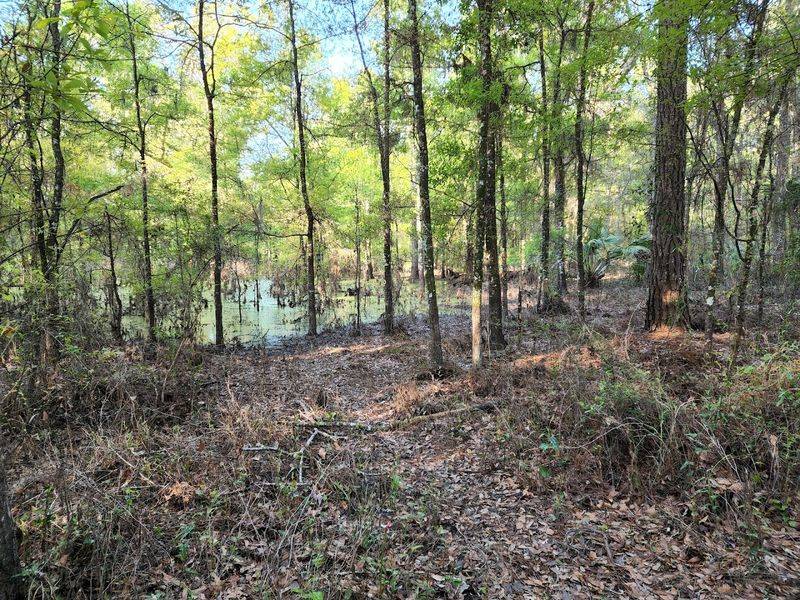
Florida isn’t exactly famous for dramatic cliffs and towering rock walls, which makes the limestone formations along this trail particularly special. Ancient marine sediments compressed over millions of years created these limestone layers, and erosion has carved them into interesting shapes and small cliff faces that rise above the forest floor.
For a state known for flatness, these rocky features feel almost exotic.
The limestone tells the story of Florida’s geological past when shallow seas covered this entire region. Tiny marine organisms died and settled on the sea floor, their calcium-rich shells accumulating over eons.
Eventually, these deposits became the limestone bedrock that underlies much of the state. Walking past these exposed cliff faces, you’re seeing layers of time made visible in stone.
Fossils occasionally appear in the limestone if you look closely. Small shells and other marine remnants are embedded in the rock, proof positive of the ancient ocean that once existed here.
It’s like hiking through a natural history museum where the exhibits aren’t behind glass but right there in front of you, touchable and real.
The cliffs create microclimates along the trail where moisture collects and different plants grow. Ferns cling to shaded rock faces, mosses carpet the dampest areas, and small caves and overhangs shelter wildlife from the elements.
These rocky areas support different species than the surrounding forest, adding biodiversity to an already varied ecosystem.
Photographers love these limestone formations because they provide texture and visual interest that contrasts beautifully with the surrounding vegetation. The interplay of hard stone and soft plant life, of ancient rock and young forest, creates compelling compositions.
Early morning or late afternoon light rakes across the cliff faces at dramatic angles, highlighting every crack and crevice.
The rocks themselves are surprisingly sharp in places, with edges that haven’t been worn smooth by heavy foot traffic. This trail doesn’t see enough visitors to polish the stone, so the limestone retains its natural rough texture.
Watch your hands if you’re using the rocks for balance, and definitely don’t try to climb the cliffs without proper equipment and training.
Lizzie Hart Sink: The Main Attraction
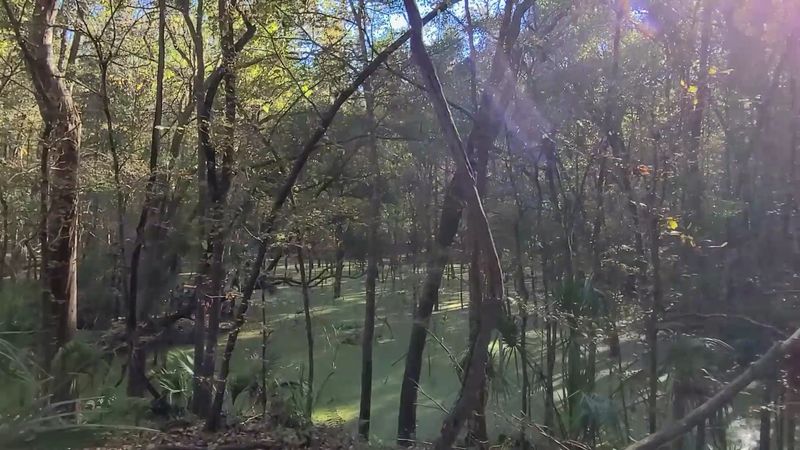
After roughly 45 minutes of hiking from the trailhead, you’ll arrive at Lizzie Hart Sink, the spectacular natural feature that makes this entire journey worthwhile. This impressive sinkhole opens dramatically in the forest floor, a circular depression where the limestone bedrock collapsed into underground cavities.
Standing at the rim, you’re looking at the raw power of geological processes that continue shaping Florida’s landscape today.
The sink’s appearance changes dramatically with the seasons, transforming from a water-filled basin during the rainy summer months to a mostly dry bowl during winter’s drier periods. Visitors in early spring might find only puddles at the bottom, while those hiking in late summer could see a genuine pond.
This seasonal variation means the sink offers different experiences depending on when you visit, giving you reasons to return throughout the year.
Steep limestone walls descend from the rim to the bottom, creating a natural amphitheater that muffles sound and creates an almost sacred atmosphere. The sink’s depth and circular shape focus your attention downward and inward, making the space feel separate from the surrounding forest.
It’s a natural cathedral where the only congregation is trees and the only service is the slow work of water dissolving stone.
The formation of sinkholes like Lizzie Hart happens when slightly acidic groundwater dissolves limestone bedrock over thousands of years. Eventually, the underground cavities become so large that the overlying surface collapses, creating the depression you see today.
Florida has thousands of sinkholes because the entire state sits on a limestone platform, but each one is unique in size, shape, and character.
Take time to walk around the rim and view the sink from different angles. Each perspective offers something new: different vegetation clinging to the walls, varying patterns of light and shadow, changing views of the bottom.
If water is present, you might spot aquatic life that has colonized this temporary habitat, from frogs and insects to the occasional wading bird hunting for food. The sink is a destination in itself, but it’s also a reminder that Florida’s most interesting features often lie hidden away from the well-traveled tourist paths, waiting for hikers willing to seek them out.
Trail Difficulty and What to Expect
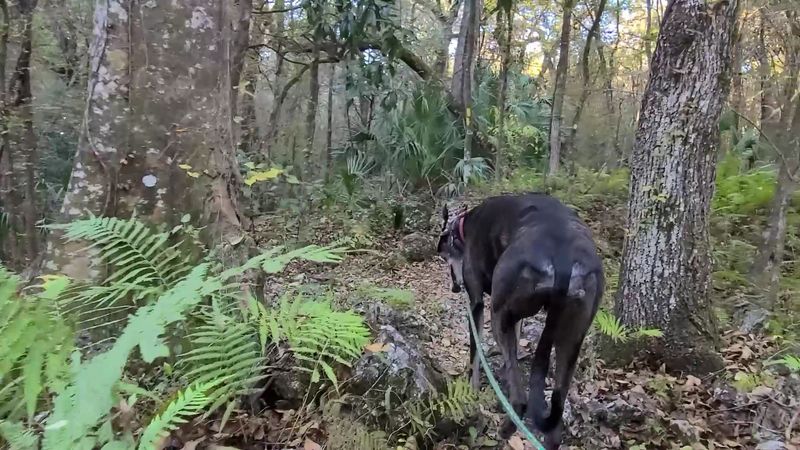
Hiking to Lizzie Hart Sink isn’t a casual stroll through the woods, but it’s also not an extreme adventure requiring technical skills. The trail falls somewhere in the moderate difficulty range, accessible to anyone with reasonable fitness and proper footwear.
The round trip takes about 45 minutes for most hikers, though allowing an hour or more gives you time to explore and enjoy without rushing.
The biggest challenges come from the uneven terrain rather than distance or elevation. Those roots and rocks mentioned earlier demand constant attention, especially if you tend to be clumsy or have balance issues.
Twisted ankles are a real possibility if you’re not watching your footing, so leave the flip-flops at home and wear actual hiking boots or trail runners with ankle support and good tread.
The trail is relatively short, probably less than two miles round trip, so distance isn’t the issue. What makes it moderately challenging is the technical nature of the walking surface and the need to navigate using those yellow blazes.
Getting lost is possible if you’re not paying attention, especially at the critical fork near the beginning and at the intersection with the Florida Trail.
Humidity and heat are the other major factors affecting trail difficulty, as with any Florida hike. Summer temperatures can make even short hikes exhausting, so bring more water than you think you’ll need.
A full water bottle per person is minimum; two is better. The forest provides some shade, but you’ll still work up a sweat, especially during the warmer months.
The trail is accessible year-round, but different seasons offer different experiences. Winter hiking is most comfortable temperature-wise, with cooler air and fewer bugs.
Summer brings afternoon thunderstorms that can make the trail muddy and slippery, plus mosquitoes that will consider you a mobile buffet. Spring and fall offer the best compromise between comfortable weather and interesting seasonal changes in the forest.
Kids can definitely handle this trail if they’re used to hiking and comfortable with uneven ground. The caves and sinkhole provide exciting destinations that keep younger hikers motivated.
Just supervise them carefully around the cave entrances and sinkhole rim, where falls could cause serious injuries.
Essential Gear and Safety Tips
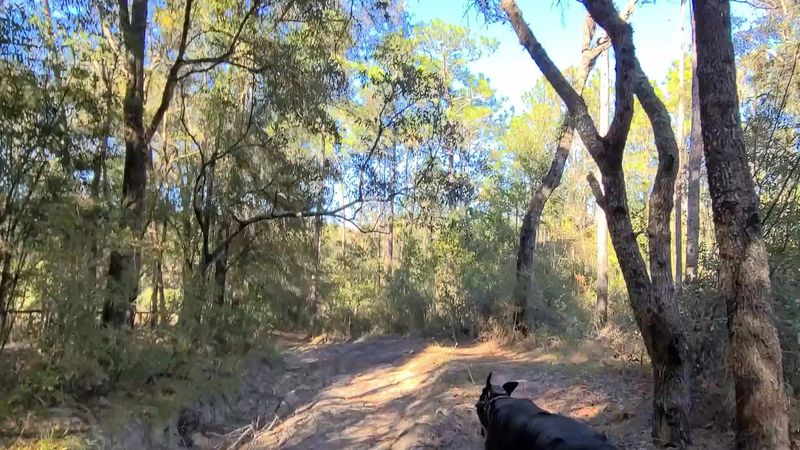
Proper preparation makes the difference between a great hike and a miserable experience, so pack smartly before heading to the Trail to Lizzie Hart Sink. Sturdy hiking boots top the essential gear list because those rocks and roots will punish your feet and ankles if you’re wearing inadequate footwear.
Sneakers are the absolute minimum; sandals or flip-flops are asking for trouble.
If you plan to explore Peace Cave or any other caves along the trail, a powerful flashlight or headlamp is absolutely necessary. Phone lights are too weak and too awkward to use when you need both hands for climbing.
A headlamp is ideal because it keeps your hands free, and bringing backup batteries ensures you won’t get stuck in darkness if your light fails.
Water is crucial on any Florida hike, even short ones. The humidity makes you sweat more than you realize, and dehydration sneaks up fast.
Bring at least one full water bottle per person, more if you’re hiking in summer. A small first aid kit is smart too, with bandages for blisters, antiseptic for cuts, and any personal medications you might need.
Navigation tools help you stay on track even when trail blazes get confusing. Download the AllTrails app before you leave home since cell service might be spotty in the forest.
Having an offline map on your phone provides backup navigation if you get turned around. A physical map and compass are old-school but reliable if you know how to use them.
Bug spray is non-negotiable during warmer months when mosquitoes and other biting insects are active. Ticks are also present in Florida forests, so spray your boots and lower legs, and do a thorough tick check when you finish hiking.
Wearing long pants tucked into your socks isn’t fashionable but it’s effective protection against both ticks and scratchy vegetation.
Sun protection matters even on a forest trail because you’ll get sun exposure at the trailhead and in areas where the canopy opens up. Sunscreen, a hat, and sunglasses protect your skin and eyes.
Bring a light rain jacket too because Florida weather changes quickly, and getting caught in a downpour without protection makes for a soggy, uncomfortable hike back to your car.
Best Times to Visit and Seasonal Considerations
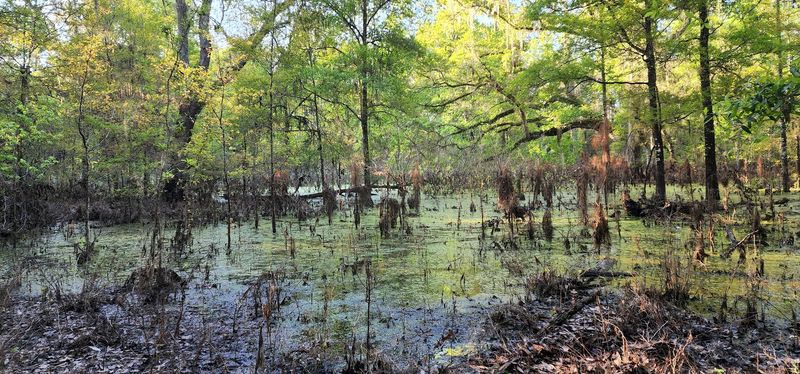
Timing your visit to the Trail to Lizzie Hart Sink can dramatically affect your experience because Florida’s seasons create very different hiking conditions. Winter, roughly December through February, offers the most comfortable temperatures for hiking.
Cooler air means you won’t overheat as quickly, and the lower humidity makes breathing easier. Bug populations drop significantly during winter too, giving you relief from mosquitoes and other flying pests that plague summer hikers.
Spring brings wildflowers and fresh green growth that makes the forest feel alive and renewed. Temperatures start climbing but remain manageable, especially for early morning or late afternoon hikes.
This is prime hiking season when the weather is pleasant and the forest looks its best. Just be prepared for occasional rain showers as Florida’s wet season begins ramping up in late spring.
Summer is challenging for hiking in Florida because of intense heat, suffocating humidity, and daily afternoon thunderstorms. If you visit during summer, start your hike early in the morning before temperatures peak.
Carry extra water and take breaks in the shade to avoid heat exhaustion. The upside of summer hiking is seeing Lizzie Hart Sink filled with water, which is more visually impressive than the dry bowl you might find in winter.
Fall offers another excellent hiking window as temperatures begin dropping and humidity becomes less oppressive. The forest doesn’t show dramatic autumn color changes like northern states do, but subtle shifts in vegetation and lighting make fall hiking pleasant.
Hurricane season technically extends through November, so check weather forecasts carefully before heading out during autumn months.
The sinkhole’s seasonal water levels provide different experiences worth planning around. Visit after heavy rains to see the sink as a genuine pond, complete with aquatic life.
Come during dry periods to see the geological features more clearly, with the limestone walls and bottom exposed. Some hikers visit multiple times throughout the year to observe how this dynamic natural feature changes with Florida’s rainfall patterns, finding beauty in both its wet and dry phases.