This Hidden-Gem State Park Near Key Largo Has Clear Waters, Coral Views, And A Shipwreck To Explore
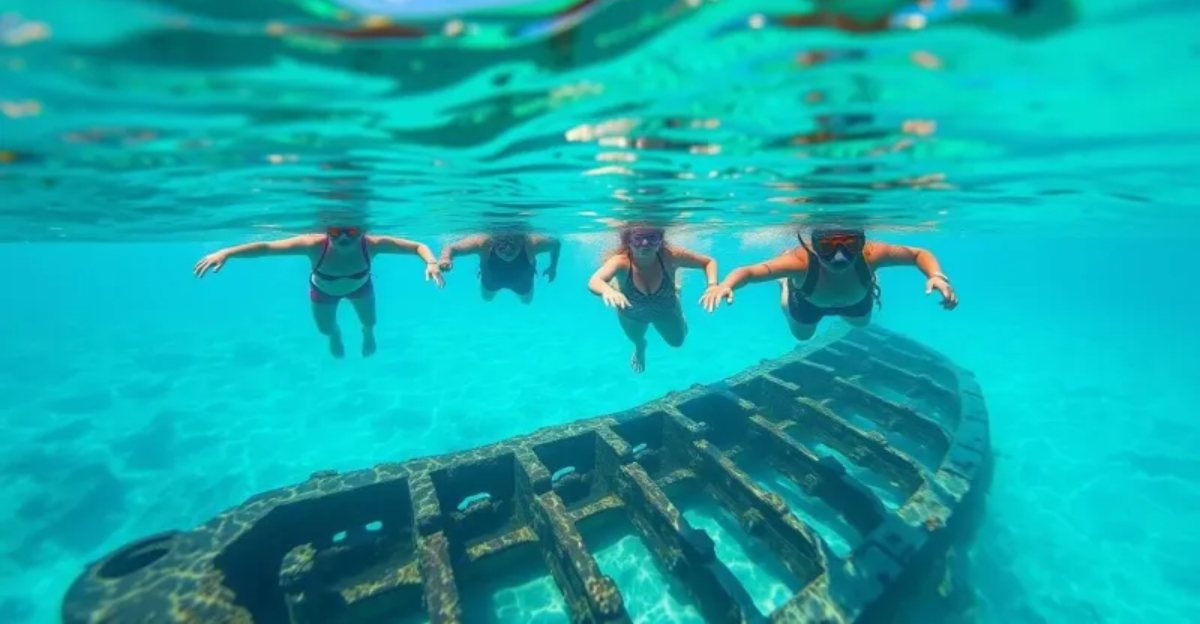
Most people think of sandy beaches when they picture Florida state parks, but one incredible spot near Key Largo exists entirely underwater. San Pedro Underwater Archaeological Preserve State Park sits about 1.25 nautical miles south of Indian Key, protecting a 300-year-old Spanish shipwreck that now teems with marine life. Whether you’re an experienced diver or just learning to snorkel, this hidden gem offers crystal-clear waters, colorful coral formations, and a fascinating glimpse into maritime history that you won’t find anywhere else in the Keys.
1. A Spanish Galleon Lost to History
Back in 1733, a massive hurricane tore through the Florida Straits and sent 21 Spanish ships to the ocean floor in a single day. The San Pedro, a 287-ton Dutch-built galleon carrying treasure and supplies, went down on July 13th along with the rest of the fleet. For more than two centuries, the wreck lay forgotten beneath the waves until salvagers rediscovered it in the 1960s.
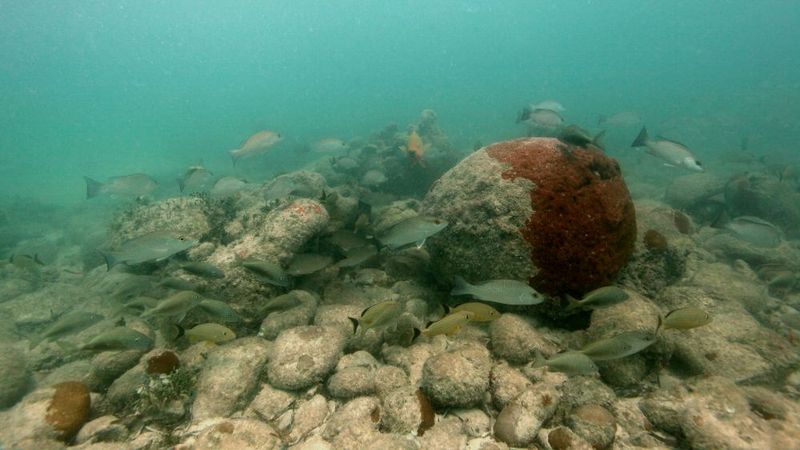
Today, what remains is a remarkable 90-foot-long mound of ballast stones that once kept the ship stable during its voyages. These stones create an artificial reef structure that’s become home to countless sea creatures. Park officials have placed seven replica cannons around the site to help visitors imagine what the ship looked like in its prime.
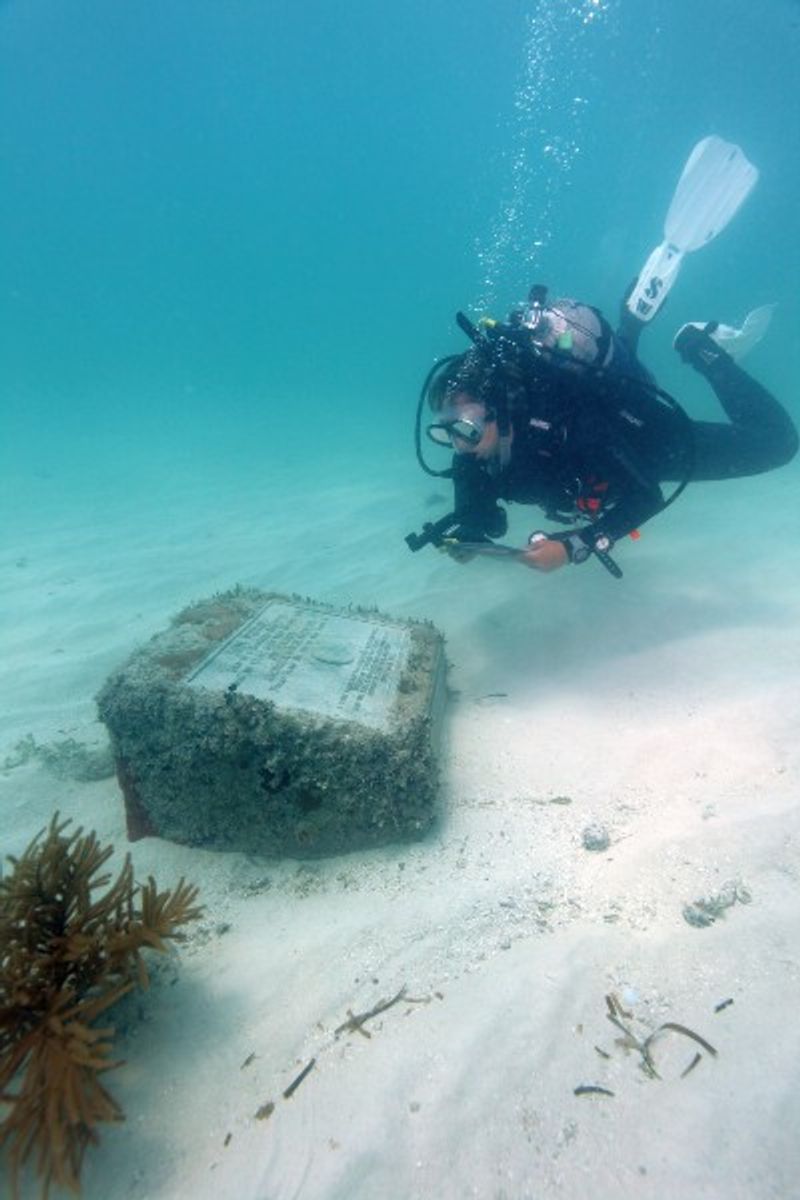
The wreck earned designation as Florida’s second Underwater Archaeological Preserve in 1988 and made it onto the National Register of Historic Places in 2001. A bronze commemorative plaque marks the site, telling the story of the ship and its crew. An authentic anchor from one of the San Pedro’s sister ships rests among the ballast stones, adding another layer of historical authenticity to this underwater museum that brings the golden age of Spanish maritime exploration back to life.
2. Crystal Waters That Let You See Everything
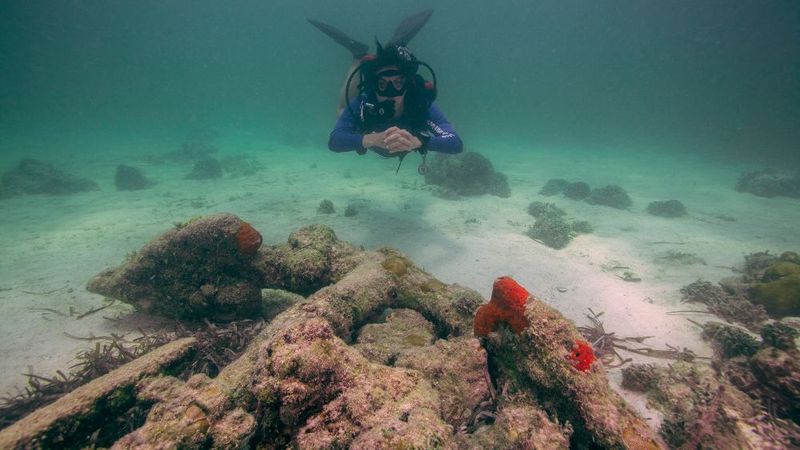
Visibility makes or breaks any underwater adventure, and San Pedro delivers some of the clearest water you’ll find in Florida. The shipwreck rests in what divers call a white sand pocket, surrounded by turtle grass beds that help filter the water naturally. On most days, you can see 40 to 60 feet in every direction, making it easy to spot fish, coral formations, and every detail of the historic ballast pile.
The combination of relatively shallow depth—just 18 feet—and exceptional clarity creates perfect conditions for underwater photography. Sunlight penetrates all the way to the bottom, illuminating the scene with natural light that brings out the true colors of marine life. You won’t need powerful underwater lights here like you would at deeper dive sites.
Water clarity varies slightly with weather conditions and tides, but even on average days, the visibility remains impressive. The protected location helps shield the site from strong currents that can stir up sediment and cloud the water. Morning dives typically offer the best visibility, though afternoon trips still provide excellent viewing conditions.
This consistent clarity is one reason why the preserve has become such a popular spot for both novice snorkelers testing their skills and experienced divers looking for a relaxing, scenic exploration without the challenges of murky water or strong currents.
3. Living Coral Gardens on an Artificial Reef
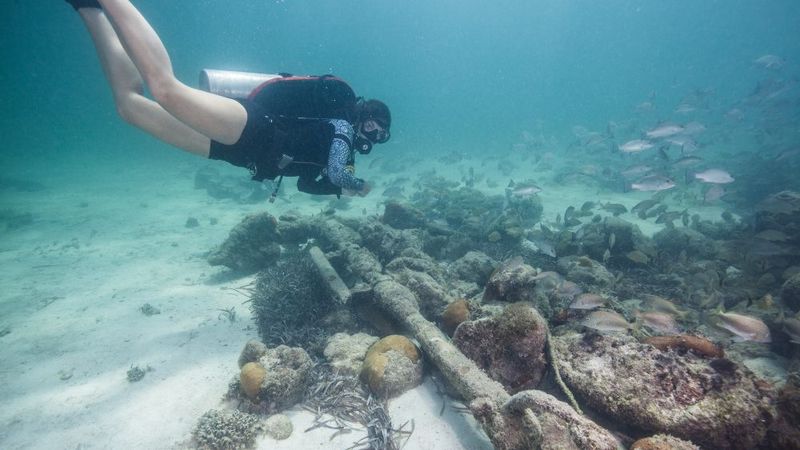
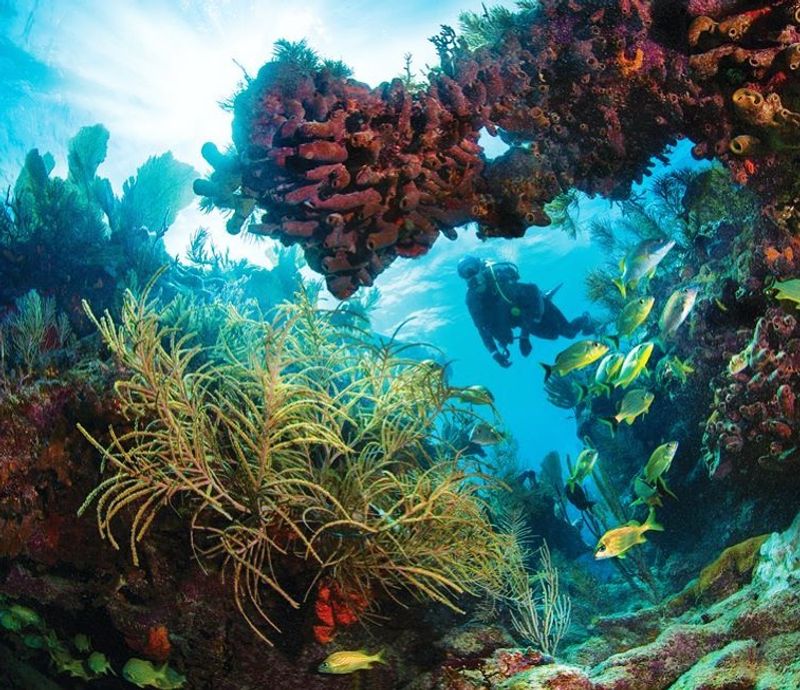
When the San Pedro sank nearly 300 years ago, nobody could have predicted it would eventually become one of Florida’s oldest artificial reefs. The ballast stones created perfect surfaces for coral larvae to attach and grow, and today at least 10 different coral species call this shipwreck home. Brain coral, elkhorn fragments, sea fans, and colorful sponges compete for space on every available surface.
The nooks and crannies between ballast stones provide ideal hiding spots for smaller reef creatures. Lobsters wedge themselves into crevices during the day, while crabs scuttle across the rocks searching for food. Shrimp dart in and out of coral formations, their translucent bodies catching the sunlight.
What makes this coral community especially interesting is its age and diversity. Some of these coral colonies have been growing on the ballast stones for decades, creating complex three-dimensional structures that support entire food chains. Sea fans wave gently in the current like underwater trees, while encrusting corals spread across the rocks in patches of orange, purple, and yellow.
The coral growth has transformed cold, lifeless ballast into a thriving ecosystem that demonstrates nature’s remarkable ability to reclaim human structures.
Scientists and marine biologists regularly study the site to understand how artificial reefs develop and support biodiversity in Florida’s coastal waters.
4. Mooring Buoys That Protect the Past
Dropping anchor on a historic shipwreck might seem like a good way to secure your boat, but it can destroy centuries-old artifacts and damage fragile coral in seconds. That’s why the park provides permanent mooring buoys that let boaters tie up safely without harming the underwater preserve. These bright markers float directly above the wreck site, making navigation simple even for first-time visitors.
Using the mooring system is straightforward and free of charge. Approach slowly, have someone at the bow ready to grab the buoy line, and secure it properly before anyone enters the water. The buoys are designed to handle typical boat sizes, from small center consoles to larger dive charters.
They’re inspected and maintained regularly to ensure reliability.
The mooring buoy system represents a smart balance between public access and historic preservation. Without these buoys, repeated anchoring would gradually destroy the ballast pile, scatter artifacts, and crush coral colonies that took decades to establish. The system also makes diving safer by marking the exact location of the wreck, eliminating the need to search or drag anchor lines across the site.
Park officials ask all visitors to use the buoys exclusively and report any damage or maintenance issues they notice during their visit to help protect this underwater treasure for future generations.
5. Marine Life That Calls the Wreck Home
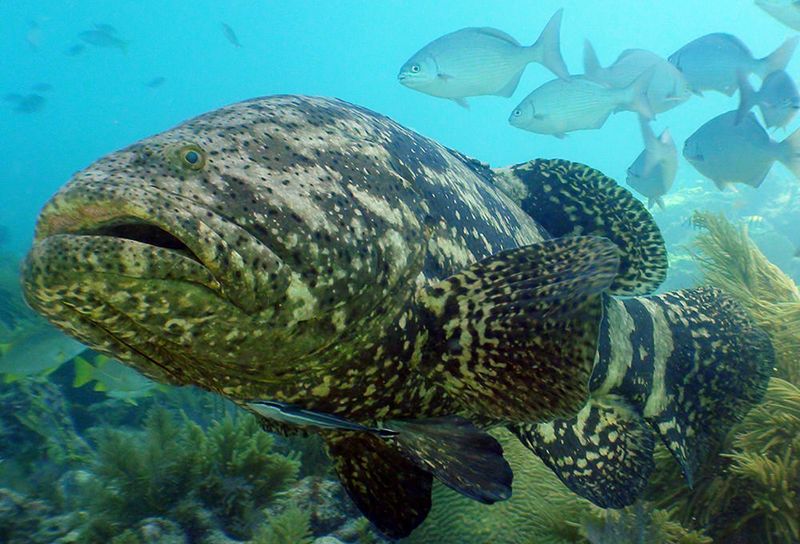
Step underwater at San Pedro and you’ll immediately notice you’re not alone. Hundreds of small fish swirl around the ballast pile in shimmering clouds that part and reform as you swim through them. Sergeant majors with their distinctive black stripes patrol the upper sections, while blue tangs graze on algae growing between the stones.
Angelfish drift past in pairs, and parrotfish crunch loudly on coral, creating the soundtrack of the reef.
Larger predators lurk in the shadows of the ballast pile. Groupers rest in caves formed by the stones, their massive bodies barely fitting into the tight spaces. Moray eels poke their heads out from crevices, opening and closing their mouths in a motion that looks threatening but actually just helps them breathe.
These creatures have learned that the wreck provides excellent hunting grounds and shelter from their own predators.
The diversity extends beyond fish. Spiny lobsters wave their antennae from under rocks, sea turtles occasionally cruise past to investigate the commotion, and eagle rays sometimes glide over the site like underwater birds. The ballast pile creates current breaks and feeding stations that attract species from across the reef ecosystem.
Every dive reveals something different—a school of jacks hunting in formation, an octopus changing colors, or a tiny seahorse clinging to sea grass nearby.
6. Perfect Depth for Snorkelers and Divers Alike
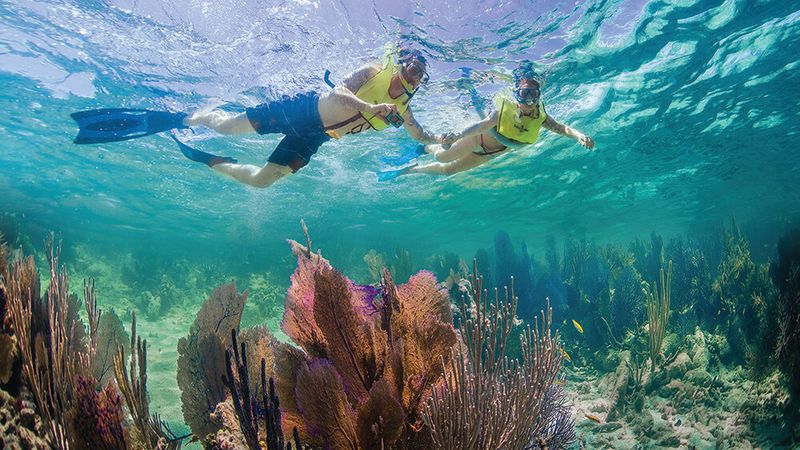
At just 18 feet deep, the San Pedro occupies a sweet spot that makes it accessible to almost everyone. Snorkelers can easily reach the bottom with a quick duck dive, spending as much time as their breath-holding allows examining the ballast stones and watching fish. The shallow depth means you’ll spend less energy and can stay in the water longer without worrying about complicated dive tables or decompression limits.
For scuba divers, especially those still building experience, this depth provides a comfortable environment to practice skills and enjoy the underwater scenery without the stress of deeper dives. New divers can work on buoyancy control, navigation, and underwater photography in a forgiving setting. The extended bottom time possible at 18 feet means a single tank of air lasts much longer than it would at 60 or 80 feet, giving you plenty of opportunity to explore every corner of the wreck site.
Families particularly appreciate this depth range because it allows adults and older children to explore together regardless of certification level. Parents with scuba gear can dive alongside kids who are snorkeling from the surface, sharing the same experience even with different skill sets. The manageable depth also means less pressure change, making ear equalization easier and reducing the risk of barotrauma for people who struggle with pressure-related discomfort during descents.
7. No Facilities Means Pure Underwater Adventure
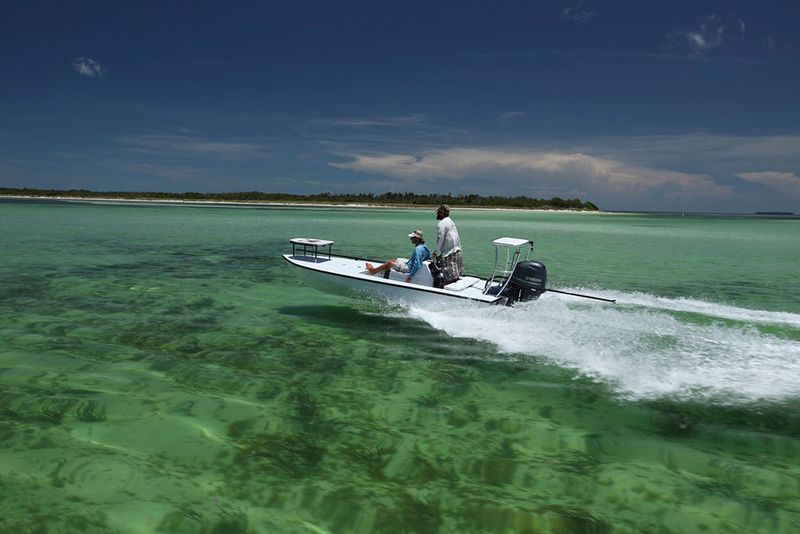
Don’t expect bathrooms, parking lots, or visitor centers at San Pedro—this park exists entirely underwater with zero land-based infrastructure. You’ll need to arrive by private boat or book a spot on a charter service that runs trips from nearby marinas in Islamorada or Key Largo. This boat-only access keeps crowds manageable and preserves the wild, adventurous feeling that makes the preserve special.
The lack of facilities actually works in the park’s favor. Without buildings, docks, or paved areas, the surrounding ecosystem remains pristine and undisturbed. You’ll experience the site much as divers did when it was first rediscovered in the 1960s—just you, your boat, and the open water.
This stripped-down approach focuses all attention on the underwater experience rather than surface amenities.
Plan accordingly before heading out. Bring all the water, snacks, and supplies you’ll need for your trip since there’s nowhere to buy anything once you’re on-site. Pack a cooler with lunch, extra towels, and sun protection.
Make sure your boat has proper safety equipment including a dive flag, first aid kit, and communication devices. Check weather and water conditions before departing.
The half-hour boat ride from Key Largo gives you time to gear up, review dive plans, and spot dolphins or sea birds along the way, building anticipation for the underwater adventure waiting below.
8. Free Access to Florida History
In a world where everything seems to come with a price tag, San Pedro Underwater Archaeological Preserve stands out by charging absolutely nothing for visits. There’s no entrance fee, no parking charge, and no permit required—just bring your boat or hire a charter and you’re free to explore this piece of maritime history. The state maintains the site and mooring buoys entirely through general park funding, keeping the preserve accessible to everyone.
The only requirement is displaying a proper divers down flag while people are in the water. This red flag with a white diagonal stripe alerts other boaters to keep their distance and slow down, protecting divers and snorkelers from boat strikes. Flags are available at any dive shop and represent a small investment in safety that could save your life.
This free access philosophy reflects Florida’s commitment to sharing its natural and historical resources with residents and visitors alike. Unlike many archaeological sites that charge hefty admission fees or require special permits, San Pedro welcomes anyone with basic water skills and appropriate equipment. The preserve demonstrates that protecting history doesn’t require excluding people—it just requires education, respect, and simple systems like mooring buoys that let thousands of visitors each year experience the wreck without damaging it.
It’s hands-on history education that doesn’t cost anything but creates memories and appreciation that last forever.