This Once-Thriving Florida Coastal Village Between Jacksonville and West Palm Beach Is Now an Abandoned Gem
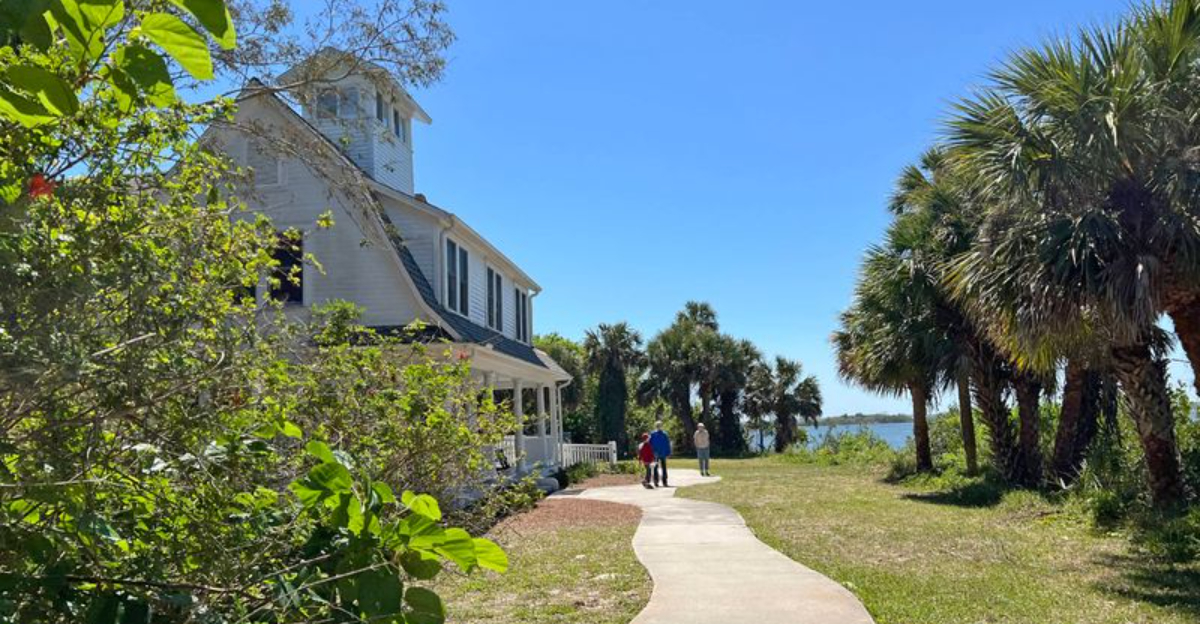
Tucked away within the boundaries of Canaveral National Seashore lies Eldora, a coastal village that once buzzed with life but now stands silent and abandoned. Located in Volusia County between Jacksonville and West Palm Beach, this forgotten settlement tells a fascinating story of Florida’s pioneer past. Today, nature has reclaimed what humans left behind, creating an eerie yet beautiful landscape where history whispers through empty foundations and overgrown trails.
1. The Forgotten Steamboat Landing That Connected Eldora to the World
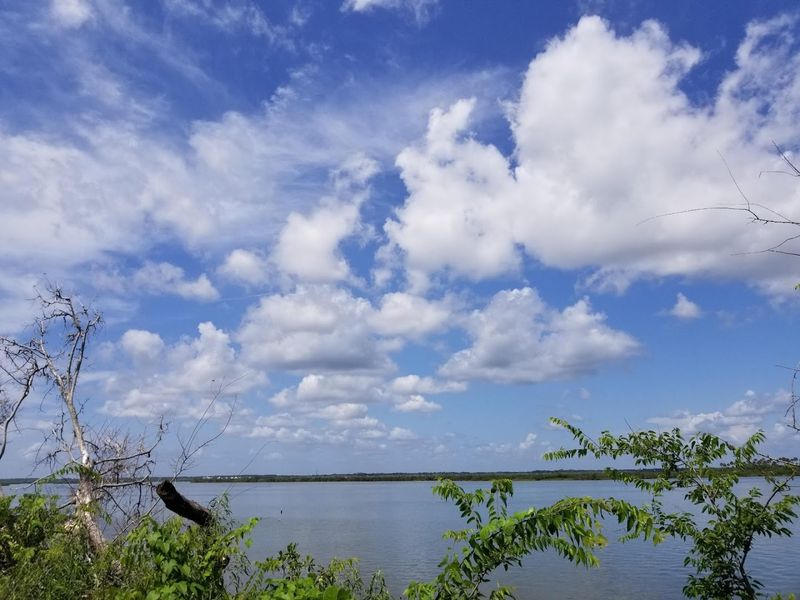
Back when roads were scarce and automobiles were rare curiosities, Eldora depended entirely on water transport for survival. The village’s steamboat landing served as its lifeline, connecting residents to Titusville, New Smyrna Beach, and beyond. Steamers would chug down the Indian River, carrying mail, supplies, and passengers to this remote outpost.
The landing bustled with activity during Eldora’s heyday in the late 1800s and early 1900s. Families gathered to greet arriving boats, merchants unloaded crates of goods, and children watched wide-eyed as the steam-powered vessels docked. This wooden structure represented hope and connection for settlers who’d chosen to build lives in this isolated paradise.
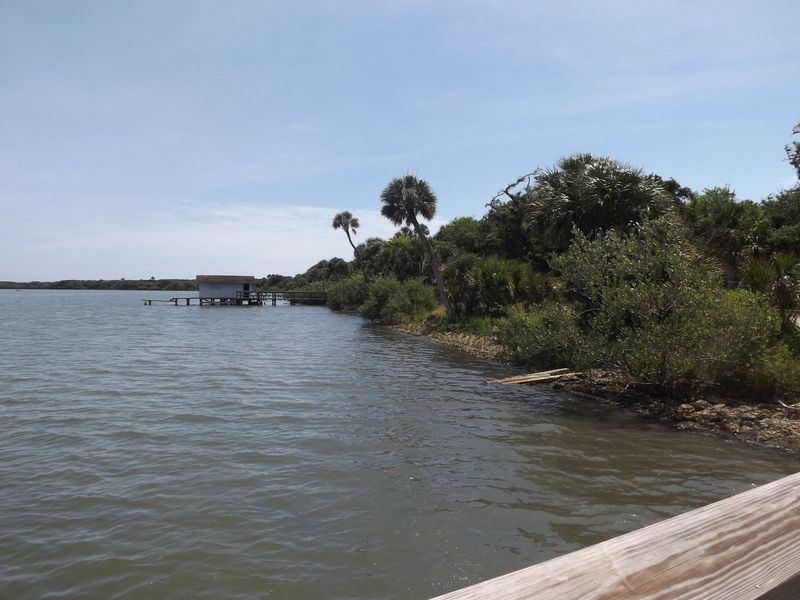
Today, only remnants remain where the landing once stood. Weathered pilings poke through the shallow waters like skeletal fingers, marking where boats once tied up. The tidal waters of Mosquito Lagoon continue their eternal rhythm, indifferent to the human drama that once played out here.
Walking along the shoreline, you can almost hear the echo of steam whistles and imagine the excitement that accompanied each arrival. The landing’s disappearance mirrors Eldora’s own fade into obscurity, a poignant reminder that even the most vital connections eventually succumb to time’s relentless march.
2. The Sams House: Eldora’s Architectural Time Capsule
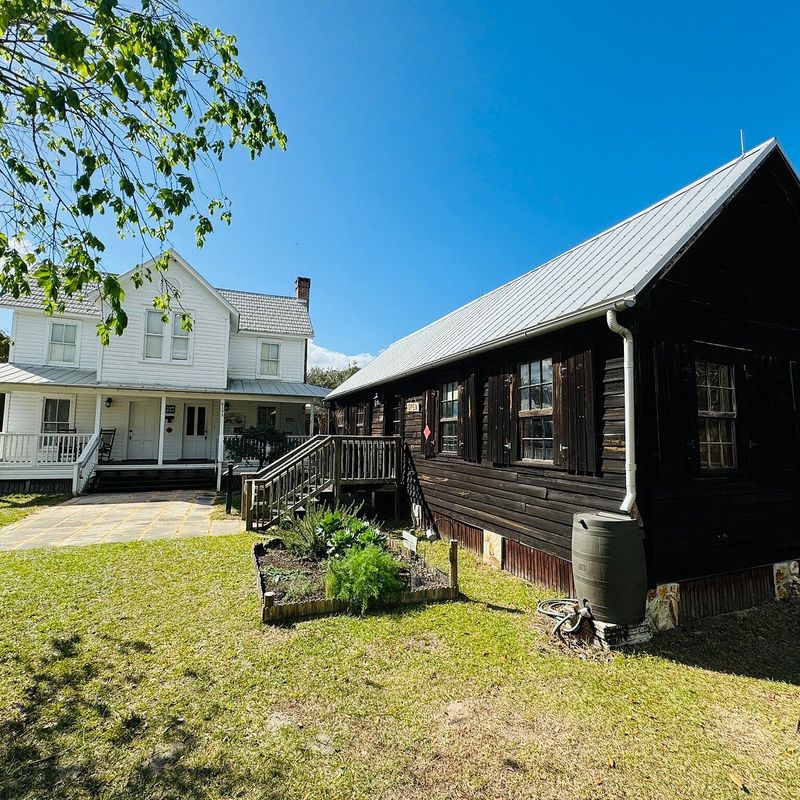
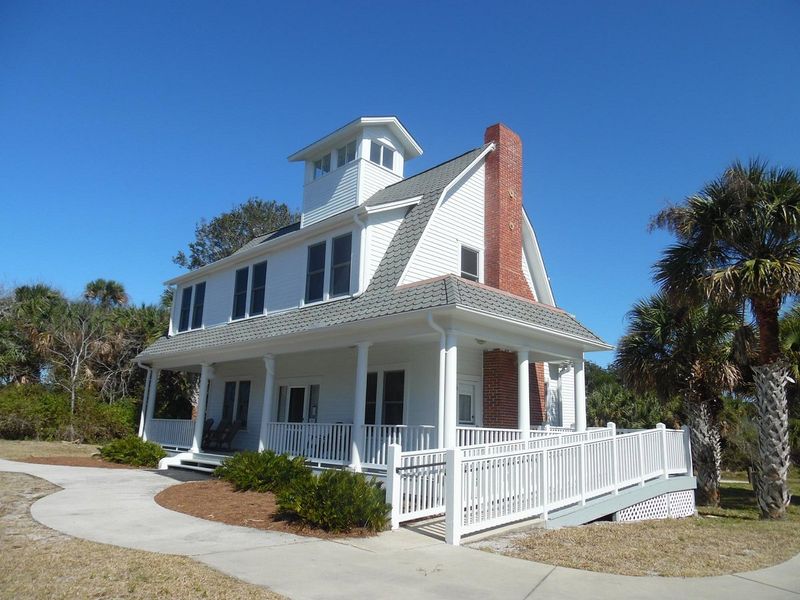
Standing proud among the palmetto scrub, the Sams House represents Eldora’s sole surviving structure and tells the settlement’s most complete story. Built in the 1870s by the Sheldon family and later purchased by the Sams family, this frame vernacular dwelling showcases classic Florida pioneer architecture. Its raised foundation, metal roof, and generous porch weren’t just aesthetic choices but practical responses to Florida’s challenging climate.
The National Park Service has carefully restored this treasure, preserving original details that offer glimpses into 19th-century coastal living. Wide plank floors, simple room divisions, and functional design reflect the no-nonsense approach settlers needed to survive. Unlike fancy Victorian homes up north, this house prioritized ventilation, elevation above flooding, and protection from hurricanes.
What makes the Sams House particularly special is its authenticity. Many historic buildings get over-restored, losing their character in the process. This one retains its honest, weathered charm while remaining structurally sound enough for visitors to explore during ranger-led tours.
The house stands as silent testimony to the families who carved out lives in this challenging environment. Its survival feels almost miraculous when you consider how completely the rest of Eldora vanished, making it an invaluable window into Florida’s frontier past.
3. The Vanished Packing Houses Where Citrus Dreams Died
Eldora once bet its future on golden fruit. During the late 1800s, citrus fever gripped Florida, and this coastal village joined the rush with enthusiasm. Settlers planted extensive groves, and packing houses sprang up to process the harvest for shipment via steamboat to northern markets.
The fragrance of orange blossoms must have been intoxicating during spring blooms.
These packing houses represented significant investment and optimism. Workers sorted fruit by size and quality, wrapped premium oranges in tissue paper, and carefully packed wooden crates for their journey north. The operations provided employment and purpose, transforming Eldora from a mere settlement into a functioning agricultural community.
Then disaster struck. The catastrophic freezes of 1894-1895 devastated Florida’s citrus industry, and Eldora’s groves didn’t escape. Trees that had taken years to mature died in a single night of brutal cold.
The packing houses, suddenly without fruit to process, stood idle and eventually collapsed.
Today, you’ll find only scattered bricks and rotted timbers where these buildings once operated. Wild citrus trees, descendants of the original commercial groves, still produce fruit that nobody harvests. Their presence creates a bittersweet irony—nature succeeded where human enterprise failed, but the trees now feed only wildlife and serve as living monuments to abandoned ambitions.
4. The Cemetery Where Pioneers Rest in Unmarked Peace
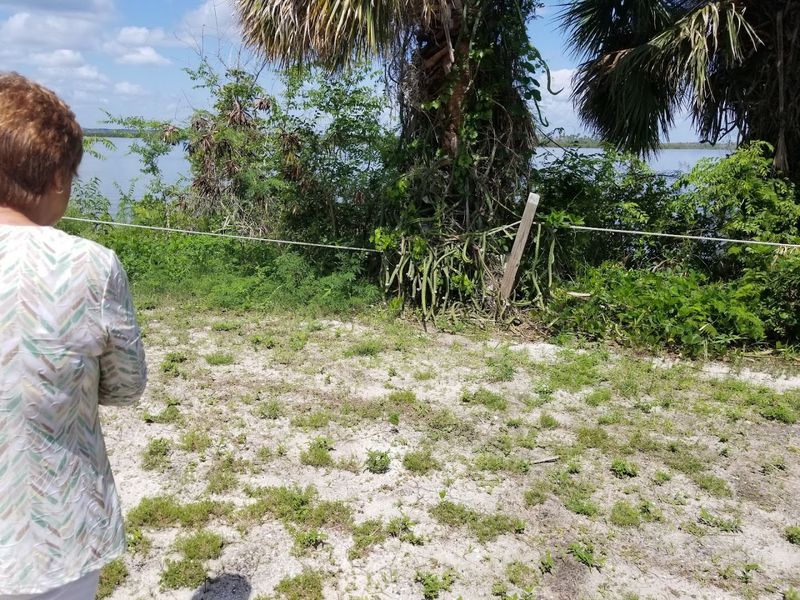
Hidden within the maritime hammock, Eldora’s cemetery holds the physical remains of the village’s story. Unlike grand memorial parks with manicured lawns, this burial ground has largely returned to wilderness. Palmetto fronds brush against tilted headstones, and Spanish moss drapes from overhanging oaks like nature’s own mourning veils.
The graves speak volumes about frontier life’s harsh realities. You’ll find markers for children who didn’t survive infancy, mothers who died in childbirth, and men claimed by accidents or illness. These weren’t abstract historical figures but real people who endured mosquitoes, hurricanes, isolation, and uncertainty while trying to build something lasting.
Many graves have lost their markers entirely, their occupants now anonymous. Wooden crosses rotted decades ago, and some stones sank into the sandy soil or cracked from tree roots. The National Park Service maintains the site but deliberately preserves its wild character rather than imposing modern cemetery aesthetics.
Visiting requires respectful silence and careful footing. The atmosphere carries genuine weight—this isn’t staged history but authentic hallowed ground. Birds call from the canopy, wind rustles through palms, and you realize these settlers chose beautiful land for their final rest, even if they couldn’t have predicted how completely the forest would reclaim their village.
5. The Mosquito Lagoon That Shaped Daily Existence
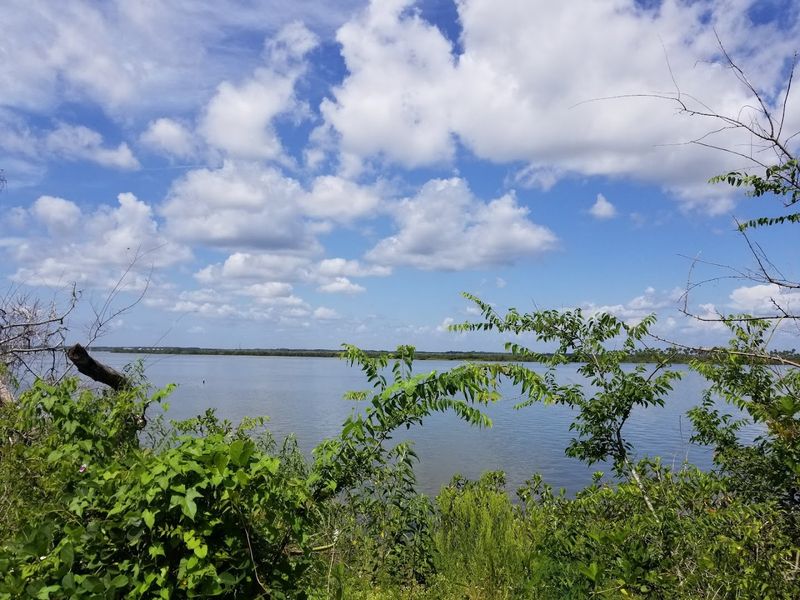
Eldora’s western border meets Mosquito Lagoon, a shallow estuary that both sustained and tormented residents. This brackish water body, part of the Indian River Lagoon system, provided abundant fish, oysters, and crabs that supplemented settlers’ diets. Men would wade into the shallows with cast nets, almost always returning with something for the dinner table.
The lagoon’s name tells another story, though. Swarms of mosquitoes made life miserable, especially during summer months before modern repellents and screens. Residents burned smudge pots and slept under netting, but the insects still found their way in.
Beyond mere annoyance, mosquitoes carried malaria and yellow fever, diseases that claimed lives throughout Florida’s coastal settlements.
Despite the bugs, the lagoon offered irreplaceable transportation access. Its protected waters stayed calm when the Atlantic churned with storms, making it the preferred route for steamboats and small craft. Settlers could paddle canoes to neighboring communities or fishing spots without battling ocean waves.
Today, Mosquito Lagoon thrives as one of Florida’s healthiest estuaries, supporting remarkable biodiversity. Dolphins cruise its channels, manatees graze on seagrass beds, and countless bird species hunt its shallows. The lagoon outlasted the humans who briefly settled its shores, proving nature’s ultimate resilience and indifference to our temporary presence.
6. The School That Educated Eldora’s Children Before Vanishing
Education mattered to Eldora’s families, even in this remote location. The community established a small school where children learned reading, writing, arithmetic, and the practical skills needed for frontier life. One teacher typically handled all grades in a single room, a common arrangement in rural Florida during that era.
Imagine children walking through palmetto scrub and sandy paths to reach their lessons each morning. School attendance fluctuated with agricultural seasons—when families needed help with harvests or fishing, education took a back seat to survival. The teacher, often a young woman from a slightly larger town, boarded with local families and became an important community member.
The schoolhouse served multiple purposes beyond education. It hosted community meetings, church services, and social gatherings. In settlements this small, every building had to justify its existence through versatility.
The school represented civilization’s foothold in the wilderness, a declaration that Eldora intended to be permanent.
When families began leaving after the citrus freezes, school enrollment dwindled. Eventually, too few children remained to justify keeping it open. The building either burned, collapsed, or was dismantled for lumber—nobody recorded which.
Today, its exact location remains uncertain, though researchers have narrowed down possibilities. Like so much of Eldora, the school exists now only in faded documents and distant memories.
7. The Trails That Now Wind Through What Once Was Home
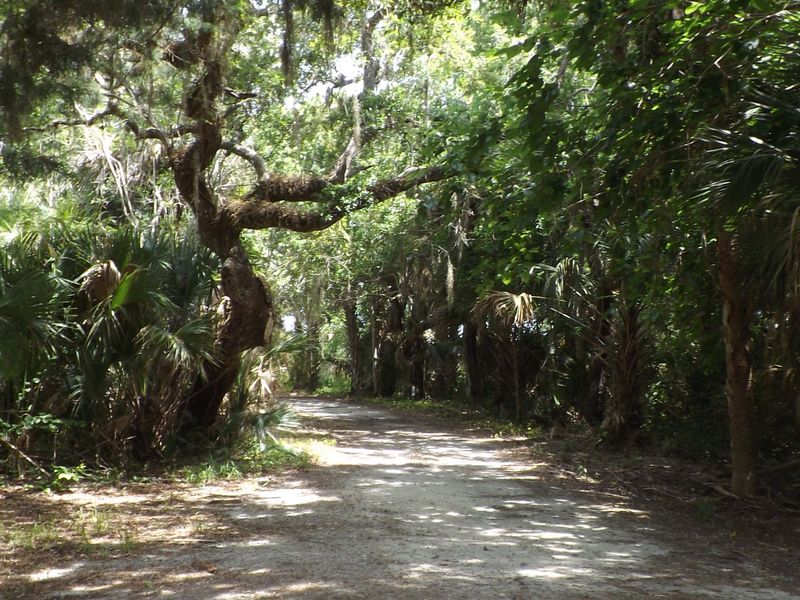
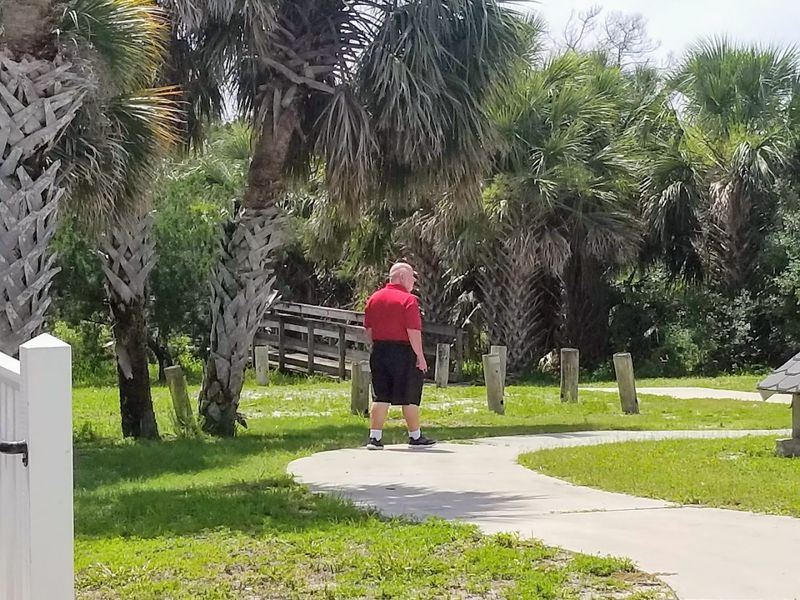
Modern visitors experience Eldora through trails that wind past foundation remnants and through the maritime hammock that swallowed the village. These paths, maintained by Canaveral National Seashore, follow routes that once connected homes, businesses, and community buildings. Walking them creates an odd sensation—you’re simultaneously hiking through wilderness and touring an invisible ghost town.
The Eldora Trail offers the most complete exploration, leading from the parking area to the Sams House and beyond. Interpretive signs provide context, explaining what stood where and who lived there. Without these markers, you’d walk right past most sites, the forest having erased nearly all visible evidence of human habitation.
Sharp-eyed hikers can spot clues the signs don’t mention. A depression might mark an old well. An unnaturally straight line of different vegetation could indicate a former fence row.
Non-native plants like ornamental palms or citrus trees reveal where yards once existed. These subtle traces reward patient observation.
The trails attract history enthusiasts, nature lovers, and those drawn to melancholy beauty. There’s something profound about walking streets that no longer exist, past homes that vanished decades ago. The experience prompts reflection on impermanence and nature’s patient reclamation of everything we build.
Eldora doesn’t shout its story—it whispers, and you have to listen carefully.
8. The Hurricane of 1926 That Delivered the Final Blow
Eldora had already been declining for decades when the 1926 hurricane roared ashore, but this massive storm essentially wrote the settlement’s obituary. The Category 4 monster slammed into southeast Florida, then tracked up the coast, battering everything in its path with sustained winds exceeding 130 mph and a catastrophic storm surge.
The few remaining buildings in Eldora couldn’t withstand such fury. Structures that had survived previous storms for fifty years simply disintegrated. The storm surge pushed seawater far inland, contaminating wells and depositing sand and debris across the landscape.
Boats disappeared, docks shattered, and any remaining infrastructure suffered damage beyond practical repair.
For the handful of families still calling Eldora home, the hurricane forced an unavoidable decision. Rebuilding in such an isolated location, especially with so few neighbors remaining, simply didn’t make sense. Within months, the last permanent residents departed, closing a chapter that had begun in the 1870s.
The 1926 hurricane devastated communities throughout Florida, but larger towns rebuilt. Eldora lacked the population and economic base for recovery. Sometimes a single event doesn’t cause abandonment but rather provides the final push when decline has already progressed too far.
The storm didn’t kill Eldora—the village was already dying—but it certainly hastened the end and ensured no resurrection would occur.