These 17 Florida Parks Are Made For Sunny June Adventures
June in Florida means endless sunshine, warm breezes, and the perfect excuse to explore the great outdoors. The Sunshine State offers incredible parks where you can swim in crystal-clear springs, walk along pristine beaches, or spot wildlife in their natural habitats.
Whether you want to snorkel with tropical fish, paddle through mangrove tunnels, or simply relax under swaying palm trees, these parks deliver unforgettable summer memories that will have you planning your next visit before you even leave.
1. Dry Tortugas National Park
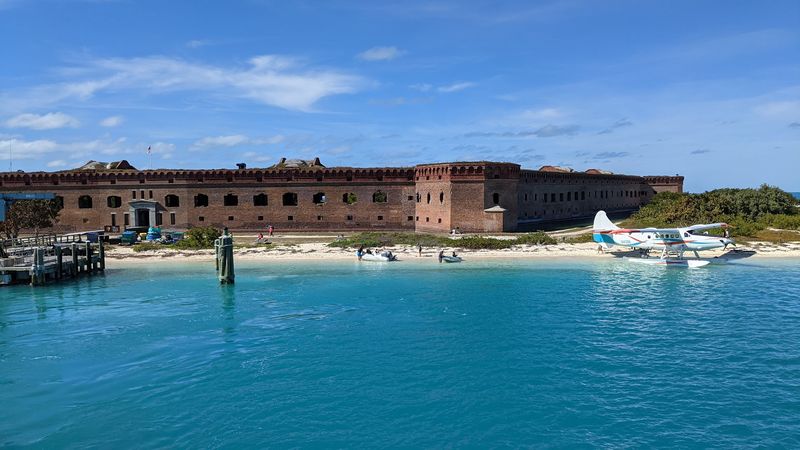
Standing on a 19th-century fortress surrounded by impossibly blue water, seventy miles from the nearest mainland. Fort Jefferson rises from the Gulf of Mexico like something from a pirate tale, offering history and adventure in equal measure.
Getting there requires a ferry ride or seaplane, making the journey part of the excitement.
Snorkeling around the fort reveals vibrant coral reefs teeming with tropical fish, sea turtles, and occasionally even sharks. The water stays wonderfully warm in June, perfect for extended underwater explorations.
Camping on Garden Key lets you experience starry nights without light pollution.
Bird watchers flock here during spring migration, but June offers calmer crowds while still providing excellent wildlife viewing. Pack plenty of water and sun protection, because shade is limited on these remote islands.
The experience feels like discovering your own private Caribbean paradise without leaving U.S. waters.
2. Everglades National Park
America’s largest subtropical wilderness sprawls across southern Florida, protecting an ecosystem found nowhere else on Earth. Sawgrass prairies stretch to the horizon while mangrove forests create intricate waterways perfect for kayaking adventures.
June brings afternoon thunderstorms that cool things down and create dramatic skies for photography.
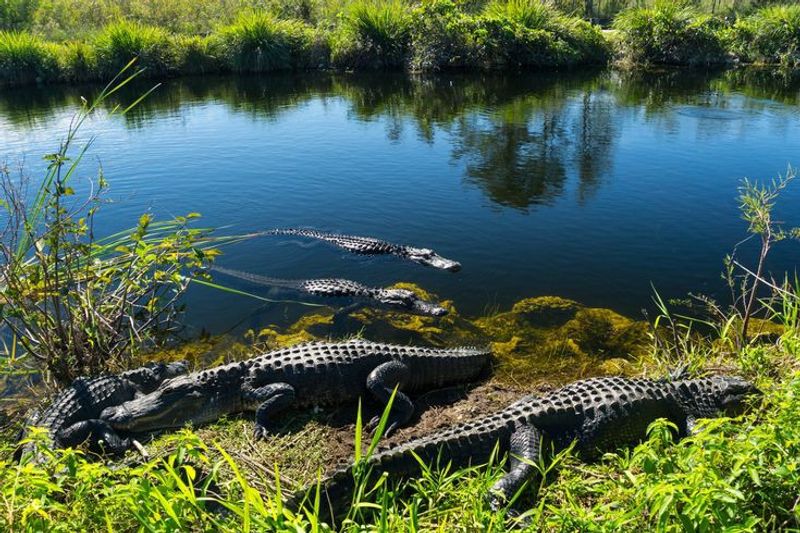
Anhinga Trail remains the easiest place to spot alligators, wading birds, and turtles from safe boardwalks. Early morning visits beat the heat and offer the best wildlife activity.
Rangers lead informative programs that teach you about this fragile environment and why protecting it matters.
Mosquitoes can be intense during summer months, so bring bug spray and lightweight long sleeves for evening explorations. The park’s vastness means you can always find quiet spots away from other visitors.
Sunset kayak tours through the mangroves provide magical moments watching pink spoonbills return to their roosts while dolphins play nearby.
3. Bahia Honda State Park
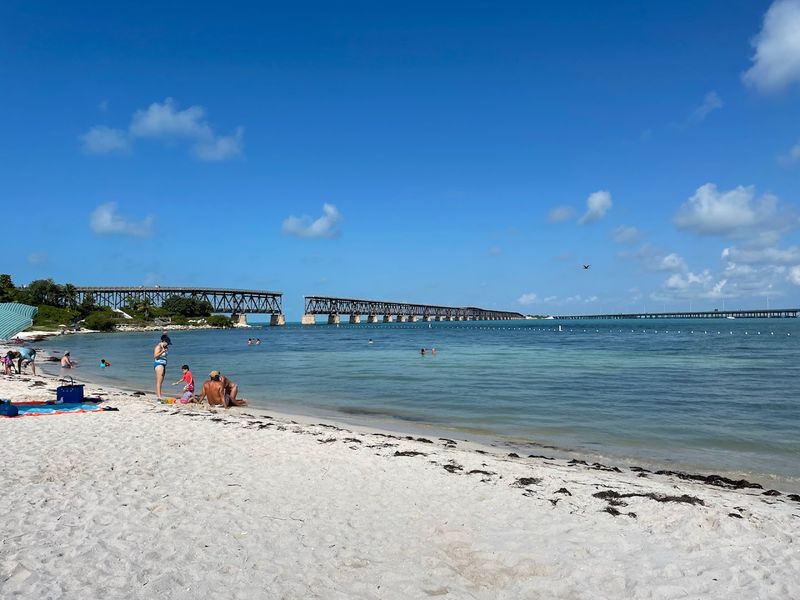
Consistently ranked among America’s best beaches, Bahia Honda delivers postcard-perfect tropical scenery in the heart of the Florida Keys. Sandspur Beach features powdery white sand that stays surprisingly cool underfoot even during midday heat.
The shallow, calm waters make this an ideal spot for families with young children or anyone new to ocean swimming.
The old railroad bridge offers fascinating history and doubles as a fishing pier where locals catch everything from snappers to barracudas. Snorkeling near the shore reveals colorful fish darting between sea grass beds.
Kayak rentals let you explore the mangrove-lined channels where herons hunt for breakfast.
Reserve campsites well in advance because this popular destination fills up quickly during summer vacation season. Nature trails wind through tropical hardwood hammocks where you might spot Key deer, Florida’s smallest deer species.
The park’s location between the Atlantic Ocean and Gulf of Mexico creates unique ecosystems worth exploring from every angle.
4. Ichetucknee Springs State Park
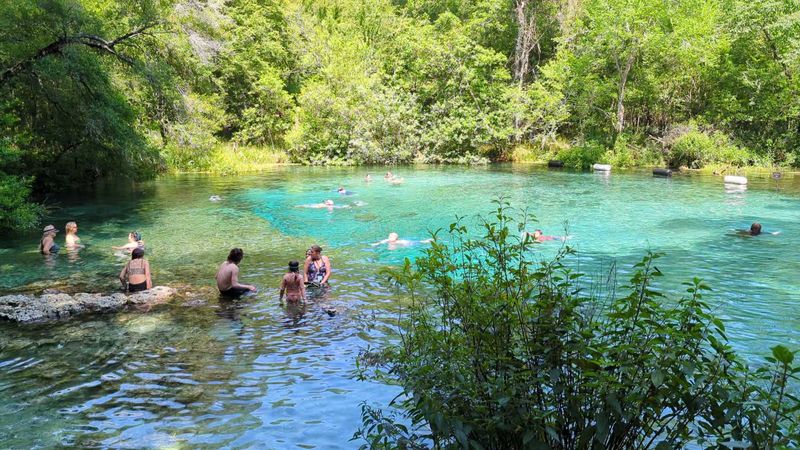
Tubing down the Ichetucknee River feels like floating through liquid glass while tropical fish swim beneath your feet. The spring-fed water maintains a constant 72 degrees year-round, offering refreshing relief from Florida’s summer heat.
Rent a tube at the park entrance or bring your own for this three-hour lazy river adventure through pristine wilderness.
Eight major springs feed this six-mile waterway, each one providing glimpses into Florida’s vast underground aquifer system. You’ll drift past cypress trees draped with Spanish moss, limestone outcroppings, and sandbars perfect for rest stops.
Wildlife sightings include river otters, turtles sunning themselves on logs, and occasionally even alligators basking on distant banks.
June weekdays offer the best experience with smaller crowds compared to weekends when locals pack the river. Arrive early because the park limits daily visitors to protect this delicate ecosystem.
Waterproof bags keep your snacks and phone dry during the journey downstream to the exit point.
5. Rainbow Springs State Park
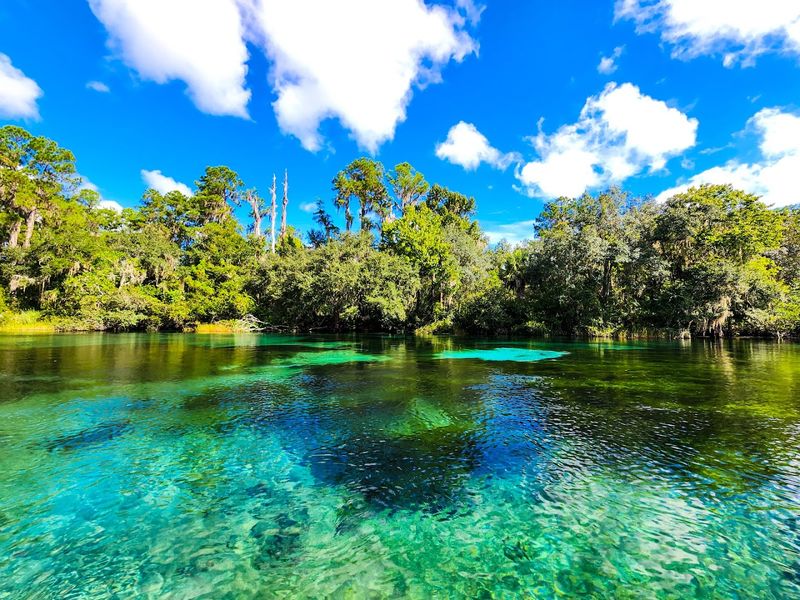
Fourth-magnitude springs pump out nearly 500 million gallons of water daily, creating a swimming hole so clear you can count fish from twenty feet away. Rainbow Springs earned its name from the way sunlight refracts through the incredibly pure water, casting colorful patterns on the white sandy bottom.
Swimmers of all ages enjoy the constant 72-degree temperature that feels amazing on hot June afternoons.
Kayaking or canoeing the four-mile downstream journey takes you through untouched Florida wilderness where wild azaleas and ferns line the banks. The gentle current makes this suitable even for beginners, though you’ll want to keep your eyes open for manatees that sometimes visit during warmer months.
Underwater enthusiasts can snorkel along designated areas to observe bass, bream, and various turtle species.
Historic gardens and waterfalls date back to the park’s days as a private attraction in the 1930s. Shaded picnic areas provide perfect lunch spots between swimming sessions.
The combination of natural beauty and developed amenities makes this a hassle-free adventure.
6. Wekiwa Springs State Park
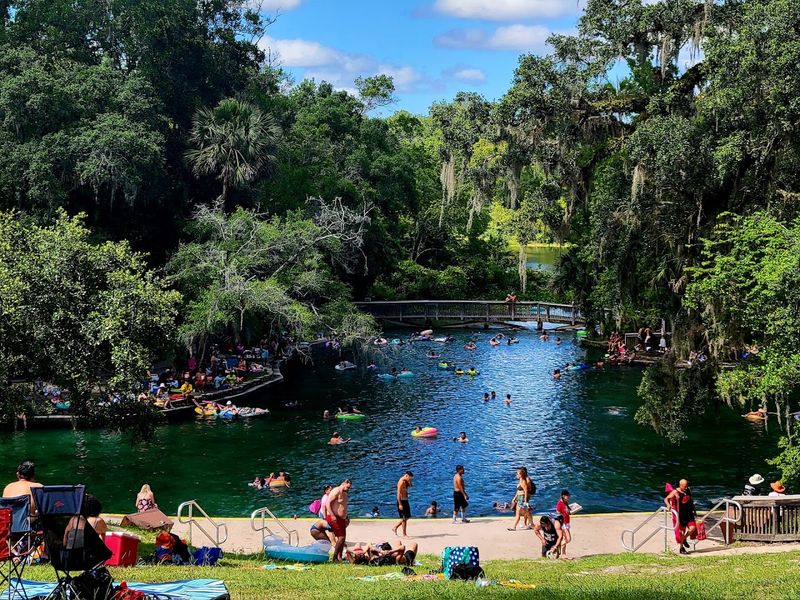
Just minutes from Orlando’s theme parks lies a completely different world where nature takes center stage. Wekiwa Springs bubbles up at 42 million gallons per day, creating a swimming area beloved by generations of Central Florida families.
The spring run connects to the Wekiva River, offering paddling opportunities through some of Florida’s most pristine wilderness.
Hiking trails wind through sand pine scrub and bottomland forests where black bears occasionally make appearances, though they typically avoid people. June mornings bring the best chances for wildlife viewing before afternoon heat sends most creatures into shaded hiding spots.
Mountain bike trails challenge riders with sandy terrain and rolling hills unusual for Florida’s typically flat landscape.
Full-facility camping puts you close enough to hear barred owls calling at night while still being accessible if you forget essential supplies. The spring maintains its refreshing temperature regardless of air temperature, making midday swims absolutely delightful.
Rangers offer programs about the area’s unique geology and the importance of protecting these irreplaceable springs.
7. Caladesi Island State Park
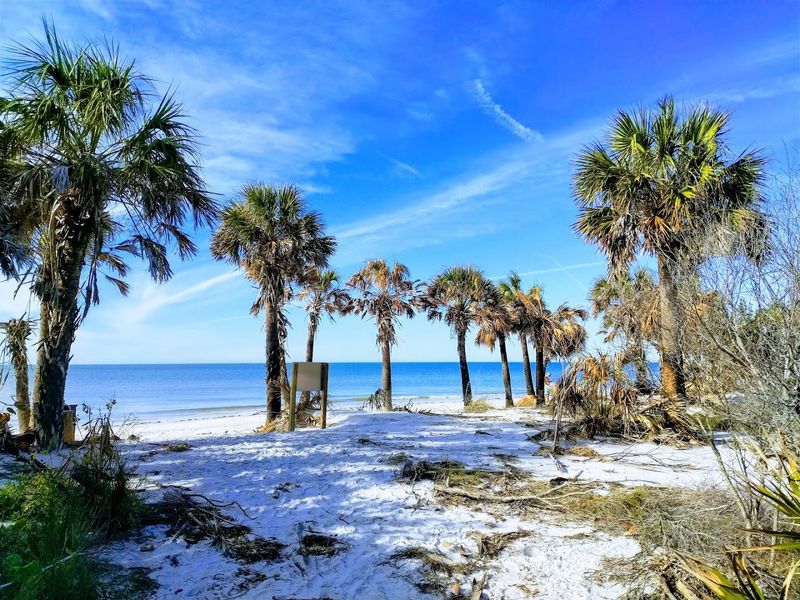
Accessible only by ferry or private boat, Caladesi Island remains remarkably unspoiled despite its proximity to the Tampa Bay area. This three-mile stretch of sugar-white sand regularly appears on lists of America’s top beaches, yet it never feels overcrowded thanks to limited ferry capacity.
June brings warmer Gulf waters perfect for swimming while afternoon breezes keep things comfortable.
A three-mile nature trail through the island’s interior reveals maritime hammock forests where gopher tortoises dig their burrows. Shore birds nest in protected areas during summer months, and you might spot dolphins playing just offshore.
Kayak trails wind through mangrove forests where baby fish grow up sheltered from larger predators.
The island’s cafe serves cold drinks and basic meals, though many visitors pack picnic lunches to enjoy at beachside pavilions. Shelling enthusiasts walk the tide line early morning hoping to find lightning whelks and sand dollars.
The ferry schedule limits your visit to a few hours, encouraging you to savor every moment of this island paradise.
8. Blue Spring State Park
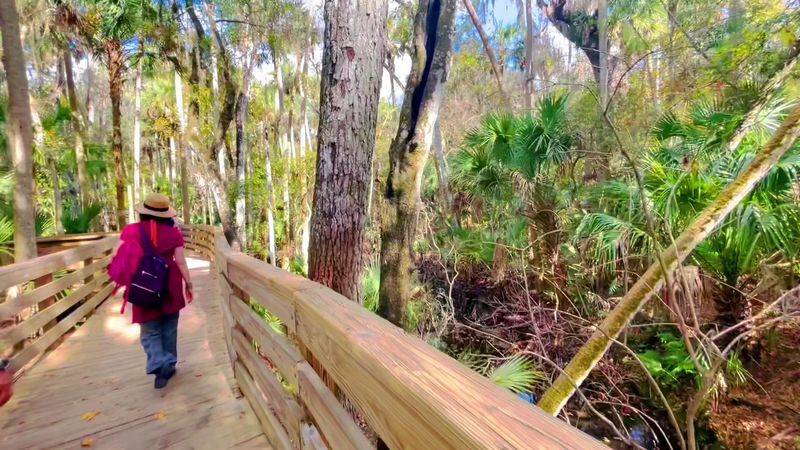
Winter’s most famous residents might have headed north by June, but Blue Spring still dazzles with its electric blue waters and excellent swimming. The spring produces 104 million gallons daily at a constant 72 degrees, creating a natural air-conditioning effect even during Florida’s steamiest summer days.
Without the winter manatee crowds, you’ll find more space to swim, snorkel, and explore.
The spring run flows a half-mile to the St. Johns River, offering fantastic paddling for all skill levels. Rent canoes or kayaks right at the park to explore cypress swamps where alligators sun themselves and herons fish along the banks.
Snorkeling in the spring requires a dive flag, but the underwater visibility makes the effort worthwhile.
Camping facilities range from primitive sites to full hookups for RVs, all nestled among ancient oaks. June’s longer daylight hours mean more time for activities before darkness falls.
The historic Thursby House tells stories of Florida’s early settlers and how they lived along these waterways a century ago.
9. Fort De Soto Park
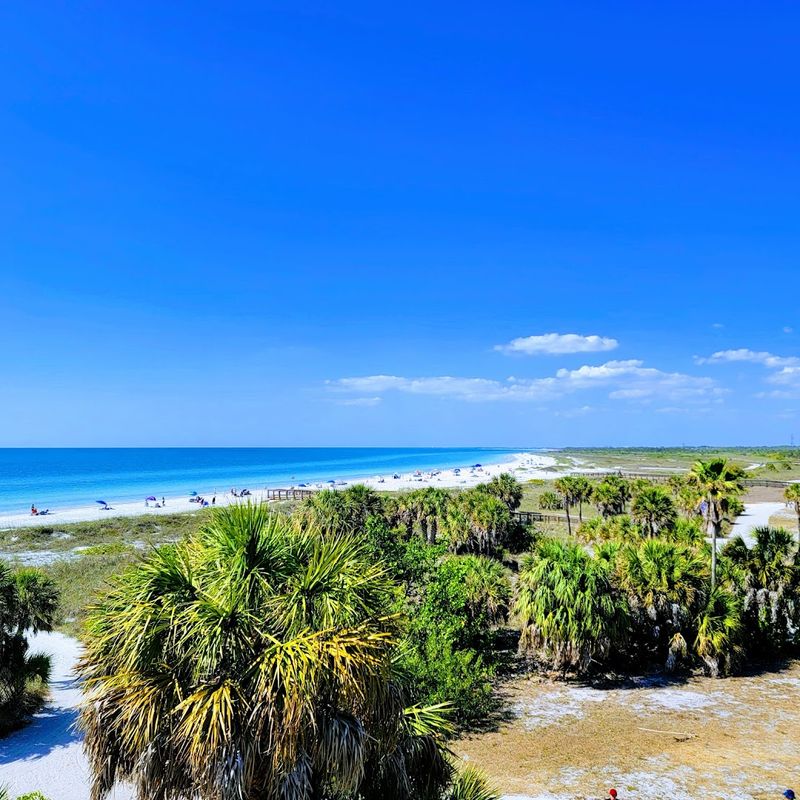
Five interconnected islands create a 1,136-acre playground where beaches, history, and nature combine into one exceptional destination. North Beach consistently earns top rankings for its soft white sand and gentle waves ideal for families.
The fort itself dates to 1898, offering a fascinating glimpse into military history while providing shade during the hottest parts of June afternoons.
Seven miles of paved trails attract cyclists, rollerbladers, and joggers who appreciate the scenic waterfront views. Fishing piers extend into both bay and Gulf waters, popular spots for catching snook, redfish, and tarpon.
Dog beaches let four-legged family members play in designated swimming areas.
Kayak launches provide easy access to mangrove islands where roseate spoonbills nest during summer months. The park’s size means you can always find quiet corners even on busy weekends.
Camping sites with electric hookups book months ahead, though day visits offer plenty of time to explore the beach, fort, and nature trails without feeling rushed.
10. Anastasia State Park
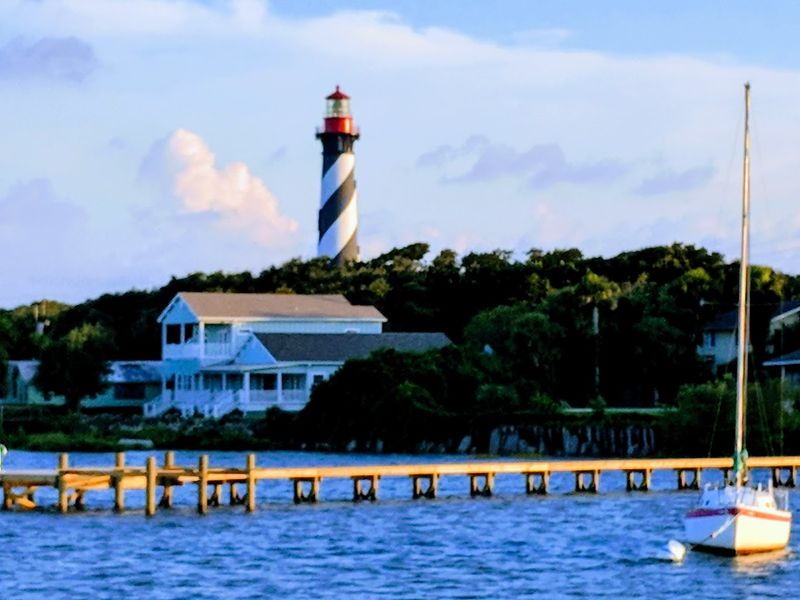
Ancient sand dunes rise 40 feet above the Atlantic shoreline, creating a landscape shaped by thousands of years of wind and waves. These towering dunes protect maritime forests inland while providing spectacular views for those willing to climb them.
Four miles of beach offer plenty of room to spread out, even during peak summer visitation.
Salt Run Lagoon creates a protected waterway perfect for paddleboarding, kayaking, and windsurfing when ocean conditions get too rough. The tidal lagoon attracts families with young children who appreciate the calmer, shallower waters compared to the Atlantic surf.
Ancient coquina rock formations dot the shoreline, remnants of compressed seashells that make fascinating tide pool habitats.
Camping under the oaks puts you steps from the beach and minutes from historic St. Augustine when you want to explore the nation’s oldest city. June brings sea turtle nesting season, and lucky early risers might spot tracks where mothers came ashore during the night.
Surf fishing yields pompano, whiting, and redfish for those with the proper license.
11. Honeymoon Island State Park
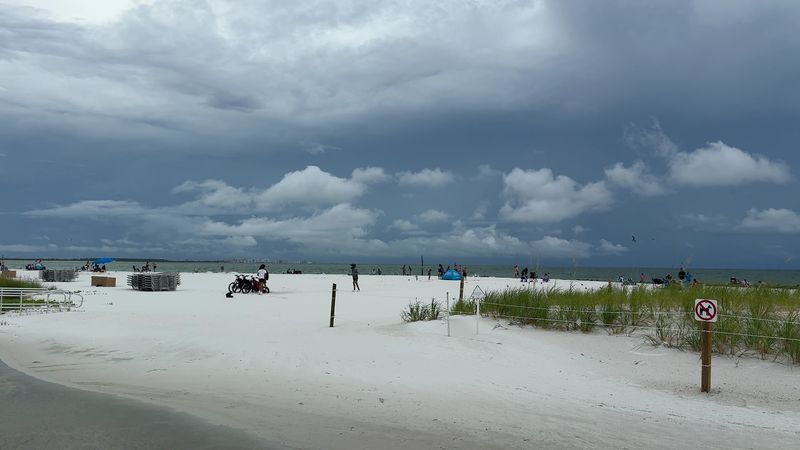
Once marketed as a honeymoon destination in the 1940s, these 385 acres now showcase what Florida beaches looked like before development changed the coastline. Four miles of sandy beaches curve along the Gulf of Mexico, backed by coastal hammocks where gopher tortoises waddle along sandy paths.
June’s warm waters invite extended swimming sessions while osprey fish offshore and pelicans patrol the waves.
A nature trail through the interior reveals how different plant communities adapt to salt spray, sandy soils, and harsh sun exposure. Guided walks led by park rangers explain these adaptations and point out resident wildlife including raccoons, armadillos, and numerous bird species.
Ferry service connects to nearby Caladesi Island for visitors wanting to explore both pristine barrier islands in one day.
Shelling along the northern end of the island yields finds that beachcombers treasure. The park’s location along a major bird migration route makes it popular with birdwatchers year-round.
Picnic pavilions overlook the Gulf, providing perfect spots for sunset watching after a full day of beach activities.
12. Jonathan Dickinson State Park
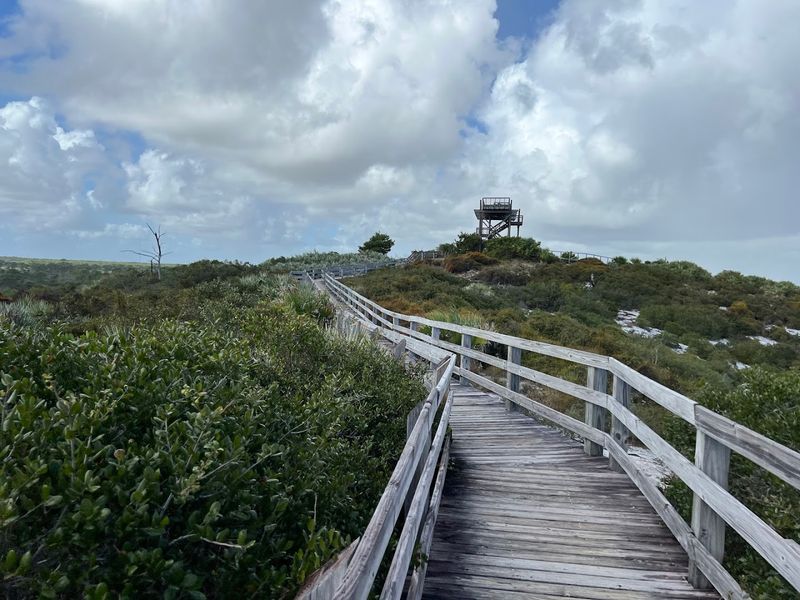
Named for a Quaker merchant whose 1696 shipwreck and survival story became legendary, this park protects 11,500 acres of incredibly diverse habitats. The Loxahatchee River, Florida’s first federally designated Wild and Scenic River, flows through the heart of the property offering world-class paddling.
River tours aboard a pontoon boat provide narrated journeys to Trapper Nelson’s historic homestead, nicknamed the “Wildman of the Loxahatchee.”
Hobe Mountain, an ancient sand dune rising 86 feet, provides the highest natural point in Southeast Florida and panoramic views worth the climb. Mountain biking and horseback riding trails wind through pine flatwoods and sand pine scrub communities found only in Florida.
June brings afternoon thunderstorms that temporarily cool things down and create dramatic cloud formations over the wilderness.
Full-facility camping and cozy cabins accommodate everyone from tent enthusiasts to those preferring more comfortable accommodations. Wildlife viewing opportunities include white-tailed deer, wild turkeys, and occasionally Florida black bears.
The park’s size and habitat diversity mean multiple visits reveal new discoveries each time.
13. Lovers Key State Park
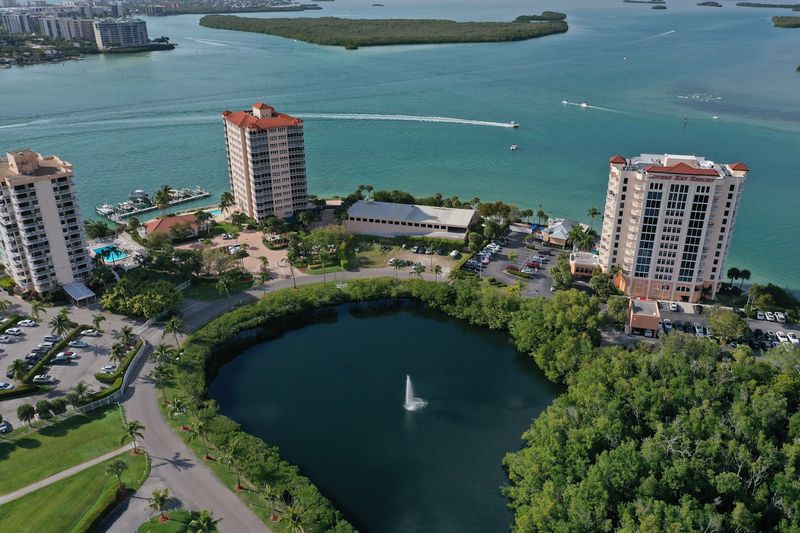
Legend says this barrier island earned its name because couples could only reach it by boat, creating a romantic hideaway perfect for private picnics. Today, boardwalks and trams make access easier while maintaining that secluded island atmosphere.
Two and a half miles of beach along both bay and Gulf sides offer variety depending on whether you want calm or surf conditions.
Paddling trails meander through mangrove estuaries where manatees graze on seagrass during warmer months. June brings excellent chances of spotting these gentle giants along with dolphins that hunt fish near the passes between islands.
Fishing from the beach or designated piers produces catches of snook, tarpon, and redfish.
Nature programs teach visitors about the unique barrier island ecosystem and how it protects the mainland from storm surge. The park’s location between Fort Myers Beach and Bonita Springs means easy access from either direction.
Shaded picnic areas provide relief from midday sun while maintaining those gorgeous water views that make this park special. Bird enthusiasts appreciate the mix of wading birds, shorebirds, and raptors visible throughout the year.
14. Cayo Costa State Park
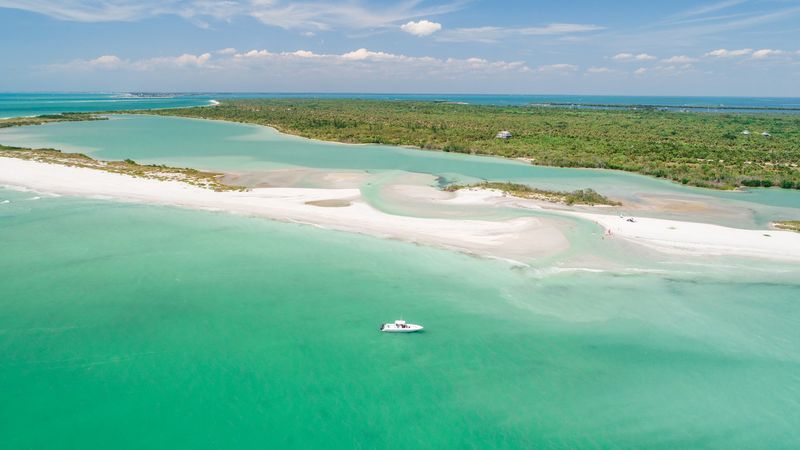
Feeling like a castaway never seemed so appealing as it does on this roadless barrier island accessible only by passenger ferry or private boat. Nine miles of undeveloped beaches stretch along the Gulf of Mexico, offering some of Florida’s best shelling and most authentic barrier island experiences.
Without cars or development, the island maintains an unspoiled character increasingly rare along Florida’s coastline.
Primitive cabins offer a comfortable camping alternative for those not wanting to sleep in tents during June’s warm, humid nights. The bay side features extensive seagrass beds where manatees feed and dolphins hunt, creating excellent wildlife viewing from kayaks.
Bike trails traverse the island’s interior through pine forests and palm hammocks where gopher tortoises leave distinctive tracks in sandy paths.
Pack everything you need because no stores exist on the island. That isolation creates peaceful experiences where wildlife vastly outnumbers people and night skies dazzle with stars invisible from the mainland.
Ferry schedules require planning your visit duration carefully, but that constraint encourages present-moment awareness of this special place.
15. Myakka River State Park
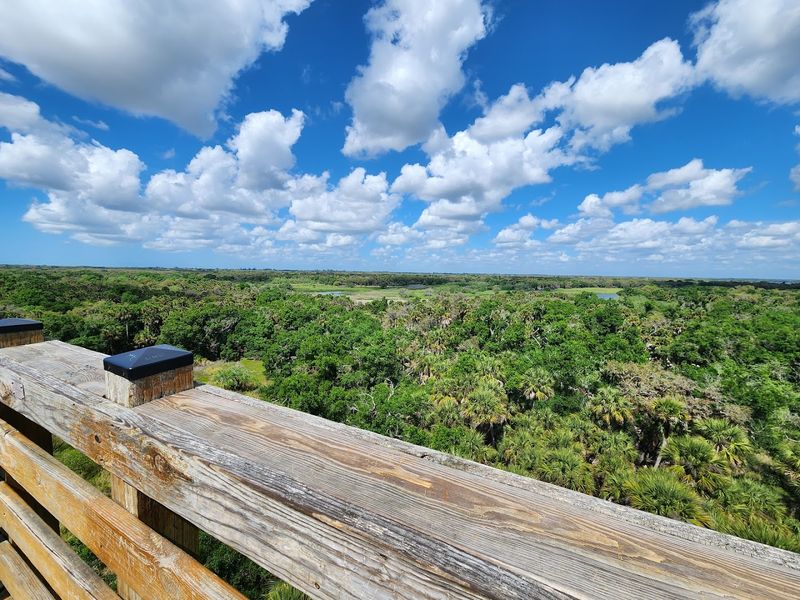
Florida’s first state park and one of its largest at 58 square miles, Myakka preserves diverse wetland and prairie ecosystems. Airboat tours skim across Upper Myakka Lake while guides point out alligators, wading birds, and sometimes even wild pigs roaming the distant shoreline.
June’s lush greenery creates a different experience than winter’s brown grasses, though wildlife viewing remains excellent year-round.
The canopy walkway suspends visitors 25 feet above ground, providing bird’s-eye views into a live oak and palm hammock ecosystem. Climbing the 74-foot tower takes you even higher for sweeping prairie vistas impossible to see from ground level.
These unique perspectives reveal how different the same landscape appears from various heights.
Thirteen miles of scenic drives wind past prairies, wetlands, and forests with numerous pulloffs for photography and wildlife observation. Hiking and biking trails range from easy nature walks to challenging backcountry routes.
Camping under ancient oaks creates memorable evenings listening to chuck-will’s-widows call while fireflies blink their mysterious signals through the darkness. The river’s dark, tannin-stained waters support healthy fish populations attracting serious anglers.
16. Grayton Beach State Park
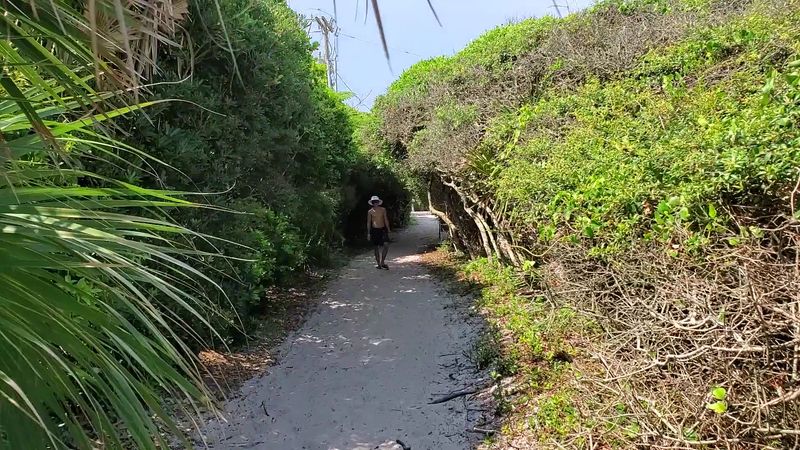
Nestled along the Florida Panhandle’s famous Emerald Coast, Grayton Beach features sugar-white quartz sand that squeaks underfoot and waters displaying remarkable shades of green and blue. The beach here consistently ranks among America’s finest, though it maintains a laid-back atmosphere compared to busier Panhandle destinations.
Coastal dune lakes, rare geological features found in only a few places worldwide, create unique ecosystems just behind the dunes.
Western Lake, the largest of these coastal dune lakes, offers brackish-water paddling through a completely different environment than the Gulf. Occasionally the lake breaches through to the ocean, temporarily connecting fresh and salt water systems.
Nature trails explore scrub oak forests and wetlands supporting diverse plant communities adapted to harsh coastal conditions.
Camping facilities include cabins for those wanting amenities beyond tent camping. The adjacent community of Grayton Beach provides restaurants and shops within walking distance, though many visitors prefer packing picnics to maximize beach time.
June’s longer days allow sunrise walks and sunset swims on the same visit, bookending your day with golden light reflecting off those incredible emerald waters.
17. Falling Waters State Park
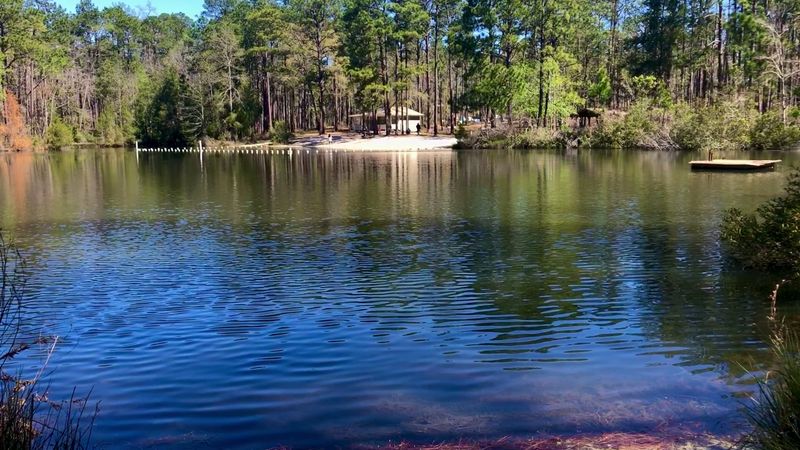
Florida’s tallest waterfall plunges 73 feet into a cylindrical sinkhole, creating the state’s most dramatic geological feature. The waterfall varies in volume depending on recent rainfall, with June typically providing good flow following spring rains.
This park proves Florida offers more topographical variety than many people realize, especially across the rolling hills of the Panhandle.
Boardwalks and observation platforms let visitors safely view the waterfall and sinkhole from multiple angles. Geologists find this site fascinating because the sinkhole’s bottom remains unexplored, though it connects to an underground cave system.
Nature trails wind through hardwood forests quite different from South Florida’s tropical vegetation.
A swimming lake with sandy beach provides cooling relief during hot June afternoons, complete with changing facilities and picnic areas. The butterfly garden attracts numerous species during summer months, creating colorful displays throughout the park grounds.
Camping here feels more like staying in the Appalachian foothills than typical Florida environments. The park’s small size means you can thoroughly explore everything in a single day visit, though the peaceful atmosphere might convince you to extend your stay overnight.