This Stunning Trail in Florida’s Greater Everglades Was Just Called One of the Most Beautiful Hikes in America
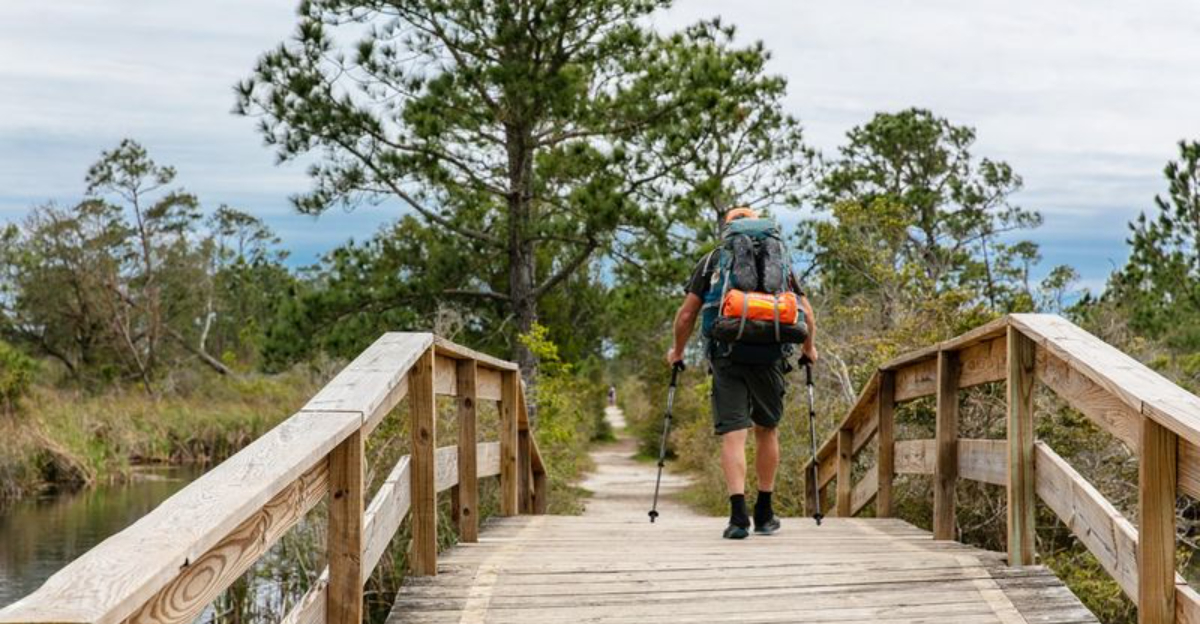
Florida just earned major bragging rights in the hiking world. The Florida Trail, stretching through some of the state’s wildest terrain including the Greater Everglades, recently landed on a prestigious list of America’s most beautiful hikes. This isn’t your typical sandy beach stroll—we’re talking about a serious backcountry adventure that showcases a side of Florida most people never see, from cypress swamps to pine forests and prairies teeming with wildlife.
1. A Trail That Spans the Entire State
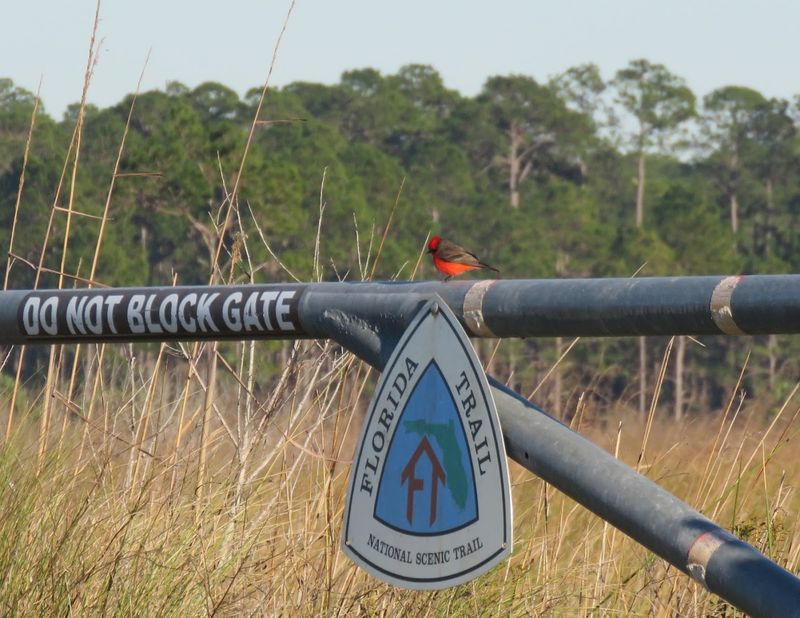
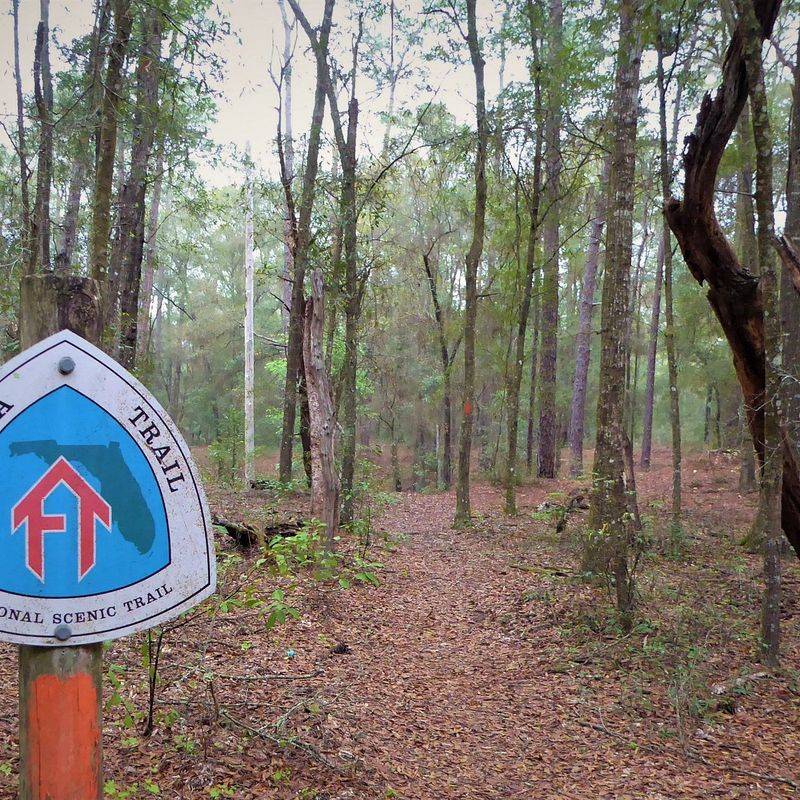
Stretching over 1,300 miles from the Gulf Islands National Seashore in the Panhandle all the way down to Big Cypress National Preserve, the Florida Trail is one of only eleven National Scenic Trails in the entire country. That puts it in the same league as famous routes like the Appalachian Trail and Pacific Crest Trail. Most folks don’t realize Florida even has a trail this epic.
The route cuts through 67 public land areas, giving hikers an incredible variety of ecosystems to explore. You’ll walk through longleaf pine forests that feel like stepping back in time, wade through cypress swamps where alligators sunbathe, and cross open prairies where the horizon stretches endlessly. Each section feels completely different from the last.
What makes this trail special is how it reveals Florida’s true character beyond the theme parks and beaches. The Florida Trail Association, based in Gainesville, works tirelessly to maintain and protect this pathway. Their volunteers spend countless hours clearing brush, marking routes, and ensuring hikers can safely experience these wild places.
You don’t need to tackle all 1,300 miles to appreciate what this trail offers. Many sections work perfectly for day hikes or weekend camping trips, making Florida’s wilderness accessible whether you’re a seasoned backpacker or just getting started with outdoor adventures.
2. The Greater Everglades Section Steals the Show
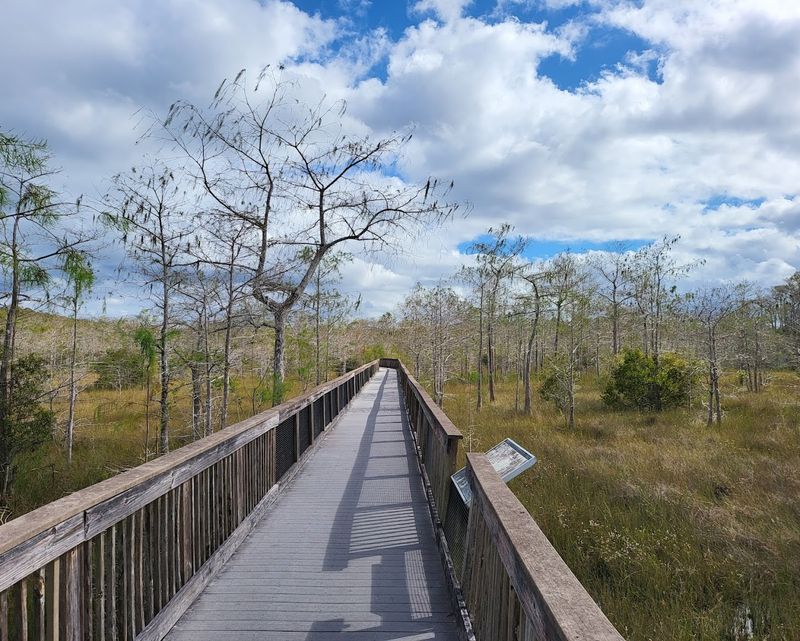
When people picture the Everglades, they usually imagine airboat tours and roadside gator shows. The Florida Trail through the Greater Everglades ecosystem tells a completely different story. This section takes you deep into one of the planet’s most unique wetland systems, where the landscape shifts from hardwood hammocks to endless sawgrass prairies.
Big Cypress National Preserve hosts some of the trail’s most memorable stretches. During dry season, you’ll walk on spongy limestone bedrock surrounded by dwarf cypress trees. Come wet season, and you might find yourself wading knee-deep through crystal-clear water for miles—it’s challenging but unforgettable.
Wildlife encounters here are practically guaranteed. White-tailed deer bound through the palmetto scrub, wading birds stalk fish in shallow pools, and yes, alligators lounge along the trail edges. Keep your distance and respect their space, and you’ll witness Florida’s wild residents living exactly as they have for thousands of years.
The solitude in this section is profound. You can hike for hours without seeing another soul, just the wind rustling through sawgrass and the calls of distant birds. It’s the kind of wilderness experience most people assume disappeared from Florida decades ago, yet here it thrives, protected and accessible to anyone willing to lace up their boots and venture off the beaten path.
3. Best Hiking Seasons Make All the Difference
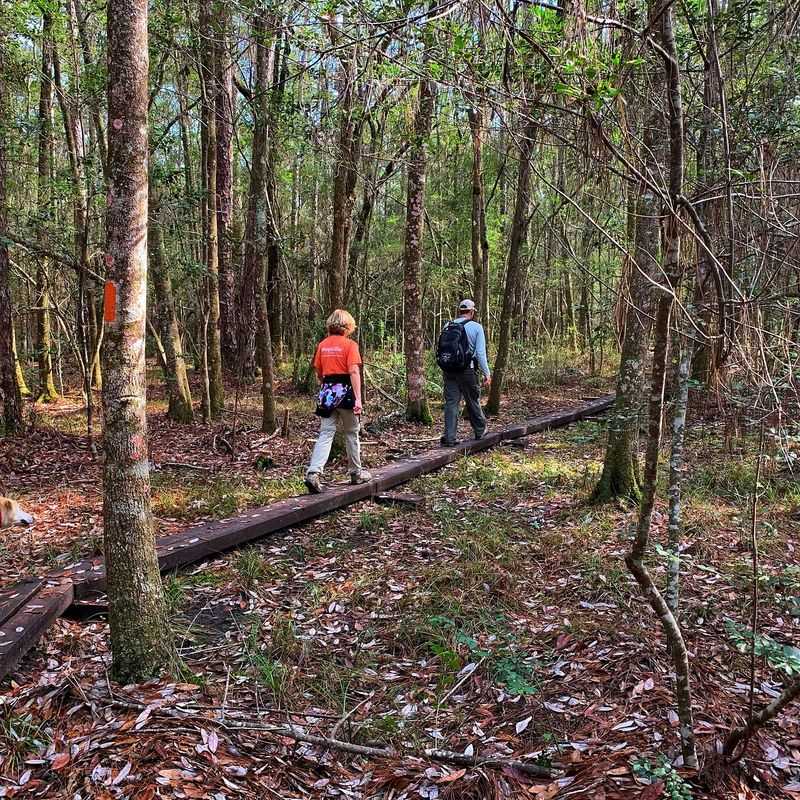
Timing your Florida Trail adventure correctly transforms the experience from miserable to magical. Winter and early spring—roughly November through March—offer ideal conditions. Temperatures hover in the comfortable 60s and 70s, humidity drops to bearable levels, and most importantly, the bugs take a break.
Summer hiking in Florida isn’t impossible, but it requires serious commitment and tolerance for sweat.
Dry season also means the trail stays mostly above water. Sections that become waist-deep swamps in summer turn into pleasant walks through damp forests. You’ll still encounter wet areas, especially in the Everglades sections, but nothing compared to the swimming expeditions required during rainy season.
Weather patterns here don’t follow typical seasonal rules. A cold front can sweep through in January, dropping temperatures into the 40s overnight, so layering remains essential. Afternoon thunderstorms pop up even during dry months, appearing seemingly from nowhere and drenching everything in minutes before moving on.
Wildlife viewing peaks during winter months when animals congregate around limited water sources. Birds migrate south, filling the skies and trees with species you won’t see during summer. Alligators become more visible as they bask in sunny spots to regulate their body temperature.
Pack your camera because the photo opportunities during dry season absolutely deliver on Florida’s wild reputation.
4. Trail Towns Provide Essential Support
Long-distance hikers quickly learn that trail towns make or break a thru-hike experience. The Florida Trail passes through several communities where locals have embraced their role as trail angels. Lake City, White Springs, and Paisley stand out as hiker-friendly stops where you can resupply, grab a hot meal, and maybe even score a shower and real bed.
These aren’t tourist traps—they’re genuine small Florida towns where people know their neighbors and wave at strangers. Local businesses often go out of their way to help hikers, holding packages, offering shuttle services, or simply providing advice about upcoming trail sections. The hospitality feels authentically Southern in the best possible way.
Planning resupply points requires more strategy on the Florida Trail than on more popular routes. Towns don’t appear conveniently every few days, so you’ll need to carry more food between stops or arrange mail drops ahead of time. The Florida Trail Association provides detailed guides about services available in each trail town.
Some hikers actually cite these trail town interactions as highlights of their journey. Sharing stories with locals over breakfast at a small-town diner, learning about Florida history from people whose families have lived here for generations, experiencing a slower pace of life—these moments add richness to the hiking experience that goes beyond just racking up miles and checking off scenic viewpoints.
5. Water Management Requires Constant Attention
Staying hydrated on the Florida Trail presents unique challenges compared to trails out West. Water sources are everywhere—creeks, ponds, lakes, springs—but not all of them are safe to drink even after filtering. Tannin-stained water from cypress swamps looks like strong tea and tastes earthy.
Agricultural runoff affects some areas, making treatment absolutely essential.
Carry a reliable filtration system plus backup purification tablets. Many hikers use a two-step process: filtering to remove particles and parasites, then treating chemically to kill viruses. Florida’s warm, humid environment creates perfect conditions for waterborne nasties that can ruin your trip fast.
Natural springs scattered along the trail provide the best water sources. Crystal-clear and cool, these geological gifts bubble up from underground aquifers at a constant 72 degrees year-round. Juniper Springs, Alexander Springs, and dozens of smaller seeps offer opportunities to fill bottles with delicious, clean water that barely needs treatment.
During dry season, some water sources shrink or disappear entirely. Check recent trail reports before heading out, and don’t assume that pond marked on your map still holds water. Carrying extra capacity between reliable sources makes sense, even though water weighs over two pounds per liter.
Dehydration in Florida’s heat isn’t just uncomfortable—it’s genuinely dangerous and can escalate quickly into a serious medical situation.
6. Florida Trail Association Keeps Everything Running
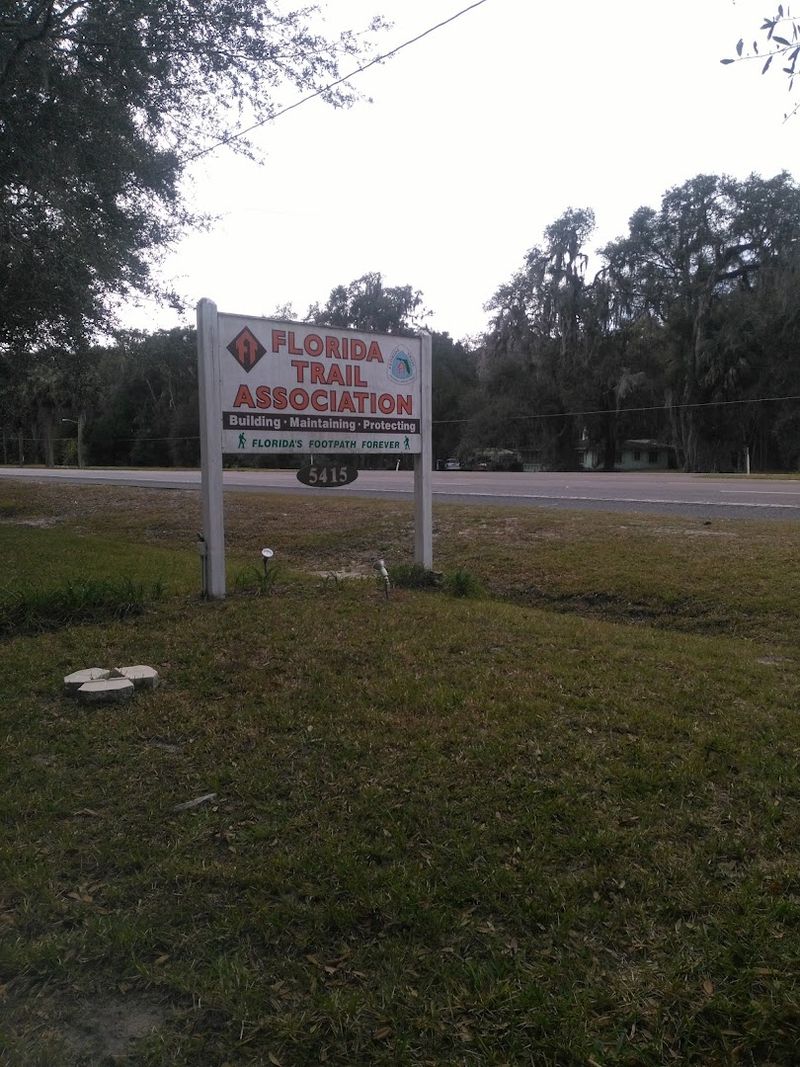
Behind every well-maintained trail mile stands an army of dedicated volunteers, and the Florida Trail Association coordinates this massive effort. Founded in 1966, this nonprofit organization has spent decades building, maintaining, and protecting Florida’s premier long-distance hiking route. Without their work, the trail simply wouldn’t exist in its current form.
Membership comes with serious perks beyond supporting a good cause. You’ll get access to detailed maps, guidebooks, and insider information about trail conditions. The association organizes group hikes, work trips, and social events where you can meet fellow outdoor enthusiasts.
Their Gainesville headquarters, rated 4.8 stars, serves as an excellent resource for planning your adventure.
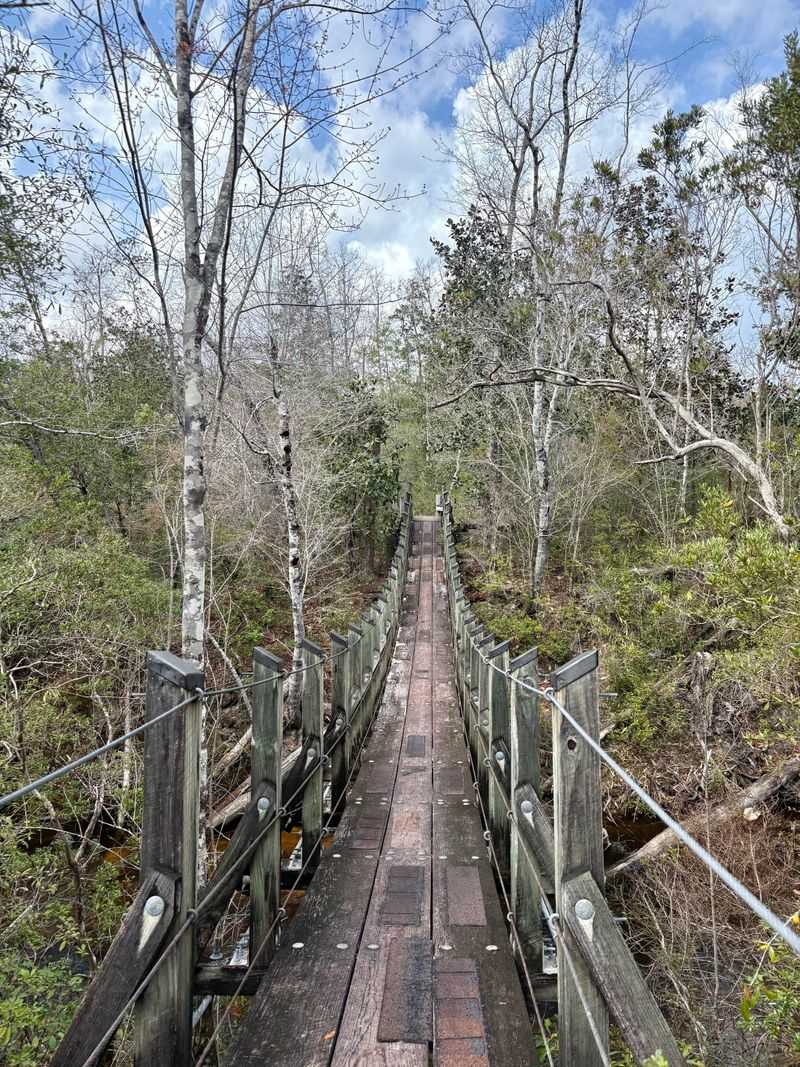
Volunteers contribute thousands of hours yearly clearing fallen trees, repainting blazes, building boardwalks over wet areas, and rerouting sections to avoid environmental damage. These aren’t paid professionals—they’re regular folks who love the trail and want to share it with others. Many have hiked the entire route themselves and bring valuable firsthand knowledge to their maintenance work.
The association also advocates for trail protection when development threatens to fragment the route. Their efforts have secured permanent corridors through critical areas, ensuring future generations can experience the same wilderness. Joining or donating directly supports keeping the Florida Trail accessible, safe, and beautiful for everyone who wants to explore Florida’s wild side on foot.
7. Wildlife Encounters Happen Daily
Forget the zoo—the Florida Trail delivers wildlife watching that feels like a nature documentary happening right in front of you. Black bears roam the Ocala National Forest sections, often spotted ambling across the trail or investigating campsites for food. They’re generally shy, but proper food storage isn’t optional here, it’s essential for everyone’s safety.
Alligators rank as the most iconic Florida Trail residents. You’ll see them basking on logs, swimming through wetlands, or leaving distinctive tracks in muddy sections. Despite their fearsome reputation, they typically want nothing to do with hikers.
Give them plenty of space, never approach them, and definitely don’t camp right next to water where they feed.
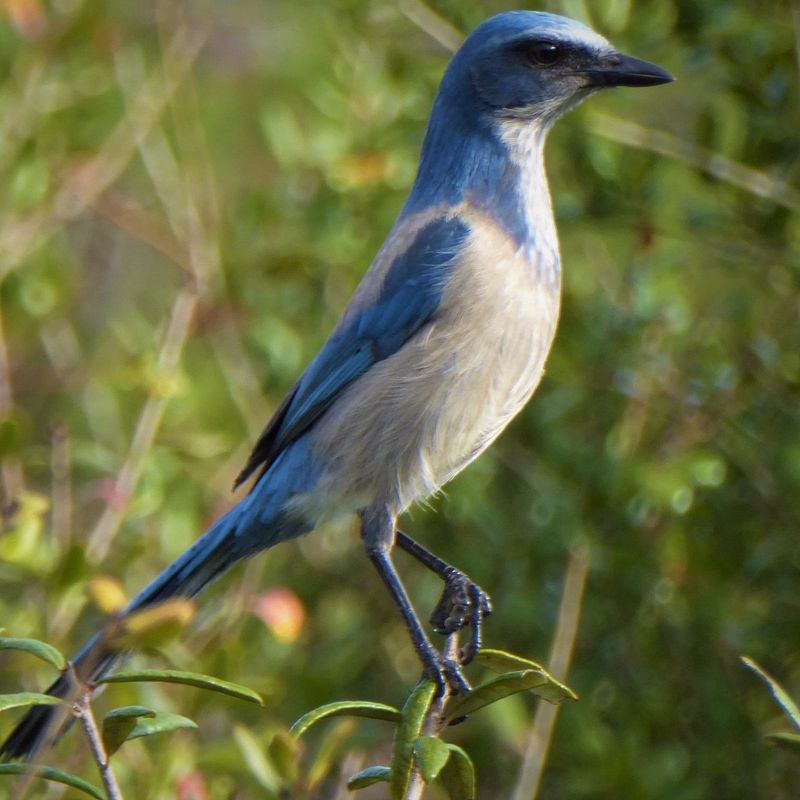
Bird diversity along the trail is absolutely spectacular. Sandhill cranes perform their elaborate courtship dances in open prairies. Woodpeckers hammer away at dead trees searching for insects.
Roseate spoonbills wade through shallow water, their pink plumage looking almost artificial against green vegetation. Bring binoculars because the birding opportunities rival anywhere in North America.
Smaller creatures add constant entertainment. Gopher tortoises dig their burrows along sandy sections, armadillos rustle through leaf litter, and river otters play in creeks. Even the insects impress—giant swallowtail butterflies drift past, and if you’re lucky, you might spot the iridescent blue of a pipevine swallowtail catching sunlight perfectly.
8. Thru-Hiking Presents a Serious Challenge
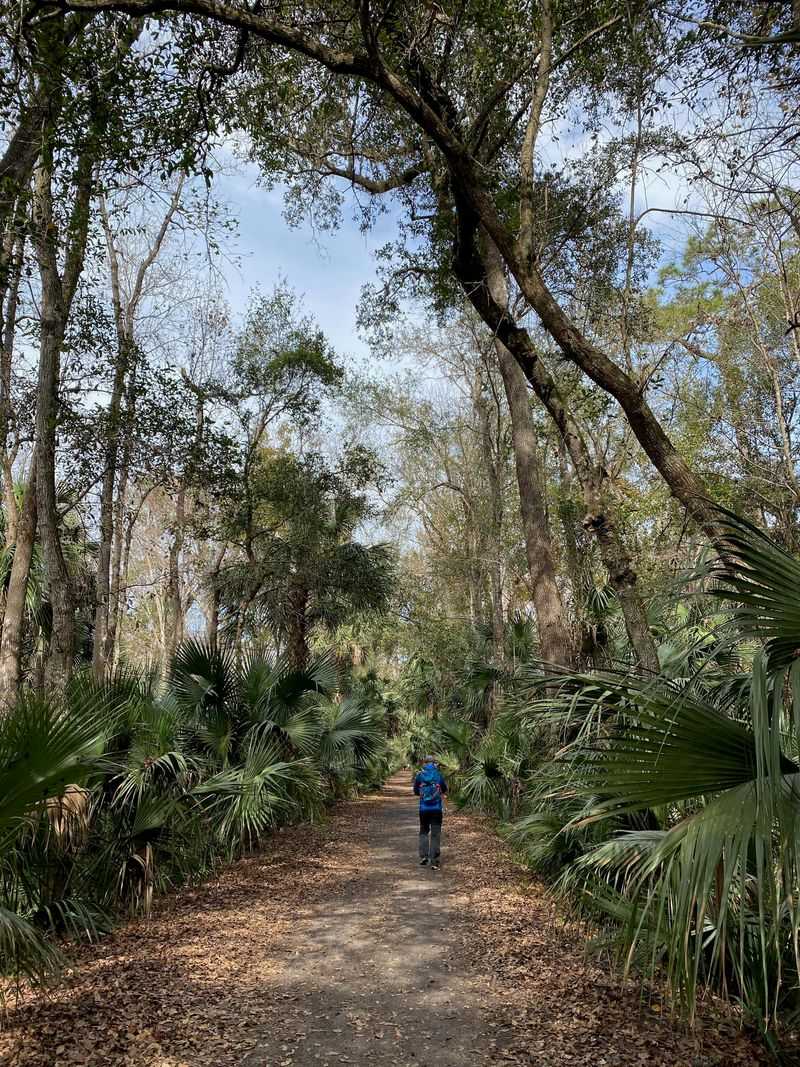
Completing the entire Florida Trail in one continuous journey puts you in an exclusive club. Only a few hundred people have thru-hiked the full route, compared to thousands who finish the Appalachian Trail annually. The challenges here are different—less about mountain climbs and more about water management, navigation through confusing wetlands, and mental toughness when the scenery stays flat for days.
Most thru-hikers start in January, giving themselves two to three months to complete the route before heat and bugs become unbearable. Heading northbound from Big Cypress is traditional, saving the Panhandle’s prettier sections for the end. Daily mileage averages lower than on other long trails because wet sections, road walks, and navigation challenges slow your pace considerably.
The social experience differs dramatically from more popular trails. You might go weeks without seeing another thru-hiker, making this a genuinely solitary journey. Some people love the introspection and self-reliance required.
Others find the isolation mentally challenging, especially when combined with physical difficulties and Florida’s sometimes monotonous terrain.
Finishing earns you serious outdoor credibility and a deep appreciation for Florida’s ecological diversity. You’ll have stories about wading through swamps, camping under ancient oaks, watching the sunrise over prairies, and discovering a Florida that exists far beyond the tourist brochures and theme park advertisements that most visitors experience.