One Tank of Gas Is All You Need for These 10 Epic Florida Adventures
Florida is made for road trips. With so many unique natural areas, historic towns, and hidden gems packed into one state, you can plan an unforgettable adventure without ever worrying about your fuel gauge. Whether you’re craving crystal-clear springs, wild coastlines, or a journey back in time, these 10 epic Florida destinations are all within a single tank of gas from most major cities—and each one offers something you won’t find anywhere else.
1. Paddle Through Crystal-Clear Water at Weeki Wachee Springs (Spring Hill)
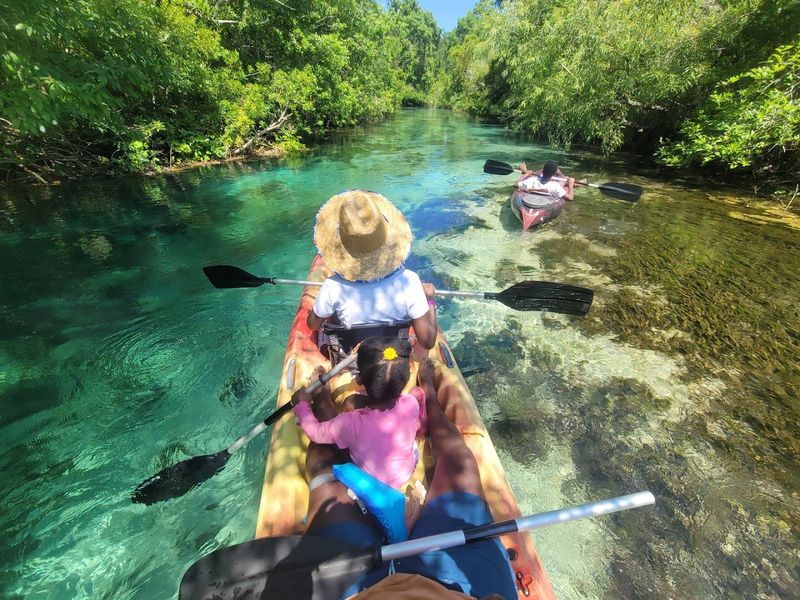
Some places in Florida feel like they’ve been plucked straight out of a postcard from the 1950s. Weeki Wachee Springs is one of them. This roadside gem combines natural beauty with quirky vintage charm, making it a standout stop for families, couples, or anyone who loves Old Florida vibes.
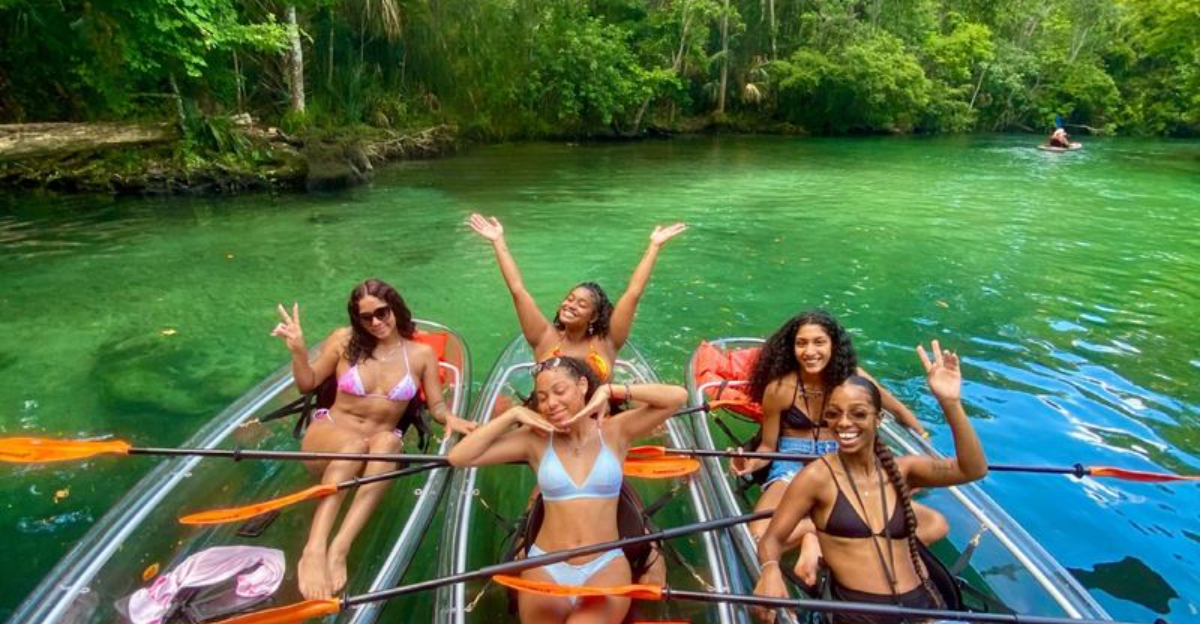
The spring-fed river here is impossibly clear, and paddling through it feels more like floating over liquid glass than water. You can rent a kayak or canoe and glide past cypress trees, turtles, and fish that seem to hover in mid-air. It’s peaceful, scenic, and just the right level of adventure for a laid-back day.
But the real magic happens inside the park’s underwater theater. The famous mermaid show has been running since 1947, and yes, it’s still as mesmerizing as ever. Performers in glittering tails dive, twirl, and breathe from hidden air hoses while an audience watches through giant glass windows.
Beyond the mermaids and paddling, there’s also a lazy river-style tube float called Buccaneer Bay and plenty of shaded picnic spots. It’s the kind of place where you can spend half the day and leave feeling like you’ve experienced something totally unique. Weeki Wachee isn’t just a spring—it’s a full-on Florida experience wrapped in nostalgia and natural wonder.
2. Tube the Rainbow River at Rainbow Springs State Park (Dunnellon)
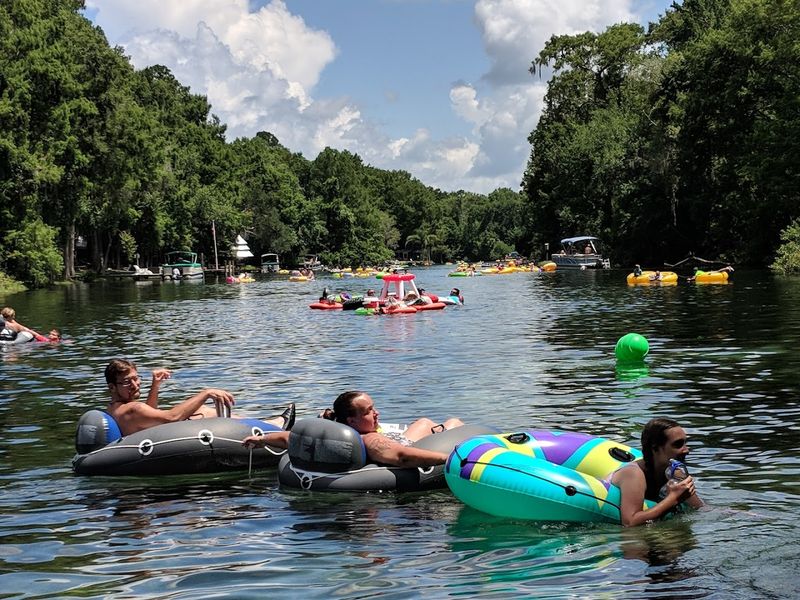
Rainbow Springs is the kind of place that makes you forget you’re still in Florida. The water is so clear you can count the pebbles on the bottom, and the temperature stays a refreshing 72 degrees year-round. It’s a paradise for tubers, kayakers, and anyone who just wants to float and soak up the scenery.
Most visitors come for the tubing. You can rent a tube from nearby outfitters and spend a few hours drifting down the river, past towering cypress trees and banks lined with wildflowers. The current is gentle, the vibe is relaxed, and the whole experience feels like a mini-vacation in itself.
If you’re not into tubing, the state park has plenty of other draws. There are walking trails that wind through lush hammocks, a beautiful waterfall area, and gardens that show off the park’s history as a former tourist attraction from the 1930s. It’s a great spot for photography, picnics, or just wandering around.
Rainbow Springs also attracts snorkelers and divers who want to explore the spring’s underwater caves and observe fish in their natural habitat. The clarity of the water makes it easy to see everything below the surface. Whether you’re floating, hiking, or snorkeling, this park delivers a full day of low-key adventure without any of the theme park crowds.
3. Snorkel Inside a Prehistoric Spring at Devil’s Den (Williston)
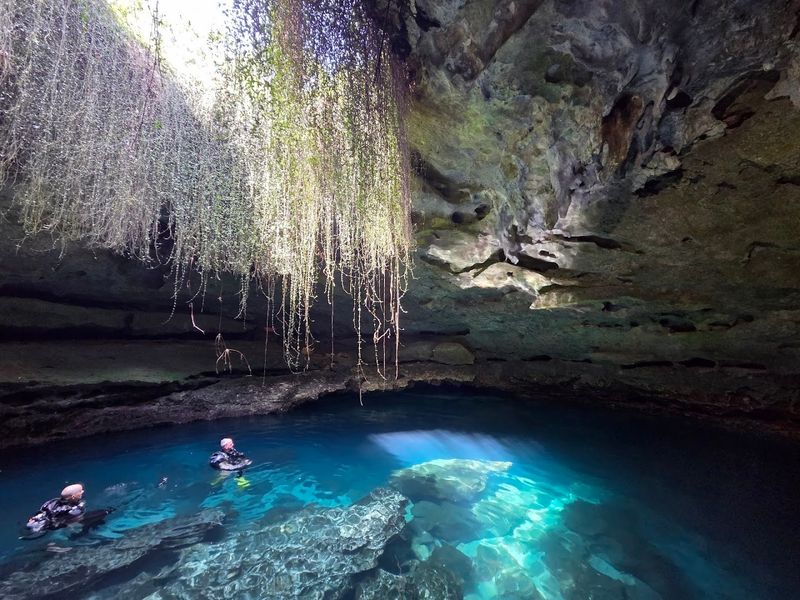
Most Florida springs are wide open to the sky. Devil’s Den is not. This underground spring sits inside a dry cave, accessed through a wooden staircase that leads you down into another world.
The atmosphere is cool, dim, and almost mystical—like something out of an adventure movie.
The water itself is stunning. It’s a constant 72 degrees and so clear that visibility often reaches 100 feet. Snorkelers and divers can explore ancient rock formations, swim through beams of sunlight that pierce the cave opening above, and feel like they’ve stepped back in time.
The whole setting has a prehistoric energy that’s hard to describe until you’re actually there.
Devil’s Den is privately owned, so there’s an admission fee, but it’s worth it for the experience. The site is well-maintained, and the staff are knowledgeable about the cave’s geology and history. You don’t need to be a certified diver to enjoy it—snorkeling is just as rewarding.
Because it’s indoors, Devil’s Den is a great option even on rainy or scorching hot days. The temperature inside the cave stays comfortable no matter what’s happening outside. It’s also a popular spot for underwater photography, thanks to the dramatic lighting and crystal-clear conditions.
If you’re looking for a Florida adventure that’s truly one-of-a-kind, this is it.
4. Watch for Wild Horses and Bison at Paynes Prairie Preserve State Park (Micanopy)
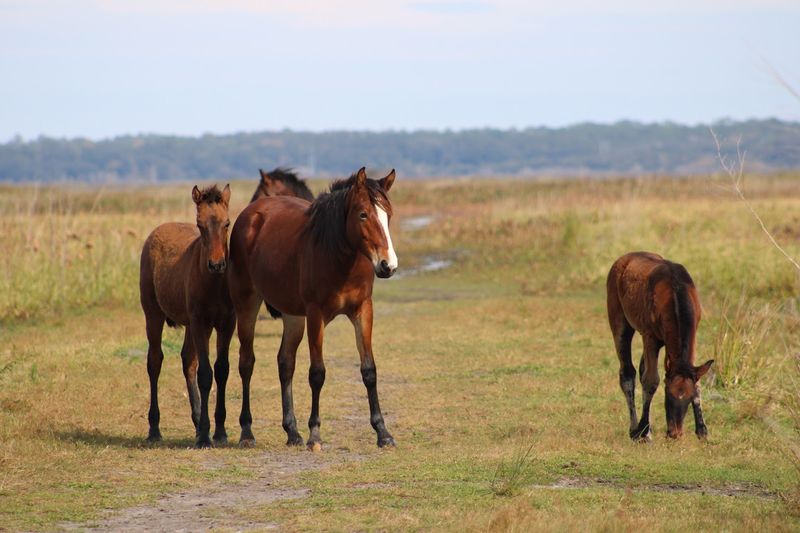
Paynes Prairie doesn’t look like the Florida most people imagine. Instead of beaches and palm trees, you’ll find wide-open prairies, marshlands, and a horizon that stretches for miles. It’s wild, untamed, and full of surprises—including herds of wild horses and bison that roam freely across the landscape.
The preserve covers over 21,000 acres and offers some of the best birdwatching in the state. More than 270 bird species have been recorded here, including sandhill cranes, herons, and bald eagles. Binoculars are a must if you’re into wildlife photography or just love spotting animals in their natural habitat.
One of the park’s highlights is the observation tower near the visitor center. Climb to the top and you’ll get a sweeping view of the prairie, with a good chance of spotting horses or bison grazing in the distance. It’s a view that feels more like the American West than the Sunshine State.
There are also miles of hiking and biking trails, ranging from easy boardwalks to longer backcountry routes. Some trails take you through shaded hammocks, while others open up onto wide prairies where the sky feels endless. Paynes Prairie is proof that Florida’s natural diversity goes way beyond beaches and springs—it’s a place where you can see a side of the state that few visitors ever experience.
5. Walk Above the Trees at Myakka River State Park (Sarasota)
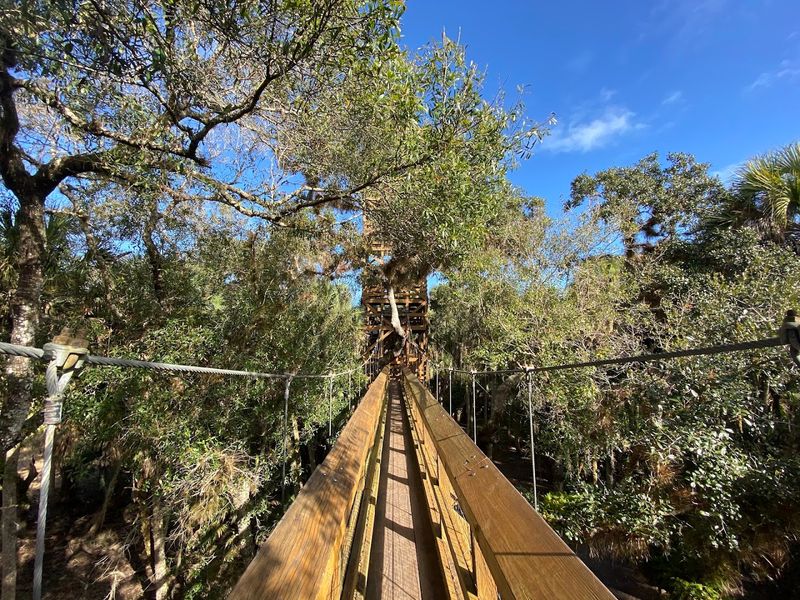
Myakka River State Park is one of Florida’s oldest and largest state parks, and it’s packed with the kind of wild scenery that makes you want to slow down and take it all in. The park covers nearly 60 square miles of wetlands, prairies, hammocks, and pinelands, offering endless opportunities for exploration.
The star attraction here is the canopy walkway. This suspended bridge takes you 25 feet above the forest floor, giving you a treetop view of the surrounding landscape. It’s a short walk, but the perspective is unforgettable—especially if you’re lucky enough to spot birds, deer, or other wildlife moving through the canopy below.
Beyond the walkway, Myakka offers hiking trails, a scenic drive, and boat tours along the river. The Upper Myakka Lake is a peaceful spot for kayaking or canoeing, and the park is known for its alligator population. You’ll almost certainly see a few sunbathing along the shoreline or gliding through the water.
Photographers love Myakka for its dramatic sunsets and abundant wildlife. The park’s open prairies and wetlands create stunning backdrops, especially during golden hour. Whether you’re hiking, paddling, or just taking in the views from the observation tower, Myakka River State Park delivers a full day of natural beauty without any of the tourist trappings.
It’s pure, wild Florida at its finest.
6. Explore the Untouched Coast at Canaveral National Seashore (Titusville/New Smyrna Beach)
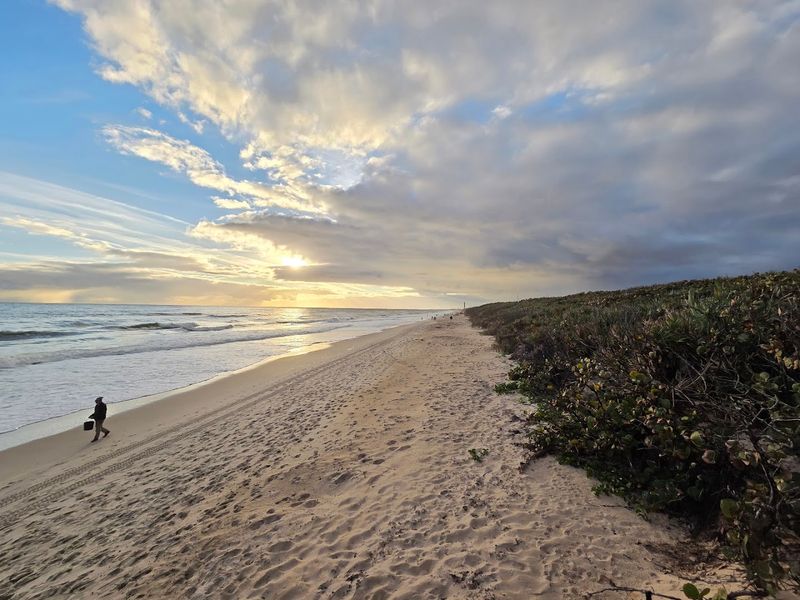
If you’re tired of crowded beaches lined with high-rise hotels, Canaveral National Seashore is the antidote. This 24-mile stretch of protected coastline feels worlds away from the typical Florida beach scene. Here, you’ll find wide-open sand, rolling dunes, coastal hammocks, and the kind of quiet that’s hard to come by anywhere else on the Atlantic Coast.
The seashore is split into two main sections, with the northern end near Titusville and the southern end near New Smyrna Beach. Both offer pristine beaches, but the northern section tends to be quieter and more remote. You can walk for miles without seeing another person, which is rare in Florida these days.
Beyond the beaches, Canaveral is a haven for wildlife. Sea turtles nest here in the summer, dolphins swim offshore, and the coastal lagoon is home to manatees and hundreds of bird species. The park also has hiking trails and a historic site at Eldora State House, a restored 1920s homestead that offers a glimpse into Old Florida life.
Because it’s a national seashore, development is limited, and the focus is on preservation. That means no boardwalks, no concession stands, and no lifeguards—just natural Florida coastline the way it used to be. Pack water, sunscreen, and a sense of adventure, and you’ll have one of the best beach days of your life.
7. Take an Airboat Ride Near the Everglades (South Florida)
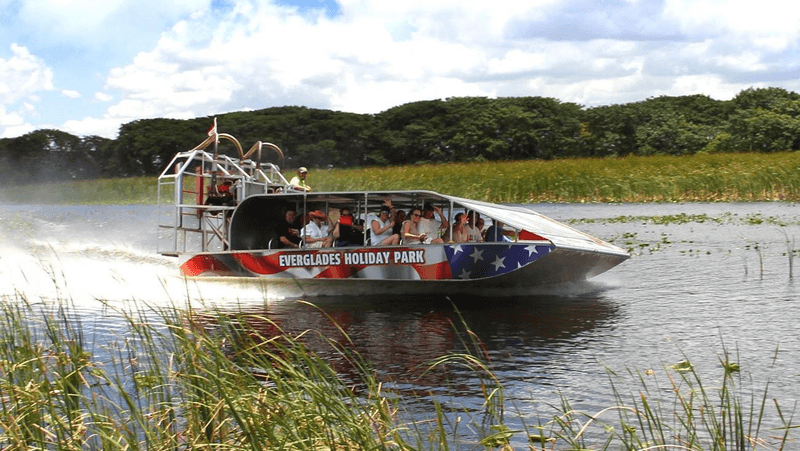
Few experiences scream Florida quite like skimming across the Everglades in an airboat. The roar of the engine, the rush of wind, the sight of sawgrass stretching endlessly in every direction—it’s thrilling, scenic, and unforgettable. Plus, you’re almost guaranteed to see alligators, wading birds, and maybe even a turtle or two sunbathing on a log.
Airboat tours are available all around the Everglades region, from Miami to Fort Lauderdale to Homestead. Most tours last about an hour and include narration from a guide who knows the wetlands inside and out. They’ll point out wildlife, share fun facts about the ecosystem, and often stop the boat so you can take photos or get a closer look at the surroundings.
The ride itself is part of the fun. Airboats are fast, loud, and designed to glide over shallow water and thick vegetation. The sensation of flying over the marsh is exhilarating, and the views are unlike anything you’ll see from land.
It’s a great option for families, first-time Florida visitors, or anyone who wants a little adrenaline with their nature outing.
Many airboat operators also offer wildlife shows or educational programs after the ride, featuring rescued animals like alligators, snakes, and birds of prey. It’s a full Everglades experience packed into a few hours, and it’s one of the most iconic Florida adventures you can have without spending a fortune.
8. Discover Fort Jefferson and Blue Water at Dry Tortugas National Park (Key West)
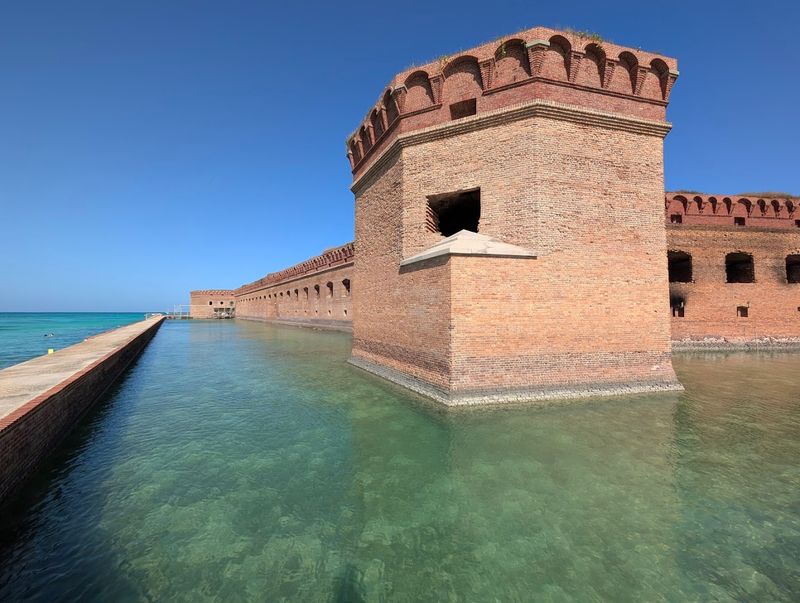
Dry Tortugas National Park is as remote as Florida gets. Located 70 miles west of Key West, this cluster of seven islands is only accessible by boat or seaplane, which makes the journey part of the adventure. But once you arrive, you’ll understand why it’s worth the effort.
The water is impossibly blue, the beaches are pristine, and the centerpiece—Fort Jefferson—is a massive 19th-century fortress that looks like something out of a history book.
Fort Jefferson is one of the largest masonry structures in the Western Hemisphere. It was built to protect shipping routes but was never fully completed. Today, visitors can walk through the fort’s archways, climb to the top of the walls, and explore rooms that once held soldiers and prisoners.
The views from the fort are spectacular, with turquoise water in every direction.
Beyond the fort, Dry Tortugas is a paradise for snorkeling and diving. The coral reefs here are some of the healthiest in Florida, and the visibility is often over 100 feet. You’ll see tropical fish, sea turtles, and colorful coral formations just offshore.
The park also offers excellent birdwatching, especially during migration season when thousands of birds stop to rest on the islands.
Most visitors come on a day trip via ferry from Key West, which includes breakfast, lunch, and snorkeling gear. It’s a long day, but it’s one of the most memorable adventures in Florida. Dry Tortugas feels like a secret world—quiet, beautiful, and far removed from everyday life.
9. Hunt for Shark Teeth at Caspersen Beach (Venice)
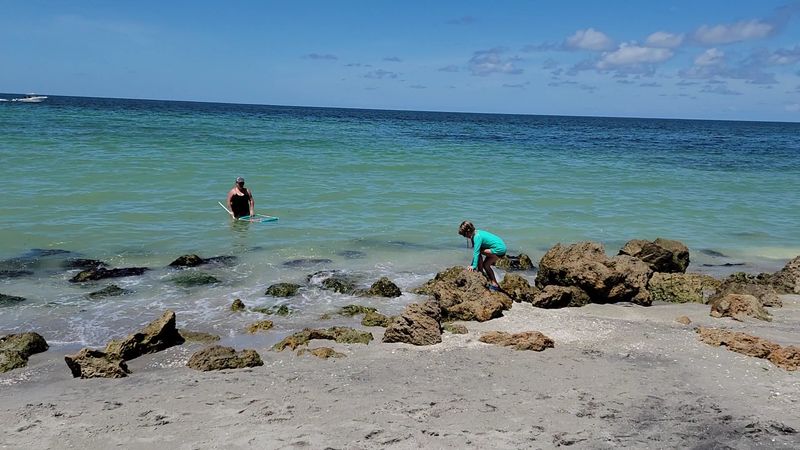
Caspersen Beach is a treasure hunter’s dream. This Gulf Coast beach is famous for fossilized shark teeth that wash up on the shore, and on any given day, you’ll see visitors combing the sand with sifters, buckets, and a sense of determination. It’s a simple, affordable adventure that’s perfect for families, solo travelers, or anyone who loves the thrill of finding something special.
The shark teeth here come from ancient sharks that lived millions of years ago. Over time, their teeth fossilized and were carried to the coast by currents. The best time to search is early in the morning after high tide, when fresh shells and fossils are exposed.
The teeth range in size from tiny fragments to impressive specimens over an inch long.
You don’t need any special equipment to get started. Many people use sand sifters or colanders to sort through the sand more efficiently, but you can also search by hand. The beach itself is beautiful, with natural dunes, sea oats, and a laid-back vibe that’s refreshing compared to more developed Gulf beaches.
Even if you don’t find a shark tooth, Caspersen Beach is worth the visit. It’s quieter than nearby Siesta Key or Clearwater, and the natural setting makes it a great spot for a peaceful walk or a picnic. But if you do find a tooth, you’ll leave with a unique Florida souvenir and a story to tell.
10. Wander Through the Ancient Streets of St. Augustine (St. Augustine)
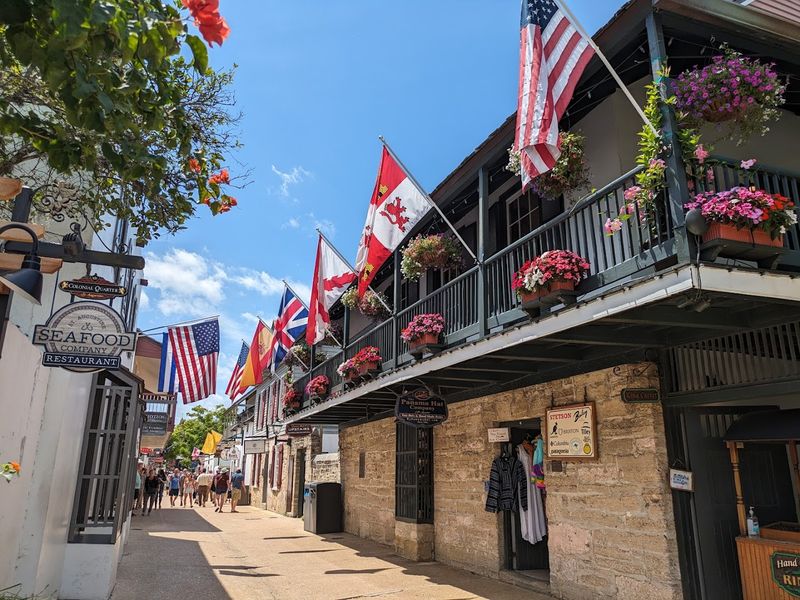
St. Augustine is the oldest continuously occupied European settlement in the United States, and walking through its streets feels like stepping back in time. Cobblestone lanes, Spanish colonial architecture, and centuries-old forts create a setting that’s equal parts charming and historically fascinating. It’s the kind of place where every corner reveals something new, whether it’s a hidden courtyard, a quirky shop, or a waterfront view.
The city’s historic district is compact and walkable, making it easy to explore on foot. Start at the Castillo de San Marcos, a massive stone fort built in the 1600s that still overlooks the bay. From there, wander down St. George Street, a pedestrian-only thoroughfare lined with restaurants, galleries, and historic buildings.
The architecture alone is worth the trip.
St. Augustine also offers plenty of off-the-beaten-path spots. Visit the Fountain of Youth Archaeological Park, explore the Lightner Museum, or take a ghost tour through the city’s reportedly haunted streets. The waterfront area is perfect for a sunset stroll, and the local food scene is surprisingly strong, with everything from fresh seafood to farm-to-table dining.
What makes St. Augustine special is that it doesn’t feel like a tourist trap. Yes, there are plenty of visitors, but the city has managed to preserve its character and charm. It’s a place where history, culture, and coastal beauty come together in a way that’s uniquely Floridian.
One tank of gas is all it takes to get there, and once you arrive, the adventure is simply letting yourself wander.