This Florida Nature Preserve Hides the Ruins of a Once-Thriving Lumber Town Between Tampa and Gainesville
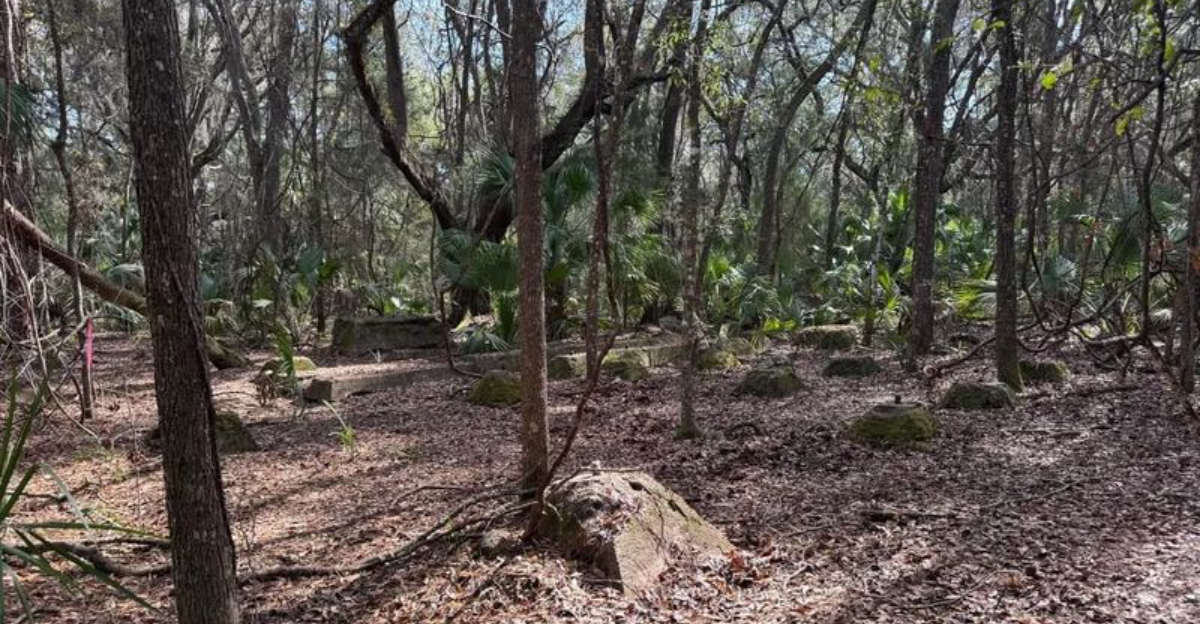
Hidden among the pines and palmettos of Hernando County lies a ghost town that most Floridians have never heard of. Centralia was once home to nearly 2,000 people and boasted one of the largest sawmills in the state, but today only crumbling concrete foundations hint at its bustling past. This forgotten piece of Florida history sits quietly within the Chassahowitzka Wildlife Management Area, waiting for curious explorers to discover its story.
What happened to turn a thriving lumber town into scattered ruins is a tale of ambition, natural resources, and the boom-and-bust cycle that shaped early 20th-century Florida.
1. The Rise of a Timber Empire
Edgar Roberts arrived in Hernando County in 1910 with big dreams and even bigger machinery. He named his new venture after his hometown in Illinois, and Centralia sprang up practically overnight around the massive Central Cypress Lumber Company sawmill. The operation could process up to 100,000 board feet of lumber daily, making it one of Florida’s most impressive industrial operations at the time.
Money poured in from the J.C. Turner Lumber Company to finance this ambitious project. Within months, a town emerged from the wilderness complete with homes, businesses, and infrastructure.
Workers and their families flooded into the area, drawn by steady wages and the promise of a better life.
The sawmill’s appetite for cypress was insatiable. Ancient trees that had stood for centuries fell to axes and saws, transformed into building materials shipped across the country. Centralia represented the height of Florida’s timber boom, when old-growth forests seemed endless and prosperity felt permanent.
Roberts and his brother ran a tight ship, establishing rules that would shape the town’s character. Their vision was a productive, orderly community built around hard work and family values, not the rough-and-tumble lumber camps common elsewhere in the state.
2. A Town That Rivaled the County Seat
At its peak, Centralia’s population swelled to somewhere between 1,500 and 2,000 residents. That made it larger than Brooksville, the actual county seat just miles away. For a company town built around a single industry, this was remarkable growth that spoke to the sawmill’s success and the opportunities it created.
The town offered amenities that would surprise modern visitors expecting a primitive lumber camp. Families could shop at the general store, pick up prescriptions at the drugstore, or grab a meal at the restaurant. Kids attended a proper schoolhouse while their parents worshiped at the community church on Sundays.
Entertainment wasn’t forgotten either. The Flicker Palace movie theater brought the latest silent films to Centralia, offering residents a taste of the wider world. A bakery filled the air with fresh bread smells each morning, while a resident doctor and dentist handled medical needs without requiring trips to larger towns.
What Centralia didn’t have were saloons. The mill’s general manager strictly forbade alcohol sales, keeping the town family-friendly and productive. This policy set Centralia apart from rougher logging towns where drinking and disorder were common problems affecting worker safety and family life.
3. The Cypress Forests That Couldn’t Last
Centralia’s entire existence depended on the surrounding old-growth cypress forests. These majestic trees had taken centuries to reach their massive size, their rot-resistant wood prized for construction throughout America. The problem was simple math: trees that took 500 years to grow were being cut down in minutes.
The sawmill operated at full capacity, chewing through the forest at an unsustainable pace. What seemed like an endless resource in 1910 started looking finite by 1915. Workers had to venture farther from town to find suitable trees, increasing costs and difficulty.
By 1917, just seven years after Centralia’s founding, the cypress was gone. The mill fell silent, its massive saws stilled forever. Without timber to process, there was no reason for the operation to continue, no jobs to support the town’s population.
This rapid depletion wasn’t unique to Centralia. Across Florida, lumber companies were learning the same harsh lesson about treating forests as infinite resources. The old-growth cypress that once dominated Florida’s wetlands would never return to their former glory, fundamentally changing the state’s landscape and ecology for generations to come.
4. The Swift Collapse of a Company Town
When the sawmill closed in 1917, Centralia’s fate was sealed. Company towns live and die by their single industry, and without the mill there was simply no economic foundation. Workers packed up their families and moved on, seeking employment elsewhere as quickly as they had arrived seven years earlier.
The post office struggled on until 1922, serving a dwindling population that clung to hope. Some residents tried to make a go of it, but without the mill’s payroll supporting local businesses, even basic services became unsustainable. The general store, restaurant, and other shops closed their doors one by one.
Buildings stood empty and vulnerable to Florida’s harsh climate. The humid subtropical weather, combined with termites and other wood-boring insects, made quick work of the town’s structures. Some buildings were deliberately burned, either by departing residents or to prevent them from becoming dangerous derelicts.
By the mid-1920s, Centralia had essentially ceased to exist as a functioning community. Nature began reclaiming the land, vines and palmetto scrub growing over foundations and roads. The town that had seemed so permanent and prosperous just a decade earlier had become a ghost, its brief moment in the sun already fading from memory.
5. What Remains Today
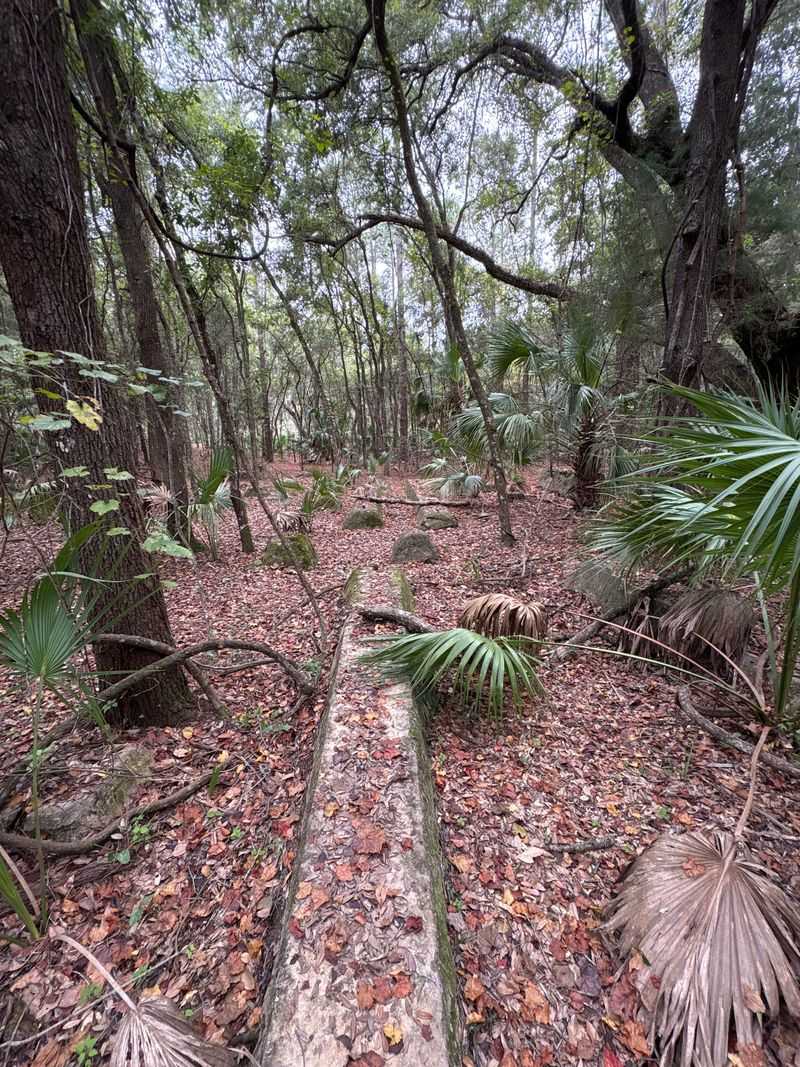
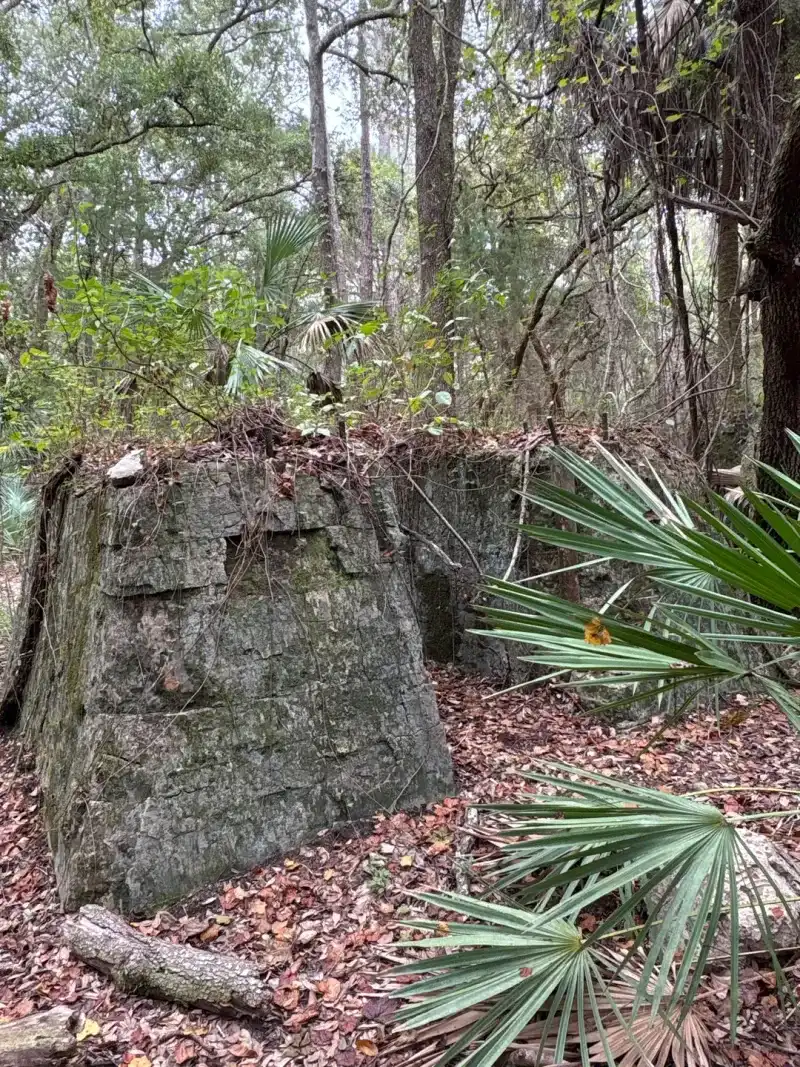
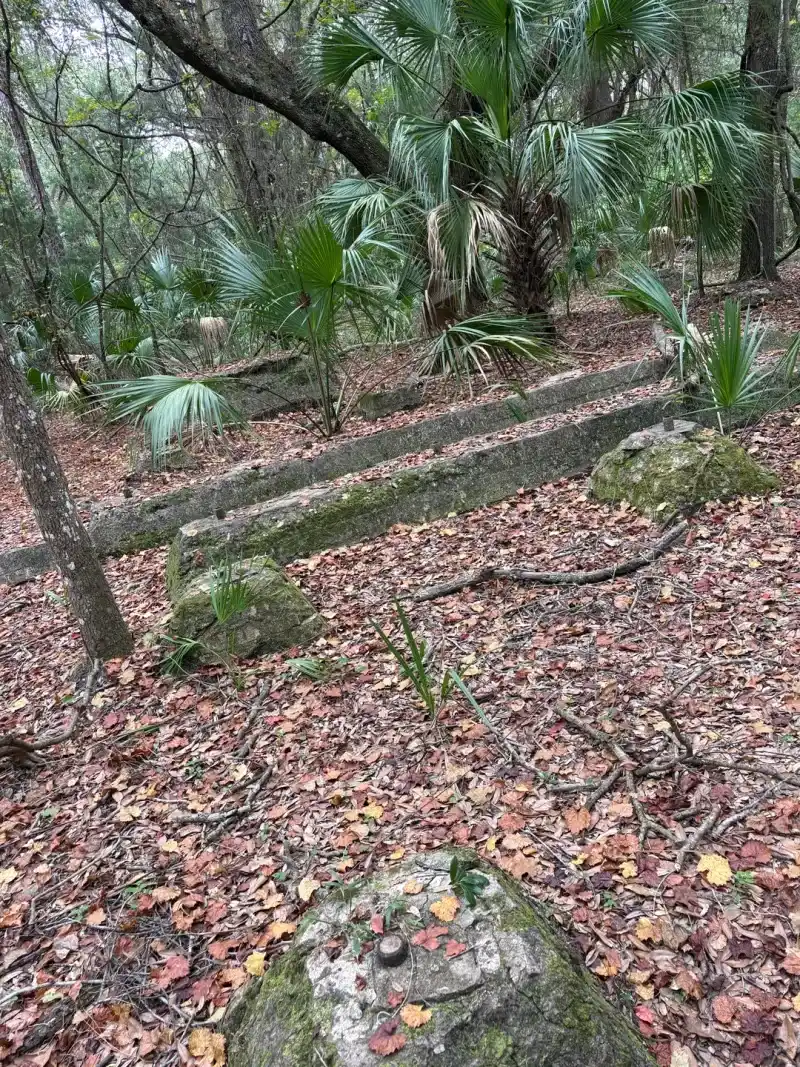
Walking through the site today, you’d hardly know a bustling town once stood here. Most of Centralia’s wooden structures vanished long ago, victims of fire, decay, and salvage operations. What survived are the concrete foundations that supported the town’s heaviest infrastructure, now slowly crumbling back into the earth.
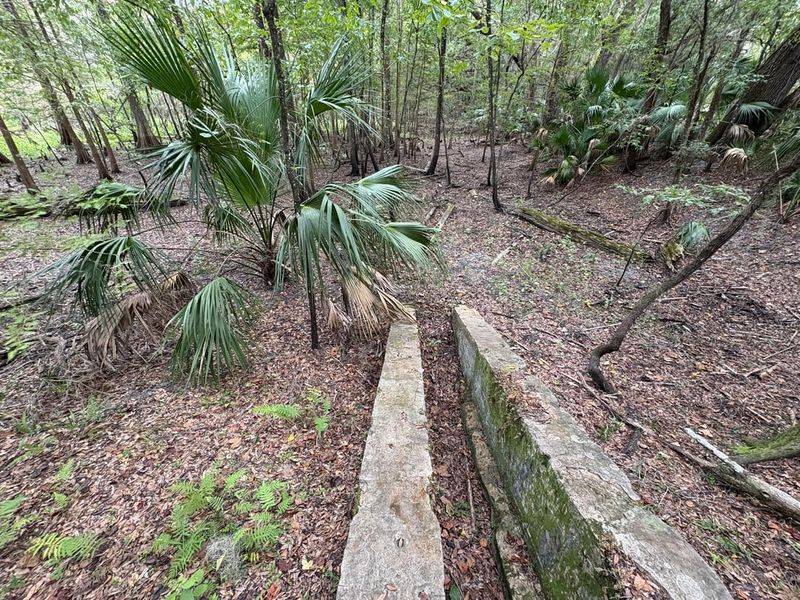
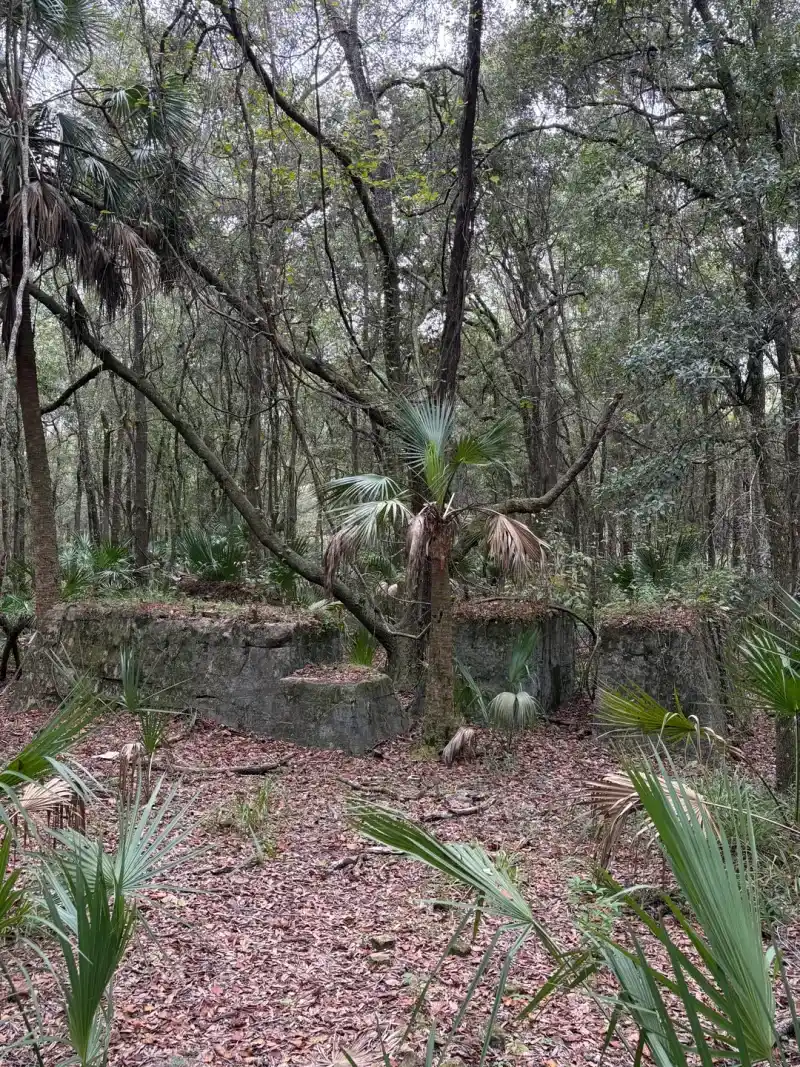
The sawmill’s foundation is the most substantial ruin. You can still make out where the massive machinery sat, the concrete pads that supported equipment capable of processing 100,000 board feet daily. These industrial remnants feel almost archaeological, physical evidence of Florida’s timber boom era.
Perhaps the most interesting feature is the log ramp foundation. This structure was used to hoist massive cypress logs from the float pond where they were stored before processing. Standing beside it, you can almost imagine the activity and noise of the operation at full swing.
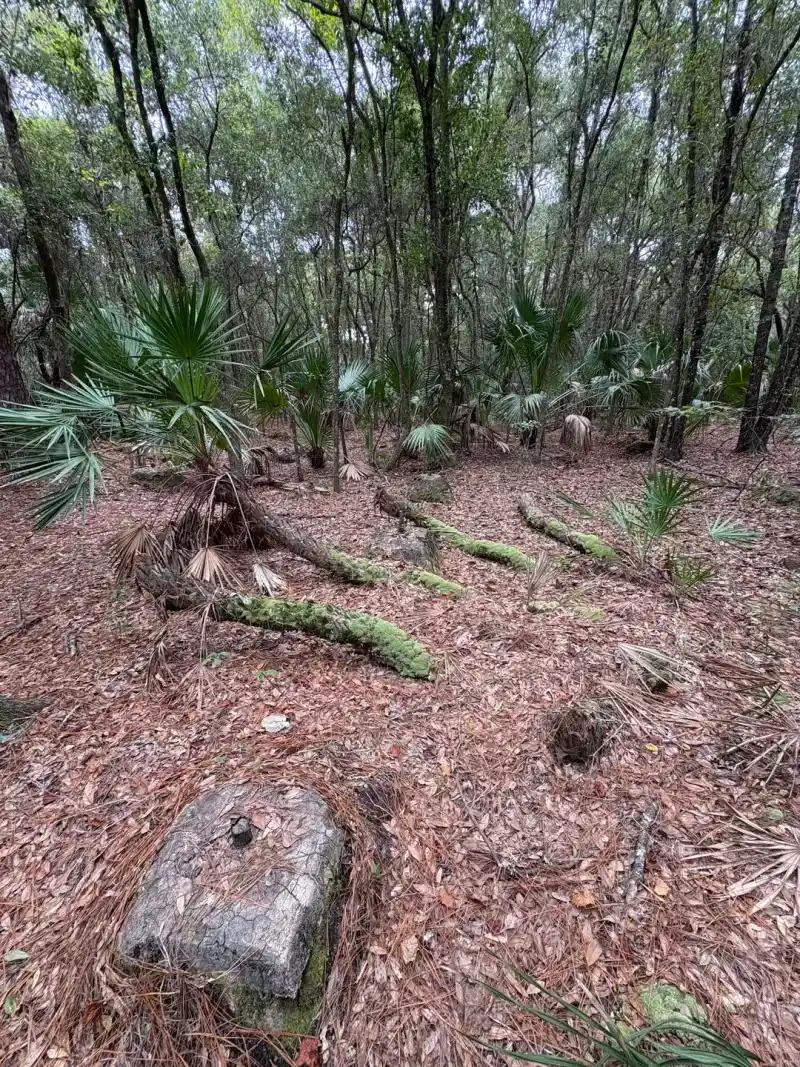
The water tower foundation is another notable survivor. Water was essential for both the sawmill’s operations and the town’s residents, and this concrete base supported the elevated tank that made modern plumbing possible. These scattered ruins are like puzzle pieces, helping visitors reconstruct in their minds what Centralia looked like in its heyday.
6. The Nature Preserve That Saved Centralia’s Story
In 1985, the Florida Fish and Wildlife Conservation Commission purchased the land where Centralia once stood. This decision transformed the ghost town site from private property into public conservation land, ensuring both preservation and access. The area became part of the Chassahowitzka Wildlife Management Area, adjacent to the Chassahowitzka National Wildlife Refuge.
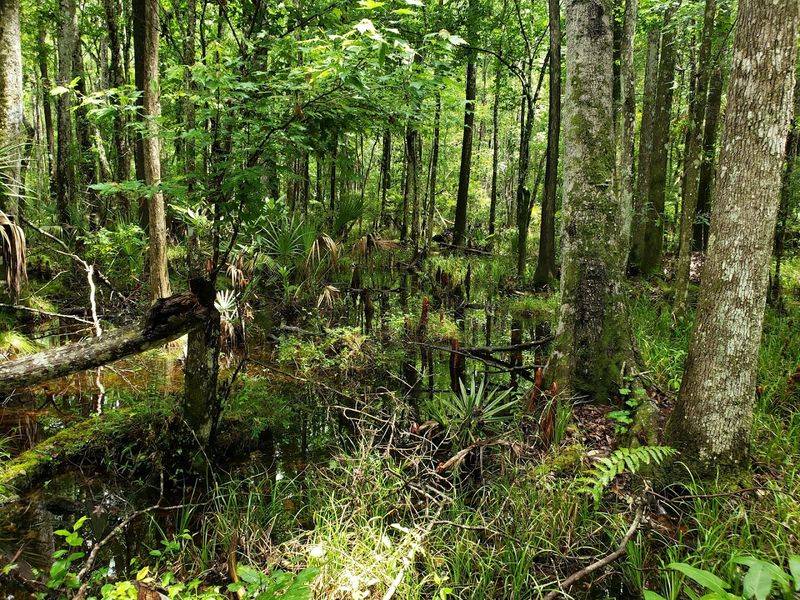
This designation protected Centralia’s ruins from development while allowing the land to return to its natural state. Today, the forest has largely reclaimed what humans temporarily borrowed. Wildlife that fled during the logging era has returned, including deer, wild turkey, and numerous bird species.
The management area serves multiple purposes beyond historical preservation. Hunters, birdwatchers, and nature photographers use the land throughout the year, each group finding value in the diverse habitats. The cypress swamps are recovering, though they’ll never match the old-growth forests that once stood here.
Making Centralia part of a wildlife management area was perhaps the perfect ending to its story. The land that once supported a town built on harvesting nature now supports nature itself, with the ruins serving as a reminder of the consequences of unsustainable resource use and the resilience of Florida’s ecosystems.
7. The Historical Marker and Centralia Sawmill Trail
For decades, Centralia existed only in fading memories and local lore. That changed in 2017 when a historical marker was dedicated along U.S. Highway 19, north of Centralia Road.
This official recognition brought the forgotten town back into public consciousness, giving travelers a reason to stop and explore.
The marker sits near County Road 476, providing context and historical background for visitors unfamiliar with the area’s past. It explains Centralia’s brief but significant role in Florida’s timber industry and directs curious explorers to the ruins themselves. Without this marker, most people would drive past never knowing a substantial town once thrived in the surrounding woods.
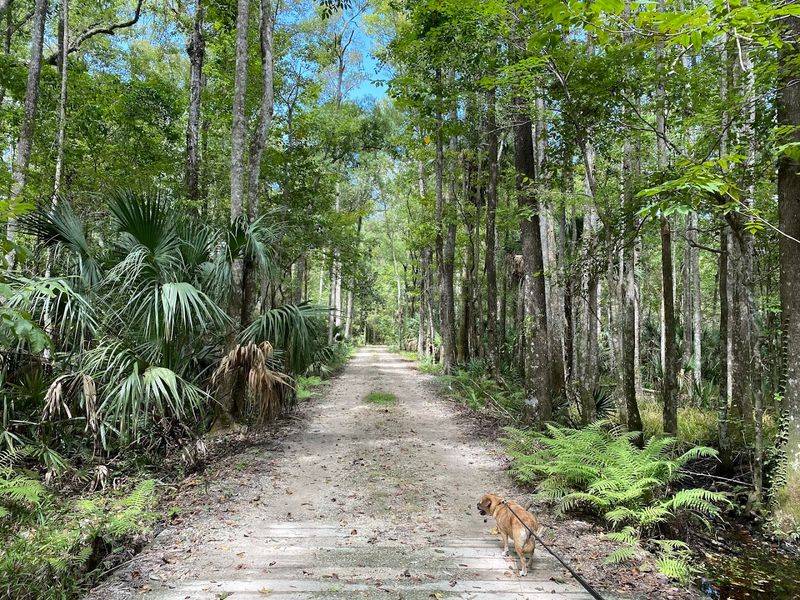
The Centralia Sawmill Trail makes accessing the ruins straightforward. This one-mile round-trip path starts from a parking area off Highway 19, winding through recovering forest to the main ruin sites. The trail is relatively easy, suitable for most fitness levels, though proper footwear is recommended.
Trail conditions can vary with Florida’s weather. After heavy rains, expect muddy sections and standing water. Summer brings heat, humidity, and mosquitoes, making fall through spring the most comfortable visiting seasons.
Bring water, insect repellent, and a camera to document this unique piece of forgotten Florida history.
8. Visiting Centralia Today
Getting to Centralia is straightforward once you know where to look. The ruins sit in Hernando County at coordinates 28.6143192, -82.5090848, accessible from U.S. Highway 19 between Weeki Wachee Springs and Brooksville.
Look for the historical marker and nearby parking area, which serve as your starting point for exploration.
The best time to visit is during cooler months when temperatures are pleasant and insects less aggressive. Early morning offers the best light for photography and the greatest chance of spotting wildlife. Weekdays tend to be quieter than weekends, giving you a more contemplative experience among the ruins.
Respect for the site is essential. These ruins are fragile historical resources that won’t survive careless treatment. Don’t climb on foundations or remove artifacts, no matter how small.
Stay on established trails to minimize environmental impact and avoid disturbing wildlife habitat.
The Chassahowitzka Wildlife Management Area has regulations worth knowing before you visit. Hunting is permitted during certain seasons, so wearing bright colors during those periods is wise even if you’re just hiking. Check the Florida Fish and Wildlife Conservation Commission website for current rules, seasonal closures, and any special restrictions that might affect your visit to this fascinating ghost town.