10 Reasons to Think Twice Before Visiting Florida This Summer
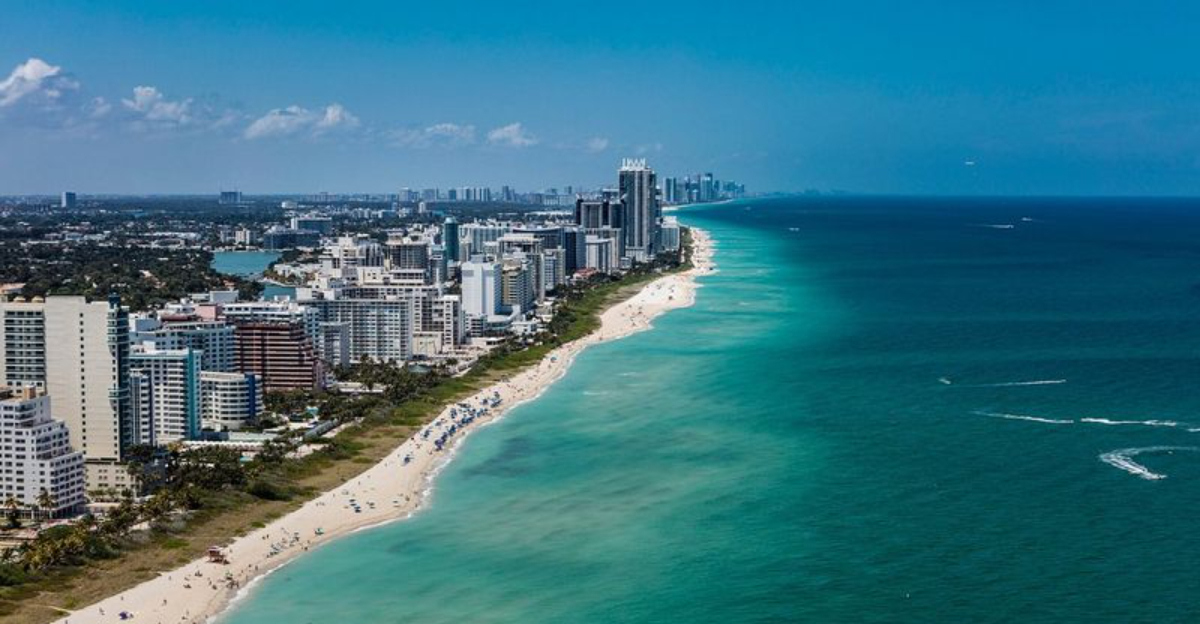
Florida is known for sunshine, beaches, and world-class theme parks. But summer is also when the Sunshine State shows its more demanding side. From intense heat and afternoon storms to crowded beaches and higher costs, a summer trip to Florida can bring unexpected challenges that catch even seasoned travelers off guard.
1. The Heat Can Be Intense
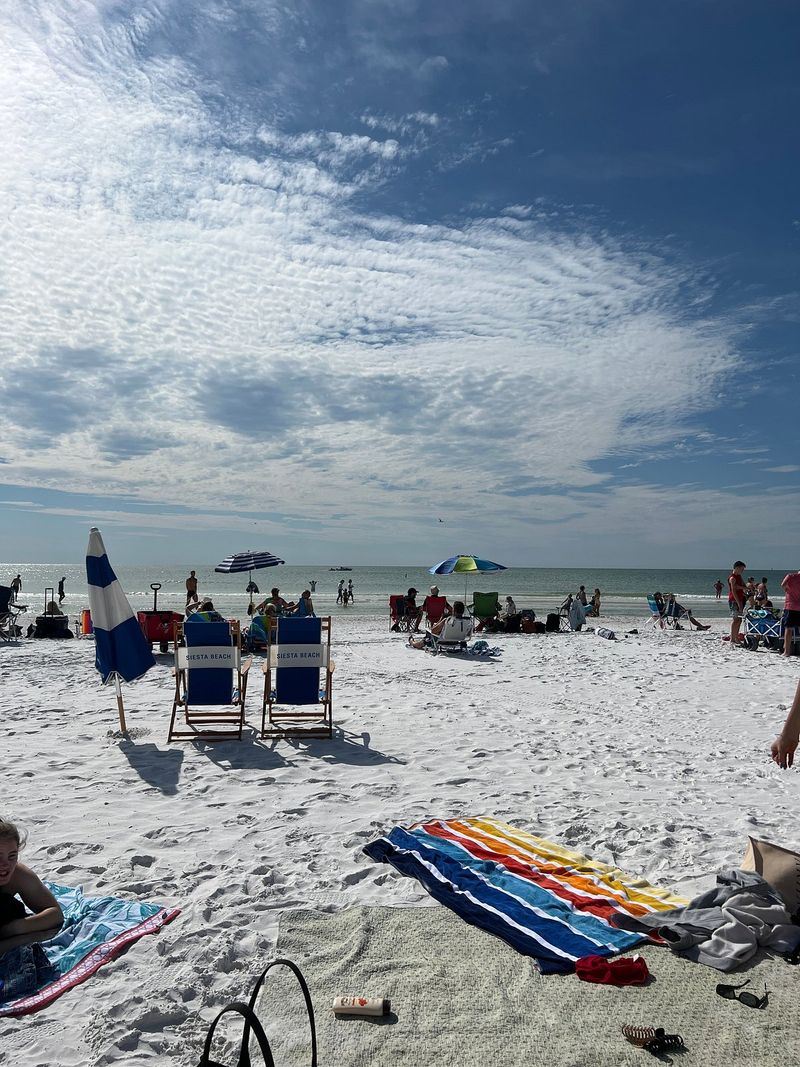
Step outside in a Florida summer and you’ll understand why locals plan their days around the weather. Temperatures regularly climb into the low to mid-90s, but the real story is how it feels once you factor in the humidity. That combination turns a short stroll into a sweaty ordeal.
Theme parks become endurance tests. Walking from ride to ride under the blazing sun can wear you down fast, especially if you’re traveling with kids or older family members. Even beach days require strategy—shade breaks, hydration stops, and plenty of sunscreen reapplications.
Air conditioning becomes your best friend. You’ll find yourself ducking into shops, restaurants, and hotel lobbies just to cool off. Outdoor dining?
Forget it during midday. Most locals avoid being outside between 11 a.m. and 4 p.m. for good reason.
Planning around the heat takes effort. Early mornings and late evenings offer the most comfortable windows for sightseeing, but that means adjusting your entire schedule. If you’re not prepared for the intensity, the heat can turn a dream vacation into a sticky, uncomfortable experience that leaves you counting down the days until you can head home to milder weather.
2. Afternoon Storms Can Interrupt Plans
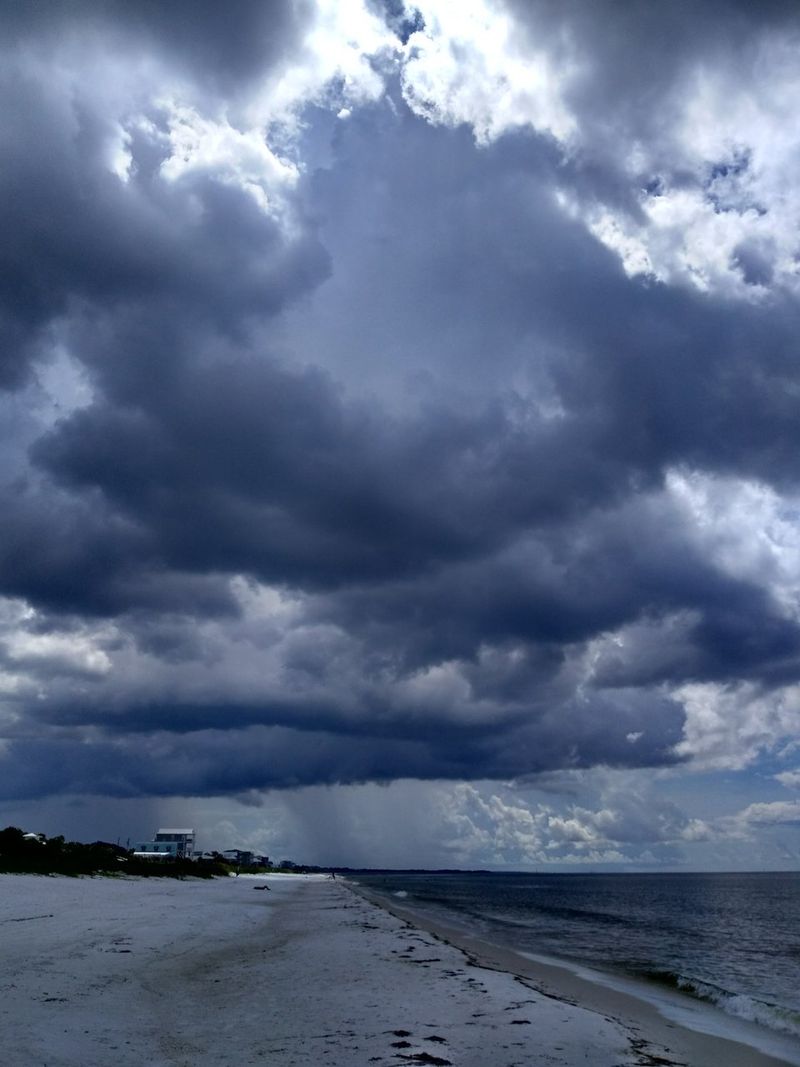
Around 2 or 3 p.m., the sky often darkens without much warning. What started as a sunny morning can quickly turn into a downpour complete with lightning, thunder, and winds that send beach umbrellas tumbling. These storms are a regular feature of Florida summers, and they can derail your carefully planned itinerary.
Theme parks shut down outdoor rides when lightning strikes nearby. You might wait 30 minutes or longer for the all-clear, which eats into your day and tests everyone’s patience. Boat tours, parasailing adventures, and snorkeling trips often get postponed or cancelled entirely.
The good news? Most storms pass within an hour or two. The bad news?
They’re unpredictable. You never know if you’ll get a quick sprinkle or a storm that lingers and soaks everything in sight.
Beach plans become a gamble. Just when you’ve settled into your spot with a good book, the lifeguards start blowing whistles and everyone scrambles to pack up. Outdoor dining reservations might mean eating under an awning while rain drums overhead.
If you’re not flexible and willing to pivot your plans on short notice, these daily weather interruptions can turn frustrating fast, especially when you’ve paid good money for activities that keep getting cut short.
3. Beaches Can Get Crowded
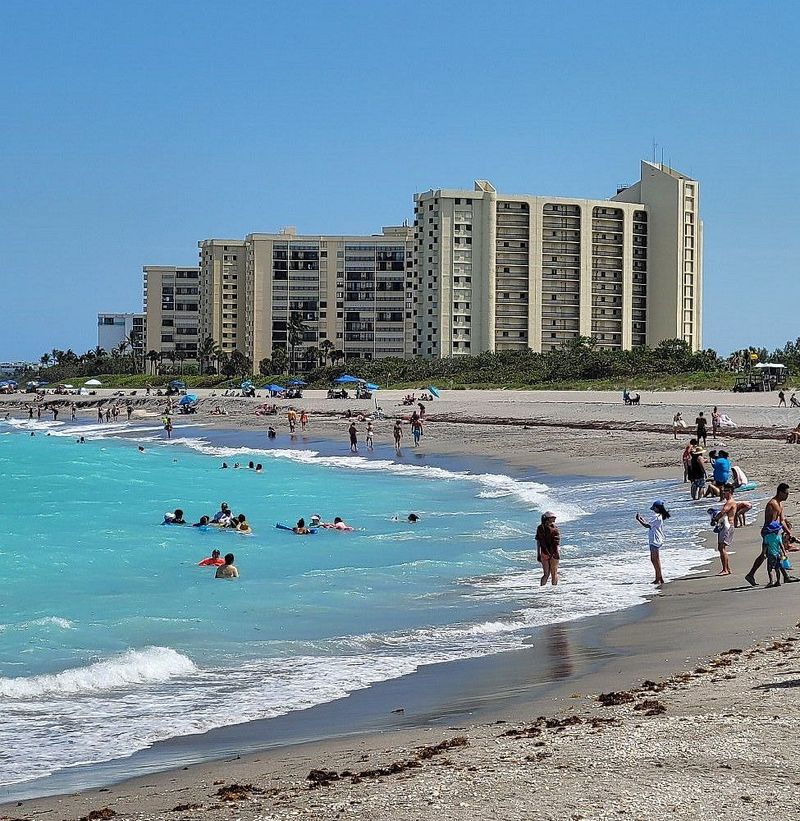
Picture this: you arrive at a popular beach around 10 a.m., and the parking lot is already full. Cars circle endlessly looking for spots, and when you finally find one, it’s a fifteen-minute walk to the sand. Once you get there, finding a good patch of beach feels like a competitive sport.
Summer brings families, spring breakers who stayed late, and tourists from all over the world. Popular spots like Clearwater, Miami Beach, and the Florida Keys see massive crowds, especially on weekends and holidays. Personal space becomes a luxury you didn’t know you’d miss.
Kids running everywhere, music blasting from multiple directions, and barely enough room to spread out your towel—it’s not exactly the peaceful, relaxing beach day you imagined. Forget about that Instagram-worthy shot of an empty shoreline.
Restrooms have lines. Nearby restaurants have waits. Even finding a spot to rinse off the sand can take patience.
If you prefer quieter, more serene beach experiences, summer might not deliver what you’re hoping for. Sure, the energy can be fun for some people, but if you’re seeking tranquility or a romantic sunset walk without dodging beach volleyball games, you might want to reconsider your timing or choose far less popular stretches of coastline instead.
4. Theme Parks Can Feel Overwhelming

Orlando’s theme parks are magical, but summer crowds can turn magic into mayhem. Wait times for popular rides regularly hit 90 minutes or more, and that’s with a FastPass or Lightning Lane. Without one?
You might spend two hours standing in switchback lines just to experience a three-minute thrill.
Walkways become congested rivers of strollers, wheelchairs, and tired families moving at a crawl. Navigating from one section of the park to another takes longer than expected, and finding a shaded spot to rest becomes a challenge. Everyone’s hot, everyone’s tired, and tempers can run short.
Dining reservations fill up weeks in advance. If you didn’t plan ahead, you’ll end up waiting in long lines for mediocre food at inflated prices. Even grabbing a cold drink requires patience you might not have after hours in the heat.
Kids get cranky. Adults get exhausted. The excitement of being at a world-famous theme park can quickly fade when you’re spending more time waiting than actually enjoying attractions.
If you’re traveling with young children or anyone with limited patience for crowds, summer might not be the ideal season. The parks are still fun, but the experience requires significantly more stamina, planning, and mental preparation than visiting during slower times of year when the crowds thin out considerably.
5. Travel Costs Can Add Up Quickly
Summer is peak season, which means peak prices. Hotels that might charge $120 a night in October suddenly want $250 or more in July. Beachfront resorts, especially in popular areas like Destin or Key West, can easily run $400+ per night during the summer rush.
Theme park tickets aren’t cheap any time of year, but summer often brings higher pricing tiers. Add in parking fees ($25-$30 per day at major parks), resort fees, and charges for things you didn’t even know existed, and your budget takes a beating before you’ve had any fun.
Rental cars cost more. Restaurants in tourist areas charge tourist prices. Even a simple beach day can get expensive once you factor in parking, umbrella rentals, and overpriced snacks from beachside vendors.
Families often underestimate how quickly everything adds up. A week-long trip that looked reasonable on paper can balloon into a financial stress point when reality hits. Souvenirs, extra meals because everyone’s always hungry, unexpected fees—it all piles on.
If you’re working with a tight budget, summer in Florida can strain your finances more than you anticipated. Visiting during shoulder seasons often means better deals on accommodations, attractions, and dining, leaving you more money to actually enjoy your vacation instead of wincing every time you pull out your wallet for another charge.
6. The Humidity Can Make Everything Feel Harder
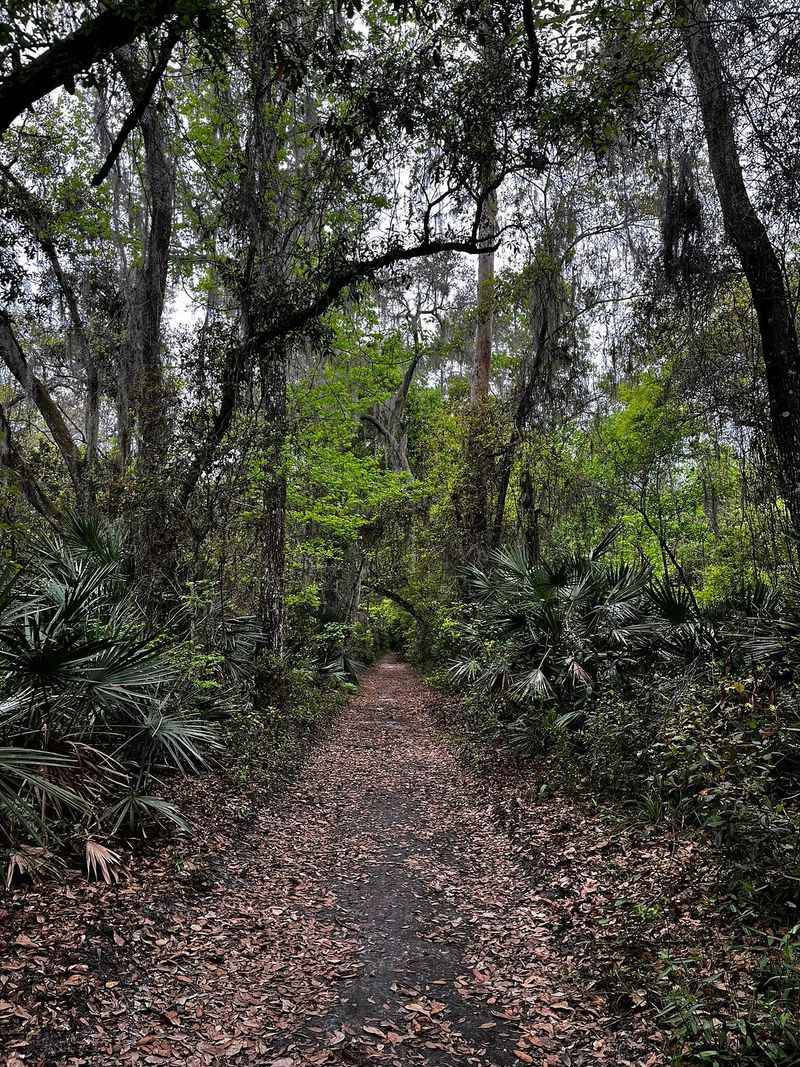
Humidity is Florida’s secret weapon against unsuspecting visitors. The temperature might read 88 degrees, which doesn’t sound terrible, but the humidity makes it feel like 103. Your clothes stick to your skin within minutes of stepping outside.
Your hair does things you didn’t know were possible.
Simple activities become exhausting. Walking around a historic downtown area, exploring botanical gardens, or even loading the car feels like wading through soup. You’ll sweat in places you didn’t know could sweat.
Families with young kids face extra challenges. Strollers feel heavier to push. Carrying a toddler becomes a sweaty, uncomfortable ordeal.
Everyone needs more water breaks, more shade breaks, more everything breaks. The humidity doesn’t just make you uncomfortable—it slows everything down.
Outdoor exercise? Forget about it unless you’re acclimated. Even experienced runners and cyclists struggle with Florida’s summer humidity.
Your body works overtime trying to cool itself, which drains energy fast. Beach days that should feel refreshing can leave you feeling wilted instead. The ocean breeze helps, but once you’re away from the water, the thick air settles over you like a hot, damp blanket.
If you’re coming from a drier climate, the adjustment can be shocking. What looked like a moderate temperature forecast turns into a physical challenge that affects every part of your day and leaves you longing for air conditioning more than adventure.
7. Mosquitoes and No-See-Ums Can Be Annoying
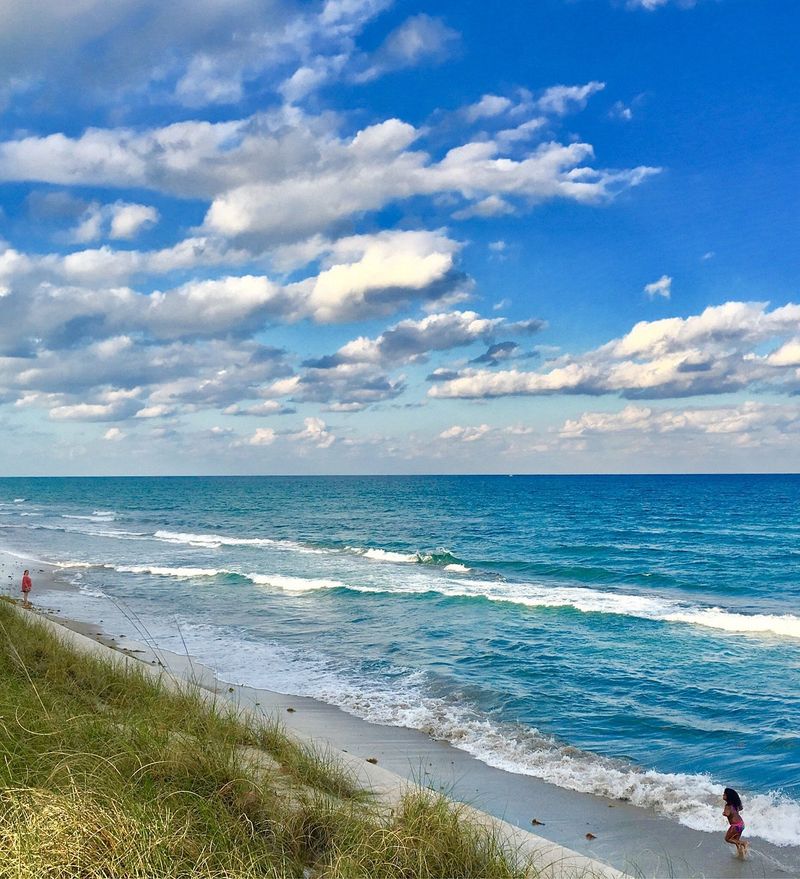
Warm, wet weather creates perfect breeding conditions for mosquitoes, and Florida has plenty of both. Add in no-see-ums—tiny biting insects that live up to their name—and outdoor evenings can turn itchy fast. Waterfront dining, sunset walks, and camping trips all come with uninvited guests.
Bug spray becomes essential, but even that doesn’t guarantee protection. Some mosquitoes seem immune to repellent, and no-see-ums are small enough to get through screens and light clothing. Their bites are surprisingly painful and can leave welts that last for days.
Certain areas are worse than others. Marshes, mangroves, parks near standing water, and anywhere with dense vegetation can be swarming with bugs, especially around dawn and dusk. What should be a peaceful nature walk turns into a swatting marathon.
For some people, bug bites are just annoying. For others, they can trigger allergic reactions or make outdoor activities miserable enough to avoid altogether. Kids seem to attract bugs like magnets, which means constant complaining and scratching.
If you’re planning romantic beachside dinners or evening strolls, be prepared to share the experience with Florida’s less charming residents. The bugs don’t ruin everyone’s trip, but they’re definitely a factor worth considering, especially if you’re sensitive to bites or planning to spend significant time outdoors during peak mosquito hours when these pests are most active and aggressive.
8. Hurricane Season Is Worth Keeping in Mind
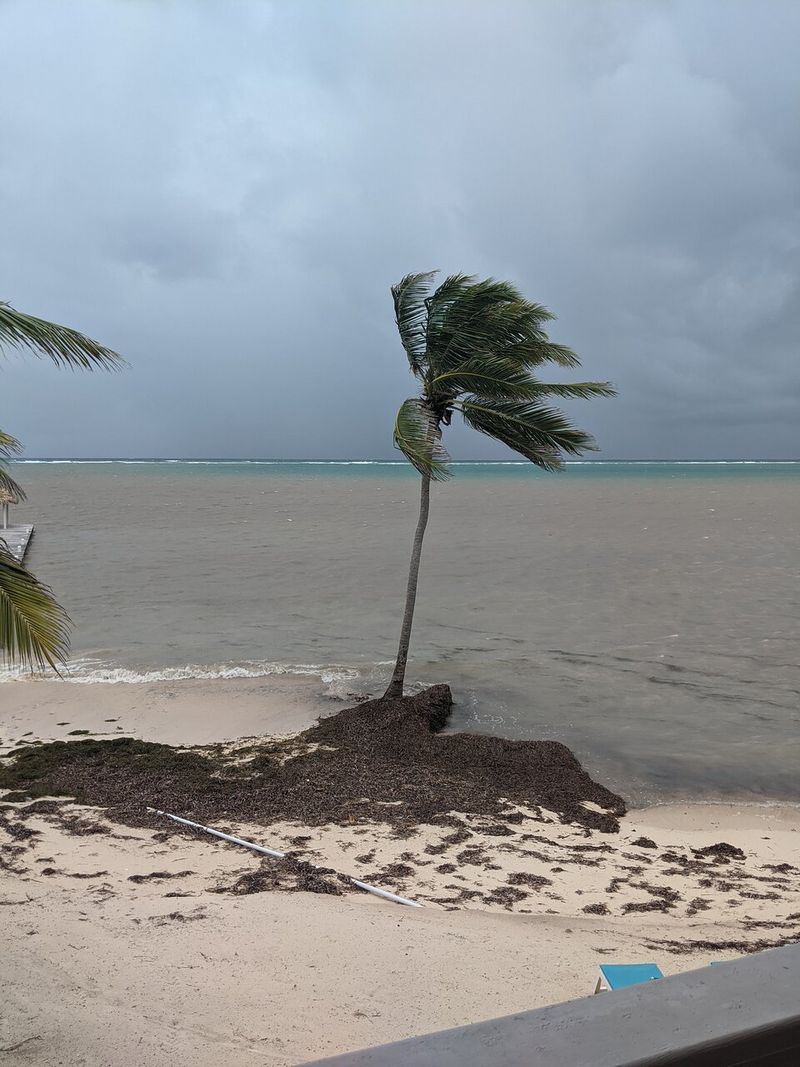
Atlantic hurricane season runs from June through November, with peak activity happening in August and September. That doesn’t mean a hurricane will definitely hit during your trip, but it does mean you need to stay flexible and keep an eye on weather forecasts.
Even when there’s no major storm threatening land, tropical weather can affect your plans. Flights get delayed or cancelled. Cruise ships change routes or skip ports.
Beach conditions become rougher with higher waves and stronger currents. Outdoor activities like kayaking, paddleboarding, and fishing trips often get called off.
Hotels and resorts have cancellation policies that may or may not work in your favor if a storm approaches. Travel insurance becomes worth considering, but it adds to your overall costs. The uncertainty alone can create stress you didn’t sign up for.
Some travelers don’t mind the risk and enjoy lower prices during hurricane season. Others find the constant weather-watching stressful and would rather visit when tropical systems aren’t a concern. If a storm does develop near Florida, you might find yourself scrambling to change plans, extend your stay, or cut your trip short.
Gas stations run out of fuel. Stores sell out of supplies. The whole state shifts into preparation mode.
It’s not the relaxing vacation vibe most people are after. While major direct hits are relatively rare, the possibility is real enough that it deserves consideration when planning a summer trip to Florida.
9. Traffic Can Be Frustrating in Tourist Areas
Summer brings an influx of visitors, and Florida’s roads show it. Beach towns like Destin, Clearwater, and the Keys see traffic backups that turn short drives into long slogs. What Google Maps says should take 15 minutes might actually take 45 once you hit the reality of summer congestion.
Orlando’s theme park corridors become parking lots during peak hours. International Drive, I-4, and the roads around Disney and Universal see bumper-to-bumper traffic that tests everyone’s patience. Factor in road construction and accidents, and you’ve got a recipe for frustration.
Coastal routes like A1A and Highway 1 through the Keys can crawl along at agonizing speeds, especially on weekends when everyone has the same idea about hitting the beach. Trying to make dinner reservations on time becomes a gamble. Arriving at attractions when they open requires leaving much earlier than you’d expect.
Parking adds another layer of hassle. Popular beaches and attractions fill their lots early, forcing you to circle endlessly or pay premium prices for private parking. Some areas have limited parking by design, which means showing up late means not getting in at all.
If you’re someone who gets stressed by traffic or you’re traveling with impatient kids in the backseat, summer traffic in Florida’s tourist hotspots can sour the mood before you even reach your destination. Building in extra travel time helps, but it still eats into your vacation hours.
10. Some Trips May Be Better in the Off-Season
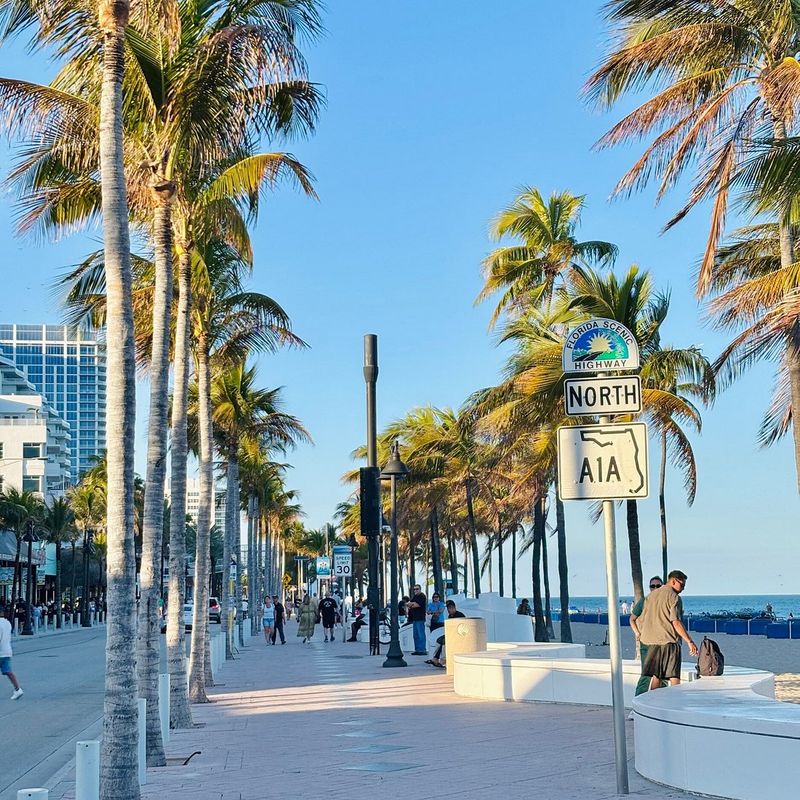
Here’s something many first-time visitors don’t realize: Florida can actually be more enjoyable outside of summer. Spring and fall offer warm temperatures without the oppressive heat and humidity. Winter brings mild, pleasant weather that feels like paradise compared to northern climates, and you’ll still find plenty of sunshine.
Crowds thin out significantly during shoulder seasons. Theme parks have shorter wait times. Beaches feel more spacious and relaxing.
Hotels drop their prices, sometimes dramatically, which means you get more vacation for less money. Restaurants are easier to get into, and attractions feel less rushed.
The weather becomes more cooperative for outdoor activities. Hiking, biking, kayaking, and exploring nature preserves are far more pleasant when you’re not battling extreme heat. You can actually enjoy a full day at a theme park without feeling like you’ve run a marathon in a sauna.
Hurricane season is still a factor in fall, but by late October and into winter, that risk drops considerably. Spring offers beautiful weather before summer’s intensity kicks in. Even early December can be gorgeous in Florida, with comfortable temperatures and holiday decorations adding extra charm.
Summer definitely has its appeal—school breaks, longer days, peak beach weather for some people—but it also comes with the most challenges and highest costs. If you have flexibility in your schedule, visiting Florida during other times of year often delivers a better overall experience with fewer headaches and more opportunities to actually relax and enjoy everything the state offers.