The Fascinating Automobile Museum In Florida That Most People Don’t Even Know Exists
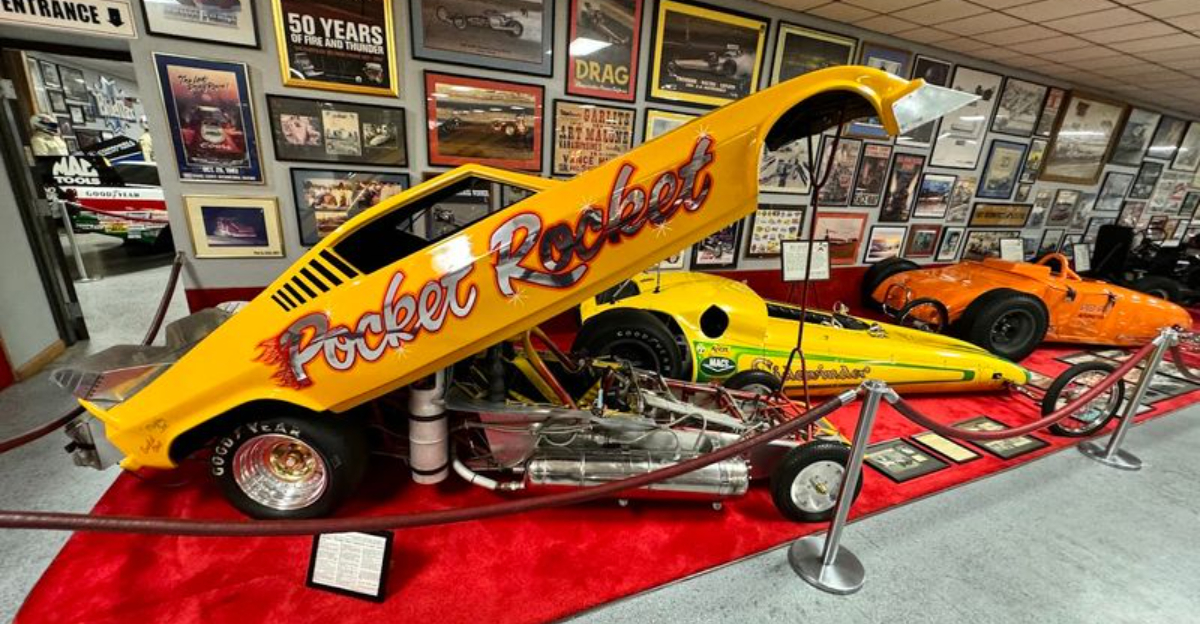
Hidden in Ocala, Florida, sits one of the most impressive car collections you’ve probably never heard of. The Don Garlits Museum of Drag Racing houses hundreds of vintage drag racers, hot rods, and classic automobiles that tell the story of American racing history. Founded by drag racing legend “Big Daddy” Don Garlits himself, this museum is a treasure trove for anyone who loves speed, horsepower, and the roar of powerful engines.
1. Big Daddy’s Legacy Lives Here
Walking into this place feels like stepping into the personal garage of a racing icon. Don Garlits, nicknamed “Big Daddy,” practically invented modern drag racing as we know it. He didn’t just drive fast cars—he built them, crashed them, and rebuilt them even faster.
At 92 years old, Don still greets visitors sometimes, which is pretty incredible when you think about it. Imagine meeting the guy who reached 323 mph in his Swamp Rat 34 dragster. That car sits right there in the museum, looking like a rocket with wheels.
The stories behind each vehicle reveal how one man’s obsession changed motorsports forever. After a serious accident in 1970, Don pioneered the rear-engine dragster design that’s now standard across the sport. His innovations saved lives and made racing safer for everyone who came after.
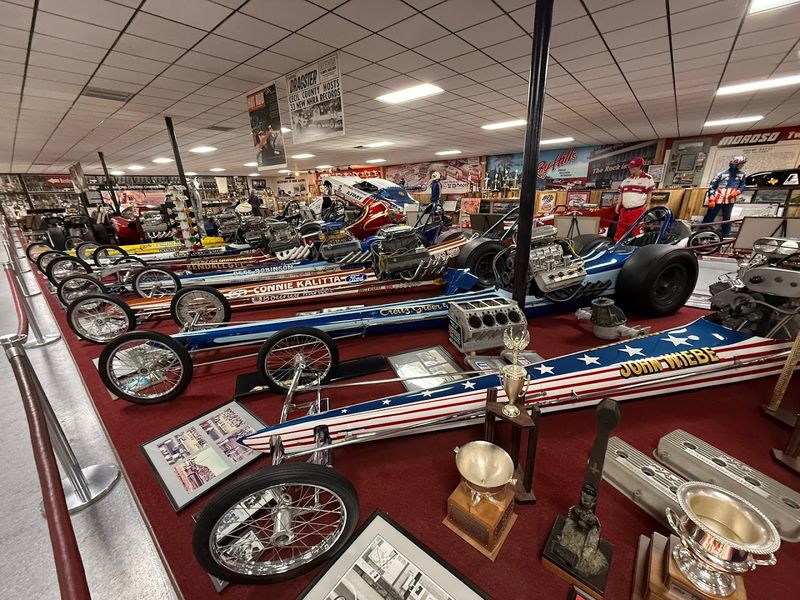
You’ll find his entire Swamp Rat series displayed throughout the building, showing the evolution of his thinking and engineering skills. Each machine represents years of trial, error, and pure determination. The plaques explain not just what each car did, but why it mattered to racing history.
Standing next to these machines, you realize you’re looking at American ingenuity at its finest.
2. Two Museums For One Admission Price
Here’s something most people don’t expect: your ticket gets you into two completely different museums. The main building showcases drag racing history, while the second building houses an incredible collection of antique and vintage automobiles. It’s basically two experiences rolled into one visit.
The drag racing building focuses on speed and competition, with cars that look more like missiles than vehicles. Then you walk over to the antique car museum and suddenly you’re surrounded by elegant classics from the early 1900s. The contrast is wild but somehow works perfectly.
Each building deserves at least an hour of your time, maybe more if you’re really into cars. Visitors consistently mention spending three to four hours total without even realizing how much time passed. There’s just that much to see, read, and absorb.
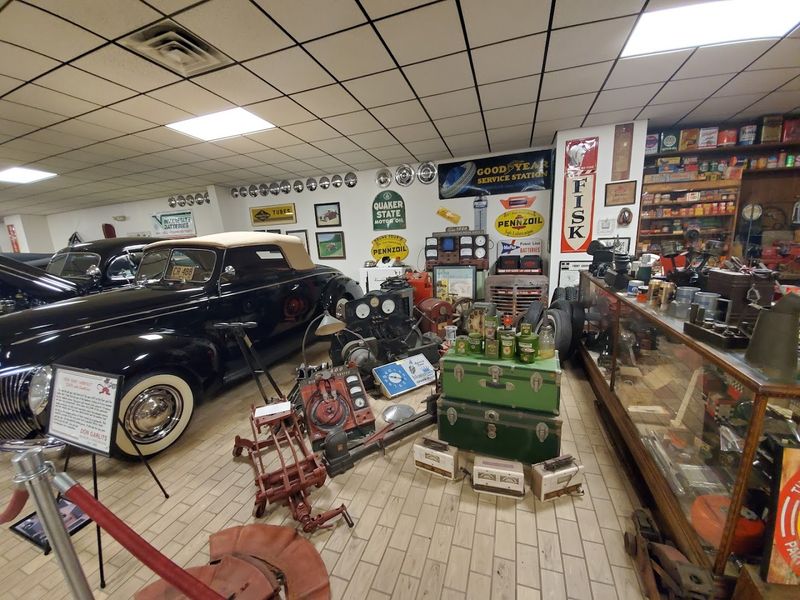
The antique building includes nostalgic items beyond just automobiles—old signs, memorabilia, and artifacts that transport you back decades. Every vehicle comes with detailed information explaining its significance and history. The pristine condition of these cars is remarkable; reviewers note there’s not even dust on the black ones.
Free parking right off the highway makes access easy, and the layout flows naturally between exhibits.
3. Drag Racing History From Beginning To Now
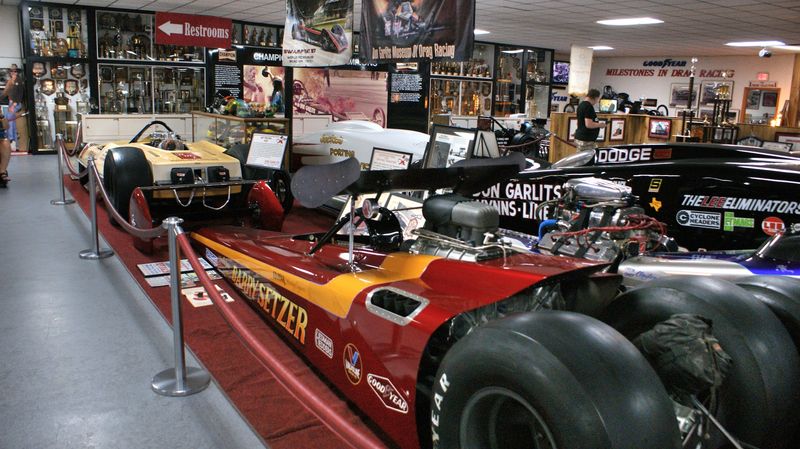
Ever wonder how drag racing started? This museum walks you through the entire timeline, from the earliest days of hot rodding to modern Top Fuel monsters. You’ll see cars from every major era, including machines driven by legends whose names still echo through racing circles.
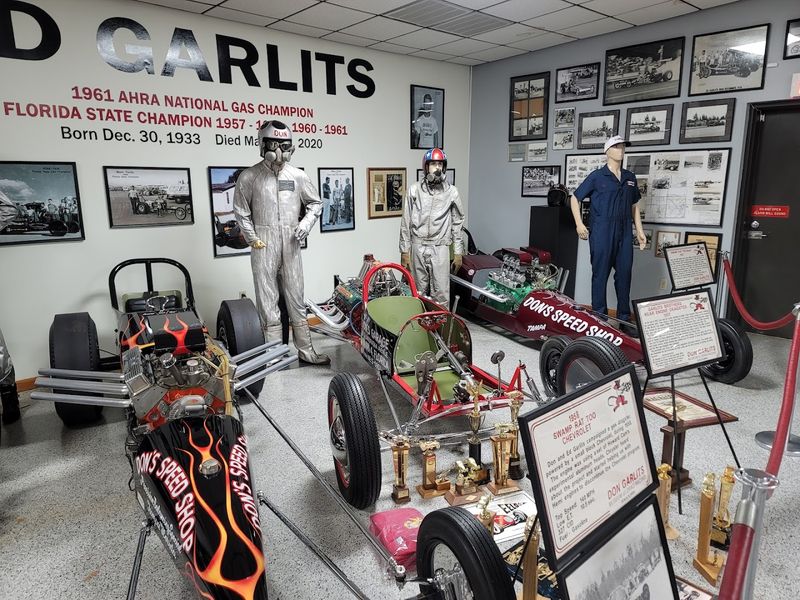
The collection includes dragsters from famous racers beyond just Don Garlits, though his Swamp Rat series definitely steals the show. Cards beside each vehicle explain what made that particular car special—whether it set records, introduced new technology, or survived legendary races. These aren’t just pretty displays; they’re history lessons on wheels.
One room features engines cut away so you can see inside the mechanical guts that produce insane horsepower. Intake manifolds, carburetors, and other components sit on display like mechanical artwork. For gearheads, this section is absolute heaven.
Photos and memorabilia cover the walls, showing drivers in their prime and capturing moments that defined the sport. Even if you’ve watched drag racing your whole life, you’ll learn things here that television never taught you. The depth of information available makes this place educational without being boring.
It’s basically a textbook on American motorsports, except way more fun.
4. Clean, Well-Organized, And Easy To Navigate
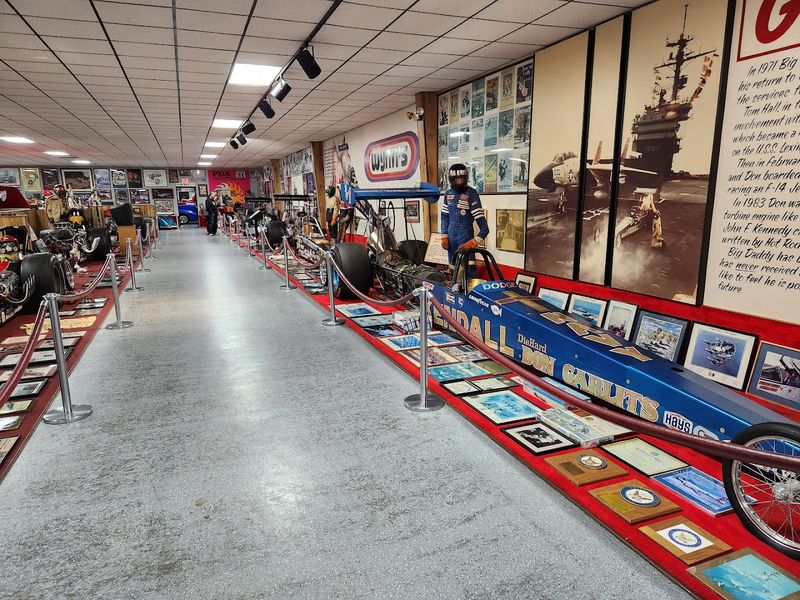
Museums can sometimes feel cluttered or confusing, but not this one. The layout makes sense, with clear pathways guiding you through chronological displays and thematic sections. You won’t get lost or feel overwhelmed despite the massive amount of vehicles and information packed inside.
Multiple visitors specifically praise how clean everything is maintained. We’re talking showroom-level cleanliness on every single car, which is impressive considering how many are on display. The staff clearly takes pride in presentation, keeping glass spotless and floors swept.
Signage throughout helps you understand what you’re looking at without requiring a tour guide. Each display includes enough context to appreciate its significance, whether you’re a hardcore racing fan or just casually interested. The information cards strike a good balance—detailed enough for enthusiasts but accessible enough for newcomers.
Natural flow between rooms means you won’t backtrack or miss sections accidentally. The museum respects your time while encouraging you to linger on exhibits that grab your attention. Lighting is well-done too, highlighting the vehicles without creating glare on information placards.
Even the gift shop area is organized and welcoming, stocked with racing-themed merchandise, model cars, and memorabilia. Everything about the space feels professionally curated yet personal, reflecting Don’s passion for sharing his love of racing.
5. Perfect Stop On A Florida Road Trip
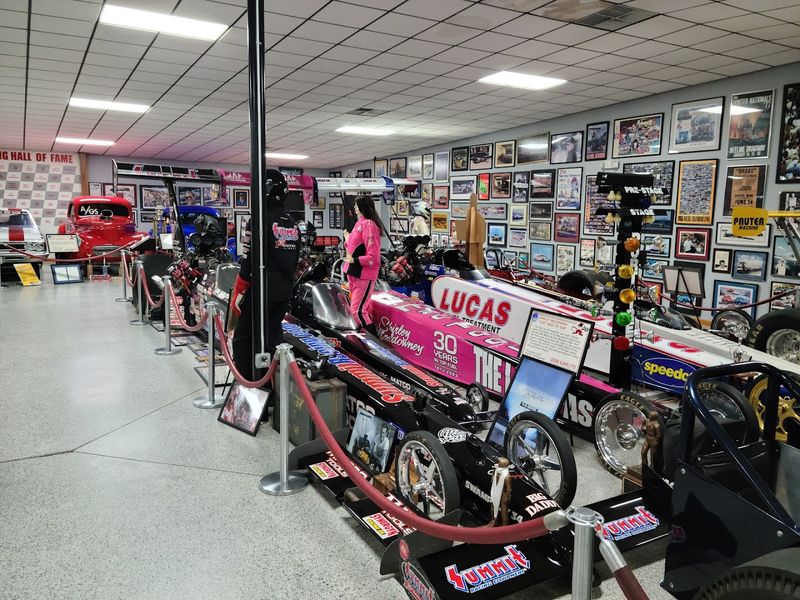
Positioned right off the highway between major Florida destinations, this museum makes an ideal road trip pit stop. Whether you’re heading to Fort Myers, Tampa, or anywhere else in the state, Ocala sits conveniently along several main routes. Pulling off for a couple hours here breaks up the drive perfectly.
The location at 13700 SW 16th Avenue is easy to find with GPS, and free parking means you’re not hunting for spots or feeding meters. Just pull in, park, and walk straight to the entrance. No complicated downtown navigation or confusing parking garages to deal with.
Open seven days a week from 9 AM to 5 PM, the museum accommodates most travel schedules. That consistent schedule means you can plan your visit without worrying about random closure days. Admission runs around $22 for adults, with military and other discounts available.
Families traveling through Florida appreciate having an educational stop that interests kids and adults equally. Boys especially seem to love the speed and power represented in these machines. Even travelers with zero drag racing knowledge find themselves fascinated once they start exploring.
The museum provides clean restrooms and climate-controlled comfort—important factors when you’re traveling in Florida heat.
6. Memories And Nostalgia Around Every Corner
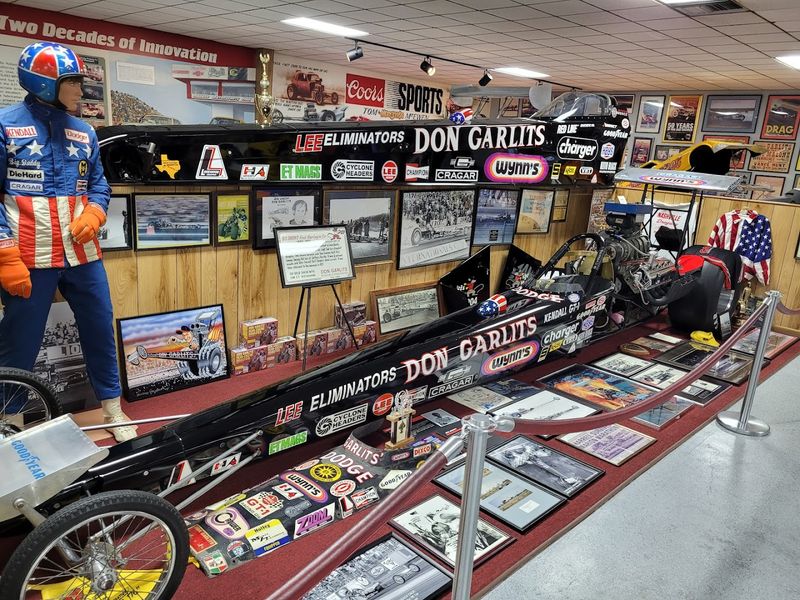
For anyone who grew up watching drag racing in the 70s and 80s, this place hits different. Visitors consistently mention how the museum brought back memories of watching races with their fathers and brothers. Seeing cars they remember from television, now preserved forever, creates powerful emotional connections.
The nostalgia isn’t limited to racing either. The antique car building includes period items, old advertisements, and cultural artifacts that transport you back to different decades. You might spot a car your grandfather drove or recognize packaging from products your parents used.
People born in the 60s particularly appreciate how much of the collection reflects their childhood and teenage years. These were the cars on posters in bedroom walls, the drivers whose names everyone knew. Now those heroes and their machines stand preserved, honoring an era when drag racing dominated weekend television.
Even younger visitors pick up on the historical significance, understanding how these vehicles and drivers shaped modern motorsports. The museum does excellent work curating stories that resonate across generations. Grandparents bring grandchildren, sharing their excitement and explaining why certain cars or drivers mattered.
It’s rare to find places that trigger such genuine emotional responses while remaining educational and entertaining for everyone.
7. Worth Every Penny For Car Enthusiasts
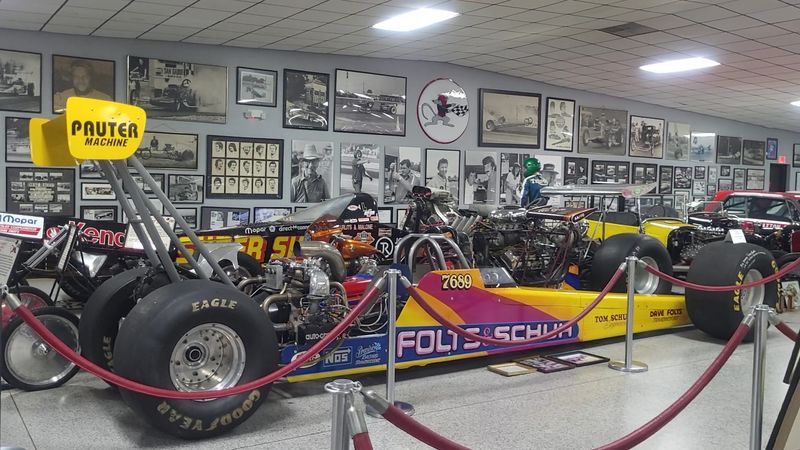
Car lovers call this one of the best automotive museums they’ve ever visited, which is high praise considering the competition. The sheer volume of vehicles combined with the quality of preservation and presentation justifies the admission cost many times over. You’re not just looking at old cars—you’re experiencing curated American racing heritage.
Reviewers emphasize the depth of the collection, noting you could visit multiple times and still discover details you missed before. That level of content density is rare, especially at this price point. From legendary dragsters to the engineering displays to the antique automobiles, every dollar of admission delivers value.
The museum appeals to different levels of interest too. Hardcore gearheads can geek out over technical specifications and fabrication details for hours. Casual visitors enjoy the visual spectacle and fascinating stories without needing deep mechanical knowledge.
Families find it engaging enough to hold everyone’s attention without anyone getting bored.
Several visitors mention they had no particular interest in drag racing before arriving, yet left thoroughly impressed and educated. That ability to convert skeptics speaks volumes about how well the museum presents its subject matter. The passion behind the collection shines through every exhibit.
For the price of a movie ticket and popcorn, you get hours of entertainment and education.
8. Friendly Staff And Professional Operation
First impressions matter, and the staff at the front counter consistently receive praise for being welcoming and informative. They’re not just taking tickets—they’re genuinely enthusiastic about the museum and happy to answer questions. That personal touch sets a positive tone for the entire visit.
The professionalism throughout the operation shows in countless small details. Everything from the cleanliness to the lighting to the information accuracy reflects careful management. This isn’t some dusty garage with random cars scattered about; it’s a legitimate world-class museum that happens to focus on drag racing.
Don Garlits himself sometimes greets visitors, which guests describe as an unforgettable bonus. Meeting the 92-year-old legend adds a personal dimension that few museums can match. His presence reminds you that this collection represents one man’s lifetime passion and achievement.
The gift shop offers quality merchandise without feeling pushy or overpriced. Model cars, shirts, stickers, and racing memorabilia give fans ways to take home memories. While one reviewer mentioned a sizing issue with a shirt purchase, that appears to be an isolated incident rather than a pattern.
Overall, the human element here enhances rather than detracts from the experience. You feel welcomed, respected, and appreciated as a visitor—qualities that make you want to return and recommend the place to others.