Step Inside 11 Florida Hotels Dripping With Old World Charm
Florida’s hotel scene isn’t all about flashy new towers and modern minimalism. Scattered across the state, you’ll find properties that have held onto their original glamour for nearly a century or longer. These aren’t just places to sleep—they’re time capsules wrapped in arches, chandeliers, and stories that stretch back to railroad tycoons and Jazz Age weekends.
Whether you’re drawn to Gilded Age grandeur or quirky coastal hideaways, these 11 historic hotels offer a chance to experience Florida the way visitors did generations ago.
1. The Breakers (Palm Beach)
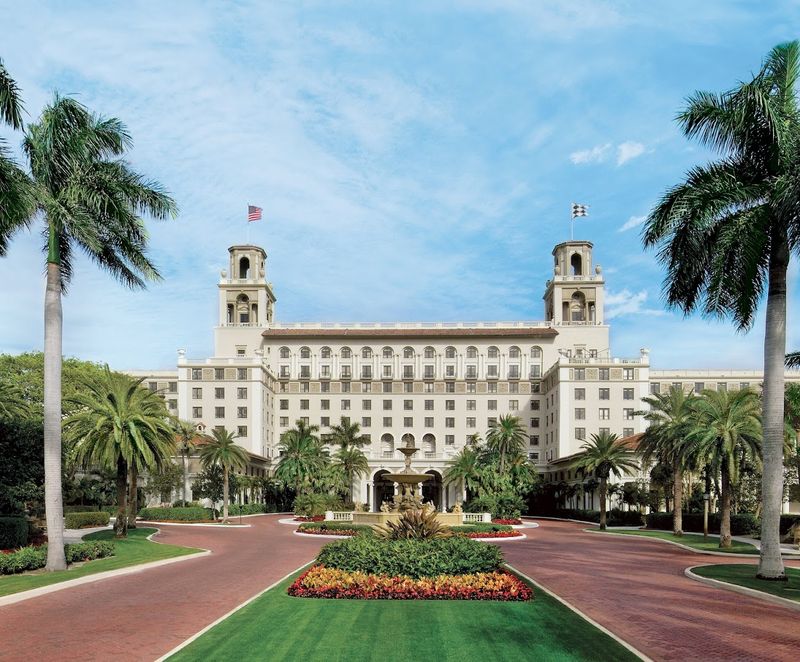
Henry Flagler didn’t do anything small, and The Breakers proves it. This oceanfront palace opened its doors in 1896 and has been turning heads ever since. The resort’s twin Italian Renaissance towers rise above Palm Beach like something out of a European postcard, complete with frescoed ceilings, marble columns, and enough gilded detail to make a museum jealous.
Walk through the lobby and you’ll notice the hand-painted vaulted ceilings inspired by Rome’s Villa Medici. Flagler wanted his guests to feel like royalty, and the architects delivered. The property sits on 140 acres of perfectly manicured grounds, with views that stretch across the Atlantic and a pool area that could host a small kingdom.
Today’s Breakers still honors its roots while offering modern luxury. You can sip cocktails on the same terraces where Gilded Age socialites once gathered, or stroll through gardens that have been tended for over a century. The resort has survived fires, hurricanes, and changing tastes, yet it remains one of Florida’s most iconic addresses.
Staying here feels less like checking into a hotel and more like stepping onto a movie set where the golden era never ended. It’s grand without being stuffy, historic without feeling frozen in time.
2. The Don CeSar (St. Pete Beach)
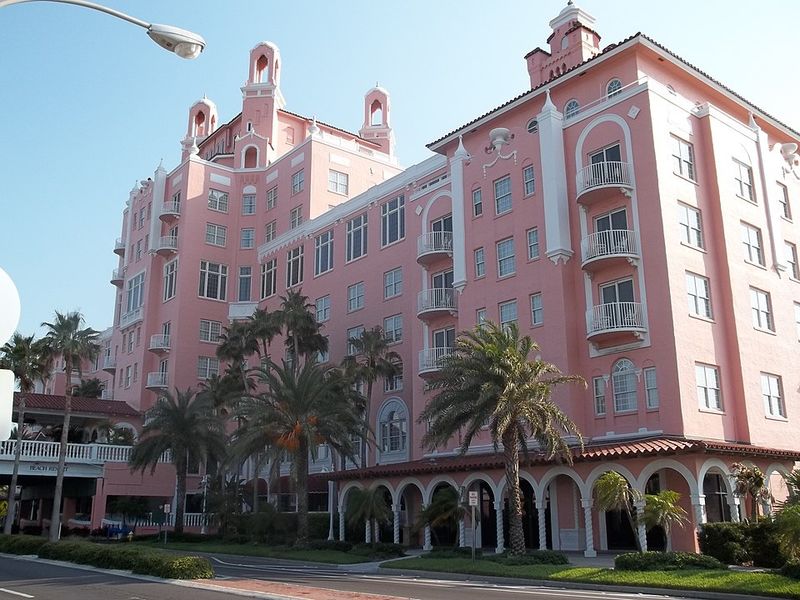
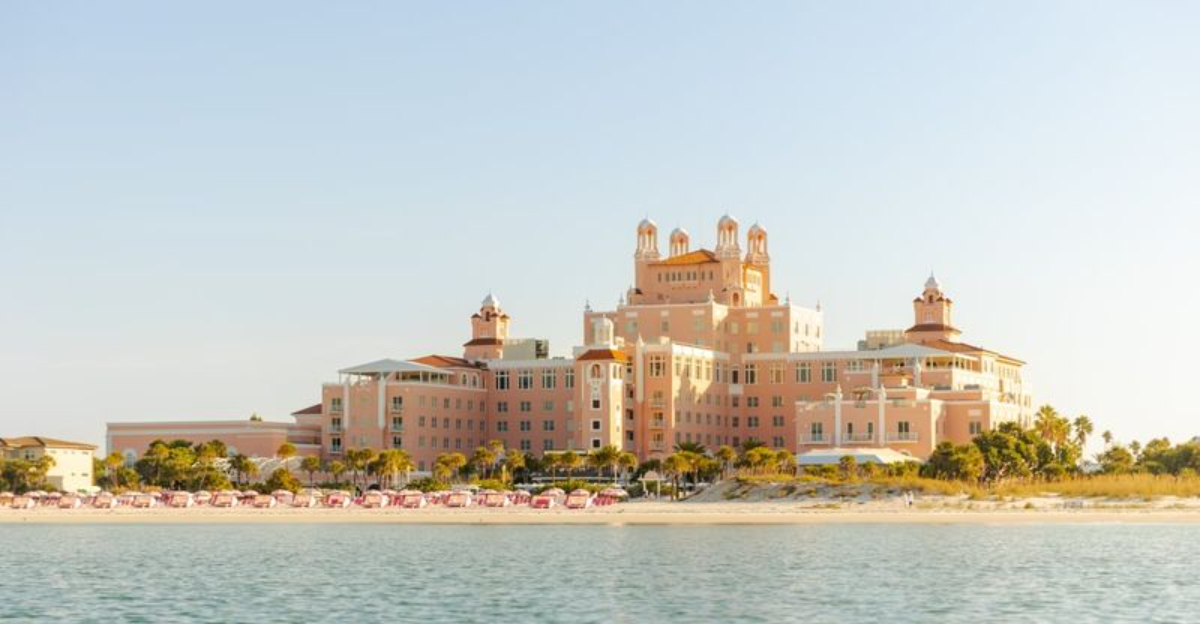
They call it the Pink Palace, and once you see it rising against the Gulf sky, you’ll understand why. The Don CeSar opened in 1928 as a playground for the Jazz Age elite, and its bubble-gum-pink facade has been a St. Pete Beach landmark ever since. Architect Henry H.
Dupont designed it to look like a Mediterranean castle, complete with turrets, arches, and enough romantic flair to make Gatsby jealous.
The hotel’s story is as colorful as its paint job. During World War II, it served as a military hospital and later as an office building for the Veterans Administration. By the 1970s, it had fallen into disrepair, but a major restoration brought back its original glory.
Today, guests walk through the same grand lobby where F. Scott Fitzgerald and his wife Zelda once danced.
The beachfront location is unbeatable—white sand, turquoise water, and sunsets that look Photoshopped. Inside, you’ll find vintage chandeliers, mosaic tiles, and a vibe that splits the difference between old-school elegance and beach-town ease. The rooftop bar offers panoramic Gulf views, and the spa keeps things luxurious without losing the property’s historic soul.
It’s the kind of place where history and vacation mode blend seamlessly, and where every corner feels Instagram-ready without trying too hard.
3. Casa Monica Resort & Spa (St. Augustine)
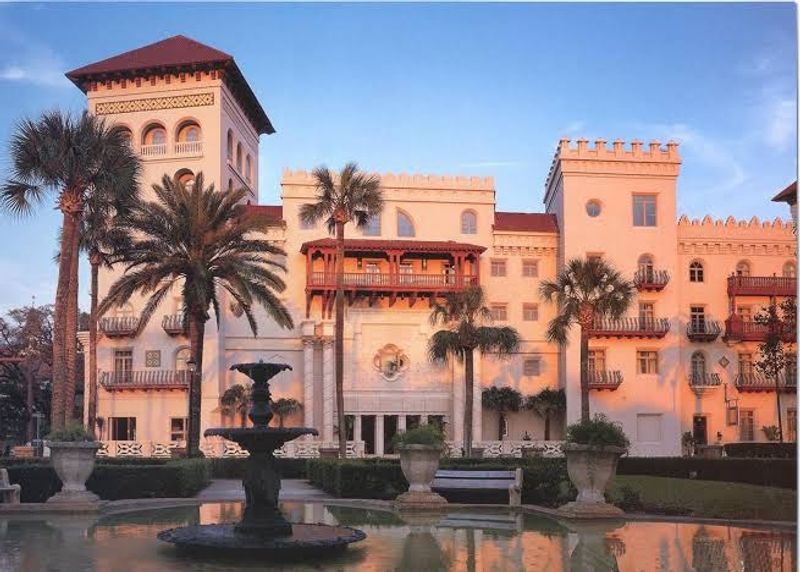
St. Augustine is already America’s oldest city, so it makes sense that one of its most atmospheric hotels would lean hard into the history. Casa Monica opened in 1888 as a luxury resort designed by architects Franklin W. Smith and James Renwick Jr., blending Spanish Colonial Revival with Moorish flourishes.
The result is a building that feels more like a castle in Andalusia than a Florida hotel.
Step inside and you’re greeted by hand-painted ceilings, wrought-iron chandeliers, and enough tilework to keep your eyes busy for hours. The lobby features intricate archways and rich tapestries that transport you straight to another era. Even the hallways feel intentional, with dark wood accents and moody lighting that add to the Old World mystique.
The hotel has changed hands and names over the years, but its commitment to preserving original details never wavered. Rooms balance period charm with modern comfort, so you get the romance of the past without sacrificing your expectations for a good night’s sleep. The rooftop bar, Castillo, offers views of the city’s historic district and the bay beyond.
Casa Monica isn’t trying to be trendy or minimalist. It embraces ornate, dramatic, and richly layered design—the kind of place where every corner feels like it has a story to tell.
4. The Biltmore Hotel (Coral Gables)
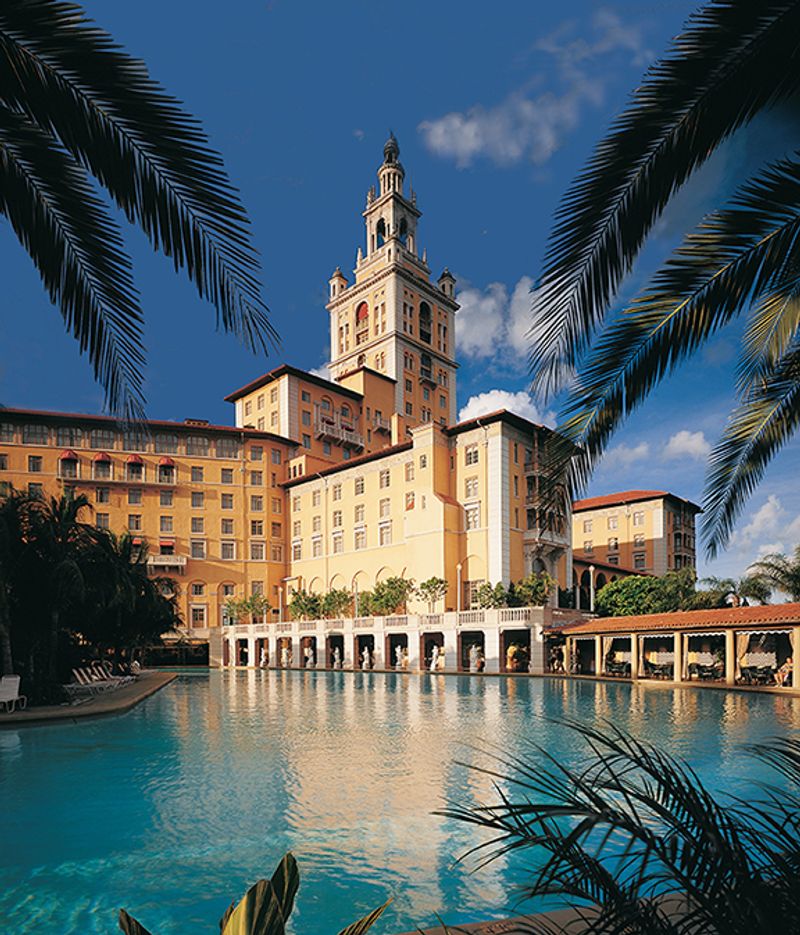
When George Merrick envisioned Coral Gables as a Mediterranean-inspired dream city, The Biltmore was built to be its crown jewel. Opened in 1926, the hotel brought Old World drama to South Florida with its soaring tower, grand arches, red-tile roof, and courtyards that feel lifted from a Spanish palace.
The building has lived several lives, which only adds to its mystique. During World War II, it served as a military hospital, and later became a veterans’ hospital before being restored to its original purpose as a luxury hotel. Today, its historic glamour is impossible to miss, from the frescoed ceilings and marble columns to the massive pool that once hosted aquatic shows and glamorous society gatherings.
Set in leafy Coral Gables, the property feels removed from Miami’s faster pace while still sitting close to the city’s energy. Golf greens, palm-lined paths, and Mediterranean Revival details give the whole place a cinematic quality, as if you’ve stepped into a 1920s travel poster with better cocktails.
The Biltmore doesn’t whisper its history—it lets it echo through every archway, ballroom, and sunlit terrace. It’s elegant, dramatic, and unmistakably South Florida, a hotel that proves old-world grandeur can still feel wildly alive.
5. The Boca Raton (Boca Raton)
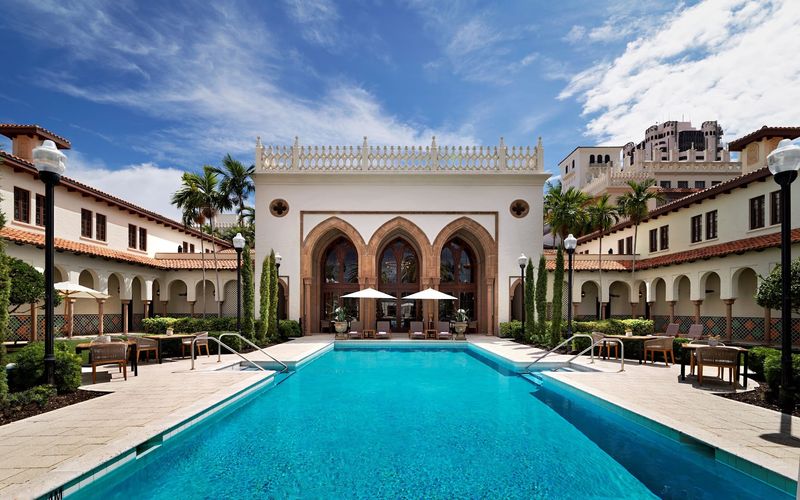
Addison Mizner knew how to make an entrance. When he designed the original Cloister Inn in 1926, he gave South Florida a new architectural language—one filled with terracotta roofs, shaded courtyards, and arches that framed the sky like living paintings. That original building became the heart of what’s now known as The Boca Raton, a sprawling luxury resort that still wears Mizner’s fingerprints proudly.
The property has grown over the decades, adding towers, beach clubs, and yacht slips, but the historic Cloister remains its soul. Walk through those original spaces and you’ll see hand-painted tiles, pecky cypress ceilings, and wrought-iron details that feel more European villa than Florida resort. Mizner wanted his buildings to look centuries old from day one, and he succeeded.
The resort’s location between the Intracoastal and the Atlantic gives it a rare dual-water advantage. You can start your morning with sunrise over the ocean and end it watching boats glide past the marina. The grounds are lush, sprawling, and dotted with fountains and sculptures that make wandering feel like exploration.
This isn’t a hotel trying to recreate the past—it’s one that never left it. The Boca Raton holds onto its 1920s grandeur while still delivering the kind of service and amenities modern travelers expect.
6. The Gasparilla Inn & Club (Boca Grande)
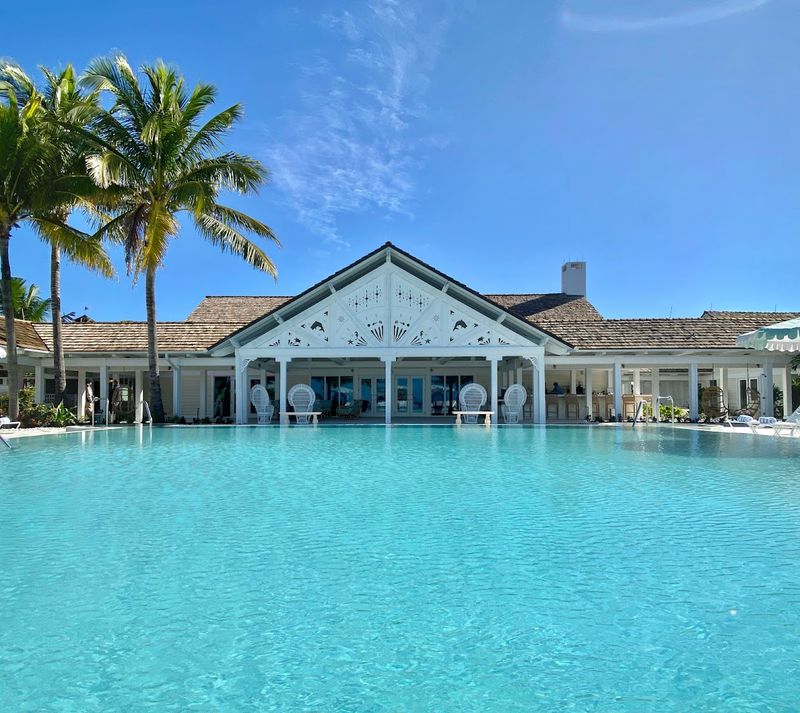
Boca Grande has always done things differently, and The Gasparilla Inn is proof. Opened in 1913, this low-key legend has spent over a century perfecting the art of quiet luxury. No flashy towers or neon signs here—just white clapboard buildings, wide porches, and the kind of timeless elegance that doesn’t need to shout.
The inn was built to attract wealthy anglers and winter visitors escaping the northern cold. Over the decades, it became a favorite among families who returned year after year, creating traditions that span generations. The dress code is still enforced in the dining room, and jackets are expected at dinner—a nod to an era when formality and leisure went hand in hand.
The property sits on the southern tip of Gasparilla Island, surrounded by golf greens, beaches, and a town that feels frozen in the best possible way. Rooms are decorated with a light touch—comfortable, classic, and free of trendy distractions. The atmosphere is more country club than resort, with an emphasis on understated service and respect for tradition.
The Gasparilla Inn doesn’t try to reinvent itself every season. It knows what it is and who it’s for, and that confidence is part of its charm. This is Old Florida at its most polished and unhurried.
7. Casa Marina Key West, Curio Collection by Hilton (Key West)
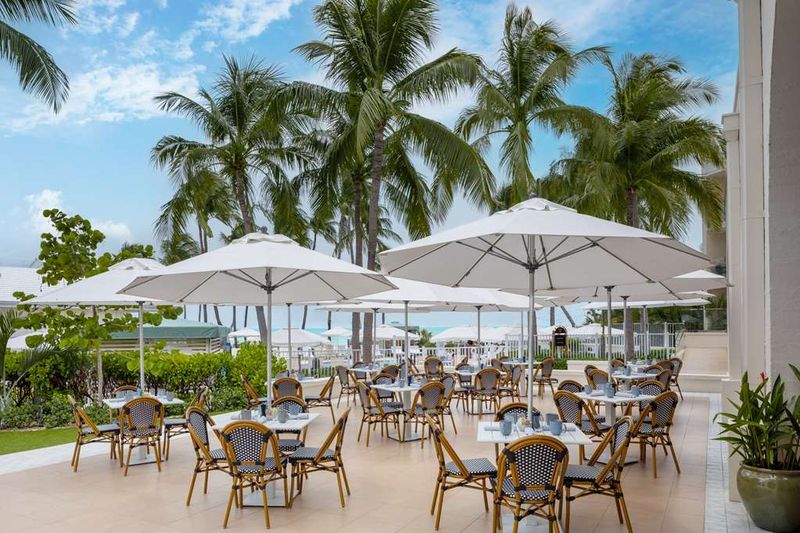
Henry Flagler’s railroad finally reached Key West in 1912, and by 1920, the island had a grand hotel worthy of the journey. Casa Marina opened on New Year’s Eve that year, giving well-heeled travelers a breezy oceanfront escape at the southern edge of Florida. With its pale stucco walls, arched walkways, and palm-framed grounds, the hotel still carries the easy elegance of a bygone Key West.
The property was designed with Mediterranean Revival influences, but its mood is pure island glamour. Wide terraces, high ceilings, and open-air spaces make the most of the sea breeze, while the private beach gives it a rare advantage in a town better known for coral rock shores than soft sand. Over the decades, Casa Marina has welcomed writers, celebrities, and winter escapees looking for sun with a side of sophistication.
Today, the resort blends historic bones with polished updates, keeping the old-world atmosphere without feeling stuck in the past. You can spend the day under swaying palms, wander into Old Town for pastel cottages and lively bars, then return to a hotel that feels calm, grand, and just a little cinematic.
Casa Marina captures a different side of Key West—less rowdy Duval Street, more timeless seaside retreat.
8. Casa Marina Hotel and Restaurant (Jacksonville Beach)
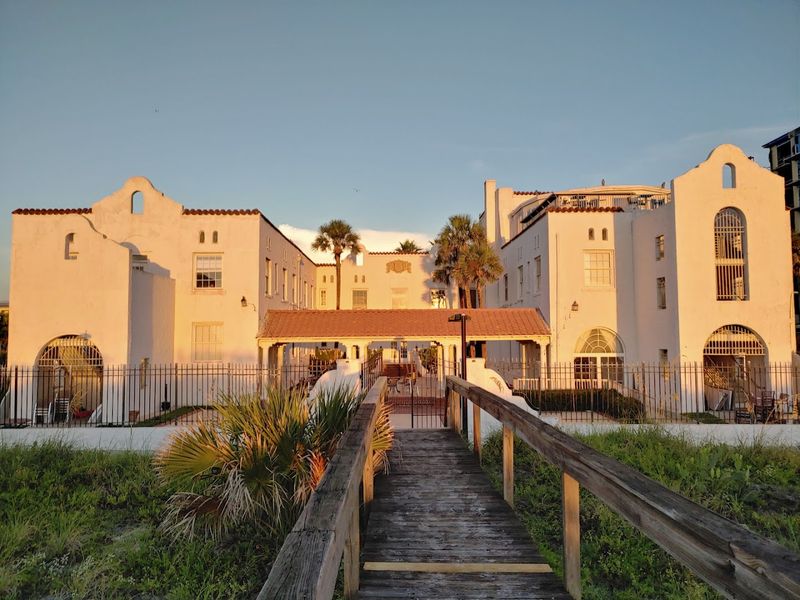
Jacksonville Beach had its resort heyday in the early 20th century, and Casa Marina was right in the middle of it. This intimate beachfront hotel has roots in that golden era, when Florida’s Atlantic coast was just beginning to attract winter visitors looking for sun and surf. The property earned recognition from Historic Hotels of America for its commitment to preserving that refined, glamorous past.
Unlike some of its grander cousins across the state, Casa Marina keeps things personal. With just a handful of rooms, it feels more like a boutique hideaway than a sprawling resort. The architecture nods to Mediterranean influences, with stucco walls, arched doorways, and a color palette that mirrors the sand and sea just steps away.
The on-site restaurant has become a destination in its own right, serving coastal cuisine in a setting that honors the building’s history. You can dine with ocean views and a sense that you’re part of a tradition that stretches back decades. The hotel’s location puts you within walking distance of Jacksonville Beach’s shops, bars, and boardwalk, but the property itself feels like a quiet escape.
This isn’t the biggest or flashiest historic hotel in Florida, but that’s part of its appeal. Casa Marina offers a more intimate glimpse into the state’s resort history, where elegance and ease go hand in hand.
9. Colony Hotel & Cabana Club (Delray Beach)
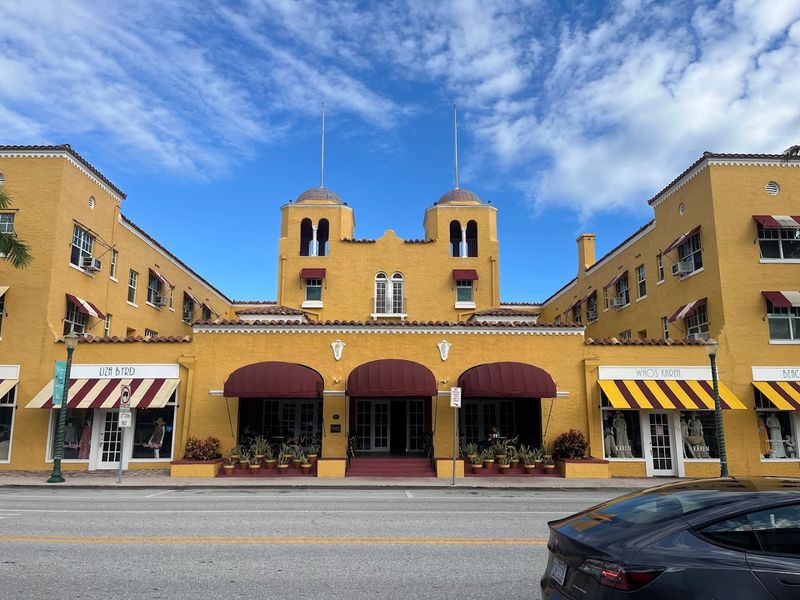
Delray Beach’s Colony Hotel wears its history on its pastel-painted sleeve. Listed on the National Register of Historic Places, this charming property has been a fixture of the town’s beachfront scene since the 1920s. Its architecture blends British Colonial influences with Florida’s love of color, resulting in a look that’s both refined and playfully tropical.
The hotel’s Cabana Club sits directly on the beach, offering guests a private stretch of sand and an old-school beach club vibe. Striped umbrellas, lounge chairs, and a poolside bar create a scene that feels pulled from a vintage postcard. The main hotel building features cozy rooms decorated with period-appropriate touches, though modern comforts haven’t been sacrificed in the name of authenticity.
What sets the Colony apart is its sense of place. It’s deeply tied to Delray Beach’s identity as a walkable, artsy, and community-focused town. Atlantic Avenue, with its galleries, restaurants, and shops, is just a short stroll away.
The hotel hosts events and welcomes locals, blurring the line between tourist destination and neighborhood gathering spot.
Staying here feels less like visiting a museum and more like joining a tradition. The Colony has evolved over the decades, but it’s never lost sight of what made it special in the first place—a combination of seaside ease, English elegance, and genuine warmth.
10. The Brazilian Court Hotel (Palm Beach)
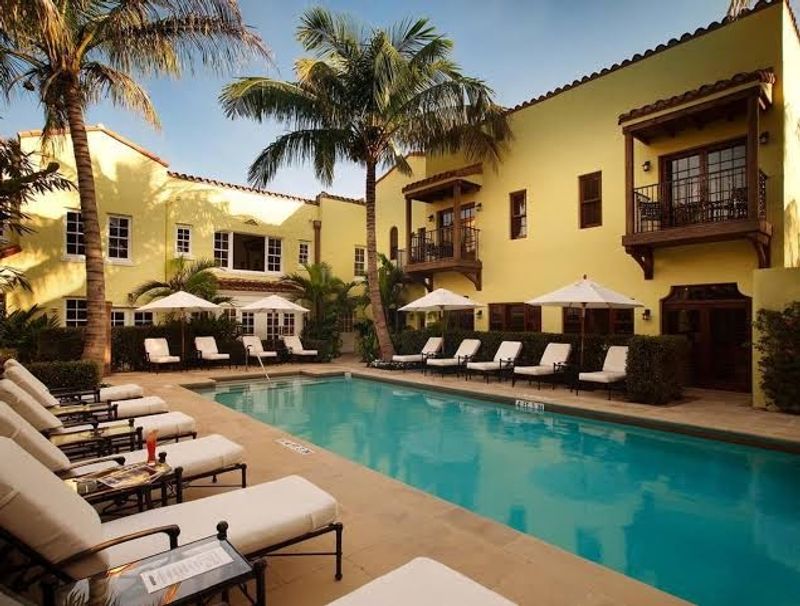
Palm Beach has no shortage of grand hotels, but The Brazilian Court takes a different approach. Tucked away from the island’s main thoroughfares, this boutique property offers privacy, romance, and a sense of discovery. Vogue has highlighted it among Palm Beach’s most historic accommodations, and once you step through the gates, you’ll see why.
The hotel’s Mediterranean-inspired architecture creates a series of intimate courtyards filled with fountains, tropical plants, and quiet corners perfect for afternoon reading. The design feels European—think Spanish villas and Italian gardens—but the setting is pure Palm Beach. Rooms are individually decorated, blending Old World elegance with modern luxury.
Some open directly onto the courtyards, giving you a private garden view.
The Brazilian Court doesn’t advertise itself loudly. It’s the kind of place you hear about from friends who know Palm Beach well, a local secret hiding in plain sight. The on-site restaurant, Café Boulud, brings French technique and seasonal ingredients to the table, adding a culinary dimension to the experience.
What makes this hotel special isn’t just its history or architecture—it’s the way it feels removed from the outside world. Even in a town known for wealth and social scenes, The Brazilian Court manages to offer something more intimate and personal. It’s a hideaway in the truest sense.
11. Island Hotel (Cedar Key)
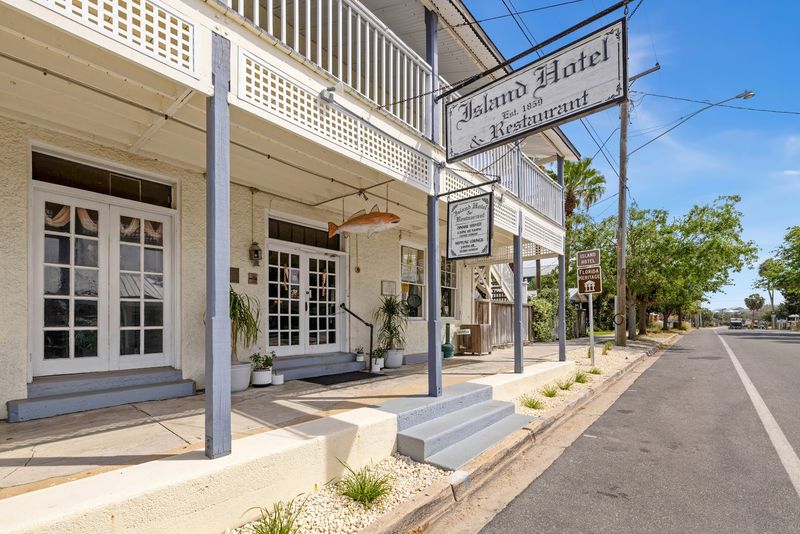
Cedar Key sits on Florida’s forgotten Gulf Coast, and the Island Hotel fits right into that off-the-beaten-path vibe. This place has been standing since the 1860s, starting life as a general store, post office, and customs house before becoming a hotel in 1946. It’s not polished or pretentious—it’s quirky, timeworn, and full of character.
The building itself looks like it’s been through a few hurricanes (because it has). Wooden floors creak underfoot, and the decor leans heavily into nautical nostalgia. Some rooms are named after famous guests or local legends, and the whole property feels like a living scrapbook of Cedar Key’s past.
The on-site restaurant serves fresh seafood with a side of local storytelling.
What the Island Hotel lacks in luxury, it makes up for in authenticity. This isn’t a place where you’ll find a spa or a concierge desk. It’s a place where you’ll chat with locals at the bar, watch pelicans dive for fish from the porch, and fall asleep to the sound of water lapping against the docks.
Cedar Key itself is a time capsule—a fishing village that tourism mostly passed by. The Island Hotel embraces that slower pace and rough-around-the-edges charm. It’s not for everyone, but for travelers who appreciate history with a healthy dose of weirdness, it’s a perfect fit.