This Scenic Florida Paddle Trail Feels Like A Journey Through Untouched Wilderness
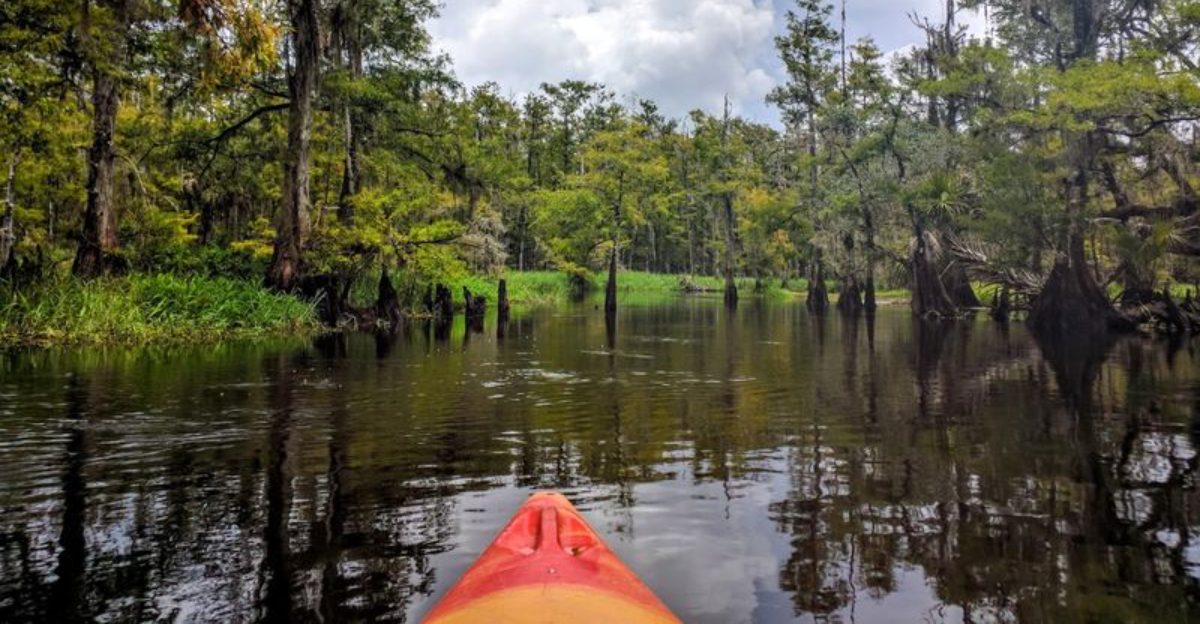
Tucked away in the heart of Florida lies one of the state’s last free-flowing waterways, a hidden treasure where cypress trees drape with Spanish moss and wildlife roams freely along winding creeks. Fisheating Creek Wildlife Management Area offers paddlers a rare chance to experience Old Florida exactly as nature intended, untouched by development and bursting with natural beauty.
Whether you’re gliding silently past sunbathing alligators or watching wading birds fish in the shallows, this remote paradise delivers an authentic wilderness adventure that feels worlds away from everyday life.
Paddling Through Florida’s Last Free-Flowing Creek
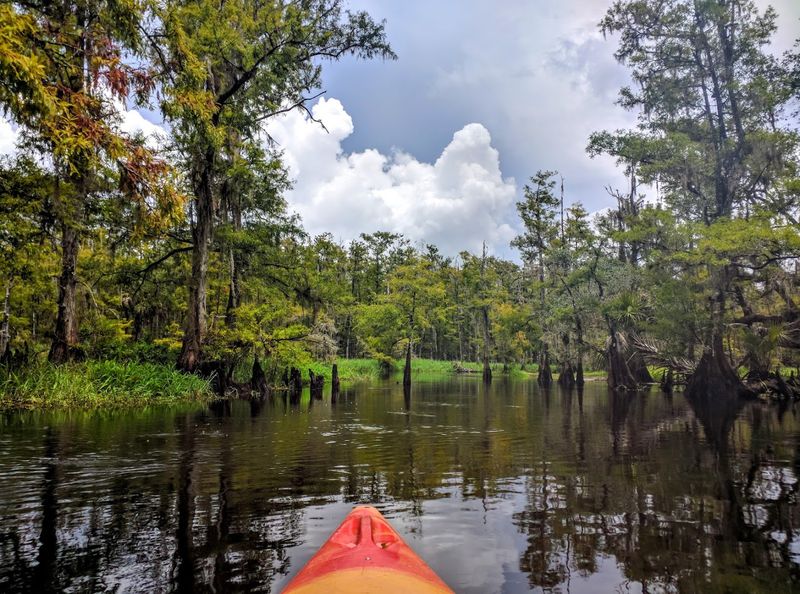
Fisheating Creek holds a special distinction that sets it apart from almost every other waterway in Florida. This is one of the last remaining free-flowing creeks in the entire state, meaning it hasn’t been dammed, channelized, or significantly altered by human hands.
When you dip your paddle into these dark, tannin-stained waters, you’re experiencing something genuinely rare and precious.
The creek meanders naturally through the landscape, creating oxbows and connecting at four different points throughout the management area. This winding path makes every paddle trip an exploration, where you never quite know what’s around the next bend.
The water levels fluctuate with the seasons, sometimes running high enough for easy paddling and other times dropping low enough to reveal sandbars and shallow spots.
Most paddlers launch from the main boat ramp near the entrance, where canoe and kayak rentals are available if you don’t have your own watercraft. The friendly staff can point you toward the best routes depending on current conditions and your skill level.
Day trips are popular, but overnight canoe camping adventures allow you to truly immerse yourself in the wilderness experience.
The creek itself supports an incredible diversity of aquatic life, from largemouth bass and bluegill to numerous turtle species. Along the banks, cypress trees rise from the water, their knees creating natural sculptures that have stood for decades.
Spanish moss drapes dramatically from overhanging branches, sometimes trailing so low it brushes the water’s surface.
What makes paddling here so special is the genuine sense of solitude and timelessness. During weekdays especially, you might spend hours on the water without encountering another soul.
The only sounds are birdsong, the gentle splash of your paddle, and occasionally the plop of a startled turtle diving from a log. This is wilderness paddling at its finest, accessible yet authentically wild.
Wildlife Encounters Around Every Bend
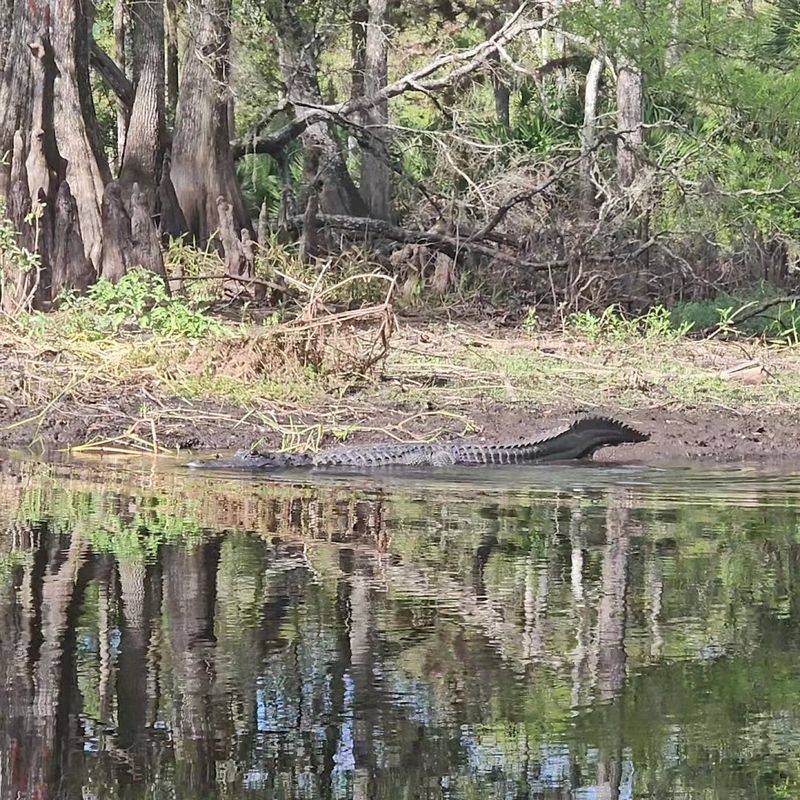
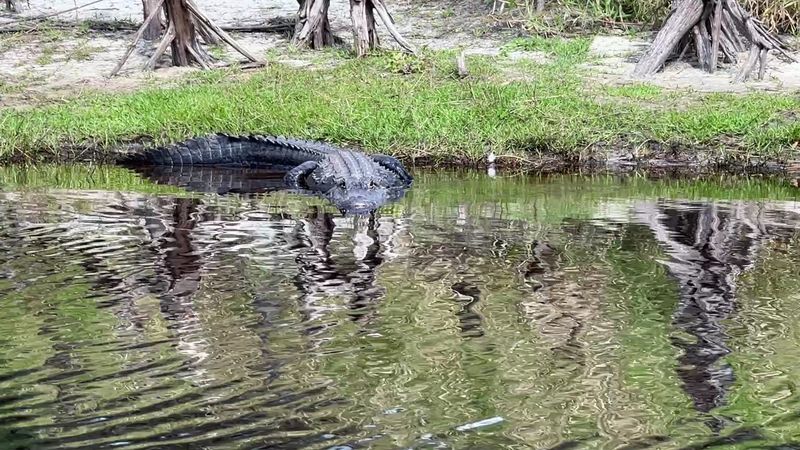
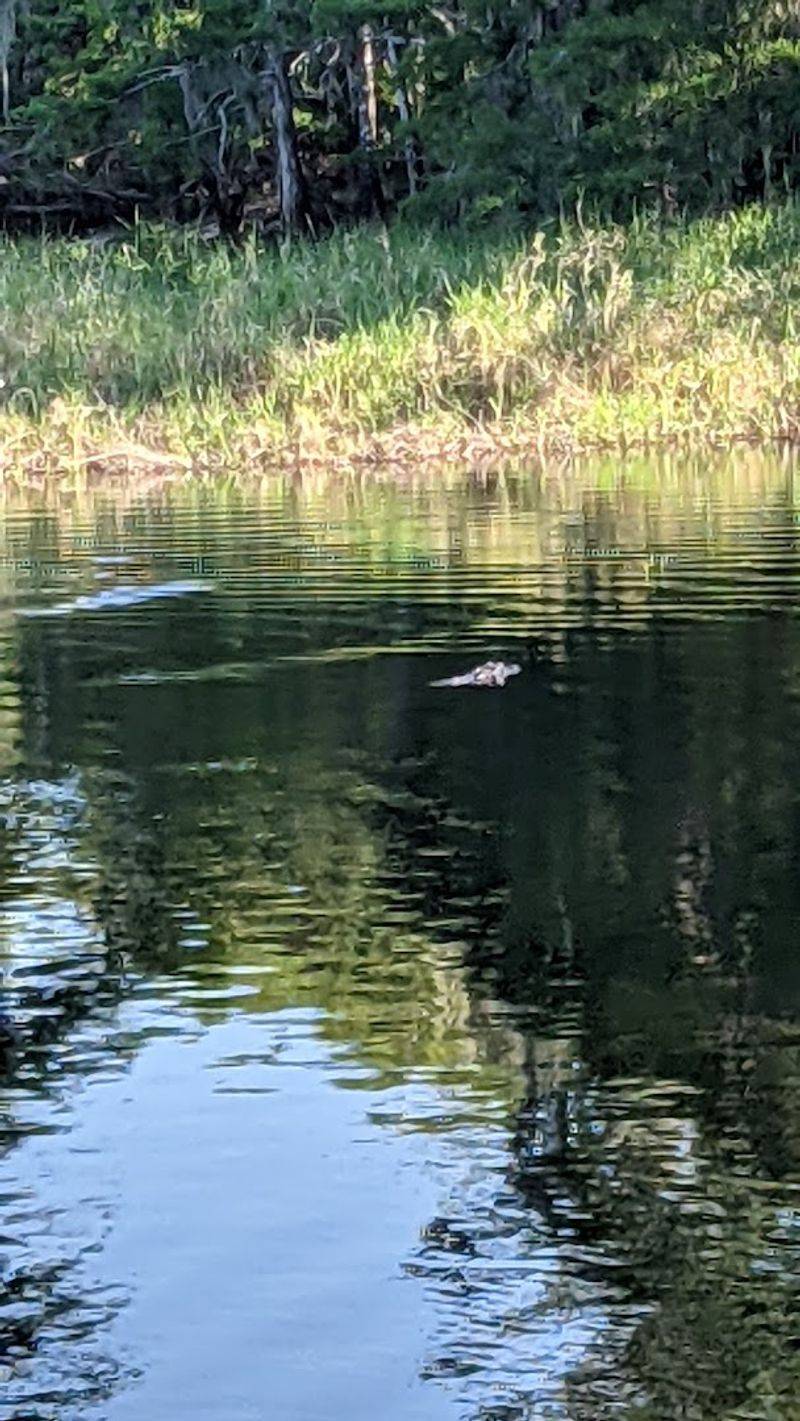
Bring your binoculars and camera because Fisheating Creek is basically a wildlife watching paradise on water. Alligators are the star attraction here, and you’ll see plenty of them sunbathing on muddy banks, floating like logs in the shallows, or gliding silently through the water with just their eyes and nostrils visible.
Don’t worry though—they’re generally uninterested in kayakers and will typically slip into the water as you approach.
Birdwatchers absolutely love this place, and for good reason. The diversity of species is staggering, ranging from common wading birds like great blue herons and snowy egrets to more unusual sightings like crested caracaras and swallow-tailed kites.
Bald eagles nest in the area, and if you visit during cooler months, you might spot them soaring overhead or perched majestically in tall pines.
White-tailed deer are frequently spotted along the creek banks, especially during early morning or evening paddles. They come to drink and graze on vegetation near the water’s edge.
Patient observers might also catch glimpses of river otters playing in the current or bobcats prowling the shoreline, though these shy creatures are less commonly seen.
The insect life here is equally impressive, particularly butterflies that flutter through sunny openings in the canopy. Dragonflies patrol the water’s surface in iridescent blues and greens, while colorful damselflies rest delicately on vegetation.
Yes, there are mosquitoes too, especially during summer, so bug spray is definitely your friend.
Snakes are part of the ecosystem as well, including water moccasins, black racers, and various non-venomous species. Most will avoid you if given the chance.
The key to great wildlife watching here is moving slowly and quietly, letting the natural rhythms of the creek reveal its inhabitants at their own pace rather than rushing through.
The Enchanting Boardwalk Trail
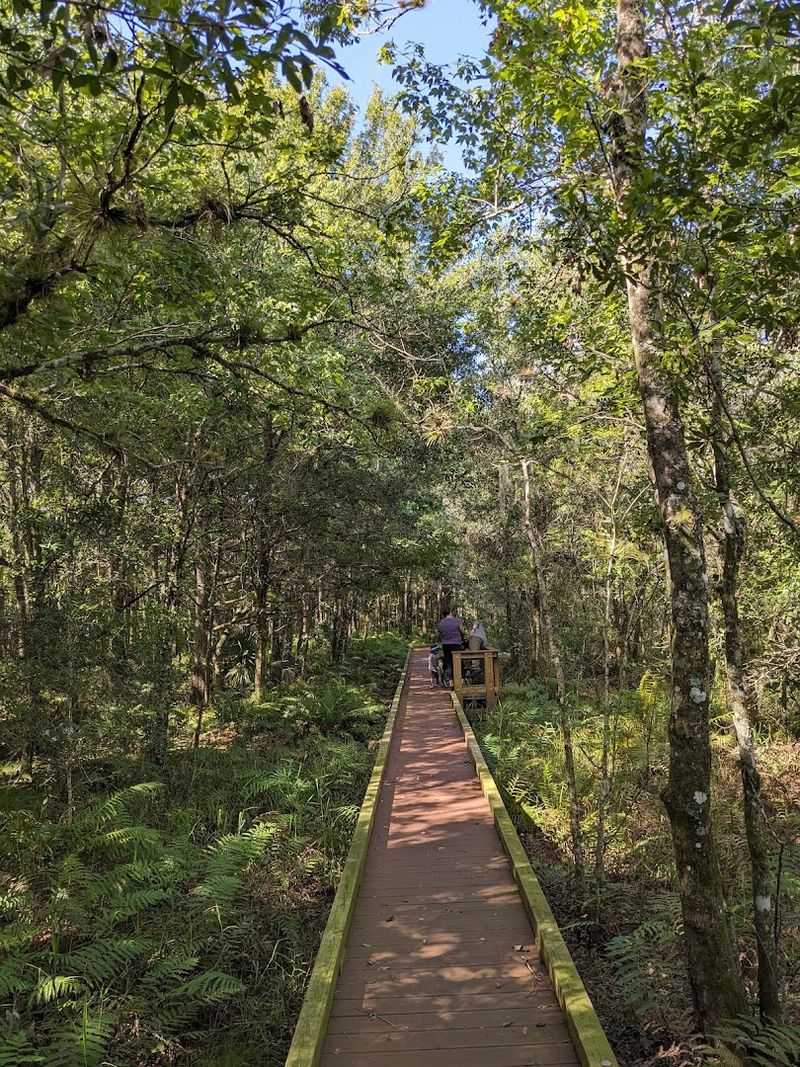
Not everyone who visits Fisheating Creek arrives with a kayak strapped to their roof, and that’s perfectly fine. The boardwalk trail offers an accessible way to experience the creek’s magical atmosphere without getting your feet wet.
This elevated pathway stretches about a quarter to half mile through some of the most photogenic wetland habitat you’ll find anywhere in Florida.
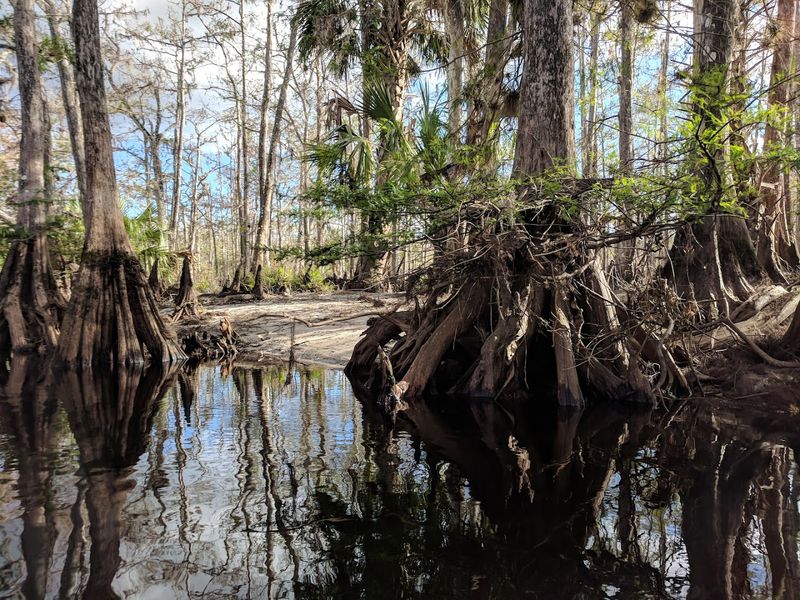
The boardwalk is constructed from composite decking material that stays solid underfoot and is completely wheelchair accessible. It winds gently through towering cypress trees, their massive trunks rising from the swamp like ancient pillars in a natural cathedral.
Spanish moss hangs everywhere, creating curtains of gray-green that sway in the slightest breeze.
Ferns carpet the forest floor beneath the boardwalk, their delicate fronds creating layers of texture and color. Depending on the season and recent rainfall, water levels beneath the walkway can vary from completely dry to several feet deep.
During high water periods, the reflection of trees in the still, dark water creates mirror images that photographers dream about.
Wildlife viewing from the boardwalk can be exceptional since you’re moving quietly on a stable surface. Alligators sometimes rest in the shaded water below, birds flit through the canopy above, and squirrels scamper along branches seemingly unconcerned by human observers.
The serenity of this place is remarkable, especially considering how close it sits to a busy highway.
Near the end of the main boardwalk, an “off ramp” branches toward two additional hiking trails that venture deeper into the wilderness. These unpaved paths require proper footwear and aren’t wheelchair accessible, but they extend your exploration options considerably.
Many visitors walk the boardwalk in sandals only to discover these trails and regret not bringing hiking boots and water bottles.
Camping Under the Canopy
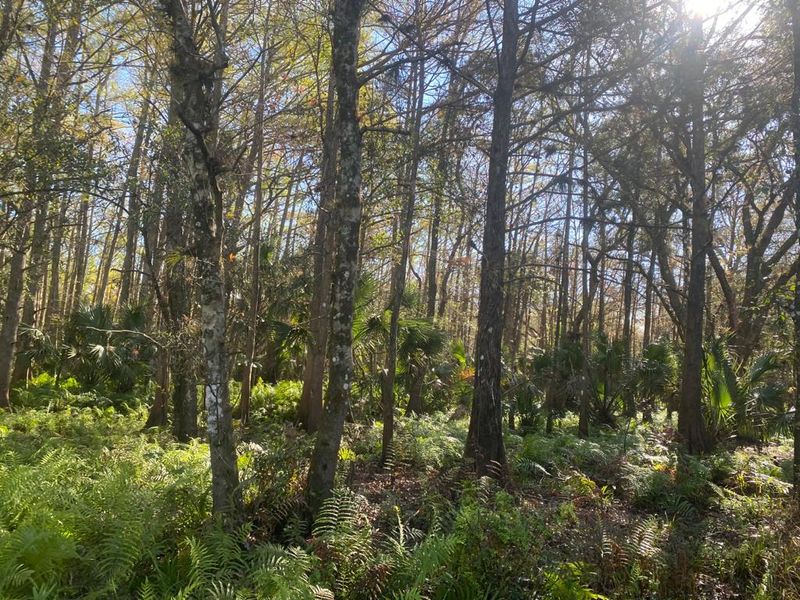
Spending a night or two at Fisheating Creek transforms a day visit into a genuine wilderness immersion. The campground offers sites that range from open grassy areas to shaded spots tucked right along the creek’s edge.
Families who’ve camped here rave about waking up to the sounds of nature and having the creek literally steps from their tent door.
These are no-hookup primitive camping spots, which means no electricity or water connections at individual sites. That rustic approach keeps the experience authentic and tends to attract campers who genuinely want to disconnect from modern conveniences.
Sites are spacious enough to accommodate two tents and a vehicle with plenty of room left over for camping chairs and gear.
Restrooms with showers are available in the campground, though reviews suggest they could use more frequent cleaning. There’s also a laundry area for longer stays.
The convenience store at the check-in area stocks basic necessities, firewood, ice, and refreshments, so you don’t need to pack absolutely everything from home.
Fishing from the campsite banks is a favorite activity, especially for kids who love the immediate access to the water. Largemouth bass, bluegill, and catfish are common catches.
Walking trails at the back of the property provide opportunities for exploration without needing to drive anywhere.
One thing to know: the campground sits close to US Highway 27 and an active railroad track. You’ll hear vehicle traffic and occasional trains, especially at night.
Most campers report getting used to it fairly quickly, but light sleepers might want to bring earplugs. Weekends get busy with families and groups, so booking ahead is smart if you’re planning a weekend trip.
Weekdays offer much more solitude and a better chance at snagging those coveted creekside spots.
The Swimming Pond Experience
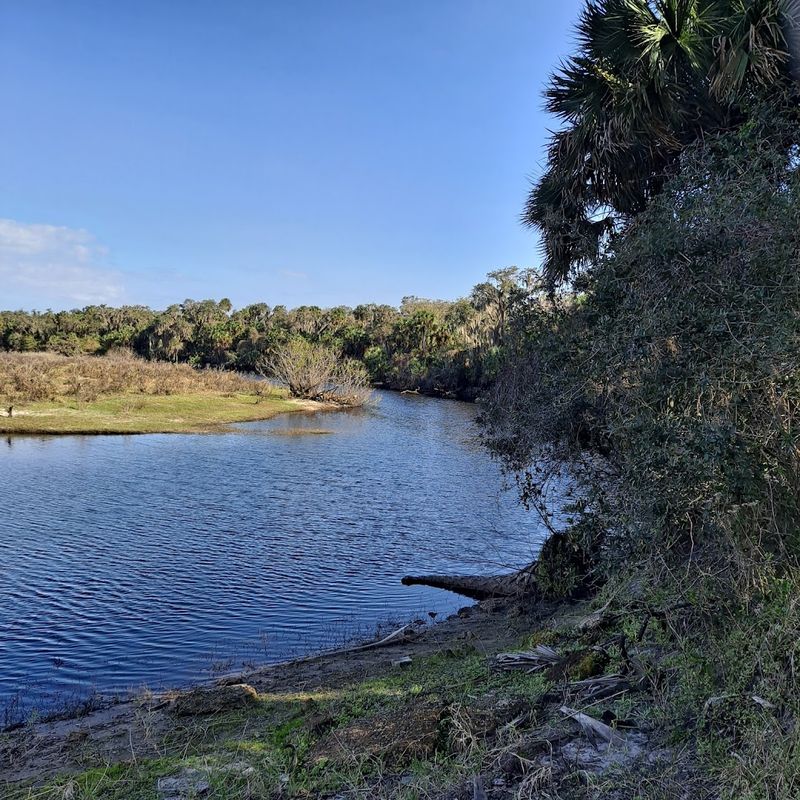
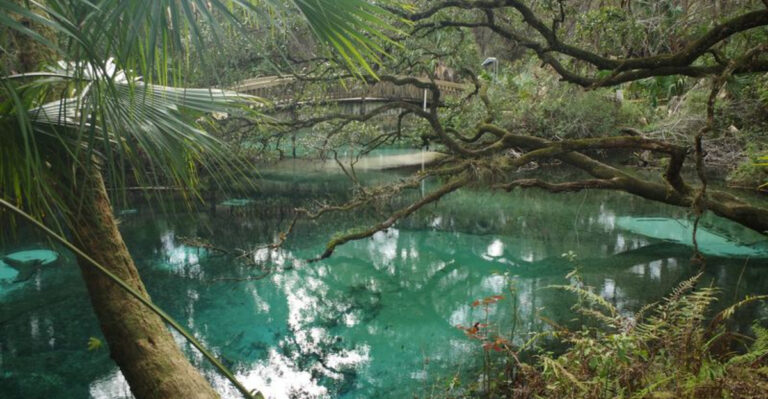
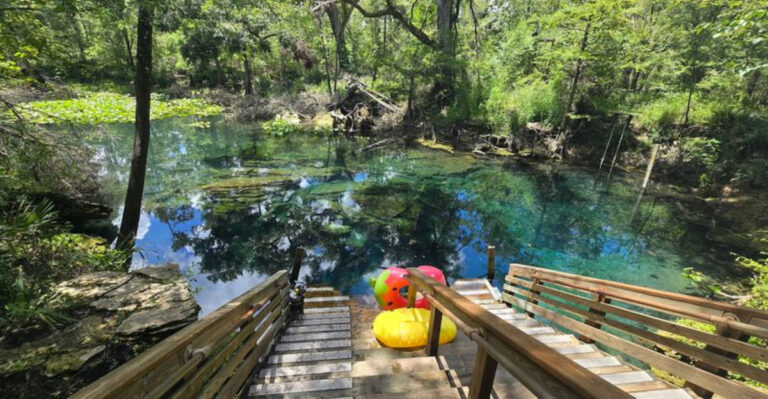
Here’s something you don’t find at every wilderness area: a designated swimming pond where you can cool off without worrying about sharing the water with alligators. Located at the north end of the campground, this spring-fed pond provides a welcome respite from Florida’s heat, especially during summer months when temperatures soar.
The pond is small but inviting, with relatively clear water that’s refreshing after a long paddle or hike. Families particularly appreciate having a safe swimming option since the creek itself, while beautiful, is definitely alligator habitat and not suitable for swimming.
Kids can splash and play while parents relax on the banks without the constant vigilance required in natural waterways.
The water stays cool year-round thanks to the spring source, which can be almost shockingly cold during winter months. In summer, that coolness is absolutely perfect.
The pond bottom is mostly sandy with some vegetation around the edges, and the depth varies from shallow wading areas to spots deep enough for swimming.
Amenities are basic—this isn’t a developed beach with lifeguards or facilities. You’ll want to bring towels, water shoes if you’re particular about what’s underfoot, and plenty of sunscreen since shade around the pond is limited.
Some families bring inflatable rafts or pool toys for younger children.
The swimming pond sees the most use during hot weekend afternoons when campground occupancy is highest. If you prefer a quieter experience, early morning or weekday visits offer a more peaceful atmosphere.
The pond is accessible to day-use visitors as well as campers, though you’ll need to pay the day-use fee and check in at the entrance.
Hiking Through Historic Fort Center
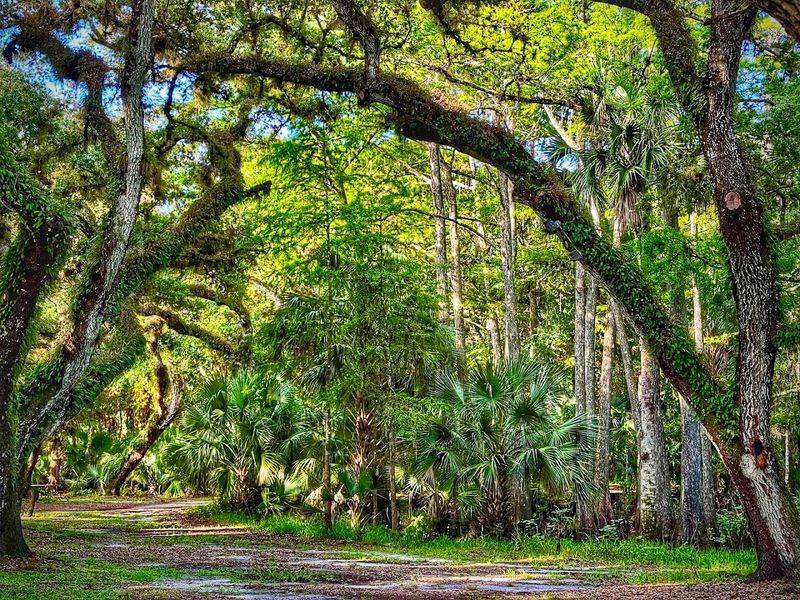
Beyond the boardwalk and deeper into the management area lies Fort Center, an archaeological site that adds a fascinating historical dimension to your wilderness visit. The hiking trail that leads here stretches several miles through varied terrain, passing through pine flatwoods, oak hammocks, and open prairies where cattle sometimes graze.
Fort Center itself is a significant pre-Columbian archaeological site where indigenous peoples lived for thousands of years. You can still see earthen mounds they constructed, and interpretive information helps visitors understand the site’s importance.
Old citrus trees planted by Spanish settlers centuries ago continue to grow here, their gnarled trunks testament to Florida’s layered history.
The hike to Fort Center can get quite hot during midday, especially in summer, since shade is limited through much of the route. Early morning hikes are most comfortable and offer the best wildlife viewing opportunities.
Bring plenty of water, wear a hat, and apply sunscreen liberally. The trail isn’t particularly challenging terrain-wise, but the distance and heat can be taxing for unprepared hikers.
Birdwatching along this trail is exceptional. Raptors including kestrels, caracaras, and red-shouldered hawks hunt over the open areas.
During migration seasons, you might spot unusual warblers and other songbirds. The variety of habitats along the route supports different bird communities, so keep your binoculars handy.
One amusing challenge hikers sometimes encounter is cattle that graze the area under a land management agreement. They’re generally docile but occasionally stubborn about moving off the trail.
Give them space and patience, and they’ll eventually mosey along. The presence of these cows actually helps maintain the open prairie habitat that many native species depend on.
Seasonal Timing Makes All the Difference
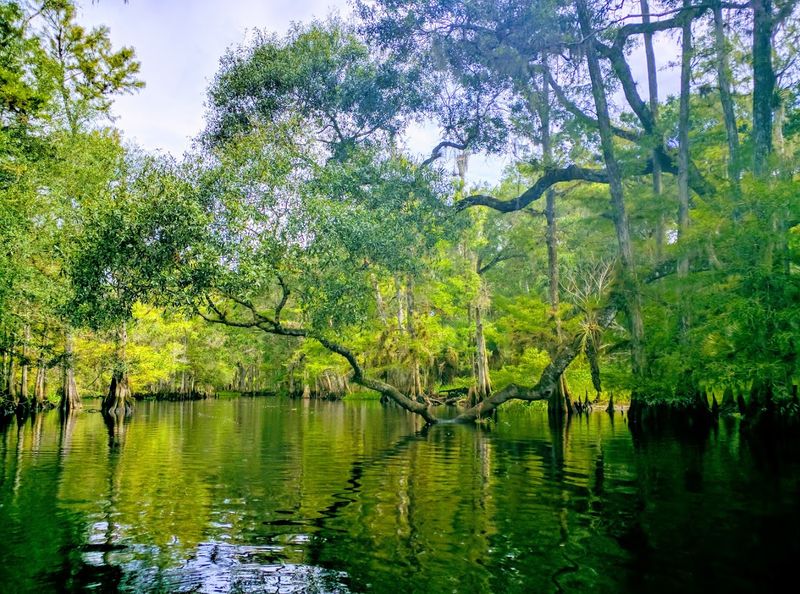
Visiting Fisheating Creek during different seasons provides dramatically different experiences, and understanding these variations helps you plan the perfect trip. Winter months from November through February offer the most comfortable temperatures for paddling, hiking, and camping.
Daytime highs typically range from the 60s to low 70s, and mosquitoes are far less aggressive than during warmer months.
Winter also brings migratory birds south, significantly increasing the diversity of species you might observe. Bald eagles are more active and visible during cooler months.
Water levels tend to be lower in winter and spring, which can make some creek sections challenging for paddling but excellent for spotting wildlife concentrated around remaining deep pools.
Summer visits from June through September require serious heat and bug preparation. Temperatures regularly climb into the 90s with oppressive humidity, and mosquitoes can be relentless, especially near dawn and dusk.
That said, summer brings afternoon thunderstorms that create dramatic skies and lush, green vegetation. Water levels are typically higher, making paddling easier through sections that might be too shallow in drier months.
Fall offers a sweet spot for many visitors, with temperatures moderating through October and November while water levels remain adequate for paddling. Crowds thin out after summer vacation season ends, providing more solitude on the trails and waterways.
Butterfly activity peaks during fall months, creating colorful displays along sunny trail sections.
Spring from March through May features blooming wildflowers and active wildlife as animals emerge from winter dormancy. Baby alligators appear, birds are nesting and displaying breeding behaviors, and fish become more active in warming waters.
This is when reviewers often mention seeing abundant butterflies and other insects.
Practical Planning for Your Visit
Getting to Fisheating Creek is straightforward once you know where you’re going. The management area sits along US Highway 27 near the small town of Venus, about an hour’s drive from both Fort Myers and West Palm Beach.
The entrance is well-marked, though the remote location means you’ll want to fuel up and grab supplies before arriving since services are limited nearby.
Day-use fees are quite reasonable at around four dollars per person plus tax. You’ll receive an armband and parking pass at check-in, where friendly staff provide maps and basic orientation information.
Don’t hesitate to ask questions about current trail conditions, water levels, or wildlife activity—the staff know the area intimately and can steer you toward the best experiences based on what you’re hoping to see.
If you’re planning to paddle, calling ahead to check water levels is smart, especially during drier months when some sections might be too shallow for comfortable kayaking. The management area rents canoes and kayaks at reasonable daily rates, or you can arrange overnight rental for multi-day creek camping adventures.
Bringing your own boat gives you more flexibility in timing and route choices.
Cell phone service is spotty to nonexistent throughout much of the management area, so download maps ahead of time and let someone know your plans. Carry a physical map as backup since GPS can be unreliable.
The remoteness is part of the appeal, but it requires more self-sufficiency than visiting developed parks with constant connectivity.
Essential items for any visit include insect repellent, sunscreen, plenty of drinking water, and appropriate footwear for your planned activities. Sandals work fine for the boardwalk, but hiking trails require closed-toe shoes with good traction.
Bring binoculars for wildlife watching and a camera to capture the incredible scenery you’ll encounter.
Biking the Backcountry
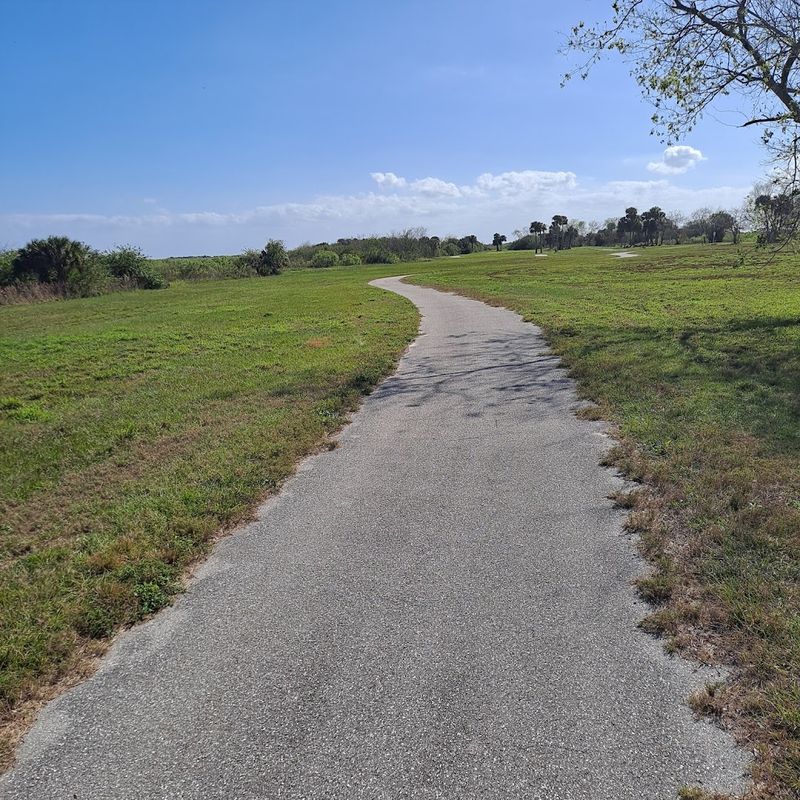
While paddling gets most of the attention at Fisheating Creek, the extensive trail system also offers fantastic opportunities for mountain biking through varied Florida ecosystems. Miles of dirt roads and trails wind through the management area, passing through pine flatwoods, oak hammocks, and open prairies where you might share the path with grazing cattle.
Bike rentals are available at the check-in area, making it easy to explore even if you didn’t bring your own wheels. The terrain is mostly flat, as you’d expect in Florida, but sandy sections can be challenging and require some bike-handling skills.
After recent rains, some trails can become muddy and difficult to navigate, so checking conditions before heading out is wise.
Wildlife viewing from a bike offers advantages over hiking since you can cover more ground and approach animals more quietly than on foot. Cyclists regularly report seeing deer, wild turkeys, various wading birds, and of course alligators along the routes.
The variety of landscapes you’ll pedal through keeps the experience interesting, with each habitat type supporting different plant and animal communities.
Morning rides are most pleasant, especially during warmer months when afternoon heat can become oppressive on exposed trails. Bringing plenty of water is essential since there are no facilities once you leave the main campground area.
The remoteness means you need to be self-sufficient with basic bike repairs—carrying a spare tube, pump, and multi-tool is smart.
Some trail sections pass very close to the creek, offering scenic views and chances to spot aquatic wildlife. Other routes traverse higher, drier ground dominated by saw palmettos and longleaf pines.
The diversity of environments within the management area means you can ride for hours without retracing your path, discovering new vistas and ecosystems around each turn.
Photography Paradise
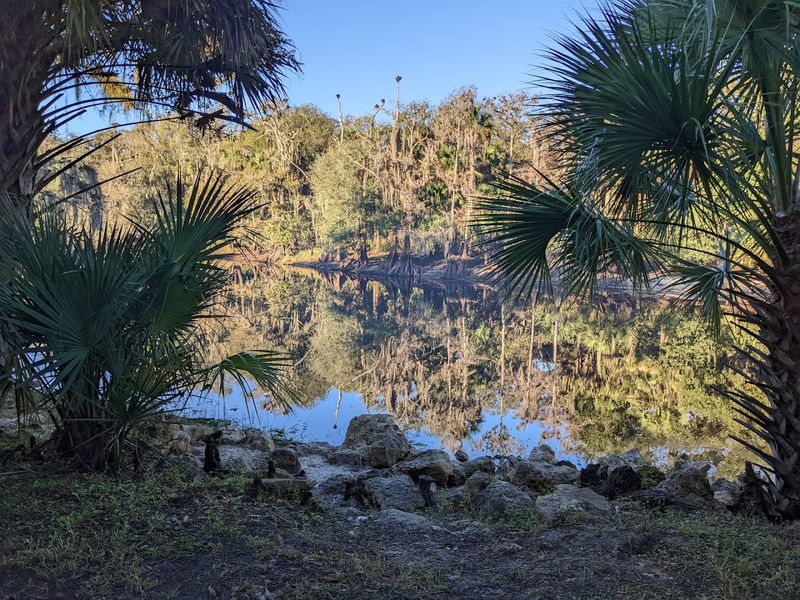
Photographers find endless inspiration at Fisheating Creek, where every season and time of day offers different lighting and subjects. The cypress-lined waterways draped with Spanish moss create quintessentially Southern scenes that look like they belong in a nature documentary.
Early morning fog rising from the creek’s surface adds ethereal atmosphere that landscape photographers dream about.
Wildlife photography opportunities are exceptional here, though patience and appropriate equipment are essential. Long lenses help capture detailed shots of wading birds, alligators, and other creatures without disturbing them.
The key is moving slowly and quietly, letting animals acclimate to your presence rather than rushing to get close.
The boardwalk provides stable shooting platforms for photographers who struggle with tripod placement in muddy or uneven terrain. The elevated perspective offers unique angles on the swamp ecosystem below.
During high water periods, the mirror-like reflections create symmetrical compositions that are simply stunning.
Golden hour—the first and last hours of sunlight each day—transforms the landscape into something magical. Warm light filtering through Spanish moss creates dramatic rays and shadows.
Sunset shots from the creek banks or while paddling can be spectacular, with colorful skies reflecting in the dark water.
Macro photographers will find plenty to capture among the abundant insect life, particularly butterflies and dragonflies. The variety of wildflowers during spring provides colorful foreground subjects.
Even the textures of cypress bark, fern fronds, and moss-covered logs offer interesting close-up opportunities.
One challenge photographers face is protecting equipment from moisture and insects. Bringing protective bags for gear during paddle trips is essential, and bug spray that won’t damage camera equipment is important during mosquito season.
The rewards, though, are images that capture the wild beauty of one of Florida’s most pristine natural areas.
Fishing the Fertile Waters
Anglers appreciate Fisheating Creek for its healthy populations of largemouth bass, bluegill, and catfish. The creek’s natural flow and abundant structure create ideal fish habitat, and because the area sees less fishing pressure than more accessible locations, the fishing can be genuinely excellent.
Kids especially love the action since panfish are plentiful and willing to bite.
Fishing from the campground banks is convenient and productive, particularly early morning and evening when fish are most active. Families with young children appreciate being able to cast a line just steps from their campsite.
Simple setups with live bait work well for bluegill and catfish, while bass fishermen typically use artificial lures worked around cypress knees and fallen logs.
Paddling opens up access to miles of creek where bank fishing is impossible, and many anglers combine kayak trips with fishing for a full wilderness experience. Drifting quietly downstream while casting to promising structure is relaxing and often productive.
Just remember that managing a rod, paddle, and kayak simultaneously requires some coordination and practice.
A valid Florida fishing license is required for anyone over 16, and you’ll need to follow state regulations regarding size and bag limits. The management area has specific rules posted at check-in, and staff can answer questions about current regulations.
Most anglers practice catch-and-release to help maintain the healthy fish populations.
Water levels significantly affect fishing success, with extremely low water concentrating fish in deeper pools but sometimes making them less aggressive. Higher water spreads fish throughout the system but can provide better feeding opportunities.
Asking staff about recent fishing reports helps you understand current conditions and adjust your approach accordingly.
Respecting and Preserving This Natural Treasure
Fisheating Creek represents something increasingly rare in Florida: a genuinely wild place that hasn’t been developed, channelized, or significantly altered. This makes it precious, and every visitor bears responsibility for helping preserve its natural character.
The reviews consistently mention how pristine the area feels, but maintaining that quality requires conscious effort from everyone who visits.
Leave No Trace principles are essential here. Pack out everything you pack in, including food waste and trash.
Even biodegradable items like orange peels should go home with you since they don’t belong in this ecosystem. Campers should use designated fire rings and avoid creating new ones, and always fully extinguish fires before leaving.
Respecting wildlife means observing from appropriate distances and never feeding animals. Alligators that become accustomed to humans or associate people with food can become dangerous and often must be removed.
Keep food secured at campsites to avoid attracting raccoons and other opportunistic animals. Pets should remain leashed both for their safety and to avoid disturbing wildlife.
Staying on designated trails prevents erosion and protects sensitive vegetation. Creating shortcuts or new paths damages habitats and can take years to recover.
When paddling, avoid disturbing nesting birds or approaching too closely to alligators, particularly during nesting season when they’re more defensive.
The management area operates on limited budgets, and visitor fees directly support maintenance and improvements. Following all posted rules, respecting staff instructions, and treating facilities with care helps ensure this special place remains accessible and well-maintained.
Several reviews mention ongoing improvements like new basketball courts, showing that management actively works to enhance visitor experiences while protecting natural resources.