People Spend Thousands Flying to the Caribbean While These 9 Florida Springs Sit Right Here
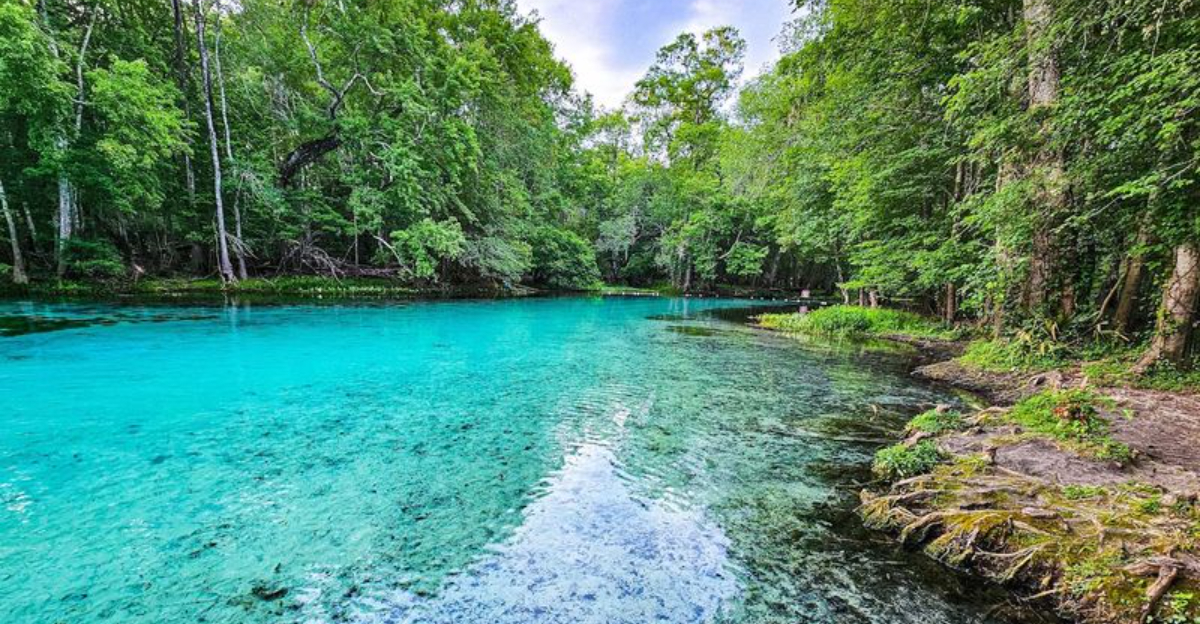
Every winter, thousands of travelers drain their savings accounts for Caribbean vacations, chasing turquoise water and tropical vibes. Meanwhile, Florida hides some of the clearest, most beautiful springs on the planet—many just a short drive from your door. These natural wonders serve up that same crystal-clear water, lush scenery, and endless recreation without the passport, plane ticket, or resort fees.
1. Rainbow Springs State Park (Dunnellon)
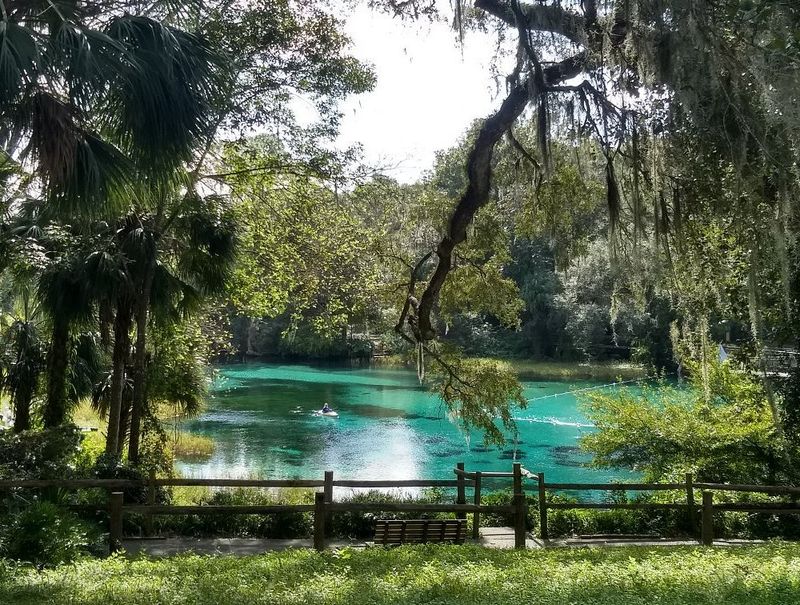
Forget booking that overpriced resort in Turks and Caicos. Rainbow Springs pumps out nearly 500 million gallons of water daily, creating a river so blue it looks Photoshopped. The color comes from limestone filtering underground water, and the result rivals anything you’ll find in the Caribbean.
Paddlers can rent kayaks or tubes and float downstream through tunnels of cypress and oak trees. The current does most of the work, so even beginners feel like pros. Swimming areas offer roped-off zones where families splash around in water so clear you can count fish from the surface.
Waterfalls cascade over limestone ledges throughout the park, creating picture-perfect spots that Instagram influencers would kill for. Hiking trails wind through the surrounding forest, offering shade and wildlife sightings between swim sessions. Picnic areas sit right along the water, so you can grill lunch while watching turtles sun themselves on logs.
The park stays busy on weekends, especially during summer, but weekday mornings offer peaceful moments when mist rises off the water. Rangers keep the grounds pristine, and facilities include clean restrooms and changing areas. Entry fees run about eight dollars per vehicle, which beats a Caribbean flight by about a thousand dollars.
2. Ichetucknee Springs State Park (Fort White)
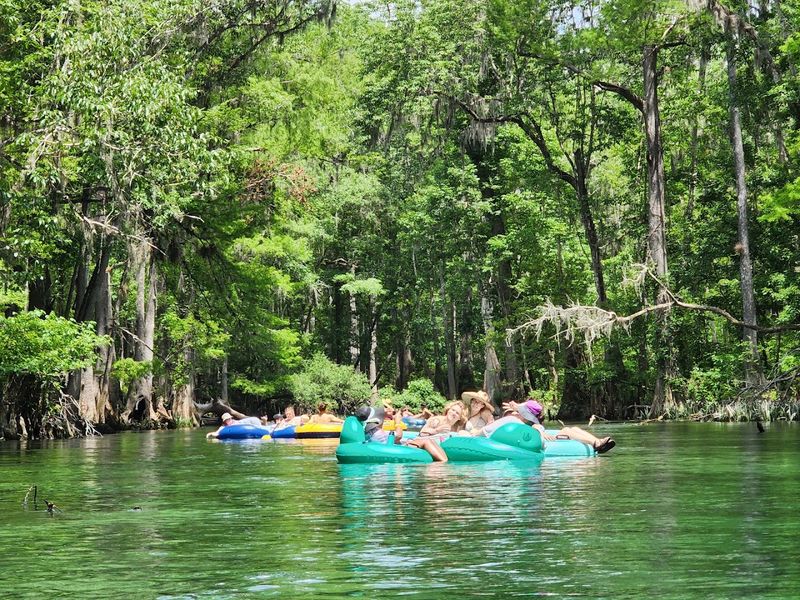
Lazy river attractions at theme parks charge premium prices for chlorinated water and artificial scenery. Ichetucknee offers the real deal—a natural lazy river that winds through North Florida wilderness for miles. The spring-fed river maintains a constant 72 degrees year-round, making it refreshing in summer and surprisingly comfortable in winter.
Tubing here has become legendary among Floridians who know better than to waste money on plane tickets. The most popular route stretches three miles and takes about two hours at a relaxed pace. You can rent tubes at the park or bring your own, then let the gentle current carry you past limestone banks and overhanging trees.
Snorkelers discover an underwater world where fish dart between eel grass and turtles cruise along the sandy bottom. The water stays so clear that visibility often exceeds twenty feet, better than many Caribbean dive spots. Multiple entry points let you customize your trip length, from quick one-hour floats to all-day adventures.
Eight named springs feed the river system, each contributing its own burst of cold, crystal-clear water. Swimming areas near the springs offer deeper pools perfect for diving and playing. The park limits daily visitors to preserve the natural environment, so arriving early on summer weekends makes sense.
Admission costs six dollars per person, and tube rentals run around fifteen dollars.
3. Ruth B. Kirby Gilchrist Blue Springs State Park (High Springs)
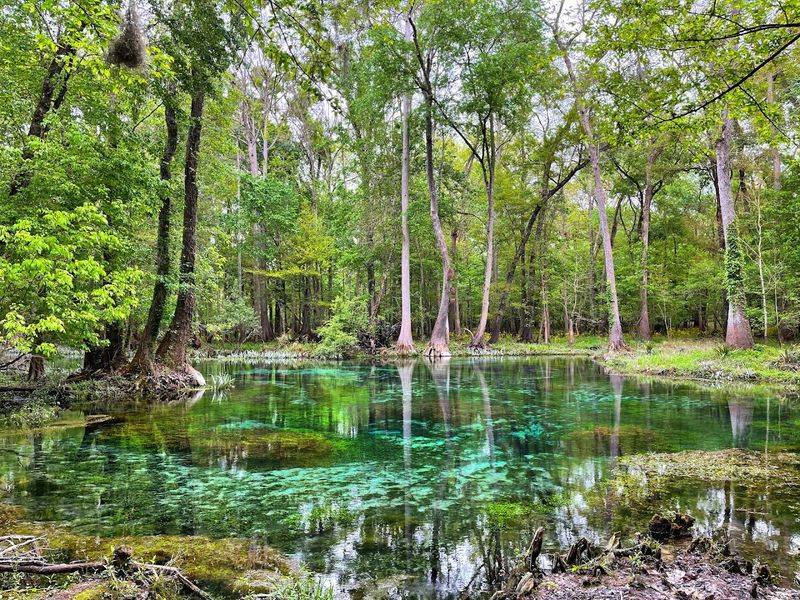
Some springs whisper their beauty. Gilchrist Blue Springs shouts it from the moment you glimpse that impossible blue-green water through the trees. The color intensity makes visitors stop mid-step, pulling out phones to capture proof that Florida really does look this good.
Located just outside High Springs, this gem remains less crowded than its famous neighbors.
The main spring basin stretches wide and inviting, with sandy shallows perfect for wading and deeper sections for confident swimmers. Visibility stays exceptional year-round, letting you watch bass and bream navigate the underwater landscape. The spring run connects to the Santa Fe River, creating paddling opportunities for kayakers and canoers who want to extend their adventure.
Families appreciate the gradual depth changes that let kids play safely while adults swim laps in the cooler, deeper water. The surrounding forest provides plenty of shade, and picnic tables sit close enough to watch swimmers while munching sandwiches. Boardwalks and observation decks offer dry spots for those who prefer admiring the spring without getting wet.
The park opened relatively recently compared to other Florida springs, so facilities feel modern and well-maintained. Restrooms, changing areas, and parking lots accommodate visitors without feeling overcrowded. Entry fees match other state parks at around six dollars per vehicle.
Summer weekends draw bigger crowds, but the spring’s size handles capacity better than smaller swimming holes.
4. Madison Blue Spring State Park (Lee)
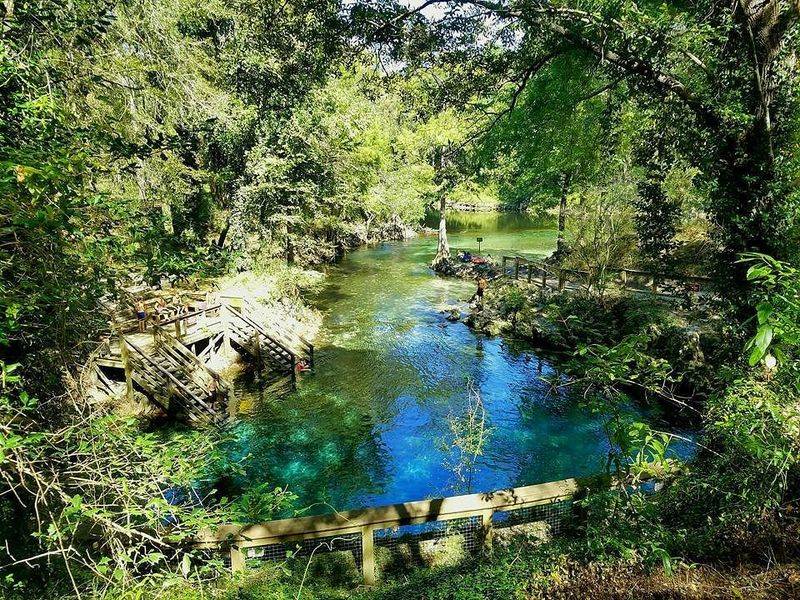
Madison Blue Spring earned its first-magnitude designation by pumping out massive volumes of water—over 50 million gallons daily. That constant flow keeps the spring basin refreshed and sparkling, creating water clarity that makes Caribbean resorts jealous. Limestone formations ring the swimming area, giving the spot a natural amphitheater feel that enhances the tropical vibe.
Snorkeling here reveals why spring junkies consider this a must-visit destination. Fish populations thrive in the pristine conditions, and the limestone bottom reflects sunlight in dancing patterns. Cave divers with proper certification can explore the underwater cave system, though most visitors stick to surface swimming and snorkeling in the basin and spring run.
The spring run flows toward the Withlacoochee River, offering paddling routes through North Florida wilderness. Kayakers often spot otters, turtles, and wading birds along the route. The surrounding forest provides habitat for deer, wild turkeys, and countless songbirds that serenade swimmers from the canopy.
Park facilities include a bathhouse, picnic pavilions, and nature trails that loop through the property. The relatively remote location in Madison County means fewer crowds than springs near major cities. Locals treasure this spot for weekend getaways, arriving with coolers and spending entire afternoons floating and swimming.
Admission costs four dollars per vehicle, making it one of Florida’s best bargains. The spring stays open year-round, though summer naturally draws the biggest crowds.
5. Blue Spring State Park (Orange City)
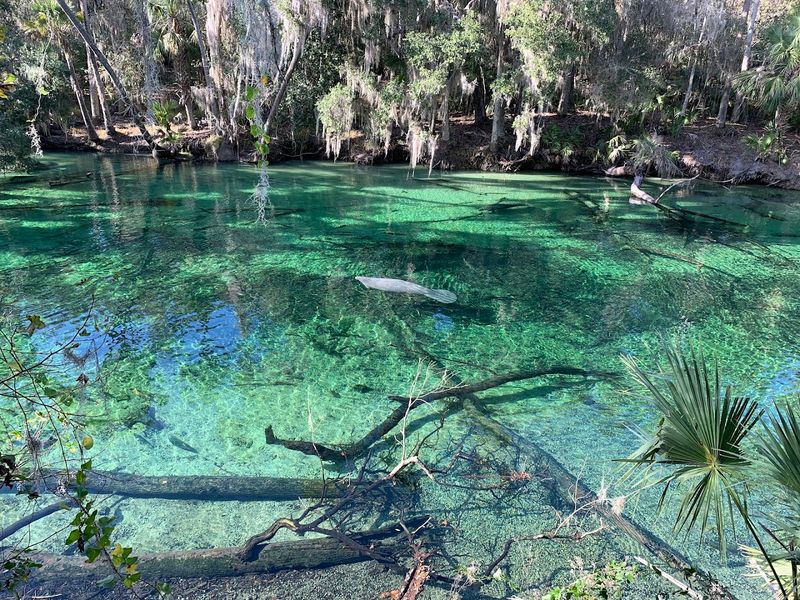
Blue Spring pumps out 104 million gallons of 72-degree water daily, creating a spring run that looks lifted from a postcard. The vivid blue color stops first-time visitors in their tracks, and the tropical-looking vegetation lining the banks completes the Caribbean illusion. Located just north of Orlando, this spring offers easy access for Central Florida residents tired of theme park crowds.
Winter brings the park’s most famous residents—manatees seeking warm-water refuge from cold Gulf temperatures. Hundreds of these gentle giants pack the spring run from November through March, creating an unforgettable wildlife spectacle. Swimming in the spring closes during manatee season to protect the animals, but boardwalks and observation areas provide excellent viewing opportunities.
Summer transforms the spring into a swimming paradise when manatees return to the Gulf. The constant 72-degree temperature feels refreshing during Florida’s scorching months, and the spring run offers plenty of space for swimmers, snorkelers, and paddlers. Rental concessions provide kayaks and canoes for exploring the spring run and St. Johns River.
The park includes extensive hiking trails, camping facilities, and picnic areas spread across 2,600 acres. Historic buildings and a museum tell the story of Florida’s pioneer days and spring tourism history. Rangers lead nature programs and guided walks throughout the year.
Entry costs six dollars per vehicle, and camping fees add to that for overnight stays. Arrive early on winter weekends when manatee season draws huge crowds.
6. Weeki Wachee Springs State Park (Weeki Wachee)
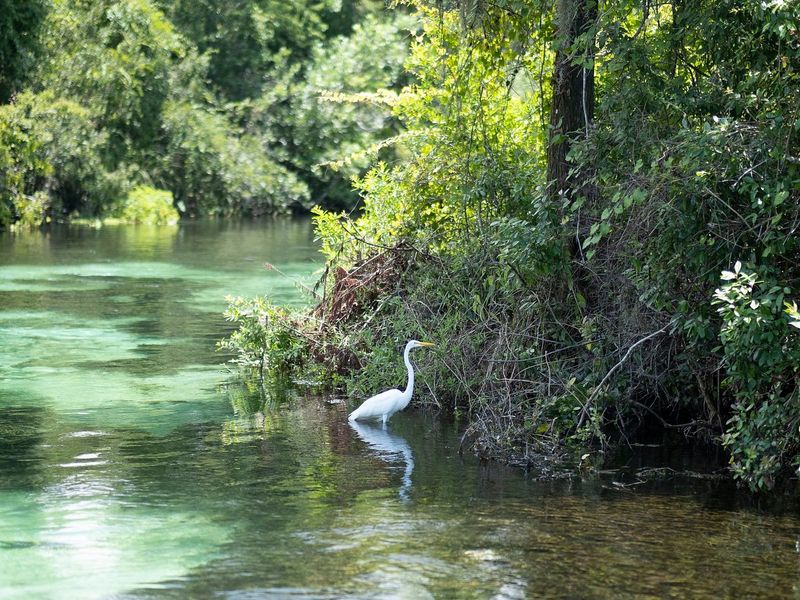
Weeki Wachee built its reputation on mermaid shows performed in an underwater theater—a Florida roadside attraction that somehow became iconic. The mermaids still perform daily, sipping air from hidden hoses while executing underwater ballet routines that have wowed audiences since 1947. But the spring itself deserves equal billing for its stunning Caribbean colors and wilderness paddling opportunities.
The spring produces 117 million gallons daily, feeding a river that winds through pristine coastal forest toward the Gulf of Mexico. Kayak and canoe rentals let visitors explore this waterway, where manatees, otters, and birds outnumber humans most days. The river’s gentle current and protected status create ideal conditions for wildlife watching and photography.
Buccaneer Bay water park adds family-friendly attractions including slides, a lazy river, and a sandy beach area—all fed by spring water. The combination of natural beauty and classic Florida kitsch makes Weeki Wachee uniquely entertaining. Kids love the water park, while adults appreciate the genuine spring swimming and paddling options.
The park sits along US Highway 19, making it accessible from Tampa, Orlando, and other population centers. Facilities include changing rooms, gift shops, and food concessions that embrace the retro vibe. State park admission costs thirteen dollars per adult and includes the mermaid show, water park access, and spring swimming.
Reservations for kayak rentals are recommended during peak season, especially weekends. The mermaids perform multiple shows daily, rain or shine.
7. Manatee Springs State Park (Chiefland)
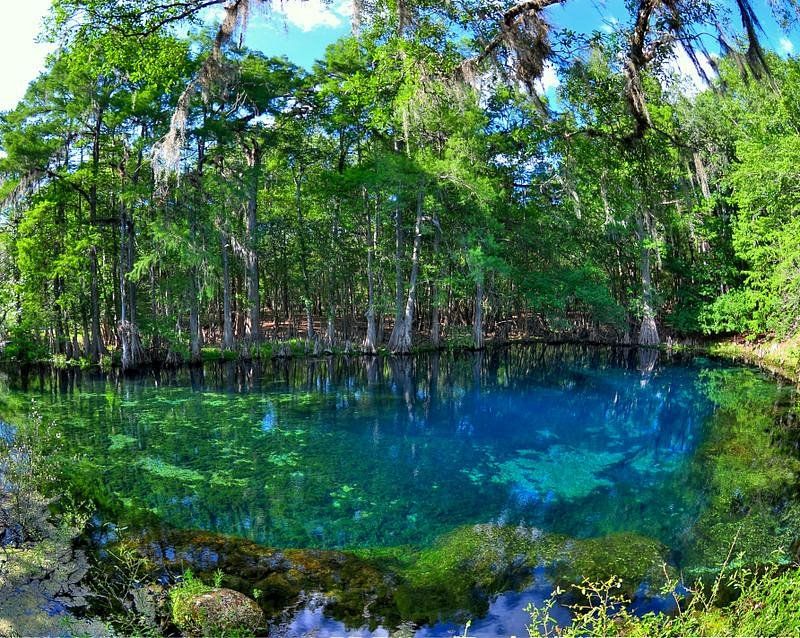
Manatee Springs feels like stepping into Old Florida, where cypress trees drip with Spanish moss and wildlife sightings happen more often than cell phone signals. The first-magnitude spring feeds a run that meanders nearly a mile to the Suwannee River, creating a paddling route that belongs on every Florida bucket list. That sparkling water maintains its clarity the entire journey, revealing limestone formations and fish populations below.
Swimming in the spring basin offers instant refreshment on hot days, with depths reaching twenty-five feet in the center. Boardwalks and observation decks line the spring, providing spots to watch swimmers and wildlife without getting wet. Manatees visit during cooler months, though not in the numbers seen at some other springs.
Snorkeling reveals why fish love these conditions—visibility often exceeds thirty feet.
The park extends beyond the spring to include nature trails, camping areas, and river access points. Hikers can explore eight miles of trails through hardwood forests and along the Suwannee River. Campers choose between full-facility sites and more primitive options, all surrounded by natural beauty.
The Suwannee River offers additional paddling opportunities for those wanting longer trips.
Located in rural Levy County, the park maintains a peaceful atmosphere even on busy weekends. Facilities include clean bathhouses, picnic pavilions, and a camp store with basic supplies. Rangers lead nature programs highlighting the area’s ecology and history.
Admission costs six dollars per vehicle, and camping fees range from twenty to thirty-five dollars depending on site amenities.
8. Poe Springs Park (High Springs)
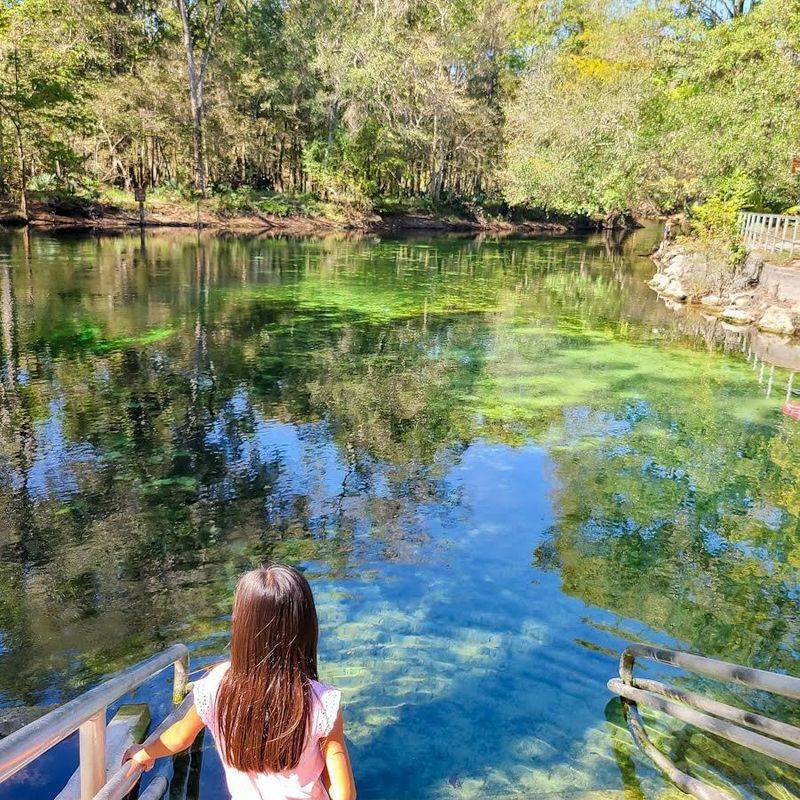
Alachua County operates Poe Springs as a regional park, which means lower fees and fewer restrictions than state parks. That county management also keeps this spring somewhat under the radar compared to nearby Ichetucknee and Ginnie Springs. Smart locals appreciate the lighter crowds and relaxed atmosphere, especially on summer weekends when other springs reach capacity.
The spring basin opens into a swimming area with a small beach, rope swings, and shallow zones perfect for kids. Water stays crystal clear year-round, maintaining that signature Florida spring blue-green color. The spring run connects to the Santa Fe River, offering paddling access for kayakers and canoers who bring their own boats or rent from nearby outfitters.
Picnic areas spread throughout the park under massive oak trees that provide natural air conditioning even in July. Grills, tables, and open lawn areas accommodate family reunions and group gatherings. A volleyball court and playground equipment add entertainment options beyond swimming.
The park’s twenty acres feel spacious without being overwhelming.
Recent improvements upgraded facilities while maintaining the park’s natural character. Clean restrooms, paved parking, and accessible walkways serve visitors with various needs. The park stays open year-round, with summer hours extending into evening for those wanting sunset swims.
Admission costs just five dollars per vehicle on weekdays and seven on weekends—the kind of pricing that makes frequent visits affordable. Located just minutes from downtown High Springs, the park offers easy access to restaurants and shops for post-swim meals.
9. Ponce de Leon Springs State Park (Ponce de Leon)
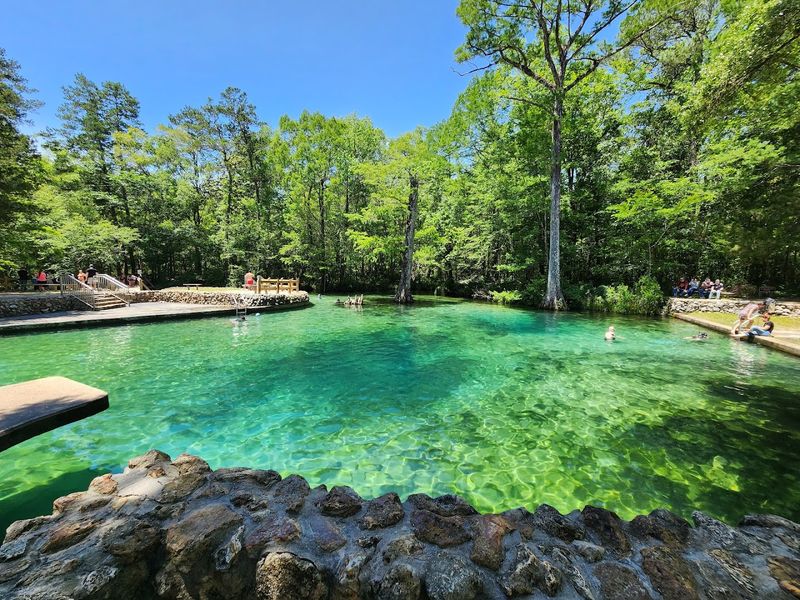
Ponce de Leon Springs delivers that jaw-dropping first impression when you descend the stairs and see the turquoise pool glowing against white limestone. The spring basin resembles a natural swimming pool carved by time and water, with depths reaching fifteen feet in spots. That 68-degree water temperature stays constant throughout the year, making it bracingly cold in summer and surprisingly tolerable in winter with a wetsuit.
The spring’s compact size creates an intimate swimming experience compared to larger, more sprawling springs. Limestone ledges provide natural seating and sunbathing spots, while the crystal-clear water invites snorkeling and underwater exploration. Fish dart between swimmers’ legs, completely unfazed by human activity.
The spring run flows a short distance before disappearing underground, adding to the site’s geological interest.
Facilities include picnic pavilions, nature trails, and playground equipment spread across the park’s sixty acres. The location in the Panhandle means fewer visitors from South Florida, though locals from Pensacola and Panama City Beach claim it as their secret swimming spot. Tall pines and hardwoods shade most of the park, creating comfortable conditions even during peak summer heat.
The park honors Juan Ponce de León, who supposedly searched for the Fountain of Youth in Florida. While this spring won’t reverse aging, the refreshing water certainly revives tired bodies and spirits. State park admission costs four dollars per vehicle, and the small size means the park can feel crowded when more than fifty people show up.
Weekday visits offer the best chance for peaceful swimming and fewer photo bombers.