Just an Hour From Jacksonville, This Small Town Feels Like Old Florida
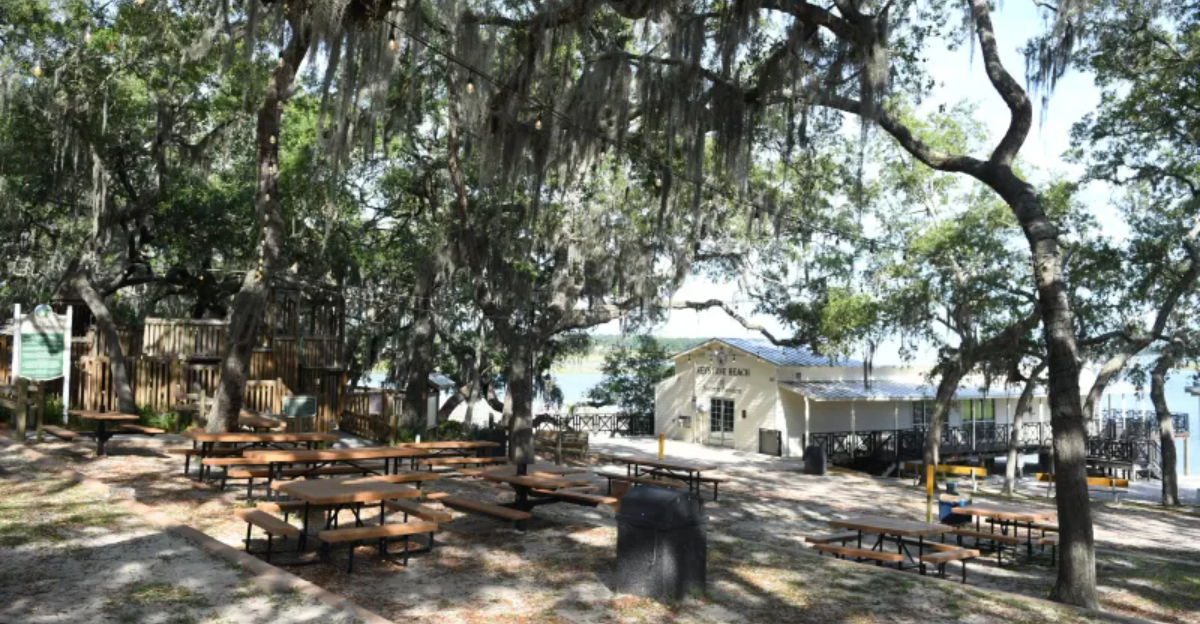
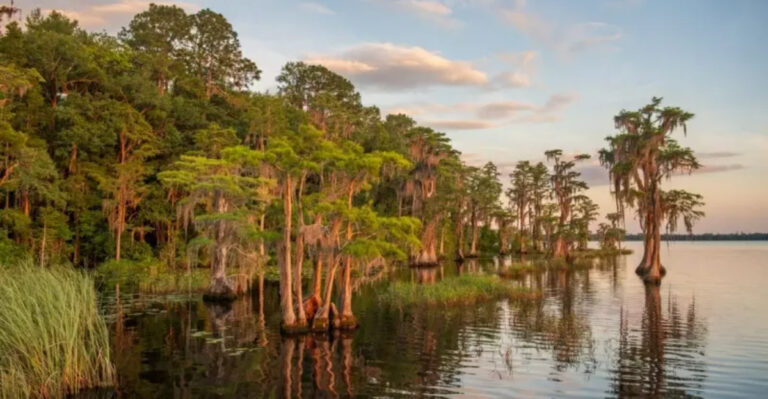
Tucked away in southwestern Clay County, Keystone Heights offers a refreshing escape from the hustle of city life without requiring a long road trip. This charming small town sits surrounded by more than 20 pristine lakes and rolling hills that feel more like North Georgia than typical Florida flatlands. If you’re craving a taste of what the Sunshine State looked like decades ago—complete with mom-and-pop shops, friendly neighbors, and unhurried afternoons—Keystone Heights delivers that nostalgic vibe in spades.
1. A Lake for Every Mood
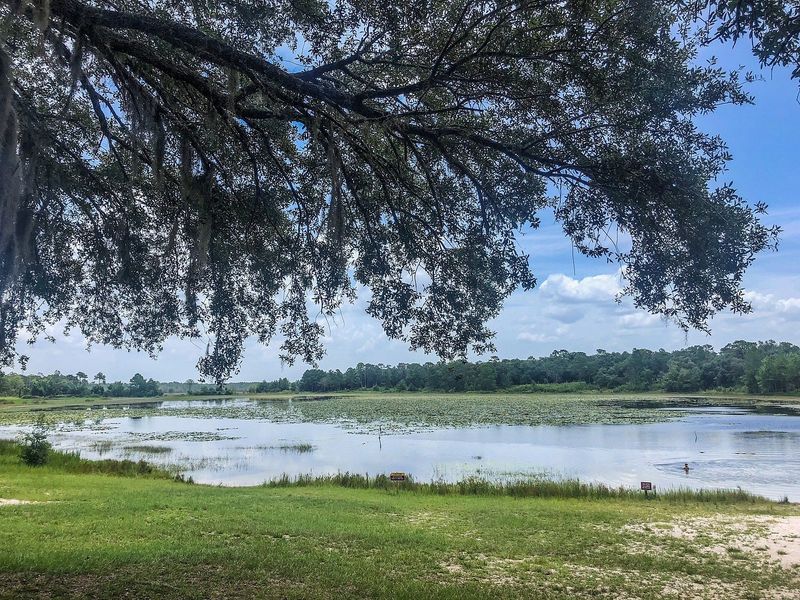
Keystone Heights earned its reputation as the “Lake Region” for good reason. With over 20 lakes clustered within a few miles, you’ll find everything from quiet fishing spots to bustling swimming areas. Lake Brooklyn and Keystone Lake anchor the town, offering sandy beaches where families spread out picnic blankets and kids splash in the shallows.
The water here runs surprisingly clear compared to other Florida lakes, thanks to the high elevation and sandy bottom. You can actually see your toes when you wade in, which makes swimming feel less like a leap of faith. Local anglers pull in bass, bream, and speckled perch year-round, often right from their backyard docks.
Kayakers and paddleboarders love the calm mornings when the lakes turn glassy and reflect the surrounding pines. You might spot a great blue heron stalking the shoreline or an osprey diving for breakfast. Unlike crowded coastal beaches, these lakes offer elbow room and a chance to hear actual silence.
Each lake has its own personality—some remain wild and undeveloped, while others feature boat ramps and designated swimming zones. Exploring them becomes a summer tradition for families who return year after year, claiming their favorite spots like old friends.
2. Downtown That Time Forgot
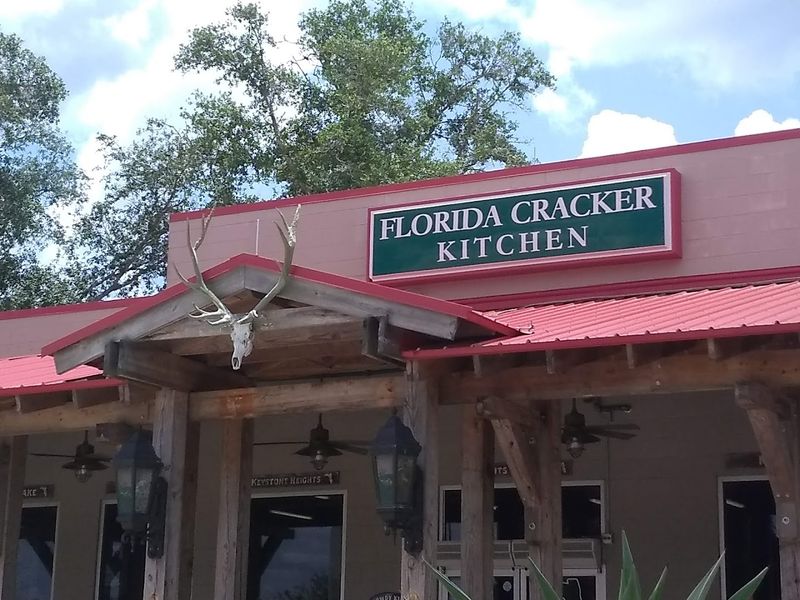
Walking down Lawrence Boulevard feels like stepping into a postcard from the 1950s. The downtown strip stretches just a few blocks, but those blocks pack in genuine character that chain stores can’t replicate. Local businesses occupy buildings that have stood for generations, their owners greeting customers by name.
You’ll find a hardware store where the staff actually knows which bolt fits which project, not just where the bolts live on the shelf. The pharmacist still offers personal service, and the local diner serves breakfast all day because that’s what folks want. No trendy brunch menus or Instagram-worthy latte art—just solid food and strong coffee.
Antique shops and consignment stores line the street, their windows displaying treasures that tell stories of old Florida families. You might uncover vintage fishing lures, Depression-era glassware, or postcards from when Keystone Heights was a popular resort destination. Prices remain reasonable because this isn’t a tourist trap trying to squeeze every dollar.
The sidewalks empty out after dinner, and most shops close by six. Some visitors find this inconvenient, but locals appreciate the slower pace. It means business owners actually go home to their families, and the town prioritizes quality of life over endless commerce.
3. Camp Blanding’s Living History
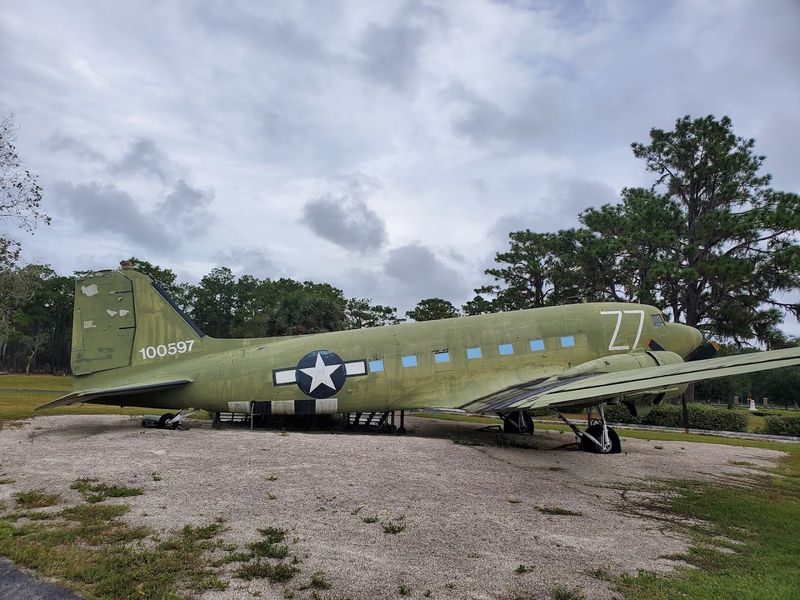
Camp Blanding Joint Training Center sits just northeast of town, carrying stories from World War II when over 800,000 soldiers trained on these sandy hills. The base museum preserves that era with uniforms, weapons, photographs, and personal letters that bring history off the page. Veterans often visit to share their own memories, adding living context to the displays.
The facility remains active today as a National Guard training site, so you’ll occasionally hear distant artillery practice echoing across the lakes. Rather than feeling intrusive, it serves as a reminder of the area’s deep military roots. Many local families have multiple generations who trained or served here.
The museum welcomes visitors free of charge, though you’ll need to check in at the gate with identification. Inside, exhibits cover everything from basic training routines to the role Florida played in preparing troops for combat. You’ll see how soldiers lived in the barracks, what they ate, and how they spent their limited free time.
Surrounding the base, miles of training land remain undeveloped, creating an accidental wildlife preserve. Deer, wild turkey, and gopher tortoises thrive in these protected acres. The combination of military history and natural preservation makes Camp Blanding a unique piece of Old Florida that continues evolving while honoring its past.
4. Mike Roess Gold Head Branch State Park
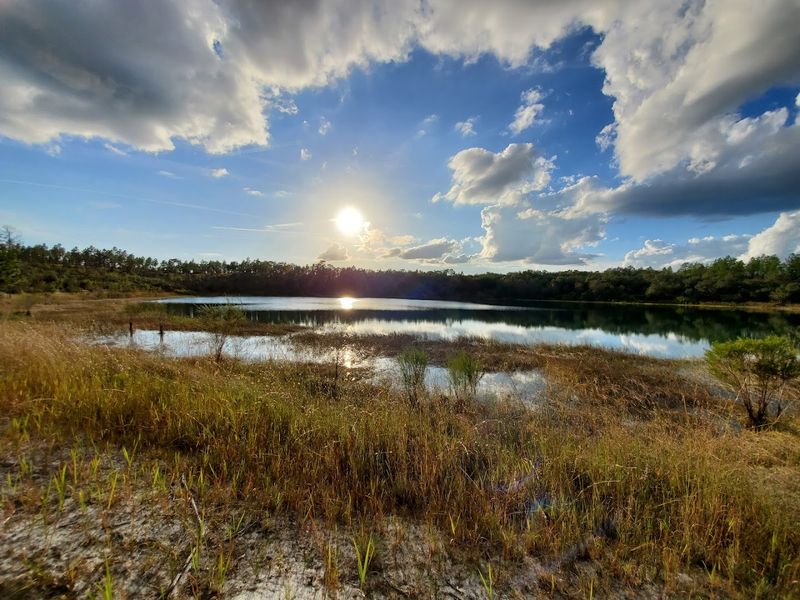
Just south of town, this state park protects one of Florida’s most unusual geological features—a massive ravine that drops 65 feet from the surrounding flatwoods. Gold Head Branch flows through the bottom, fed by seepage springs that keep the water cool even in August. The name comes from the golden reflection of sunlight filtering through the cypress canopy.
Hiking trails wind down into the ravine, where the temperature drops noticeably and the air feels thick with moisture. Ferns carpet the slopes, and resurrection ferns cling to oak branches, turning bright green after rains. The scenery looks nothing like typical Florida palmetto scrub—more like Appalachian foothills transported south.
The park offers vintage cabins built by the Civilian Conservation Corps during the Depression, featuring stone fireplaces and screened porches. Staying in one feels like visiting your grandparents’ lake cottage, complete with slightly creaky floors and the smell of old pine. Modern campsites provide alternatives for tent and RV campers who prefer outdoor sleeping.
Two lakes within the park boundaries offer swimming and fishing without the motorboat crowds. Little Lake Johnson features a white sand beach where families spread out without fighting for space. The park rarely fills to capacity, even on holiday weekends, making it a reliable escape when you need breathing room.
5. Small-Town Friday Night Lights
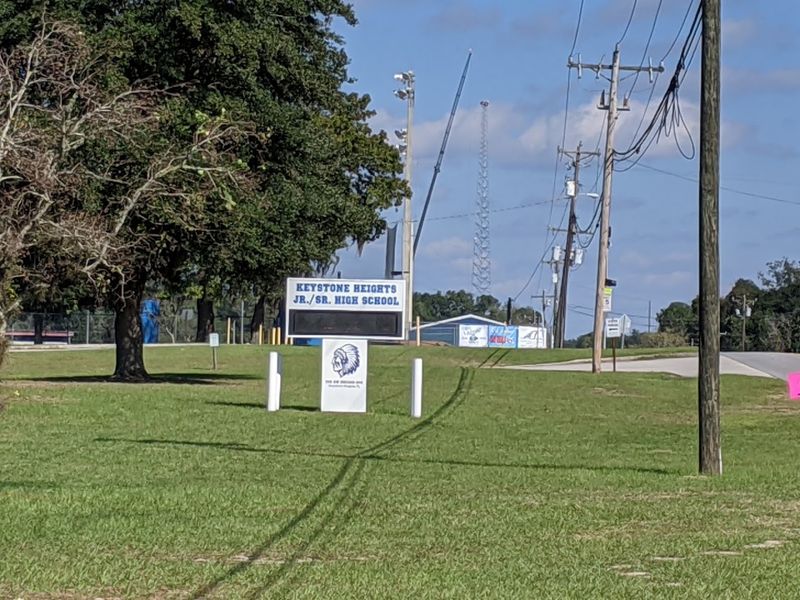
Keystone Heights High School football games draw crowds that would make bigger cities jealous. When the Indians take the field on Friday nights, half the town shows up to fill the stands, creating an atmosphere that television networks try to capture but never quite nail. The band plays, cheerleaders tumble, and everyone knows most of the players’ names.
This isn’t about college recruitment or championship glory—it’s about community. Parents bring lawn chairs and coolers, settling in hours before kickoff to claim their spots. Kids run wild on the practice field behind the bleachers while adults catch up on the week’s news.
The concession stand sells homemade brownies alongside the standard hot dogs.
Win or lose, the team matters because these are our kids, our neighbors, our future. You’ll see teachers cheering in the stands, local business owners sponsoring jerseys, and grandparents recording every play on tablets held at awkward angles. The whole scene feels wonderfully uncomplicated.
After the game, cars line up at the Dairy Queen or the local burger joint, continuing the social hour. Players still wearing grass-stained uniforms grab milkshakes while reliving key moments. This ritual repeats every fall Friday, providing rhythm to small-town life that bigger places have lost.
6. The Legendary Catfish Festival
Every January, Keystone Heights celebrates its fishing heritage with a festival that’s been running since 1976. The Catfish Festival takes over downtown, bringing arts and crafts vendors, live music, carnival rides, and enough fried catfish to feed several counties. Locals mark their calendars months in advance, and former residents plan visits home around this weekend.
The festival started as a simple fish fry to bring the community together during the slow winter season. Decades later, it’s grown into a two-day event that attracts visitors from across North Florida while maintaining its hometown feel. You won’t find corporate sponsors or flashy entertainment—just honest fun organized by volunteers who genuinely care.
Food booths serve catfish prepared every way imaginable, plus all the Southern sides that make proper comfort food. The arts and crafts vendors sell handmade items, not factory imports with fake vintage labels. Local musicians perform on the main stage, playing country, bluegrass, and classic rock that keeps toes tapping.
Kids drag parents from the bounce houses to the petting zoo to the face painting booth, their excitement infectious. Teenagers cluster near the carnival rides, trying to look cool while secretly enjoying themselves. The whole event feels relaxed and welcoming, proof that small towns still know how to throw a party without overthinking it.
7. Fishing Culture Runs Deep
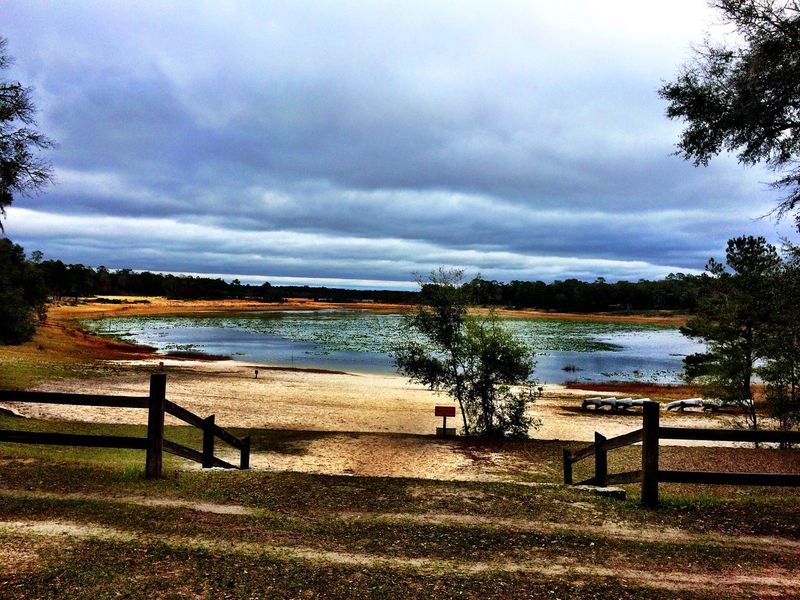
Ask directions in Keystone Heights, and there’s a decent chance someone will reference a lake or boat ramp as a landmark. Fishing isn’t just a hobby here—it’s woven into the social fabric. Retirees hit the water at dawn, teenagers fish after school, and weekend tournaments draw serious anglers chasing prize money and bragging rights.
The lakes produce impressive largemouth bass that make fishing magazines, but locals also appreciate the humbler species. A mess of bream or speckled perch still makes a fine dinner, fried up with hushpuppies and coleslaw. Old-timers remember when fishing provided necessary protein, not just recreation, and that practical attitude persists.
Bait shops function as informal community centers where fishermen swap stories and tips. You’ll hear debates about which lure works best on which lake, detailed weather analysis, and updates on who caught what where. The shop owners know the lakes intimately and freely share advice with visitors willing to listen.
Kids still learn to fish from parents and grandparents, carrying on traditions that stretch back generations. You’ll see youngsters proudly displaying their catches, even if those catches measure just a few inches. Nobody mocks the small fish or the tangled lines—everyone remembers being a beginner, and patience runs as deep as the lakes themselves.
8. The Hills That Shouldn’t Exist
Florida’s highest point barely tops 300 feet, yet Keystone Heights sits at 200 feet elevation—practically mountainous by state standards. The rolling terrain creates actual hills where you shift gears going up and coast going down. For a state famous for being flatter than a pancake, these elevation changes feel almost exotic.
The unusual topography happened because this area escaped the ancient seas that covered most of Florida. While the rest of the state formed from limestone and coral, Keystone Heights developed on an ancient sand dune system. The sandy soil drains quickly, creating conditions more like North Georgia than South Florida.
This elevation brings subtle but noticeable climate differences. Winter nights dip a few degrees cooler, occasionally bringing frost that kills tropical plants farther south. Summer afternoons feel slightly less oppressive because heat rises and cooler air settles in the low spots.
The hills also create distinct microclimates where certain plants thrive in protected valleys.
Driving the back roads reveals surprising vistas where you can see for miles across the lake region. These views remind visitors that Florida contains more geographical diversity than beach postcards suggest. The hills won’t challenge serious hikers, but they add character and visual interest that flat landscapes simply can’t match, making Keystone Heights feel distinctly different from the rest of the state.