This 800-Year-Old Florida Monastery Feels Like a Journey to Medieval Spain
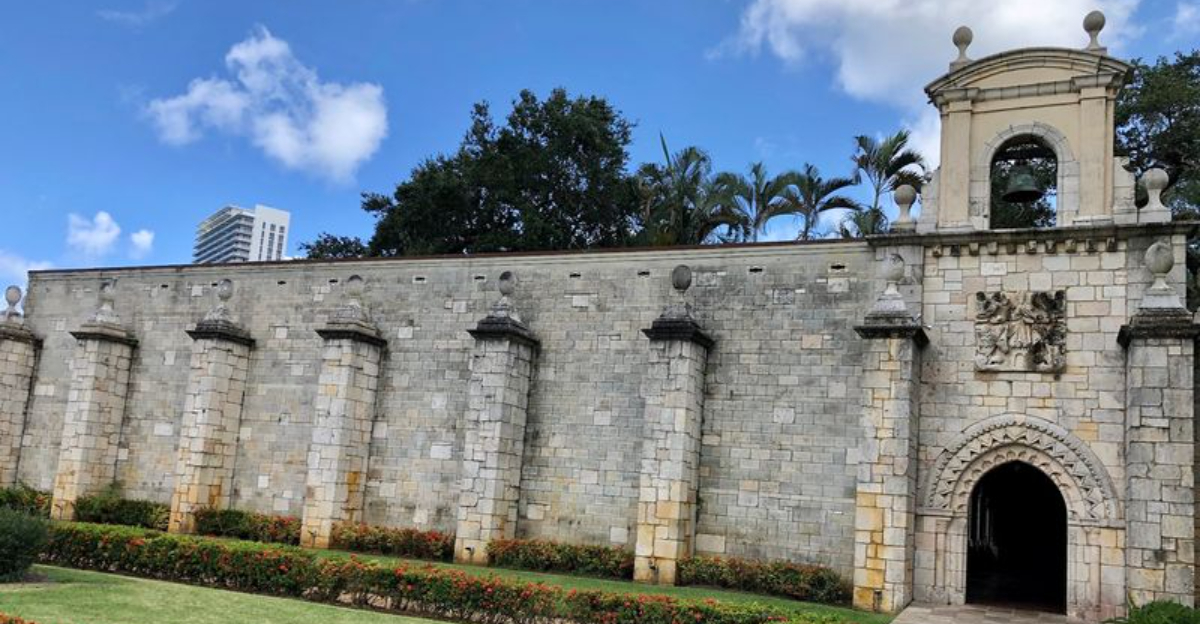
Walking through The Ancient Spanish Monastery in North Miami Beach feels surprisingly far removed from modern South Florida. Stone archways, peaceful cloisters, weathered columns, and carefully landscaped gardens create an atmosphere that seems transported directly from medieval Europe. That’s fitting, considering the monastery’s remarkable story began in Spain centuries before its eventual journey across the Atlantic.
Originally constructed in Segovia, Spain, during the 12th century, the monastery spent hundreds of years as part of Spanish religious life. In the 20th century, newspaper publisher William Randolph Hearst purchased the historic cloisters and surrounding structures. The stones were dismantled, carefully packed into thousands of crates, and shipped to the United States.
After years of complications, the pieces eventually found a permanent home in North Miami Beach, where the monastery was painstakingly reconstructed. Today, visitors can wander through covered passageways lined with stone columns, step into quiet courtyards, and admire architectural details created by craftsmen hundreds of years ago. The cloisters are especially captivating, with repeating arches framing gardens and patches of Florida sunshine.
It’s easy to forget that Miami’s beaches, highways, and high-rises are only a short distance away. The property remains an active Episcopal church while also welcoming visitors interested in architecture, history, photography, and the monastery’s unusual transatlantic journey. Its romantic surroundings have also made it a popular setting for weddings and special events.
What makes The Ancient Spanish Monastery so fascinating isn’t simply its age but the extraordinary path it took to reach Florida. Few attractions allow visitors to experience authentic medieval architecture without crossing the Atlantic. For anyone looking beyond South Florida’s familiar beaches and nightlife, this North Miami Beach landmark offers a peaceful journey through centuries of Spanish history in one of the state’s most unexpected settings.
A Medieval Marvel Rebuilt Stone by Stone
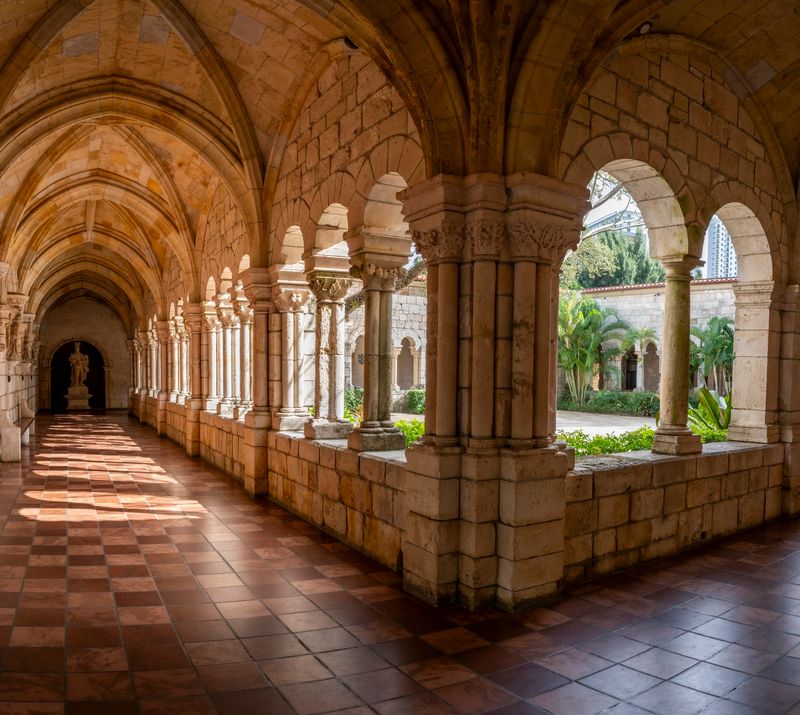
Walking up to this place feels completely surreal. You’re driving down West Dixie Highway surrounded by strip malls and modern buildings, and suddenly there’s a 900-year-old monastery sitting right there like it’s the most natural thing in the world. The building originally stood in Sacramenia, Spain, where Cistercian monks built it between 1133 and 1141 AD.
Here’s where the story gets wild. In the 1920s, newspaper tycoon William Randolph Hearst bought the entire monastery and had it dismantled stone by stone, packed into thousands of wooden crates, and shipped to America. Then things got complicated because of a livestock disease outbreak in Spain, so U.S. customs opened every single crate and mixed everything up.
The stones sat in a Brooklyn warehouse for decades until the 1950s when two businessmen bought them and spent a year and a half playing what might be history’s most expensive jigsaw puzzle. They reassembled the monastery in North Miami Beach, and now it stands as the oldest building in the Western Hemisphere. That’s not marketing talk, that’s literally true.
The Romanesque architecture features thick stone walls, rounded arches, and details that craftsmen carved by hand centuries before Columbus sailed. Running your fingers across the weathered stone, you’re touching the same surfaces medieval monks touched daily. The courtyard layout follows the traditional cloister design, with covered walkways surrounding an open garden space.
Entry costs just ten dollars, which feels almost too cheap for what you’re getting. The small museum near the entrance shares the incredible story of how these stones traveled across an ocean and through time. Most visitors spend about an hour wandering the grounds, though photographers and history enthusiasts often stay longer.
The monastery isn’t huge, but that’s part of what makes it special. Every corner reveals another archway, another carved detail, another reminder that you’re standing inside something truly ancient that somehow ended up in Florida.
Gardens That Transport You Across Centuries
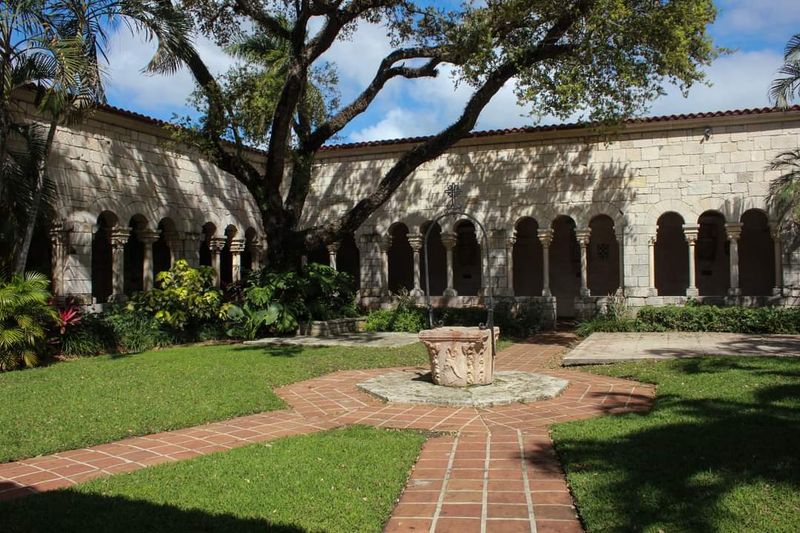
Step into the gardens and the Miami noise just disappears. These aren’t your typical Florida gardens with wild tropical plants everywhere. The landscaping blends Spanish monastery tradition with South Florida’s climate, creating something you won’t see anywhere else.
The central courtyard follows medieval cloister design, where monks would walk in contemplation. Covered stone walkways frame the garden on all sides, providing shade while you explore. The greenery stays immaculate year-round, with careful attention paid to maintaining the peaceful atmosphere that made these spaces special centuries ago.
Palm trees rise above the ancient stone walls, creating this unexpected but beautiful contrast between old-world Europe and new-world Florida. Flowering plants add color without overwhelming the historic setting. Small fountains provide gentle water sounds that enhance the tranquil vibe.
Photography enthusiasts absolutely love these gardens. Every angle offers something different, from intimate corners perfect for portraits to grand archway shots that capture the full scale of the architecture. Natural light filters through the colonnades beautifully, especially during golden hour.
Wedding photographers frequent this spot for engagement and bridal sessions. You’ll often see couples posing among the stone arches and garden paths. The monastery hosts quinceañeras and weddings regularly, and it’s easy to understand why.
The romantic, timeless setting provides a backdrop that makes every photo look like it belongs in a European travel magazine.
Several visitors mention bringing cat food because a community of friendly strays lives on the grounds. The monastery cares for these cats, and they’ve become unofficial mascots. Seeing them lounging in the sun near 800-year-old stones adds an extra layer of charm to the whole experience.
The gardens aren’t massive, but they’re thoughtfully designed. You can explore every path and corner within your visit, discovering hidden alcoves and peaceful spots perfect for sitting quietly. Unlike many tourist attractions that rush you through, this place encourages you to slow down, breathe, and actually experience the space around you.
The Chapel Where History Meets Worship
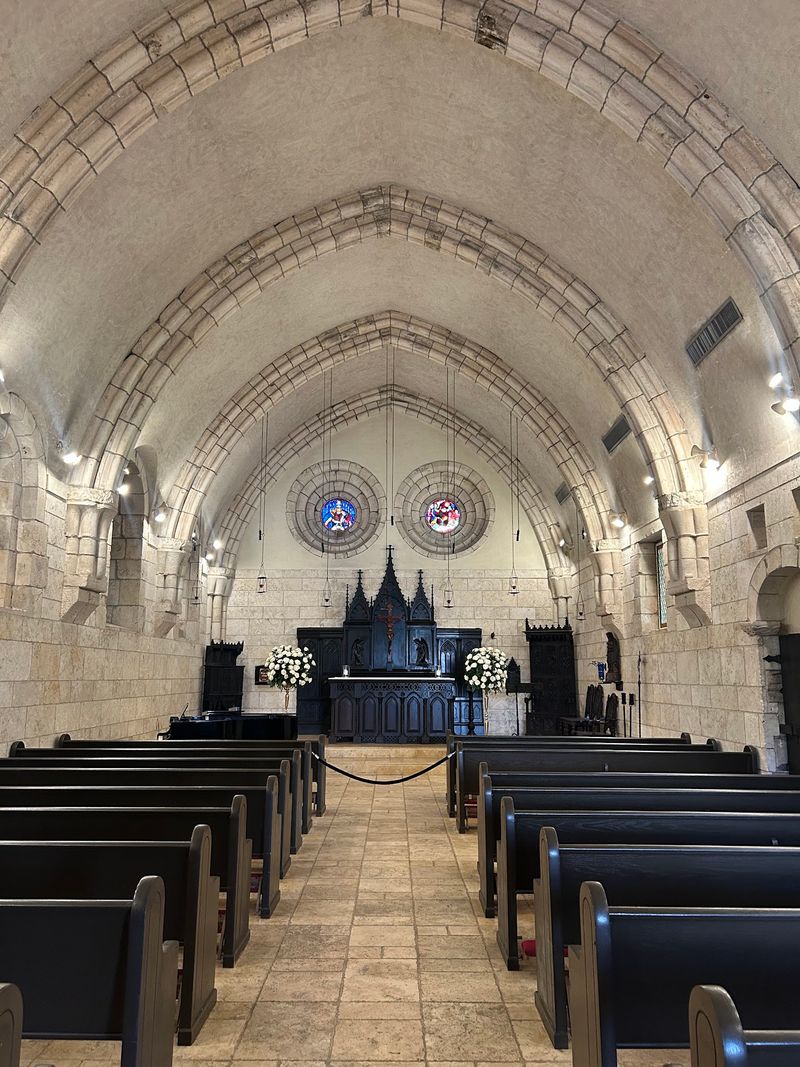
The chapel stands as the spiritual heart of the monastery, and it’s still an active place of worship. Sunday masses happen here, with Father Gregory leading services that visitors consistently praise as thoughtful and moving. The space maintains its sacred purpose even while welcoming tourists throughout the week.
Medieval stained glass windows cast colored light across the stone interior. These aren’t reproductions, they’re actual antique pieces that have survived centuries. Watching sunlight filter through glass that medieval craftsmen created by hand creates a moment that photographs can’t quite capture.
The architecture demonstrates classic Romanesque style with thick walls, minimal decoration, and an emphasis on solid, grounded design. Carved stone details show the skill of 12th-century masons who worked without modern tools. The altar area maintains traditional Catholic layout while feeling intimate rather than imposing.
Couples who’ve gotten married here rave about the experience. The chapel accommodates weddings and provides a setting that feels genuinely historic without being stuffy or uncomfortable. Father Gregory receives specific mentions in reviews for creating personalized ceremonies that make people cry in the best way.
The acoustics in the space carry sound beautifully, a deliberate feature of medieval church design. Even whispered conversations seem to gain weight and meaning in this environment. During mass, the stone walls amplify voices and music in a way that modern buildings can’t replicate.
Visitors who aren’t religious still find the chapel moving. There’s something about standing in a space specifically designed for contemplation and prayer that affects people regardless of their beliefs. The age of the building adds to this feeling, knowing that people have sought peace in this exact space for nine centuries.
The chapel stays well-maintained without losing its authentic character. Restoration work respects the original materials and methods. You’re not looking at a museum recreation, you’re experiencing an actual medieval chapel that still serves its original purpose while letting visitors appreciate its historical and architectural significance.
Cloisters That Define Medieval Monastery Life
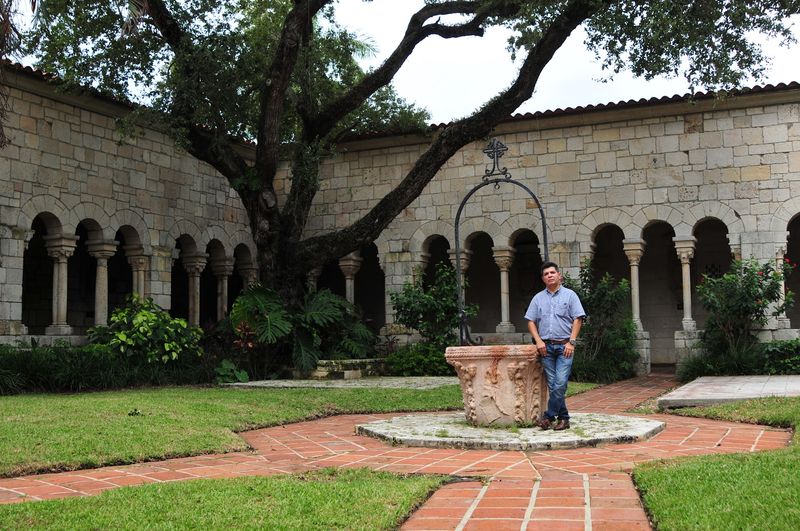
The cloisters form the architectural backbone of any medieval monastery, and this one preserves that layout perfectly. These covered walkways surrounding the central courtyard created spaces where monks could walk, read, and meditate while protected from weather. The design hasn’t changed in 900 years because it worked then and it works now.
Stone columns support rounded arches along the walkway, creating a rhythm of light and shadow as you move through the space. Each column shows slight variations because medieval masons carved them individually by hand. Running your eyes along the colonnade, you notice these small differences that prove you’re looking at authentic craftsmanship rather than machine-made copies.
The Met Cloisters in New York City offers the only comparable experience in America. The monastery’s own response to a visitor review acknowledges this connection, noting that while they can’t match the Met’s massive art collection and 60-acre park funded by Rockefeller money, they maintain their own important piece of medieval architecture with pride.
Walking the cloisters feels meditative even if you’re not trying to meditate. The repeating arches, the steady rhythm of columns, the glimpses of garden through the openings all combine to slow your thoughts and pull you into the present moment. This isn’t accidental, it’s exactly what the design intended.
Photographers find endless compositions here. The interplay of stone, shadow, and greenery creates frames within frames. Different times of day change how light moves through the arches, giving the same spot completely different moods from morning to afternoon.
The scale feels human rather than overwhelming. Cathedral-sized churches can make you feel small, but monastery cloisters wrap around you at a comfortable size. You can see across the courtyard to the opposite walkway, creating an enclosed but not claustrophobic feeling.
These walkways connect all the major spaces of the monastery, the chapel, gardens, and various rooms. Following them takes you on a circuit that lets you experience the building as monks would have, moving from prayer to contemplation to daily tasks within the same continuous architectural flow.
A Venue for Unforgettable Celebrations
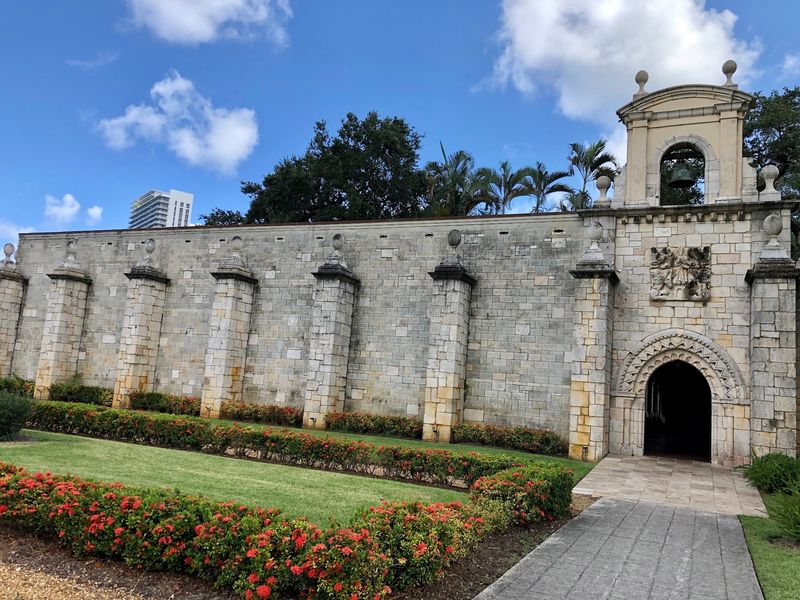
Brides and quinceañera celebrants have discovered what might be South Florida’s most romantic event venue. The monastery hosts weddings and celebrations regularly, and the reviews from couples and photographers consistently use words like stunning, magical, and timeless. The historic setting provides instant atmosphere that no modern venue can match.
Carolina and Father Gregory get mentioned by name in multiple reviews for their excellent coordination and ceremony work. Couples appreciate how the staff balances professionalism with genuine warmth. The team knows the space intimately and helps events run smoothly while maintaining the special character that makes the monastery unique.
The outdoor courtyard works beautifully for ceremonies. Stone arches frame the couple, gardens provide natural beauty, and the ancient walls create a backdrop that makes every photo look like fine art. Indoor options exist too, with the chapel offering a more traditional church wedding setting for those who prefer it.
Photography sessions happen constantly. On any given visit, you might see engagement shoots, quince portraits, or bridal photography happening in different corners of the grounds. The monastery charges reasonable fees for these sessions, which helps fund the ongoing maintenance of the historic property.
Event pricing stays accessible compared to many wedding venues. The ten-dollar general admission and photography fees contribute to preservation efforts while keeping the monastery available for community use. This balance between private events and public access lets the building serve multiple purposes.
The size works perfectly for intimate to medium-sized celebrations. You’re not dealing with a massive convention center where your 100 guests get lost in empty space. The monastery creates a contained, special environment where everyone feels part of the celebration.
Couples who married here years ago still talk about their experience with obvious emotion. The combination of historic significance, architectural beauty, and genuinely helpful staff creates weddings that guests remember. When your ceremony happens in a building that’s survived nine centuries, it adds weight and meaning to the vows you’re making.
The Incredible Journey Across the Atlantic
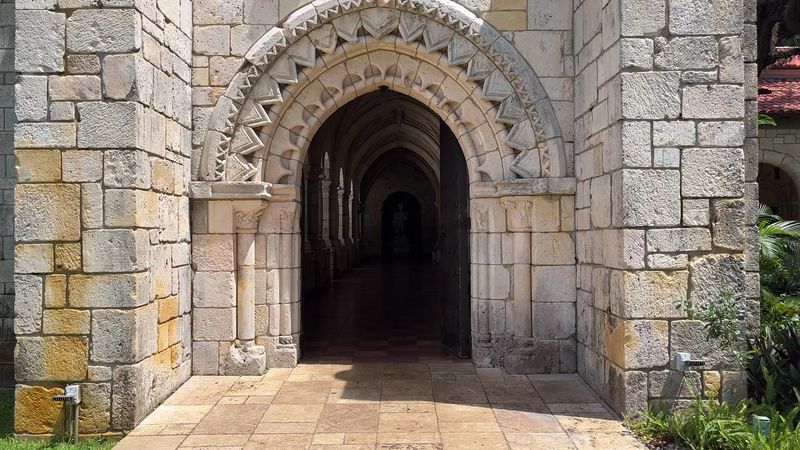
The story of how these stones crossed an ocean might be even more interesting than the monastery itself. William Randolph Hearst, the newspaper magnate who inspired Citizen Kane, bought the entire monastery in 1925 during his European art and architecture buying spree. His agents oversaw the careful dismantling of every stone, each piece numbered and cataloged for eventual reassembly.
Workers packed the monastery into 11,000 wooden crates for the Atlantic crossing. Everything seemed to be going according to plan until the shipment reached American customs. An outbreak of hoof-and-mouth disease in Spain meant inspectors had to open every single crate and burn all the packing materials, including the hay used to protect the stones.
Here’s where the nightmare began. Customs workers didn’t keep the stones organized by crate number. They just opened everything, destroyed the hay, and repacked the stones randomly.
The careful numbering system that would have made reassembly straightforward became useless.
The crates sat in a Brooklyn warehouse for 26 years. Hearst’s financial troubles during the Great Depression meant he never attempted to rebuild his purchase. After his death, two entrepreneurs named Raymond Moss and William Edgemon bought the stones in 1952 and shipped them to Florida.
Reassembly took 19 months and cost about a million and a half dollars. Workers essentially solved a 11,000-piece stone puzzle with no picture on the box. They studied photographs of the original monastery in Spain, matched architectural features, and slowly figured out where each piece belonged.
Some stones never found their proper place. The monastery you see today represents the best reconstruction possible given the mixed-up shipment. A few pieces sit in storage, their original positions lost to history.
Despite these challenges, the rebuilding captured the essential character and layout of the medieval original.
This wild journey from Spain to Brooklyn to Florida makes the monastery more than just an old building. It’s a testament to human determination to preserve history even when logic suggests giving up would make more sense.
A Peaceful Escape from Miami’s Modern Rush
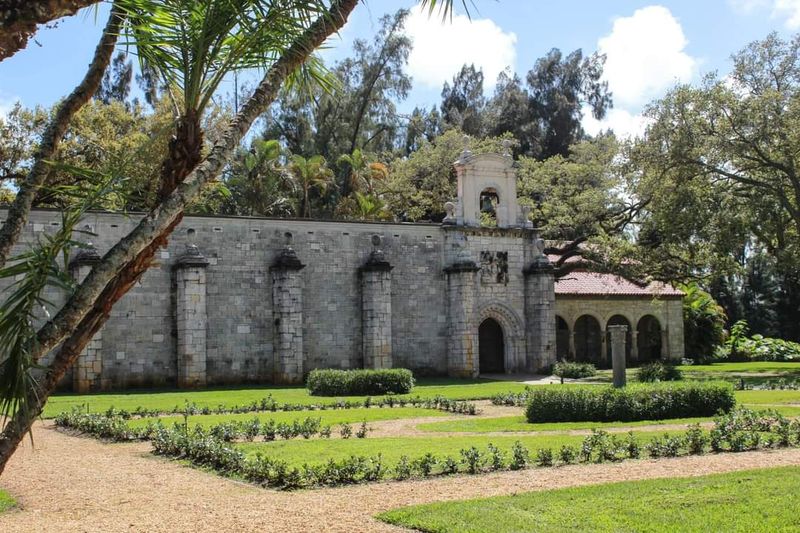
Miami pulses with energy, beaches, nightlife, Art Deco architecture, and constant motion. The Ancient Spanish Monastery offers the complete opposite experience, and that contrast makes it powerful. You can be surrounded by traffic and urban noise one minute, then step through the monastery gates into genuine tranquility.
Multiple reviews mention this dramatic shift. Visitors talk about feeling transported, disconnected from the usual Miami pace, and surprised that such a peaceful space exists so close to the city’s chaos. The thick stone walls don’t just block sound physically, they create a psychological barrier that helps you mentally leave the outside world behind.
Locals who’ve lived in Miami for years say they return to the monastery repeatedly when they need a break. It functions as a kind of urban retreat without requiring you to drive hours away. The property stays open limited hours (Wednesday through Saturday 10 AM to 4 PM, Sunday 2 to 5 PM, closed Monday and Tuesday), so planning ahead matters.
The visit takes about an hour if you’re moving at a normal pace. Many people spend longer, finding a bench in the garden or a quiet corner in the cloisters to simply sit. Unlike attractions that push you through on a schedule, the monastery lets you set your own rhythm.
Parking comes free and plentiful, another unexpected gift in a city where parking often costs as much as admission. The reasonable ten-dollar entry fee removes any barrier to visiting when you just need a peaceful hour away from everything.
The atmosphere encourages reflection without demanding it. You don’t have to be religious or even particularly interested in history to appreciate the space. Sometimes you just need to be somewhere old, quiet, and beautiful, and the monastery delivers that experience reliably.
Several visitors describe bringing friends or family who were skeptical about visiting an old building, then watching them get completely absorbed by the place. The monastery converts doubters through direct experience rather than hype. You walk in thinking you’ll spend twenty minutes, and you end up staying the full hour because leaving feels wrong.
Practical Details for Your Medieval Miami Adventure
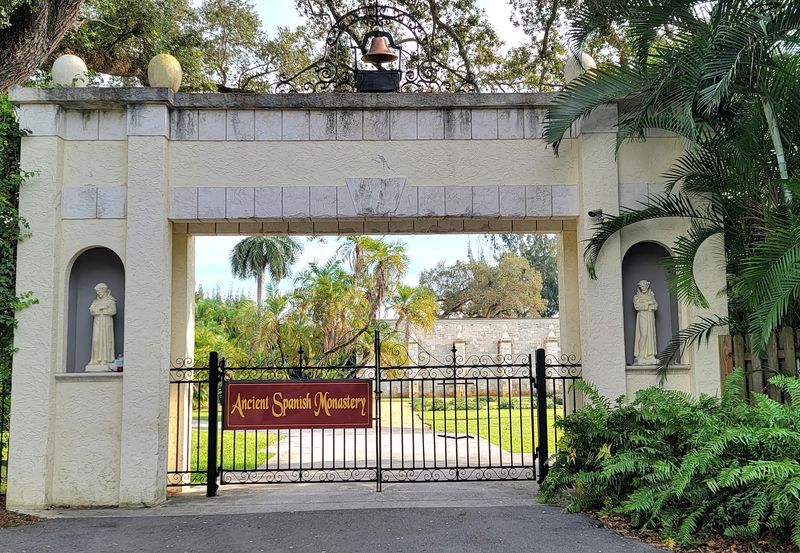
The monastery sits at 16711 West Dixie Highway in North Miami Beach, easy to reach from anywhere in the Miami metro area. GPS coordinates put it at 25.9296854, -80.15457219999999 if your navigation system needs the exact location. The building earned a 4.5-star rating from over 1,760 Google reviews, which speaks to consistent visitor satisfaction.
Hours stay limited, so check before you go. Wednesday through Saturday the monastery opens from 10 AM to 4 PM. Sunday hours run 2 PM to 5 PM.
Monday and Tuesday the gates stay closed. Calling ahead at 305-945-1461 confirms current hours and any special closures.
The ten-dollar admission fee covers access to everything, the cloisters, chapel, gardens, and small museum. Restrooms receive specific praise in reviews for being surprisingly clean and having their own character. The ticket staff speaks multiple languages and consistently gets mentioned for being friendly and helpful.
Pick up the paper brochure when you pay admission. It provides historical context and helps you understand what you’re seeing as you explore. The self-guided format lets you move at your own pace without being stuck with a tour group.
If you love cats, consider bringing some cat food. A community of strays lives on the grounds, and the monastery cares for them. Visitors enjoy contributing to their care, and the cats add unexpected charm to the experience without being intrusive.
Photography is allowed and encouraged for personal use. Professional shoots for weddings, quinceañeras, and portraits require advance booking and fees that support the monastery’s maintenance. Expect to see photographers working during your visit, they’re a constant presence given how photogenic the location is.
The property isn’t enormous, but it packs significant experience into a compact space. You’ll see everything in an hour, though rushing misses the point. The monastery rewards slowing down, sitting quietly, and letting the atmosphere work on you.
Bring water, wear comfortable shoes, and plan to spend quality time rather than checking a box on your tourist list.