Visitors Love This Florida Beach During The Day But Avoid It After Dark
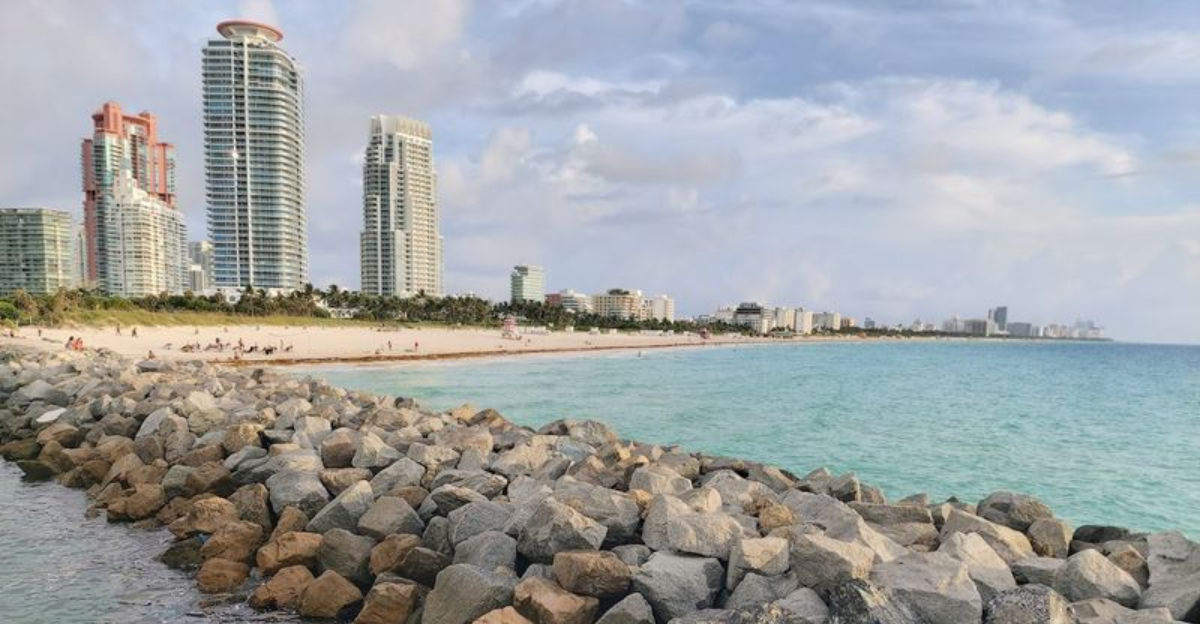
South Beach in Miami is one of Florida’s most iconic stretches of sand, drawing crowds from around the world who come for the turquoise water, art deco architecture, and electric energy. During daylight hours, this famous beach buzzes with sunbathers, swimmers, and people-watchers soaking up the vibrant atmosphere. But as the sun sets and darkness falls, many visitors choose to head back to their hotels or explore safer nightlife options elsewhere, and there’s a reason for that shift in the crowd.
1. Daytime Paradise: Sun, Sand, and Endless Energy
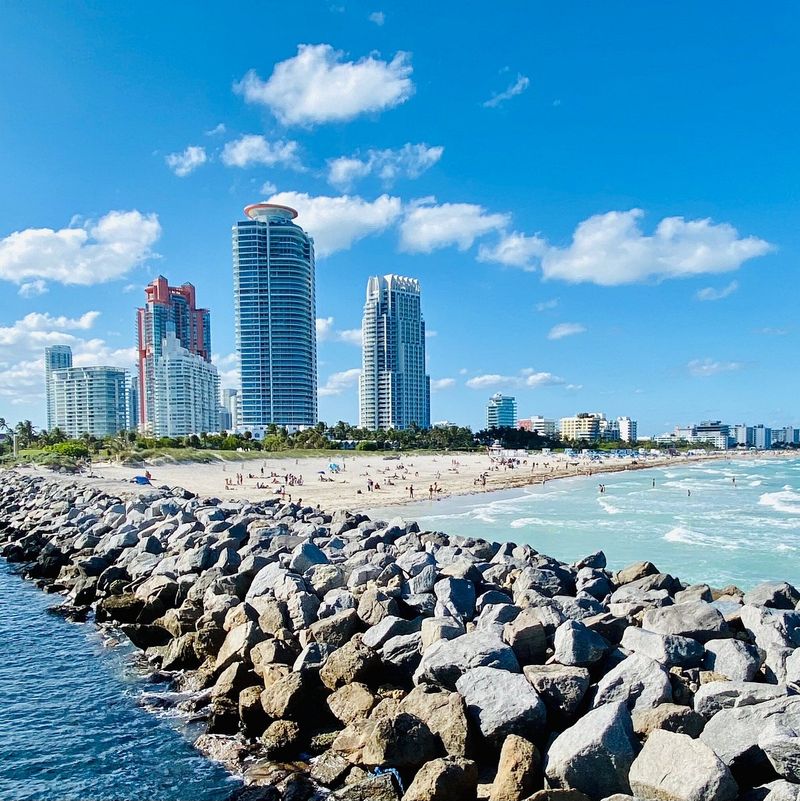
When the morning sun climbs over the Atlantic, South Beach transforms into a postcard-perfect paradise. Families spread out beach towels, couples stroll along the shore, and fitness enthusiasts jog past the iconic lifeguard towers painted in candy colors. The vibe is carefree and celebratory, with the sound of waves mixing with laughter and music drifting from nearby cafes.
Ocean Drive hums with activity as tourists snap photos of the pastel art deco hotels that line the street. Vendors sell fresh coconuts and cold drinks, while beachgoers cool off in the clear, warm water. The energy is contagious, and it’s easy to see why this spot has become synonymous with the Miami Beach experience.
By midday, the beach is packed shoulder-to-shoulder with visitors from every corner of the globe. Volleyball games spring up near the water’s edge, and paddleboarders glide across the calm surf. There’s a sense of community and safety in numbers, with lifeguards keeping a watchful eye and police patrols visible along the sand.
Everything about daytime South Beach screams fun and relaxation. It’s the kind of place where you can let your guard down, soak up the Florida sunshine, and feel like you’re part of something bigger than yourself.
2. Nighttime Shift: When the Vibe Changes
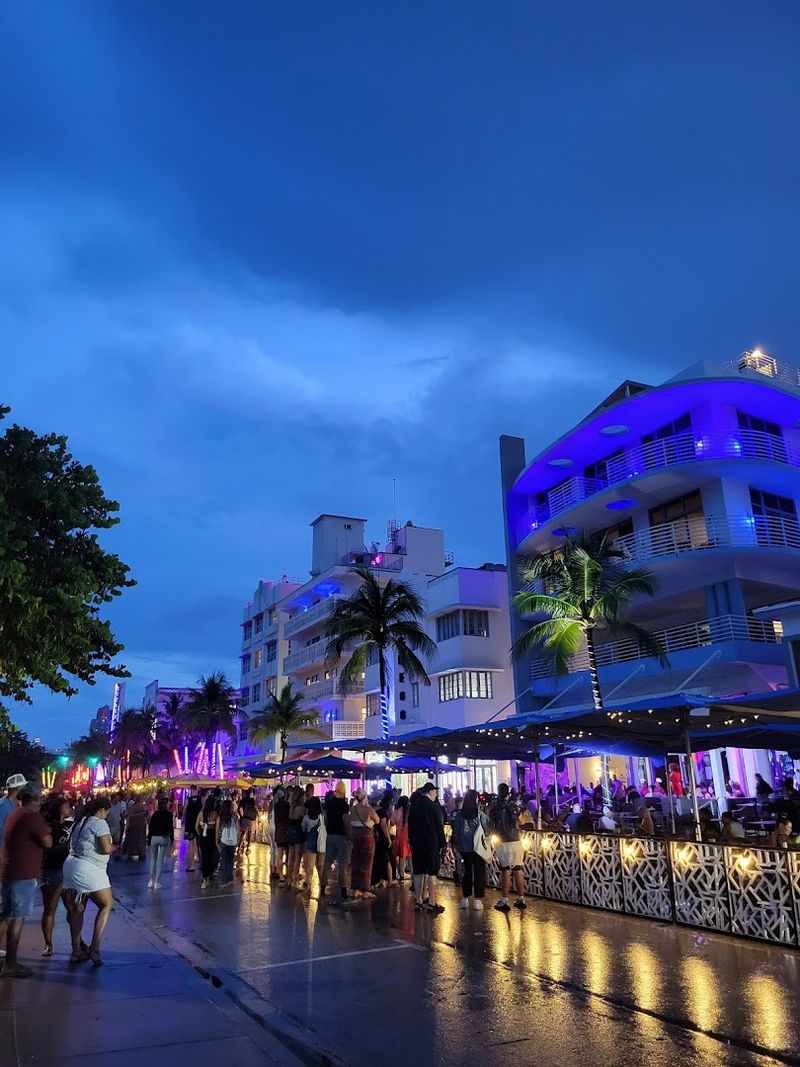
Once darkness settles over South Beach, the atmosphere takes a noticeable turn. The family-friendly beach scene gives way to a nightlife culture that’s intense, unpredictable, and not always welcoming to casual visitors. Clubs blast music until dawn, and the streets fill with partygoers, some of whom have had too much to drink or are looking for trouble.
Crime statistics tell part of the story. Theft, aggressive panhandling, and occasional violent incidents spike after dark, especially in areas away from the main tourist strips. While Ocean Drive remains relatively patrolled, side streets and quieter sections of the beach become sketchy quickly.
Visitors who wander off alone or flash expensive belongings often become targets.
Local authorities have increased police presence in recent years, but the sheer volume of nighttime revelers makes it challenging to maintain order everywhere. Fights break out outside clubs, and scammers work the crowds looking for easy marks. Even seasoned travelers admit the energy feels different once the sun goes down—less vacation paradise, more urban jungle.
It’s not that South Beach is a war zone at night, but the risks are real enough that most guidebooks and hotel concierges warn guests to stay alert, stick to well-lit areas, and avoid walking alone after dark.
3. Crime Concerns That Keep Tourists on Guard
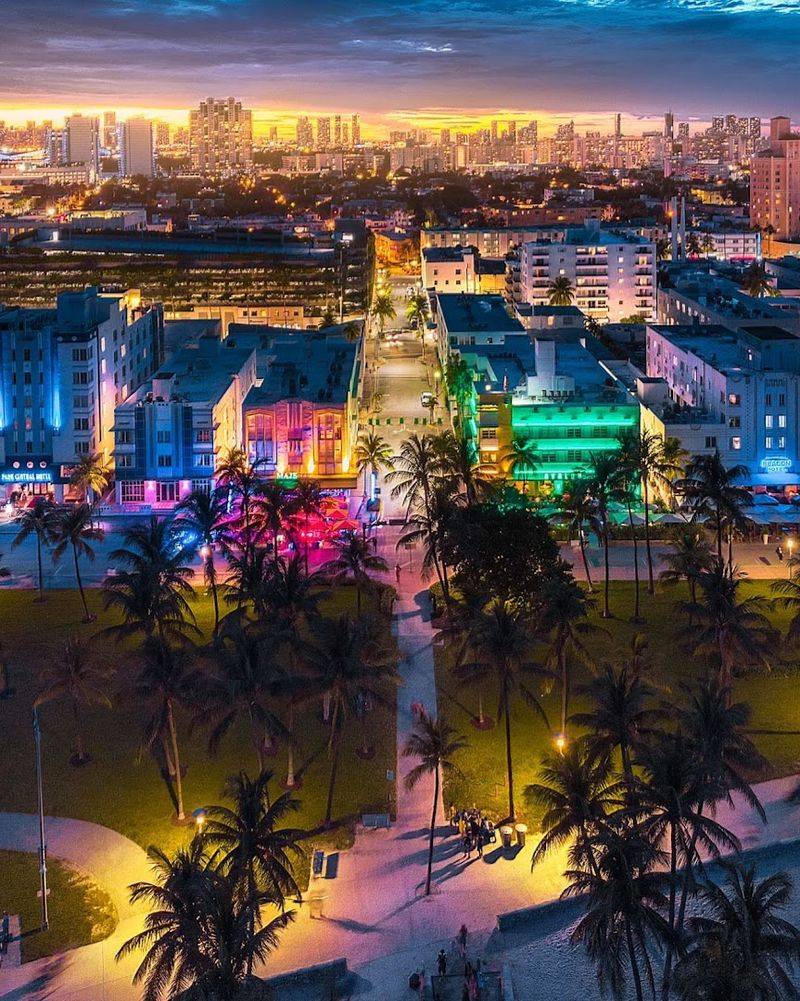
South Beach has a reputation that precedes it, and not all of it is glamorous. Property crime rates in the area are higher than the national average, with car break-ins, pickpocketing, and bag snatching reported regularly. Tourists make easy targets because they’re often distracted, unfamiliar with their surroundings, and carrying valuables like cameras, phones, and cash.
Violent crime, while less common, does occur. Assaults, robberies, and occasional shootings make headlines, particularly during peak tourist seasons and major events like Spring Break or Art Basel. These incidents tend to happen late at night in crowded nightclub districts or on dimly lit side streets where fewer witnesses are around.
Police have implemented initiatives like increased foot patrols and surveillance cameras, but the transient nature of the area makes enforcement difficult. Many troublemakers are visitors themselves, emboldened by alcohol and the anonymity of being far from home. Locals know which blocks to avoid and what times to steer clear, but tourists often lack that insider knowledge.
Smart travelers take precautions: they don’t carry large amounts of cash, they use hotel safes for passports and jewelry, and they travel in groups after dark. Ride-sharing services are popular for getting back to accommodations safely, avoiding the need to walk through unfamiliar neighborhoods late at night.
4. The Party Scene: Thrilling but Risky
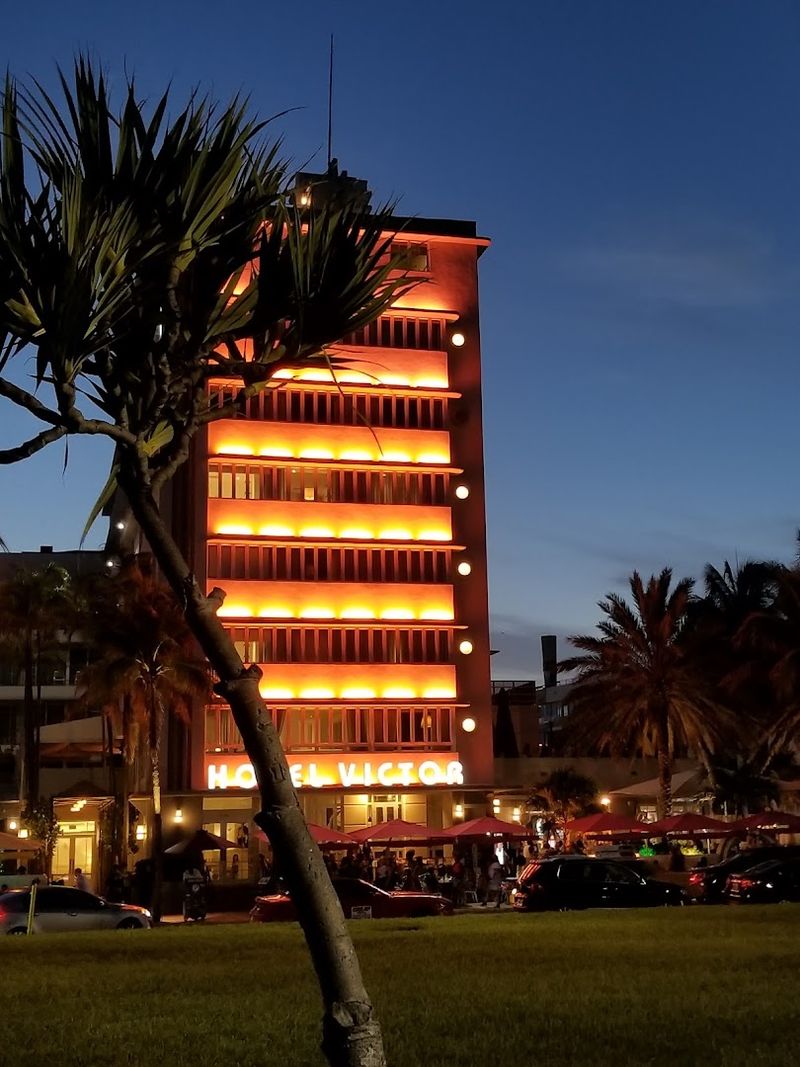
South Beach is world-famous for its nightlife, drawing club-goers who want to dance until sunrise at venues like LIV, Story, and E11EVEN. The party scene is undeniably electric, with celebrity DJs, bottle service, and crowds dressed to impress. For those who love that high-energy atmosphere, there’s nothing quite like it.
But the party culture comes with downsides. Excessive drinking leads to poor decisions, and the combination of alcohol, drugs, and testosterone can create volatile situations. Fights are common outside clubs, and aggressive promoters sometimes pressure tourists into spending far more than they intended.
Cover charges can hit triple digits, and once inside, drink prices are astronomical.
Women, in particular, report feeling uncomfortable with the level of aggressive attention and unwanted advances in these nightlife settings. Drink spiking, while not epidemic, has been reported enough times that safety advocates recommend never leaving drinks unattended and always keeping an eye on your friends.
The party scene also attracts opportunistic criminals who prey on intoxicated tourists. Pickpockets work the crowds, and scammers run cons outside popular venues. Some visitors wake up the next morning with empty wallets and hazy memories of how it happened.
The thrill of South Beach nightlife is real, but so are the risks that come with it.
5. Homelessness and Panhandling After Dark
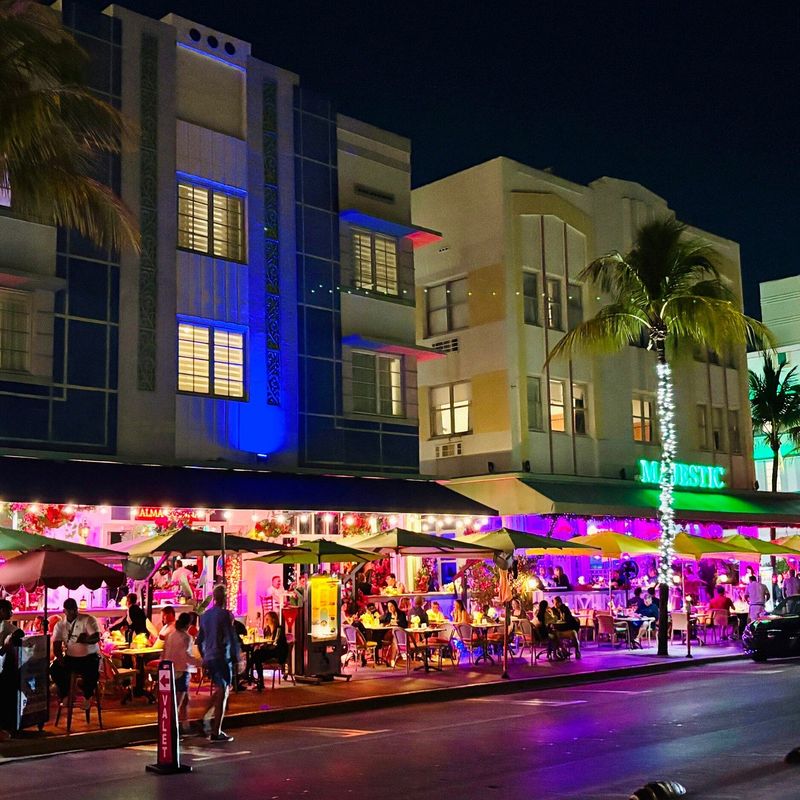
As evening falls, the homeless population on South Beach becomes more visible. Individuals experiencing homelessness often congregate in areas where foot traffic is heavy, hoping for handouts from generous tourists. While many are simply trying to survive, the aggressive panhandling can feel intimidating, especially for families with children or visitors unfamiliar with urban environments.
Miami Beach has struggled with homelessness for years, and South Beach is a focal point because of the tourist dollars flowing through the area. Some panhandlers are polite and grateful for any help, but others become confrontational when refused. There have been reports of tourists being followed, harassed, or verbally abused after declining to give money.
The city has implemented outreach programs and shelters, but the problem persists. For visitors, encountering homelessness can be jarring, particularly in such a wealthy, image-conscious destination. It’s a reminder that behind the glitz and glamour, real social issues exist.
Most locals advise tourists to be respectful but firm when approached for money. Making eye contact and saying a polite “no thank you” usually suffices. Avoid engaging in lengthy conversations or pulling out your wallet in public, as this can attract unwanted attention from others nearby.
Staying aware of your surroundings and keeping moving is the best strategy.
6. Well-Lit Tourist Areas vs. Dark Side Streets
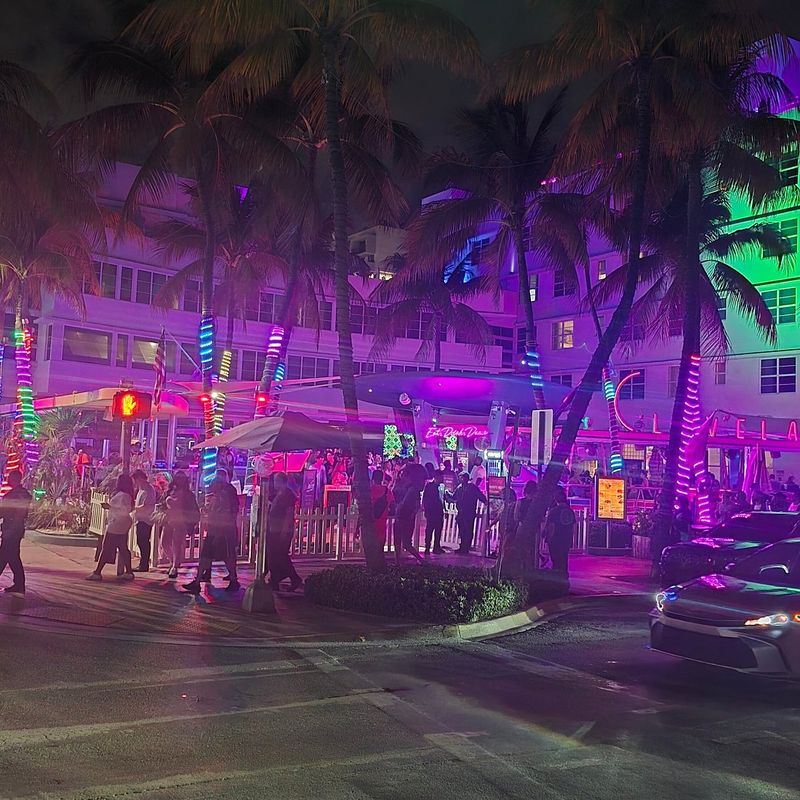
Not all of South Beach is created equal when the sun goes down. Ocean Drive, Collins Avenue, and Lincoln Road Mall remain relatively safe because they’re brightly lit, heavily trafficked, and regularly patrolled by police. Restaurants and bars stay open late, creating a buffer of activity that discourages serious crime.
But wander just a block or two off these main drags, and the atmosphere changes dramatically. Side streets are poorly lit, with long stretches of residential buildings or closed businesses that offer little foot traffic and plenty of shadows. These areas become magnets for criminal activity after dark, from drug deals to muggings.
Tourists who take shortcuts through these quieter streets to avoid crowds or reach their hotels faster often regret it. What seems like a harmless detour in daylight can feel menacing at night, with few people around to help if something goes wrong. Even locals who live in South Beach know to stick to the main thoroughfares after dark.
The lesson here is simple: stay where the lights and people are. If your hotel or rental is off the beaten path, use a ride-sharing service rather than walking through deserted blocks. The extra few dollars for an Uber is worth the peace of mind and safety it provides.
7. What Locals Know About Staying Safe
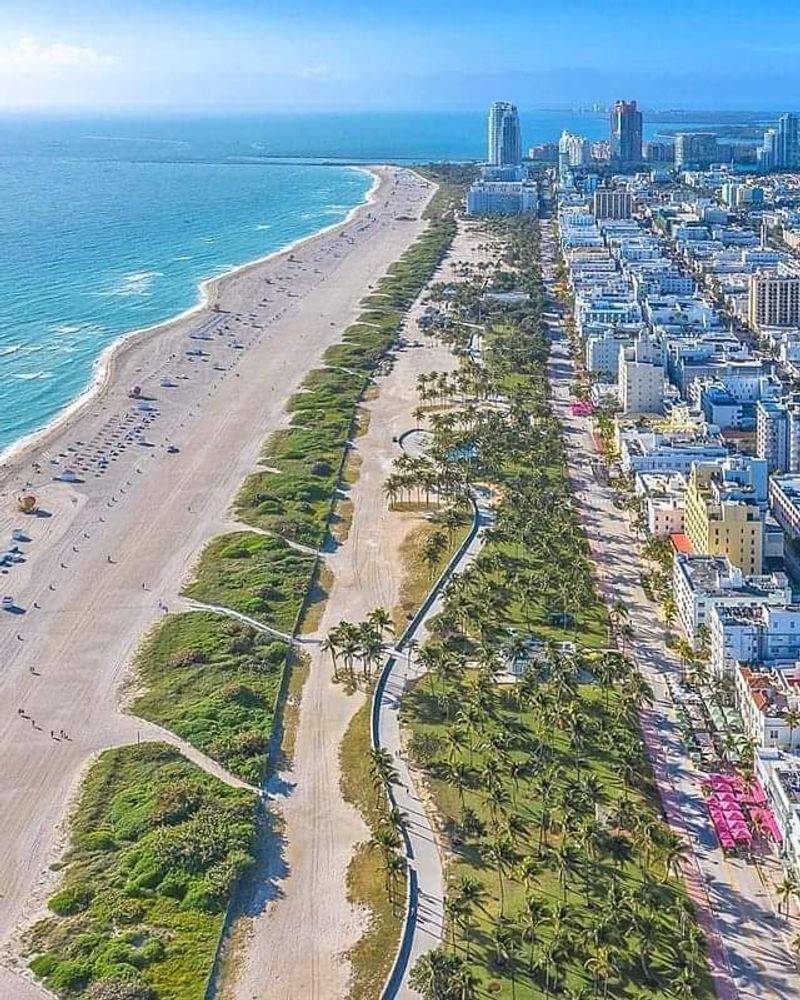
People who live in Miami Beach year-round have developed street smarts that help them navigate South Beach safely at all hours. They know which blocks to avoid, what times are riskiest, and how to carry themselves to avoid becoming targets. Their advice is practical and worth heeding.
First rule: never walk alone at night, especially if you’ve been drinking. There’s safety in numbers, and criminals are far less likely to approach a group than a solo traveler. If you’re out with friends, stay together and designate someone to remain relatively sober and aware.
Locals also recommend leaving valuables in your hotel safe. Don’t wear flashy jewelry, carry expensive cameras around your neck, or pull out thick wads of cash in public. Keep your phone in your pocket rather than scrolling while walking, which makes you an easy mark for grab-and-run thieves.
Another tip: trust your instincts. If a situation or location feels sketchy, it probably is. Don’t be embarrassed to turn around, cross the street, or duck into a busy restaurant until the coast feels clear.
Locals also suggest using well-known ride-sharing apps rather than hailing random cabs, as licensed drivers are tracked and accountable.
Finally, know where you’re going before you leave. Fumbling with maps or looking lost signals to criminals that you’re an easy target.
8. Why Daytime Visits Are the Smarter Choice
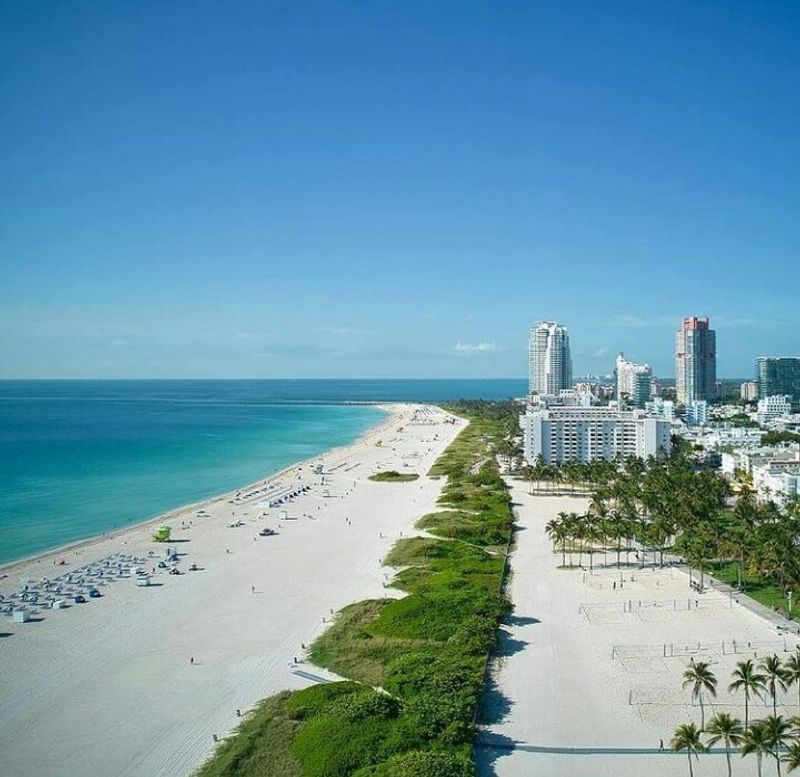
Given all the concerns about nighttime safety, it’s no wonder that savvy travelers choose to experience South Beach during daylight hours and save their evenings for other parts of Miami. The beach itself is stunning in the sunshine, with crystal-clear water that practically glows turquoise and soft white sand that’s perfect for lounging.
Daytime visits also offer the full range of South Beach experiences without the risks. You can explore the Art Deco Historic District, grab lunch at an outdoor cafe on Ocean Drive, browse the shops on Lincoln Road, and still feel completely safe. The crowds are friendly, the atmosphere is relaxed, and the only thing you need to worry about is reapplying sunscreen.
Families with children especially benefit from sticking to daytime hours. Kids can play in the waves, build sandcastles, and enjoy ice cream without parents having to constantly look over their shoulders. The beach is patrolled by lifeguards who keep swimmers safe and help maintain order.
By late afternoon, many visitors head back to their hotels to shower and rest before venturing out to dinner in safer neighborhoods like Coconut Grove or Coral Gables. This approach lets you enjoy the best of South Beach—the natural beauty and iconic scenery—without exposing yourself to the elevated risks that come after dark. Smart planning makes all the difference.