15 Florida Waterfalls You Won’t Believe Exist
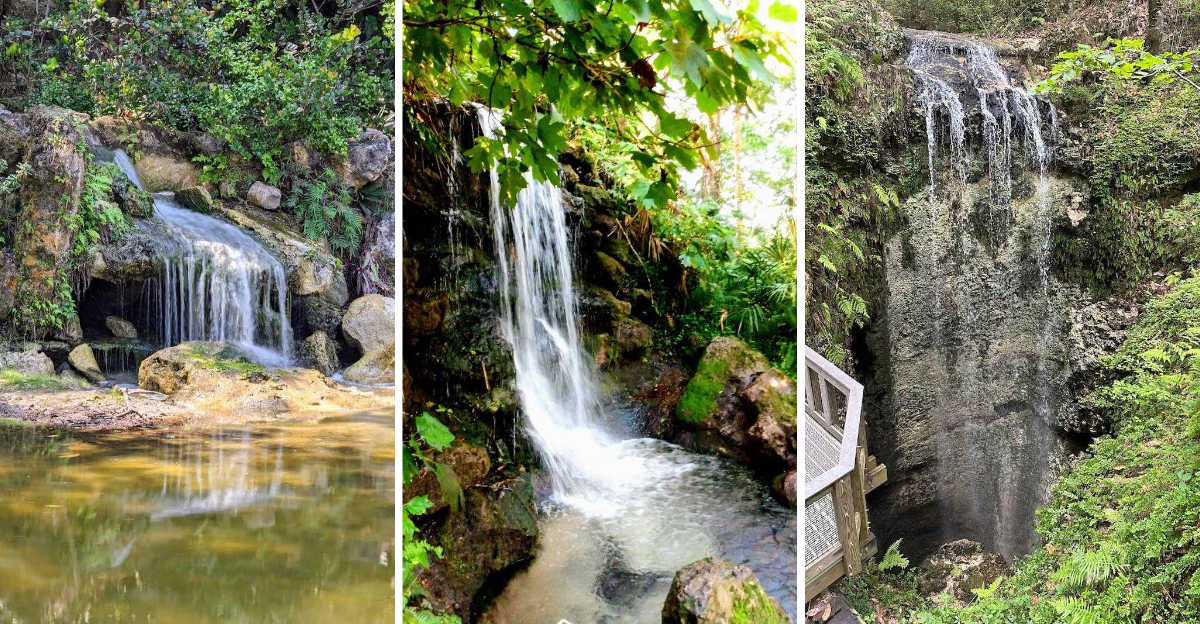
When you think of Florida, beaches and theme parks probably come to mind first. But tucked away in state parks and nature preserves across the Sunshine State are some genuinely surprising waterfalls that most visitors never see. From hidden cascades in North Florida forests to man-made wonders in botanical gardens, these watery gems prove there’s way more to explore than just coastline and attractions.
1. Big Shoals State Park (White Springs)
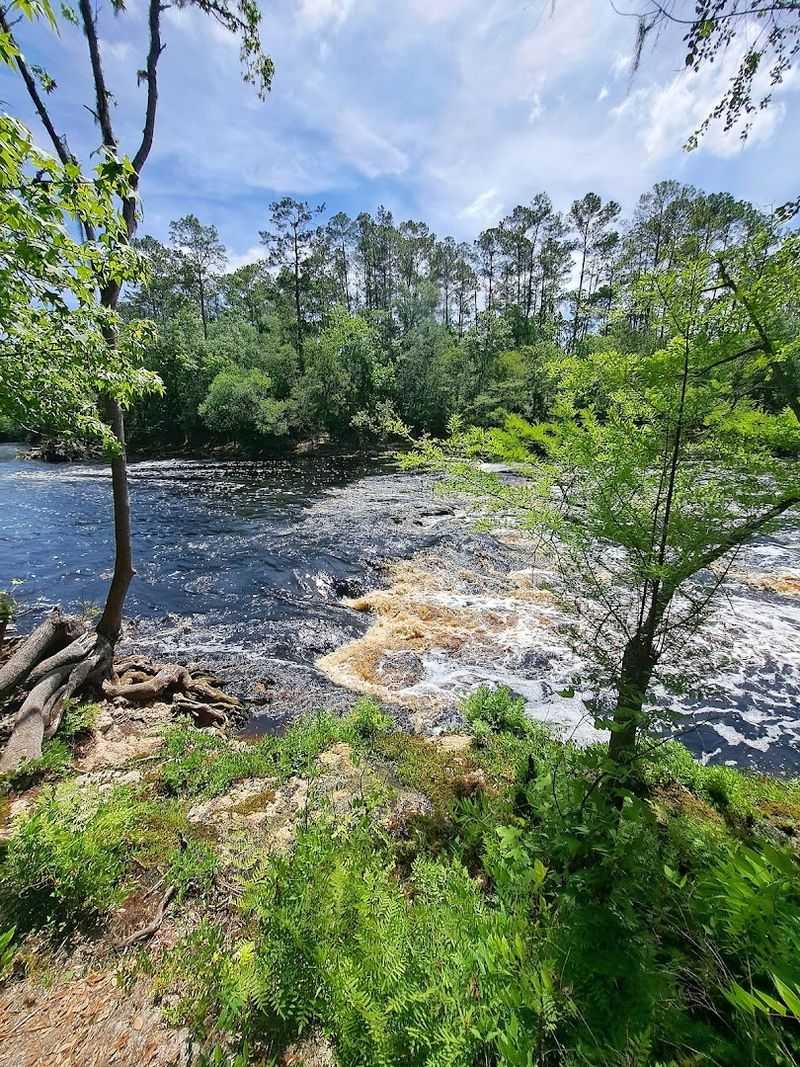
Big Shoals holds the title for Florida’s only Class III whitewater rapids, which is basically unheard of in a state known for being pancake-flat. The Suwannee River drops about 15 feet over ancient limestone formations here, creating churning whitewater that kayakers and canoeists actually travel from other states to experience.
During high water levels after heavy rains, the shoals transform into a roaring spectacle that sounds more like Appalachia than the Deep South. The park offers several miles of hiking trails where you can view the rapids from different angles, and the overlook platform gives you a bird’s-eye perspective of the tumbling water.
Spring and early summer typically offer the best flow, though the shoals remain impressive year-round. The surrounding hardwood forest creates a canopy that keeps things relatively cool even in Florida heat. Wildlife sightings are common, including wading birds, turtles, and occasionally even black bears wandering through the area.
If you’re up for adventure, experienced paddlers can navigate the shoals themselves, though you’ll want to scout the route first and wear a life jacket. For everyone else, simply watching the water crash over those limestone ledges is entertainment enough.
2. Boonie Falls (Oviedo)
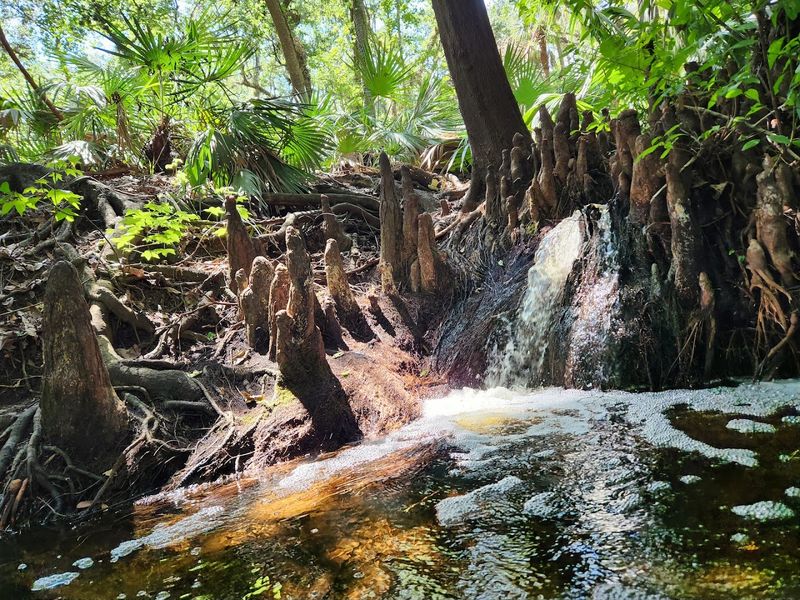
Tucked away in a suburban neighborhood near Orlando, Boonie Falls is one of Florida’s best-kept secrets. This little cascade sits in a preserve that most locals don’t even know exists, making it feel like a private discovery when you finally track it down.
The falls themselves aren’t towering giants—Florida’s geology just doesn’t allow for that—but the gentle tumble of water over limestone creates a peaceful soundscape that drowns out nearby traffic noise. The spring-fed stream stays relatively clear year-round, and during rainy season, the flow increases enough to make the falls genuinely photogenic.
Getting there requires a short hike through shaded hammock trails where you might spot gopher tortoises and various bird species. The path isn’t difficult, but wear closed-toe shoes since the terrain can be uneven and occasionally muddy after storms.
What makes Boonie Falls special is its accessibility for families with young kids or anyone who can’t tackle more strenuous hikes. You’re looking at maybe 15 minutes of easy walking before you reach the falls. Pack a picnic and enjoy the shade—Central Florida doesn’t offer many spots this naturally cool and refreshing without requiring a full-day expedition.
3. Devil’s Millhopper Geological State Park (Gainesville)
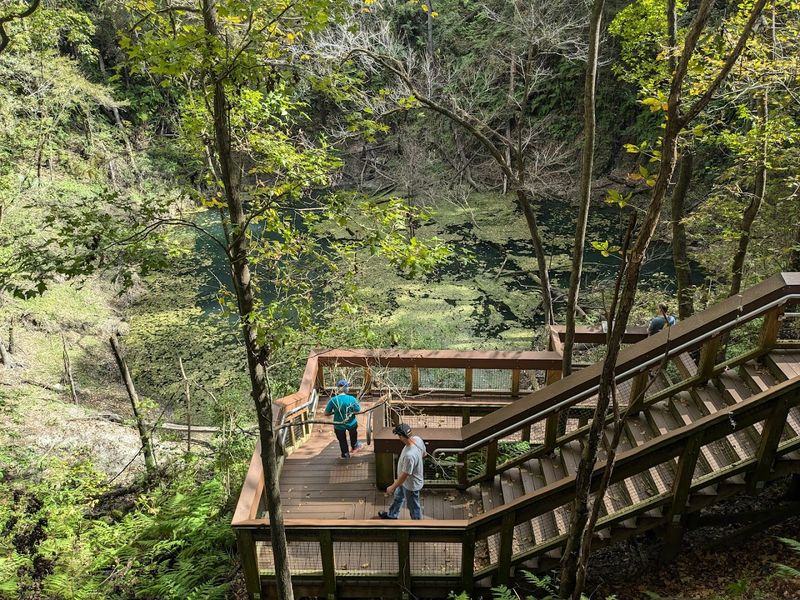
Picture a 120-foot-deep sinkhole that collapsed thousands of years ago and now hosts its own miniature rainforest ecosystem complete with waterfalls. That’s Devil’s Millhopper, and it’s genuinely one of Florida’s most unusual natural features.
A wooden staircase with 232 steps descends into the sinkhole, and as you go down, the temperature drops noticeably—sometimes 10 degrees cooler at the bottom than at the rim. Small streams trickle down the steep walls, creating delicate waterfalls that nourish ferns, mosses, and plants you wouldn’t normally see this far south in Florida.
The name comes from early settlers who thought the sinkhole resembled a grain hopper, and the “devil” part probably references the bones and fossils that wash into the bottom from the surrounding area. Scientists have found fossilized remains of extinct animals here, making it both a geological and paleontological treasure.
Visiting during summer means you’ll appreciate that temperature drop even more, though the stairs can be a workout on the way back up. Bring water and take your time—there’s no rush, and the microclimate inside the sinkhole deserves your attention. The park also has a small museum explaining the formation and history of this natural wonder.
4. Falling Creek Falls (Lake City)
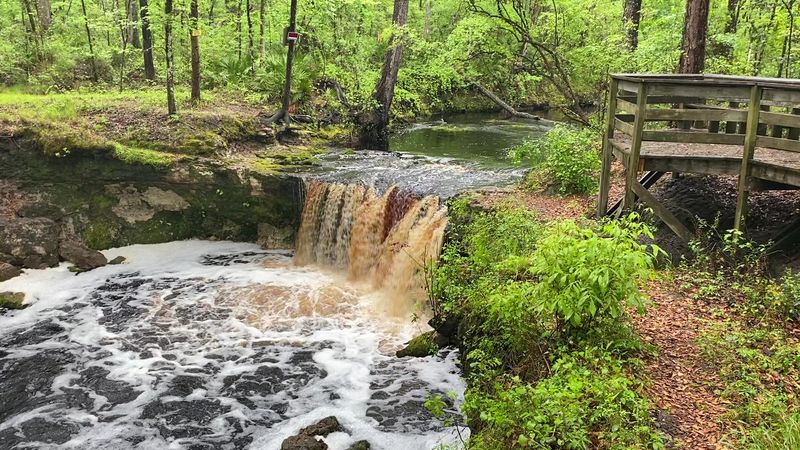
Falling Creek lives up to its name with a series of small cascades that tumble through a surprisingly hilly section of North Florida. The area sits on private land but can be accessed through designated trails, so respect posted signs and stay on marked paths.
What you’ll find is a creek that drops over several limestone shelves, creating multiple tiers of waterfalls rather than one dramatic plunge. During wet season, the flow increases substantially, and you can hear the water from quite a distance away. The surrounding forest is thick with hardwoods and the occasional pine, creating dappled shade that makes summer visits tolerable.
Local photographers love this spot because the falls photograph beautifully with a slower shutter speed, creating that silky water effect you see in professional nature shots. The rocks around the falls can be slippery, so watch your footing if you venture close to the water’s edge.
Wildlife is abundant here since the area doesn’t see heavy foot traffic. Deer, wild turkeys, and various songbirds frequent the creek, especially in early morning or late afternoon. If you’re quiet and patient, you might catch some great wildlife viewing opportunities alongside your waterfall experience.
Just remember to pack out everything you pack in—keeping this spot pristine means it’ll stay accessible for future visitors.
5. Falling Waters State Park (Chipley)
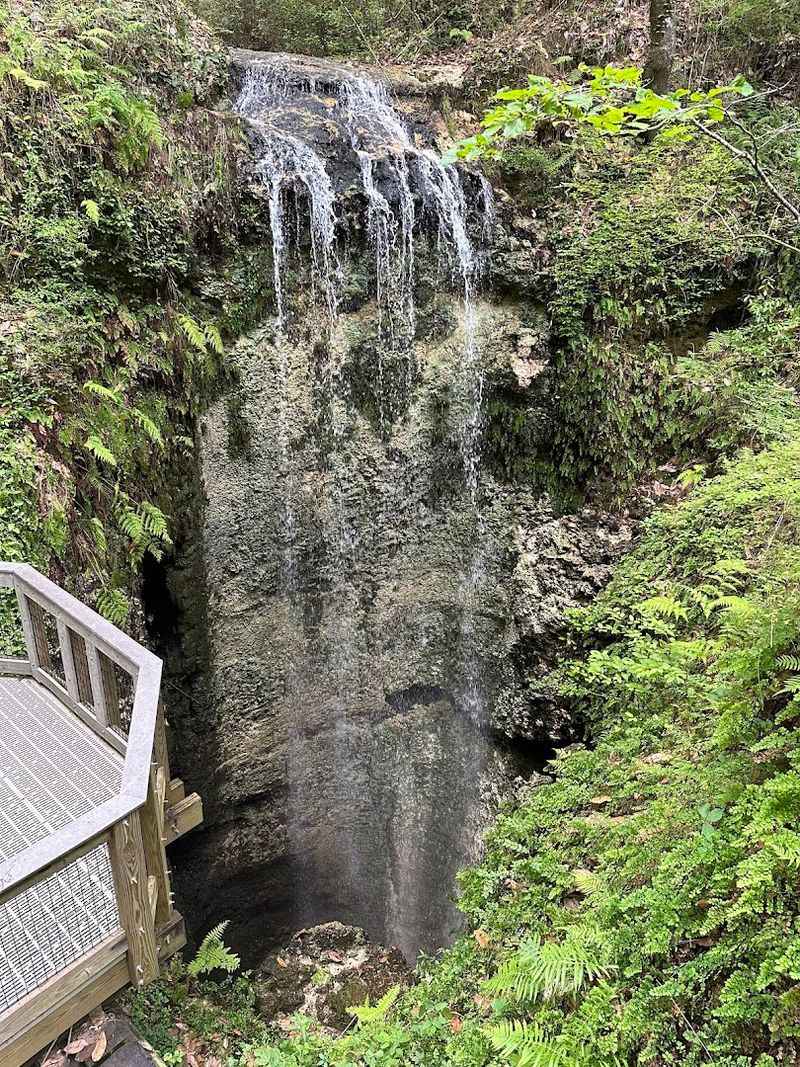
Florida’s tallest waterfall at 73 feet drops into a cylindrical sinkhole that you can’t see the bottom of—seriously, it just disappears into darkness. Falling Waters is the state’s most dramatic waterfall by a long shot, and it’s located in the Panhandle where Florida starts looking more like Alabama.
The waterfall flows year-round, though summer typically brings the heaviest flow when afternoon thunderstorms keep Falling Waters Creek running strong. During drier months, the falls become more of a trickle, but the sinkhole itself remains impressively mysterious. Nobody knows exactly where the water goes once it enters the earth—it likely feeds into the Floridan Aquifer somewhere below.
The park has a nice boardwalk and observation platform where you can safely view the falls without scrambling around on slippery rocks. There’s also a nature trail that loops through the surrounding forest, offering views of smaller sinkholes and native plant communities. Camping is available if you want to make a weekend of it.
Early morning visits offer the best lighting for photos, and you’ll likely have the place mostly to yourself before the crowds arrive. The park charges a small entrance fee, but it’s absolutely worth it to see Florida’s most impressive waterfall in person.
6. Morikami Museum & Japanese Gardens (Delray Beach)
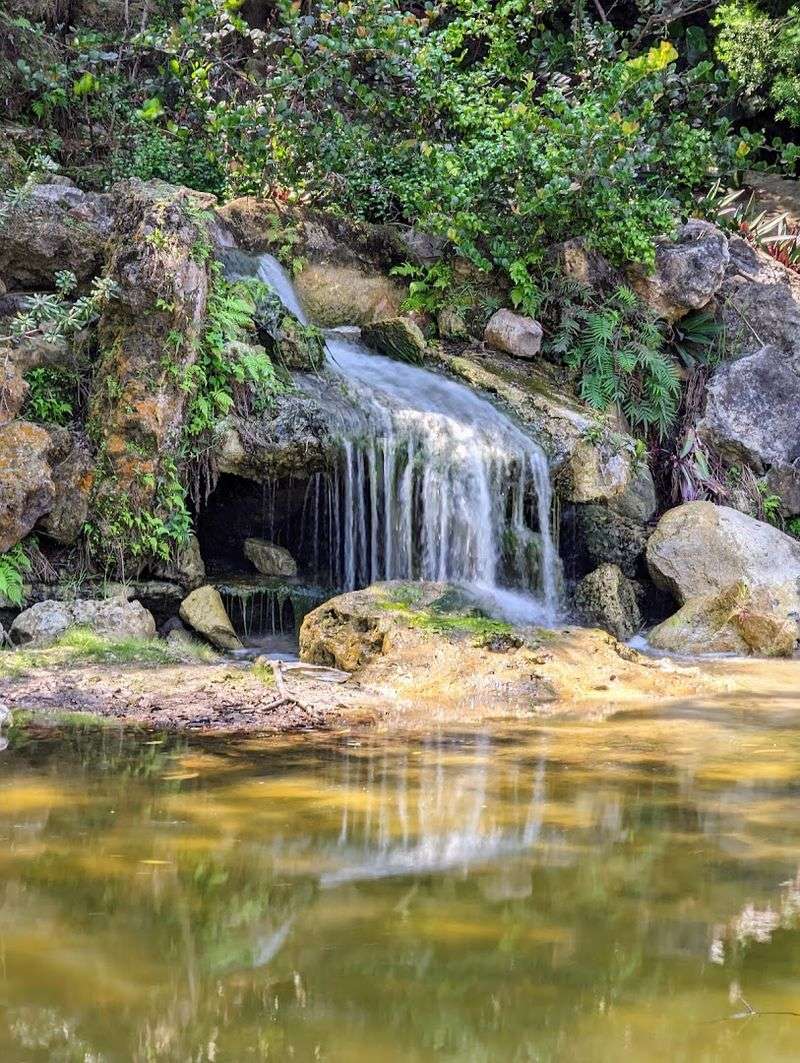
Okay, so this isn’t a natural waterfall, but the cascades and water features at Morikami Gardens are so beautifully designed they deserve a spot on this list. The museum and gardens honor the Yamato Colony, an early 1900s community of Japanese farmers who settled in South Florida.
Six different garden styles spread across the property, and several feature waterfalls that flow into koi-filled ponds surrounded by bonsai, bamboo groves, and stone lanterns. The sound of falling water creates a meditative atmosphere that feels worlds away from the surrounding Delray Beach suburbs. Engineers designed the water features to look completely natural despite being entirely human-made.
The gardens stay green year-round thanks to South Florida’s tropical climate, making this a reliable destination no matter when you visit. Spring brings blooming flowers that add extra color to the already stunning landscape. The museum itself offers fascinating exhibits about Japanese culture and the history of the Yamato Colony.
Plan to spend at least two hours here—rushing through defeats the purpose of these contemplative spaces. Pack a lunch and enjoy it in one of the designated picnic areas, or grab something at the on-site cafe. Photography is encouraged, and you’ll definitely want your camera for the waterfall and koi pond areas, which are Instagram gold.
7. Rainbow Springs State Park (Dunnellon)
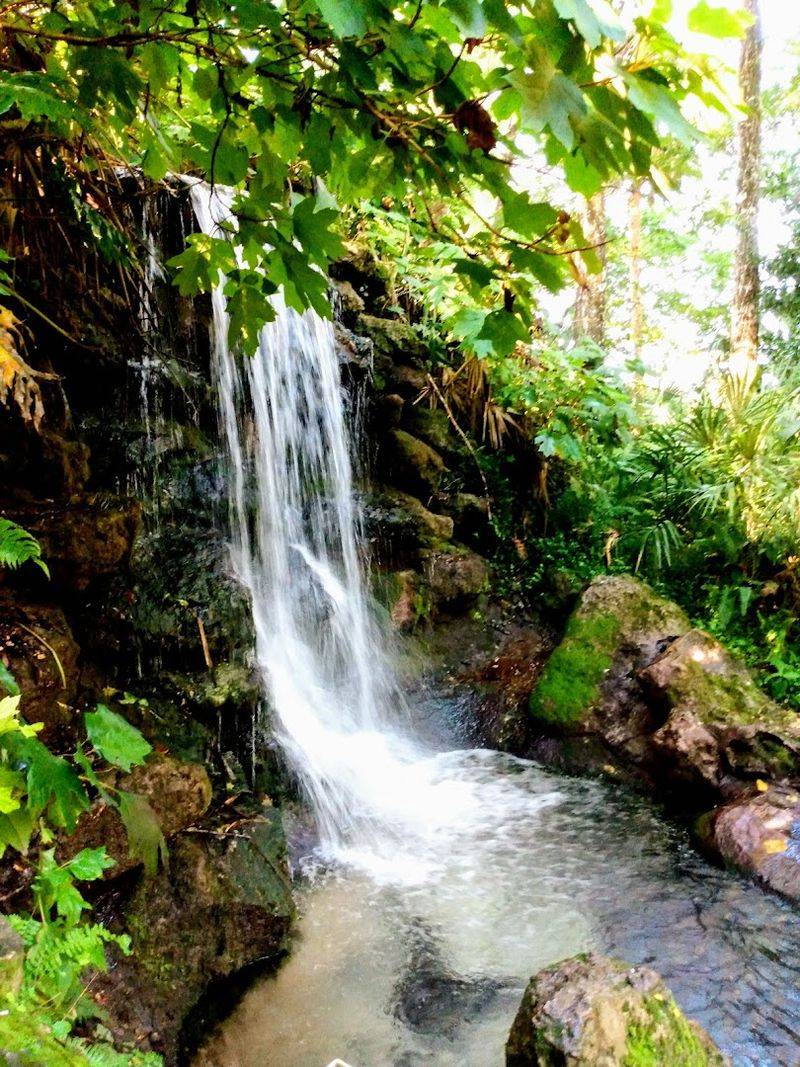
Rainbow Springs pumps out nearly 500 million gallons of crystal-clear water daily, and where that spring run flows, you’ll find beautiful cascades over limestone formations. The spring itself is the fourth-largest in Florida, and the water maintains a constant 72-degree temperature year-round.
The main waterfall area sits along the Rainbow River, where the spring water tumbles over rocks and fallen logs creating photo-worthy scenes that look almost tropical. Azaleas and native wildflowers bloom along the banks in spring, adding splashes of color to the already vibrant blues and greens of the water.
You can tube, kayak, or snorkel the river, getting up-close views of the cascades and the aquatic life that thrives in the pristine spring water. Snorkeling here is particularly rewarding since the clarity lets you see every detail of the underwater landscape, including fish, turtles, and the occasional manatee during winter months.
The park has designated swimming areas with sandy beaches, plus hiking trails through hardwood hammocks and along the river. Weekends can get crowded, especially in summer, so arriving early or visiting on weekdays gives you a better experience. There’s a small entrance fee, and tube rentals are available if you don’t have your own gear.
8. Robinson Branch Falls (Columbia County)
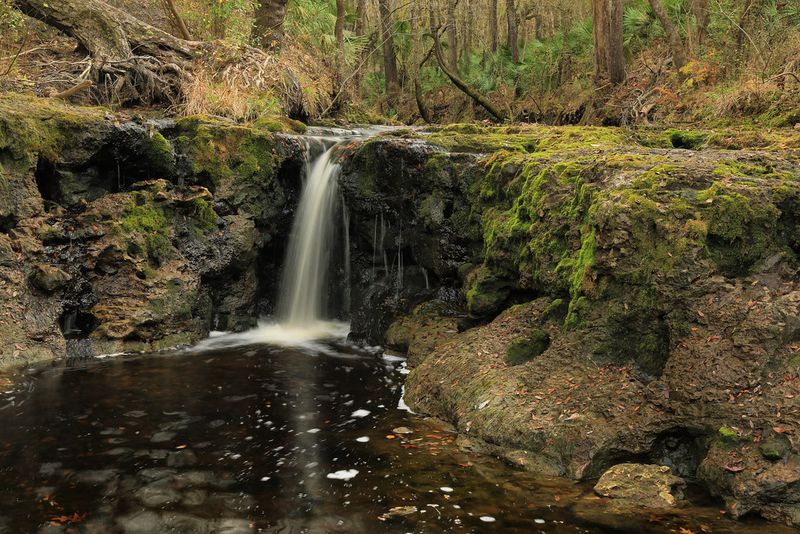
Robinson Branch is one of those places that requires a bit of local knowledge to find, which keeps it blissfully uncrowded even during peak tourist season. This small waterfall sits on a tributary that feeds into the larger river system, and the surrounding forest feels genuinely remote.
The falls themselves drop about eight feet over a limestone ledge, creating a small pool at the bottom that’s deep enough for wading on hot days. The water stays cool year-round thanks to spring influence, and the shade from overhanging trees keeps the area comfortable even in July and August.
Access requires a short hike through mixed pine and hardwood forest, and the trail can be muddy after rains, so appropriate footwear is essential. You might encounter some overgrown sections depending on how recently the trail has been maintained, but it’s never truly difficult to navigate.
What makes Robinson Branch special is the sense of discovery—this isn’t a developed park with signs and facilities, it’s just a beautiful natural feature that locals have enjoyed for generations. Bring plenty of bug spray during warmer months, and pack out all trash since there are no facilities here. If you’re looking for solitude and a genuine backcountry waterfall experience without traveling to the mountains, this spot delivers.
9. Steinhatchee Falls (Steinhatchee)
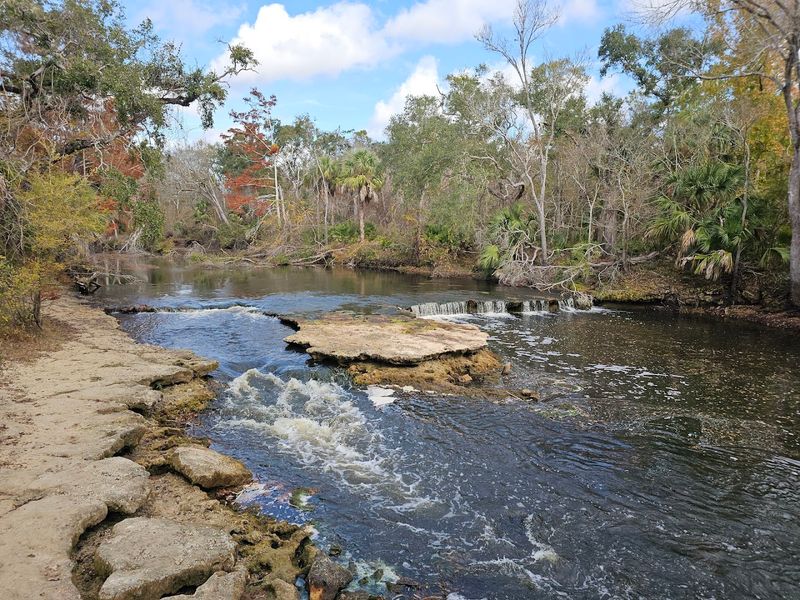
Steinhatchee Falls isn’t a towering cascade, but it’s the only significant waterfall along Florida’s Nature Coast, making it a noteworthy destination for waterfall hunters. The Steinhatchee River drops over a limestone shelf here, creating rapids and small waterfalls that are best viewed during higher water levels.
The falls sit in a relatively undeveloped area where the river cuts through limestone formations that create interesting geological features. During low water, you can walk around on the exposed rock and examine fossil imprints left behind millions of years ago when this area was underwater.
Kayaking or canoeing offers the best vantage point for viewing the falls, and the river is generally calm enough for beginners. Local outfitters rent boats and can provide shuttle services if you want to paddle a longer section of river. The surrounding area is popular with anglers targeting redfish and trout in the brackish lower sections of the river.
The town of Steinhatchee itself is worth exploring—it’s a classic Old Florida fishing village with excellent seafood restaurants and a laid-back vibe that’s increasingly rare along Florida’s coasts. Visit during spring or fall for the best weather and optimal water levels. Summer brings afternoon thunderstorms that can temporarily boost the falls’ flow, creating more dramatic viewing opportunities if you time it right.
10. Torreya State Park (Bristol)
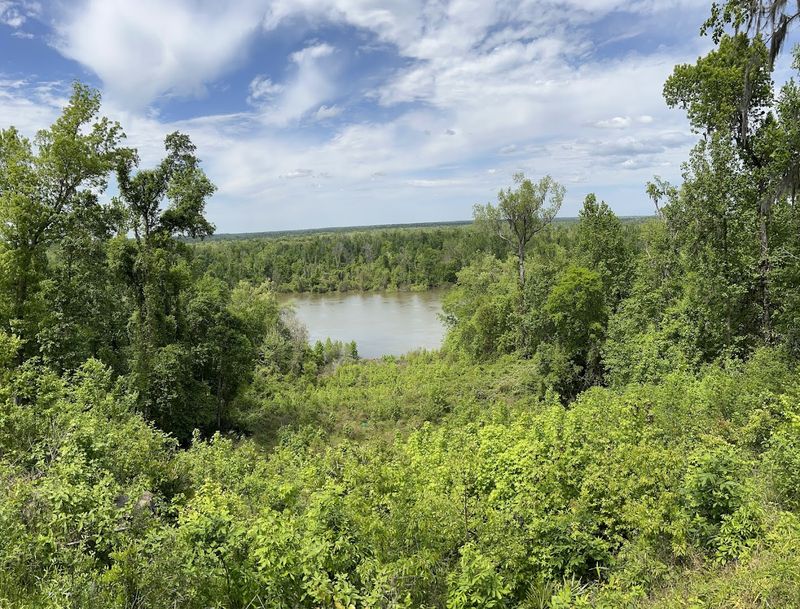
Torreya State Park sits on some of the highest elevations in Florida, with bluffs rising 150 feet above the Apalachicola River. Several ravines cut through these bluffs, and after heavy rains, small waterfalls cascade down the steep slopes into the river below.
The park is named for the rare Torreya tree, an endangered species that grows almost nowhere else on Earth. While you’re here for the waterfalls, take time to appreciate the unique ecology—this area supports plant and animal species more commonly found in Appalachia than in Florida.
Hiking trails wind through the ravines where you’ll find the seasonal waterfalls, and the terrain is genuinely challenging compared to most Florida trails. Expect steep climbs, uneven footing, and a real workout if you explore the backcountry sections. The payoff is worth it—views from the bluffs are spectacular, and the waterfalls, when flowing, add an extra dimension to an already beautiful landscape.
Winter and spring offer the best chances of seeing active waterfalls, as summer’s heat can dry up the smaller streams. The park also features a historic plantation house and Confederate fort earthworks if you’re interested in Civil War history. Camping is available, and spending a night here means you can catch sunrise over the river, which is absolutely stunning from the high bluffs.
11. Econfina Creek Falls (Washington County)
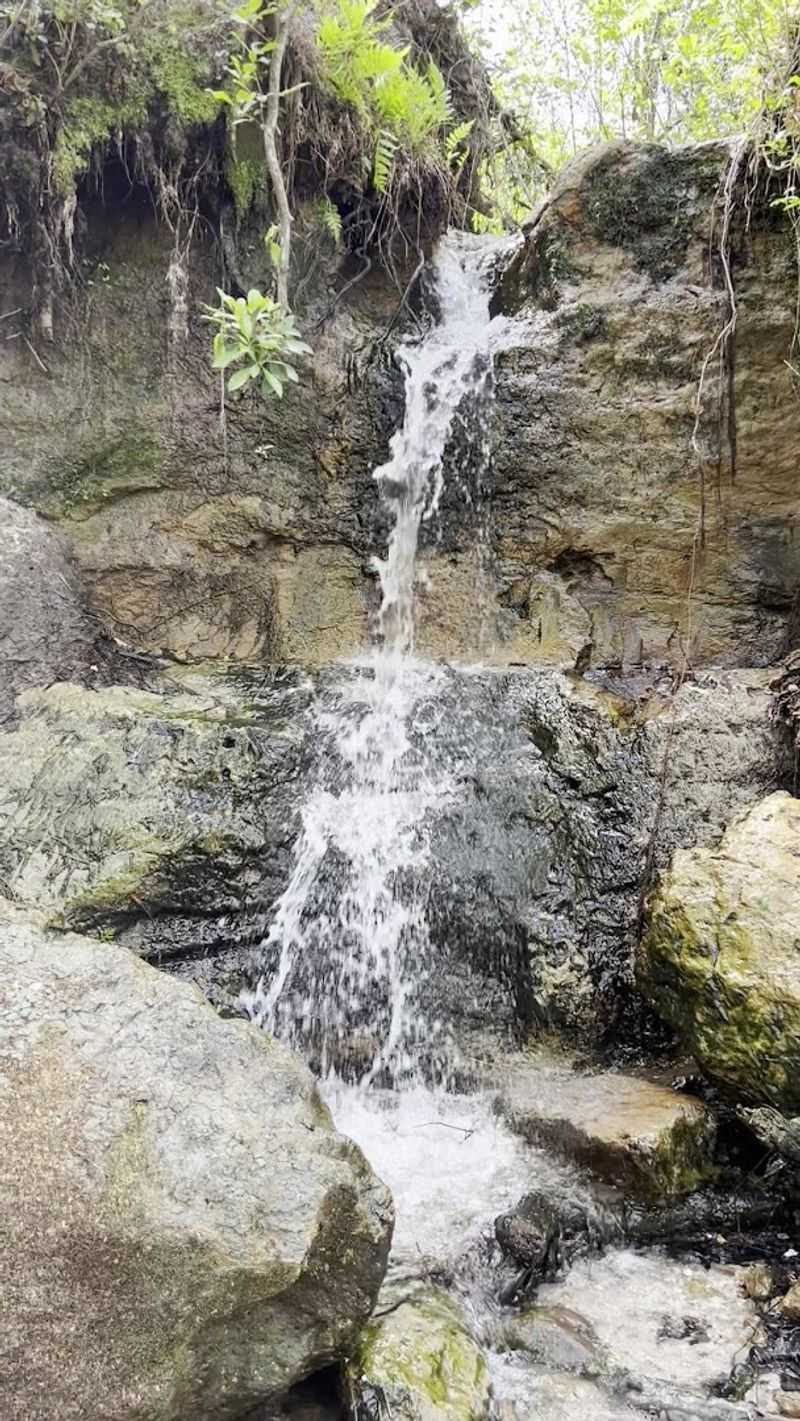
Econfina Creek is hands-down one of North Florida’s most beautiful waterways, and the falls here are a major highlight. The creek flows through pristine wilderness, dropping over several limestone shelves to create waterfalls that range from gentle cascades to more dramatic plunges depending on recent rainfall.
The water is incredibly clear—you can see straight to the bottom even in deeper pools—and maintains a refreshing coolness year-round thanks to spring influence. White sand beaches line some sections of the creek, creating perfect spots to set up camp and enjoy the scenery. Swimming is excellent here, and the pools below the falls are deep enough for jumping from the surrounding rocks.
Tubing the creek is hugely popular during summer, and the float takes you past multiple waterfalls and cascades. You’ll need to arrange a shuttle or leave a vehicle downstream, as the current only flows one direction. Kayaking works too, though some sections require portaging around fallen trees.
The surrounding forest is thick and full of wildlife, including deer, raccoons, and numerous bird species. Black bears also inhabit the area, so proper food storage is important if you’re camping. The creek sees moderate visitation, but weekdays and off-season periods offer more solitude.
This is one of Florida’s true natural gems, and it’s worth the drive to Washington County.
12. Camp Branch / Disappearing Creek (White Springs)
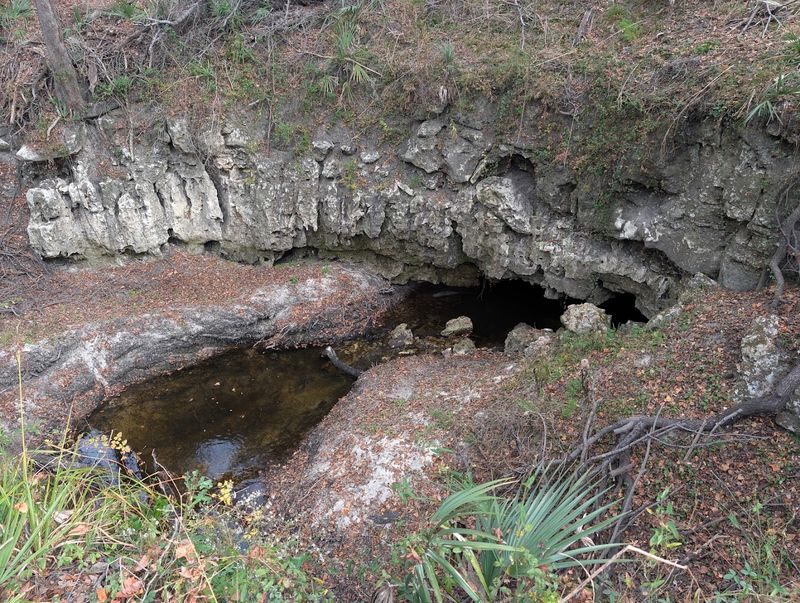
Camp Branch earns its “Disappearing Creek” nickname honestly—the stream literally vanishes into a limestone sinkhole, and a small waterfall marks the spot where surface water becomes groundwater. It’s one of Florida’s most unusual geological features, and it’s located near Big Shoals in the White Springs area.
The waterfall itself isn’t large, maybe four or five feet depending on water levels, but watching the water flow directly into the earth is mesmerizing. During dry periods, the creek might only trickle, but after storms, you’ll see substantial flow disappearing into the sinkhole with an audible gurgling sound.
The surrounding area is relatively undeveloped, giving the site a wild, untouched feeling that’s increasingly rare in Florida. A short trail leads from the parking area to the falls, and the walk is easy enough for most fitness levels. The forest here is beautiful—mixed hardwoods with an understory of ferns and wildflowers in season.
Geologists believe the water reenters the surface somewhere downstream, likely feeding into the Suwannee River system through underground channels. The limestone in this region is riddled with caves and passages, though most aren’t accessible to casual visitors. Bring a camera—this spot is photogenic and unique enough that you’ll want documentation of your visit to one of Florida’s strangest waterfalls.
13. Hidden Waters Preserve Waterfall (Eustis)
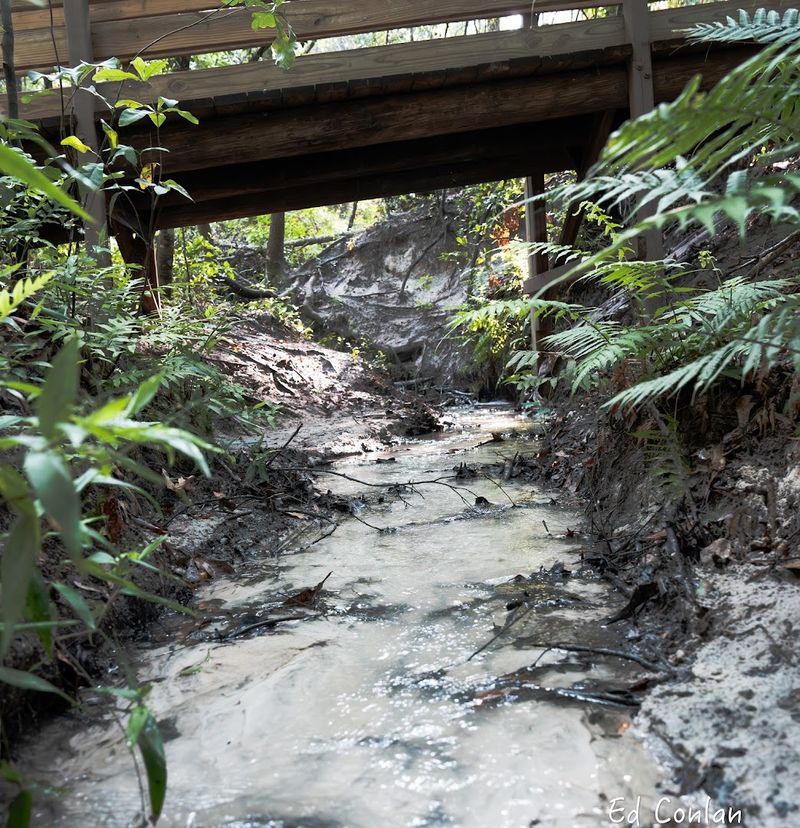
Hidden Waters Preserve lives up to its name with a beautiful waterfall tucked away in a conservation area that most Central Florida residents don’t know exists. The waterfall is technically man-made, part of a stormwater management system, but it’s been designed and landscaped so thoughtfully that it feels completely natural.
The preserve features boardwalks and trails that wind through wetlands and hardwood hammocks, eventually leading to the waterfall area where water cascades over rocks into a large pond. Native plants surround the feature, attracting butterflies, dragonflies, and various bird species that make this spot excellent for wildlife watching.
What’s great about Hidden Waters is its accessibility—the trails are well-maintained and relatively flat, making this destination suitable for families with small children or anyone with mobility limitations. The preserve is free to visit, and there’s ample parking near the trailhead.
Early morning visits offer the best lighting for photography and the highest likelihood of spotting wildlife before the heat of the day sends everything into hiding. The preserve is small enough that you can see everything in an hour or two, but bring a picnic and you could easily spend a relaxing afternoon here. The waterfall area has benches where you can sit and enjoy the sound of falling water, which is surprisingly soothing considering you’re just minutes from busy Eustis streets.
14. Hillsborough River Rapids (Thonotosassa)
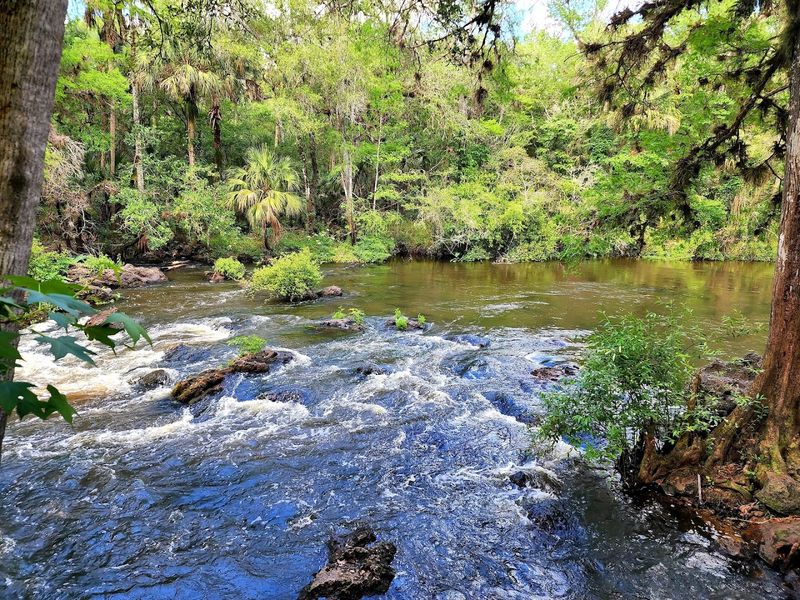
The Hillsborough River creates a series of Class I and II rapids where it flows over limestone outcroppings near Thonotosassa, and during higher water levels, these rapids transform into legitimate small waterfalls. This is one of the few places in Central Florida where you can experience moving water that’s actually exciting to paddle.
Hillsborough River State Park provides access to this section of river, and kayak or canoe rental is available if you don’t have your own boat. The rapids stretch is about a mile long, with several distinct drops that create whitewater features unusual for this part of Florida. Experienced paddlers will find it pretty tame, but beginners get a genuine thrill navigating the rocky sections.
The surrounding forest is gorgeous—massive live oaks draped in Spanish moss, towering cypress trees, and dense understory vegetation that creates a tunnel effect over the river in places. Wildlife abounds, including alligators, so keep a respectful distance if you spot any. Otters also frequent this stretch of river, and watching them play in the rapids is a real treat.
The park offers camping, picnic areas, and hiking trails if you want to make a full day of your visit. Swimming is allowed in designated areas, though the rapids section itself is off-limits for safety reasons. Visit after a few days of rain for the best water levels and most dramatic rapids.
15. Sunken Gardens Waterfalls (St. Petersburg)
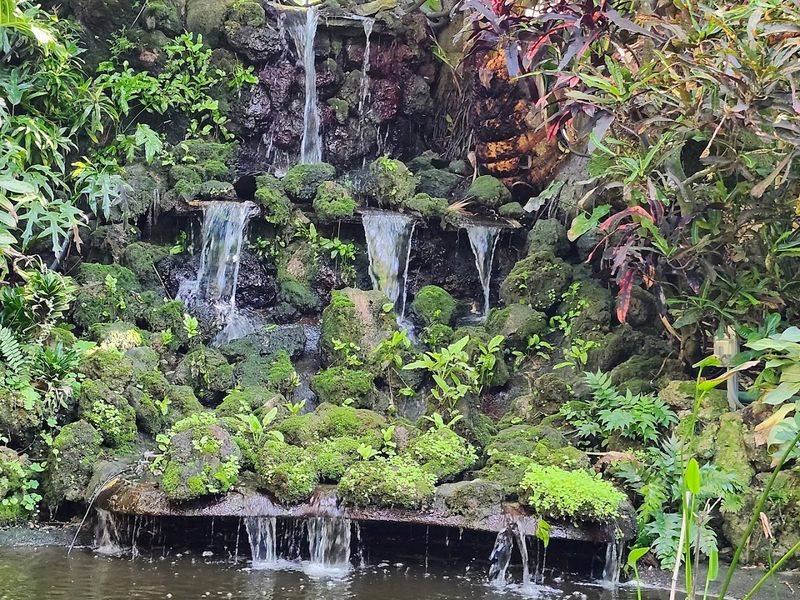
Sunken Gardens is a four-acre botanical paradise in the heart of St. Petersburg, and its multiple waterfalls and cascades create a tropical oasis that feels impossible given the urban surroundings. This historic attraction dates back to the 1930s when a plumber named George Turner drained a sinkhole lake and planted the gardens we see today.
Waterfalls throughout the property flow into koi ponds and winding streams that meander through collections of tropical plants from around the world. The sound of falling water is constant as you walk the winding paths, creating a peaceful atmosphere that drowns out city noise. The gardens stay green and blooming year-round thanks to careful horticulture and South Florida’s mild climate.
What makes Sunken Gardens special is the mature landscaping—some of these plants have been growing for decades, creating a jungle-like canopy overhead. Flamingos, parrots, and other exotic birds live in aviaries throughout the property, adding color and sound to an already vibrant environment. The waterfalls are beautifully designed, looking natural despite being entirely constructed.
Admission is very reasonable, and the gardens are small enough to tour in an hour, though you could easily spend half a day here if you’re a plant enthusiast or photographer. The gift shop offers unique botanical items, and the gardens host events throughout the year. This is a perfect rainy-day activity since the tree canopy provides substantial cover.