Eat Your Way Through Little Havana At These 15 Restaurants
Little Havana pulses with the flavors, sounds, and stories of Cuban culture right in the heart of Miami. Walking down Calle Ocho, you’ll hear live music spilling out of doorways, smell roasting pork from open windows, and see locals gathering at walk-up cafecito windows. Whether you’re craving authentic Cuban classics or exploring the neighborhood’s growing international food scene, these 15 restaurants capture everything that makes Little Havana one of Miami’s most delicious destinations.
1. Versailles Restaurant
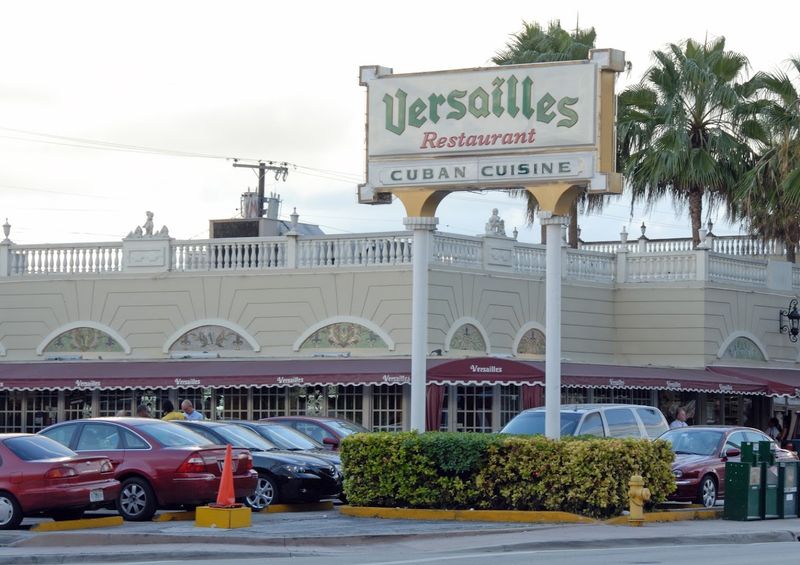
Walk into Versailles and you’ll immediately understand why this place has been a Little Havana institution since 1971. The mirrored walls, chandeliers, and bustling energy create an atmosphere that feels both celebratory and deeply familiar to generations of Cuban families.
Their ropa vieja arrives at your table tender and savory, the shredded beef swimming in a tomato-based sofrito that’s been perfected over five decades. The lechón asado comes with crackling skin that shatters at the touch of your fork, revealing impossibly moist pork underneath.
But honestly, the outdoor ventanita might be the restaurant’s beating heart. Locals line up here morning, noon, and night for shots of strong cafecito and golden croquetas that crunch perfectly before giving way to creamy béchamel filling.
The Cuban sandwich here doesn’t mess around with fancy additions or modern twists. Just perfectly pressed bread, roasted pork, ham, Swiss cheese, pickles, and mustard doing exactly what they’re supposed to do.
Versailles isn’t trying to reinvent Cuban food or chase trends. It’s doing what it’s always done, serving the flavors that remind people of home, whether that home is in Miami or Havana.
2. Café La Trova
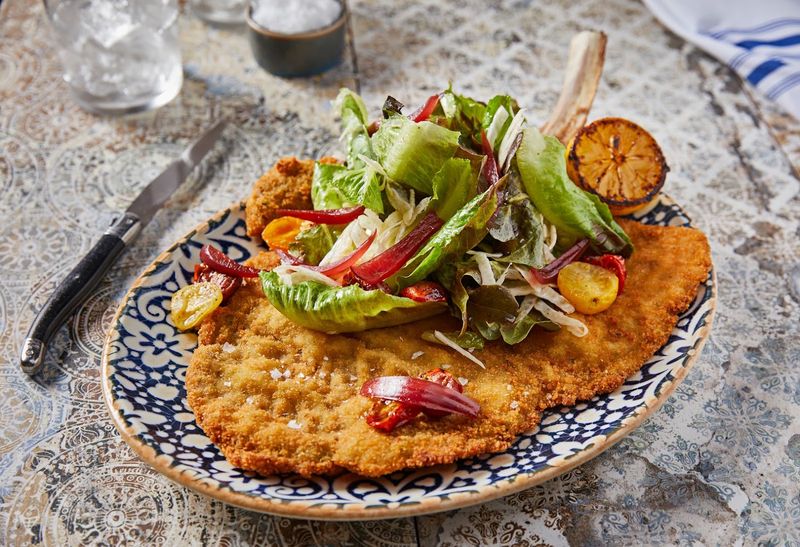
Stepping into Café La Trova feels like traveling back to 1950s Havana, when the city’s nightlife rivaled anywhere in the world. The bar program here takes Cuban cocktails seriously, with bartenders who know the difference between a proper daiquiri and the frozen stuff tourists drink on the beach.
The food matches the drinks in both quality and authenticity. Classic Cuban comfort dishes arrive beautifully plated but never fussy, respecting tradition while showing real craftsmanship in the kitchen.
Live music isn’t background noise here—it’s central to the experience. Musicians play son cubano, boleros, and salsa while you eat, creating the kind of atmosphere where strangers start conversations and everyone’s tapping their feet.
Order the vaca frita and watch how they’ve crisped the edges of the marinated flank steak while keeping the inside tender. The mojo sauce brings brightness and garlic punch that makes you want to order white rice just to soak up every drop.
This isn’t a place to rush through dinner. Café La Trova rewards lingering, ordering another round of cocktails, and letting the music and flavors transport you somewhere the clock moves a little slower and the nights feel a little longer.
3. Sanguich de Miami
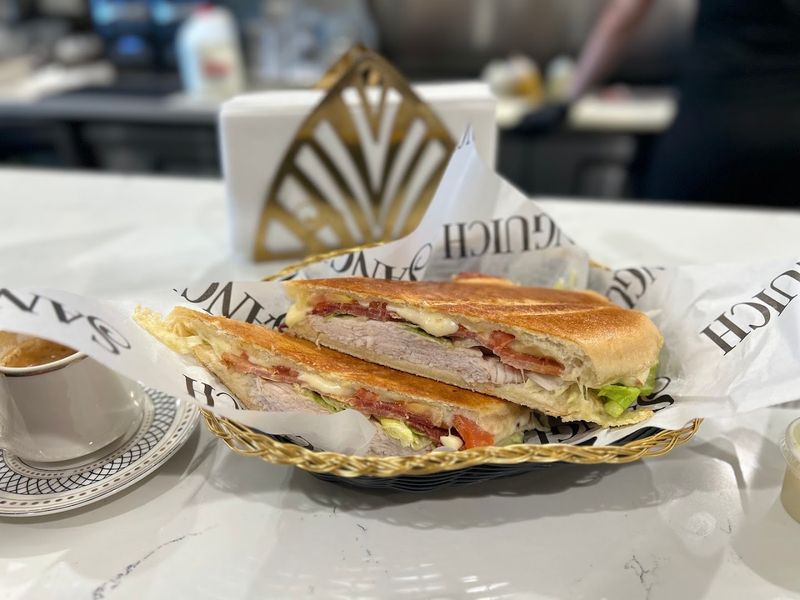
Most sandwich shops buy their ingredients from suppliers and assemble them with varying degrees of care. Sanguich takes a completely different approach, making their ham, roasting their pork, pickling their cucumbers, and even preparing their mustard in-house.
That commitment shows up in every bite of their Cubano. The pork has depth and seasoning you simply can’t get from pre-cooked meat, and the ham carries a subtle sweetness that plays perfectly against the tangy house-made pickles.
Their medianoche uses the traditional sweet egg bread, pressed until the outside gets crispy and golden while the cheese melts into all the other ingredients. It’s the kind of sandwich that makes you slow down and actually pay attention to what you’re eating.
The pan con bistec might be even better, loaded with marinated steak, grilled onions, and potato sticks that add crunch and substance. It’s messy in the best way, requiring a stack of napkins and zero regrets.
Sanguich proves that doing simple things extraordinarily well beats doing complicated things pretty well. There’s no lengthy menu of fusion experiments here, just Cuban sandwiches made the way they should be, with ingredients that actually taste like something.
4. La Camaronera Seafood Joint and Fish Market
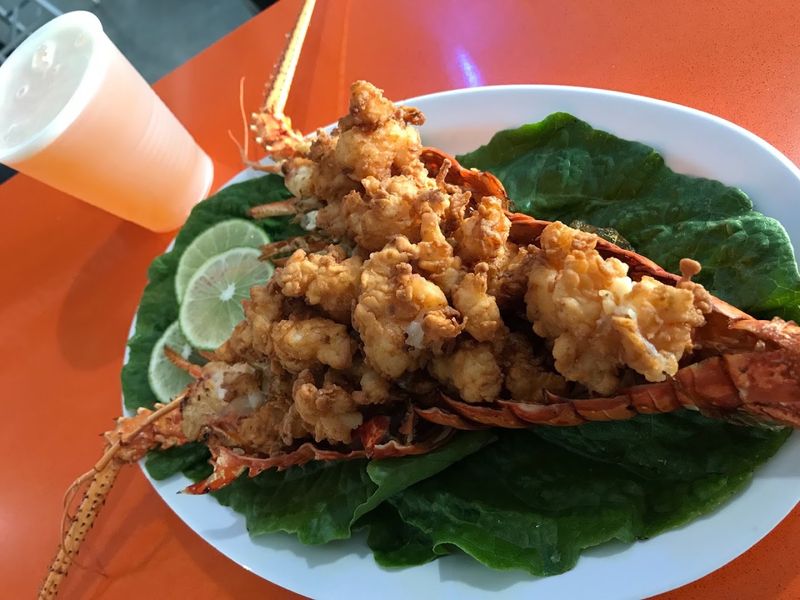
La Camaronera operates as both a fish market and a no-frills eatery where the seafood couldn’t be fresher unless you caught it yourself. The casual setup means plastic chairs and paper plates, but nobody’s coming here for ambiance—they’re here for fish that was swimming recently.
The pan con minuto has achieved legendary status for good reason. A whole snapper fillet gets fried until the coating turns impossibly crispy, then tucked into soft Cuban bread with lettuce, tomato, and a squeeze of lime.
Each bite delivers that satisfying crunch followed by flaky, sweet snapper that hasn’t been sitting under heat lamps or frozen for months. The simplicity lets the quality of the fish speak for itself.
Beyond the famous sandwich, the menu covers everything from grilled shrimp to whole fried fish to seafood platters piled high with the day’s catch. Portions lean generous, and prices remain shockingly reasonable for seafood this fresh in Miami.
The fish market side means you can also grab ingredients to cook at home, getting the same quality seafood the kitchen uses. But honestly, when they’re frying snapper this well, why would you want to do the work yourself?
5. Old’s Havana Cuban Bar & Cocina
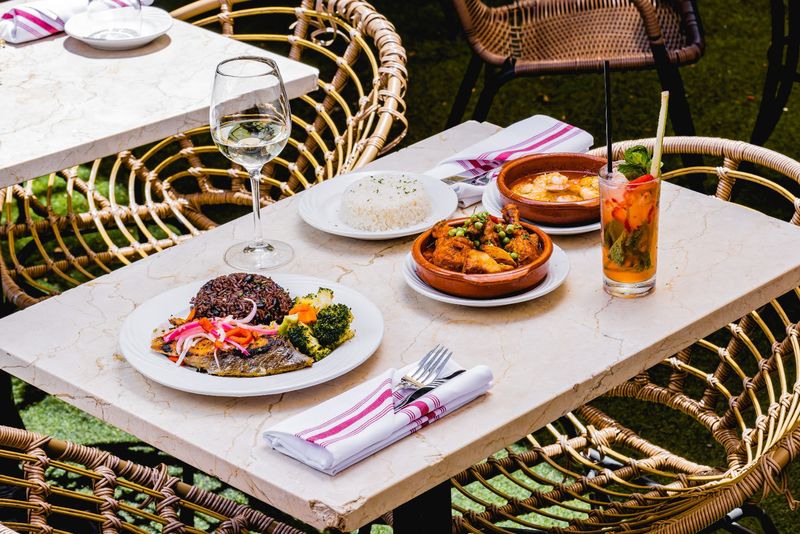
Old’s Havana understands that Cuban food isn’t meant to be eaten in quiet contemplation—it’s supposed to be part of celebration, conversation, and music loud enough to make you raise your voice. The energy here runs high from the moment you walk in.
Live music plays nightly, with bands that know how to get people out of their seats and onto the small dance floor. Your mojito arrives in a proper glass, muddled correctly with fresh mint that hasn’t been sitting in a container since Tuesday.
The vaca frita comes to the table sizzling, the marinated beef crisped at the edges and topped with grilled onions. Squeeze fresh lime over everything and mix it with the rice and black beans that come alongside.
Their lechón asado delivers on the promise of slow-roasted pork with skin that crackles and meat that falls apart. The fish croquetas offer a lighter option, though
6. El Rey de las Fritas
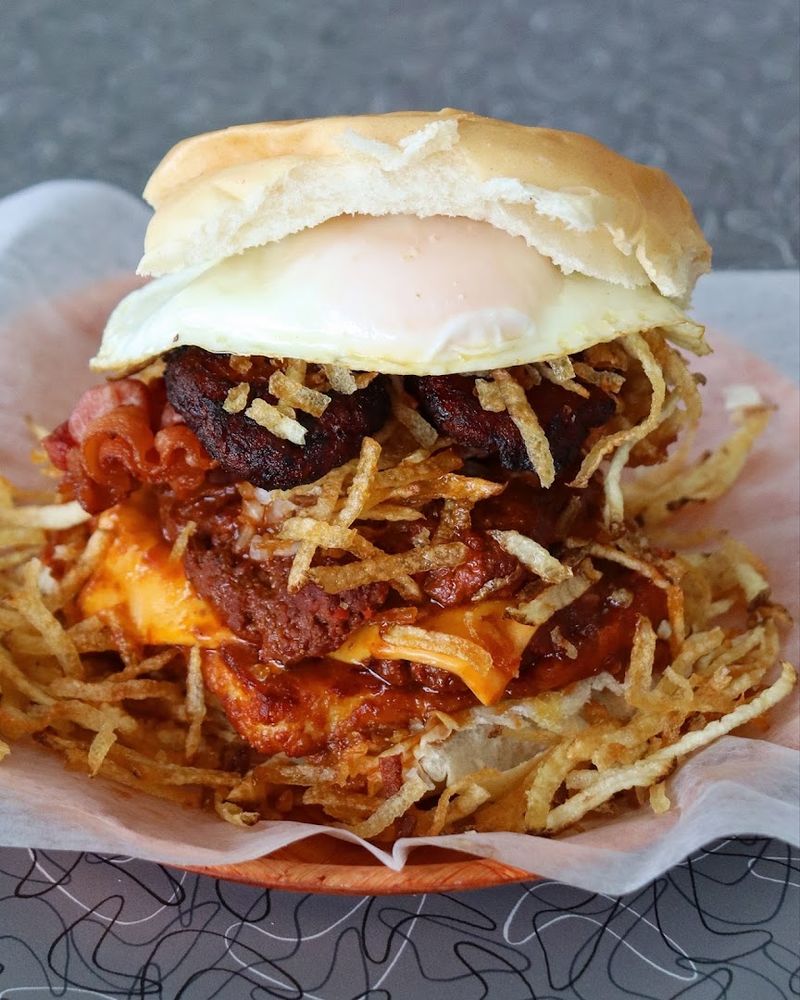
Before food trucks made specialty burgers trendy, El Rey de las Fritas was already perfecting the frita Cubana, a Miami creation that deserves way more recognition outside South Florida. This isn’t your standard burger—it’s something entirely its own.
The patty blends seasoned ground beef with Spanish chorizo, creating a flavor profile that’s spicier and more complex than a regular hamburger. They cook it on a flat-top until a crust forms, locking in all those spices and fat.
Then comes the signature topping: a pile of crispy shoestring potato sticks that add crunch and turn each bite into a textural adventure. The soft bun soaks up the juices while somehow not falling apart in your hands.
A special sauce ties everything together with tangy, slightly sweet notes that cut through the richness of the meat and chorizo. It’s the kind of sauce you’ll find yourself thinking about days later.
El Rey keeps things simple beyond the fritas, focusing on doing one thing exceptionally well rather than offering a massive menu of mediocre options. The restaurant’s longevity speaks to that approach—when you’ve been around this long in Little Havana, you’re clearly doing something right.
7. Lung Yai Thai Tapas
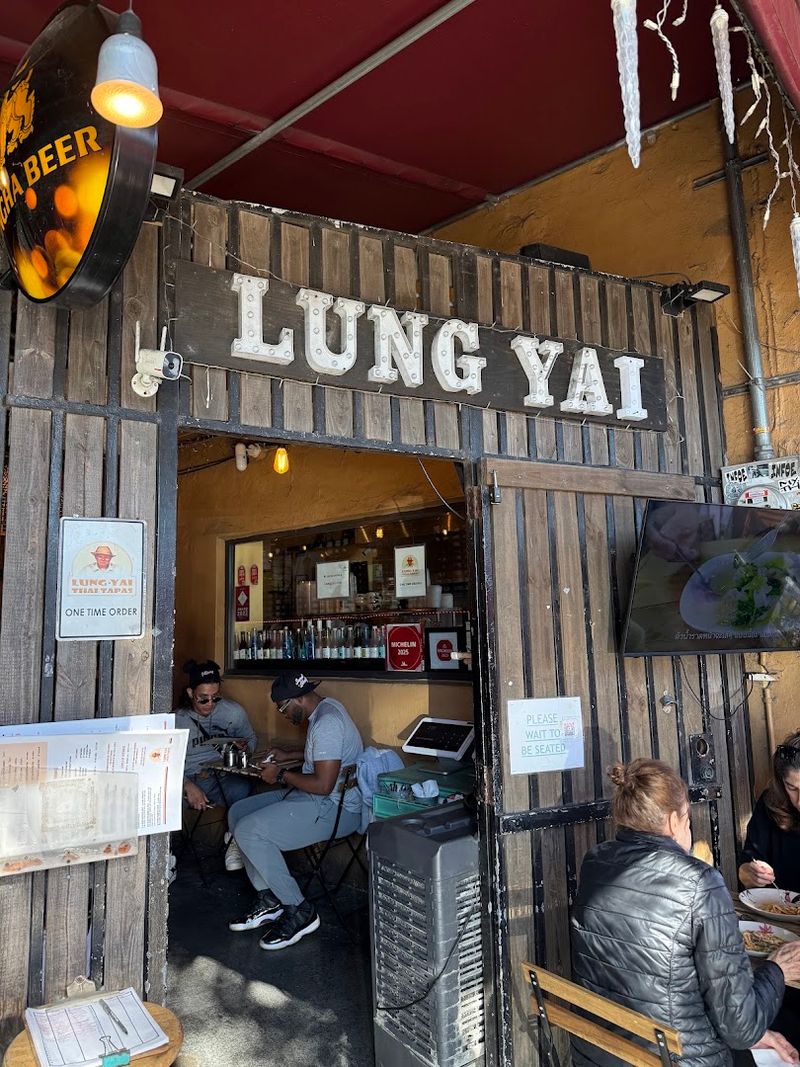
Finding excellent Thai food in the middle of Little Havana might seem unexpected, but Lung Yai has become one of the neighborhood’s most popular restaurants by simply cooking Thai classics really well. The small plates format encourages ordering multiple dishes to share, which is how Thai food is meant to be enjoyed anyway.
Their pad Thai strikes the right balance between sweet, sour, and savory, with rice noodles that have the proper texture and enough tamarind to give it authentic tang. Fresh lime, crushed peanuts, and bean sprouts come on the side so you can adjust to your preference.
The papaya salad delivers serious heat if you ask for it spicy, with shredded green papaya, tomatoes, long beans, and enough chilies to make your eyes water in the best way. It’s refreshing and fiery at the same time, perfect for Miami’s climate.
Crab fried rice comes loaded with actual crab meat, not just a few token pieces scattered for appearance. The rice gets that slightly smoky flavor from proper wok cooking, with each grain separated and seasoned.
Spring rolls arrive crispy and grease-free, filled with vegetables and served with a sweet chili sauce that hasn’t been watered down. Lung Yai proves that Little Havana’s food scene extends beyond Cuban cuisine without losing any authenticity in the process.
8. Mi Rinconcito Mexicano
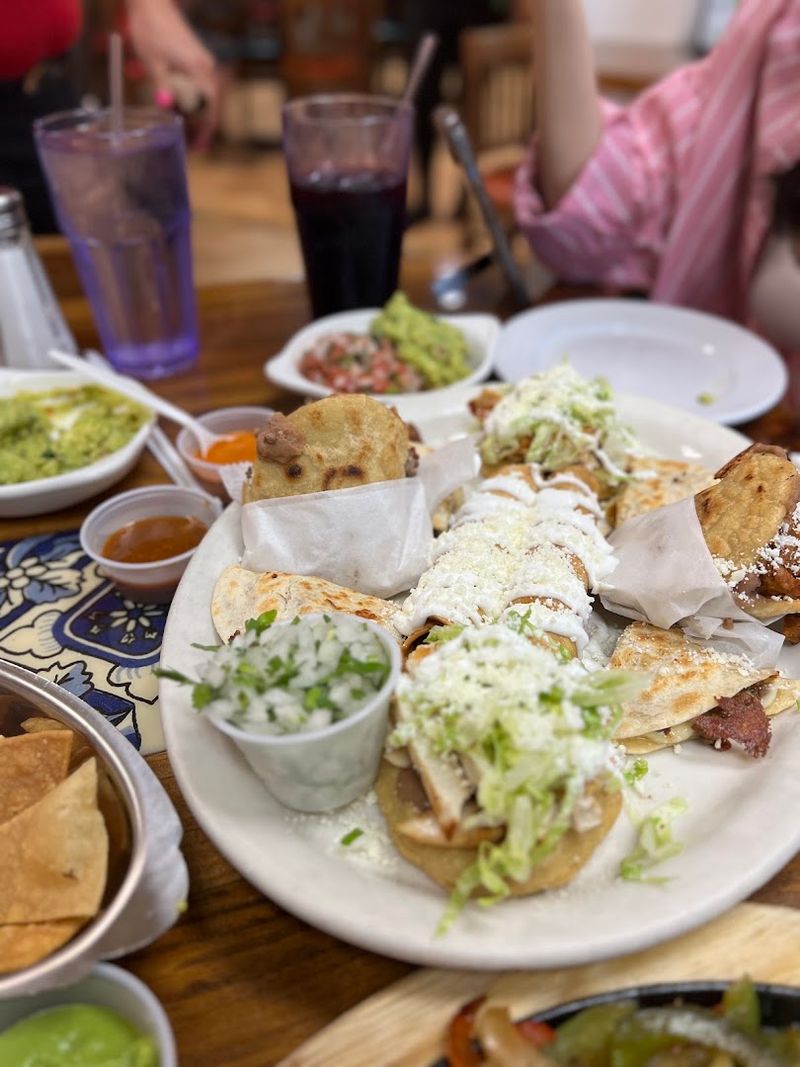
Mi Rinconcito Mexicano brings a splash of Mexican flavor to Little Havana’s predominantly Cuban landscape, and the neighborhood has embraced it wholeheartedly. Bright colors cover the walls, and the no-frills approach keeps prices low and portions generous.
The tacos come on soft corn tortillas with your choice of filling—carnitas, al pastor, carne asada—each prepared with proper seasoning and technique. Fresh cilantro, diced onions, and lime wedges arrive on the side, letting you dress them however you like.
Enchiladas get smothered in red or green sauce that’s been simmered long enough to develop real depth. The cheese melts properly, and the chicken or beef inside stays moist rather than drying out under all that sauce.
Their queso fundido arrives bubbling hot in a cast iron skillet, stretchy and rich with the option to add chorizo for extra flavor. Scoop it onto warm tortillas and try not to burn the roof of your mouth in your eagerness.
The aguas frescas deserve special mention—horchata, jamaica, tamarindo—all made fresh and not overly sweetened. They’re perfect for cutting through the richness of the food and cooling down after those tacos you insisted on ordering with extra salsa verde despite knowing better.
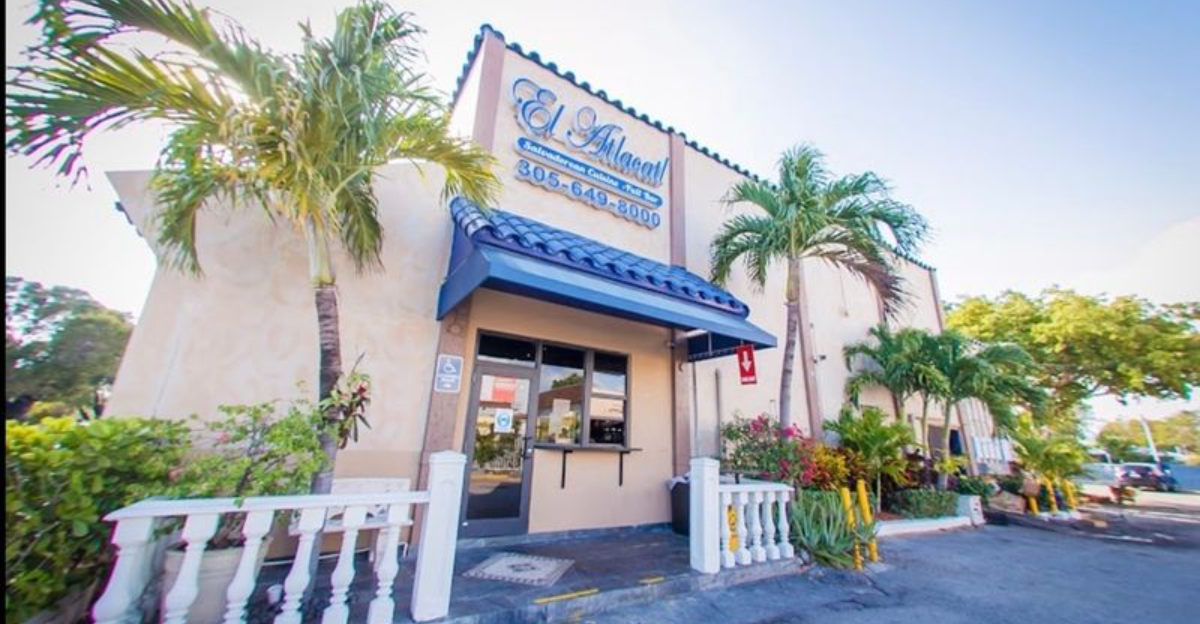
9. El Atlacatl
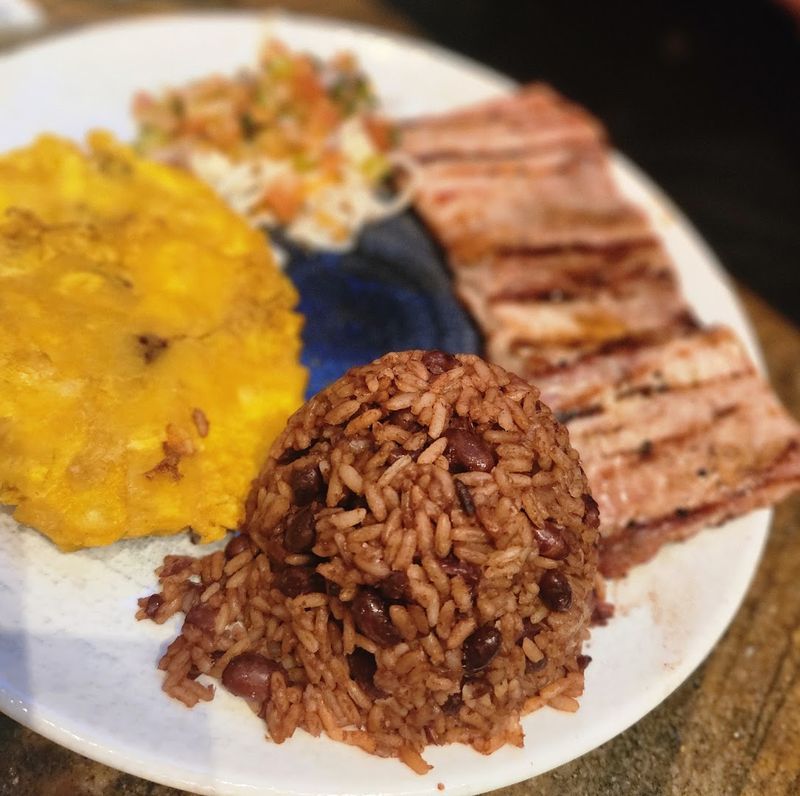
El Atlacatl has been feeding Little Havana for over three decades, long enough to have served multiple generations of the same families. The Salvadoran menu offers a welcome change from Cuban food without straying too far from the Latin American flavors that define the neighborhood.
Pupusas are the main attraction, those thick corn tortillas stuffed with cheese, beans, pork, or a combination, then griddled until slightly crispy outside. They arrive with tangy curtido (pickled cabbage slaw) and thin salsa roja for topping.
Each pupusa gets made to order, so they come to your table hot and fresh rather than sitting under warmers. The cheese stretches when you pull them apart, and the masa has that distinctive corn flavor that only comes from proper preparation.
Beyond pupusas, the menu covers grilled meats, hearty soups, whole fried fish, and seafood preparations that showcase El Salvador’s coastal cuisine. The portions could feed two people easily, and the prices remain stuck in an earlier decade.
Fresh fruit juices get blended throughout the day—tamarindo, maracuyá, horchata—providing sweet refreshment alongside the savory food. El Atlacatl’s longevity in a neighborhood where restaurants come and go speaks to consistent quality and a loyal customer base that knows good Salvadoran cooking when they taste it.
10. Sanpocho Restaurant
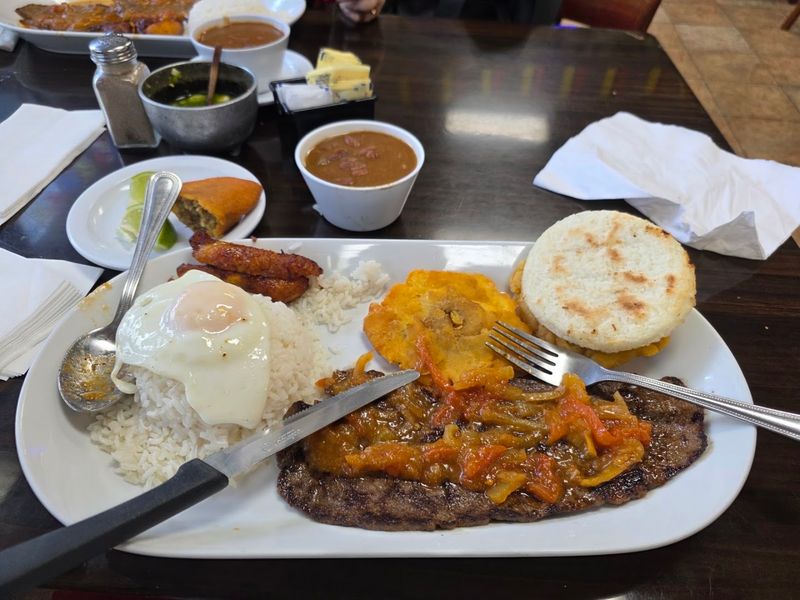
Sanpocho brings Colombian comfort food to Little Havana with the kind of hearty portions that make you question whether you’ll need dinner after lunch. The restaurant’s name comes from sancocho, the traditional Colombian soup, but the menu extends far beyond just one dish.
Arepas arrive thick and griddled, with a slightly crispy exterior giving way to soft corn cake inside. You can order them plain or stuffed with cheese, shredded beef, chicken, or combinations that turn them into a complete meal.
The empanadas get fried to golden perfection, the dough shattering into flaky layers when you bite down. Inside, seasoned beef or chicken stays moist and flavorful, and the accompanying aji sauce adds bright, spicy notes.
Whole fried fish comes out on a platter large enough to share, the skin crackling and the meat inside flaking easily off the bone. Rice, beans, plantains, and salad round out the plate into a feast.
But the picadas might be Sanpocho’s most impressive offering—enormous platters piled with grilled meats, chorizo, chicharrón, arepas, potatoes, and plantains. They’re designed for groups, though watching solo diners tackle them with determination is part of the restaurant’s entertainment value. Colombian hospitality means generous portions, and Sanpocho delivers on that promise every time.
11. Tin Tin
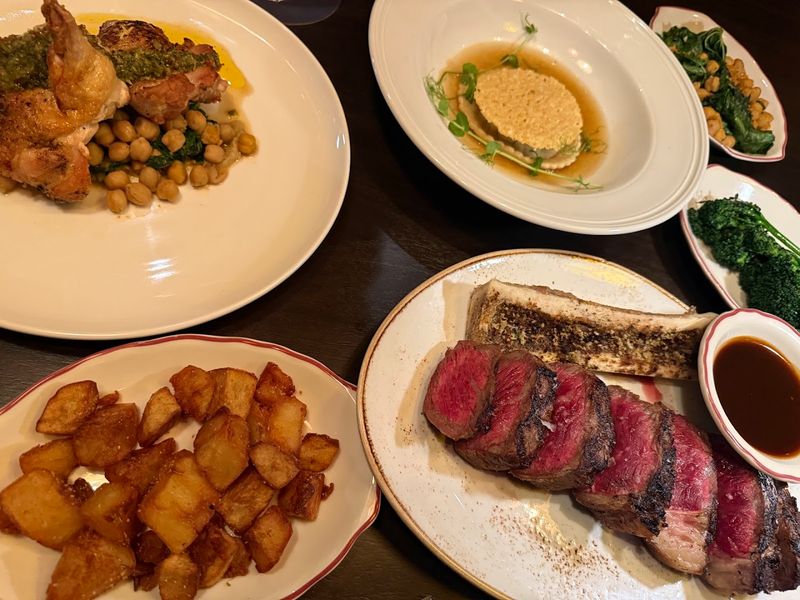
Tin Tin represents Little Havana’s evolution, taking Cuban flavors and reimagining them through French and Italian culinary techniques. The stylish space feels more South Beach than Calle Ocho, but the food stays rooted in Cuban tradition even while playing with presentation and preparation.
Their wagyu carpaccio Cuban sandwich deconstructs the classic into something entirely new—thin slices of high-quality beef arranged artfully with elements that echo the traditional sandwich’s flavors. It’s playful without being gimmicky, creative while still respecting the original.
The Ibérico pork chop elevates humble lechón to fine dining territory. The quality of the pork shines through, cooked precisely and paired with accompaniments that enhance rather than overwhelm the meat’s natural flavor.
Wine pairings here actually make sense, with a thoughtful list that includes options beyond the typical choices. The staff knows their stuff and can guide you toward bottles that complement the Cuban-influenced dishes.
Tin Tin won’t replace your favorite traditional Cuban restaurant, nor is it trying to. Instead, it offers something different for nights when you want familiar flavors presented in unfamiliar ways. The prices reflect the upscale approach, but the execution justifies the cost.
Little Havana has room for both the classics and the contemporary, and Tin Tin makes a strong case for the latter.
12. Ahi Sushi Miami
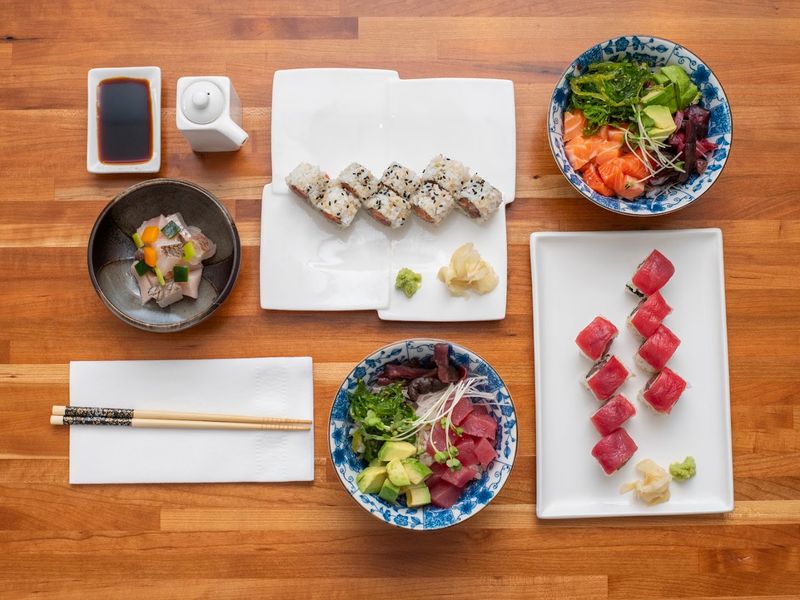
Discovering a serious sushi counter in Little Havana feels like finding a secret that shouldn’t work but absolutely does. Ahi Sushi Miami keeps things intimate with limited counter seating where you can watch the chef work and actually have conversations about what you’re eating.
The fish quality rivals what you’d find at Miami Beach sushi spots charging twice as much. Each piece of nigiri gets shaped carefully, the rice seasoned properly and the fish cut with precision that shows years of training.
Sashimi arrives beautifully arranged, showcasing whatever’s freshest that day. The selection changes based on availability rather than following a fixed menu, which means you’re getting what’s actually good rather than what’s always available.
Poke bowls offer a more casual option, with cubed fish over rice and various toppings that add texture and flavor. They’re generous enough to satisfy without being so huge you feel uncomfortable afterward.
The omakase experience represents incredible value, especially for Miami. You’re putting yourself in the chef’s hands and letting them showcase what they do best, course after course of carefully prepared sushi that demonstrates real skill. Reservations help since the small space fills quickly with people who’ve discovered that excellent sushi doesn’t require a South Beach address or corresponding prices.
13. Bite Sandwich
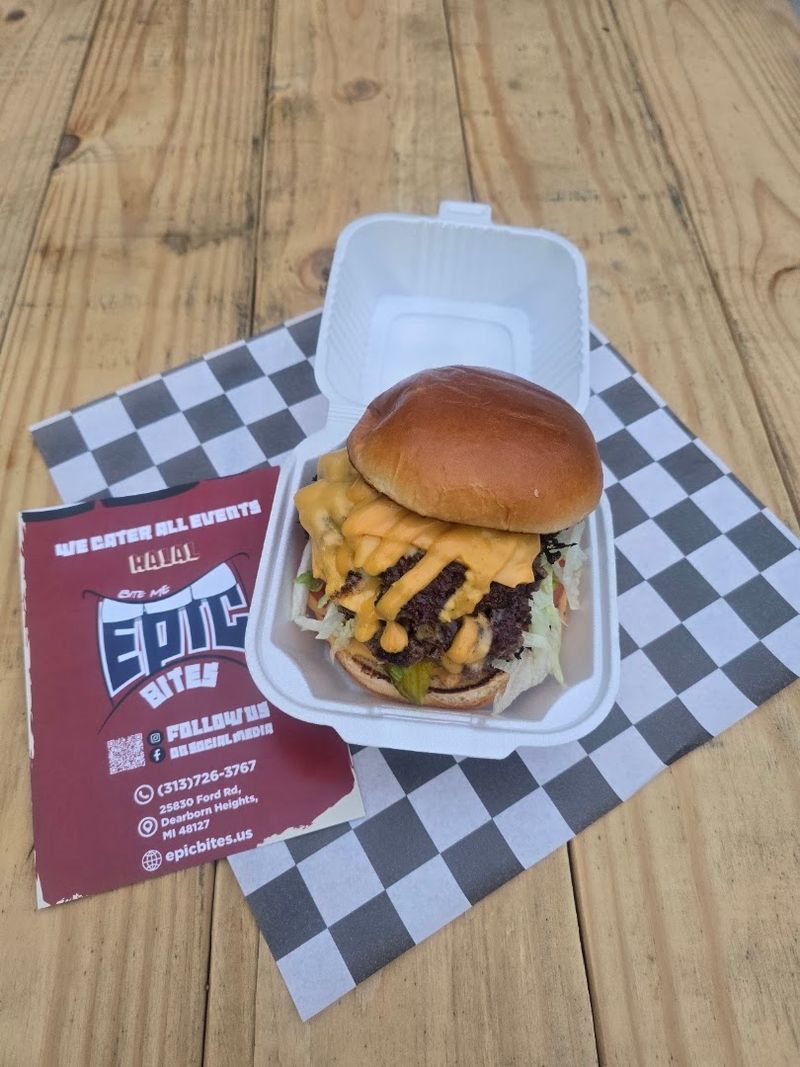
Bite Sandwich operates as a casual ventanita serving Dominican specialties to a neighborhood that’s starting to embrace flavors beyond Cuban cuisine. The walk-up window format means quick service and prices that won’t make you check your receipt twice.
Their chimi burger brings Dominican street food to Little Havana, with a seasoned beef patty topped with cabbage slaw, tomatoes, onions, and special sauce all stuffed into bread that somehow contains the whole messy, delicious situation. It’s the kind of burger that requires strategic planning and multiple napkins.
The grilled chicken sandwiches come with meat that’s been marinated properly, giving it flavor all the way through rather than just on the surface. Toppings stay simple, letting the well-seasoned chicken be the star.
Fresh juices get blended throughout the day—morir soñando (orange juice and milk), passion fruit, mango—providing sweet refreshment alongside the savory sandwiches. They’re not health drinks exactly, but they’re made with real fruit rather than powdered mixes.
The Bite Special Sandwich lives up to its name, packed with multiple meats and enough toppings to make structural integrity questionable. It’s excessive in the best way, the kind of sandwich you order when you’re really hungry and not particularly concerned about eating gracefully. Dominican comfort food deserves more recognition in Miami, and Bite Sandwich is doing its part.
14. Palma
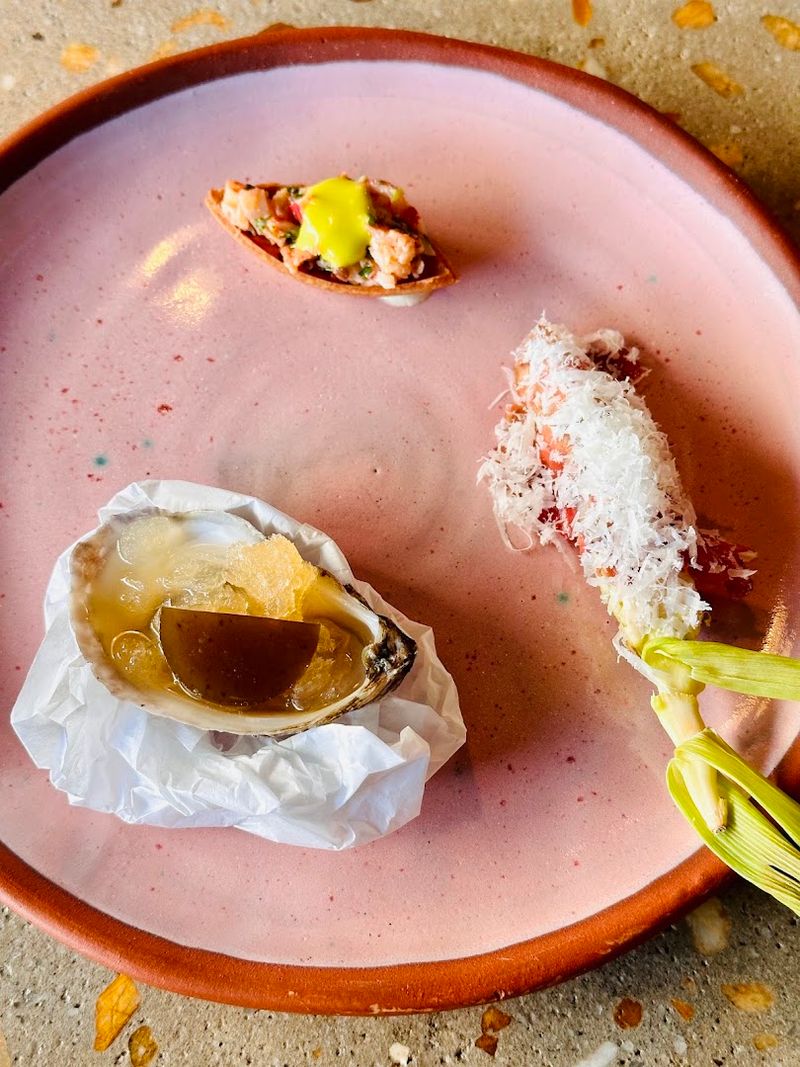
Palma takes a completely different approach from most Little Havana restaurants, offering refined tasting menus in a tiny space that seats maybe a dozen people comfortably. Reservations aren’t just recommended—they’re basically required unless you enjoy disappointment.
The frequently changing menu means you can’t walk in expecting specific dishes, but that’s part of the appeal. The chef works with seasonal ingredients and lets inspiration guide the courses rather than following a rigid formula.
Each plate arrives with careful attention to presentation without crossing into overly fussy territory. The portions follow tasting menu logic—small enough to leave room for what’s coming next but substantial enough to feel satisfying.
Wine pairings complement each course thoughtfully, with selections that show real consideration for how flavors interact. The staff can explain what you’re drinking and why it works with the food, which enhances the experience considerably.
More recently, Palma added à la carte options for those who want the quality without committing to a full tasting menu. It’s a smart move that makes the restaurant more accessible while maintaining the high standards that earned its reputation. Palma proves that Little Havana can support fine dining that respects the neighborhood’s character while offering something completely different from the traditional Cuban restaurants that define the area.
15. Ball & Chain
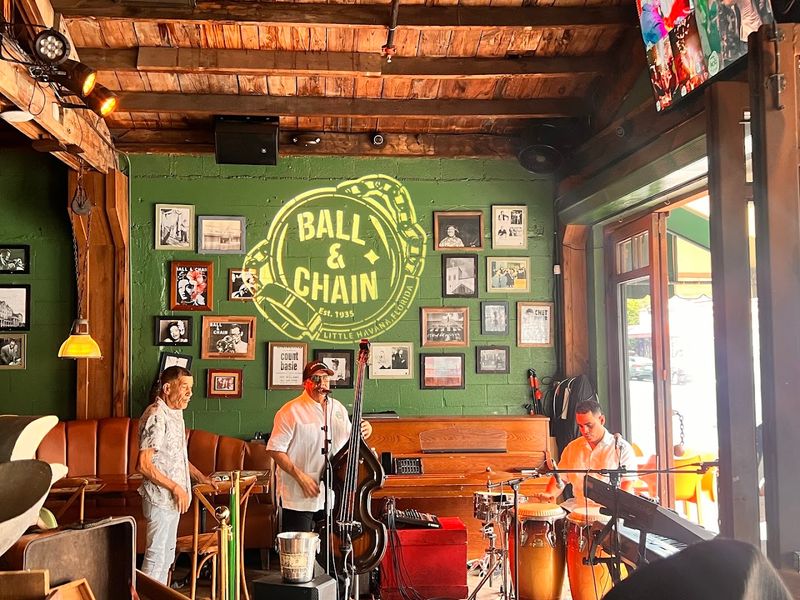
Ball & Chain has been part of Little Havana’s story since 1935, though it closed for decades before reopening in 2014. The restored space captures the neighborhood’s golden era while serving as a living, breathing entertainment venue where the music matters as much as the food.
Live bands play nightly, with salsa dancing that ranges from experts showing off to beginners just trying not to step on their partner’s feet. The energy builds as the night progresses, and suddenly people who claimed they don’t dance are moving to the rhythm.
Mojitos here are made properly, with fresh mint muddled just enough to release oils without turning bitter. The rum selection goes beyond the basics, offering options for those who want to explore beyond the well drinks.
Cuban-inspired bar snacks keep the energy up while you’re dancing and drinking. The Cuban sandwich spring rolls represent the kind of creative fusion that works when done right—familiar flavors in an unexpected format that’s perfect for sharing.
Ball & Chain functions as both a restaurant and a cultural institution, preserving Little Havana’s musical heritage while remaining accessible to visitors discovering the neighborhood for the first time. The cover charge stays reasonable, the atmosphere stays welcoming, and the music stays authentic. Some places are worth visiting for the food alone, but Ball & Chain offers a complete Little Havana experience.