Sarasota Is Home to a Free Florida Museum Filled With Circus Treasures
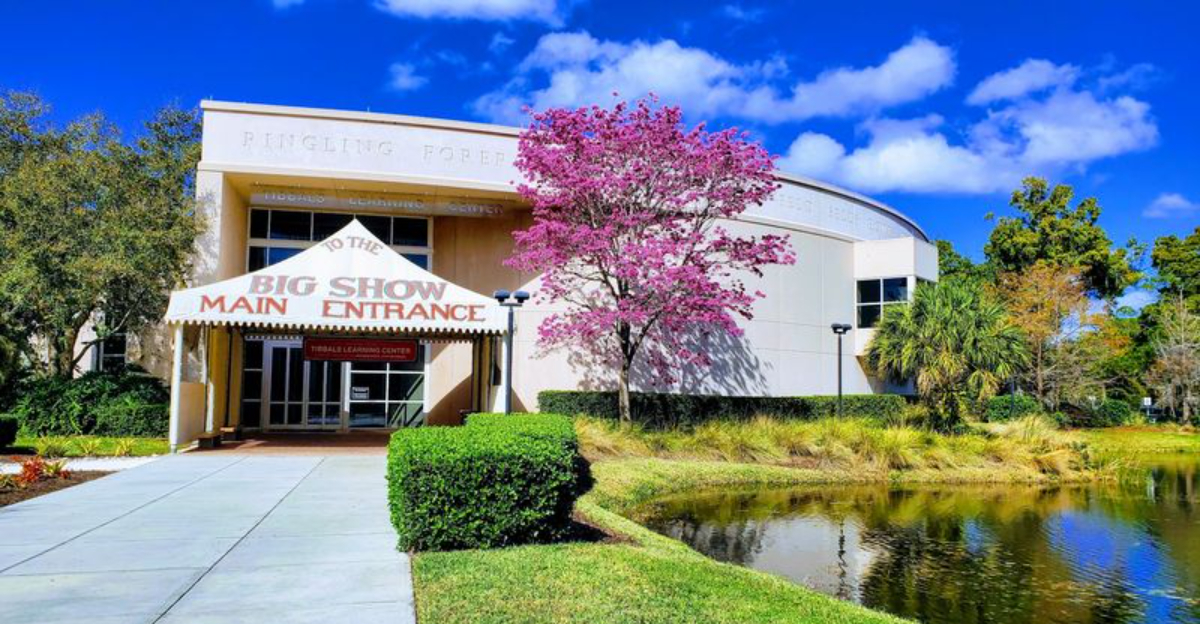
Sarasota holds a special place in circus history, and the Tibbals Learning Center & Circus Museum at The Ringling proves it in the most spectacular way. This free museum celebrates the golden age of the American circus with dazzling exhibits, intricate miniatures, and real artifacts from the Ringling Brothers legacy. Whether you grew up dreaming of running away with the circus or you simply love history brought to life, this hidden gem offers an unforgettable experience that both kids and adults will genuinely enjoy.
The World’s Largest Miniature Circus Will Blow Your Mind
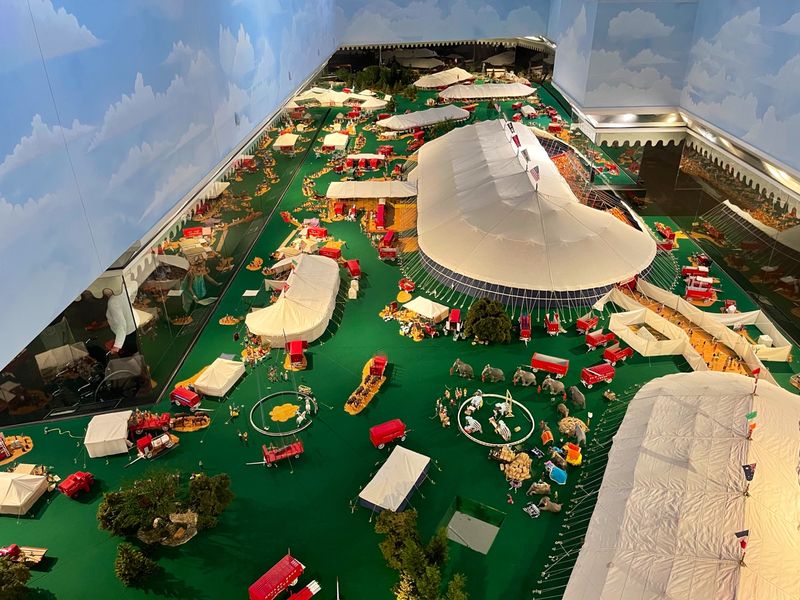
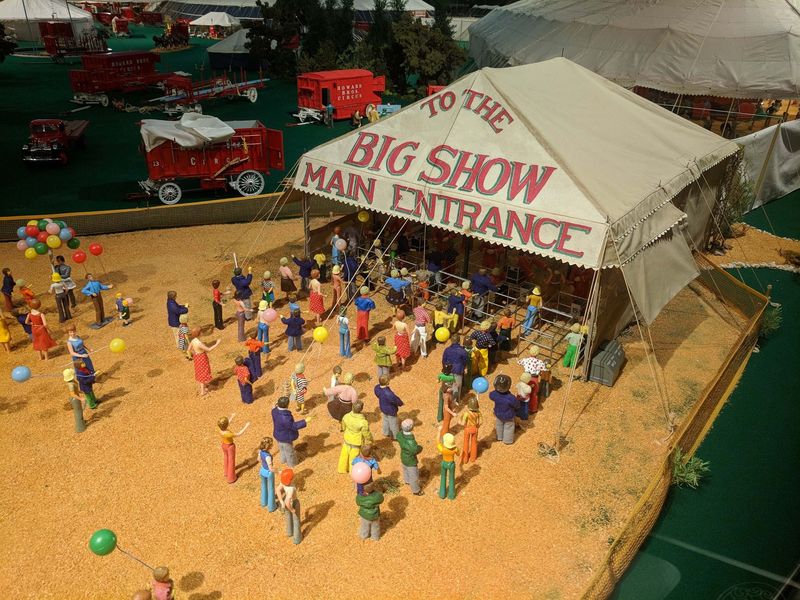
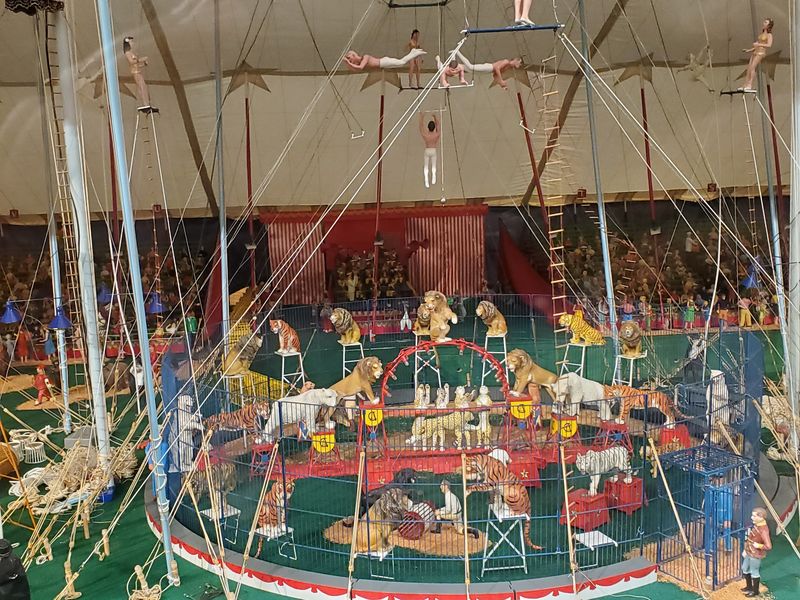
Walking into the main exhibit hall and seeing Howard Tibbals’ massive miniature circus for the first time feels like stepping into a dream. This isn’t just a model. It’s an entire world recreated in painstaking detail, stretching across 3,800 square feet and featuring eight main tents, 152 wagons, 1,300 circus performers and workers, plus 800 animals.
Howard Tibbals spent more than 50 years building this masterpiece by hand, carving tiny figures and painting every detail with obsessive precision. The result is a jaw-dropping recreation of the Ringling Bros. and Barnum & Bailey Circus at its absolute peak during the 1920s and 1930s. You can spend hours examining the scenes and still discover something new each time you look.
Every section tells its own story. The animal menagerie shows elephants, lions, and zebras being cared for by handlers. The big top reveals acrobats mid-flight and clowns entertaining massive crowds.
Behind the scenes, you’ll spot workers cooking meals, repairing equipment, and managing the organized chaos that made the traveling circus possible.
The trains alone are worth the visit. These massive model locomotives and railcars show exactly how the circus moved from town to town, hauling everything needed to set up and tear down in record time. The scale and logistics become crystal clear when you see it all laid out like this.
Kids love pointing out the tiny details, from performers getting ready in their dressing tents to vendors selling popcorn and peanuts. Adults appreciate the craftsmanship and the historical accuracy that brings this bygone era back to life. The miniature circus isn’t just educational, it’s genuinely mesmerizing and proves why this museum earns its stellar reputation among visitors from around the world.
Real Circus Artifacts Tell Stories You Won’t Forget
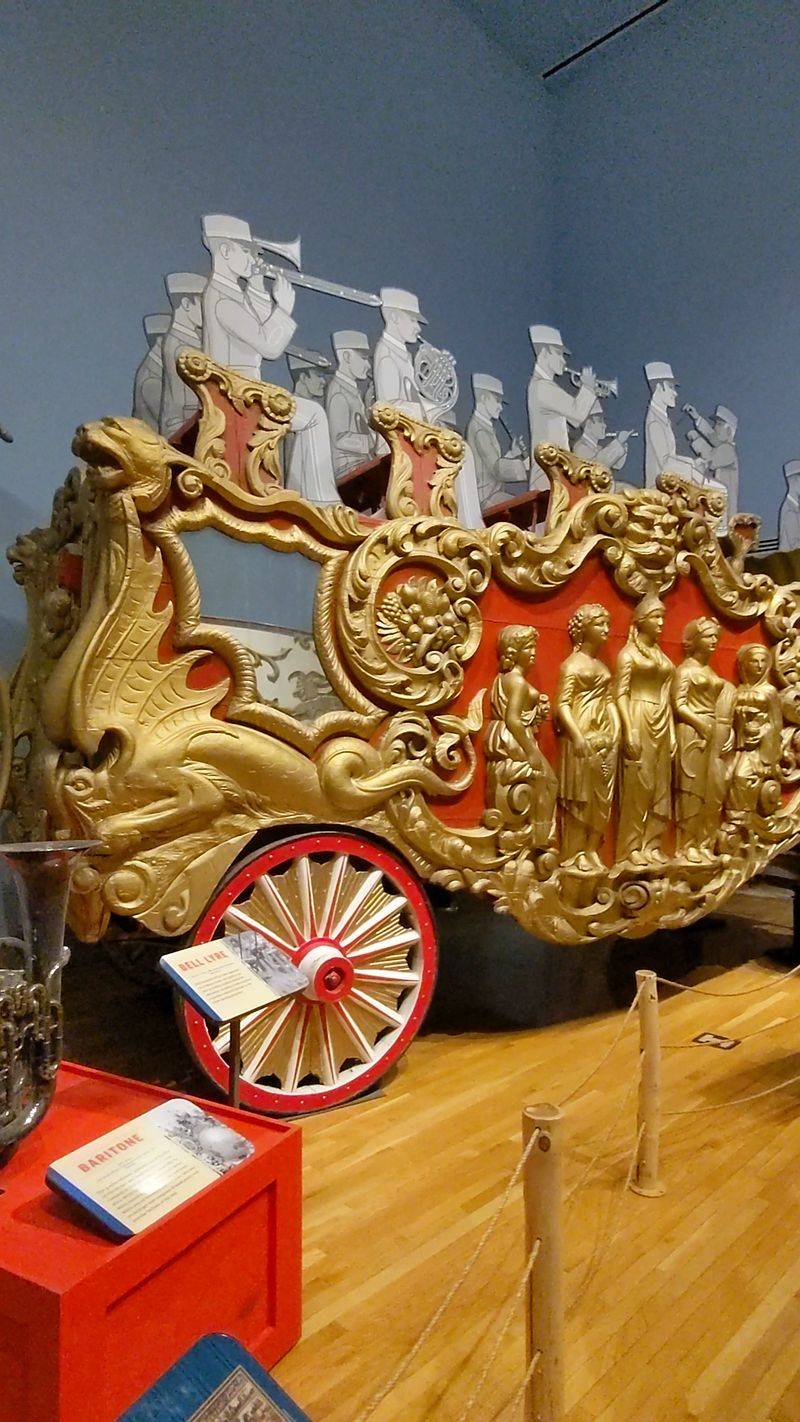
Beyond the miniatures, the museum houses an impressive collection of authentic circus artifacts that transport you straight back to the heyday of the traveling show. Brightly painted circus wagons sit on display, their ornate carvings and bold colors still vibrant after all these decades. These weren’t just for show, they were functional homes and transportation for performers during long tours across America.
The costume collection deserves serious attention. Sequined leotards, feathered headdresses, and elaborate ringmaster jackets hang behind glass, each one telling the story of a performer who risked their life for applause. The craftsmanship is stunning, with hand-sewn details that modern mass production could never match.
Original circus posters line the walls, advertising death-defying acts and exotic animals in bold typography that screams for attention. These posters were the social media of their time, designed to create buzz and draw crowds in every small town the circus visited. The artwork alone is worth studying for its historical and artistic value.
You’ll also find performance equipment like trapeze bars, tightrope walking gear, and props used by famous clowns. Seeing these items up close makes you realize just how dangerous and physically demanding circus life really was. There were no safety nets in the early days, just skill, courage, and a whole lot of trust.
The museum does an excellent job providing context through informative plaques and historical photographs. You learn about specific performers, the Ringling family’s business empire, and how the circus evolved over generations. Some exhibits touch on difficult topics too, including the exploitation of certain performers, which adds important depth to the storytelling.
This isn’t a sanitized version of history, it’s the real deal, presented with respect and honesty that makes the experience all the more meaningful.
Interactive Exhibits Make Learning About Circus History Actually Fun
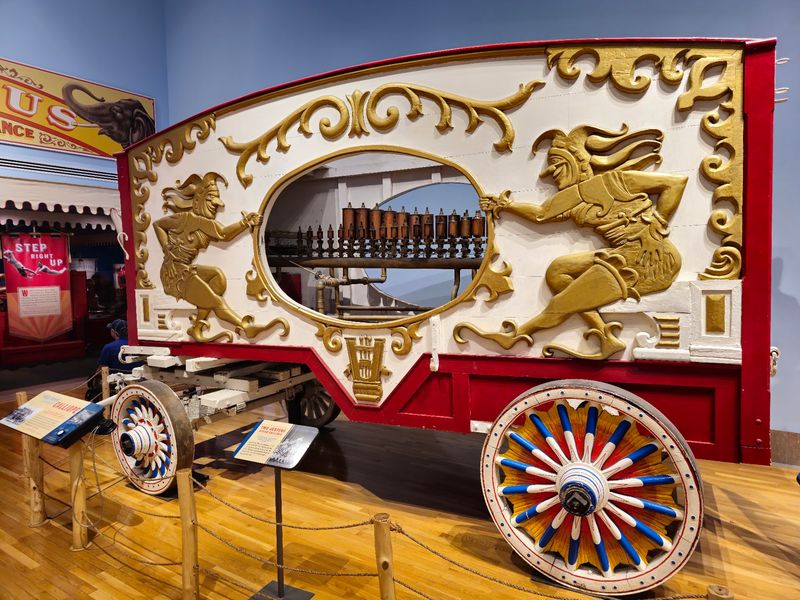
History museums can sometimes feel like walking through a textbook, but the Tibbals Learning Center flips that script entirely. Interactive exhibits throughout the space let visitors of all ages engage directly with circus culture in ways that stick with you long after you leave. Touchscreen displays explain how different acts were performed and what training looked like for acrobats, animal handlers, and clowns.
One popular station lets you try your hand at designing your own circus poster using vintage graphics and fonts. Kids especially love this creative challenge, and it helps them understand how marketing worked in an era before television and internet. The finished posters can be emailed home, making for a fun digital souvenir.
Another exhibit explores the sounds of the circus, from calliope music to crowd reactions to animal calls. Visitors can listen to authentic recordings and learn how music set the pace for performances and built excitement before the main acts. The sensory experience really drives home how multi-dimensional the circus was as entertainment.
There’s also a section dedicated to explaining the massive logistics behind moving an entire circus by train. Interactive maps show routes the Ringling Brothers took across the country, and displays break down how many workers, animals, and pieces of equipment traveled together. You start to grasp that this wasn’t just a show, it was a mobile city that required military-level planning.
For younger visitors, dress-up stations with replica costumes and props offer photo opportunities that capture imaginations. Watching a five-year-old pretend to be a ringmaster or trapeze artist brings pure joy and helps families create memories together. These hands-on elements transform what could be a passive museum visit into an active learning adventure that appeals to different learning styles and keeps everyone engaged from start to finish.
The Museum Sits on Stunning Waterfront Grounds Perfect for a Full Day Visit
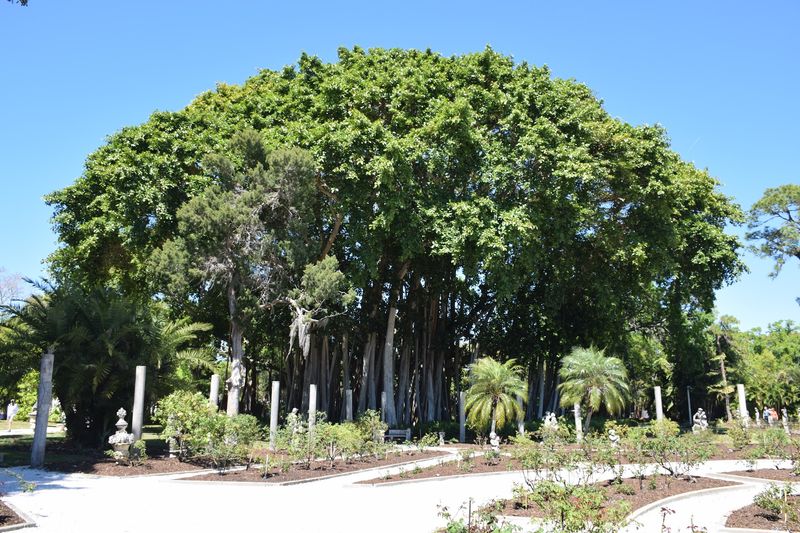
The Tibbals Learning Center & Circus Museum doesn’t exist in isolation. It’s part of the larger Ringling Museum complex, which sprawls across 66 gorgeous acres along Sarasota Bay. After exploring circus history, you can wander through the formal gardens, tour the art museum, or walk the waterfront paths that offer spectacular views.
The grounds themselves feel like stepping back in time to Florida’s Gilded Age. Manicured lawns, towering banyan trees, and classical sculptures create an atmosphere of elegance that contrasts beautifully with the colorful energy of the circus exhibits. Many visitors pack a picnic and make a full day of it, moving between attractions at a relaxed pace.
Ca’ d’Zan, the Ringling mansion, sits nearby and offers tours that showcase how John and Mable Ringling lived when they weren’t managing their circus empire. The Mediterranean Revival architecture is breathtaking, and the mansion’s location right on the water makes it one of Florida’s most photographed historic homes. Combining the circus museum with a mansion tour gives you a complete picture of the family behind the big top.
The art museum houses an impressive collection of European paintings, including works by Rubens and other Old Masters that John Ringling collected during his lifetime. Walking from circus wagons to Renaissance paintings in a single afternoon might seem odd, but it perfectly reflects the eclectic interests and massive cultural impact of the Ringling family.
Free parking makes access easy, and the grounds are well-maintained with plenty of seating areas when you need a break. The location right off Bay Shore Road means you’re just minutes from downtown Sarasota’s restaurants and shops. Plan to spend at least three to four hours if you want to do the circus museum justice, and longer if you’re exploring the entire estate.
The combination of history, art, architecture, and natural beauty creates an experience you simply can’t find anywhere else in Florida.
Admission Is Free for Florida Residents Every Monday
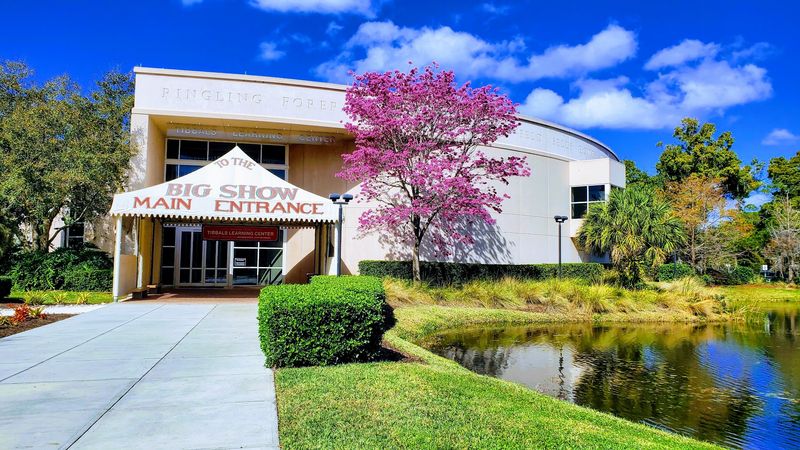
Here’s something that makes this museum even better: Florida residents get in completely free every Monday. That’s right, you can explore the entire Ringling Museum complex, including the circus museum, without spending a dime if you live in the Sunshine State and visit on the right day.
For out-of-state visitors, admission is still incredibly reasonable compared to most major museums. Adults pay around $25, which grants access to the circus museum, art museum, mansion tours, and the grounds. Students and military members receive discounts, and children under six enter free any day of the week.
The free Monday policy reflects the Ringling’s commitment to making culture and history accessible to local communities. Sarasota residents take full advantage, often treating the museum as their personal backyard for regular visits. Families return multiple times throughout the year, discovering new details in the exhibits with each trip.
Even on free Mondays, the museum never feels overcrowded thanks to its spacious layout and well-designed traffic flow. You can still enjoy a peaceful, immersive experience examining the miniature circus or reading about historical performers. The staff remains friendly and available to answer questions regardless of admission price.
Membership options offer even better value for frequent visitors. Annual passes pay for themselves after just two visits and include perks like special exhibition access, discounts at the museum store, and invitations to members-only events. Supporting the museum through membership also helps preserve these incredible collections for future generations.
The museum store, located near the exit, offers circus-themed books, toys, posters, and unique souvenirs you won’t find anywhere else. Proceeds support the museum’s educational programs and conservation efforts. Whether you’re visiting for free or paying admission, the value you receive in terms of education, entertainment, and inspiration far exceeds any cost.
This commitment to accessibility and community engagement is just one more reason the Tibbals Learning Center stands out among Florida’s cultural institutions.
Educational Programs Bring Circus Arts to Life for Students and Families
The Tibbals Learning Center goes beyond static displays by offering robust educational programming that brings circus arts into the present day. School groups from across Florida regularly visit for guided tours specifically designed to align with state curriculum standards in history, art, and social studies. Trained educators lead these sessions, helping students connect circus history to broader themes like immigration, entrepreneurship, and American culture.
Hands-on workshops teach basic circus skills in a safe, supervised environment. Kids learn juggling techniques, practice balancing acts, and discover the physics behind acrobatic performances. These programs demystify the magic of the circus while building confidence and physical coordination in young participants.
Family programs run throughout the year, with special events during school breaks and holidays. These might include circus-themed storytimes for younger children, documentary screenings about circus history, or craft sessions where families create their own miniature circus elements. The programming calendar stays fresh and varied, giving repeat visitors new reasons to return.
The museum also partners with local performing arts organizations to host live circus performances on the grounds. Watching contemporary circus artists perform against the backdrop of historical exhibits creates a powerful connection between past and present. These events often sell out quickly, so checking the museum’s website for upcoming shows is highly recommended.
Behind-the-scenes tours offer deeper dives into the collection for serious history buffs and researchers. By appointment, visitors can access the Ringling Circus archives, which house thousands of historical documents, costume drawings, photographs, and business records. This research collection serves scholars studying entertainment history, American culture, and the evolution of performance arts.
Teacher resources available through the museum’s website include lesson plans, historical timelines, and activity sheets that educators can use before and after field trips. This commitment to education ensures that the museum’s impact extends far beyond its walls, reaching classrooms across the state and inspiring the next generation to appreciate and preserve this unique slice of American heritage.
Visitor Reviews Consistently Praise the Unexpected Scale and Detail
Reading through visitor reviews reveals a consistent theme: people arrive expecting a nice little circus exhibit and leave absolutely stunned by what they’ve experienced. The miniature circus regularly gets described as “mind-blowing,” “incredible,” and “worth the trip alone.” Many reviewers admit they’re not particularly interested in circus history but find themselves captivated anyway.
Families with children especially appreciate how the museum engages multiple age groups simultaneously. Kids get excited about the colorful displays and interactive elements, while parents and grandparents enjoy the historical depth and craftsmanship. Several reviews mention spending far more time than planned because everyone in the group found something fascinating.
The level of detail in Howard Tibbals’ miniature work consistently earns superlatives. Visitors talk about returning multiple times and discovering new elements they missed on previous visits. One reviewer noted spotting a tiny glass exhibit within the miniature that perfectly replicated a real circus sideshow, demonstrating the obsessive accuracy that went into every square inch.
Some visitors specifically mention the museum’s honest approach to difficult aspects of circus history, including the exploitation of certain performers. While a few reviews express concern about how specific stories are presented, most appreciate that the museum doesn’t shy away from complex truths. This balanced approach to history earns respect from thoughtful visitors who value authenticity over nostalgia.
Practical aspects also receive consistent praise. The museum’s convenient hours (10 AM to 5 PM daily), ample parking, helpful staff, and well-maintained facilities all contribute to positive experiences. Visitors note that the entire Ringling complex offers excellent value, especially when you factor in the beautiful grounds and additional attractions included with admission.
The 4.8-star rating based on over 2,200 reviews speaks volumes about consistency. This isn’t a hidden gem that only appeals to a niche audience. It’s a genuinely world-class museum that delivers memorable experiences to virtually everyone who walks through its doors, regardless of age, background, or initial interest in circus history.