This Secret Highway In Florida Transports You Straight to Europe
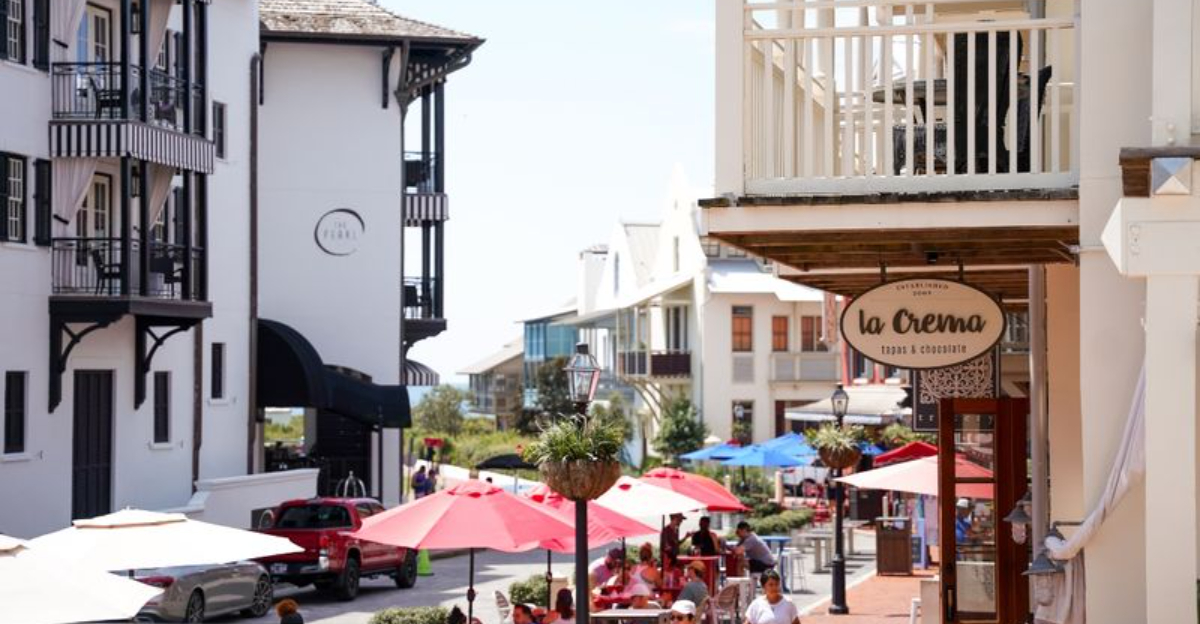
Picture yourself cruising along a coastal road where sugar-white sand beaches meet turquoise waters so clear you can count the fish swimming below. Highway 30A winds through Florida’s Emerald Coast, connecting a string of charming beach towns that look like they were plucked straight from the Mediterranean coastline. From pastel-colored cottages to cobblestone courtyards and open-air markets, this 24-mile stretch delivers European vibes without the overseas flight.
1. Rosemary Beach’s Mediterranean Architecture
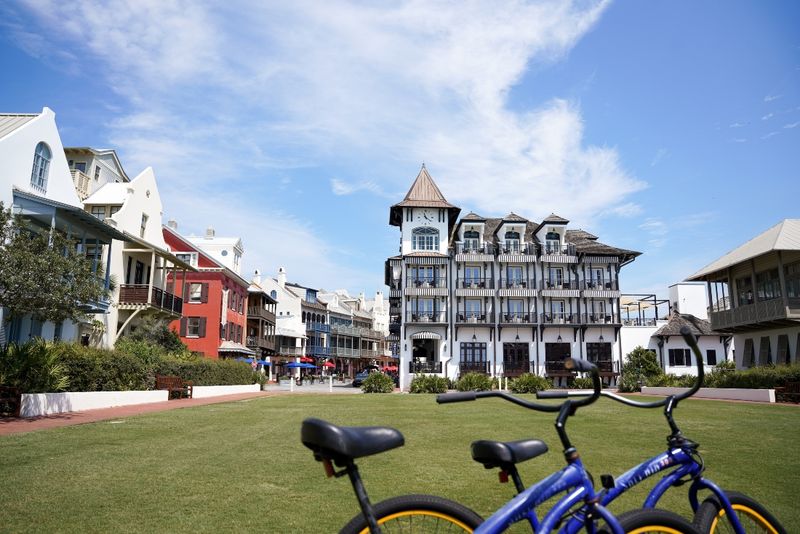
Stroll through Rosemary Beach and you might forget you’re still in the States. The entire town was designed to mirror the coastal villages of the French and Dutch West Indies, complete with carriage houses, hidden courtyards, and brick-lined pathways that wind between buildings.
Every structure here follows strict architectural guidelines that mandate European-inspired design elements. You’ll spot arched doorways, shuttered windows, and balconies dripping with flowering vines at every turn. The town square feels like something out of a postcard from Provence, with outdoor cafes where locals sip espresso under striped awnings.
Walking is the preferred mode of transportation here, just like in those quaint European villages. The compact layout means everything sits within easy reach, from boutique shops selling handmade goods to restaurants serving farm-to-table cuisine. Brick streets connect different neighborhoods, each with its own distinct personality and charm.
The attention to detail extends beyond just the buildings. Street lamps cast a warm glow at sunset, fountains bubble in town squares, and community green spaces invite impromptu picnics. It’s this commitment to Old World aesthetics that makes Rosemary Beach feel authentically European rather than just a theme park version.
2. Alys Beach’s Greek-Inspired White Buildings
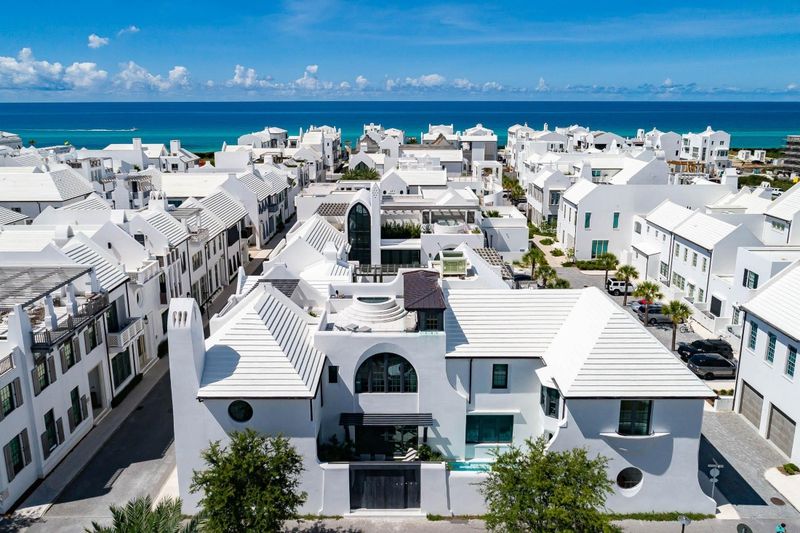
Alys Beach channels the Greek islands with an intensity that’ll make you check your passport. Every single building gleams brilliant white, echoing the sun-bleached villages that cascade down hillsides in Santorini and Mykonos. The architecture draws heavily from Bermudian and Greek Cycladic traditions, creating a minimalist paradise along the Gulf.
Smooth stucco walls curve and flow without interruption, punctuated only by carefully placed wooden doors and narrow windows. Courtyards hide behind these walls, offering private oases filled with native landscaping and reflecting pools. The town banned traditional rooflines, opting instead for flat roofs and clean geometric shapes that feel refreshingly modern yet timelessly Mediterranean.
Natural materials dominate the design palette. Teak wood accents warm up the stark white surfaces, while limestone pavers create pathways that stay cool underfoot even in summer heat. The town’s founders insisted on sustainability, so you’ll find green roofs, natural ventilation systems, and drought-resistant plantings throughout.
Palm trees sway against those white walls, creating dramatic shadows that shift throughout the day. The contrast between the architecture and the emerald-green Gulf waters beyond creates photo opportunities that rival anything you’d capture in the Mediterranean. Walking these streets feels like stepping into a living art installation.
3. Seaside’s Pastel-Perfect Town Center
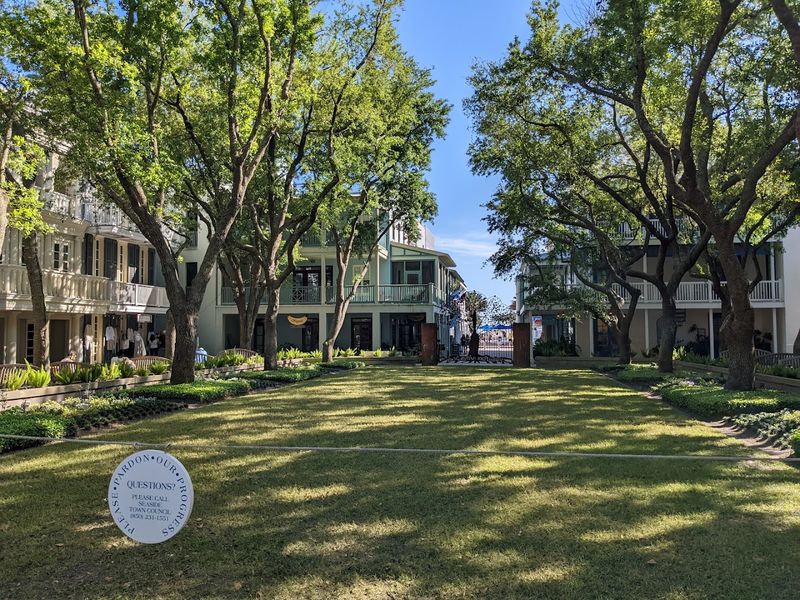
Long before Instagram made pastel everything trendy, Seaside was painting the town in soft sherbet hues. Founded in 1981, this planned community pioneered the New Urbanist movement, creating a walkable neighborhood that feels lifted from a coastal Italian village. Candy-colored cottages line white-sand streets, each one sporting a unique personality while maintaining overall harmony.
The town center buzzes with activity from sunrise to well past sunset. Open-air pavilions host outdoor markets where vendors sell fresh flowers, local honey, and handcrafted jewelry. Restaurants spill onto sidewalks, their tables shaded by market umbrellas in cheerful stripes.
You’ll spot families pedaling beach cruisers, couples window-shopping, and kids licking ice cream cones as they skip between stores.
Seaside became famous as the filming location for “The Truman Show,” and it’s easy to see why directors chose it. The architecture blends Victorian, Classical, and Caribbean influences into something wholly original yet comfortingly familiar. Wide front porches encourage neighborly chats, and the absence of garages facing the street creates an intimate, pedestrian-focused environment.
Amphitheater steps lead down to the beach, serving as gathering spots for concerts and movie nights under the stars. This communal approach to public space mirrors European town planning, where plazas and squares form the heart of community life.
4. European-Style Bike Culture Along The Corridor
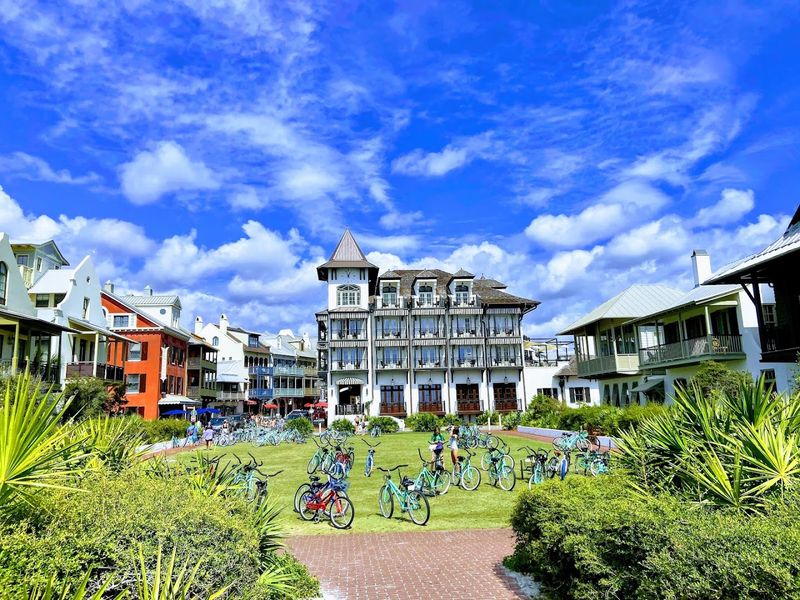
Forget fighting for parking spots. Along 30A, bicycles reign supreme as the transportation of choice, creating a laid-back vibe that mirrors Amsterdam or Copenhagen more than typical Florida beach towns. A dedicated 19-mile paved pathway runs parallel to the highway, connecting every community and major attraction along the route.
Beach cruisers with wide handlebars and comfy seats dominate the landscape. Rental shops dot every town, offering everything from single-speeds to tandems to bikes with baby seats and cargo baskets. Families pedal together, stopping whenever something catches their eye without worrying about parking or traffic.
The flat terrain makes cycling accessible for all ages and fitness levels. You’ll see grandparents cruising alongside grandkids, couples holding hands while they ride, and solo travelers exploring at their own pace. The path winds through coastal dune lakes, maritime forests, and right past those gorgeous beaches, offering constantly changing scenery.
Local businesses embrace bike culture wholeheartedly. Restaurants provide bike racks front and center, coffee shops offer quick-grab pastries perfect for cyclists, and many shops display their goods outdoors where riders can browse without dismounting. This integration of cycling into daily life rather than treating it as just recreation creates that distinctly European atmosphere where bikes are simply how people get around.
5. Coastal Dune Lakes Found Nowhere Else
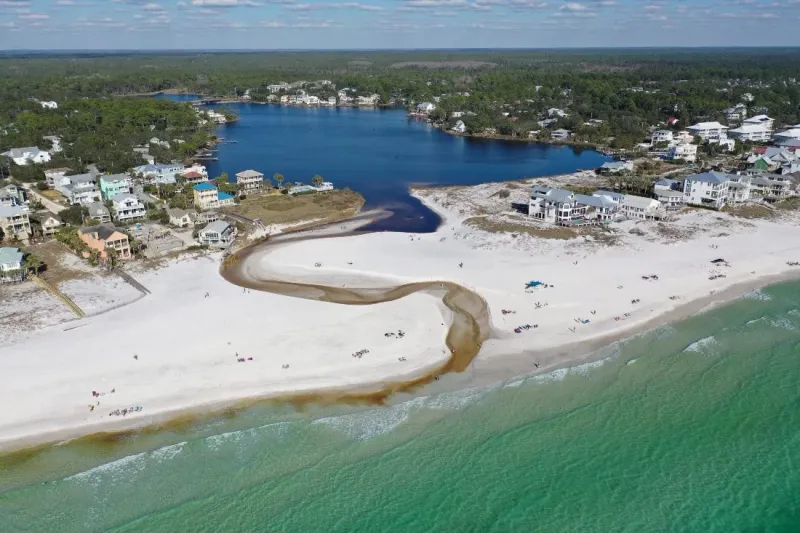
Mother Nature created something extraordinary along this coastline that exists in only a handful of places worldwide. Coastal dune lakes form when freshwater bodies sit mere feet from the Gulf, separated only by narrow sand barriers. These rare ecosystems occur in just four global locations, and 30A boasts fifteen of them.
The lakes shift between fresh and brackish depending on weather conditions and tides. During heavy rains or storms, the sand berms breach naturally, allowing the lakes to connect temporarily with the Gulf. This mixing creates unique habitats supporting an incredible diversity of fish, birds, and plant species found nowhere else.
Western Lake, the largest of the bunch, stretches over 700 acres and offers stunning paddling opportunities. Glide across glassy water while herons stalk the shallows and ospreys circle overhead. The surrounding state park preserves the natural landscape, keeping development at bay and maintaining that wild, untouched feel.
These lakes give 30A a landscape feature that feels distinctly Old World. The combination of freshwater lakes, towering dunes, and the Gulf creates scenery reminiscent of coastal regions in France or Portugal. Photographers flock here during golden hour when the light turns everything magical, capturing images that could easily pass for European postcards.
6. Farm-To-Table Dining Scene Rivaling Tuscany
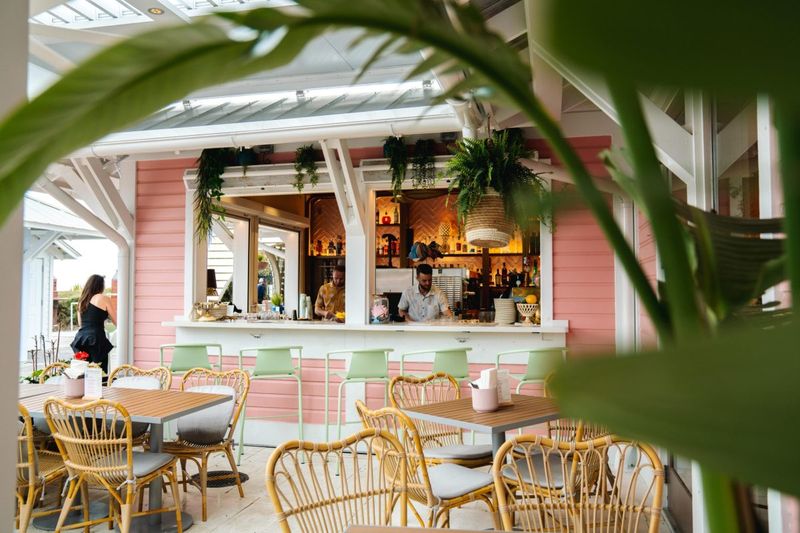
Chefs along 30A take their ingredients as seriously as any Italian nonna guarding her tomato garden. The farm-to-table movement here isn’t just a trendy buzzword but a genuine commitment to sourcing locally and seasonally. Restaurants partner with nearby farms, fishermen, and artisan producers to create menus that change with what’s freshest.
Gulf seafood dominates many menus, caught that morning and grilled that evening. But you’ll also find produce from inland farms, cheeses from Florida creameries, and bread baked daily in wood-fired ovens. The approach mirrors Mediterranean cooking philosophies where simple, high-quality ingredients need little manipulation to shine.
Outdoor dining spaces embrace the European tradition of lingering over meals. Patios overlook the Gulf, courtyards hide behind garden walls, and rooftop terraces catch sunset breezes. Servers encourage guests to relax, order another bottle of wine, and enjoy the evening rather than rushing through courses.
Many restaurants operate their own gardens on-site, letting diners literally see where their salad greens came from. Chef-driven menus change weekly based on what’s available, creating that sense of connection to place and season. Wine lists emphasize natural and biodynamic options, and craft cocktails incorporate herbs picked minutes before mixing.
This dedication to quality and provenance creates dining experiences that transport taste buds straight to the European countryside.
7. Walkable Town Planning Unlike Typical Florida
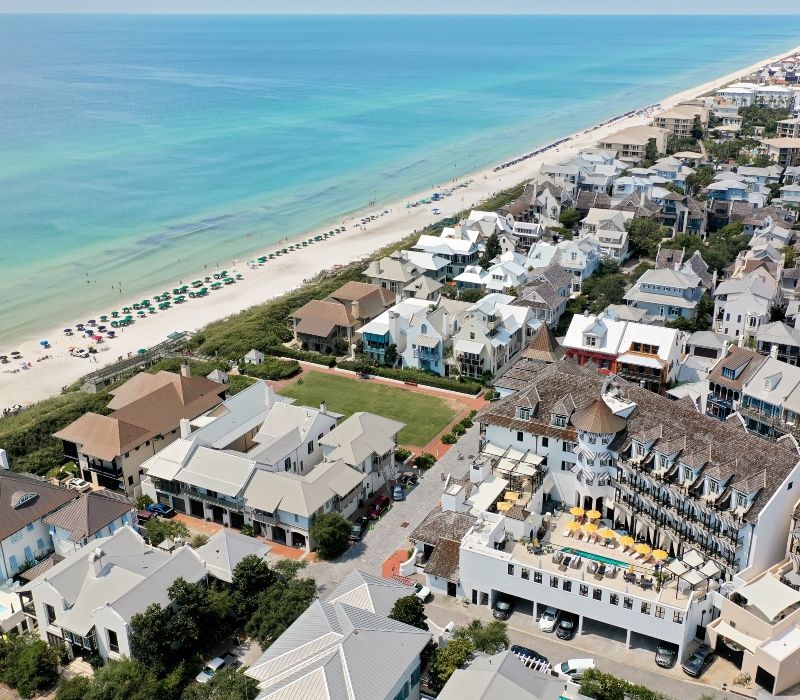
American sprawl didn’t stand a chance along 30A. These communities rejected the car-dependent model that dominates most of Florida, instead embracing walkability principles common in European cities. Streets prioritize pedestrians over vehicles, with wide sidewalks, frequent crosswalks, and traffic-calming measures that keep speeds low.
Mixed-use development puts homes, shops, and restaurants within easy walking distance of each other. You can grab morning coffee, hit the beach, shop for dinner ingredients, and meet friends for cocktails without ever starting your car. This integration of daily activities creates vibrant street life throughout the day rather than empty sidewalks outside business hours.
Public spaces anchor each community. Town squares, parks, and beach access points serve as gathering spots where neighbors run into each other naturally. Benches line streets, inviting people to sit and watch the world go by.
Fountains, sculptures, and landscaping create visual interest that rewards those exploring on foot.
The human scale of buildings makes everything feel intimate and approachable. Nothing towers over the landscape or overwhelms with size. Porches face streets, encouraging interaction between residents and passersby.
Front yards stay small while communal green spaces expand, promoting community over isolation. This planning philosophy creates neighborhoods that function like European villages, where daily life happens in public view and social connections form organically through repeated casual encounters.
8. Artisan Markets And Boutique Shopping
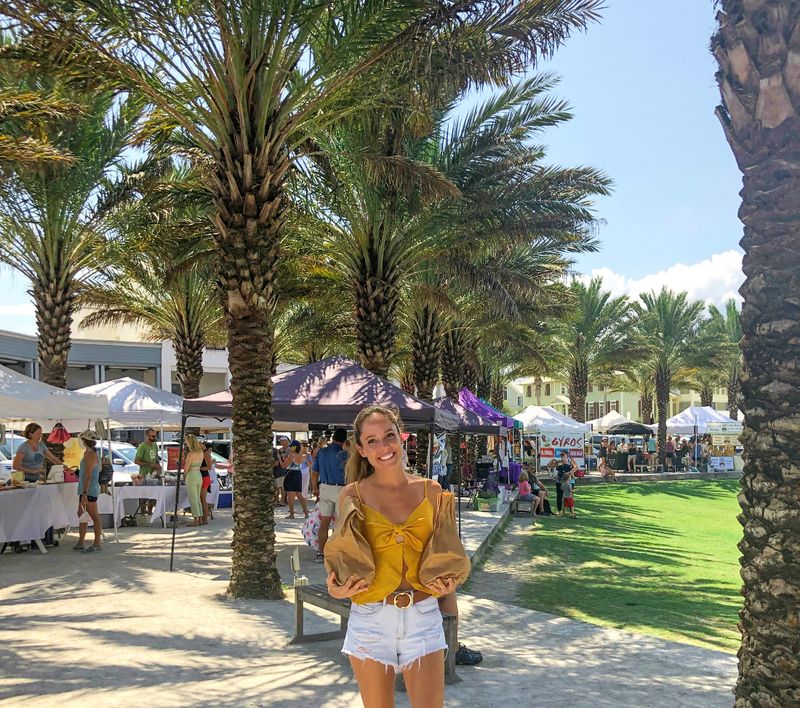
Skip the generic chain stores. Shopping along 30A means discovering one-of-a-kind treasures at independently owned boutiques and artisan markets that pop up throughout the week. Local makers sell everything from hand-thrown pottery to custom jewelry, original paintings to handwoven textiles, creating that European market atmosphere where you meet the person who actually made what you’re buying.
Rosemary Beach hosts a farmers market every Sunday where vendors spread out under white tents in the town square. You’ll find organic produce, fresh-cut flowers, artisan bread, local honey, and prepared foods ready to eat. Musicians strum guitars while families browse, and the whole scene feels transported from a French village market.
Boutiques curate carefully selected inventory rather than stocking mass-produced items. Shop owners know their merchandise intimately and can tell you the story behind each piece. You might discover a dress sewn by a local designer, sandals handcrafted in Italy, or home goods imported from small European workshops.
The shopping experience emphasizes quality and uniqueness over quantity and bargains.
Gallery walks happen regularly, letting art lovers meet painters, sculptors, and photographers whose work captures the coastal lifestyle. Many artists maintain studios here, drawing inspiration from those stunning beaches and charming architecture. Browsing these shops and markets becomes as much about the experience and connections as the actual purchases, just like shopping should be.