This Florida Island Is the Only One in the U.S. on Expedia’s 2026 Hot List
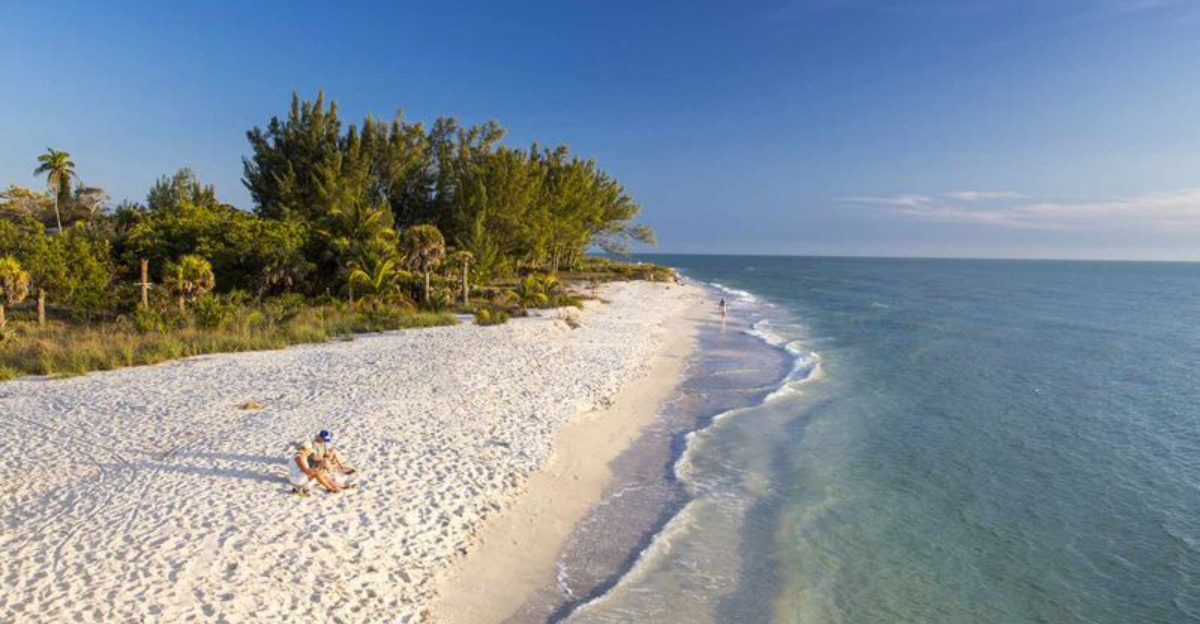
Sanibel Island just earned a spot on Expedia’s 2026 Hot List, making it the only U.S. island to receive this prestigious recognition. Located off Florida’s Gulf Coast, this barrier island has bounced back beautifully after Hurricane Ian and now attracts travelers from around the world with its world-class shelling beaches, wildlife preserves, and laid-back charm. Whether you’re planning your first visit or returning to see what’s new, Sanibel offers something special that sets it apart from every other beach destination in America.
1. World-Famous Shelling Beaches That Live Up to the Hype
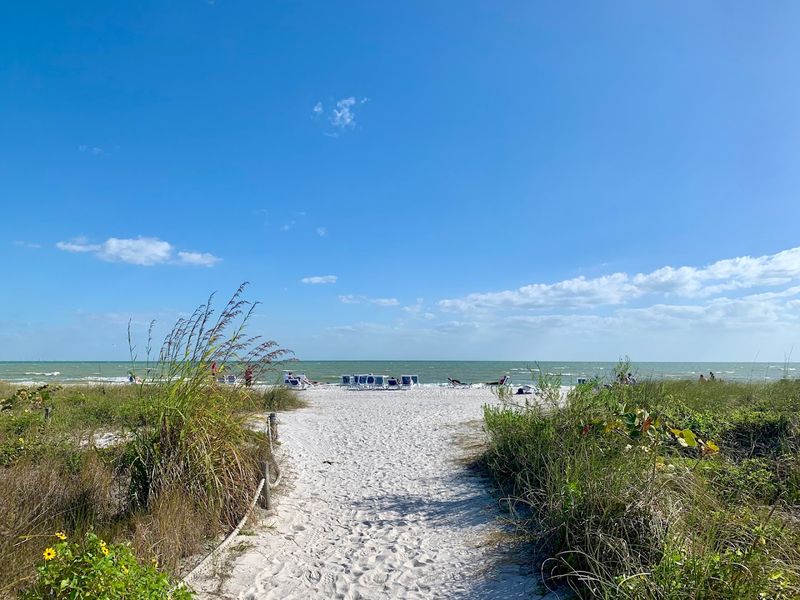
Sanibel’s beaches aren’t just pretty—they’re a shell collector’s paradise. Thanks to the island’s unique east-west orientation, shells wash up in massive quantities daily, creating what locals call the “Sanibel Stoop” as visitors bend down to collect treasures. You’ll find everything from tiny coquinas to rare junonia shells that people search for their entire lives.
The best shelling happens early morning after high tide or following storms. Bowman’s Beach and Blind Pass are top spots, but honestly, you can find incredible shells anywhere along the 15-mile coastline. Bring a mesh bag because you’ll need it.
What makes Sanibel different from other shelling beaches is the sheer variety and quantity. While some beaches might have broken fragments, Sanibel offers intact, museum-quality specimens. The island even has shell-washing stations at public beaches, showing just how seriously they take this pastime.
Don’t forget the rules: only take empty shells, and leave live creatures alone. The beaches stay pristine because visitors respect the ecosystem. Whether you’re a serious collector or just enjoy the hunt, shelling on Sanibel delivers an experience you won’t find anywhere else in the country.
2. Ding Darling Wildlife Refuge: Nature’s Front-Row Seat
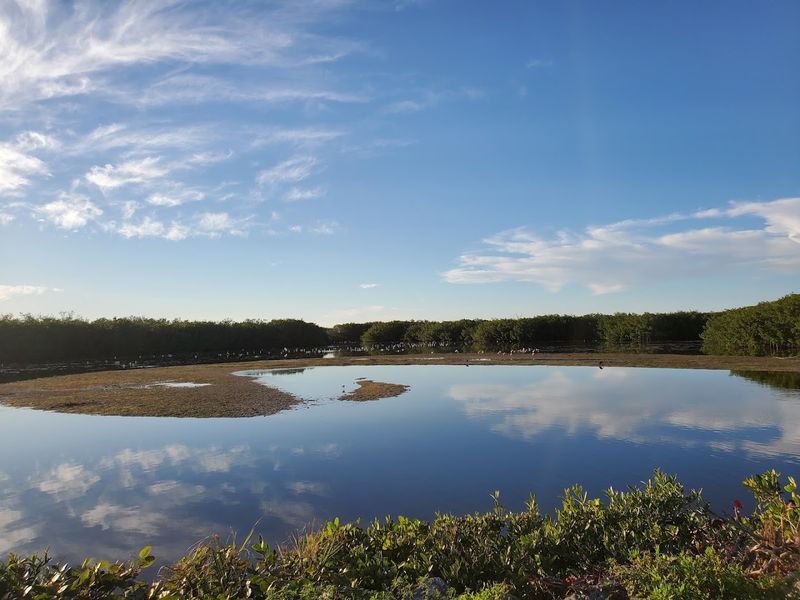
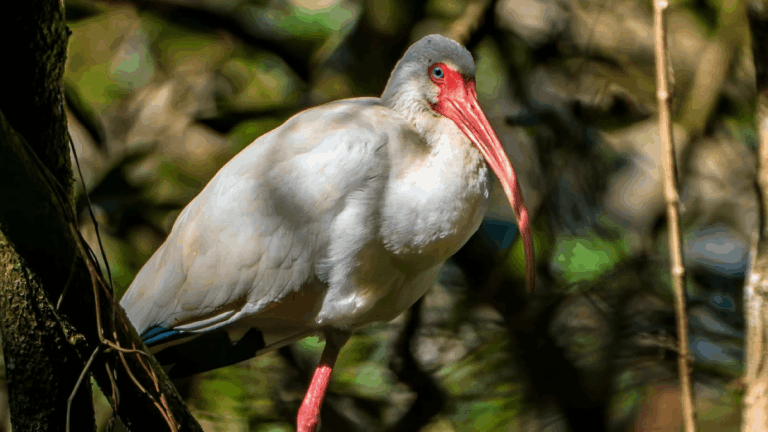
Named after a Pulitzer Prize-winning cartoonist and conservationist, J.N. “Ding” Darling National Wildlife Refuge covers over 6,400 acres of mangrove forests, wetlands, and coastal habitats. This isn’t your typical wildlife viewing—it’s an immersive experience where alligators sunbathe feet from your car and roseate spoonbills feed in shallow waters.
The four-mile Wildlife Drive is the main attraction, open to cars, bikes, and walkers. Go early morning or late afternoon when animals are most active. You’ll spot herons, egrets, pelicans, and if you’re lucky, manatees in the bay.
Rangers are incredibly knowledgeable and friendly, always willing to help identify birds or share island history. The refuge also offers kayak trails through mangrove tunnels, giving you a water-level perspective of this incredible ecosystem. It’s dog-friendly on certain trails, making it perfect for the whole family.
What visitors love most is how accessible everything feels. You don’t need expensive equipment or a guide—just patience and curiosity. The refuge shows why Sanibel earned its spot on Expedia’s list: it protects natural Florida in a way that invites people to appreciate rather than exploit it.
3. The Historic Sanibel Lighthouse and Fishing Pier
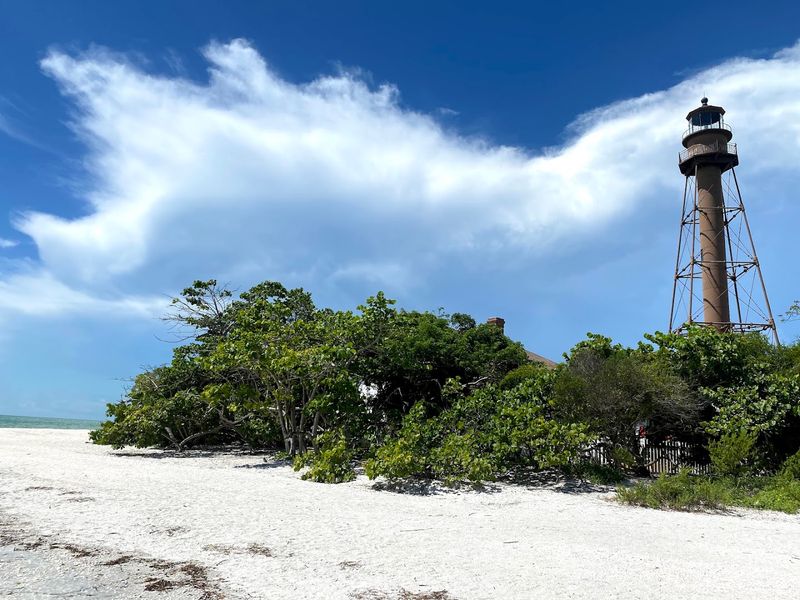
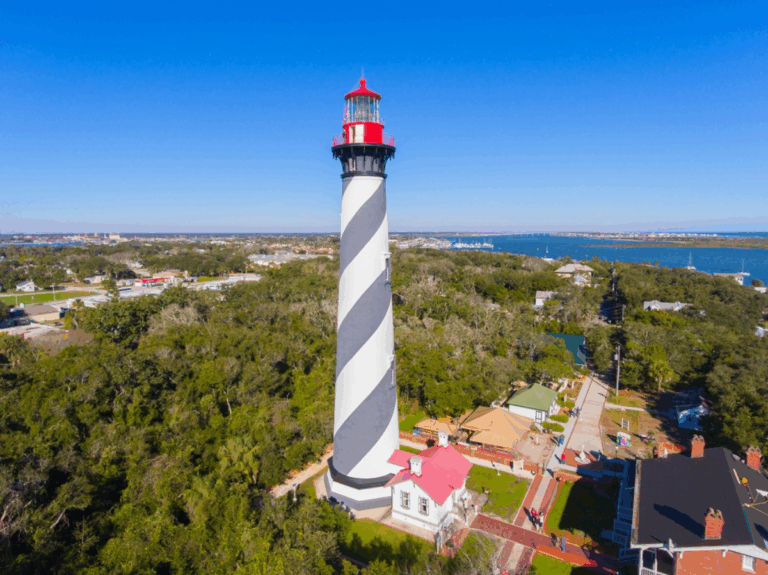
Standing since 1884, the Sanibel Lighthouse isn’t just a pretty landmark—it’s a piece of Florida history that still guides boats today. The 98-foot iron structure marks the eastern tip of the island and has survived countless hurricanes, including the devastating Hurricane Ian. Visitors can’t climb it, but the surrounding area offers some of the island’s best experiences.
The lighthouse beach is fantastic for shelling, swimming, and watching dolphins play in the waves. Families spread out under the shade of Australian pines while kids hunt for shells in the shallow water. The fishing pier extends into the Gulf, attracting anglers hoping to catch snook, redfish, or tarpon.
Parking is cheap compared to other Florida beach destinations, and facilities include clean restrooms and outdoor showers. The whole area feels authentically Old Florida—no high-rises or chain restaurants, just natural beauty and local charm. Sunset here is particularly stunning, with the lighthouse silhouetted against orange and pink skies.
Photographers love this spot for its iconic views, and it’s become one of the most Instagrammed locations on the island. Whether you’re interested in history, fishing, or just relaxing on a beautiful beach, the lighthouse area delivers multiple experiences in one convenient location.
4. Bike-Friendly Island with Miles of Scenic Trails
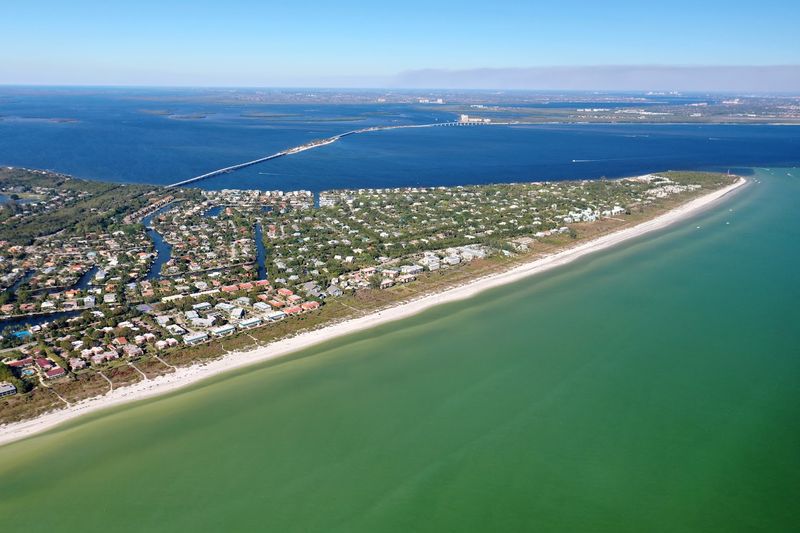
Sanibel takes biking seriously with over 25 miles of dedicated paths that wind through every corner of the island. The 35 mph speed limit and flat terrain make cycling the preferred way to explore, and you’ll see everyone from toddlers to retirees pedaling around. Rental shops are everywhere, offering everything from beach cruisers to electric bikes.
The Sanibel-Captiva Road bike path runs the island’s length, connecting beaches, restaurants, shops, and nature preserves. You can literally bike from your rental to dinner, the beach, and back without ever dealing with car traffic. Side paths lead to hidden neighborhoods and secluded beach access points.
What makes biking here special is how safe and enjoyable it feels. Drivers expect cyclists and give plenty of room. The paths are well-maintained and clearly marked, with plenty of spots to stop for water or rest in the shade.
Many visitors never rent a car, relying entirely on bikes for island transportation. It’s healthier, more fun, and lets you discover things you’d miss in a car—like the perfect shell beach or a tucked-away tiki bar. The bike-friendly infrastructure shows Sanibel’s commitment to preserving its small-town, eco-conscious character.
5. No Chain Restaurants—Just Authentic Island Dining
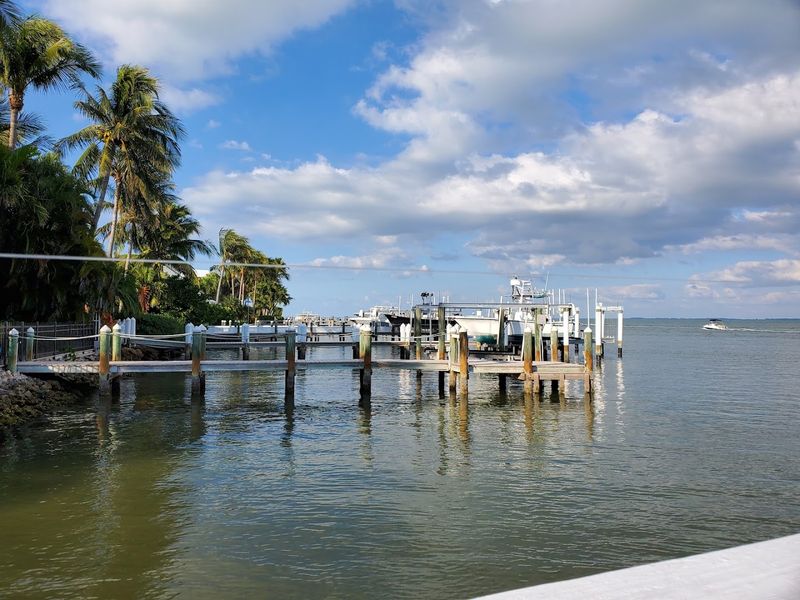
Sanibel made a conscious decision decades ago: no chain restaurants or big-box stores allowed. What you get instead is a collection of locally-owned eateries serving fresh seafood, creative cuisine, and genuine island hospitality. It’s refreshing in a world of endless Applebee’s and Olive Gardens.
Three tiki bars sit within walking distance of many beachfront properties, offering cold drinks and casual food with sand between your toes. Doc Ford’s Rum Bar & Grille serves Caribbean-inspired dishes and craft cocktails, while The Lazy Flamingo keeps things simple with peel-and-eat shrimp and ice-cold beer. For upscale dining, Sweet Melissa’s Cafe delivers farm-to-table excellence.
Reservations are smart, especially during peak season, because these independent restaurants have limited seating. But that intimacy is part of the charm—you’re not eating in a cavernous chain restaurant but in someone’s passion project. Owners often work the floor, and servers know regulars by name.
The food quality consistently impresses because restaurants depend on reputation, not corporate marketing. Fresh grouper comes from local boats, and ingredients change with the seasons. Dining on Sanibel feels like eating at your friend’s really good restaurant, not checking off a tourist obligation.
6. Post-Hurricane Recovery Shows Island Resilience
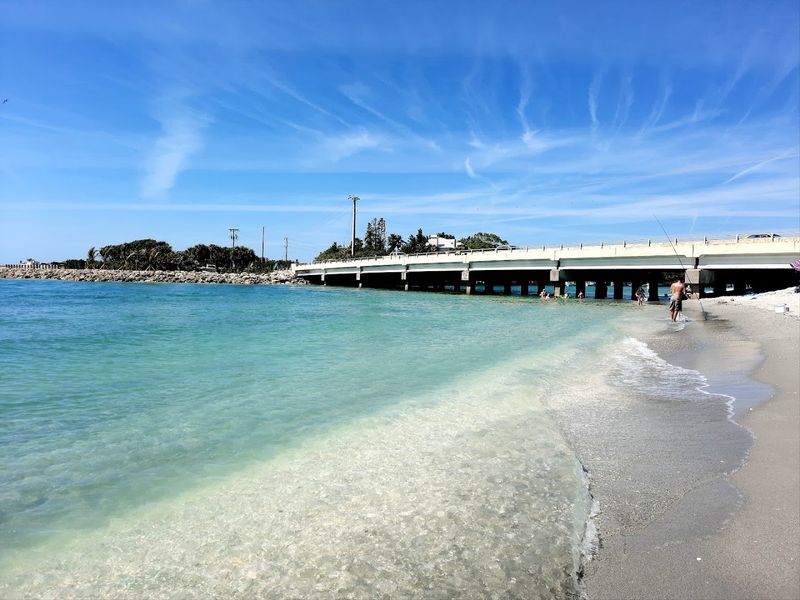
Hurricane Ian devastated Sanibel in September 2022, destroying the causeway and flooding much of the island. Visitors today might notice some areas still rebuilding, but the transformation has been remarkable. Places like Periwinkle Park & Campground underwent complete renovations, emerging better than before with full hookups and upgraded facilities.
The community rallied together in ways that define small-town Florida. Restaurants reopened as soon as possible, providing meals for workers and residents. The causeway bridge was rebuilt in record time, reconnecting the island to the mainland.
Beaches were cleared, nature preserves restored, and infrastructure improved.
What’s amazing is how the island didn’t just rebuild—it improved. Many properties took the opportunity to upgrade, add hurricane-resistant features, and enhance guest experiences. The grocery store, shops, and restaurants all came back, and visitors report that staff are genuinely grateful and welcoming to tourists who support the recovery.
Some debris and construction remain visible, but they tell a story of resilience rather than defeat. The fact that Expedia recognized Sanibel for 2026 shows the world believes in this island’s comeback. Visiting now means supporting a community that refused to give up on their paradise.
7. Peaceful Beaches Perfect for Relaxation and Solitude
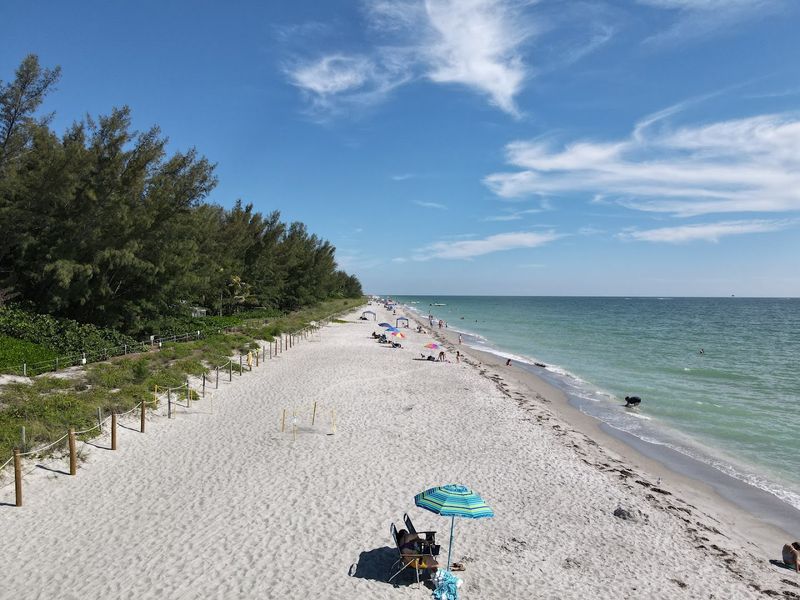
While Miami and Clearwater pack in thousands of beachgoers, Sanibel maintains a peaceful, almost meditative atmosphere. The island’s building restrictions prevent high-rise development, so you won’t find towering condos blocking the view or creating artificial crowds. Instead, beaches stretch for miles with plenty of personal space.
The Gulf waters here are typically calm and warm, perfect for wading, floating, or gentle swimming. Waves are either perfectly sized for boogie boarding or so gentle they barely ripple—rarely too rough unless weather systems move through. The soft white sand feels amazing underfoot, and the gradual slope into the water makes it safe for families.
Visitors consistently mention how quiet and clean the beaches are. You can walk for an hour and see more shells than people. There’s no blaring music, no aggressive vendors, no party atmosphere—just the sound of waves and seabirds.
This tranquility is exactly what draws people to Sanibel. It’s the antidote to overcrowded tourist beaches where you fight for parking and elbow room. Here, you can actually relax, read a book, or nap in the sun without constant interruptions.
The peaceful vibe is protected by island culture and regulations that prioritize nature over development.
8. Shopping and Arts Scene with Island Character
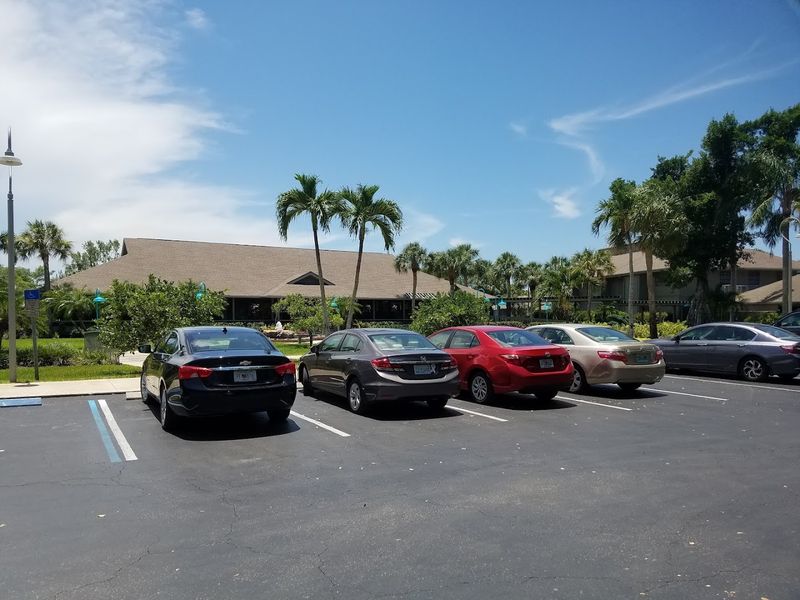
Periwinkle Place isn’t your typical shopping mall—it’s an open-air collection of boutiques, galleries, and restaurants surrounding a tropical courtyard filled with live parrots. The birds squawk and fly between perches while shoppers browse locally-made jewelry, artwork, and island-themed clothing. It’s quirky, fun, and distinctly Sanibel.
The Sanibel Arts Center showcases local and regional artists, offering everything from watercolor paintings to sculpture. Gallery walks and art shows happen regularly, giving visitors a chance to meet artists and purchase one-of-a-kind pieces. It’s a thriving creative community that reflects the island’s appreciation for beauty and craftsmanship.
The Sunday farmers market (October through late May) brings together local growers, bakers, and artisans. Fresh produce, homemade jams, and handcrafted goods fill the stalls, and it’s a great place to chat with residents and get the real island scoop on hidden beaches or best restaurants.
Shopping here feels personal and meaningful. You’re not buying mass-produced souvenirs but supporting local businesses and artists. Whether you’re looking for a special gift, fresh ingredients for a beach house dinner, or just want to soak up the local culture, Sanibel’s shopping scene offers authentic experiences you won’t find in generic beach towns.