This Florida Library Lets You Borrow Power Tools Instead Of Books
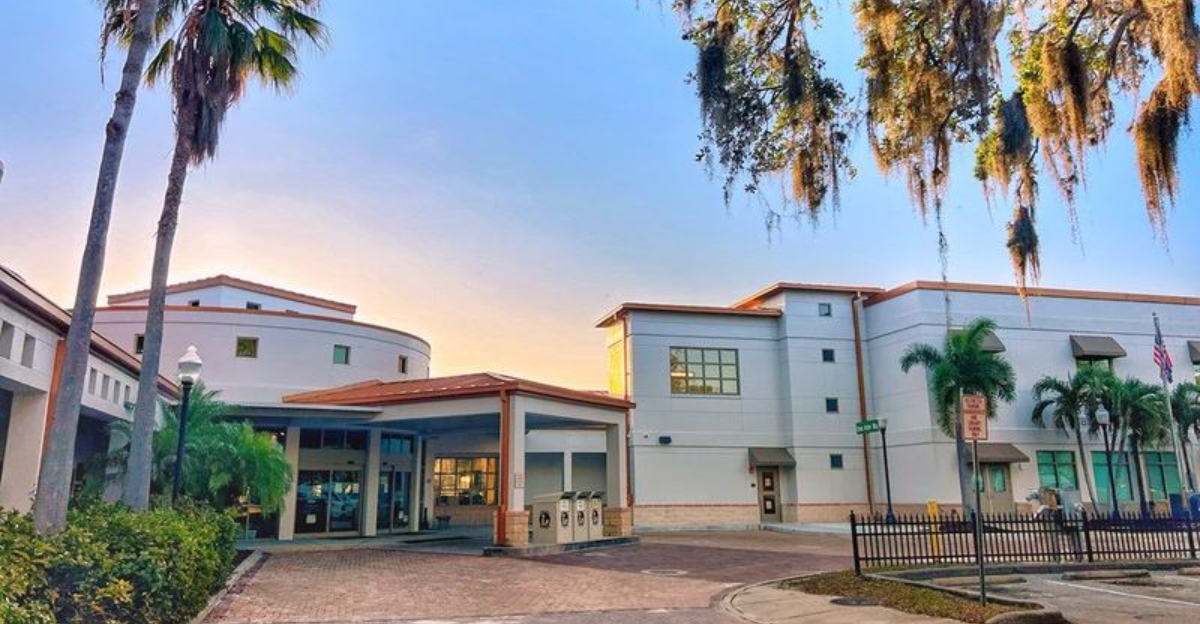
Most libraries loan out novels and DVDs, but the Safety Harbor Public Library in downtown Safety Harbor takes things to a completely different level. Alongside their impressive book collection, this community gem operates a Tool Library where residents can check out drills, saws, sanders, and dozens of other power tools absolutely free with just a library card. Whether you need equipment for a weekend DIY project or want to try a tool before buying one, this innovative program saves money while building stronger neighborhood connections through shared resources.
1. Power Tool Lending Program That Actually Works
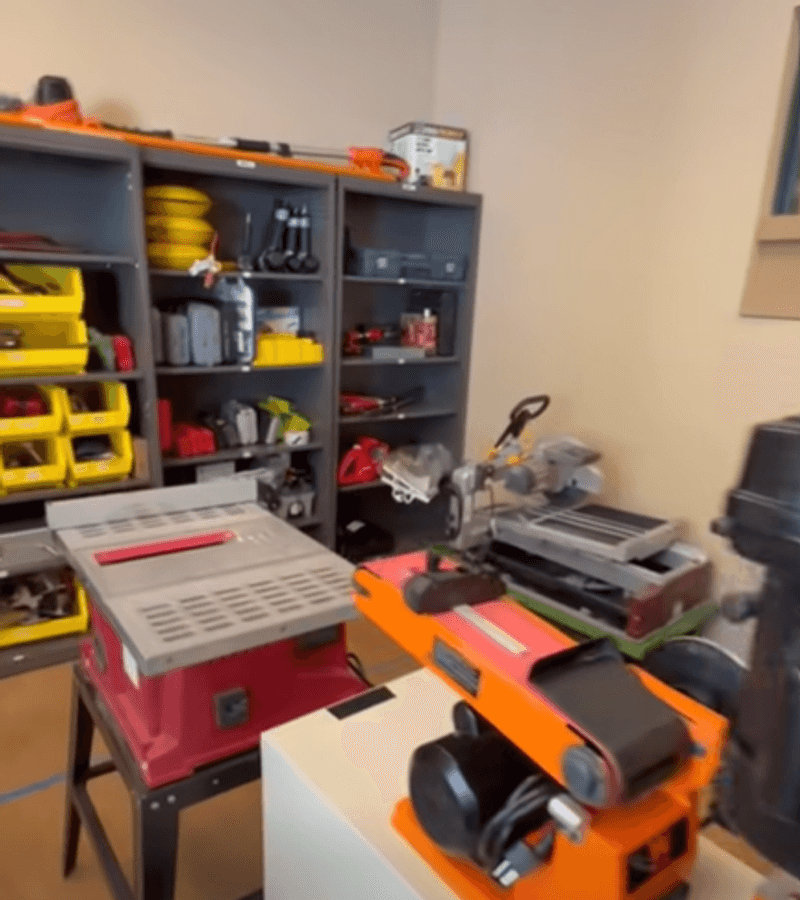
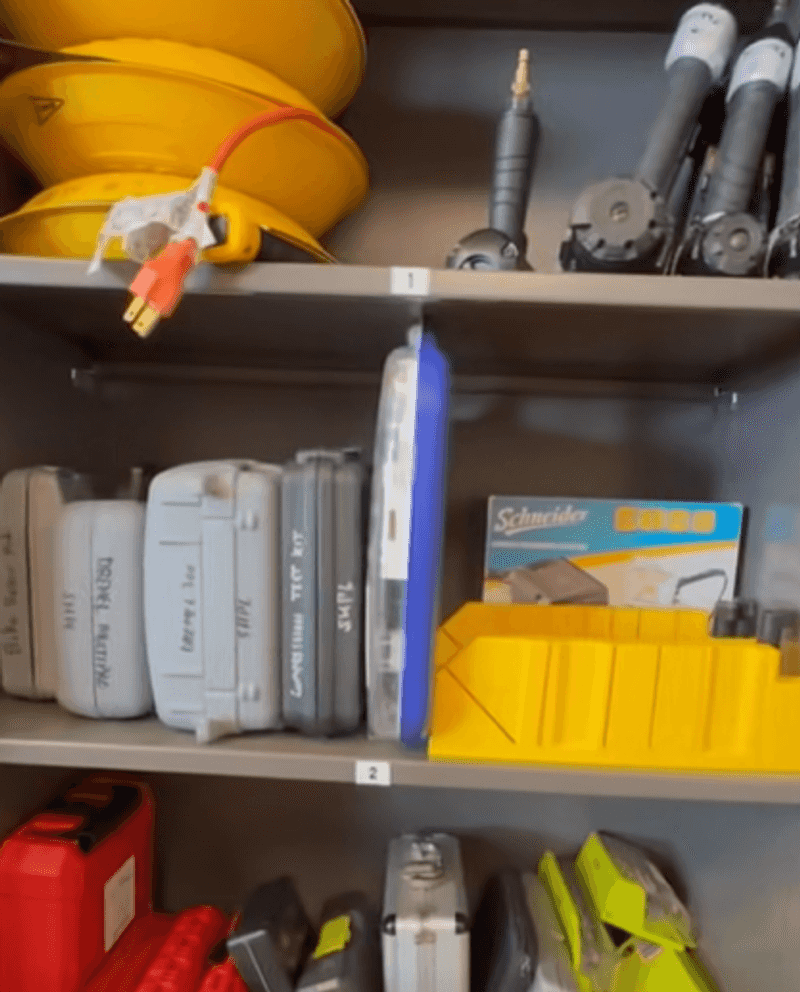
Walk into most libraries expecting hushed voices and paperbacks, but the Safety Harbor Public Library greets you with something far more unexpected. Their Tool Library houses everything from basic drills to specialized equipment that would otherwise cost hundreds of dollars to purchase. Residents with a free library card can borrow these tools for home improvement projects without spending a dime.
The collection includes power drills, circular saws, sanders, jigsaws, stud finders, levels, and even lawn care equipment. Each tool gets inspected and maintained by staff to ensure safety and functionality. Borrowing periods typically last several days, giving you plenty of time to complete your project without the rush.
This program particularly helps renters, new homeowners, and anyone who needs a specialized tool for a one-time job. Instead of buying expensive equipment that sits unused in your garage, you can test different brands and models. The library staff provides basic usage information, though they recommend watching tutorials for complex tools.
Located at 101 2nd Street North in downtown Safety Harbor, the library makes tool borrowing as simple as checking out a book. The program has become so popular that other libraries across Florida are now copying this brilliant community-focused idea.
2. Free Library Card Opens Unexpected Doors
Getting a library card at Safety Harbor costs exactly zero dollars if you live locally, yet it unlocks access to thousands of dollars worth of resources. Beyond the obvious books and media, this single card gives you borrowing privileges for power tools, specialty baking pans, museum passes, and even plant clippings. Talk about stretching your budget.
The application process takes just minutes at the front desk. Bring proof of residency like a driver’s license or utility bill, and staff will set you up immediately. Kids can get their own cards too, opening up the excellent children’s section and teen center.
Once you have that card, the possibilities multiply fast. Need a Bundt pan for that viral TikTok recipe but don’t want to buy one? Borrow it from the library.
Want to visit local museums without admission fees? Check out their free museum pass program. Planning a home repair?
Grab the necessary power tools.
The card also provides digital access to ebooks, audiobooks, and online databases from home. Many residents don’t realize their library card works as a master key to community resources far beyond traditional reading materials. This single piece of plastic basically functions as your ticket to smarter, more affordable living in Safety Harbor.
3. Downtown Location Makes Everything Convenient
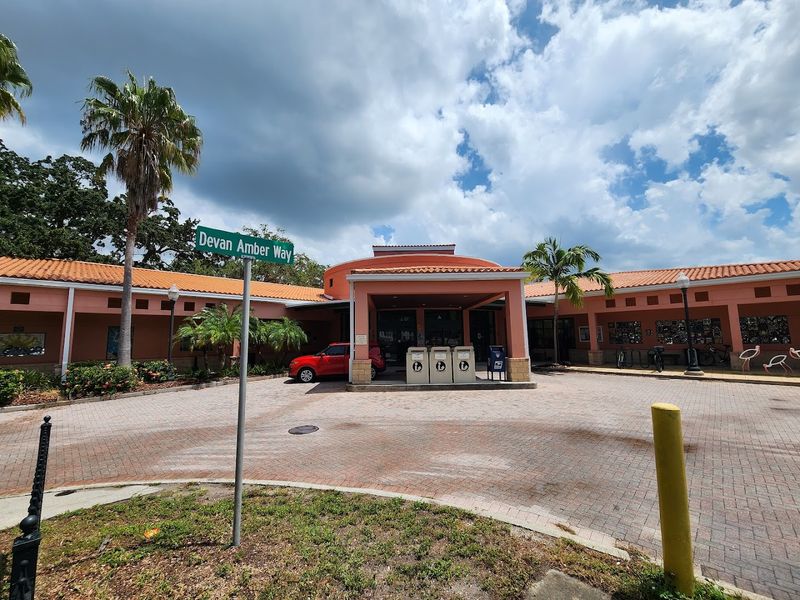
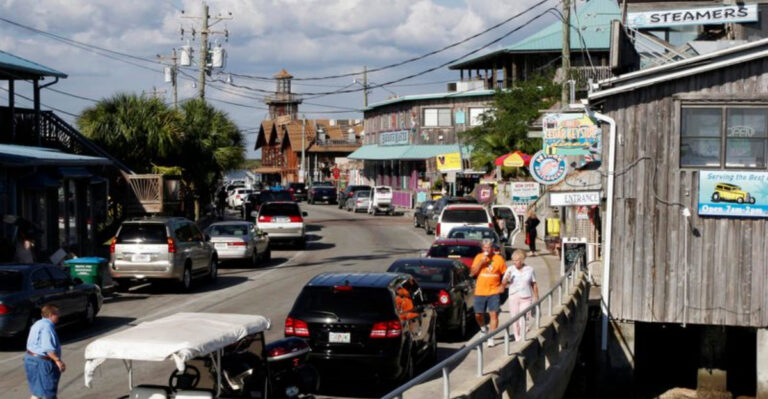
Situated right in the heart of downtown Safety Harbor at 101 2nd Street North, this library enjoys one of the best locations imaginable. You can easily combine your library visit with lunch at nearby restaurants, a stroll through the adjacent waterfront park, or shopping at local boutiques. The marina sits just steps away, creating a genuinely pleasant afternoon experience.
Parking proves surprisingly manageable for a downtown location, with dedicated spaces available near the building. The surrounding neighborhood features tree-lined streets perfect for walking, and many residents bike to the library from nearby homes. This accessibility encourages frequent visits rather than treating the library as an occasional destination.
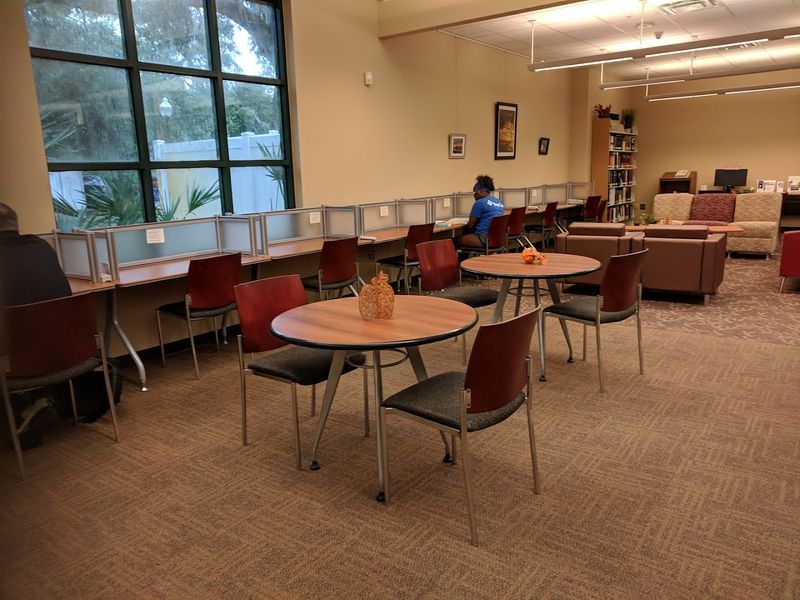
The building itself underwent renovations that transformed it into a bright, spacious, welcoming facility. Colorful murals decorate the exterior walls, and large windows flood the interior with natural light. Visitors consistently mention the clean, well-maintained atmosphere that makes spending time here genuinely enjoyable.
Hours accommodate various schedules, with the library open until 8 PM on weekdays and available Sunday afternoons. The downtown setting means you can run multiple errands efficiently, picking up tools for your weekend project while grabbing groceries or meeting friends. This central location strengthens the library’s role as a true community hub rather than just another municipal building.
4. Specialty Baking Pan Collection Saves Kitchen Space
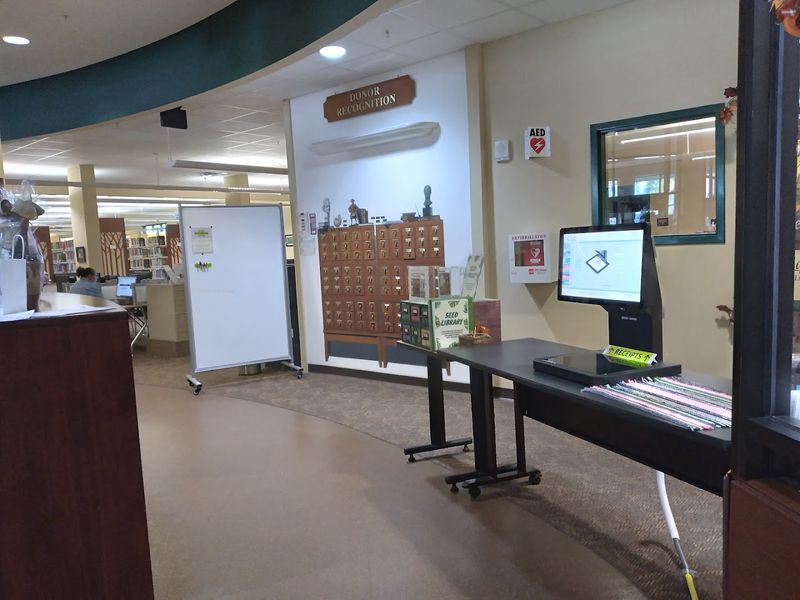
Here’s something you definitely won’t find at your typical library: an entire collection of specialty baking pans available for checkout. Safety Harbor Public Library recognized that home bakers often need specific pans for particular recipes but don’t want to clutter their kitchens with single-use items. Their solution?
Treat baking equipment like books.
The collection includes Bundt pans in various designs, cupcake molds, specialty cake pans, and those trendy shapes you see in viral baking videos. When you spot an interesting recipe online requiring a specific pan, you can borrow it instead of buying something that might gather dust after one use. This approach saves money while reducing household clutter.
Borrowers appreciate testing different pan styles before committing to purchases. Maybe that elaborate castle cake pan seems essential until you realize the cleanup involved. The library system lets you experiment without financial risk, and you might discover you prefer simpler designs anyway.
Each pan gets cleaned and inspected between uses, maintaining sanitary standards. The borrowing period gives you enough time to plan your baking project, execute it, and return the pan properly cleaned. This creative program extension shows how modern libraries think beyond traditional media to serve practical community needs in unexpected ways.
5. Museum Pass Program Offers Free Cultural Experiences
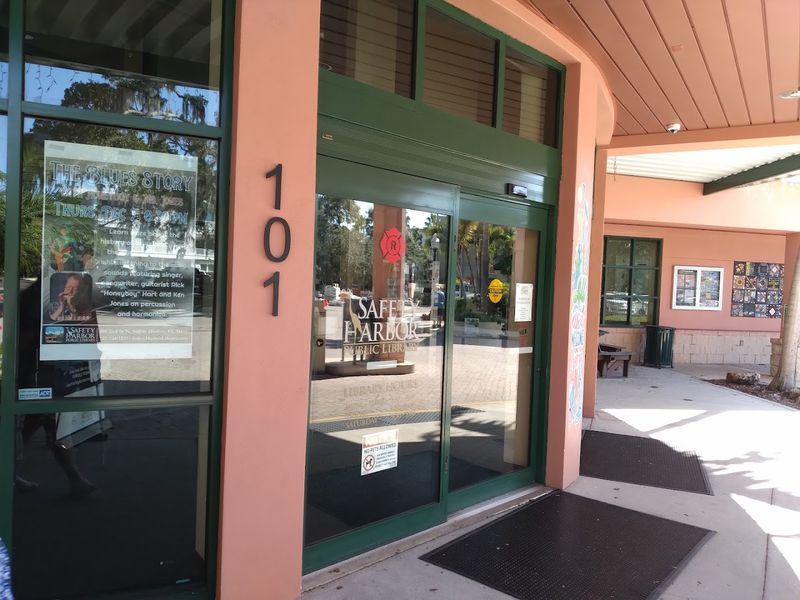
Cultural enrichment shouldn’t require draining your bank account, which is exactly why Safety Harbor Public Library maintains a museum pass program. Cardholders can check out passes providing free or discounted admission to area museums and cultural attractions. Families particularly benefit from this service, as admission costs for multiple people add up quickly.
The available passes rotate based on partnerships with local institutions, giving residents opportunities to explore venues they might otherwise skip due to cost. These aren’t just small local museums either—many passes cover significant Tampa Bay area attractions worth substantial admission fees. Planning ahead lets you reserve passes for specific dates, perfect for scheduling family outings or visits from out-of-town guests.
Using the program works just like borrowing a book. Reserve your desired pass online or at the circulation desk, pick it up before your planned visit, and return it promptly so others can enjoy the same opportunity. Each pass typically admits several people, making group visits affordable.
This initiative removes financial barriers to cultural participation while encouraging residents to explore their community more deeply. Many people discover new favorite venues through these free visits, supporting local cultural institutions through future paid visits and memberships. The library essentially functions as a gateway to broader community engagement beyond its own walls.
6. Children’s Section Includes Sensory Room
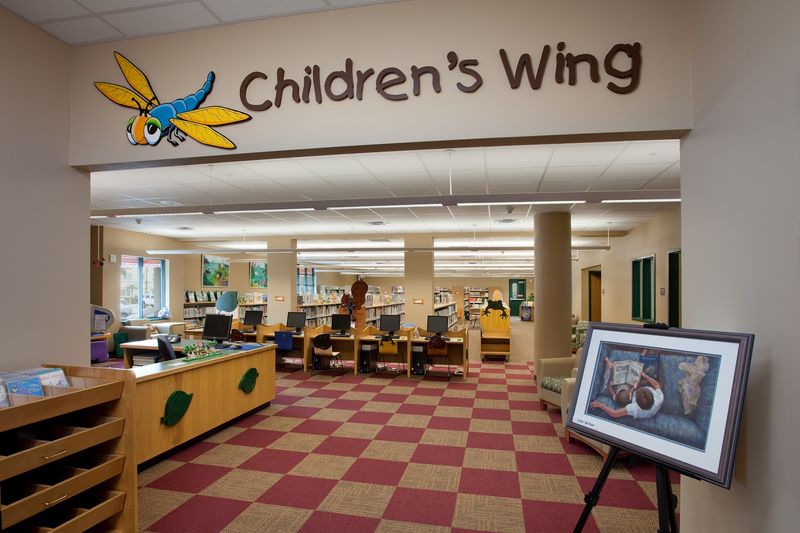
Most libraries offer basic kids’ sections, but Safety Harbor Public Library goes significantly further with a dedicated sensory room. This specialized space provides a calming environment for children with autism, sensory processing differences, or anyone who needs a quieter, more controlled setting. The thoughtful design demonstrates genuine commitment to inclusive community service.
The sensory room features elements specifically chosen to help children regulate their responses to stimulation. Soft lighting, tactile materials, and carefully selected equipment create an environment where kids can decompress when the main library feels overwhelming. Parents of children with special needs often struggle to find public spaces that accommodate their kids’ requirements, making this room genuinely valuable.
Beyond the sensory room, the children’s wing offers extensive book selections, regular story times, and programs like Toddler Time that reviewers rave about. The instructors receive consistent praise for patience and engagement, creating a welcoming community for young families. Many parents report their kids prefer this library’s programs over other area options.
The library also houses a Deaf Service Center and maintains six shelves dedicated to deaf literacy, further demonstrating their commitment to accessibility. These features aren’t token gestures—they represent genuine efforts to serve every community member regardless of ability or need.
7. Teen Center Provides Dedicated Youth Space
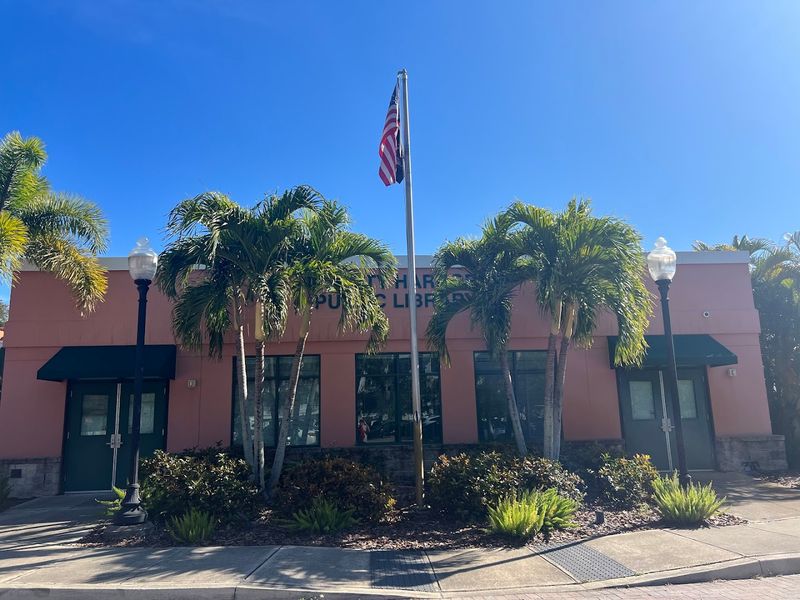
Teenagers often get overlooked in community planning, but Safety Harbor Public Library created a dedicated teen center recognizing that young adults need their own space. This area provides a welcoming environment specifically designed for teenage interests and needs, separate from both children’s programming and adult sections. It gives teens somewhere to study, socialize appropriately, and explore materials relevant to their age group.
The center offers comfortable seating, technology access, and collections curated for teenage readers. Whether students need quiet study space for homework or want to browse graphic novels and young adult fiction, the teen center accommodates various purposes. The dedicated space signals that the library values teenagers as legitimate patrons deserving specialized attention.
Many teens use the center as a safe after-school destination, particularly important in communities where unsupervised youth might otherwise lack constructive gathering places. Parents appreciate having a monitored public space where their teenagers can spend time productively. The library essentially extends its role beyond information provider to become a community anchor for multiple generations.
Programs and resources get updated based on teen interests and feedback, keeping the space relevant and genuinely useful. This responsive approach helps the library maintain strong youth engagement rather than watching teenagers drift away as they outgrow children’s programming.
8. English Classes And Citizenship Support
Language barriers can isolate community members, but Safety Harbor Public Library actively works to break down those walls. Their English conversation classes provide free instruction for speakers learning the language, with volunteer teachers earning heartfelt praise for patience and dedication. Students credit these classes with literally changing their lives through improved communication skills and expanded opportunities.
The program goes beyond basic conversation to include reading and writing instruction, giving students comprehensive language development. For many immigrants and refugees, these free classes represent the difference between struggling in isolation and successfully integrating into their community. The library becomes more than a building—it transforms into a genuine pathway toward achieving dreams.
Citizenship classes add another crucial layer of support, helping aspiring citizens navigate the complex naturalization process. Understanding the requirements, studying for the civics test, and completing paperwork can overwhelm people unfamiliar with bureaucratic systems. The library’s assistance through this journey demonstrates commitment to helping residents build better futures.
One particularly moving review describes how the library helped an individual graduate as a certified wedding and event planner, start a business, and support their children’s success. These testimonials reveal the profound impact that accessible education programs create when libraries embrace expanded community roles beyond simply lending books.