14 Relaxing Florida River Floats Every Nature Lover Should Experience
Florida’s natural springs and rivers offer some of the most peaceful water adventures you’ll find anywhere in the state. Crystal-clear water, lush scenery, and gentle currents create the perfect setting for a lazy afternoon on the water.
Whether you’re looking to cool off during hot summer months or simply want to experience Florida’s wild side, these river floats deliver unforgettable moments surrounded by pure natural beauty.
1. Ichetucknee Springs State Park – Fort White
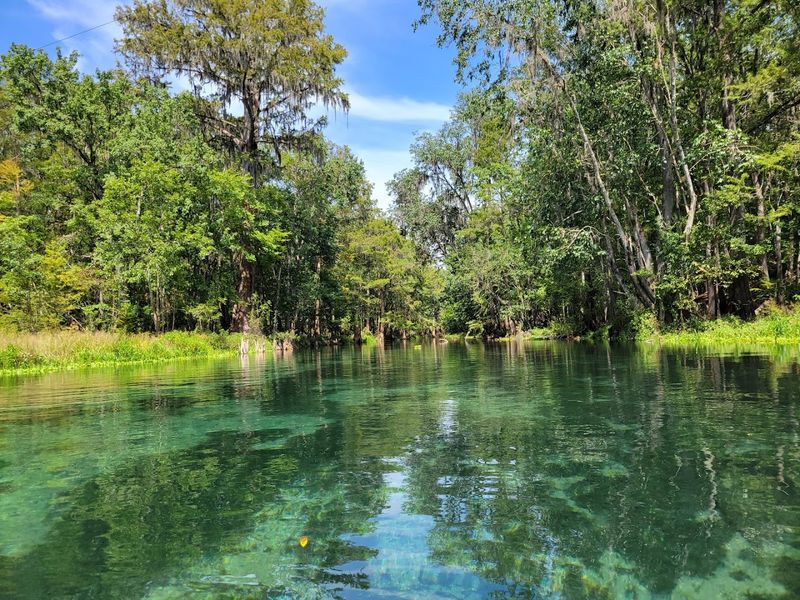
Tubing down the Ichetucknee River feels like floating through a nature documentary. The water stays a refreshing 72 degrees year-round, which makes it perfect for those scorching Florida summers.
You’ll spend about three hours drifting along a lazy current that does most of the work for you.
The park offers two main routes depending on how much time you have. The upper launch gives you a longer journey, while the midpoint launch works better if you’re short on time or have younger kids along.
Either way, you’ll pass through tunnels of overhanging trees that create natural shade along most of the route.
Underwater, the springs bubble up from limestone openings in the river floor. These spots create pockets of even colder water that feel amazing on a hot day.
Turtles sunbathe on fallen logs, and if you’re lucky, you might spot an otter playing near the banks.
The park rents tubes during summer season, but you can bring your own during other times of the year. Coolers and disposable containers aren’t allowed on the river, which helps keep the water pristine.
You’ll need to pack everything in reusable containers if you want snacks along the way.
Plan to arrive early during peak season because parking fills up quickly. The park limits daily visitors to protect the ecosystem, so weekdays offer a more peaceful experience than weekends.
2. Rainbow Springs State Park – Dunnellon
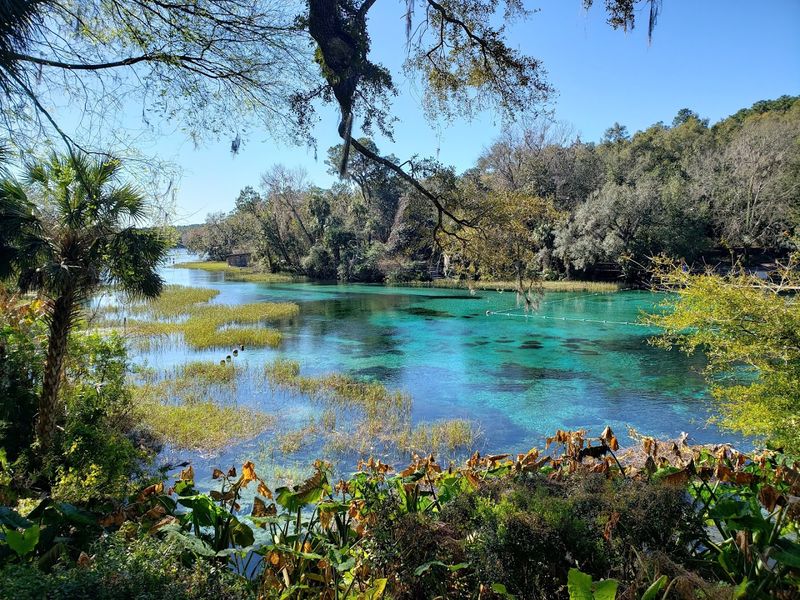
Rainbow River lives up to its name with water so clear you can see every detail of the river bottom twenty feet down. The spring pumps out nearly 500 million gallons of water daily, creating a steady current that carries you downstream without any paddling effort.
This makes it one of the most relaxing floats in the entire state.
The float typically takes around four hours from start to finish. Along the way, massive eelgrass beds wave in the current like an underwater prairie.
Fish dart between the grass, and you’ll see why this river attracts so many snorkelers and divers.
Unlike some Florida rivers with tannic water, Rainbow River maintains its crystal clarity throughout the year. The aquifer-fed springs filter out sediment naturally, creating visibility that rivals a swimming pool.
On sunny days, the light penetrates deep into the water and illuminates everything below.
Several outfitters in Dunnellon rent tubes and kayaks if you don’t have your own. They also provide shuttle service back to your starting point, which saves you the hassle of arranging two vehicles.
Some even offer waterproof containers for your phone and keys.
The state park section near the headsprings offers swimming areas and hiking trails if you want to explore on foot. Gardens filled with azaleas and native plants bloom throughout the property, adding extra beauty to your visit.
3. Ruth B. Kirby Gilchrist Blue Springs State Park – High Springs
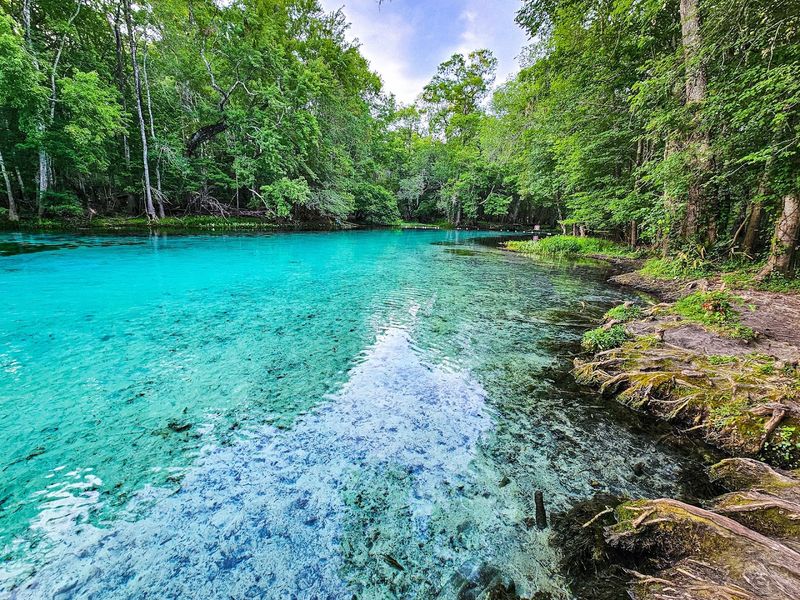
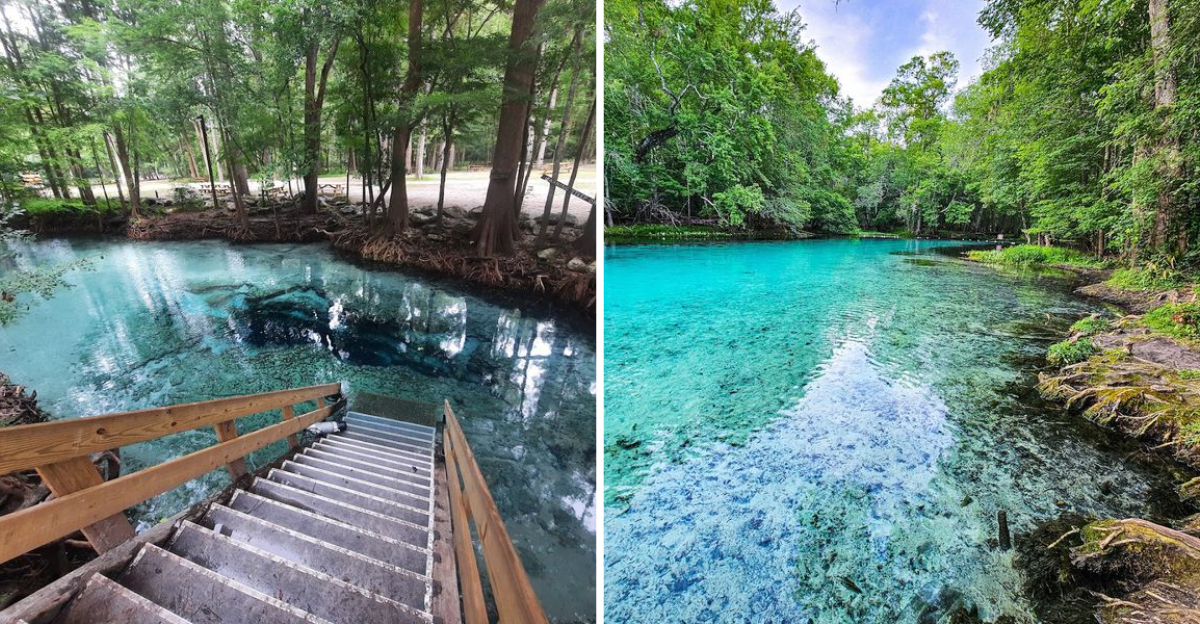
The spring basin at Gilchrist Blue Springs looks like someone poured blue paint into the water. That vivid color comes from the depth and clarity of the spring, which creates an almost surreal swimming hole.
The basin itself makes a great place to start your float, though many visitors spend hours just swimming in the spring.
From the spring, you can float down to the Santa Fe River. The journey takes about an hour and offers a completely different experience than the spring basin.
The water turns darker as you leave the spring influence, and cypress trees draped with Spanish moss create a classic Florida river scene.
During summer months, the spring area gets crowded with families and college students from nearby Gainesville. Weekday mornings offer the most peaceful experience if you want to avoid the crowds.
The park opens at 8 AM, and arriving right when the gates open gives you the spring almost to yourself.
You’ll need to bring your own tube or kayak since the park doesn’t offer rentals. Several outfitters in High Springs rent equipment and can drop you off at the park.
Make sure to secure any loose items because the current picks up speed as you approach the Santa Fe River.
The park also features nature trails and picnic areas if you want to make a full day of your visit. Wildlife sightings are common, with herons, egrets, and turtles appearing regularly along the shoreline.
4. KP Hole Park – Dunnellon
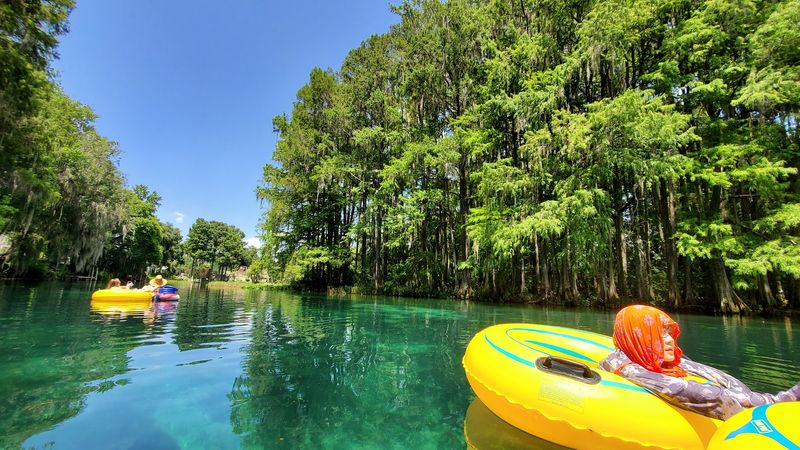
KP Hole serves as one of the most popular launch points for Rainbow River adventures. The park sits right on the river and offers easy water access without the crowds you’ll find at the state park headsprings.
Local residents consider this their secret spot, though word has definitely gotten out over the years.
The float from KP Hole down to one of the take-out points takes roughly two to three hours. You’ll experience the same crystal-clear water that makes Rainbow River famous, just without fighting for space at the main springs.
The current moves at a gentle pace that requires zero effort on your part.
Parking can be challenging during weekends and holidays because the lot fills up fast. The park operates on a first-come, first-served basis, so arriving before 10 AM gives you the best chance of snagging a spot.
Once the lot fills, you’ll need to find street parking nearby or try another launch point.
Several riverside outfitters operate near KP Hole and offer tube rentals plus shuttle service. They’ll pick you up at the downstream exit and bring you back to your car.
This service costs around twenty dollars per person but saves you the headache of coordinating multiple vehicles.
The park has basic facilities including restrooms and a small picnic area. Shade is limited, so bring sunscreen and plan to reapply before you hit the water.
The Florida sun reflects off the clear water and can burn you faster than you’d expect.
5. Rock Springs Run at Kelly Park – Apopka
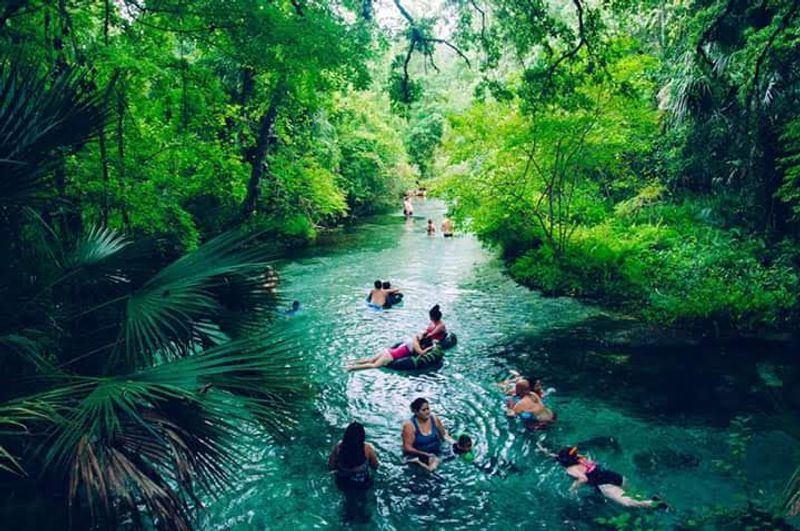
Kelly Park’s natural lazy river might be the most unique float in Central Florida. The spring-fed run creates a continuous loop that you can ride over and over without ever leaving the park.
Families love this setup because everyone stays in one area, making it easy to keep track of kids.
The water maintains that perfect 68-degree temperature that feels cold at first but amazing once you’re moving. The current carries you through shaded sections under oak and palm trees, then past sunny spots where you can warm up a bit.
Each lap takes about twenty minutes, and most people do several rounds before calling it a day.
Getting to Kelly Park requires some planning because Orange County limits daily visitors to protect the springs. You need to reserve your spot online ahead of time, especially during summer months.
The park fills its capacity quickly, often within minutes of reservation windows opening.
Once you’re inside, the park provides a great setup for families. Picnic pavilions, playgrounds, and large grassy areas give you plenty of space to spread out between float sessions.
The spring pool itself offers swimming if you want a break from the current.
Tubes are available for rent at the park, but many regular visitors bring their own. The rental tubes are basic but functional, and they handle the rocks and roots along the run without any problems.
Just remember that glass containers and disposable items aren’t permitted anywhere near the water.
6. Weeki Wachee River – Spring Hill
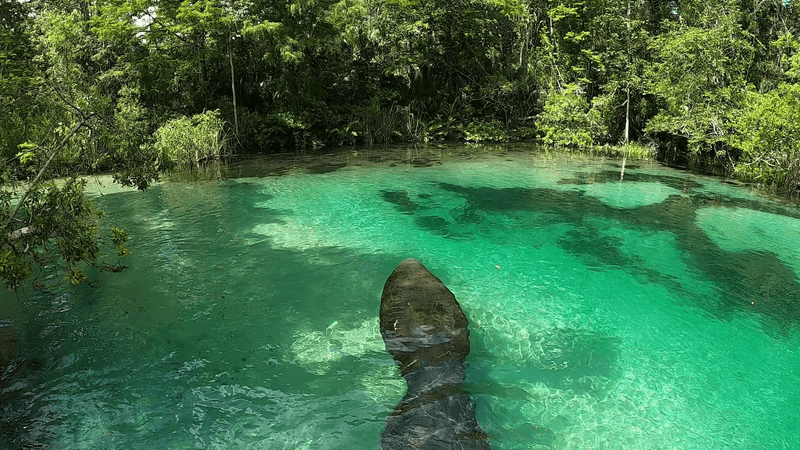
Weeki Wachee River earned its reputation as one of Florida’s wildest paddles, though calling it a float might be generous. The river requires more active paddling than most spring runs, but the effort pays off with encounters you won’t find anywhere else.
Manatees gather here during cooler months, and seeing one of these gentle giants surface next to your kayak creates an unforgettable moment.
The standard route covers about five and a half miles from the headspring to the Weeki Wachee Garden boat ramp. Expect to spend three to four hours on the water, longer if you stop frequently to swim or explore.
The current helps in some sections but slows down in others, so you’ll definitely get a workout.
Paddling upstream from Rogers Park to the spring offers a shorter alternative. This route lets you see the incredible headspring where 170 million gallons of water bubble up daily.
The spring basin is deep and crystal clear, revealing cave systems that attract technical divers from around the world.
Several outfitters near the park rent kayaks and canoes with shuttle service included. They’ll give you a map and point out spots where manatees typically hang out.
Remember that touching or harassing manatees is illegal, so keep a respectful distance if you encounter them.
The famous mermaid shows at Weeki Wachee Springs State Park happen in a theater built into the spring itself. Combining a river paddle with a mermaid show makes for a full day of aquatic adventures that kids and adults both enjoy.
7. Ginnie Springs Outdoors, LLC – High Springs
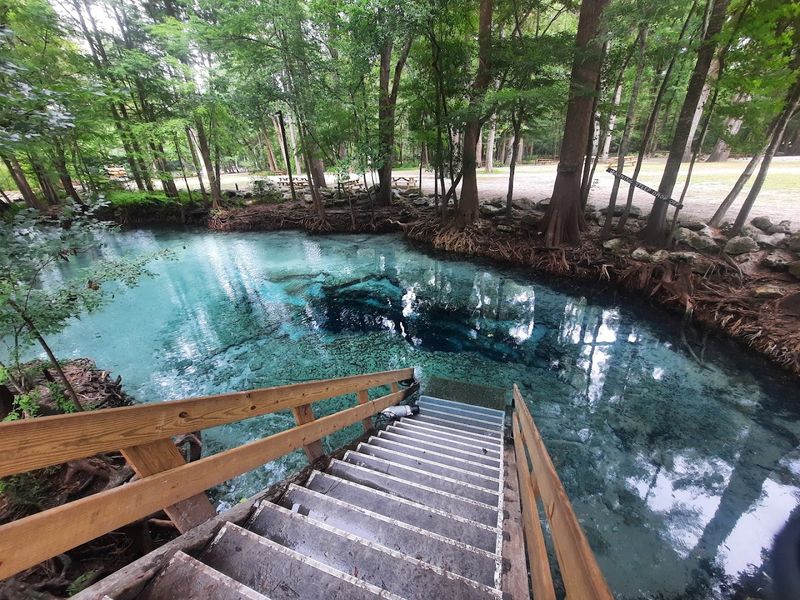
Ginnie Springs operates as a privately owned park that’s become legendary among college students and spring enthusiasts. The main spring produces water so clear that it’s considered one of the best freshwater diving spots in the country.
Cave divers train here before attempting more challenging systems, and even if you’re not diving, watching them disappear into underwater passages is pretty cool.
The float down to the Santa Fe River takes about two hours. You’ll start at the spring basin, then drift through a tree-lined run that eventually opens up to the wider river.
The contrast between the crystal spring water and the darker tannic river creates a visible mixing zone where the two meet.
Unlike state parks, Ginnie Springs allows camping right on the property. This makes it popular for weekend trips where you can camp, float, and party all in one spot.
The atmosphere leans toward the social side, especially during spring break and summer weekends. If you’re looking for solitude, this probably isn’t your best choice.
Day passes give you access to multiple springs on the property including Devil’s Eye and Devil’s Ear. These smaller springs offer excellent swimming and snorkeling opportunities.
The rope swing at the main spring launches brave souls into the deep blue water below.
Tube and kayak rentals are available on-site, and the staff can arrange shuttle service to bring you back from downstream. The park also has a store selling snacks, drinks, and basic supplies if you forget anything important.
8. Gilchrist County Santa Fe River Park – High Springs
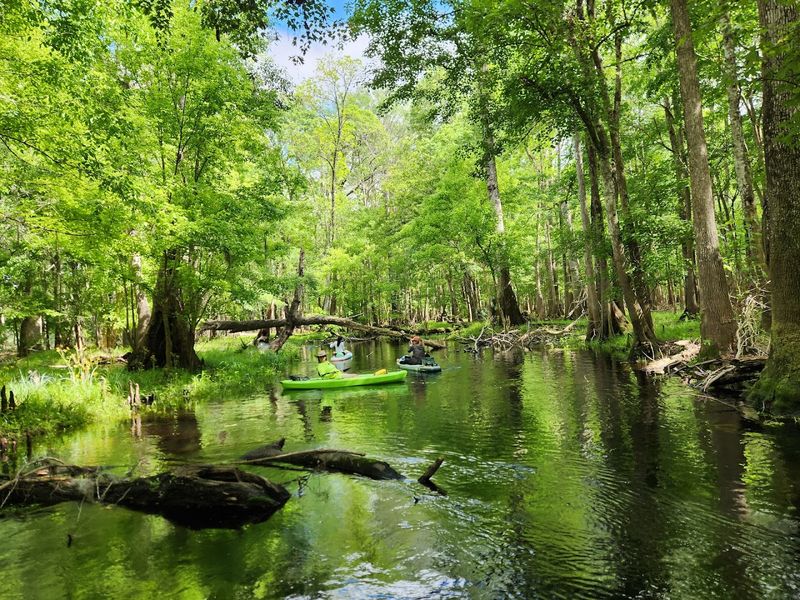
The Santa Fe River winds through North Florida for over 75 miles, offering numerous access points and float options. The section near High Springs is particularly popular because several major springs feed into this stretch.
You’ll notice the water clarity change dramatically as you pass spring outlets that pump crystal-clear water into the darker river.
Most paddlers choose the route from Highway 27 to Highway 47, which covers about twelve miles. This journey takes five to seven hours depending on your pace and how often you stop.
The river moves slowly enough that you can relax and enjoy the scenery without worrying about rapids or obstacles.
Sandbars dot the river at regular intervals, creating perfect spots for lunch breaks or swimming. During lower water levels, these bars expand into beach-like areas where you can stretch your legs.
The white sand contrasts beautifully with the tea-colored water that’s stained by tannins from cypress trees.
Wildlife sightings happen frequently along this stretch. Turtles pile onto logs, herons stalk the shallows, and alligators occasionally sun themselves on the banks.
The gators typically want nothing to do with you, but it’s smart to keep a respectful distance and never approach them.
Several outfitters in High Springs offer rentals and shuttles for Santa Fe River trips. They can customize your float length based on how much time you have.
Some even offer multi-day trips with camping on sandbars for people who want an extended river adventure.
9. Juniper Run – Silver Springs
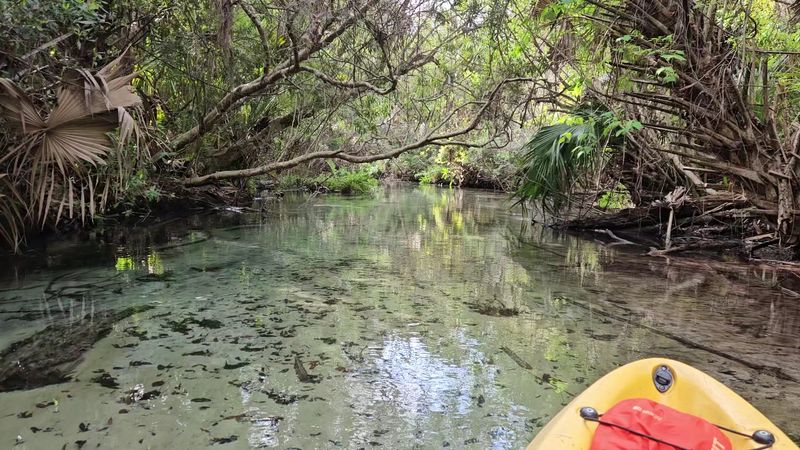
Juniper Run cuts through the Ocala National Forest like a liquid emerald ribbon. This narrow creek stays incredibly clear thanks to constant spring input, and the tight passages create an intimate paddling experience.
You’ll feel like you’re exploring a secret waterway that few people know about, even though it’s actually quite popular.
The seven-mile paddle from the Juniper Springs Recreation Area to the take-out point takes three to four hours. The creek twists and turns constantly, requiring you to navigate around fallen trees and under low-hanging branches.
This isn’t a lazy float where you can zone out—you need to pay attention and steer actively.
Juniper Springs itself is worth exploring before or after your paddle. The spring pool stays packed during summer, but the crystal water and historic stone structures built by the Civilian Conservation Corps in the 1930s make it special.
A nature trail loops around the spring area if you want to stretch your legs on solid ground.
Canoe rentals are available at the recreation area, and they include shuttle service back from the downstream take-out. The narrow creek works better with canoes or kayaks than tubes because you need maneuverability.
Trying to tube this run would result in constant bumping into banks and trees.
The Ocala National Forest setting means you’re surrounded by genuine wilderness. Black bears live in these woods, though you’re unlikely to see one from the water.
The forest canopy creates heavy shade along most of the run, making this a good choice even on hot days.
10. Peace River – Arcadia
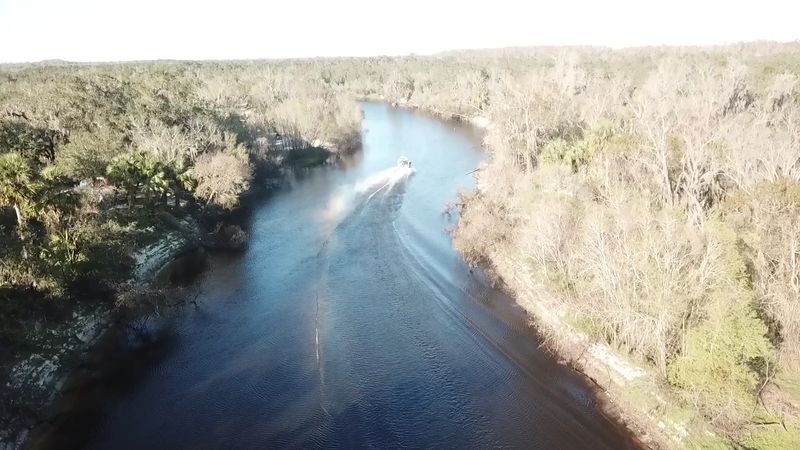
Peace River flows through Central Florida’s ranch country, creating a completely different vibe from the crystal springs up north. The water runs dark with tannins, and the banks reveal layers of ancient limestone where fossilized shark teeth wash out regularly.
Fossil hunting adds an extra dimension to your float that keeps kids engaged for hours.
The most popular section runs from Canoe Outpost to Brownville Park, covering about four miles in two to three hours. This stretch offers easy paddling with minimal obstacles and plenty of shallow areas where you can pull over to search for fossils.
Many paddlers bring small shovels and screens to sift through the sandy bottom.
Finding a megalodon tooth is rare but possible, and even small shark teeth from more common species make cool souvenirs. The fossils date back millions of years to when this area sat underwater.
You’re essentially paddling through ancient ocean floor that got lifted above sea level.
The river passes through working cattle ranches, so you might see cows grazing near the banks. The rural setting feels remote even though you’re not far from civilization.
Osprey nests top dead trees along the water, and the birds circle overhead looking for fish.
Canoe Outpost Peace River rents kayaks and canoes with shuttle service included. They also sell fossil screening kits and can show you the best techniques for finding teeth.
The river level fluctuates based on rainfall, so check conditions before planning your trip during dry periods.
11. Blackwater River State Park – Holt
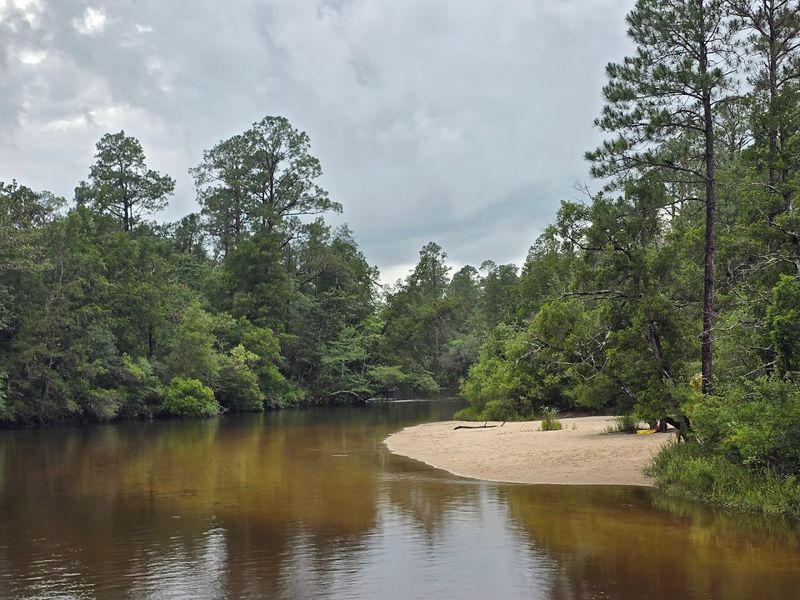
Blackwater River earned its name honestly—the water runs so dark with tannins that it looks like strong tea. But don’t let the color fool you; the river is clean and safe, just stained by the organic matter from surrounding forests.
The contrast between the dark water and brilliant white sandbars creates stunning scenery that’s unique to Northwest Florida.
The river offers multiple float options ranging from a few hours to full-day adventures. The section from Hurricane Lake to Cotton Bridge covers about six miles and takes three to four hours.
Longer routes stretch up to fifteen miles for experienced paddlers who want a serious workout.
Those white sandbars make perfect rest stops where you can swim, have lunch, or just relax in the sun. The sand is so fine and bright that it almost glows against the dark water.
During lower water levels, the bars expand significantly and become popular camping spots for overnight trips.
The surrounding Blackwater River State Forest creates a true wilderness experience. Longleaf pine forests tower over the river corridor, and the area feels genuinely remote.
You might spend hours without seeing another person, especially if you paddle on weekdays or during cooler months.
Blackwater Canoe Rental operates near the park and provides everything you need including boats, paddles, life jackets, and shuttles. They can recommend routes based on your skill level and how much time you have.
The river stays navigable year-round, though summer brings the warmest water temperatures and heaviest crowds.
12. Coldwater Recreation Area – Milton
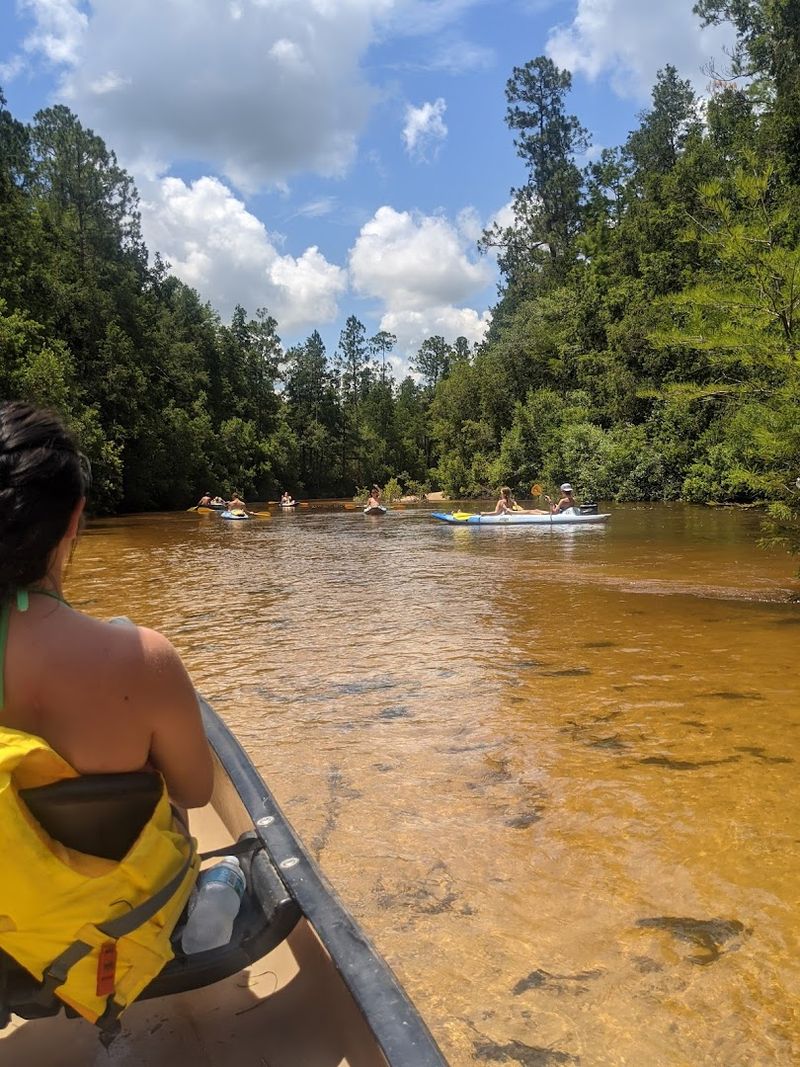
Coldwater Creek lives up to its name with spring-fed water that stays refreshingly cool even during summer heat waves. The creek runs remarkably clear for a Panhandle waterway, and the white sandy bottom reflects light back up through the water.
This combination creates a bright, cheerful atmosphere that feels different from the darker rivers nearby.
The float from Coldwater Recreation Area down to Tomahawk Landing covers about three miles and takes around two hours. The gentle current does most of the work, leaving you free to relax and enjoy the scenery.
The creek width varies from narrow passages to wider pools where you can swim or just drift in circles.
Sandbars appear frequently along this stretch, offering spots to stop and explore. The sand is incredibly fine and soft, perfect for building sandcastles with kids or just lounging in shallow water.
Some of the deeper pools reach fifteen feet and provide excellent swimming holes.
The creek passes through the Blackwater River State Forest, so you’re surrounded by undeveloped wilderness. Tall pines and hardwoods create a canopy that provides shade along much of the route.
Wildlife is abundant, with turtles, fish, and various birds making regular appearances.
Adventures Unlimited operates the primary outfitter service for Coldwater Creek. They rent tubes, kayaks, and canoes with shuttle service back to the recreation area.
The company also runs a resort property with cabins and camping if you want to extend your visit beyond a day trip.
13. Wekiwa Springs State Park – Apopka
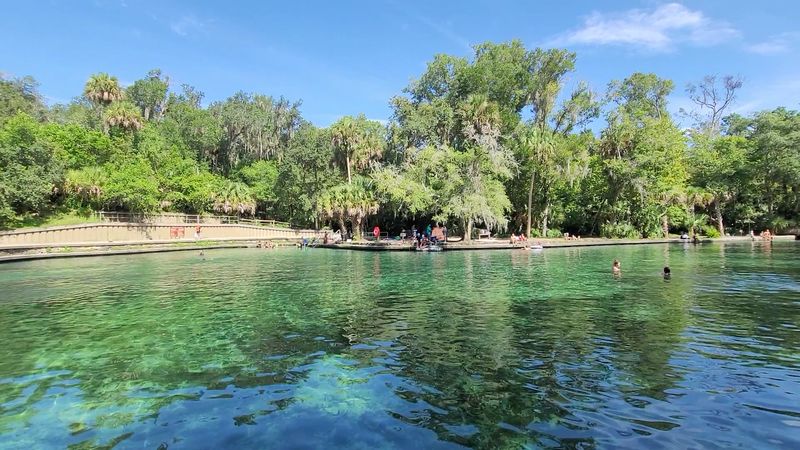
Wekiwa Springs pumps out 42 million gallons of crystal-clear water daily, creating a spring pool that’s become a Central Florida institution. The spring basin stays crowded during summer weekends, but the float down Wekiwa Springs Run to the Wekiva River offers more solitude.
This journey takes you from spring-fed clarity into a wilder river environment.
The paddle from the spring to Katie’s Landing covers about five miles and takes three to four hours. You’ll start in the narrow spring run where the water stays clear and cold, then gradually transition into the wider Wekiva River.
The river water is darker but still beautiful, and the scenery becomes more dramatic as you go.
Alligators are common along this route, especially in the river section. They’re generally harmless if you leave them alone, but their presence adds an element of wild Florida that some people love and others find nerve-wracking.
The park requires all paddlers to wear life jackets, which is a smart rule given the gator population.
Wekiwa Springs State Park offers thirteen miles of hiking trails if you want to explore on foot before or after your paddle. The trails wind through different ecosystems including pine flatwoods, sand pine scrub, and hardwood swamps.
Camping is available year-round for people who want to make a weekend of their visit.
The park rents canoes during operating hours, and several private outfitters nearby offer kayak rentals with shuttle service. Arriving early is crucial during peak season because parking fills up quickly and the park sometimes closes to new visitors when capacity is reached.
14. Crystal River Preserve State Park – Crystal River
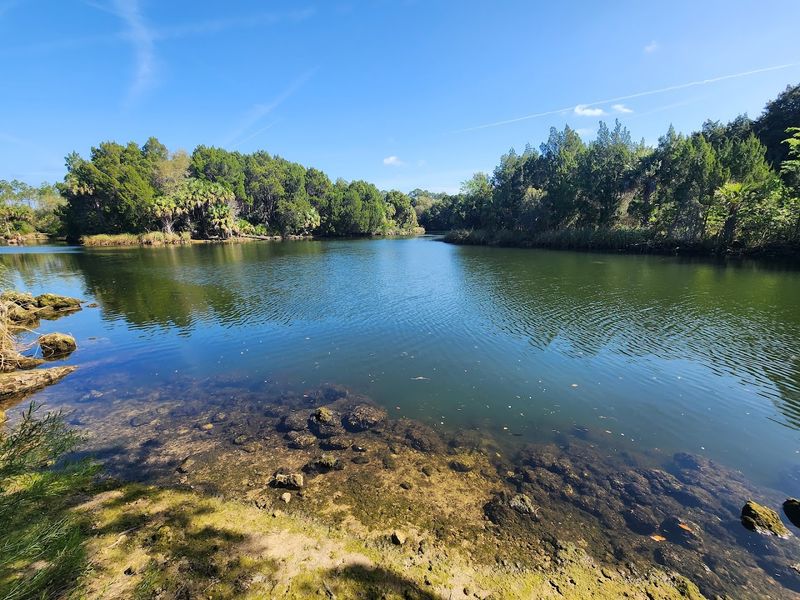
Crystal River is famous worldwide as the only place in North America where you can legally swim with manatees. While the preserve itself focuses more on conservation and habitat protection, the surrounding waterways offer incredible paddling opportunities.
The river system connects dozens of springs to the Gulf of Mexico, creating a unique brackish environment.
Paddling through Crystal River requires more navigation skills than typical spring floats. The waterway branches into multiple channels, and without a good map or GPS, it’s easy to get turned around.
Many paddlers hire guides for their first visit to learn the area before exploring on their own.
Manatee encounters happen regularly, especially during winter months when the gentle giants seek out warm spring water. Federal law requires you to maintain distance and avoid touching or chasing the animals.
Just watching them glide past your kayak creates an amazing experience that justifies the trip alone.
The preserve protects over 27,000 acres of coastal habitat including salt marshes, hardwood swamps, and pine flatwoods. Hiking trails wind through various ecosystems, and an observation tower provides views over the coastal landscape.
The combination of paddling and hiking makes this a great spot for active nature lovers.
Numerous outfitters in Crystal River town rent kayaks and offer guided tours. Some specialize in manatee encounters while others focus on birding or fishing.
The area gets busy during manatee season from November through March, so booking ahead is smart if you’re visiting during peak times.