8 Things To Know Before Visiting Florida In July
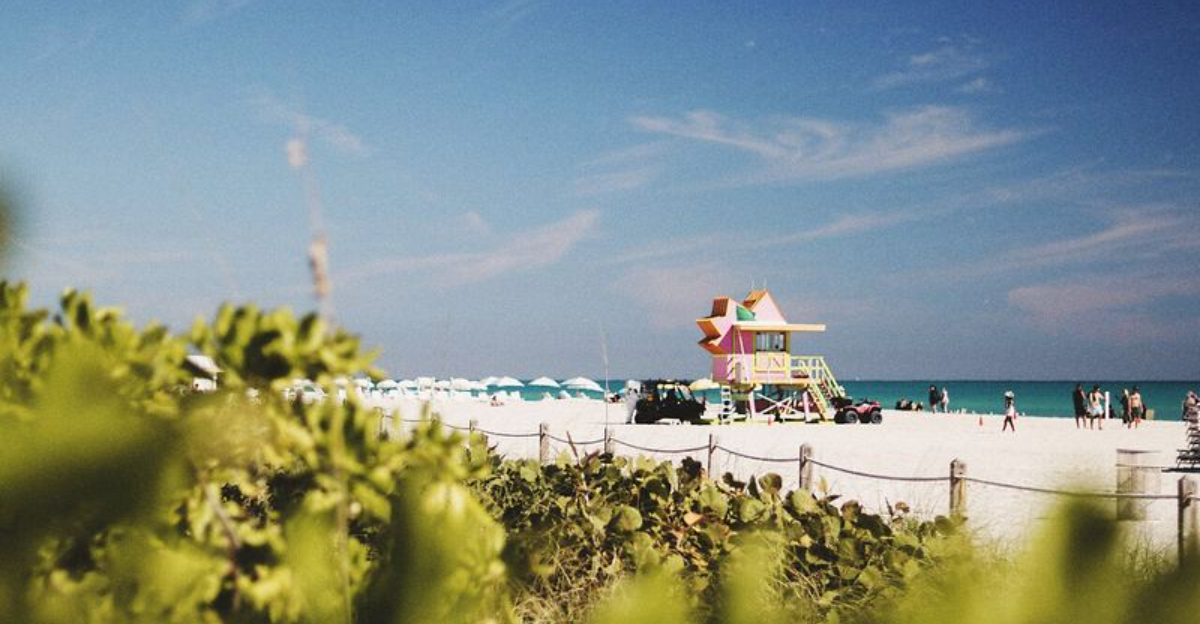
July in Florida is hot, humid, and full of surprises. If you’re planning a trip during this peak summer month, knowing what to expect can make all the difference between a magical vacation and a sweaty struggle. From sudden afternoon storms to sea turtle nesting season, Florida has its own rhythm in the middle of summer, and a little preparation goes a long way.
1. The Heat Is No Joke, So Plan Around It
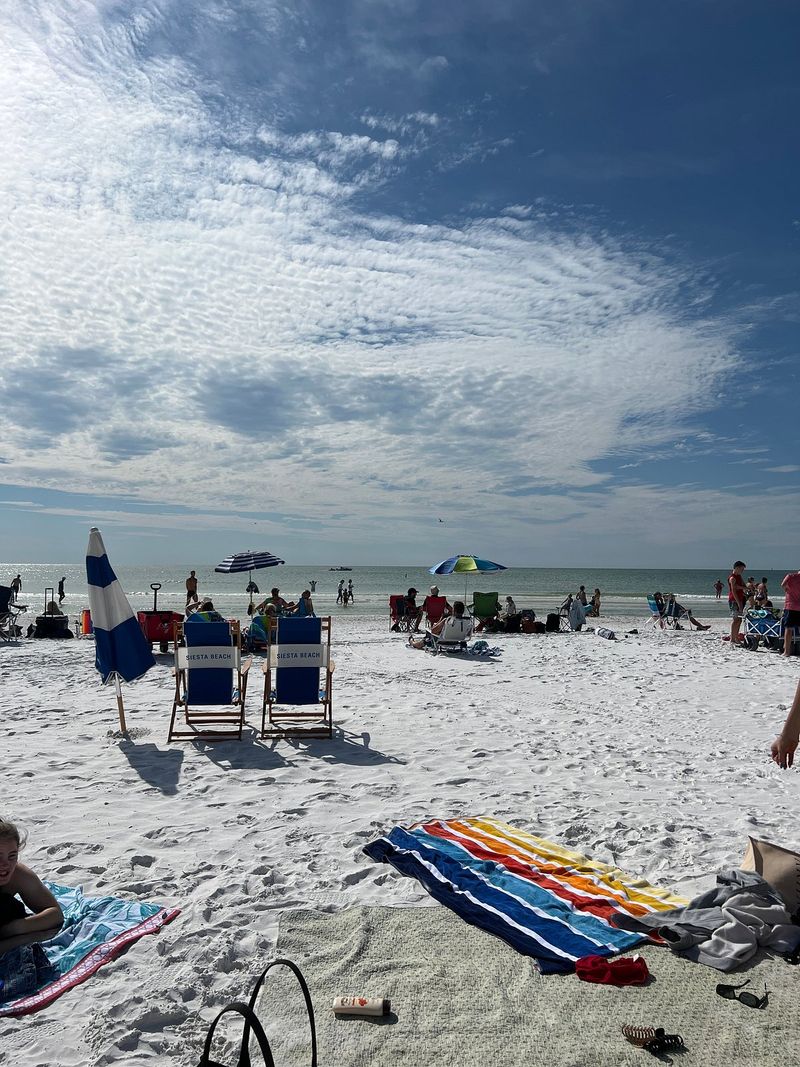
July temperatures in Florida regularly climb into the low to mid-90s, but the humidity makes it feel even hotter. The heat index can easily push past 100 degrees, especially between noon and 4 p.m. If you’re not used to this kind of sticky, swampy air, it can hit you hard.
Most locals structure their day around the heat. Outdoor activities happen early in the morning or later in the evening when the sun isn’t as brutal. Indoor attractions, air-conditioned museums, and shopping malls become surprisingly popular midday escapes.
Hydration is critical. Carry a refillable water bottle everywhere and drink constantly, even if you don’t feel thirsty. Sunscreen should be reapplied every couple of hours, and wearing light-colored, breathable clothing helps a lot.
Don’t underestimate how draining the heat can be, especially if you’re walking around theme parks or exploring cities on foot. Take breaks in the shade, cool off in pools or air-conditioned spaces, and listen to your body. Heat exhaustion sneaks up fast, and once you’re overheated, it’s tough to recover without rest and water.
Planning your itinerary with the heat in mind isn’t being wimpy—it’s being smart. You’ll enjoy your trip way more if you’re not wilting by lunchtime.
2. Afternoon Storms Can Roll In Fast
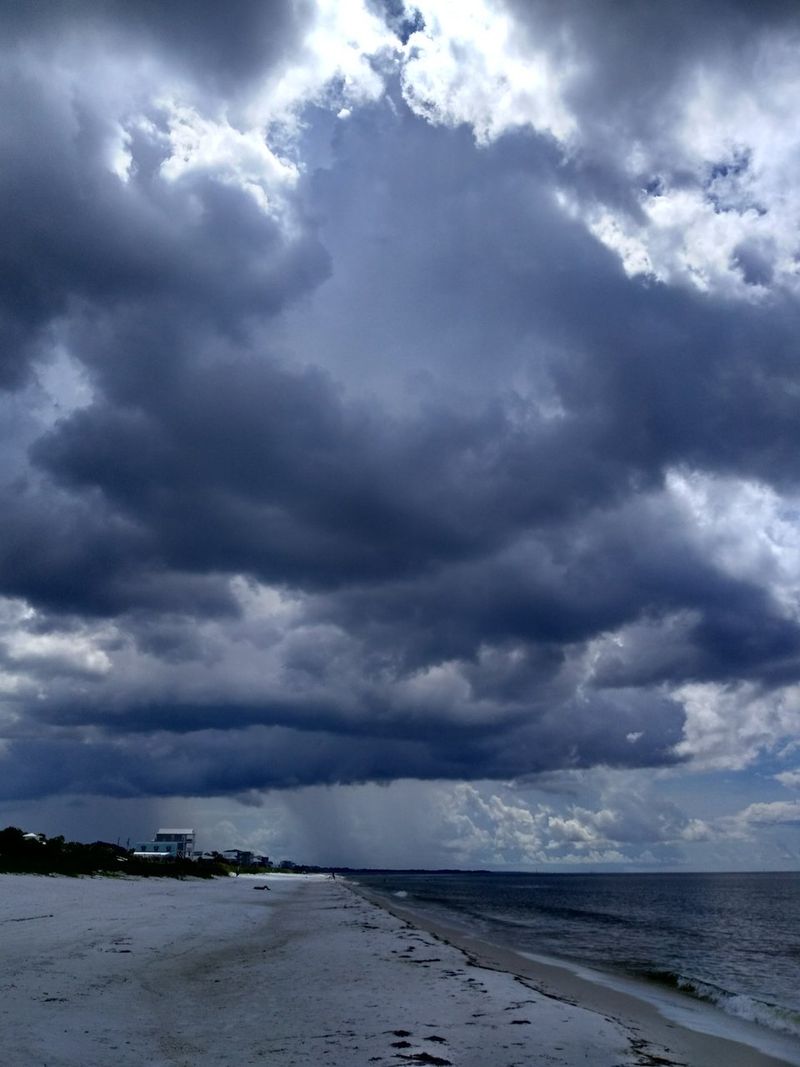
Florida’s summer storm pattern is like clockwork. Clear skies in the morning give way to towering thunderheads by early afternoon, and suddenly the sky opens up. These storms are intense but usually short-lived, dumping heavy rain, crackling with lightning, and sometimes bringing gusty winds.
The storms typically roll through between 2 p.m. and 5 p.m., though timing can vary. They’re not all-day events—most last 30 minutes to an hour—but they can be powerful enough to shut down outdoor activities and send everyone running for cover.
Always check the radar in the morning and keep an eye on the sky as the day progresses. If you see dark clouds building, it’s time to wrap up beach time or head indoors. Lightning is no joke in Florida; the state leads the nation in lightning strikes.
Pack a lightweight rain jacket or poncho in your bag, especially if you’re at a theme park or spending the day outside. Many attractions will pause outdoor rides during storms, but they usually resume quickly once the weather clears.
The good news? After the storm passes, temperatures often drop a few degrees, and everything smells fresh and clean. Just wait it out, stay safe indoors, and you’ll be back to your plans before you know it.
3. Theme Parks Are Busy, Hot, And Best Done Early

July is peak theme park season, and that means big crowds, long lines, and scorching heat bouncing off the pavement. If you’re hitting Disney, Universal, or any of the other major parks, expect wall-to-wall people and wait times that can stretch over an hour for popular rides.
Getting there at rope drop—when the park opens—is your best strategy. The first two to three hours of the day are cooler, less crowded, and you can knock out several major attractions before the heat and the masses arrive. By midday, the parks are packed and the sun is relentless.
Many seasoned parkgoers take a midday break. Head back to your hotel for a swim, a nap, or just some air conditioning, then return in the late afternoon or evening when things cool down a bit. Parks often stay open late in July, so you’re not missing out.
Wear comfortable shoes, bring refillable water bottles, and take advantage of any shaded areas or indoor attractions during the hottest part of the day. Some parks have splash zones or misting stations—use them.
If you can swing it, consider visiting on a weekday rather than a weekend. Crowds are slightly lighter, and every little bit helps when you’re navigating a sea of strollers and selfie sticks in 95-degree heat.
4. Beach Days Are Better In The Morning
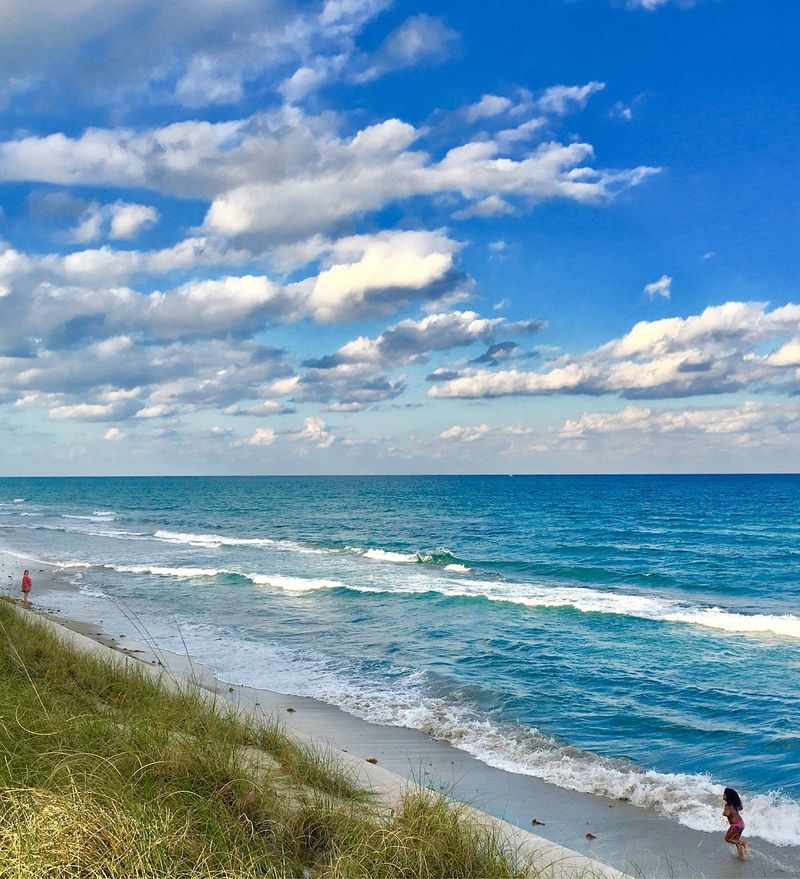
Hitting the beach early is one of the best moves you can make in July. The sand isn’t scorching yet, the water is calm and clear, and you’ll have a much easier time finding a good spot to set up your towels and umbrella.
By mid-morning, the beach starts filling up, and by early afternoon, the sand can be hot enough to burn your feet. The sun is also at its strongest between 10 a.m. and 4 p.m., which means higher UV exposure and a greater chance of sunburn.
Morning beach trips also help you avoid the daily afternoon storms. You can get a solid few hours of swimming, sandcastle building, and relaxing before the weather turns. Plus, the ocean breeze is usually gentler in the morning, making it more comfortable overall.
If you’re shelling or looking for sea glass, early morning is prime time. The tide often brings in new treasures overnight, and you’ll beat the crowds to the best finds. Bring a mesh bag and start your search right at the waterline.
Don’t forget your sunscreen, even in the morning. Florida sun is strong year-round, and it doesn’t take long to get fried. Reapply often, seek shade when you need it, and enjoy the beach at its best—before the heat and the crowds take over.
5. Hurricane Season Is Underway, So Watch The Forecast
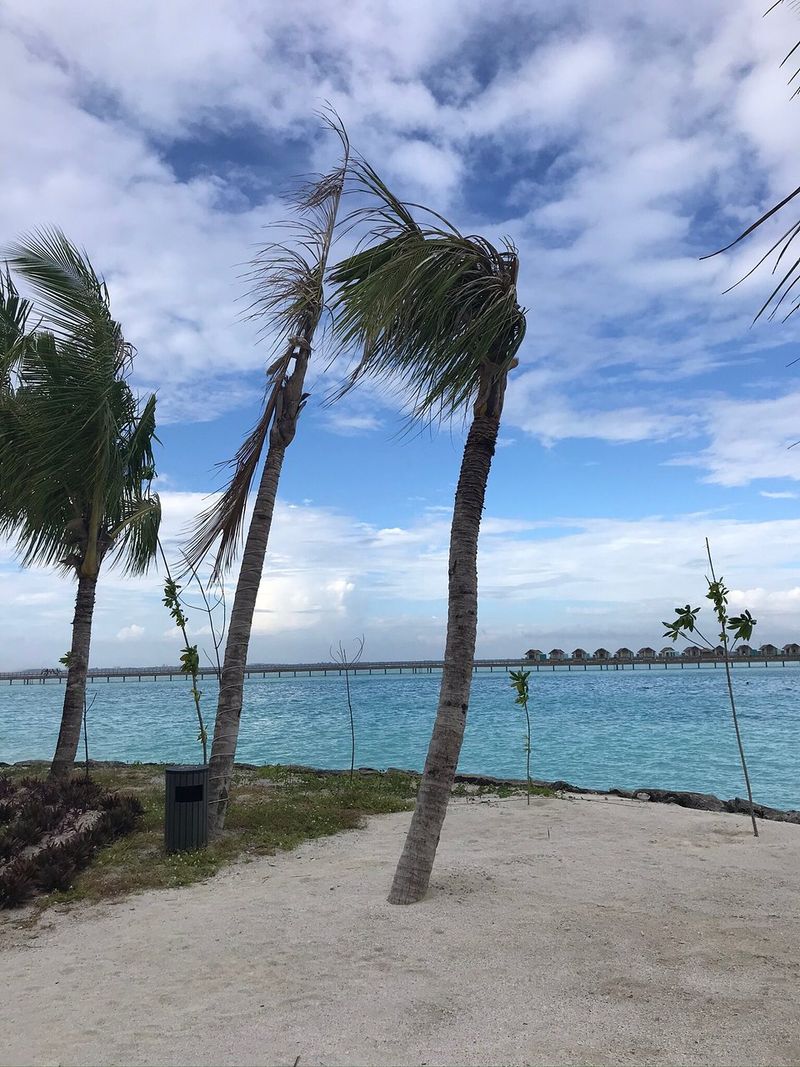
Hurricane season runs from June through November, and July sits right in the heart of it. While July isn’t typically the most active month for hurricanes, tropical storms and depressions can still form, and conditions can change quickly.
Before you travel, check the National Hurricane Center’s website and keep an eye on any systems developing in the Atlantic or Gulf of Mexico. Most storms are tracked well in advance, so you’ll usually have several days’ notice if something is headed Florida’s way.
Download a reliable weather app and turn on alerts for your destination. Local news stations in Florida are excellent at covering storm developments, and they’ll give you detailed updates if a system is approaching. Don’t panic at the first mention of a storm—many fizzle out or change course—but do stay informed.
If a hurricane or tropical storm is forecast to hit during your trip, airlines and hotels often offer flexible rebooking options. Contact them early to discuss your options. It’s better to reschedule than to ride out a storm in an unfamiliar place.
Even if no major storms are brewing, be prepared for heavy rain and gusty conditions that can pop up during active tropical weather patterns. Pack accordingly, keep important documents in waterproof bags, and always have a backup indoor plan for your vacation days.
6. Sea Turtle Nesting Season Means Beaches Need Extra Care
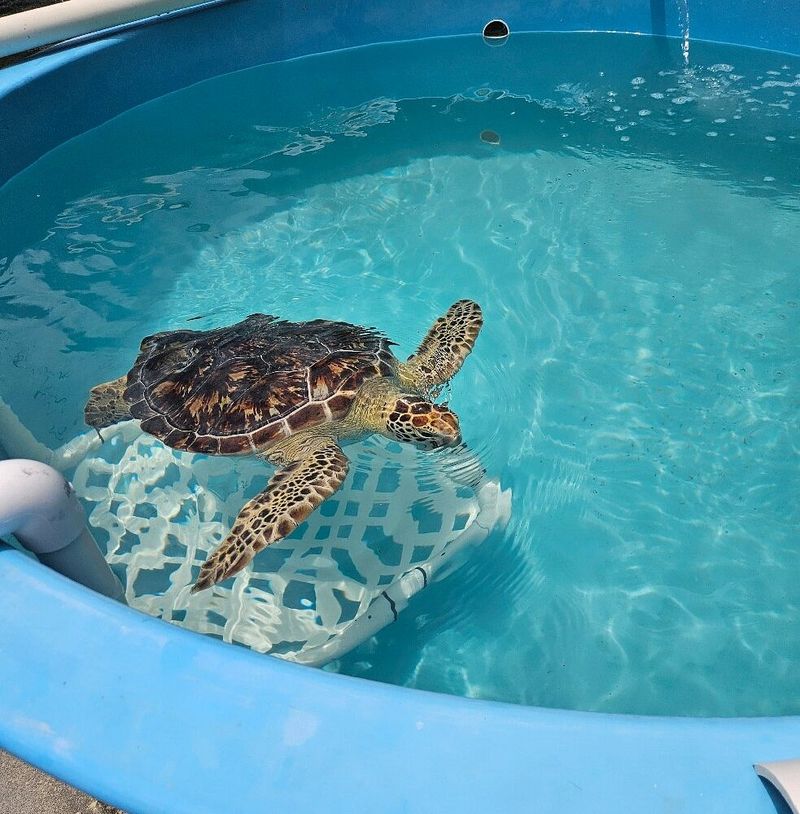
July is peak nesting season for sea turtles along Florida’s coastline. Loggerheads, green turtles, and leatherbacks come ashore at night to lay their eggs in the sand, and those nests need protection until the hatchlings emerge weeks later.
If you’re walking the beach at dawn, you might see fresh turtle tracks leading from the water to a nest site. These tracks look like wide tractor treads in the sand. Nests are often marked with stakes and tape by local conservation groups, so give them plenty of space and never disturb them.
At night, keep beach lighting to a minimum. Artificial lights confuse hatchlings, which instinctively head toward the brightest horizon—normally the moon reflecting on the ocean. If they’re drawn toward buildings or streetlights instead, they can become disoriented and not make it to the water.
Fill in any holes you dig in the sand before you leave the beach. Deep holes can trap hatchlings trying to reach the sea. Also, take all your trash and beach gear with you.
Leftover items can obstruct nesting turtles or become hazards for babies heading to the waves.
Some beaches offer guided turtle walks led by trained volunteers, where you can safely observe nesting or hatching events. It’s an unforgettable experience and a great way to learn about these ancient mariners while respecting their space.
7. July Is A Great Time For Springs, Water Parks, And Cool-Down Trips
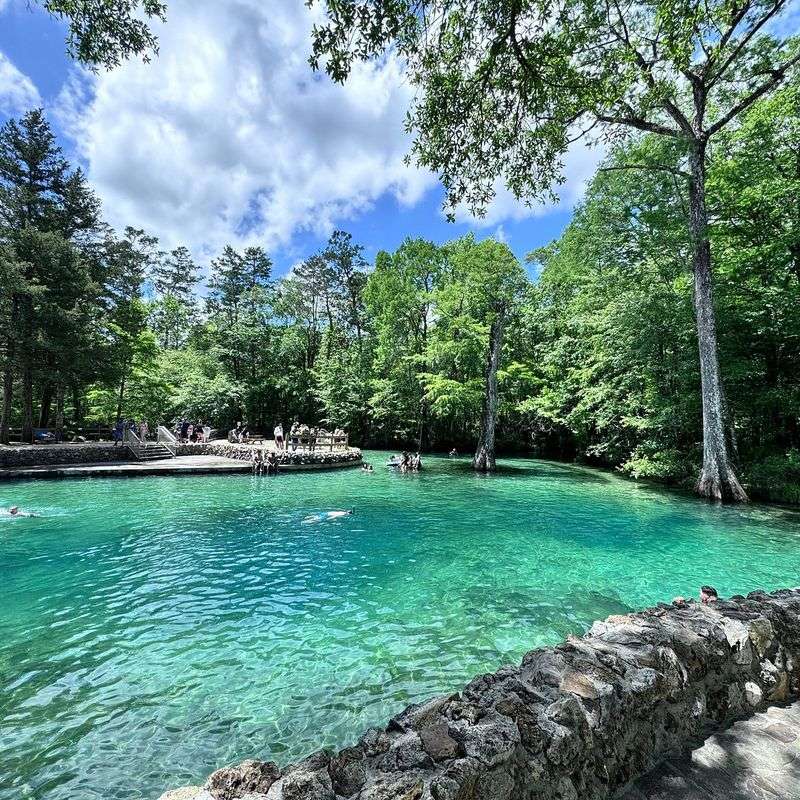
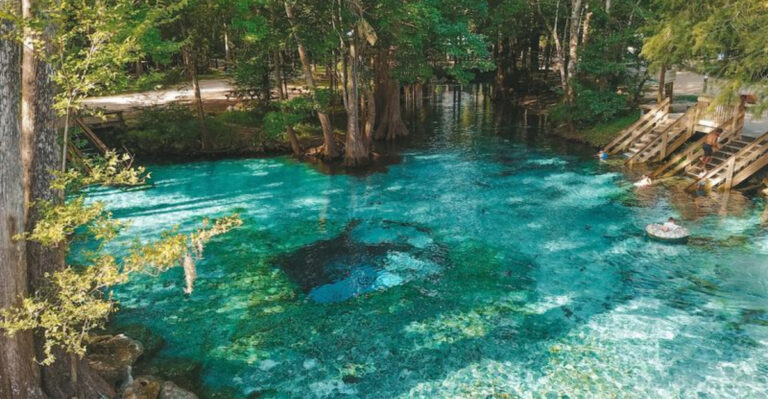
When the heat becomes too much, Florida’s natural springs offer a refreshing escape. Spring water stays a constant 68 to 72 degrees year-round, which feels downright chilly when you first jump in but incredibly refreshing once you adjust. Popular spots like Ginnie Springs, Ichetucknee Springs, and Rainbow Springs are busy in July, but the cool water and shaded areas make it worth the crowds.
Water parks also see heavy traffic in July, but they’re designed for exactly this kind of weather. Lazy rivers, wave pools, and towering slides provide hours of entertainment and relief from the heat. Arrive early to snag a good spot and avoid the longest lines.
Tubing down spring-fed rivers is another classic Florida summer activity. You can rent tubes on-site at most springs, then float lazily downstream through shaded canopies and crystal-clear water. It’s relaxing, scenic, and a great way to cool off without much effort.
If you’re near the coast, consider a boat tour or kayaking trip. Being on the water brings a breeze and a break from the relentless sun. Mangrove tunnels and coastal estuaries offer shade and a chance to see wildlife like manatees, dolphins, and wading birds.
Indoor options like aquariums, science museums, and historic sites also provide air-conditioned relief. Don’t feel guilty about ducking inside when the heat peaks—it’s part of the Florida summer survival strategy.
8. Some Gulf Coast Spots Are In Scalloping Season
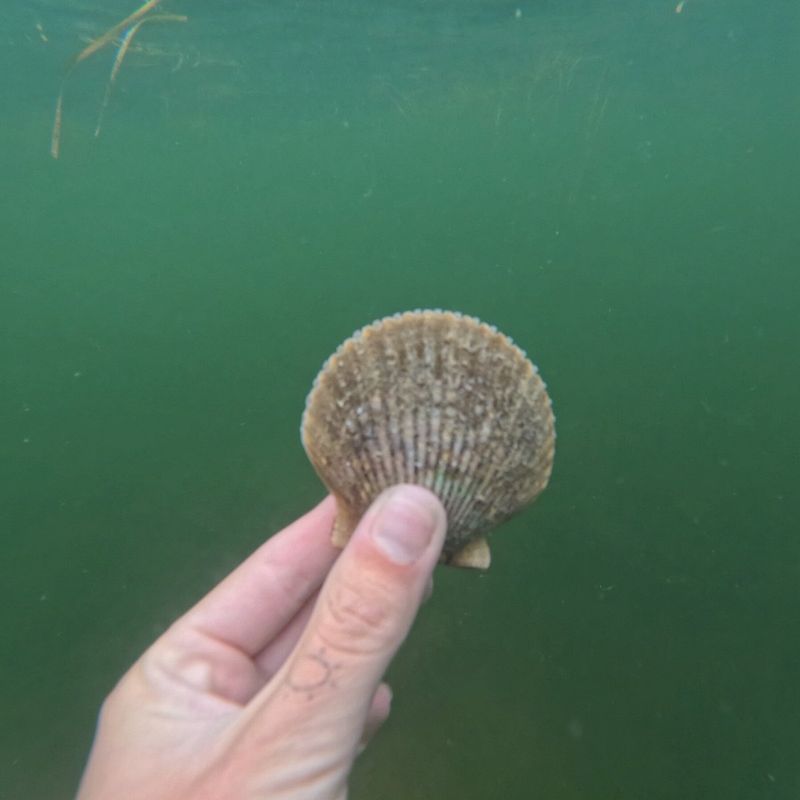
Scalloping season runs from late June through September along Florida’s Gulf Coast, and July is prime time. This unique activity lets you wade or snorkel in shallow, clear water and pluck bay scallops right off the sandy bottom. It’s part treasure hunt, part seafood harvest, and totally fun for all ages.
Popular scalloping areas include Homosassa, Crystal River, Steinhatchee, and Port St. Joe. The water is typically only a few feet deep, making it accessible even for kids and beginner snorkelers. You’ll need a Florida fishing license and a mesh bag to collect your catch, and there are daily limits to follow.
Scallops have dozens of tiny blue eyes around the rim of their shells, and they’ll try to swim away when you approach by clapping their shells together. It’s surprisingly entertaining to chase them down. Once you’ve gathered your limit, you can shuck them on the boat or back on shore and enjoy some of the freshest seafood you’ll ever taste.
Many charter companies offer guided scalloping trips that include all the gear, instruction, and boat transport to the best spots. If you have your own boat, you can explore on your own, but be mindful of marked scalloping zones and regulations.
Even if you’re not into harvesting, snorkeling in these clear Gulf waters is a treat. You’ll see fish, seagrass beds, and maybe even a manatee or two. It’s a quintessential Florida summer experience you won’t find many other places.