You’ll Find Over 100 Rescued Big Cats, Lemurs, Hyenas, and More on This Florida Farm
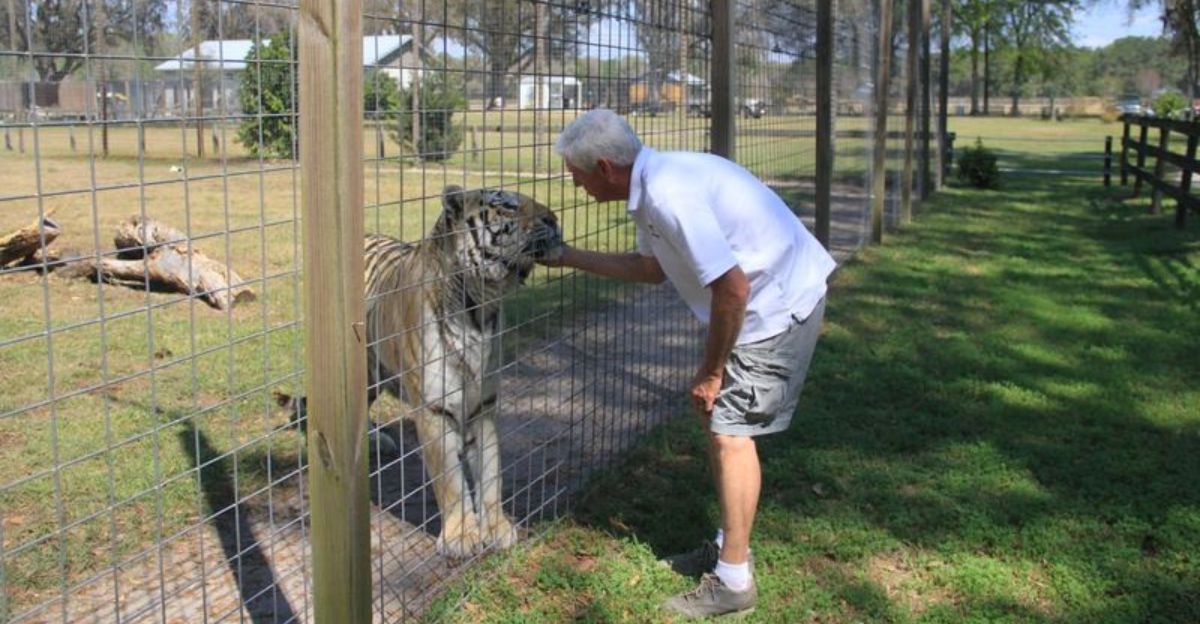
Hidden along a quiet country road in Gainesville, Carson Springs Wildlife Foundation is home to more than 100 rescued exotic animals living their best lives on 70 acres of natural habitat. Owners Barry and Christine have spent over two decades building a sanctuary where big cats, lemurs, hyenas, and other endangered species get a second chance at life. This nonprofit conservation center offers Saturday tours that let you get closer to lions, tigers, and giraffes than you ever thought possible, all while supporting a mission that’s truly making a difference for animals in need.
1. Tour Guides Who Actually Know Their Stuff
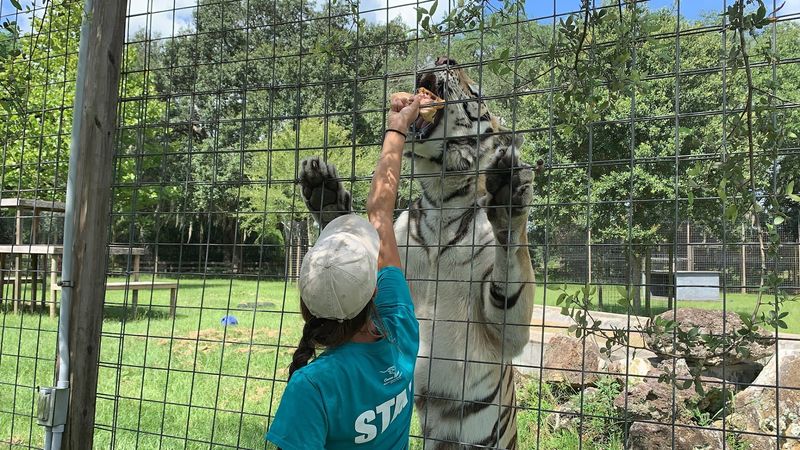
Meet Mia, the walking encyclopedia who leads most tours at Carson Springs. Visitors rave about her ability to answer literally any question thrown her way, from dietary habits to breeding programs to individual animal personalities. She’s not reading from a script or making things up as she goes along.
Barry, one of the owners, joins almost every tour too. He’s constantly feeding the big cats at different spots around the property so everyone gets a front-row view of these magnificent creatures. You’ll watch him interact with animals he’s raised from cubs, and the bond is pretty incredible to witness.
The staff here isn’t just going through the motions for a paycheck. They genuinely care about conservation and education, which makes the whole experience feel authentic rather than commercialized. Christine and Barry introduce themselves to guests personally, making sure everyone feels welcome from the moment they arrive.
Groups of all sizes get the same level of attention and expertise. Whether you’re bringing 100 second-graders or just your family of four, the guides adapt their presentations to keep everyone engaged and learning something new about these amazing animals.
2. Big Cats Up Close and Personal
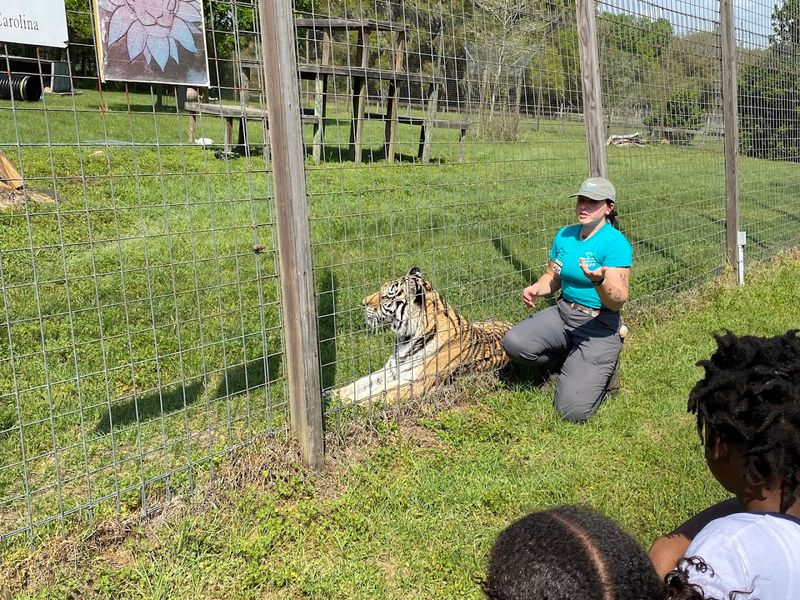
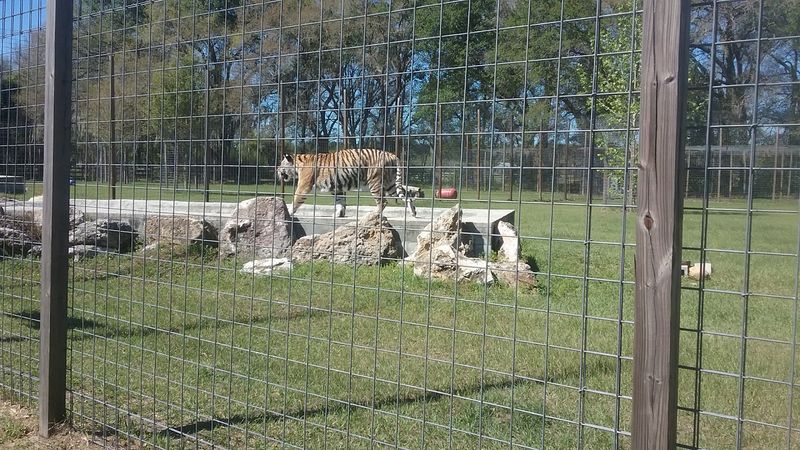
Ever heard a tiger crunch bones while standing just six feet away? That’s the kind of wild moment that happens regularly at Carson Springs. The enclosures are designed to give visitors incredible views without compromising safety or the animals’ comfort.
You’re not squinting through dirty glass from 50 feet away like at traditional zoos.
The sanctuary houses lions, tigers, panthers, cougars, leopards, cheetahs, and even a black jaguar and white tiger. Each cat has a backstory, usually involving rescue from bad situations like roadside zoos, private owners who couldn’t care for them, or illegal breeding operations. Now they’re living in spacious, natural habitats with grass, trees, and room to actually behave like the wild animals they are.
During feeding time, you’ll see just how powerful these predators really are. Their jaws, their speed, their sheer size becomes crystal clear when they’re lunging for food right in front of you. Yet you’ll also notice their gentle sides when they nuzzle up to Barry or Christine, showing affection like oversized house cats.
The Saturday tours make sure you get quality time with multiple species rather than rushing past enclosures.
3. Desmond the Giraffe Steals Every Show
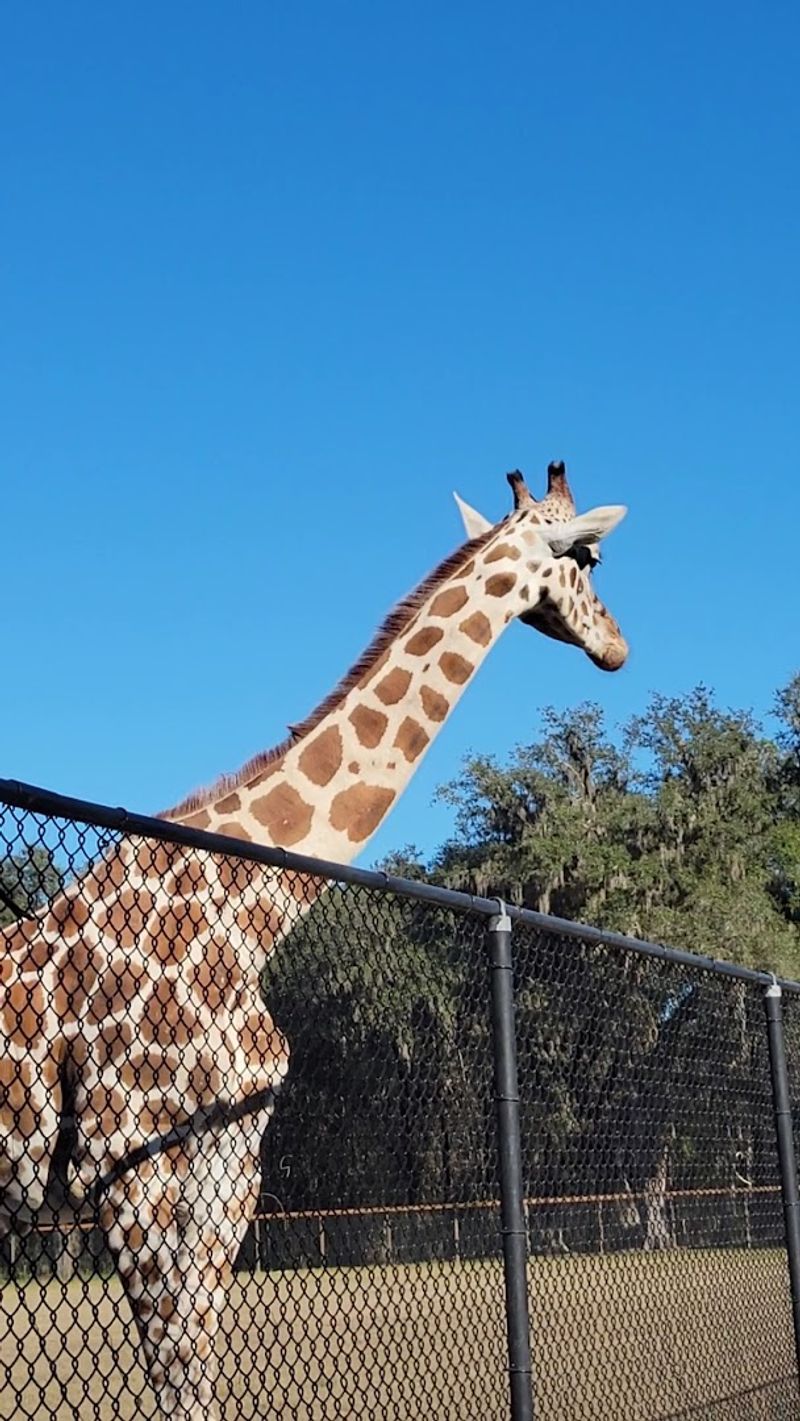
Standing tall at over 650 pounds, Desmond has become the unofficial mascot of Carson Springs. This gentle giant stretches his incredibly long neck up to the fence during tours, and visitors can’t resist taking dozens of photos. His spotted pattern and those impossibly long eyelashes make him ridiculously photogenic.
Giraffes aren’t native to Florida, obviously, but Desmond seems perfectly content in his spacious habitat. He’s part of the sanctuary’s endangered species breeding program, which means his presence here serves a bigger conservation purpose beyond just being adorable. Watching him move around his enclosure, you really get a sense of how graceful these massive animals can be.
Kids especially go nuts for Desmond. There’s something magical about seeing a creature that tall in person rather than in a picture or video. He’s become so popular that families specifically mention him in their reviews as a highlight of their visit.
The staff knows tons of giraffe facts and will explain everything from their unique cardiovascular systems to their social behaviors in the wild. Desmond gets plenty of enrichment activities and clearly enjoys interacting with his caretakers during feeding times.
4. Scarlett the Hyena and Her Unforgettable Purr
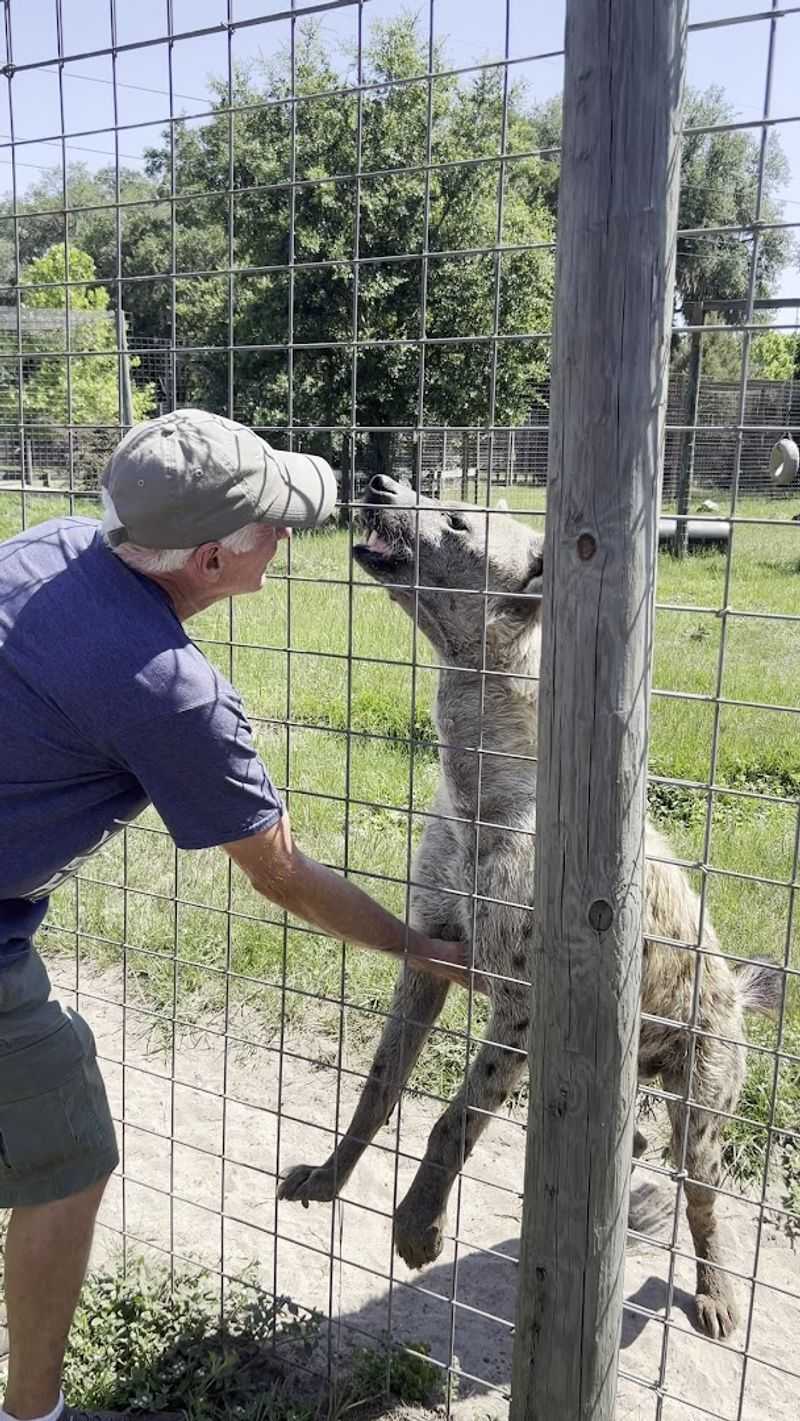
Hyenas get a bad reputation thanks to Disney movies and nature documentaries that only show them scavenging. Scarlett completely flips that script. Born at Carson Springs, she’s spent her whole life here and has formed deep bonds with her caretakers.
Her purr sounds nothing like what you’d expect from such a powerful predator.
When Scarlett cuddles up to the staff through the fence, visitors realize these animals are way more complex than pop culture suggests. She’s playful, affectionate, and clearly happy in her forever home. Watching her interact with Barry and Christine shows a side of hyenas most people never get to see.
The sanctuary uses Scarlett as an ambassador for her species, teaching visitors about the important ecological role hyenas play in African ecosystems. They’re actually incredible hunters, not just scavengers, and their jaw strength rivals that of big cats. Scarlett demonstrates this power during feeding time while still maintaining her sweet personality.
Families consistently mention her as a favorite in reviews. There’s something special about an animal that defies expectations and makes you rethink everything you thought you knew about a species.
5. Henry the Record-Breaking Rhino
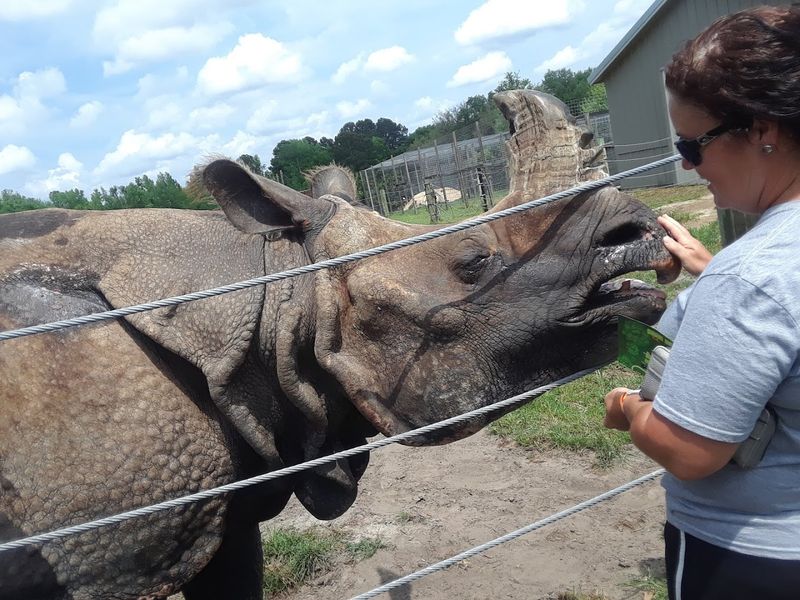
Henry holds a pretty impressive title: he’s the oldest male Indian rhino in the world. That’s not just sanctuary bragging rights, that’s legitimate conservation history walking around on four legs. His longevity speaks volumes about the quality of care he receives at Carson Springs.
The bond between Henry and Barry is something visitors talk about constantly in reviews. These two have a connection that’s hard to put into words until you see it in person. Barry knows exactly how Henry likes to be approached, what treats make him happiest, and how to keep this aging giant comfortable and engaged.
Indian rhinos are critically endangered in the wild, making Henry’s presence here even more significant. The sanctuary participates in breeding programs and conservation efforts that extend far beyond their Gainesville property. Every dollar from tours and donations helps support not just the animals on-site but global conservation initiatives.
Watching Henry move around his habitat, you’d never guess his age. He’s still active, curious, and clearly enjoying life. His story represents exactly what Carson Springs does best: giving rescued and endangered animals the chance to thrive rather than just survive.
6. Lemur Encounters Worth Every Penny
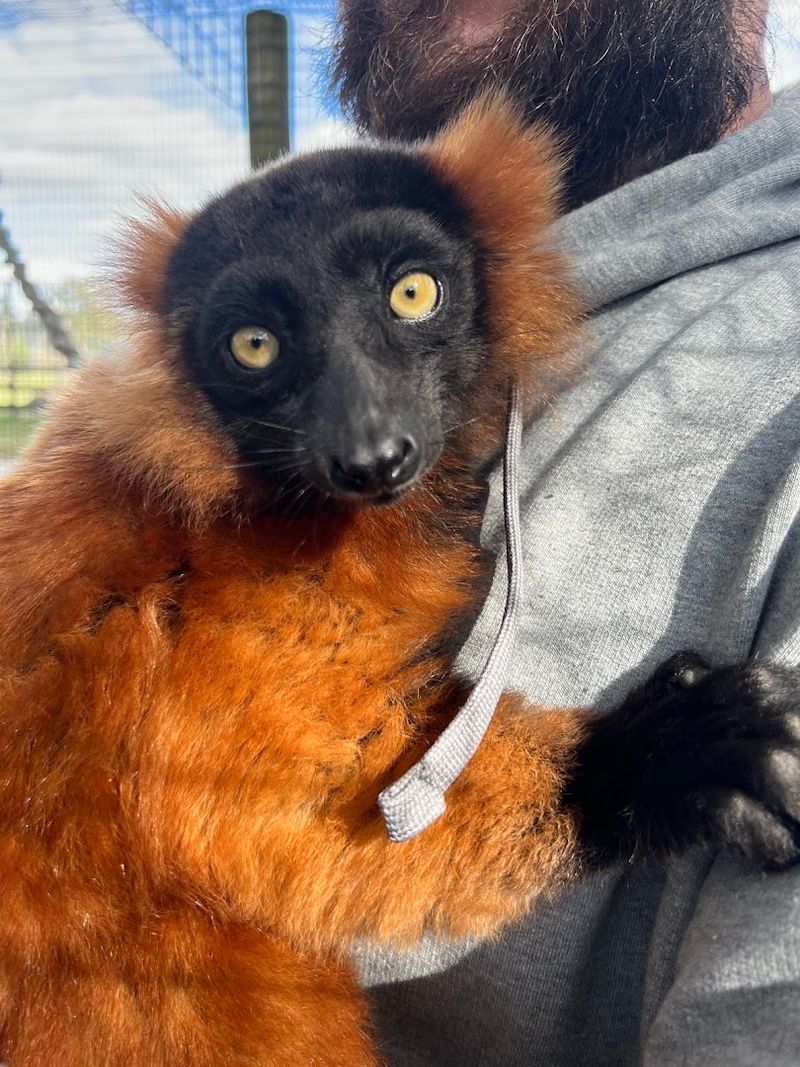
For an extra forty-five bucks, you can have a personal encounter with Coco and Sweet Cakes, the sanctuary’s resident lemurs. According to people who’ve done it, this upgrade is absolutely worth the splurge. These two primates are social, curious, and totally comfortable around humans who follow the staff’s instructions.
Lemurs are native to Madagascar and facing serious threats in the wild due to habitat loss. By hosting them here and educating visitors about their plight, Carson Springs contributes to awareness efforts that could help save the species. Plus, getting to interact with them creates a memorable connection that makes people care more about conservation.
The encounter happens in a controlled setting where the lemurs can choose to engage or retreat as they please. They’re not forced to perform or interact, which keeps the experience ethical and enjoyable for everyone involved. Staff members supervise closely to ensure both human and animal safety throughout.
Visitors describe the lemurs as playful and entertaining, with personalities that shine through during the encounter. It’s the kind of hands-on experience you simply can’t get at traditional zoos, making it a standout feature of any Carson Springs visit.
7. Golf Cart Tours for Maximum Comfort
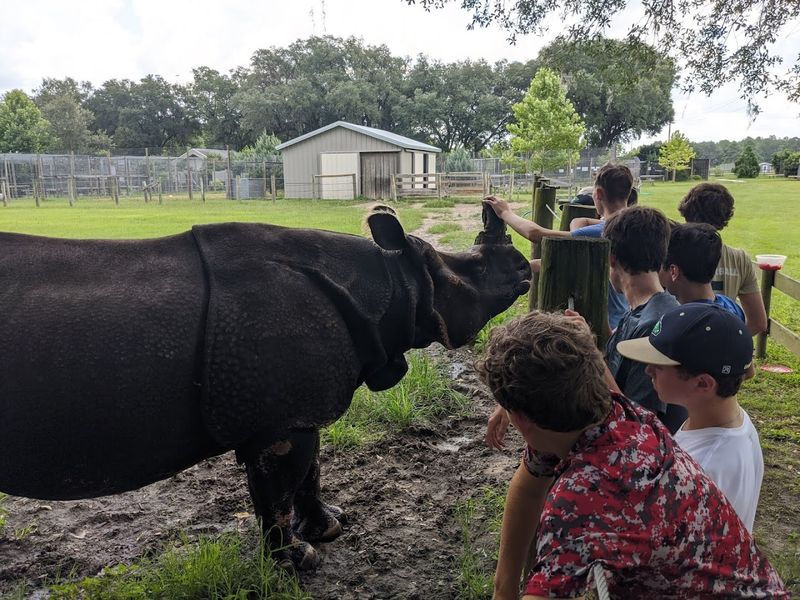
Not everyone can handle walking 70 acres in Florida heat and humidity. Carson Springs gets that, which is why they offer golf cart tours alongside their walking options. This accessibility feature makes the experience possible for elderly visitors, people with mobility issues, and families with young kids who tire out quickly.
An 80-year-old mom getting to ride comfortably while still seeing lions, tigers, and giraffes up close? That’s the kind of thoughtful accommodation that separates great sanctuaries from average ones. The staff makes sure everyone feels welcome regardless of physical ability, and they’ll work with you to arrange the best tour setup for your needs.
The carts follow the same routes as walking tours, so you’re not missing out on any animals or information. Your guide still provides the same educational commentary and feeding demonstrations happen right alongside your cart. Some visitors actually prefer the cart option because it lets them focus entirely on the animals without worrying about their feet hurting.
If you’re planning to visit with someone who might struggle with extended walking, email ahead. The staff responds quickly and will help coordinate everything to ensure your group has an amazing experience.
8. Saturday-Only Schedule Keeps Animals Happy
Carson Springs only opens for tours on Saturday mornings from 10 AM to noon. Before you complain about the limited hours, understand this schedule exists entirely for the animals’ benefit. Constant visitors would stress out residents who are often recovering from traumatic pasts or adjusting to sanctuary life.
This approach lets the big cats, hyenas, lemurs, and other species maintain routines without daily disruptions. They’re not performing for crowds seven days a week like zoo animals. Instead, they get six days of peace and quiet, then one morning of carefully managed human interaction that comes with enrichment activities like special treats during feeding demonstrations.
The limited schedule also means tour groups stay relatively small and manageable. You’re not fighting through massive crowds to see animals or straining to hear your guide over noise. Everyone gets quality time and attention, which significantly improves the educational value of each visit.
Yes, you’ll need to plan ahead and book in advance since slots fill up fast. But that minor inconvenience ensures the sanctuary can continue operating sustainably without burning out staff, volunteers, or animals. It’s a small price to pay for supporting ethical wildlife conservation.