12 Incredible Florida National Parks And Sites Worth Exploring This Year
Florida isn’t just about theme parks and beaches. The Sunshine State protects some of America’s most unique wild places, from underwater coral kingdoms to centuries-old Spanish forts. Whether you’re into snorkeling with sea turtles, exploring historic battlegrounds, or paddling through sawgrass prairies, Florida’s national parks and sites offer adventures you won’t find anywhere else on Earth.
1. Everglades National Park (Homestead, Miami & Naples)
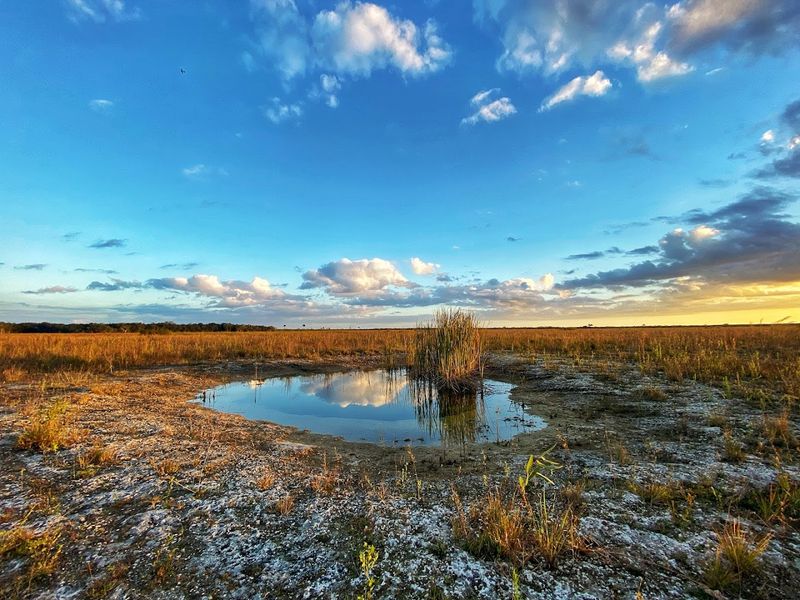
Picture a river that moves so slowly you can barely see it flow. That’s the Everglades, a shallow sheet of water sliding across South Florida like nature’s own lazy river. This isn’t your typical park with mountains and trails.
Instead, you get endless sawgrass marshes, mangrove tunnels, and more alligators than you can count from your airboat or kayak.
The park sprawls across 1.5 million acres, making it the third-largest national park in the lower 48 states. You can access it from three main entrances near Homestead, Miami, and Naples, each offering different experiences. The Anhinga Trail near Homestead is perfect for guaranteed wildlife sightings, while the Ten Thousand Islands area near Naples lets you paddle through maze-like mangrove forests.
Winter months from December through April bring the best weather and wildlife viewing. Mosquitoes take a break, wading birds gather in huge numbers, and alligators sun themselves along the trails. Summer?
That’s when afternoon thunderstorms roll in like clockwork, and the bugs come out in force.
Rangers lead free walks and talks throughout the year, explaining how this unique ecosystem works. You’ll learn why the Everglades matters beyond Florida, protecting endangered species like the Florida panther and providing drinking water for millions of people.
2. Biscayne National Park (Homestead)
Most people drive right past this park without realizing it exists. Why? Because 95% of Biscayne sits underwater.
This is Florida’s aquatic playground, where coral reefs, shipwrecks, and mangrove forests create one of the best snorkeling and diving spots in the continental United States.
The park protects a chain of barrier islands called the Florida Keys, along with the northernmost coral reef in the country. Glass-bottom boat tours let you peek at the underwater world without getting wet, but honestly, you’re missing out if you don’t jump in. The Maritime Heritage Trail takes divers to six different shipwrecks, including a 19th-century schooner and a steel-hulled freighter.
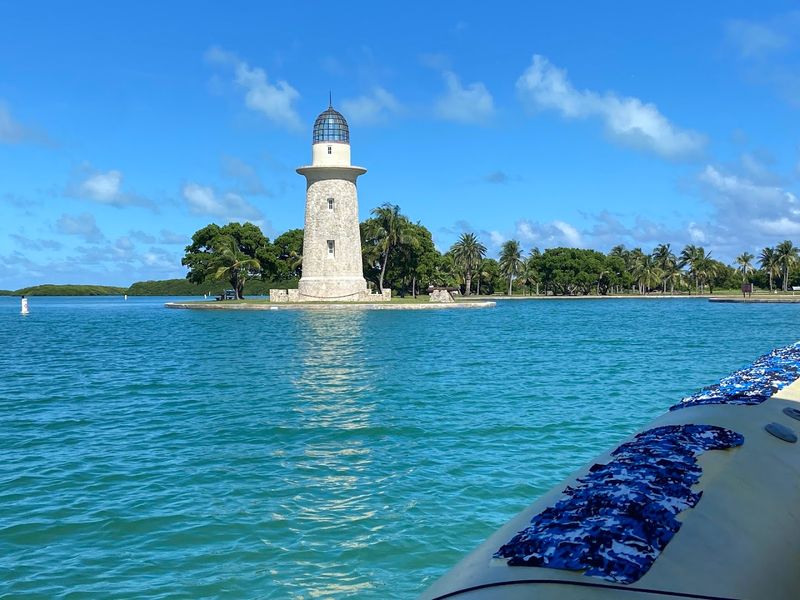
Boca Chita Key is the park’s most popular island destination, featuring a 65-foot ornamental lighthouse you can climb for panoramic views. Pack a lunch and rent a kayak to explore the mangrove-lined coastline, where baby fish hide from predators and wading birds hunt for meals.
Getting here requires some planning since there’s no road access to most of the park. The Dante Fascell Visitor Center in Homestead serves as your jumping-off point for boat rentals and tours. Visit during weekdays to avoid the Miami crowds, and bring your own snorkel gear if you have it.
3. Dry Tortugas National Park (Key West)
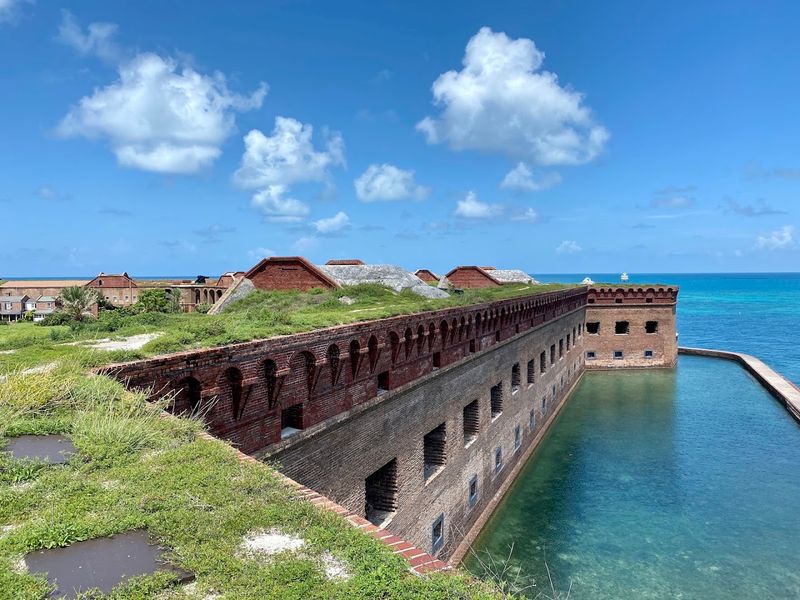
Getting to this park is half the adventure. Dry Tortugas sits 70 miles west of Key West in the Gulf of Mexico, accessible only by seaplane or ferry. The journey takes you over open ocean to a cluster of seven small islands where a massive 19th-century fort rises from the water like something out of a pirate movie.
Fort Jefferson is the park’s centerpiece, a hexagonal fortress built with 16 million bricks. Construction started in 1846 but never finished, and the fort served as a military prison during the Civil War. Dr. Samuel Mudd, convicted of conspiracy in Lincoln’s assassination, spent time locked up here.
You can wander through the fort’s corridors, climb to the upper levels, and imagine what life was like for soldiers stationed in this remote outpost.
The snorkeling here ranks among the Caribbean’s best, with crystal-clear water and healthy coral reefs circling the islands. Sea turtles glide past regularly, giving the park its name. Garden Key’s beach offers perfect white sand and calm swimming conditions.
Camping is available on a first-come basis, but spaces fill quickly during peak season. Day-trippers via the Yankee Freedom ferry get about four hours to explore, which feels rushed but works if you can’t stay overnight. Bring everything you need since there are no services, not even fresh water.
4. Big Cypress National Preserve (Ochopee)
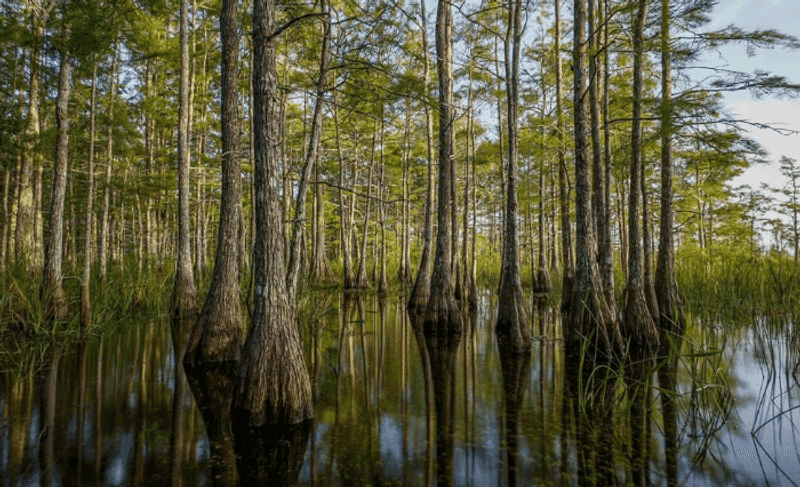
This preserve acts as the Everglades’ big brother, protecting 729,000 acres of swamps, marshes, and forests just north of the national park. The name comes from the size of the wilderness, not the trees themselves, though you will find some genuinely massive bald cypress scattered throughout the flooded forests.
Loop Road offers one of Florida’s most scenic drives, a 27-mile route that cuts through the heart of Big Cypress. The unpaved sections get rough, but any vehicle can handle it during dry season. Pull over at the various stops to walk short trails into the swamp, where you’ll likely spot alligators, wading birds, and possibly even a black bear.
Serious hikers tackle the Florida National Scenic Trail, which runs 31 miles through the preserve. Winter hiking means dry feet on raised trails, but summer turns everything into a wading expedition. The Oasis Visitor Center features a boardwalk where alligators gather in impressive numbers, especially during winter when water levels drop.
Off-road vehicle enthusiasts love Big Cypress because it’s one of the few national preserve areas allowing ORVs on designated trails. Hunting and fishing are also permitted with proper licenses, making this preserve more multi-use than typical national parks. The tiny Ochopee Post Office, America’s smallest, sits right along the Tamiami Trail and makes for a quirky photo stop.
5. Canaveral National Seashore (Titusville & New Smyrna Beach)
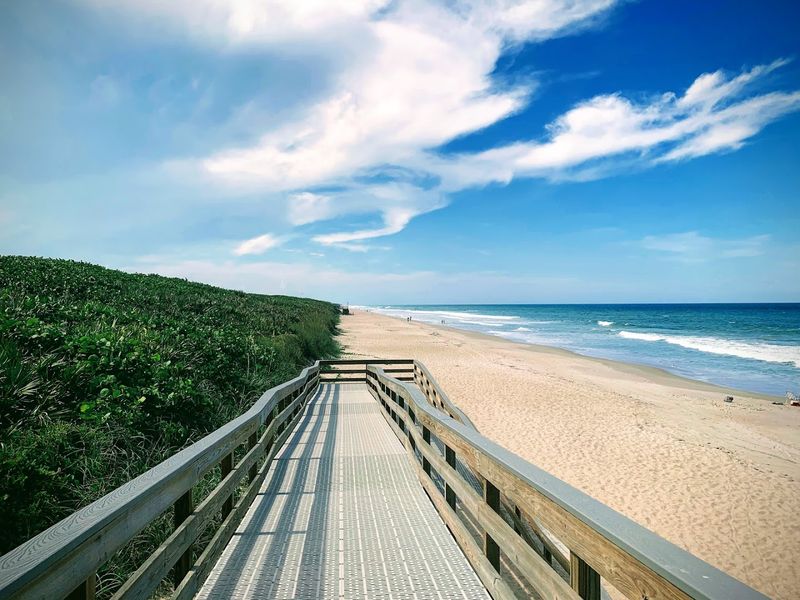
Imagine 24 miles of beach without a single hotel, restaurant, or souvenir shop. That’s Canaveral, one of the longest stretches of undeveloped Atlantic coastline left in Florida. The seashore sits between the chaos of Daytona Beach and the Space Coast’s rocket launches, somehow remaining remarkably wild despite its famous neighbors.
Apollo Beach on the north end offers the easiest access from Titusville, while Playalinda Beach to the south draws surfers and sea turtle researchers. During summer nesting season, loggerhead and green sea turtles crawl ashore after dark to lay their eggs. Ranger-led turtle walks let you witness this ancient ritual, though spots book up months in advance.
The Mosquito Lagoon, despite its uninviting name, ranks as one of Florida’s premier kayaking destinations. Dolphins, manatees, and hundreds of bird species call these shallow waters home. Rent a kayak or bring your own to explore the maze of islands and channels.
Fishing here is legendary, with redfish and sea trout willing to bite year-round.
Rocket launches from nearby Kennedy Space Center provide an unexpected bonus. When NASA or SpaceX lights up the sky, the seashore offers front-row seats without the crowds. Check the launch schedule before visiting, and arrive early because everyone else has the same idea.
6. Gulf Islands National Seashore (Gulf Breeze)
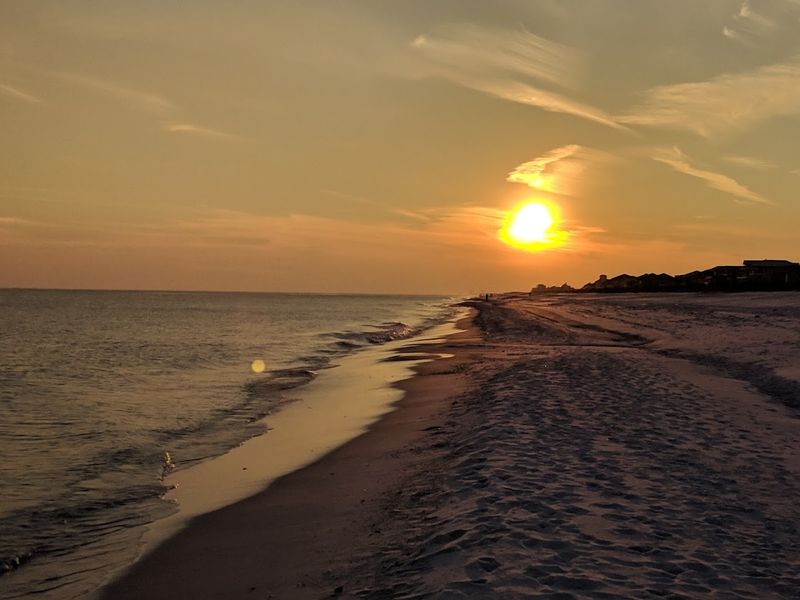
This national seashore stretches 160 miles along the Gulf Coast, protecting barrier islands in both Florida and Mississippi. The Florida section near Pensacola delivers sugar-white sand beaches that squeak when you walk on them, historic forts, and some of the clearest water you’ll find without leaving the country.
Fort Pickens anchors the western end of Santa Rosa Island, a massive brick fortress that played roles in the Civil War and both World Wars. Geronimo, the famous Apache leader, spent time imprisoned here in the 1880s. You can explore the fort’s dark corridors and climb to the ramparts for views across Pensacola Bay.
The beaches here rival anything in the Caribbean, with sand so fine and white it almost glows. Gulf water stays warm enough for swimming from April through October, and the gentle waves make this a family-friendly destination. Snorkeling near the jetties reveals small fish, crabs, and occasionally sea turtles cruising past.
Naval Live Oaks area preserves a forest of massive oak trees once harvested for shipbuilding. Short trails wind through the woods and along the bayshore, perfect for an easy morning walk. Camping is available at several campgrounds, with Fort Pickens offering the most amenities and beach access.
Summer weekends get crowded, but visit on a spring weekday and you might have entire stretches of beach to yourself.
7. Castillo de San Marcos National Monument (St. Augustine)
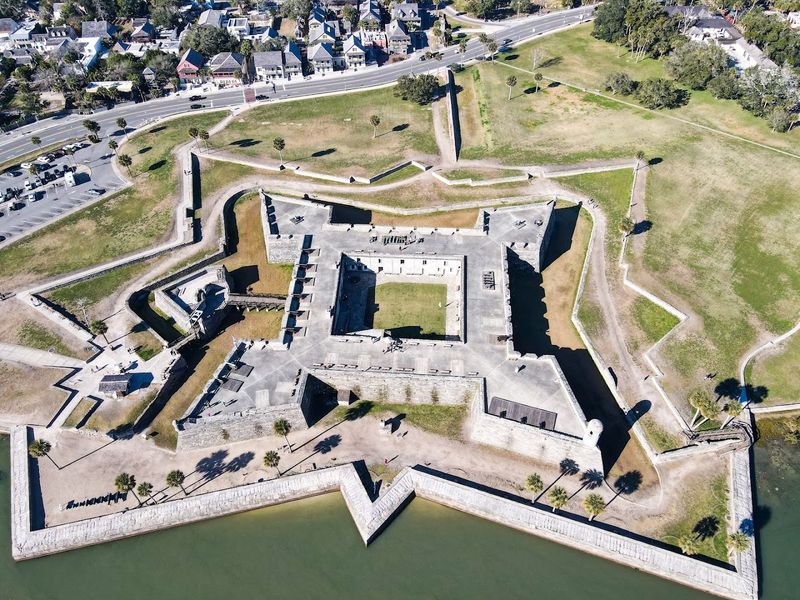
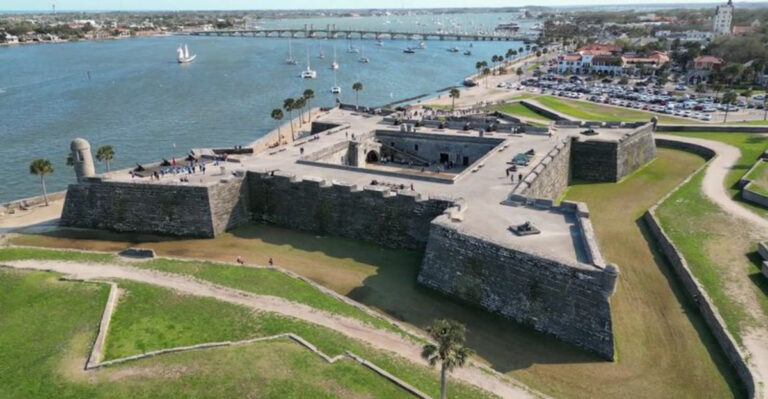
This star-shaped fortress has been watching over St. Augustine since 1695, making it the oldest masonry fort in the continental United States. Spanish colonists built it from coquina, a unique stone made from compressed seashells that proved surprisingly effective at absorbing cannonballs rather than shattering under impact.
Walking across the moat and through the entrance feels like stepping back three centuries. The fort’s thick walls, dark gunpowder rooms, and narrow staircases tell stories of Spanish soldiers, British sieges, and Seminole prisoners. Rangers in period costume fire replica cannons on weekends, and the boom echoes across Matanzas Bay with enough force to make you jump.
Climb to the gun deck for panoramic views of St. Augustine’s historic district and the waterfront. The city itself is worth exploring, with narrow streets, Spanish colonial buildings, and restaurants serving up fresh seafood. Combined, the fort and town create one of Florida’s most historically rich destinations.
The fort never fell to enemy attack despite multiple sieges, a testament to its design and the toughness of coquina stone. Union forces occupied it during the Civil War, and it later served as a military prison. Native American leaders, including Osceola, spent time confined within these walls.
Visit early morning or late afternoon to beat the heat and the tour bus crowds. The fort offers minimal shade, so bring water and sunscreen.
8. Fort Matanzas National Monument (St. Augustine)
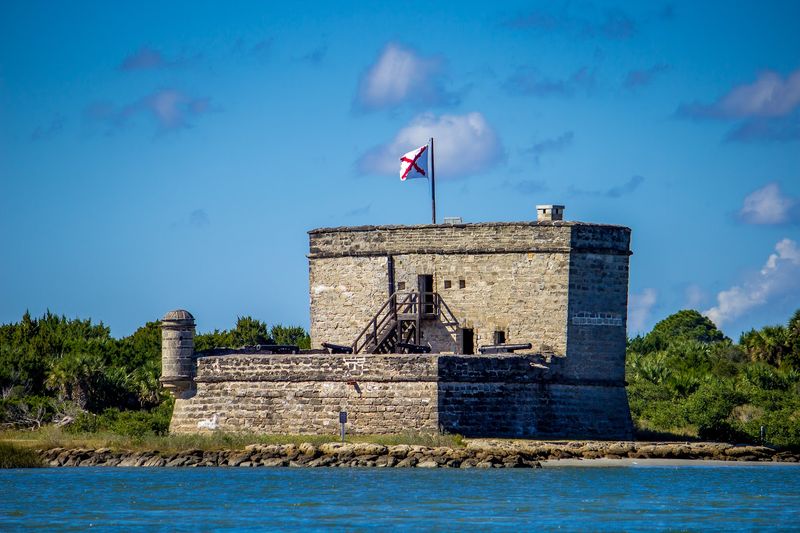
While everyone flocks to Castillo de San Marcos, this smaller fort sits 14 miles south, guarding the back entrance to St. Augustine. Spanish forces built Fort Matanzas in 1742 after realizing enemy ships could sneak up Matanzas Inlet and attack the city from behind. The compact watchtower could hold a small garrison and enough firepower to discourage unwanted visitors.
Getting to the fort requires a free ferry ride across the inlet to Rattlesnake Island. The short boat trip adds to the adventure, and the ferry captains often share stories about the area’s history and wildlife. Once on the island, you can climb inside the fort and imagine what life was like for the handful of soldiers stationed in this isolated outpost.
The name Matanzas means slaughter in Spanish, referring to a 1565 massacre of French soldiers nearby. It’s a dark piece of history that shaped Florida’s colonial story. Despite the grim name, the site itself is peaceful, with salt marshes, wading birds, and dolphins often visible from the shore.
The visitor center on the mainland sits across from a beautiful stretch of undeveloped beach. Boardwalks lead through coastal dunes where sea turtles nest during summer. This beach sees far fewer people than St. Augustine’s main beaches, making it perfect for a quiet morning walk or afternoon of shelling.
Ferry rides run on a first-come basis, and the boat holds limited passengers, so arrive early during busy seasons.
9. De Soto National Memorial (Bradenton)
Hernando de Soto landed somewhere near here in 1539 with 600 soldiers, 200 horses, and dreams of finding gold in North America. He found none, but his four-year expedition covered thousands of miles through what’s now the southeastern United States. This small memorial park preserves the story of that journey and its devastating impact on Native American populations.
The visitor center does an excellent job explaining both sides of the story, acknowledging Spanish ambitions while not glossing over the violence and disease that decimated indigenous peoples. Living history demonstrations during winter months show how Spanish soldiers lived, worked, and fought. Interpreters in period clothing demonstrate 16th-century weapons and camp life, making history tangible for kids who might otherwise zone out.
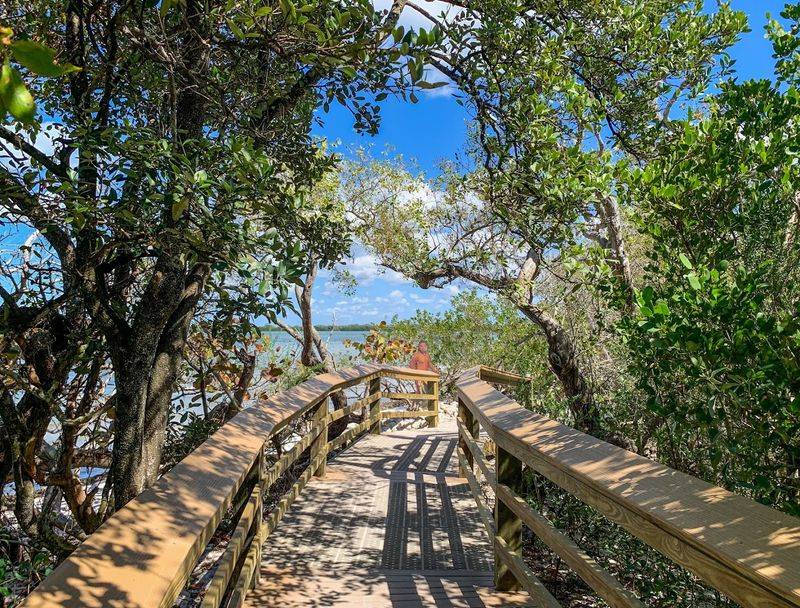
A half-mile nature trail loops through mangrove forest and along the shoreline, offering views across the mouth of the Manatee River into Tampa Bay. The trail isn’t challenging, but it provides a nice break from museum exhibits and a chance to see modern Florida wildlife in the same landscape de Soto encountered nearly 500 years ago.
This isn’t a flashy destination with roller coasters or dolphin shows. It’s a quiet place for reflection and learning, perfect for history buffs or families looking for an educational stop between Tampa and Sarasota. The park is small enough to explore in an hour or two, making it an easy addition to a beach day.
10. Timucuan Ecological & Historic Preserve (Jacksonville)
Jacksonville’s best-kept secret sprawls across 46,000 acres of wetlands, forests, and waterways in the city’s northeastern corner. The preserve protects both natural ecosystems and 6,000 years of human history, from Timucuan Indian shell middens to Spanish missions to plantation-era buildings. It’s a lot of history packed into one surprisingly wild corner of a major city.
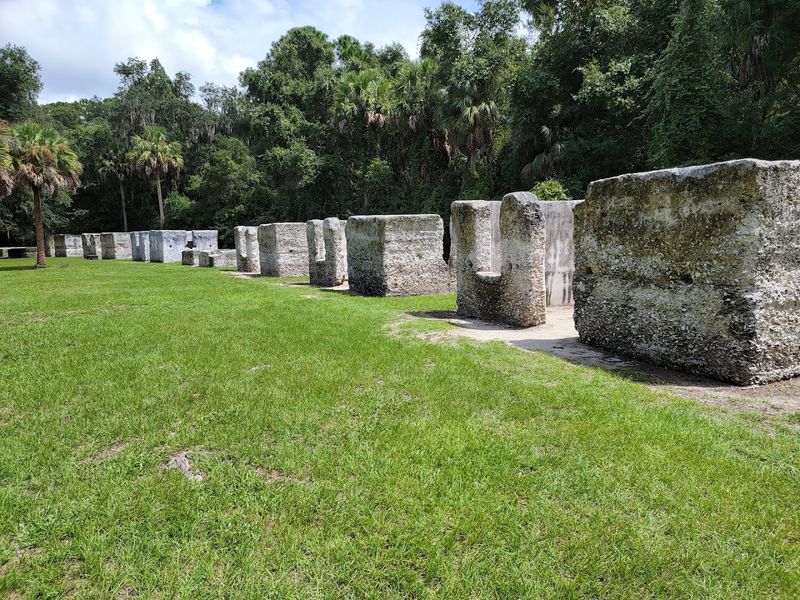
Kingsley Plantation stands as the preserve’s most visited site, featuring Florida’s oldest surviving plantation house. Zephaniah Kingsley and his wife Anna Madgigine Jai, a freed African woman, ran this Sea Island cotton plantation in the early 1800s. The site doesn’t sugarcoat the brutal reality of slavery, with the remains of 23 slave cabins still visible.
Anna’s remarkable story, from enslaved woman to plantation owner herself, challenges simple narratives about the antebellum South.
The preserve’s natural side offers kayaking through salt marshes, hiking trails through maritime forests, and fishing in productive estuaries. Theodore Roosevelt Area features trails and boardwalks perfect for birdwatching, with hundreds of species passing through during migration seasons. Bring binoculars because the variety is impressive.
Fort George Island Cultural State Park, part of the preserve, adds even more history with a Timucuan mound, Spanish mission site, and a historic Ribault Club building. You could spend an entire day exploring different sections and still not see everything. Most Jacksonville residents have never visited, which means you’ll have trails largely to yourself.
11. Fort Caroline National Memorial (Jacksonville)
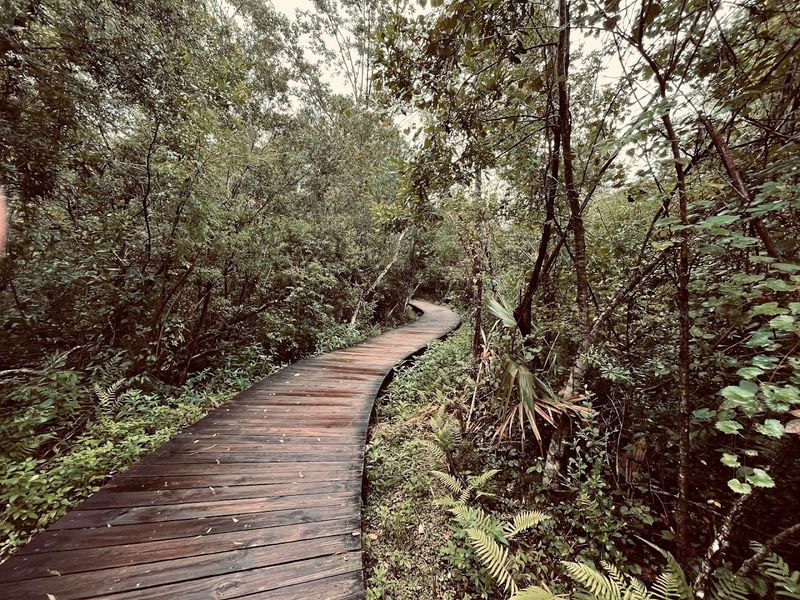
French Huguenots tried to establish a colony here in 1564, building a triangular fort near the mouth of the St. Johns River. They lasted barely a year before Spanish forces from St. Augustine wiped them out, solidifying Spain’s claim to Florida. The current fort is a reconstruction, but the story it tells shaped centuries of colonial competition in North America.
The memorial sits within the larger Timucuan Preserve, but it maintains its own identity and visitor center. Exhibits explain French colonial ambitions and the Timucuan people who lived here for thousands of years before Europeans arrived. A short trail leads from the visitor center to the reconstructed fort, where you can walk along the wooden palisades and imagine the settlers’ fear as Spanish ships appeared on the horizon.
River views from the fort are genuinely beautiful, with the wide St. Johns flowing past on its unusual northward journey to the Atlantic. Spanish Pond Trail winds through maritime hammock forest, offering glimpses of the same landscape French colonists encountered. Alligators sun themselves along the pond’s edge, and wading birds stalk the shallows.
This memorial doesn’t get the attention it deserves, probably because it commemorates a failed colony rather than a triumphant one. But the story matters, showing how European power struggles played out on Florida soil. It’s a quiet, contemplative place perfect for escaping Jacksonville’s urban sprawl for an hour or two.
12. Gullah/Geechee Cultural Heritage Corridor (Northeast Florida region)
This isn’t a single park or fort but rather a 12,000-square-mile heritage corridor stretching from North Carolina to Florida, protecting the culture of Gullah Geechee people. These are descendants of enslaved Africans who worked rice, indigo, and cotton plantations along the southeastern coast. Their language, traditions, foodways, and crafts survived in relative isolation on coastal islands and mainland communities.
Florida’s section runs through the northeastern coast, including areas around Jacksonville, Fernandina Beach, and St. Augustine. American Beach on Amelia Island holds special significance as one of the first beach resorts for African Americans during segregation. The beach community remains a living testament to Gullah Geechee resilience and culture.
Sweetgrass basket weaving, passed down through generations, continues as both art form and cultural practice. These intricate baskets originated in West Africa and evolved with materials available on coastal islands. You can find basket weavers at markets and cultural centers throughout the corridor, though authentic practitioners are becoming rarer as younger generations pursue other paths.
Food traditions include dishes like red rice, okra soup, and shrimp and grits prepared using techniques brought from Africa. Gullah Geechee language blends English with various African languages, creating a unique dialect that linguists study as a living connection to African heritage.
Exploring this heritage corridor requires intention and respect. Visit cultural centers, attend heritage celebrations, support Gullah Geechee-owned businesses, and listen to the stories that connect past and present in this remarkable culture.