This Easy Boardwalk Trail in Florida Leads to a Secret Scenic View
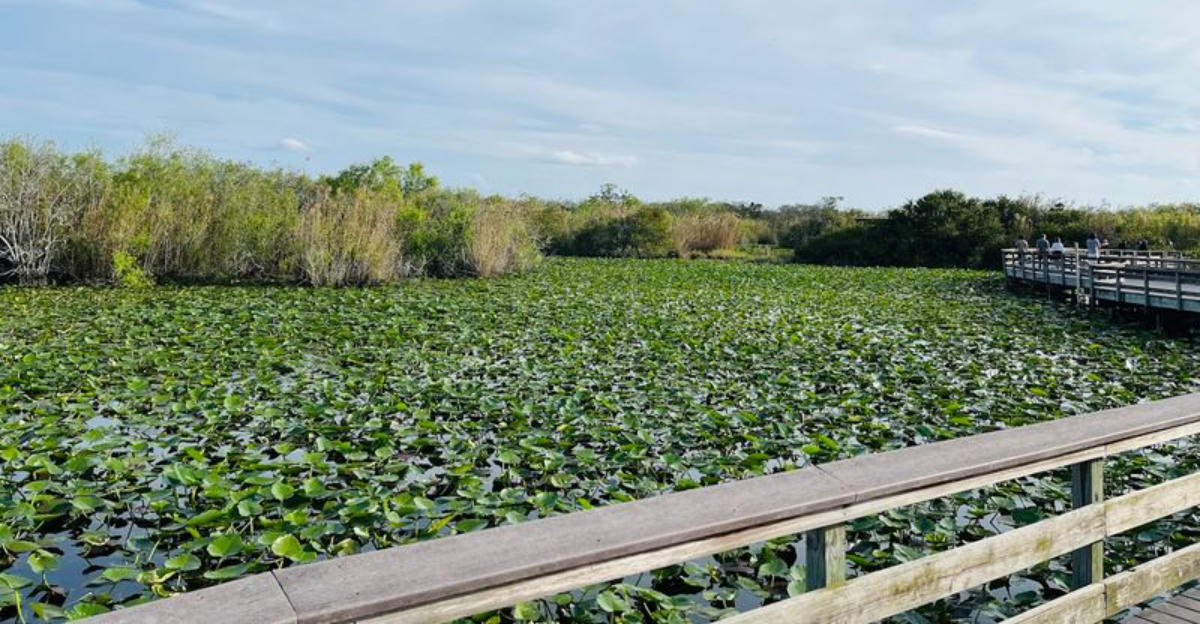
Looking for a quick escape into one of Florida’s most stunning natural landscapes without breaking a sweat? The Pa-hay-okee Trail in Everglades National Park delivers exactly that. This short elevated boardwalk stretches just over 0.2 miles but rewards visitors with sweeping panoramic views of the River of Grass that few other spots can match.
Whether you have ten minutes or an hour, this accessible trail offers an unforgettable glimpse into the heart of the Everglades.
1. A Trail That Honors Its Seminole Roots
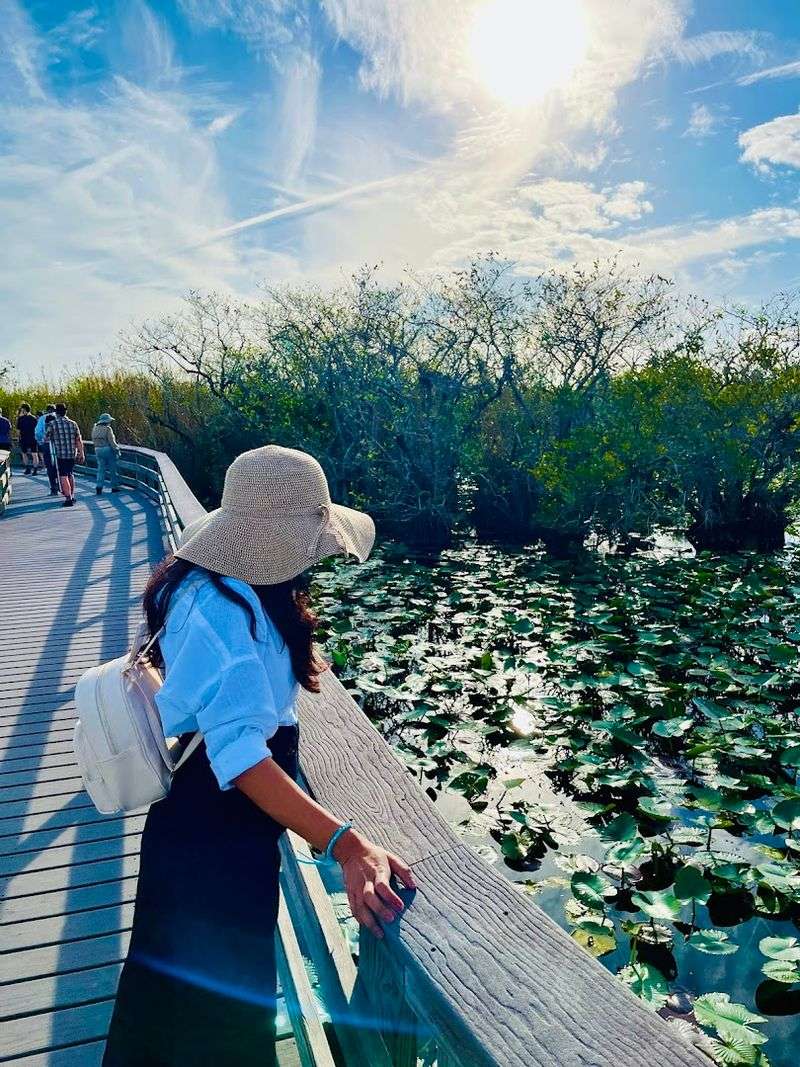
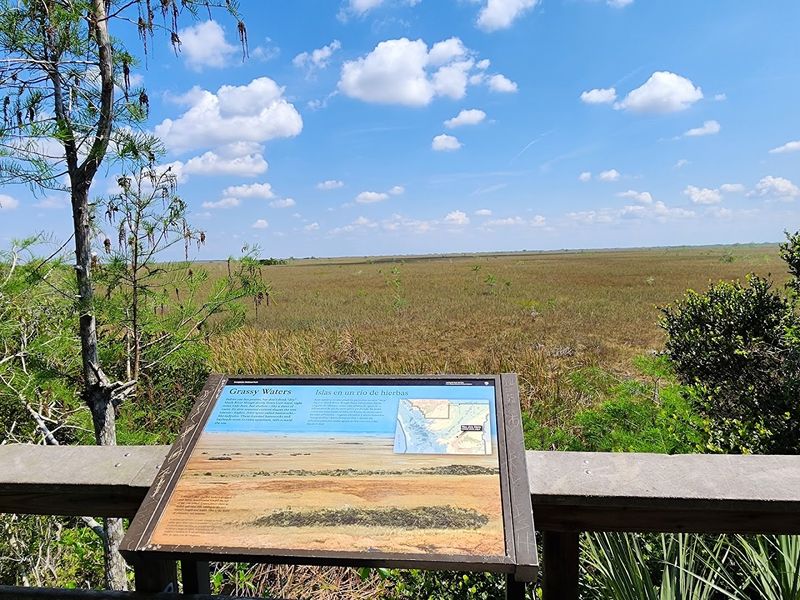
Pa-hay-okee translates to grassy waters in the Seminole language, and once you step onto this boardwalk, the name makes perfect sense. The indigenous people who called this region home understood the landscape intimately. They recognized these wetlands as a slowly flowing river rather than a stagnant swamp.
When you visit, you’re walking through a place that has sustained communities for thousands of years. The Seminole perspective shaped how we understand the Everglades today. Author Marjory Stoneman Douglas popularized the River of Grass concept, but native peoples knew it first.
The elevated platform gives you the same vantage point those early inhabitants might have used to survey the horizon. From up high, you can spot wildlife movement, track weather patterns, and appreciate the sheer scale of this ecosystem. Standing at the overlook connects you to generations of observers who marveled at this same view, making your brief visit part of a much longer story.
2. Recently Renovated for Maximum Accessibility
Early 2026 brought major improvements to the Pa-hay-okee boardwalk, making it safer and more welcoming than ever before. The renovation widened the pathway and reinforced the structure for long-term durability. Engineers designed the updates with all visitors in mind, ensuring everyone can experience this natural wonder.
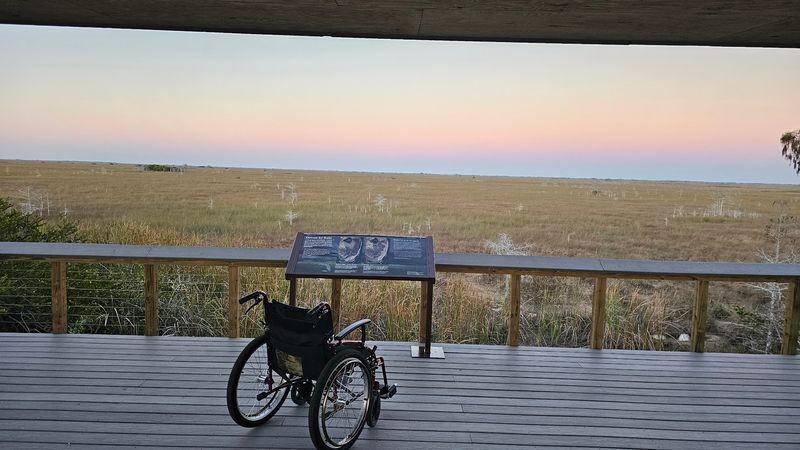
Wheelchair users now have two access points: one featuring stairs and another with a smooth ramp. You can roll right up to the observation platform without assistance. Just remember that the loop has stairs on one end, so wheelchair visitors need to return via the same ramp entrance rather than completing the full circle.
Families with strollers also benefit from these thoughtful design choices. The stable, wide planks make pushing easier, and the covered observation area provides shade for little ones. Handrails throughout offer support for anyone who needs extra stability.
These renovations transformed an already accessible trail into a model of inclusive outdoor recreation that sets the standard for Florida’s park system.
3. Ten Minutes to a Million-Dollar View
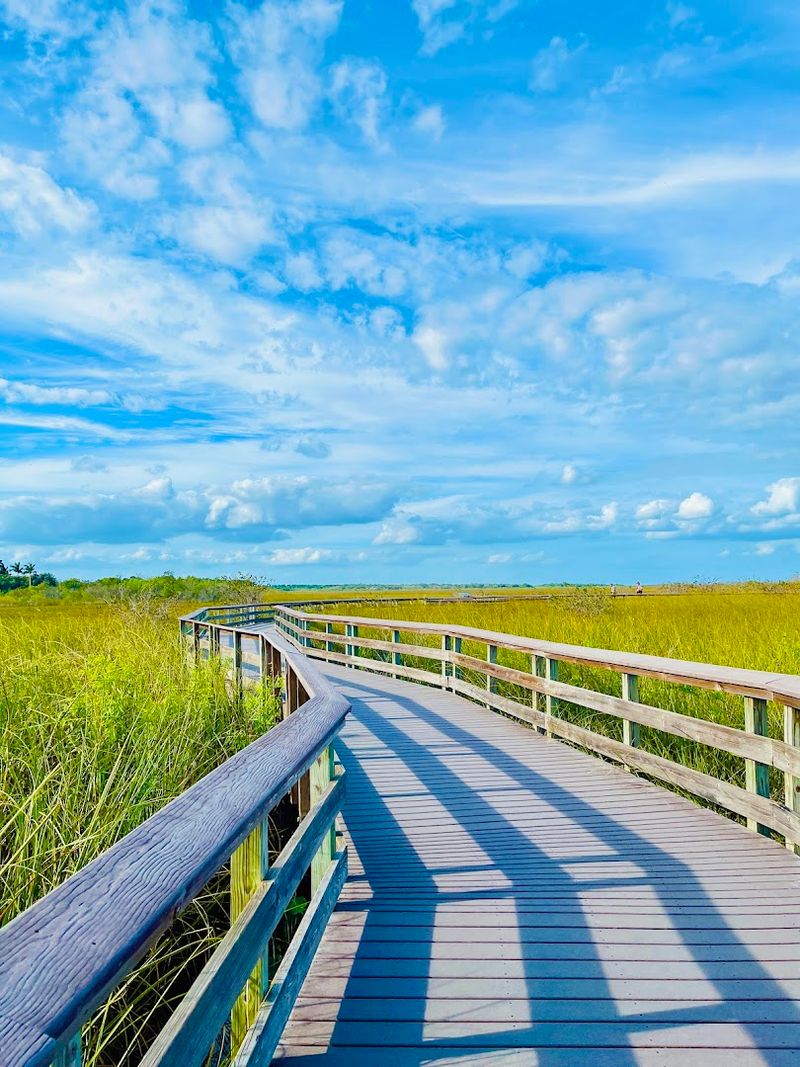
Most hiking trails demand hours of your day, but Pa-hay-okee respects your schedule. The entire loop takes roughly ten minutes at a leisurely pace. You’ll cover about 260 meters round trip, which means even visitors with limited time can squeeze in this experience between other park activities.
Despite its brevity, this walk delivers scenery that rivals trails ten times its length. The covered observation platform sits at the midpoint, offering 360-degree views of the Shark River Slough. This waterway stretches eight miles wide at this location, creating an overwhelming sense of space that photographs can barely capture.
Watching the sawgrass ripple in waves under the wind feels almost hypnotic. You might spot wading birds dotting the landscape like sculptures. The dwarf cypress trees add texture to the prairie, their twisted forms shaped by harsh growing conditions.
Pack your camera, but also take a moment to simply stand and absorb the vista. Sometimes the best souvenirs are the ones you carry in your memory rather than your phone.
4. Wildlife Watching from a Perfect Perch
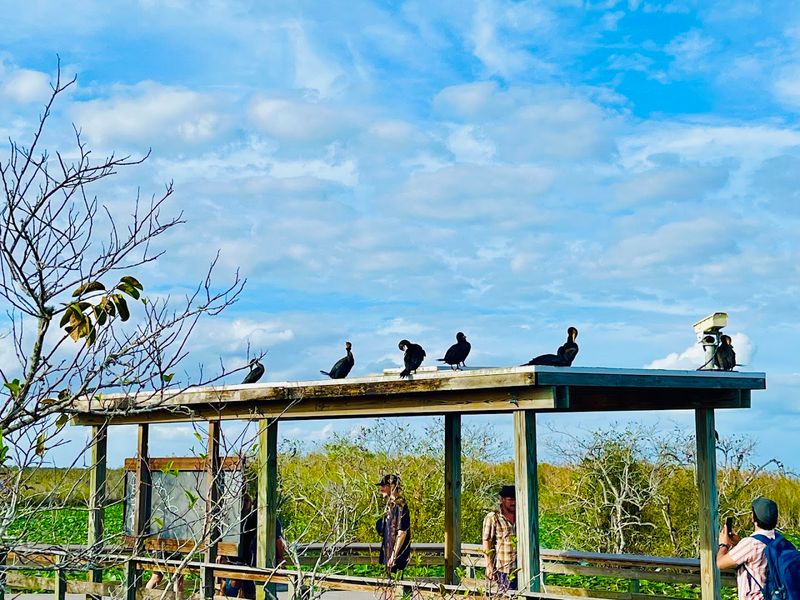
Birdwatchers consider Pa-hay-okee a prime spotting location, especially during dry season months from December through April. The elevated platform puts you at eye level with flying birds while giving clear sightlines across the prairie. Egrets, hawks, and various wading species frequent the area, drawn to solution holes that retain water when the surrounding landscape dries out.
These solution holes form when acidic water dissolves the underlying limestone, creating depressions that become crucial wildlife refuges. During drought conditions, fish, amphibians, and aquatic invertebrates concentrate in these pockets. Predatory birds know this and patrol the area looking for easy meals.
Early mornings offer the most active viewing times as animals emerge to feed in cooler temperatures. Late afternoons bring another surge of activity as creatures prepare for nightfall. Bring binoculars to catch details you’d otherwise miss.
Dragonflies dart around in impressive numbers, their iridescent wings catching sunlight. Patient observers sometimes spot alligators lurking in distant channels. Every visit yields different sightings, giving you good reason to return throughout different seasons and times of day.
5. Getting There Without Getting Lost
Finding Pa-hay-okee requires a bit of navigation, but the route is straightforward once you know the landmarks. From the Ernest Coe Visitor Center at the southern park entrance, drive about 12 to 13 miles along Main Park Road, also known as FL 9336. Watch for the clearly marked turnoff on your right.
The access road stretches 1.3 miles from the main highway to the trailhead parking area. This spur road is paved and well-maintained, suitable for any vehicle type. You’ll pass through typical Everglades terrain, giving you a preview of what awaits at the overlook.
Parking is limited but usually adequate except during peak winter months when snowbirds flock to South Florida. Arriving early helps you secure a spot and avoid crowds. There are no restroom facilities at the Pa-hay-okee site itself, so plan accordingly and use the facilities at the visitor center before you head out.
The drive from Miami takes roughly an hour, making this an easy day trip from urban areas. GPS coordinates 25.4410365, -80.7838264 will get you directly to the trailhead if you prefer digital navigation.
6. Sunrise Magic and Golden Hour Glory
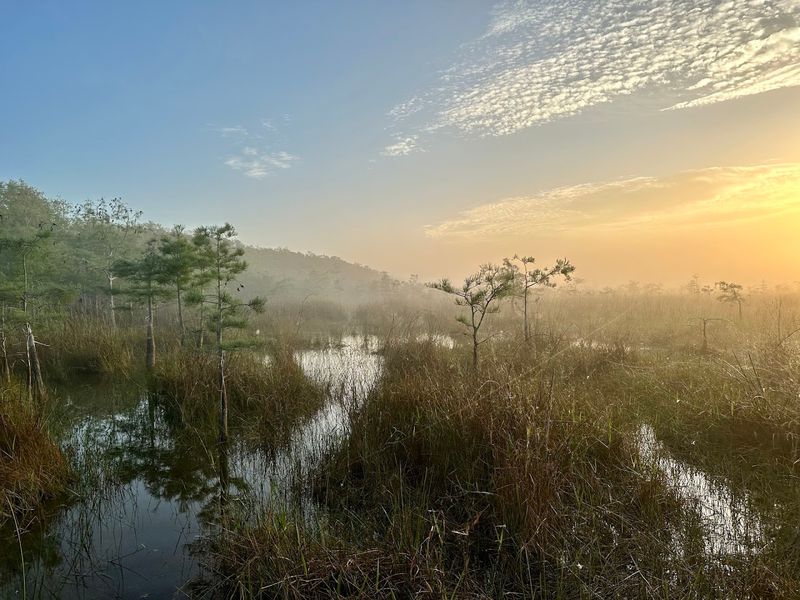
Photographers and nature lovers rave about Pa-hay-okee at dawn, calling it downright magical. The rising sun paints the sawgrass in shades of gold and amber while casting long shadows from the scattered cypress. Morning mist sometimes hovers over the wetlands, adding an ethereal quality to your photos.
Arriving before sunrise means you’ll have the platform largely to yourself. The park opens at dawn, giving early birds first access. Bring a jacket even in summer since temperatures drop overnight and the breeze across the open prairie can feel chilly until the sun climbs higher.
Late afternoon presents another spectacular window for visits. The angled sunlight creates dramatic contrasts and brings out rich colors in the landscape. Wildlife activity picks up as the day cools, increasing your chances of memorable sightings.
Sunset transforms the sky into a canvas of purples, oranges, and reds that reflect off any standing water. Midday visits work fine if that’s your only option, but the harsh overhead light washes out details and creates unflattering shadows. Timing your visit for the golden hours elevates the experience from nice to unforgettable.
7. Dwarf Cypress and Air Plant Gardens
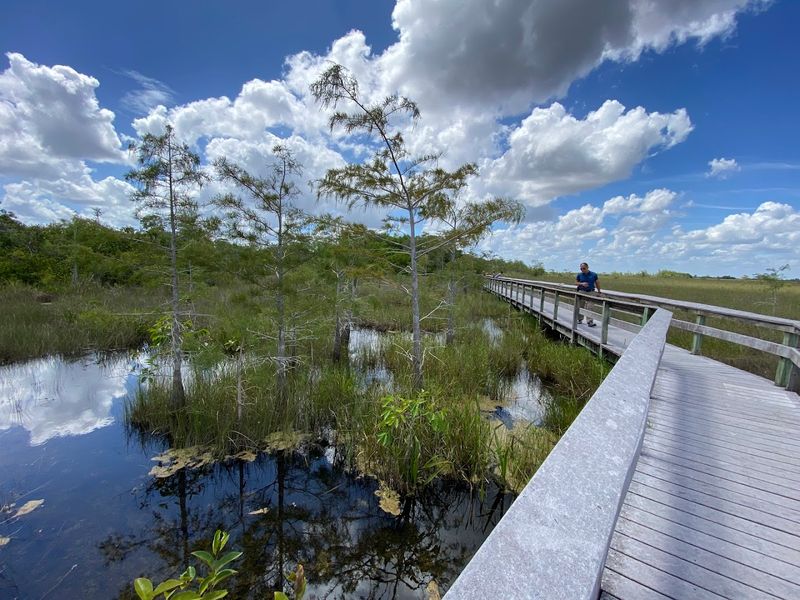
Walking the boardwalk, you’ll notice the unusual dwarf cypress trees that populate the prairie. These aren’t young trees waiting to grow tall. They’re mature specimens stunted by the harsh conditions of shallow soil, periodic fires, and seasonal flooding.
Some are decades old despite standing only a few feet high.
Look closely at the cypress branches and you’ll discover another layer of life. Air plants, also called bromeliads, cling to the bark without harming their host trees. These epiphytes absorb moisture and nutrients from rain and air rather than soil.
Their spiky rosettes add sculptural interest and provide habitat for insects and small tree frogs.
The relationship between cypress and air plants demonstrates the interconnected nature of Everglades ecology. Each organism adapts to challenging conditions while supporting others in the web of life. During dry season, the dwarf cypress may look brown and lifeless, but they’re simply conserving resources until the rains return.
The resilience of these plants mirrors the toughness required to thrive in this demanding environment, offering lessons about adaptation and survival that extend well beyond botany.
8. How Pa-hay-okee Compares to Other Park Trails
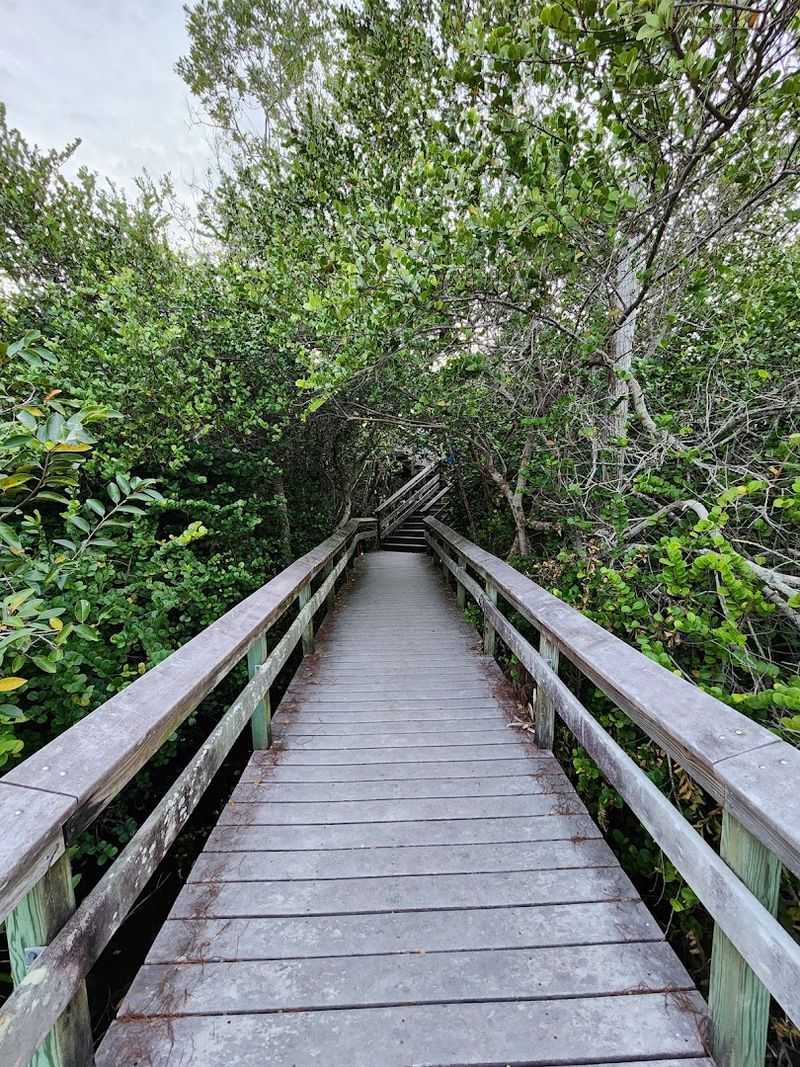
Everglades National Park offers several boardwalk experiences, and visitors often wonder how Pa-hay-okee stacks up against alternatives like the famous Anhinga Trail. While Anhinga delivers close encounters with alligators and abundant bird activity, Pa-hay-okee excels at providing sweeping landscape views that showcase the ecosystem’s immense scale.
Some reviewers mention feeling slightly disappointed by fewer wildlife sightings here compared to Anhinga, especially during late afternoon visits when mosquitoes emerge. That’s a fair observation, but it misses the point. Pa-hay-okee isn’t designed for up-close animal encounters.
Its purpose is giving you perspective on the River of Grass concept that defines the Everglades.
The short length makes Pa-hay-okee perfect for visitors with mobility limitations or tight schedules. You invest minimal time for maximum scenic payoff. Combining multiple trails throughout your park visit creates a well-rounded experience.
Start with Anhinga for wildlife thrills, then head to Pa-hay-okee for contemplative views. Each trail serves a different purpose, and the variety keeps your day interesting. Don’t skip Pa-hay-okee just because another trail offers more action.
The peaceful grandeur here provides balance and perspective that busy wildlife areas can’t match.