These 11 Florida Cultural Spaces Reveal A Side Of The State Most People Never See
Florida is famous for beaches and theme parks, but beyond the tourist hot spots lies a quieter world of museums, historic sites, and cultural centers that tell much deeper stories. These places preserve voices and histories that shaped the state long before it became a vacation destination. From the first free Black settlement in North America to museums honoring Cuban exiles, Seminole traditions, and circus legends, Florida’s hidden cultural spaces offer something you won’t find on any postcard.
1. The Cuban / American Museum of the Cuban Diaspora (Miami)
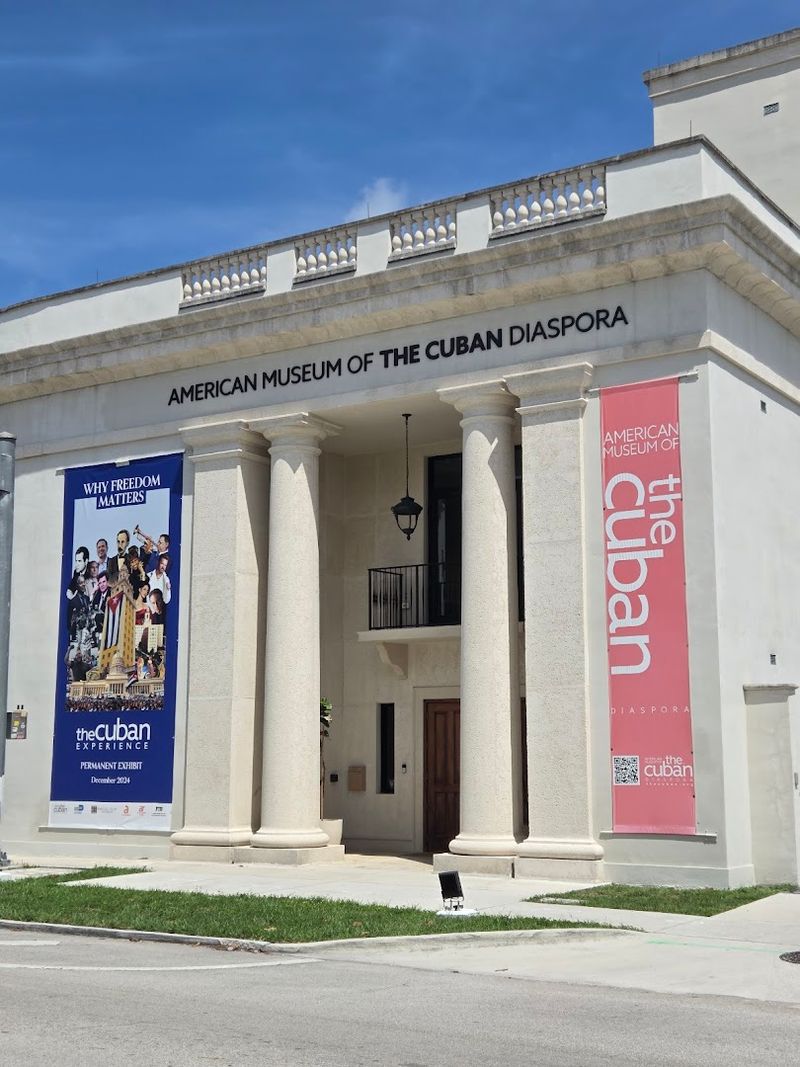
Walking into this museum feels less like a tourist stop and more like stepping into someone’s living memory. The Cuban / American Museum of the Cuban Diaspora centers entirely on the experience of exile, identity, and the cultural threads that connect generations of Cuban families to Florida. You’ll find art, photographs, personal stories, and objects that capture what it means to leave one home and build another.
Miami’s Cuban community is one of the most significant in the United States, and this museum exists to honor that legacy without sugarcoating the pain or complexity behind it. The exhibits rotate, so each visit can offer something new, whether it’s contemporary art by Cuban American creators or historical documentation of early waves of migration. It’s intimate, thoughtful, and designed to make you think rather than just look.
Currently, the museum is open daily from noon to 6 p.m., making it easy to fit into a Miami itinerary. It’s located in a neighborhood where Cuban culture isn’t just displayed—it’s lived. If you want to understand how deeply Cuba and Florida are intertwined, this is where that story comes alive in ways that guidebooks can’t capture.
2. Jewish Museum of Florida-FIU (Miami Beach)
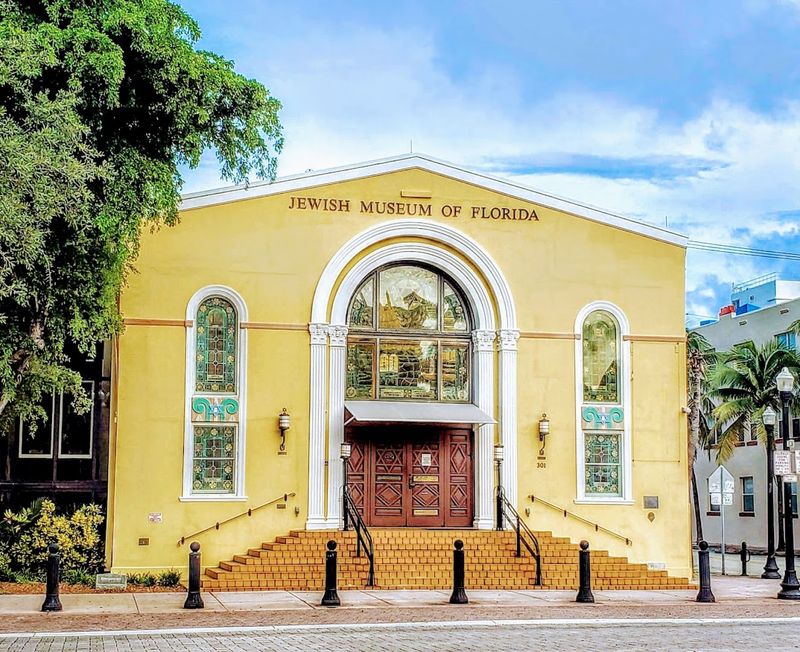
Housed inside two beautifully restored former synagogues, this museum holds more than 250 years of Florida Jewish history under one roof. With over 100,000 items in its collection, it’s one of those rare places where you can spend an hour and still feel like you’ve only scratched the surface. The exhibits cover everything from early Jewish settlers in Florida to the development of Miami Beach as a cultural and religious hub.
What makes this museum special is how it connects local stories to larger historical movements. You’ll see photographs of Jewish families who built businesses along the coast, documents from early congregations, and artifacts that show how faith and community shaped Florida long before it became a retirement mecca. The building itself tells a story—stained glass, original architecture, and details that remind you this was once a place of worship.
It’s not just a history lesson; it’s a reminder that Florida’s cultural landscape has always been more diverse than people assume. The museum does a great job of making everything accessible, even if you’re not familiar with Jewish history. You leave with a fuller picture of who helped build this state and why their contributions matter today.
3. The Woodson African American Museum of Florida (St. Petersburg)
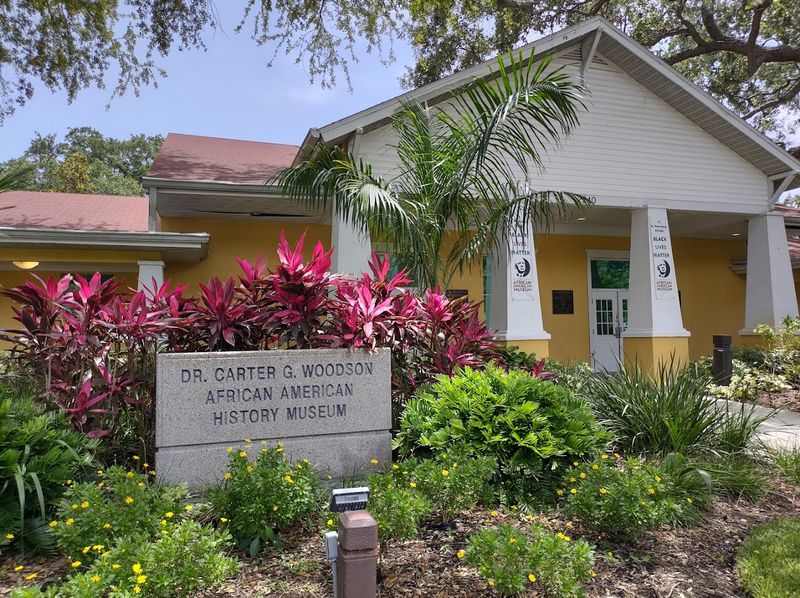
If you want to understand African American history in Florida beyond the textbook version, the Woodson Museum is where you start. This St. Petersburg institution is dedicated entirely to preserving and celebrating Black culture, art, and history in the state. The exhibits change regularly, showcasing everything from visual art by contemporary Black artists to historical collections that document struggles, achievements, and everyday life across generations.
Named after Carter G. Woodson, the father of Black History Month, the museum takes its mission seriously. It’s not a passive experience—you’re meant to engage, reflect, and leave with questions.
The space itself is welcoming, and the staff often provide context that makes the exhibits even richer. You’ll find works that challenge, inspire, and educate, all while celebrating the creativity and resilience of Florida’s Black communities.
One important note: the museum is scheduled to be closed from January 2026 through July 2026 for updates or renovations. If you’re planning a visit, check their website for current hours and reopening dates. When it’s open, it’s a powerful stop that adds depth to any trip through the Tampa Bay area and reminds visitors that Florida’s story is incomplete without these voices.
4. Fort Mose Historic State Park (St. Augustine)
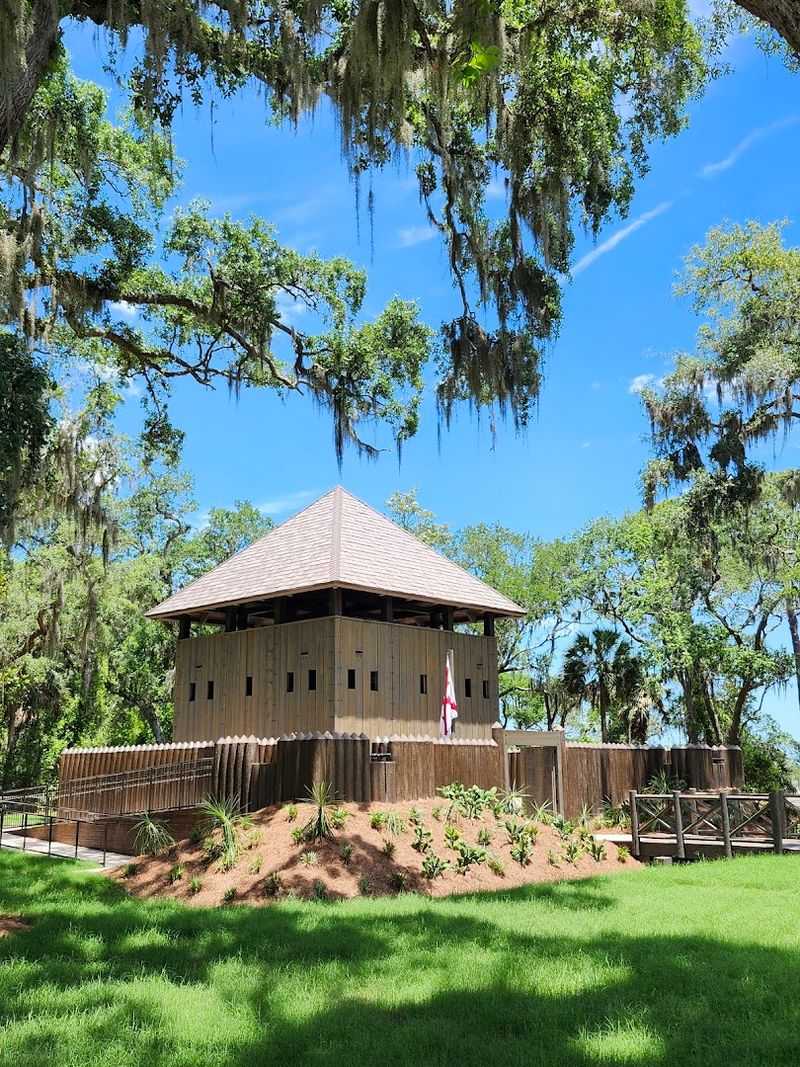
Long before the Civil War, before the Underground Railroad, there was Fort Mose. Established in 1738, this site marks the first legally sanctioned free Black settlement in what would become the United States. Spanish Florida offered freedom to enslaved people who escaped from British colonies, and Fort Mose became a symbol of that promise.
The people who lived here weren’t just free—they were defenders of Spanish St. Augustine, armed and ready to protect their new home.
Today, Fort Mose is a quiet state park with interpretive trails, markers, and a small museum that tells this incredible story. The landscape is marshy and peaceful now, but standing there, you can almost imagine what it must have felt like to arrive after fleeing enslavement, knowing you’d crossed into a place where your freedom was recognized. It’s a story most Americans never learn in school, and that makes visiting even more powerful.
The park is just north of St. Augustine, easy to reach but often overlooked by tourists focused on the old city. If you care about understanding the full complexity of American history, this site is non-negotiable. It challenges assumptions and fills in gaps that textbooks leave blank.
5. Ah-Tah-Thi-Ki Museum (Clewiston / Big Cypress Seminole Reservation)
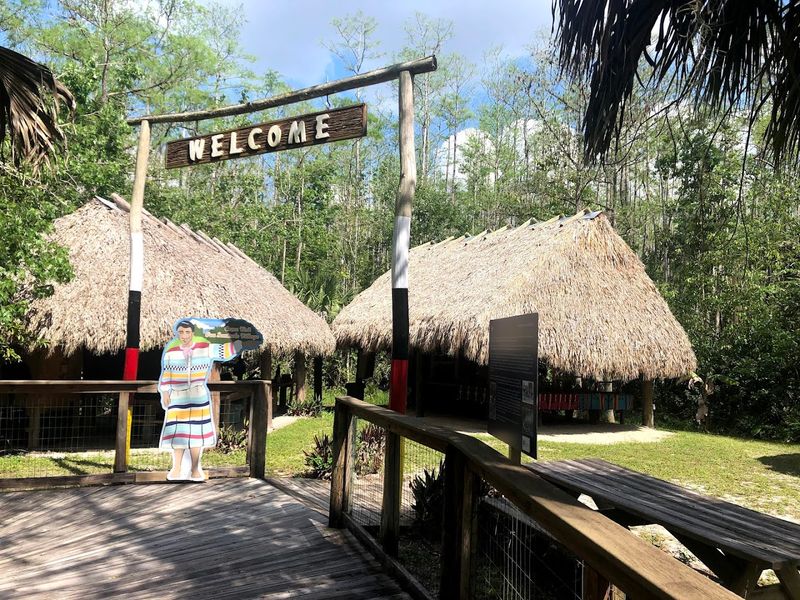
Out in the Big Cypress Seminole Reservation, surrounded by wetlands and cypress trees, sits a museum that offers one of the most authentic looks at Seminole life you’ll find anywhere. Ah-Tah-Thi-Ki, which means “a place to learn” in the Seminole language, is run by the Seminole Tribe of Florida and focuses on preserving their history, language, crafts, and connection to the land. This isn’t a theme park version of Native culture—it’s the real thing, told by the people who live it.
The museum includes indoor galleries filled with artifacts, clothing, tools, and photographs, plus an outdoor boardwalk trail that winds through the swamp. Along the way, you’ll see traditional chickee structures and learn how the Seminole adapted to life in the Everglades. The exhibits cover everything from the Seminole Wars to contemporary tribal life, and they don’t shy away from difficult history.
You leave with a much deeper understanding of resilience and survival.
It’s a bit of a drive from major cities, but that’s part of the point. The location matters. You’re stepping into a landscape that has always been home to the Seminole people, and the museum makes sure you understand why that connection is sacred.
6. Zora Neale Hurston National Museum of Fine Arts (Eatonville)
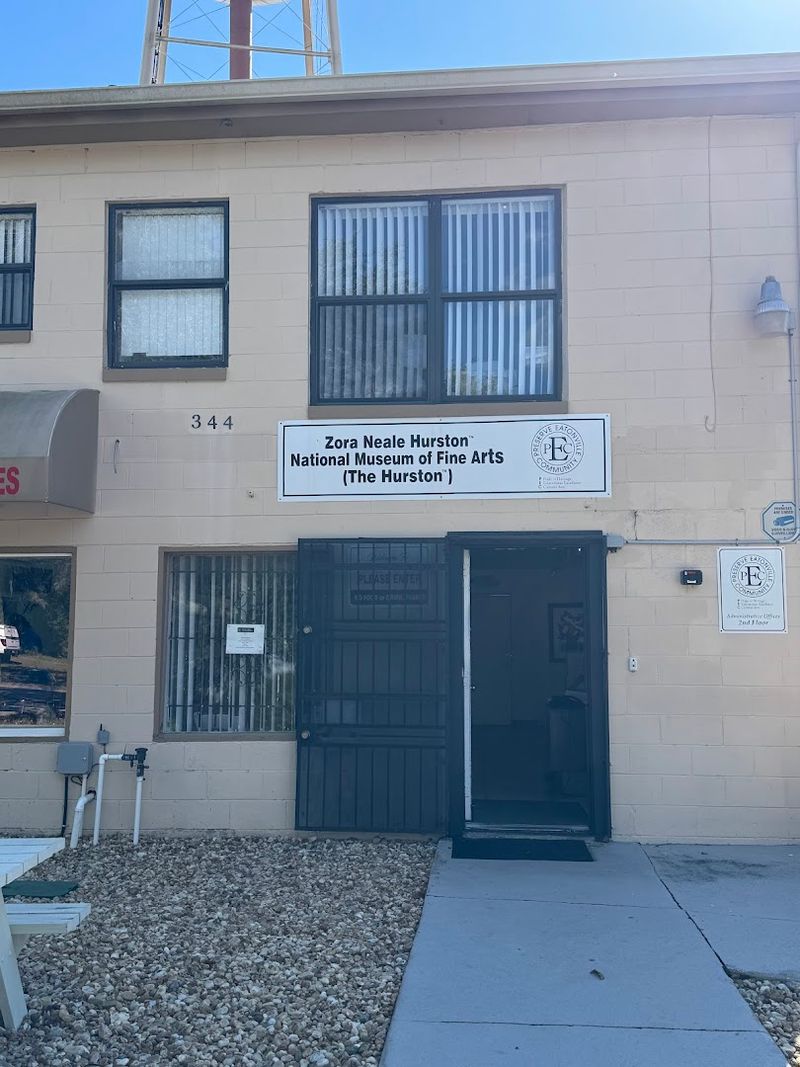
Eatonville holds a special place in American history as one of the oldest incorporated Black towns in the United States, and it’s also the hometown of Zora Neale Hurston, one of the most important writers of the Harlem Renaissance. The museum named in her honor celebrates African American art, culture, and literature, with rotating exhibits that feature both emerging and established Black artists. It’s a small space, but it punches way above its weight in terms of cultural significance.
Hurston’s legacy is woven into everything the museum does. Her novels, essays, and anthropological work documented Black Southern life with richness and respect, and this museum continues that mission through visual art. You’ll see paintings, sculptures, photography, and mixed media works that explore identity, history, and creativity.
The exhibits change regularly, so there’s always a reason to come back.
Eatonville itself is worth exploring—it’s a quiet town with deep roots and a strong sense of pride. Visiting the museum gives you a chance to step into a community that has been self-governed and culturally vibrant for over a century. It’s a reminder that Black excellence in Florida didn’t start recently; it’s been here all along, just waiting for people to pay attention.
7. Lightner Museum (St. Augustine)
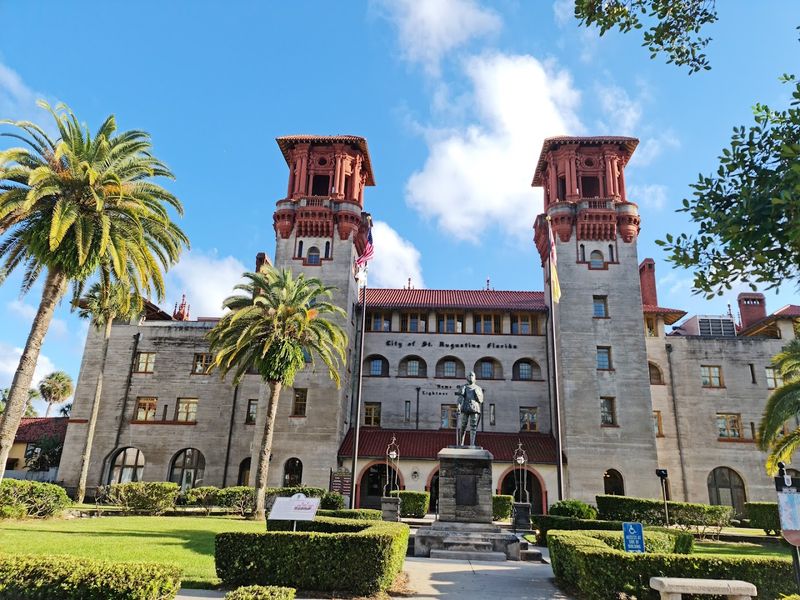
Step inside the Lightner Museum and you’re immediately transported to a different era. The building itself—once the grand Alcazar Hotel—is a masterpiece of Spanish Renaissance architecture, complete with arches, courtyards, and a drained swimming pool that now serves as a cafe. Built in the 1880s by Henry Flagler, the hotel was a playground for America’s wealthy elite during Florida’s Gilded Age.
Today, it’s home to one of the most eclectic collections you’ll find anywhere in the state.
The museum’s collections range from Victorian-era glass and furniture to mechanical musical instruments, Tiffany lamps, and even shrunken heads. It’s the kind of place where you turn a corner and stumble onto something completely unexpected. The displays are densely packed, almost overwhelming, but that’s part of the charm.
You’re not meant to breeze through—this is a museum that rewards slow, curious exploration.
What makes the Lightner Museum particularly special is how it captures a specific moment in Florida’s history, when the state was being sold as a paradise for the rich and powerful. The objects here aren’t just beautiful; they’re artifacts of ambition, wealth, and the vision that transformed Florida into a destination. It’s quirky, fascinating, and completely unlike any other museum in the state.
8. The Wolfsonian-FIU (Miami Beach)
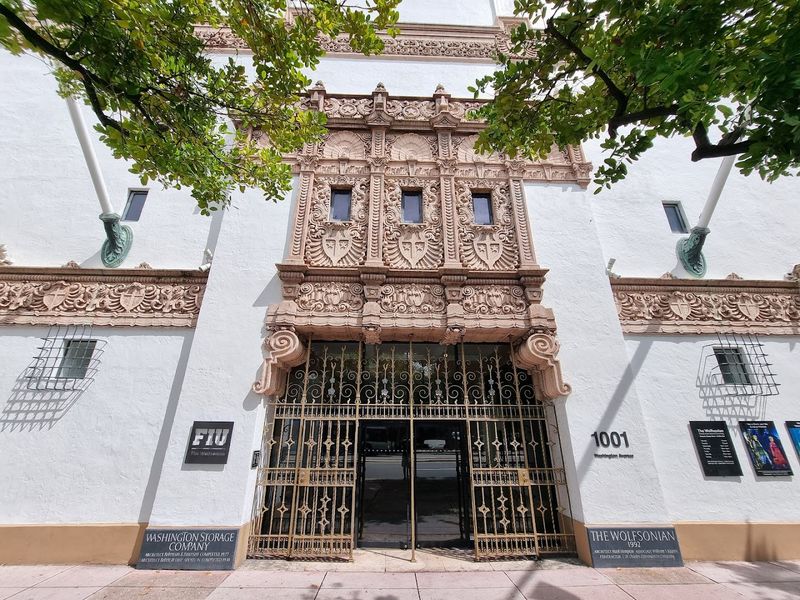
Most people walk right past the Wolfsonian without realizing they’re missing one of the most thought-provoking museums in South Florida. Tucked into a 1920s storage warehouse on Washington Avenue, this place is all about design, propaganda, and the objects that shaped modern life between 1885 and 1945. It’s part of Florida International University, and it takes a scholarly approach to things most of us take for granted—furniture, posters, household items, and industrial design.
The exhibits explore how art and everyday objects were used to influence politics, culture, and behavior. You’ll see propaganda from multiple countries, sleek Art Deco furniture, bold graphic design, and items that reveal how design was weaponized during wartime. It’s not your typical art museum—it’s more like a crash course in how visual culture shapes ideology.
The building itself adds to the experience, with its original terrazzo floors, high ceilings, and vintage industrial feel.
If you’re tired of the usual Miami Beach scene, the Wolfsonian offers a refreshing alternative. It’s quiet, intellectual, and endlessly interesting. You leave with a new appreciation for how much thought goes into the objects around us and how design has always been political.
It’s one of those museums that changes the way you see the world.
9. The Ringling (Sarasota)
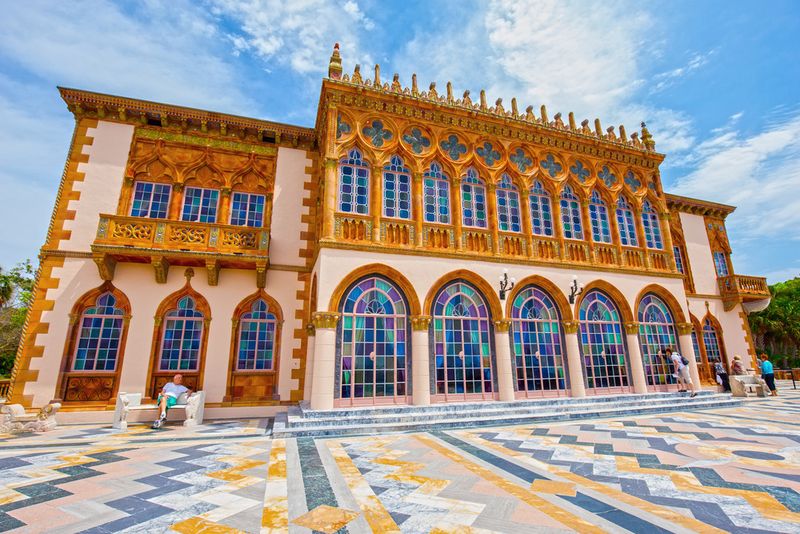
Most people know the Ringling name from the circus, but the museum John and Mable Ringling left behind in Sarasota is far more than big tops and clowns. The Ringling is actually a sprawling 66-acre estate that includes an art museum filled with Old Master paintings, a circus museum, the opulent Ca’ d’Zan mansion, and beautifully landscaped gardens overlooking Sarasota Bay. It’s one of Florida’s most layered cultural institutions, and you could easily spend an entire day here without seeing everything.
The art museum holds one of the finest collections of Baroque art in the United States, with works by Rubens, Velázquez, and other European masters. Meanwhile, the circus museum celebrates the history of the American circus with vintage posters, costumes, parade wagons, and memorabilia that capture the spectacle and showmanship of a bygone era. Ca’ d’Zan, the Ringlings’ personal mansion, is a Venetian Gothic palace that feels like something out of a dream, complete with original furnishings and jaw-dropping views.
What makes the Ringling special is how it blends high art with popular culture, elegance with spectacle. It’s a reminder that Florida has always been a place where different worlds collide. Whether you’re an art lover, a history buff, or just someone who appreciates beautiful spaces, the Ringling delivers on every level.
10. Elliott Museum (Stuart)
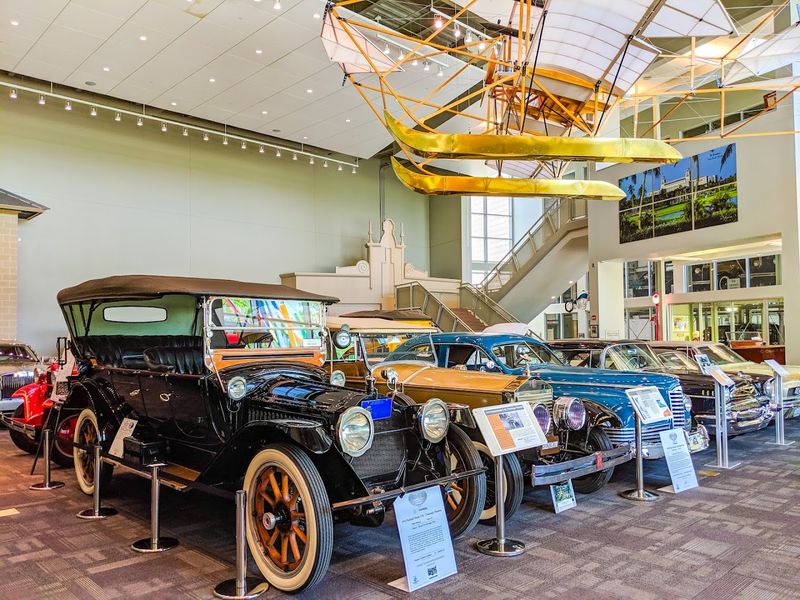
On Florida’s Treasure Coast, the Elliott Museum offers a surprisingly rich mix of local history, vintage transportation, Americana, and quirky exhibits that make it feel more like a well-curated attic than a traditional museum. Founded in 1961 and recently renovated, it’s named after inventor Sterling Elliott, whose creations—including an early version of the addressing machine—are part of the collection. But the museum has grown far beyond one man’s inventions to become a celebration of Florida’s east coast culture and history.
Inside, you’ll find beautifully restored classic cars, antique bicycles, maritime artifacts, and even a recreated general store and apothecary that transport you back to early 20th-century Florida. The museum also highlights local baseball history, including connections to the New York Mets and Brooklyn Dodgers, who trained in the area. There’s something wonderfully unpredictable about the Elliott—you never quite know what you’ll stumble onto next, and that’s part of the fun.
Southern Living recently highlighted the Elliott as one of Stuart’s must-see attractions, and it’s easy to see why. It’s the kind of place that rewards curiosity and makes you appreciate the small-town stories that often get overshadowed by Florida’s bigger cities. If you’re exploring the Treasure Coast, this museum is absolutely worth a stop.
11. Military Sea Services Museum (Sebring)
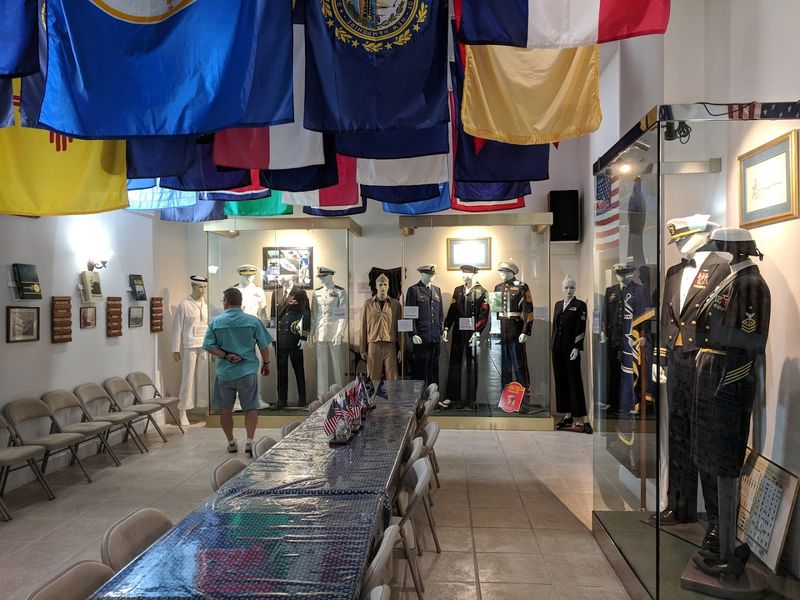
Tucked away in Sebring, a town better known for car racing than military history, the Military Sea Services Museum is a hidden gem dedicated to the U.S. Navy, Marine Corps, and Coast Guard. It’s a small, volunteer-run museum packed with uniforms, photographs, medals, equipment, and personal stories from men and women who served at sea.
If you’re a veteran, a military family member, or just someone who appreciates the sacrifices made by service members, this place hits differently than larger, more impersonal military museums.
The exhibits cover conflicts from World War II through recent deployments, with a focus on individual experiences rather than just big-picture battles. You’ll see personal letters, ship models, diving gear, and artifacts that bring history down to a human scale. The volunteers who run the museum are often veterans themselves, and they’re happy to share stories and answer questions.
It’s the kind of place where history feels personal and immediate.
Sebring isn’t on most tourists’ radar, but that’s part of what makes this museum special. It exists because locals wanted to honor the people they knew who served, and that sense of community pride comes through in every display. If you’re passing through Central Florida and want to see a side of the state that has nothing to do with theme parks, this is a meaningful stop.