Florida’s Biggest Farmers Market Is So Massive, You’ll Need Hours To See It All
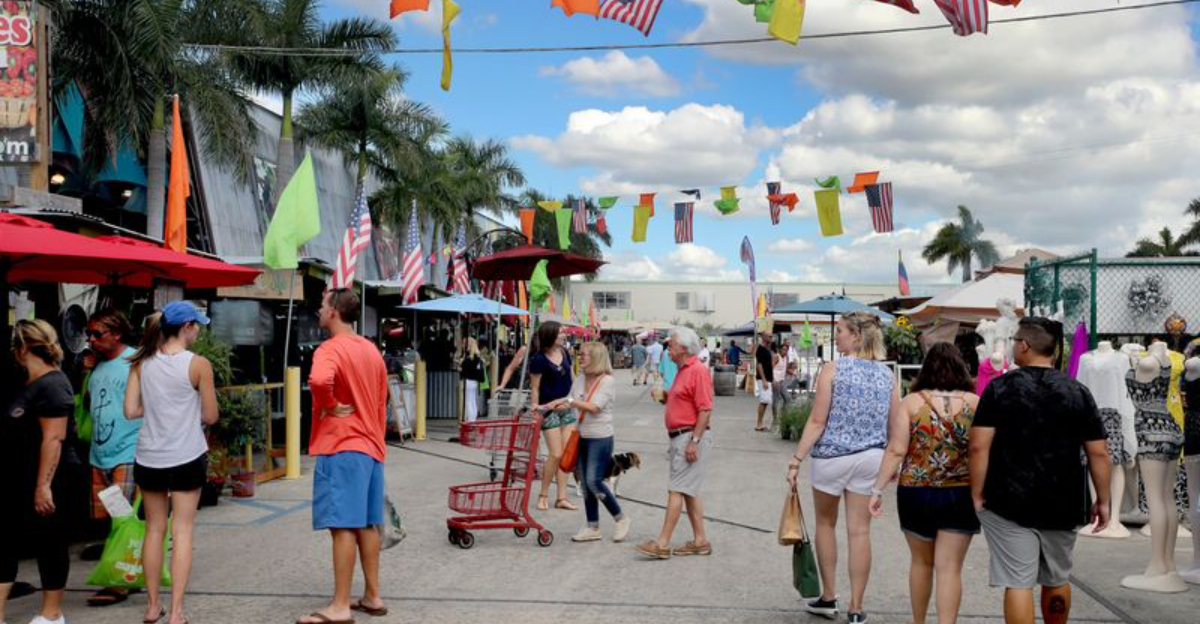
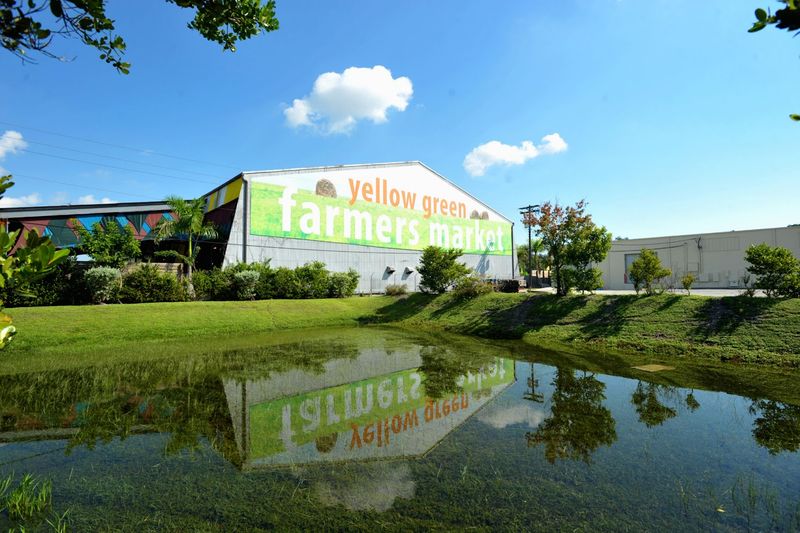
Hidden away on Sheridan Street in Hollywood sits a weekend wonderland that redefines what a farmers market can be. Yellow Green Farmers Market isn’t your typical roadside produce stand—it’s a sprawling indoor-outdoor marketplace where hundreds of vendors gather every Saturday and Sunday to sell everything from farm-fresh mangoes to handcrafted jewelry. With food stalls representing cuisines from around the globe, live music echoing through the aisles, and enough unique finds to fill your trunk twice over, this place demands a full morning or afternoon to properly explore.
1. A United Nations of Food Stalls Under One Roof
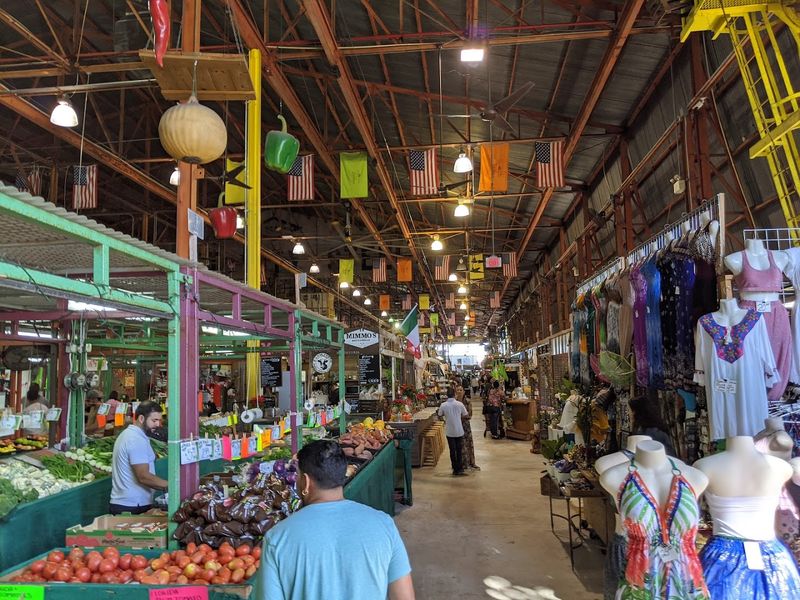
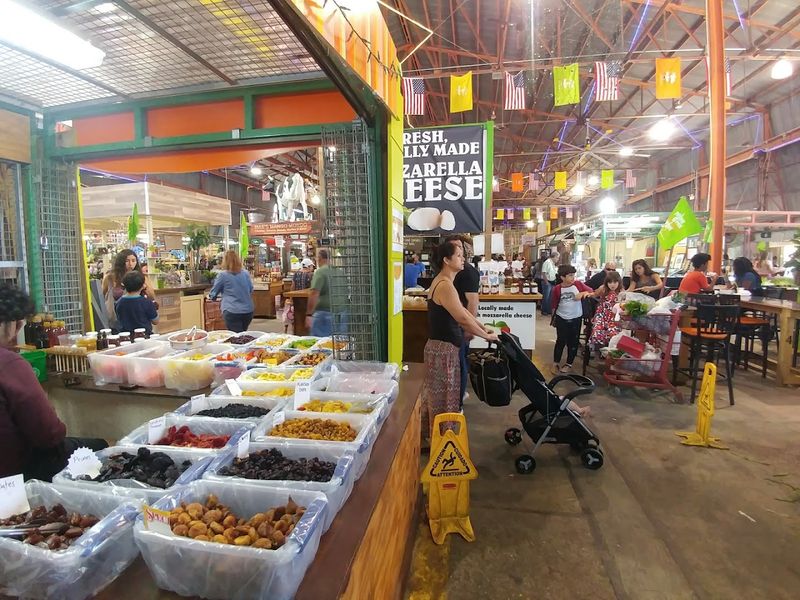
Walking through Yellow Green feels like taking a culinary world tour without needing a passport. Argentine empanadas sizzle next to Caribbean jerk chicken stands, while Italian vendors offer samples of pickled eggplant that’ll make you reconsider everything you thought you knew about vegetables. The smell of fresh brisket from Mr. Bill’s BBQ mingles with the sweet aroma of Colombian arepas, creating an intoxicating blend that makes decision-making nearly impossible.
Reviewers consistently rave about the international variety, with one visitor noting it reminded them of Playa Del Carmen without leaving Miami. Another called it a true melting pot of flavors and cultures. The food court sections buzz with energy as families gather around picnic-style seating, juggling plates from three different countries.
Don’t expect to eat at just one stall. Most people end up grazing their way through the market, grabbing an empanada here, some fresh coconut water there, maybe a chicharrón for good measure. The unlimited horchata refill stand gets special mentions in reviews, and the macaroon shop near the dessert section has developed its own loyal following.
Budget a few hours and come hungry—your taste buds will thank you for the adventure.
2. Fresh Produce That Rivals Any Grocery Store
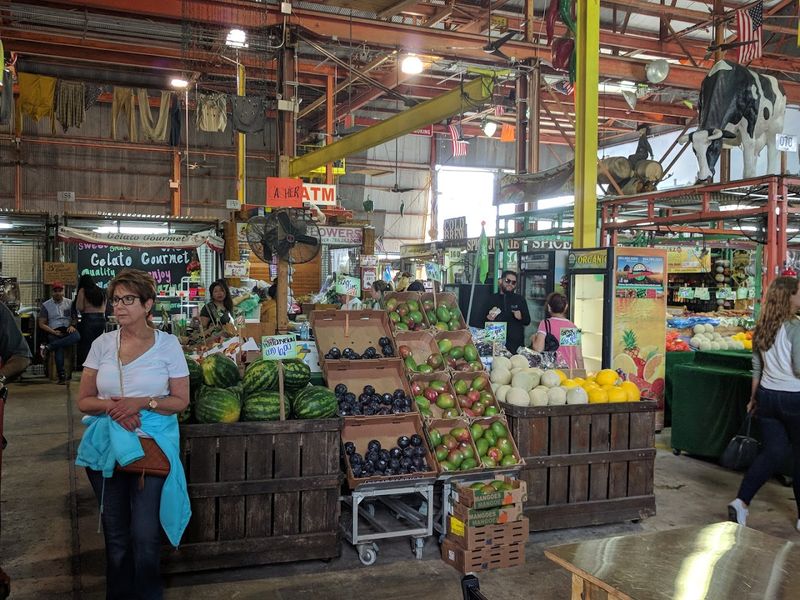
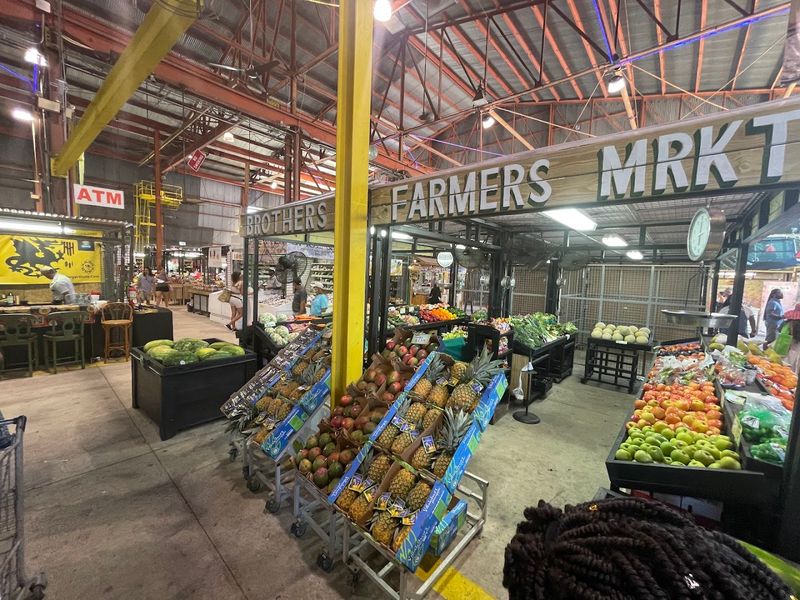
Beyond the prepared food frenzy, Yellow Green delivers serious produce game. Stalls overflow with tropical fruits you won’t find at your neighborhood Publix—mamey sapote, nance, sweet tangerines the size of softballs, and dragonfruit that looks too pretty to eat. Vendors arrange their goods with Instagram-worthy precision, creating pyramids of color that draw you in from across the aisle.
One shopper specifically mentioned scoring large sweet tangerines, mamey sapote, and a container of nance during a single trip. Another praised the crisp vegetables and fresh fruit selection, though they noted prices run comparable to local supermarkets rather than offering bargain-basement deals. You’re paying for variety and quality, not necessarily discounts.
The real value comes from accessing produce that simply doesn’t make it to conventional grocery chains. Farmers bring in seasonal specialties and hard-to-find tropical varieties that make the trip worthwhile for adventurous cooks and fruit enthusiasts. Multiple vendors mean you can compare quality and prices as you walk, and most offer samples so you’re not buying blind.
Pack a cooler in your car—you’ll likely leave with more than you planned, especially when you spot something you’ve never tried before sitting next to your usual favorites.
3. An Eclectic Shopping Experience Beyond Just Food
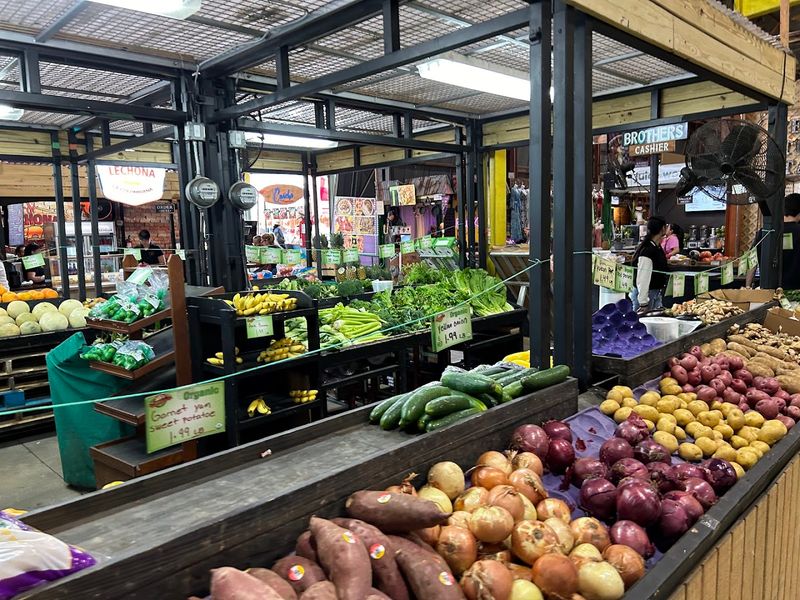
Calling Yellow Green just a farmers market sells it way short. Wander past the food sections and you’ll discover a flea market vibe mixed with artisan craft fair energy. Vendors hawk everything from healing crystals and essential oils to handmade clothing and quirky home décor.
One reviewer highlighted Aunt Jenn’s tea stall as a standout, excited to learn they sell online and operate a larger location elsewhere.
The plant selection earns consistent praise, with shoppers finding everything from succulents to statement tropical specimens. A body oil vendor with interesting custom blends caught one visitor’s attention, though they regretted not catching the business name. Jewelry stalls, aromatherapy booths, and candle makers dot the landscape, offering handcrafted alternatives to mass-produced mall merchandise.
This variety means different family members can split up and actually enjoy themselves rather than dragging reluctant partners through aisles of kale. Your plant-obsessed friend can geek out over rare philodendrons while your fashion-forward sister browses bohemian dresses. The eclectic mix also means you never quite know what you’ll stumble across—one visit might yield the perfect birthday gift you weren’t even looking for.
Just pace yourself; with this much variety, sensory overload becomes a real possibility halfway through your visit.
4. Live Music Sets the Vibe
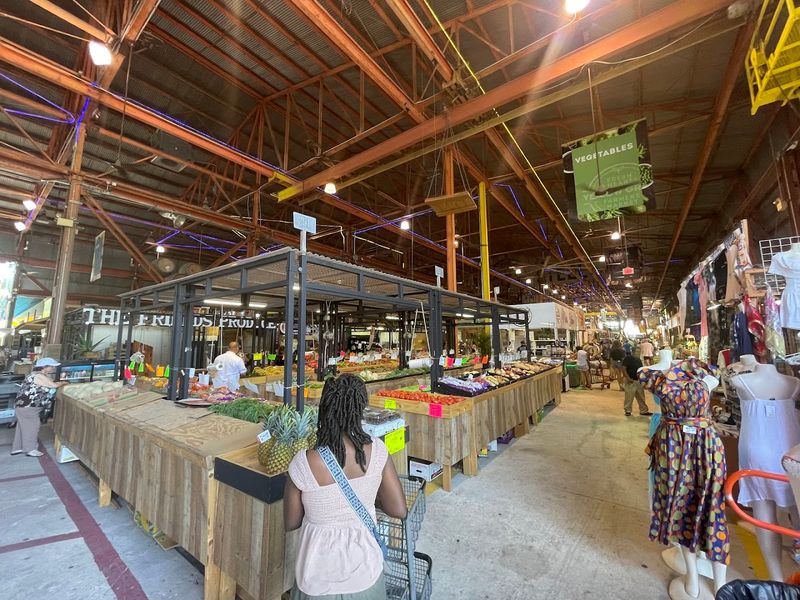
Music drifts through Yellow Green’s corridors like an invisible thread connecting the entire experience. Local musicians set up in strategic spots throughout the market, creating pockets of live entertainment that transform shopping into an event. The soundtrack shifts as you move—Caribbean rhythms near the jerk chicken stand, acoustic guitar near the coffee bar, maybe some jazz floating through the produce section.
Multiple reviewers specifically mentioned the music as a highlight, with one noting it plays everywhere and creates a lively, welcoming atmosphere. Another called out the live music as part of what makes the market worth visiting. It’s not background elevator music either—these are actual performers trying to make a living, adding authenticity to the already vibrant scene.
The musical element encourages lingering rather than rushing through your shopping list. People naturally slow down when a good song catches their ear, creating a more relaxed pace that suits weekend exploration. Kids dance near the performers while parents sip cold brew, and the whole scene feels more like a community gathering than a commercial transaction.
If you’re the type who gets stressed in crowded shopping environments, the music actually helps—it signals that this isn’t about efficiency or speed, but about soaking up an experience that engages all your senses at once.
5. The Parking Situation You Need to Know About
Let’s address the elephant-sized controversy: parking costs money, and locals have opinions about it. Currently running around ten dollars for all-day access, the parking fee has become the market’s most divisive feature. Some reviewers call it a scam, others label it counterproductive, and several longtime visitors lament the switch from free parking that once kept the place packed.
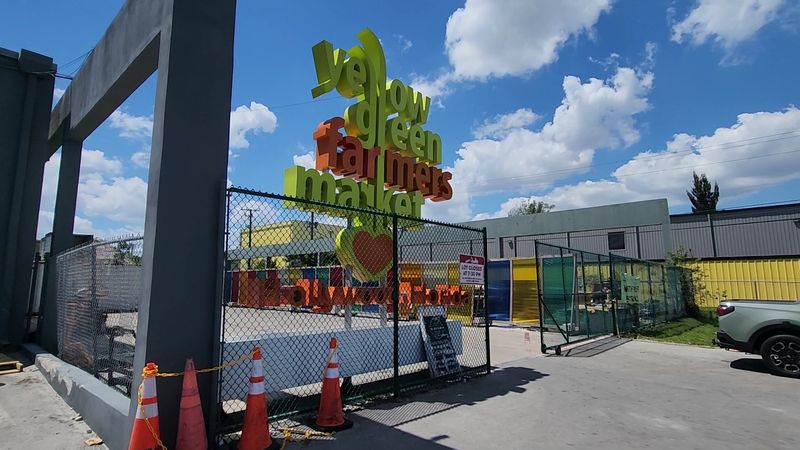
The practical reality? Enter from Sheridan Street to save yourself confusion—GPS sometimes directs people to a closed entrance on the opposite side. Credit or debit cards only, no cash accepted, which catches some visitors off guard.
The lot fills up quickly on nice-weather weekends, and escaping mid-day creates a bottleneck situation where you might wait thirty minutes just to exit.
Here’s the insider perspective: if you’re planning to spend several hours exploring, eating, and shopping, the parking fee becomes less painful when amortized across your entire visit. A free shuttle runs between the lot and entrance for those who park farther out. Come early Saturday morning or later Sunday afternoon to avoid the worst crowds and parking nightmares.
Some reviewers mentioned empty vendor spaces and decreased foot traffic since parking fees increased, so management clearly faces pressure to reconsider the policy. Until then, factor it into your budget and arrival strategy.
6. Pet-Friendly Paradise for Your Four-Legged Shoppers
Dog owners, rejoice—Yellow Green rolls out the welcome mat for your furry companions. The market maintains a completely pet-friendly policy, and vendors have clearly embraced the four-legged clientele. Water bowls appear strategically throughout the space, ensuring your pup stays hydrated while you browse through your third Colombian food stall of the afternoon.
One detailed reviewer specifically called out the pet-friendly atmosphere and the thoughtful placement of dog water stations as a major plus. Expect to see everything from chihuahuas in purses to great danes strolling the aisles alongside their humans. The outdoor sections work particularly well for pets since the open-air setup provides better ventilation than enclosed spaces.
Bringing your dog transforms the market visit into a social experience—fellow pet lovers will stop to chat, and your furry friend becomes an icebreaker with vendors. Just remember that Florida heat doesn’t care about your shopping plans. Visit during cooler morning hours or wait until late afternoon when temperatures drop.
The partially covered areas offer shade breaks, but pavement still gets scorching mid-day. Pack extra water for yourself and your pet, take frequent rest stops, and maybe skip the peak summer months entirely unless your dog handles heat exceptionally well. Your retriever might love the attention, but heat exhaustion isn’t worth the Instagram photos.
7. Weather Reality Check for Comfortable Visiting
Florida weather makes or breaks the Yellow Green experience, and pretending otherwise sets you up for misery. The market operates outdoors and under open-air metal structures with fans, which sounds romantic until you’re there on a 95-degree August afternoon with humidity that could wilt steel. Multiple reviewers emphasized the heat factor, with one noting they visited during pleasant 75-80 degree weather and still imagined discomfort at 85-plus temperatures.
Smart visitors dress in light, breathable clothing and bring hats or personal fans. The market provides some covered areas and shade breaks, but you’re still doing a lot of walking in Florida’s tropical climate. Comfortable shoes matter more than fashion—you’ll cover serious ground, and cute sandals that seemed fine in the parking lot become torture devices by the halfway point.
Winter and early spring offer ideal visiting conditions when temperatures hover in the comfortable range. Late fall also works well once summer’s oppressive heat finally releases its grip. If you must visit during summer, arrive right when doors open at ten AM before the sun reaches full strength, or wait until late afternoon when things cool slightly.
Hydration isn’t optional—grab fresh coconut water or juice from one of the many beverage vendors and keep sipping. The market’s variety justifies the weather challenge, but only if you prepare properly and pick your timing wisely.
8. Weekend-Only Schedule Requires Planning
Yellow Green operates exclusively on weekends—Saturdays and Sundays from ten AM until six-thirty PM. That’s it. No Wednesday afternoon quick trips, no Thursday evening stops on your way home from work.
This weekend-only model creates concentrated energy and crowds but demands schedule coordination if you’re driving from elsewhere in South Florida.
The limited hours actually contribute to the market’s special atmosphere. Vendors and shoppers alike treat it as a weekend destination rather than a routine errand, creating event-like energy that wouldn’t exist with daily operations. Families make it a Saturday tradition, couples plan Sunday brunch dates there, and out-of-towners specifically schedule Florida visits around market days.
Plan to arrive early for the best selection and smaller crowds, especially if you’re serious about produce shopping. By early afternoon, popular food stalls might run low on signature items, and parking becomes a contact sport. The six-thirty closing time comes faster than expected when you’re mid-exploration, so don’t show up at five PM expecting a full experience.
One reviewer mentioned needing multiple visits to truly take everything in, which rings true given the market’s scope. Block out at least three hours for a thorough first visit, then return on future weekends to discover sections you missed. The weekend-only schedule might seem restrictive, but it concentrates the market’s energy into two days of can’t-miss South Florida culture.