This Atlantic Coast Florida Beach Is Perfect for Finding Fossils and Shark Teeth
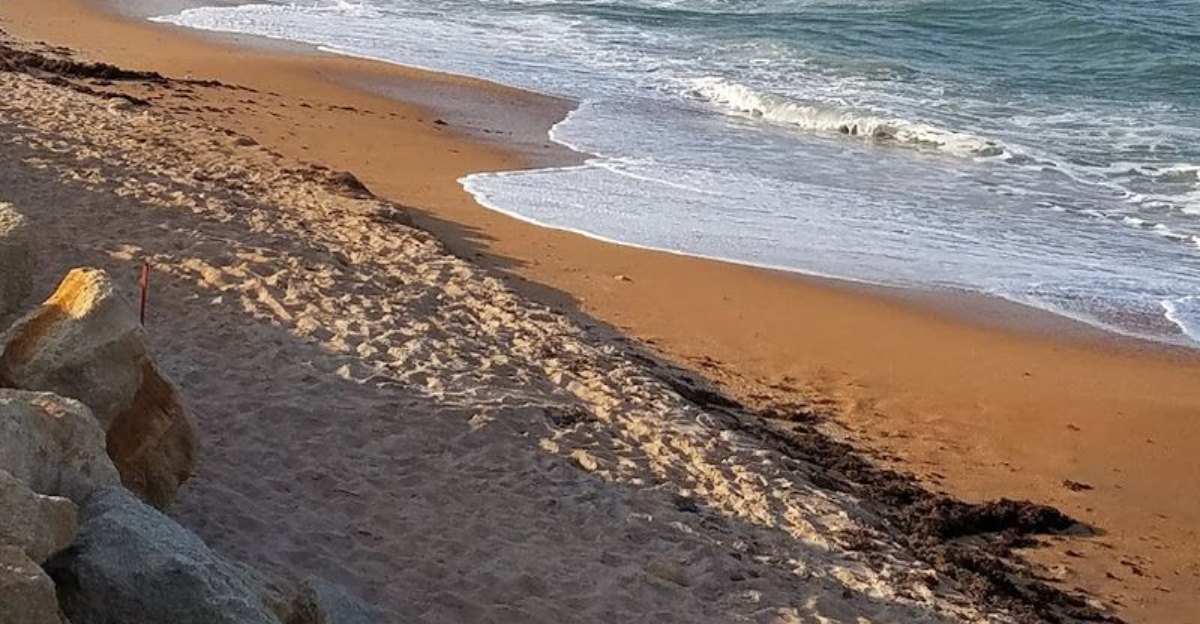
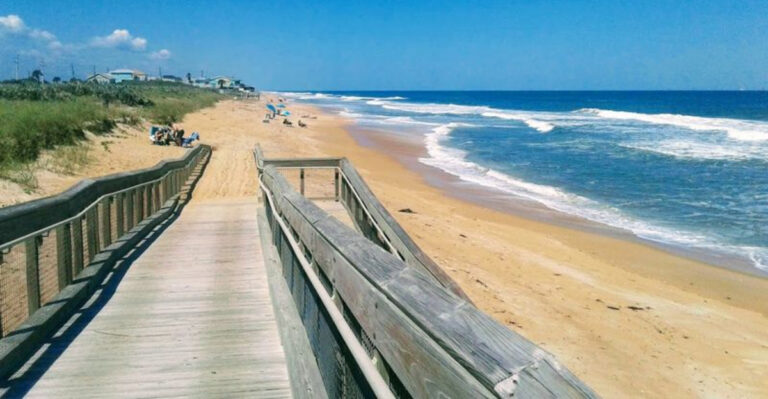
Flagler Beach sits along Florida’s Atlantic Coast as one of the best spots for finding ancient treasures washed up from the ocean floor. This laid-back beach town attracts fossil hunters and beachcombers who search the sand for prehistoric shark teeth, bone fragments, and other remnants from millions of years ago. The unique geological conditions and powerful waves make Flagler Beach a natural collecting ground where history literally washes ashore with every tide.
1. Why Flagler Beach Is a Fossil Hunter’s Paradise
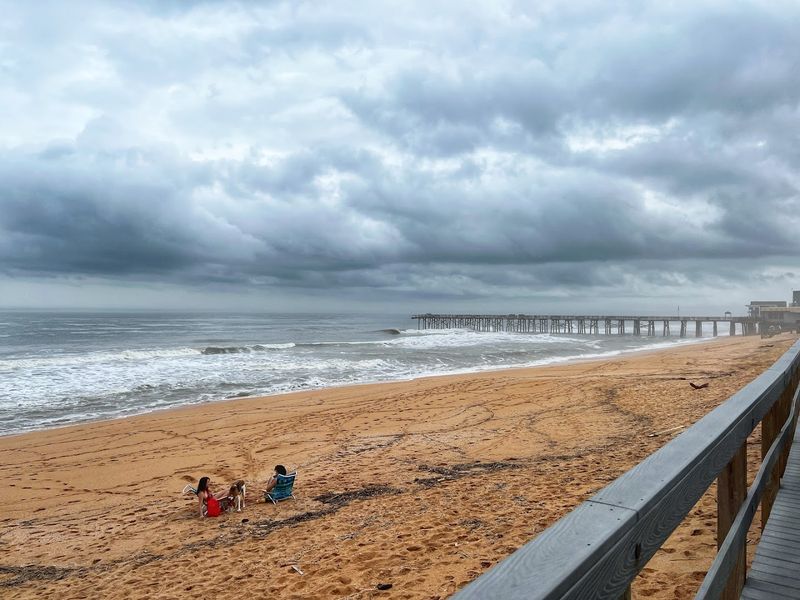
Flagler Beach earned its reputation as a fossil hotspot thanks to geology that goes back millions of years. The continental shelf off this coast holds layers of ancient sediment packed with prehistoric marine life remains. When storms churn up the ocean floor, these treasures get carried toward shore and deposited on the beach for lucky hunters to discover.
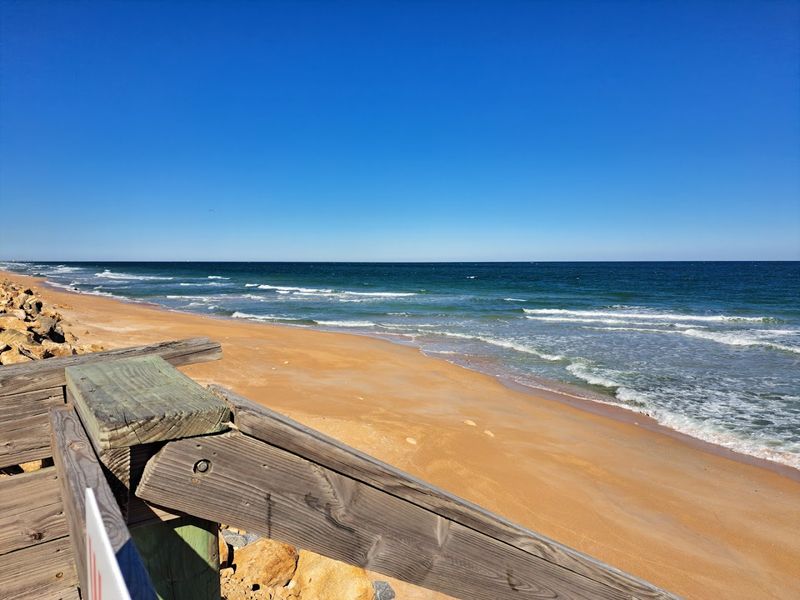
The coquina rock formations that line parts of Flagler Beach also play a role in the abundance of finds. These porous limestone outcroppings trap fossils and teeth as waves crash against them. After high tides or rough weather, you’ll often spot fresh specimens scattered across the sand near these natural collection points.
What makes Flagler Beach special is how accessible fossil hunting is here compared to other Florida beaches. You don’t need boats or diving equipment to find impressive specimens. Just walk along the waterline after a storm or during low tide, and you’ll likely spot dark triangular shapes that turn out to be ancient shark teeth.
The beach remains relatively uncrowded compared to busier tourist destinations, giving you more space to search without competing with hordes of other collectors.
2. Best Times to Search for Shark Teeth and Fossils
Timing matters when you’re hunting for fossils at Flagler Beach. Early morning right after sunrise gives you first crack at whatever washed up overnight. The beach is quietest then, and you’ll have fresh pickings before other collectors arrive.
Low tide exposes more sand and rocks where fossils tend to accumulate, so check tide charts before heading out.
After storms or periods of rough surf, your chances of finding good specimens increase dramatically. Strong waves and currents dislodge fossils from offshore deposits and push them toward the beach. Give it a day or two after a big weather event, then head out to see what turned up.
Winter months from December through March often produce the best fossil hunting conditions. The ocean tends to be rougher during this season, which means more churning of the seafloor and more fossils making their way to shore. Plus, cooler temperatures make walking the beach more comfortable than during Florida’s sweltering summers.
Full moon and new moon periods create stronger tides that can reveal fossils buried deeper in the sand. Plan your searches around these lunar phases for maximum success.
3. What You’ll Actually Find on Flagler Beach
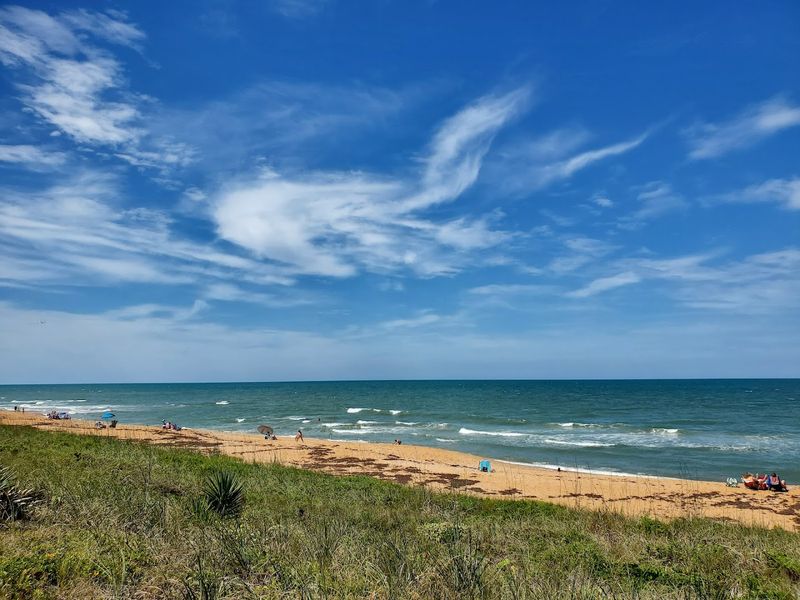
Shark teeth dominate most fossil collections from Flagler Beach, and for good reason. Sharks lose thousands of teeth throughout their lives, and these hard enamel structures preserve beautifully in ocean sediment. You’ll find teeth from extinct species like the massive megalodon, along with more recent sharks that still swim Florida waters today.
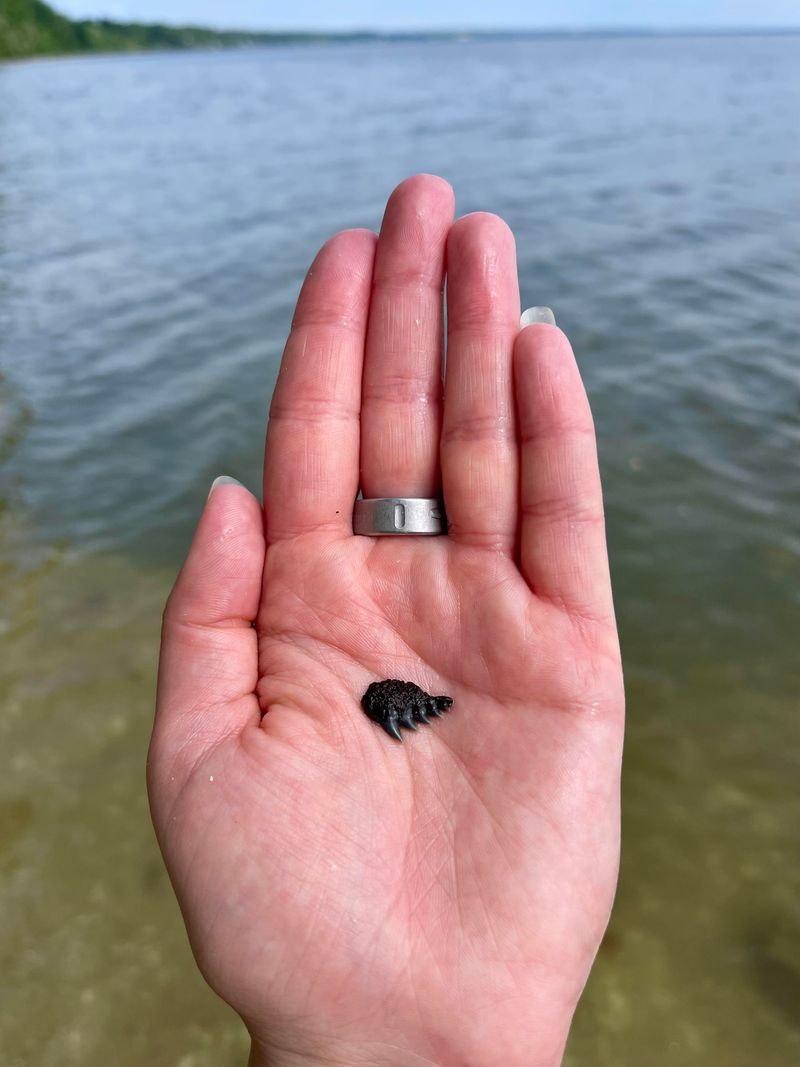
The teeth range in size from tiny specimens no bigger than a grain of rice to impressive three-inch beauties. Black, brown, and gray colors indicate fossilization and age. The darker the tooth, generally the older it is, though this isn’t always a perfect indicator.
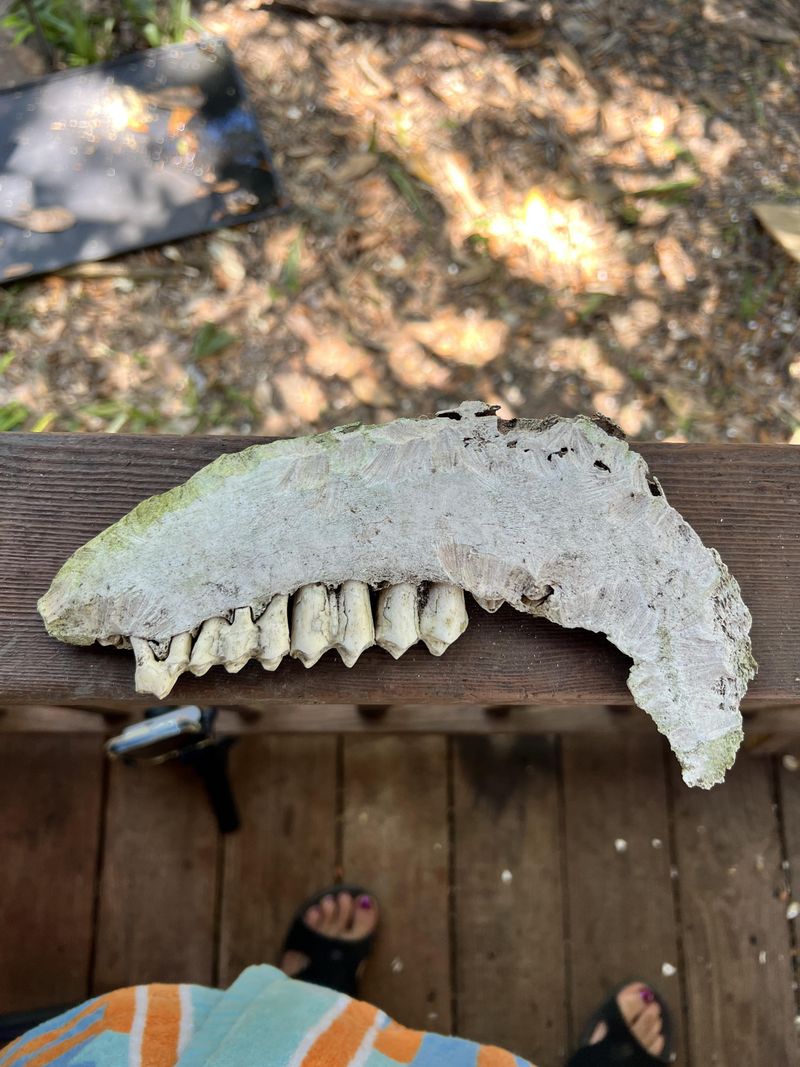
Beyond shark teeth, beachcombers discover fossilized bone fragments from ancient marine mammals, fish vertebrae, and occasionally pieces of prehistoric turtle shells. Stingray mouth plates with their distinctive crushing surfaces turn up regularly too. Some lucky hunters have even found fragments of mammoth or mastodon teeth that washed offshore from when these creatures roamed Florida during the Ice Age.
Coquina shells and modern shells mix with the ancient finds, so learning to distinguish fossils from recent specimens takes practice. Fossils feel heavier and denser than modern shells.
4. Where to Focus Your Search Along the Beach
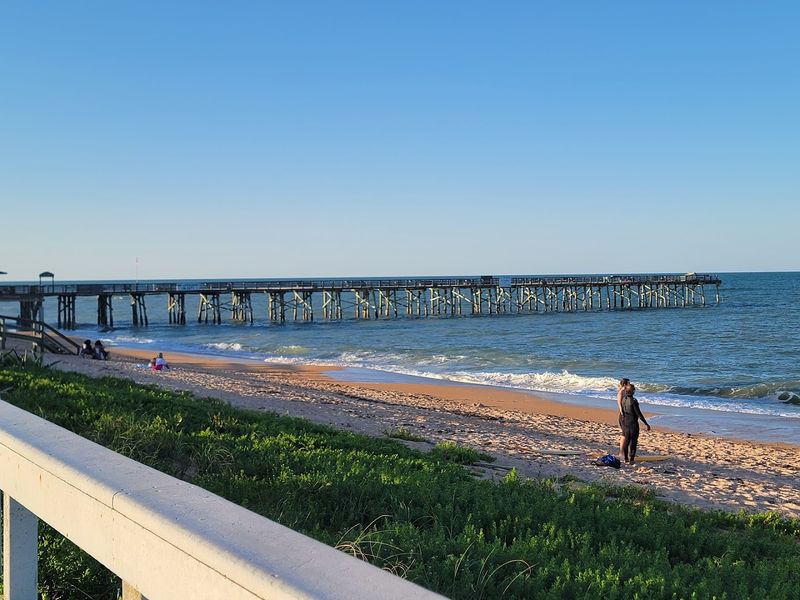
The six-mile stretch of Flagler Beach offers plenty of hunting ground, but certain spots produce better finds than others. Start near the coquina rock outcroppings that appear along various sections of the beach. These natural rock formations act as fossil traps, catching teeth and bones as waves wash over them.
Check the sand pockets between rocks and the areas immediately adjacent to these formations.
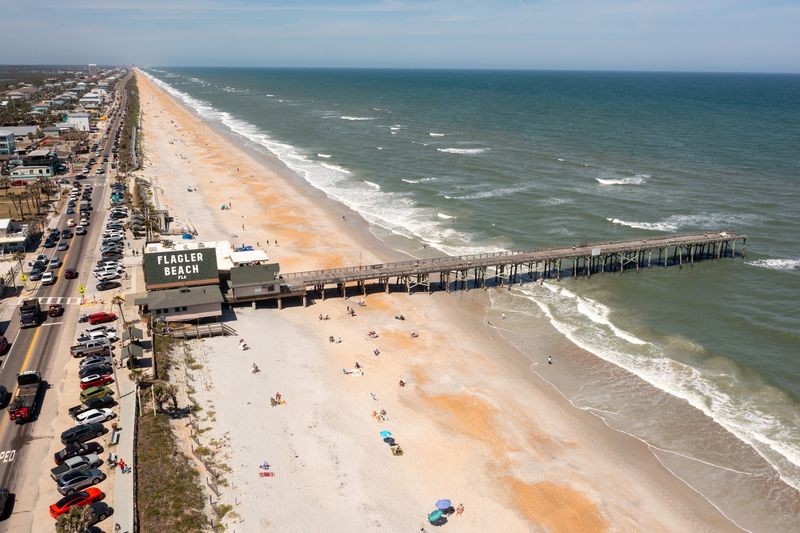
The Flagler Beach Pier area sees heavy foot traffic, which means more eyes competing for finds. However, the pier pilings and structure affect water flow in ways that can concentrate fossils in specific spots. Walk north or south from the pier to find less crowded stretches with equally good potential.
Focus your search along the waterline where waves are actively washing up and pulling back. This wet sand zone, called the swash zone, is where most fossils end up after being carried ashore. Pay special attention to shell piles and debris lines that mark where the tide deposited materials.
After storms, check the dunes and upper beach areas too. Powerful waves sometimes toss fossils well beyond the normal tide line.
5. Essential Gear for Fossil Hunting Success
You don’t need fancy equipment to find fossils at Flagler Beach, but a few simple tools improve your success rate. A small sand scoop or sifter lets you quickly process larger amounts of sand, especially in shell piles where fossils hide among regular shells. Hardware stores sell inexpensive versions, or you can make your own from a plastic colander.
Bring a mesh bag or small bucket to collect your finds. Plastic ziplock bags work in a pinch but can tear. Some hunters prefer divided containers to separate different types of fossils as they search.
A spray bottle filled with water helps rinse sand off specimens so you can examine them properly before deciding whether to keep them.
Polarized sunglasses reduce glare from wet sand and water, making it easier to spot dark shark teeth against lighter backgrounds. A hat and reef-safe sunscreen protect you during long searches. Comfortable water shoes or sandals that can get wet work better than flip-flops, which tend to come off in the surf.
Consider bringing a small magnifying glass for examining tiny teeth and bone fragments. Your phone camera works too for zooming in on potential finds.
6. How to Identify Your Fossil Finds
Learning to identify fossils takes practice, but a few key characteristics help distinguish ancient treasures from modern debris. Fossilized shark teeth feel smooth and glassy, with a weight and density that exceeds modern shells. The enamel remains intact, giving fossils a polished appearance even after millions of years.
Color provides clues about age, with black and dark brown teeth typically being oldest.
Examine the root of the tooth if it’s still attached. Fossilized roots appear darker and more solid than the lighter, porous roots of modern shark teeth. The overall shape and serrations along the edges help identify which shark species the tooth came from.
Triangular teeth with heavy serrations often come from meat-eating sharks, while flatter teeth belonged to shell-crushing species.
Bone fragments can be trickier to identify. Fossilized bone shows a honeycomb or porous internal structure when broken. The pieces feel dense and heavy.
Marine mammal bones often have a distinctive texture and thickness. Fish vertebrae look like small discs with a hole through the center.
When in doubt, take photos and consult online fossil identification groups or local rock and mineral clubs. Florida has active fossil collecting communities happy to help newcomers learn.
7. Rules and Regulations for Collecting Fossils
Florida allows fossil collecting on public beaches, making Flagler Beach an accessible spot for hunters of all ages. You can keep whatever you find on the beach without permits or special permissions. However, collecting regulations change once you enter the water.
Wading and surface collecting in shallow water generally falls under the same rules as beach collecting, but diving for fossils requires a permit from the state.
Stay on public beach areas and respect private property boundaries. Some beachfront properties extend to the high tide line, so avoid trespassing above that mark. Most of Flagler Beach offers public access, but watch for posted signs indicating private areas.
National and state parks have different rules than regular beaches. If you venture to nearby protected areas, check specific regulations before collecting. Some parks prohibit all fossil collecting to preserve natural resources.
Flagler Beach itself, being a city beach, allows collecting without restrictions.
Use common sense and practice ethical collecting. Take only what you’ll actually keep and display. Leave the beach cleaner than you found it by picking up trash along with your fossils.
Respect other beachgoers and wildlife.
8. Making the Most of Your Flagler Beach Visit
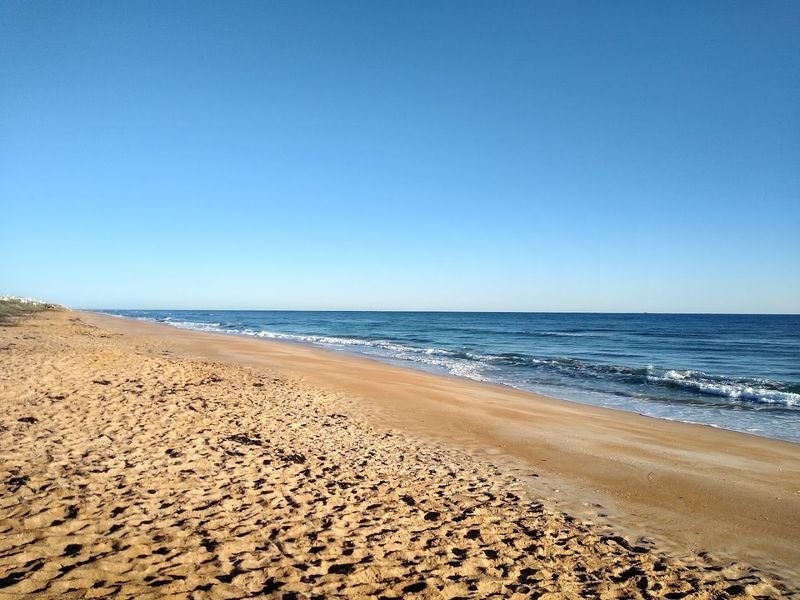
Flagler Beach offers more than just fossil hunting, so plan to spend a full day or weekend exploring this charming coastal town. The compact downtown area along State Road A1A features locally owned restaurants, surf shops, and casual eateries where you can grab lunch between beach searches. The laid-back vibe here differs from the more tourist-heavy beaches to the south.
The Flagler Beach Pier stretches 800 feet into the Atlantic and offers great fishing opportunities. Even if you’re not angling, walking the pier gives you excellent views of the coastline and often lets you spot dolphins, sea turtles, and schools of fish. The pier has a small admission fee, but it’s worth it for the perspective.
Time your visit to catch sunrise or sunset over the ocean. The beach faces east, making sunrise especially spectacular. Bring a beach chair and your fossil hunting gear for an early morning search followed by watching the sun come up over the Atlantic.
Several beach access points with parking dot the coastline. Some require paid parking while others remain free. Arrive early during peak season to snag spots.
The city maintains clean facilities and outdoor showers at major access points.