Walk Through 450 Acres Of Florida Wetlands Without Getting Your Shoes Wet
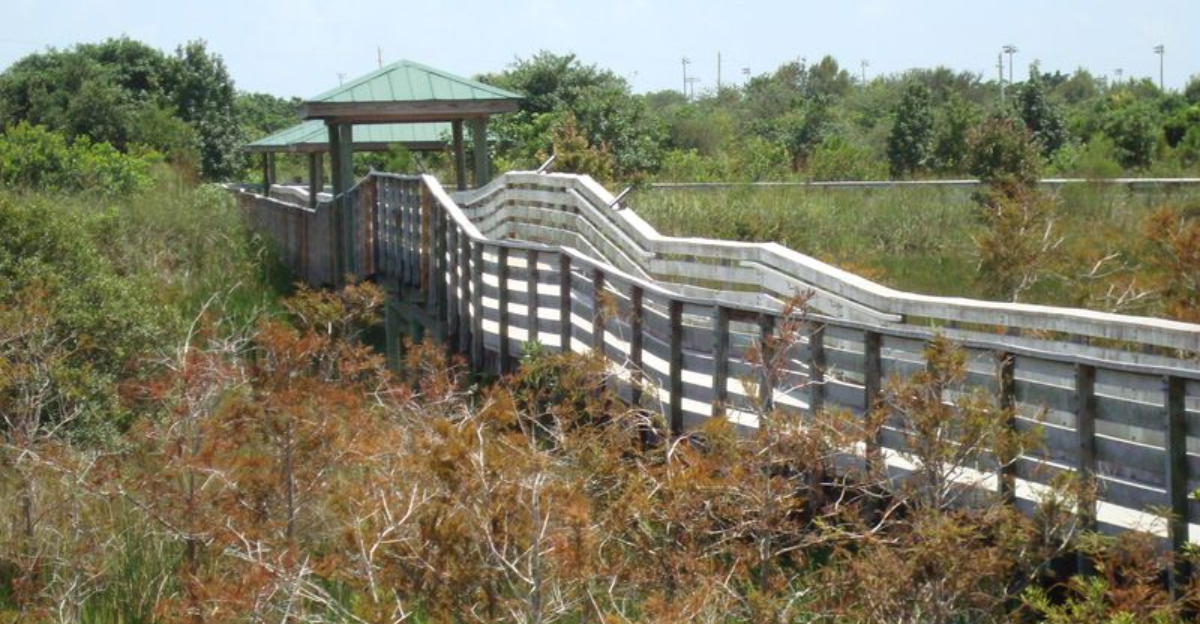
Chapel Trail Park in Pembroke Pines offers something most Florida parks can’t: a chance to experience authentic wetland ecosystems without trudging through mud or dealing with soggy sneakers. Spanning 450 acres of preserved natural landscape, this unique destination features elevated boardwalks and well-maintained trails that keep you comfortably above the water while immersing you in one of South Florida’s most fascinating environments. Whether you’re a nature lover, photographer, or just looking for an outdoor adventure that won’t ruin your shoes, this park delivers an experience that feels wild and remote while staying surprisingly accessible.
1. Elevated Boardwalk System Keeps You Dry
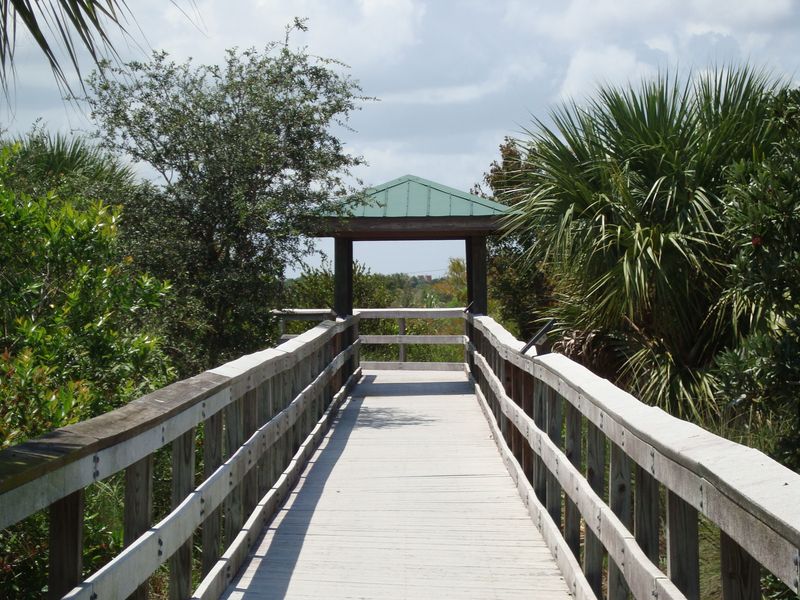
Most wetland adventures mean choosing between staying home or accepting wet feet as part of the deal. Chapel Trail Park flips that script entirely with its thoughtfully designed boardwalk system that winds through the heart of the preserve.
The raised wooden pathways hover several feet above the water level, giving you front-row seats to wetland life without any of the sogginess. You’ll cross over shallow marshes where wading birds hunt for breakfast and meander past cypress knees poking up from dark water.
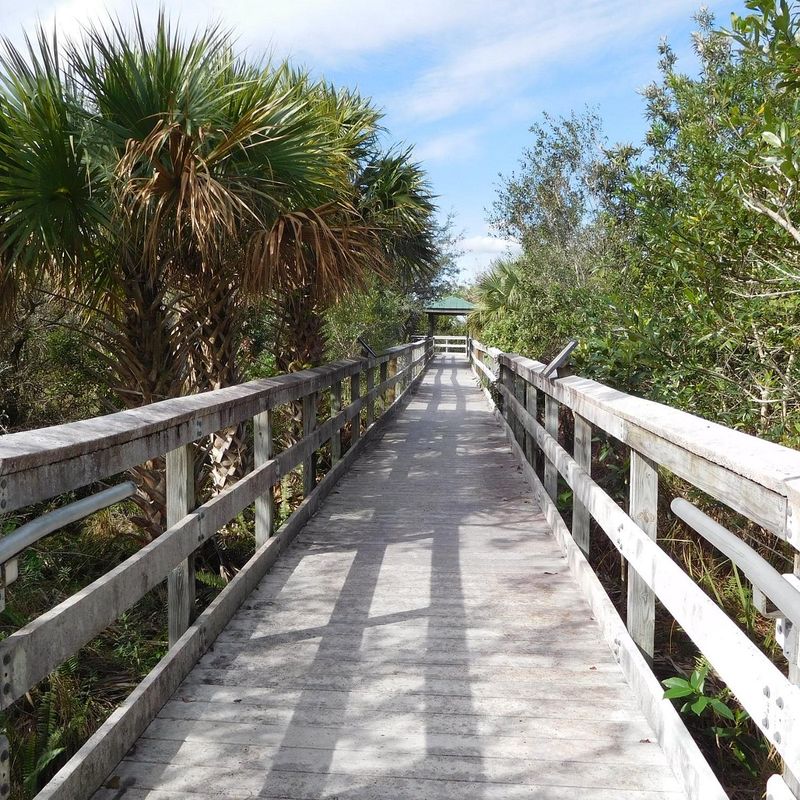
The boardwalks aren’t just functional—they’re engineered for comfort and safety. Sturdy railings line both sides, making them perfect for families with small kids or anyone who wants to lean over and snap close-up photos of turtles sunbathing on logs. The wood surface provides excellent traction even after morning dew or light rain.
What makes this setup brilliant is how it opens up areas that would otherwise be completely inaccessible. You’re not skirting around the wetlands or viewing them from a distance. Instead, you’re walking right through the middle of active ecosystems, surrounded by the sounds of frogs, insects, and rustling vegetation while your sneakers stay perfectly clean.
2. Wildlife Viewing Without the Mud
Forget those nature documentaries where photographers wade chest-deep through swamps to get good shots. At Chapel Trail Park, prime wildlife viewing happens from the comfort of dry land, or rather, dry boardwalk.
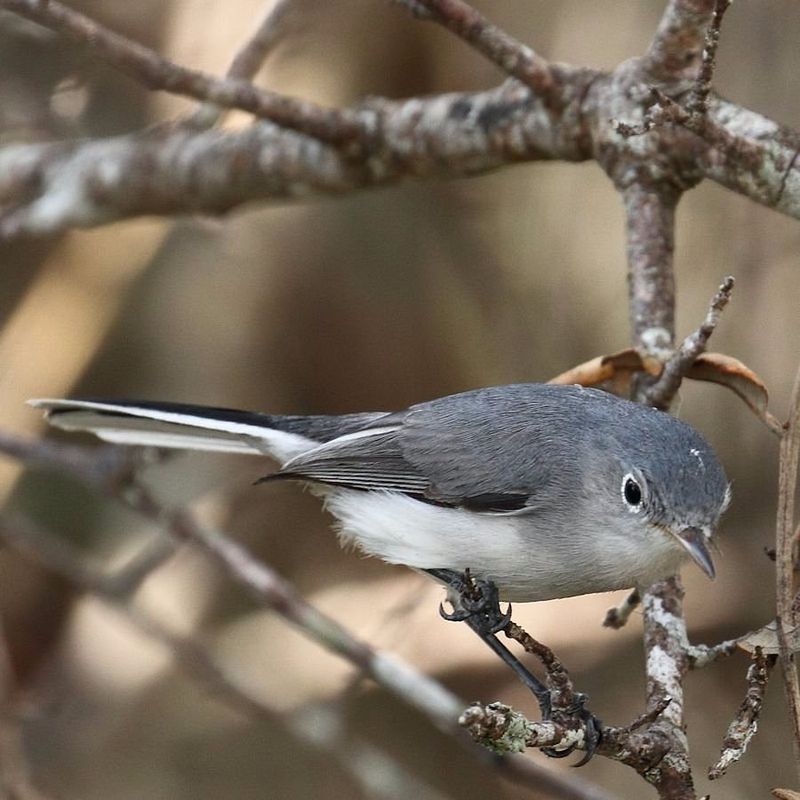
The elevated paths put you at the perfect height to observe wetland creatures going about their daily routines. Great blue herons stand motionless in shallow water waiting to strike, while anhingas spread their wings to dry in the morning sun. Turtles pile onto every available log, creating comical towers of stacked shells.
Early morning visits reward you with the most activity, when alligators cruise through open water and wading birds gather for feeding time. The boardwalk’s quiet wood surface doesn’t spook wildlife the way crunching through underbrush would, so animals often ignore human observers completely.
Bring binoculars if you’re serious about bird watching—the park sits along migration routes that bring seasonal visitors throughout the year. Even without optical aids, you’ll spot plenty of action. Dragonflies patrol the railings, butterflies work the wildflowers growing at the water’s edge, and fish create ripples as they surface to feed.
Photography enthusiasts love how the boardwalk provides stable shooting platforms with unobstructed views.
3. Shaded Canopy Trails Through Cypress Forests
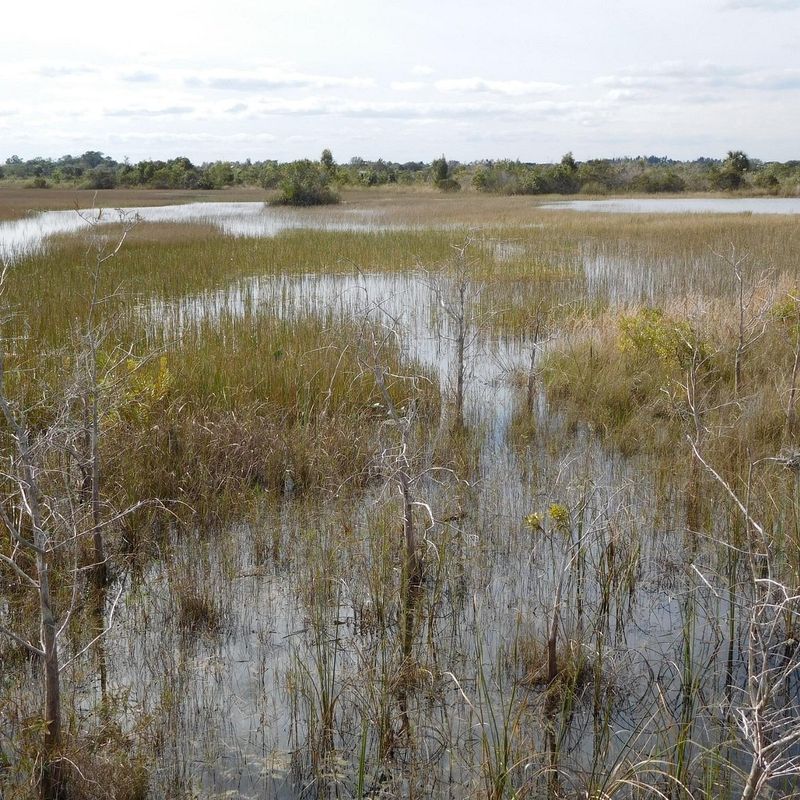
The boardwalk sections transition seamlessly into shaded trails that tunnel through dense cypress forests. Here, the temperature drops noticeably, and the atmosphere shifts from open marsh to intimate woodland.
Towering bald cypress trees create a natural canopy overhead, filtering harsh Florida sunshine into dappled patterns on the path below. Spanish moss drapes from branches like nature’s curtains, swaying gently in whatever breeze manages to penetrate the forest interior. The air smells earthy and alive, rich with the scent of decomposing leaves and damp wood.
These shaded sections provide welcome relief during summer months when open areas can feel like convection ovens. The forest floor stays relatively dry compared to the surrounding wetlands, supported by the massive root systems of mature trees. You’ll notice how cypress knees—those knobby protrusions rising from the roots—create sculptural landscapes that look almost alien.
The trail surface alternates between boardwalk and packed earth, but even the earthen sections drain well enough to keep your feet dry under normal conditions. Listen for woodpeckers hammering away at dead trees and watch for barred owls roosting in the shadows. The forest sections feel worlds away from suburban Pembroke Pines, even though you’re just minutes from major roads.
4. Educational Signage Brings Wetland Science to Life
Walking through beautiful landscapes is one thing. Understanding what you’re looking at transforms the experience into something memorable and meaningful, which is where Chapel Trail Park’s interpretive signage shines.
Strategically placed along the boardwalks and trails, weatherproof educational panels explain the wetland ecosystem in language that makes sense to everyone from grade-schoolers to retired scientists. You’ll learn why wetlands matter beyond just looking pretty—they filter water, prevent flooding, and support incredible biodiversity.
The signs identify common plants you’re seeing, from sawgrass to water lilies, and explain how each species contributes to the overall ecosystem. Some panels focus on wildlife, showing silhouettes of birds you might spot and describing their behaviors. Others dive into geology and hydrology, explaining how South Florida’s unique limestone foundation creates the conditions for wetlands to thrive.
Kids especially appreciate the interactive elements on some displays, like size comparisons showing how big alligators can grow or charts tracking seasonal changes in water levels. Parents love that the educational content keeps young minds engaged instead of hearing constant complaints about being bored. The signage placement is thoughtful too—positioned at natural stopping points where boardwalks widen or benches invite you to rest while you read and absorb the information.
5. Sunrise Photography Opportunities
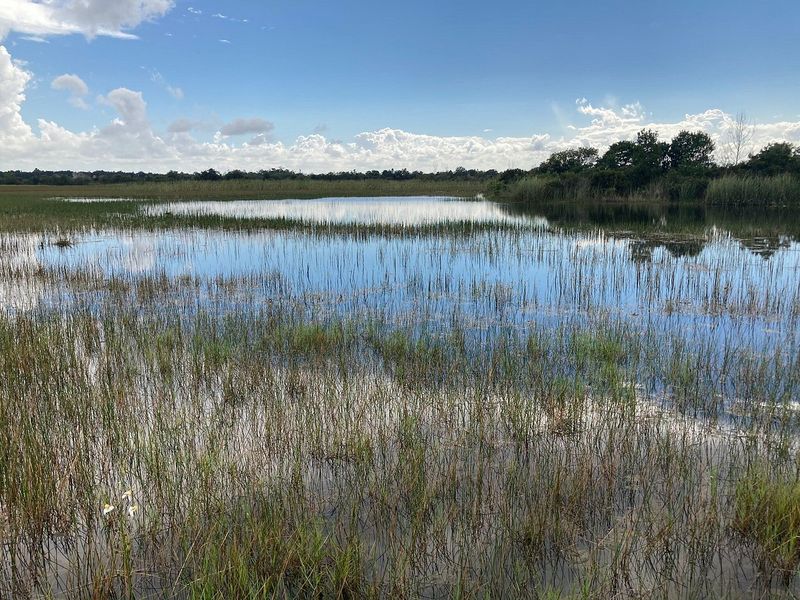
Photographers willing to set early alarms discover that Chapel Trail Park transforms into something magical during the golden hour after dawn. The wetlands catch and reflect sunrise colors in ways that make your camera’s memory card fill up fast.
Position yourself on the eastern-facing boardwalk sections as the sun breaks the horizon, and you’ll understand why landscape photographers obsess over wetland environments. The still water becomes a mirror, doubling vivid orange and pink skies while silhouetted cypress trees create dramatic foreground elements. Morning mist often rises from the warmer water, adding ethereal layers to compositions.
The elevated boardwalks solve the biggest challenge in wetland photography—finding stable, dry shooting positions with clear sightlines. You’re not fighting through vegetation or balancing precariously on muddy banks. Instead, you can set up tripods securely, experiment with different angles, and move freely along the walkway to find optimal compositions.
Wildlife activity peaks during early morning hours too, so you might capture herons fishing in golden light or alligators creating perfect reflections as they glide through glass-smooth water. The park opens at 7 AM most days, giving you access right when the light is best. Bring a wide-angle lens for sweeping wetland vistas and a telephoto for isolating wildlife subjects against dreamy bokeh backgrounds.
6. Accessible Pathways for All Ability Levels
Nature experiences shouldn’t require athletic prowess or perfect mobility, and Chapel Trail Park’s designers clearly understood that principle when creating the trail system. The boardwalks and main paths accommodate wheelchairs, strollers, and anyone who struggles with uneven terrain.
The walking surfaces stay smooth and level throughout most of the route, without the roots, rocks, or sudden elevation changes that make many nature trails challenging for people with mobility limitations. Boardwalk sections feature gentle slopes instead of stairs at transition points, and the width accommodates two wheelchairs passing comfortably.
Railings provide support for anyone who needs something to hold while walking, and benches appear frequently enough that you can rest without feeling like you’ve failed some endurance test. The shade from cypress canopies means people sensitive to heat or sun exposure can enjoy extended visits without discomfort.
Families with young children in strollers appreciate how the smooth pathways let them navigate easily while keeping kids contained and comfortable. Grandparents who might skip rougher trails find they can participate fully here, sharing the wetland experience with younger family members. The accessible design doesn’t compromise the wild character of the environment—you’re still immersed in authentic wetlands, just without the physical barriers that exclude so many people from similar natural areas elsewhere.
7. Protected Natural Areas Within Urban Sprawl
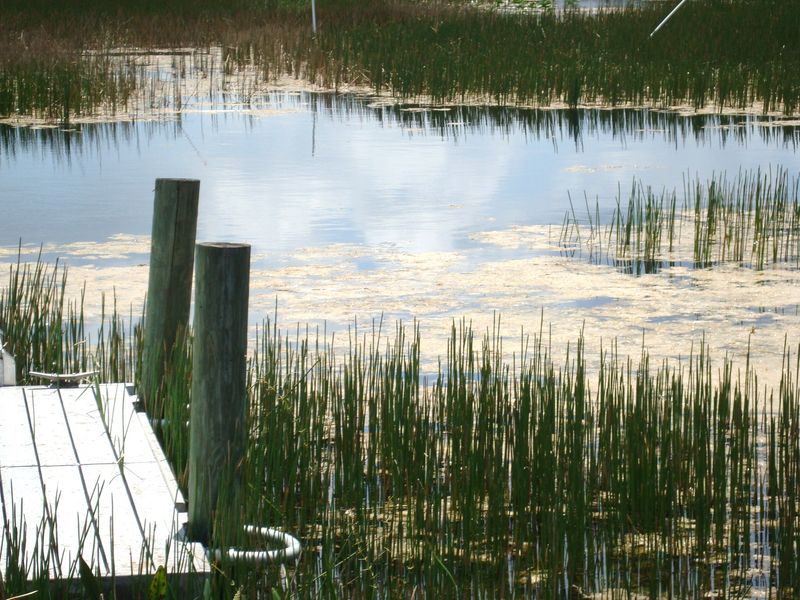
Chapel Trail Park represents something increasingly rare in South Florida: substantial protected wetlands smack in the middle of developed suburbia. The 450-acre preserve exists as a green island surrounded by neighborhoods, shopping centers, and busy roads.
This location matters more than you might think. Wetlands throughout Florida have been drained, filled, and paved over for decades, eliminating habitat and disrupting natural water flow patterns that prevent flooding. Having a large preserve in Pembroke Pines protects critical ecosystem functions while giving residents immediate access to nature without driving to the Everglades.
The preserved area serves as a wildlife corridor, allowing animals to move through otherwise hostile urban landscapes. Birds migrating along the Atlantic flyway find refuge here. Alligators, river otters, and wading birds maintain populations that would otherwise disappear from western Broward County entirely.
From a human perspective, the park provides environmental services that benefit the whole community. Wetlands absorb and filter stormwater runoff, reducing flooding in surrounding neighborhoods during heavy rains. They recharge the aquifer that supplies South Florida’s drinking water.
Standing on the boardwalk, surrounded by wild landscapes, you’d never guess you’re minutes from I-75 and major shopping areas.
The contrast highlights how valuable these protected pockets of nature become as development pressures intensify across the region.
8. Year-Round Exploration in Comfortable Conditions
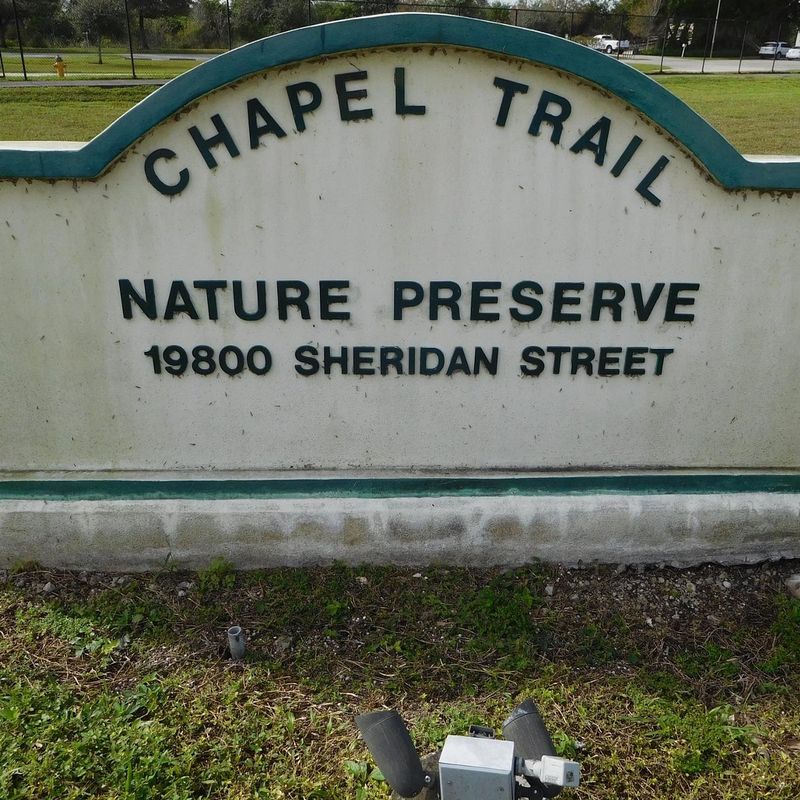
Unlike many outdoor activities in Florida that become miserable during certain seasons, Chapel Trail Park remains enjoyable throughout the year. The wetland environment and thoughtful trail design create conditions that work even when weather elsewhere feels oppressive.
Summer months that send beachgoers running for air conditioning actually bring the wetlands to life. Water levels rise, vegetation explodes in lush greens, and wildlife activity increases. The shaded forest sections and elevated boardwalks keep you above the worst humidity while still letting you experience the season’s ecological peak.
Early morning or late afternoon visits avoid midday heat entirely.
Winter transforms the park into a different kind of paradise. Cooler temperatures make midday walks pleasant, and lower water levels concentrate wildlife around remaining pools, improving viewing opportunities. Migratory birds arrive from northern regions, increasing species diversity dramatically.
You might need a light jacket for early morning visits, but that beats sweating through your shirt.
Spring and fall shoulder seasons offer the best of both worlds—comfortable temperatures, active wildlife, and beautiful lighting conditions throughout the day. The dry footing provided by boardwalks and well-maintained trails means you can visit even after rain, when many natural areas become muddy nightmares. This reliability makes Chapel Trail Park a go-to destination regardless of season or recent weather, giving you nature access whenever the mood strikes.