This Peaceful Florida Town Is the Low-Key Getaway Tourists Haven’t Found Yet
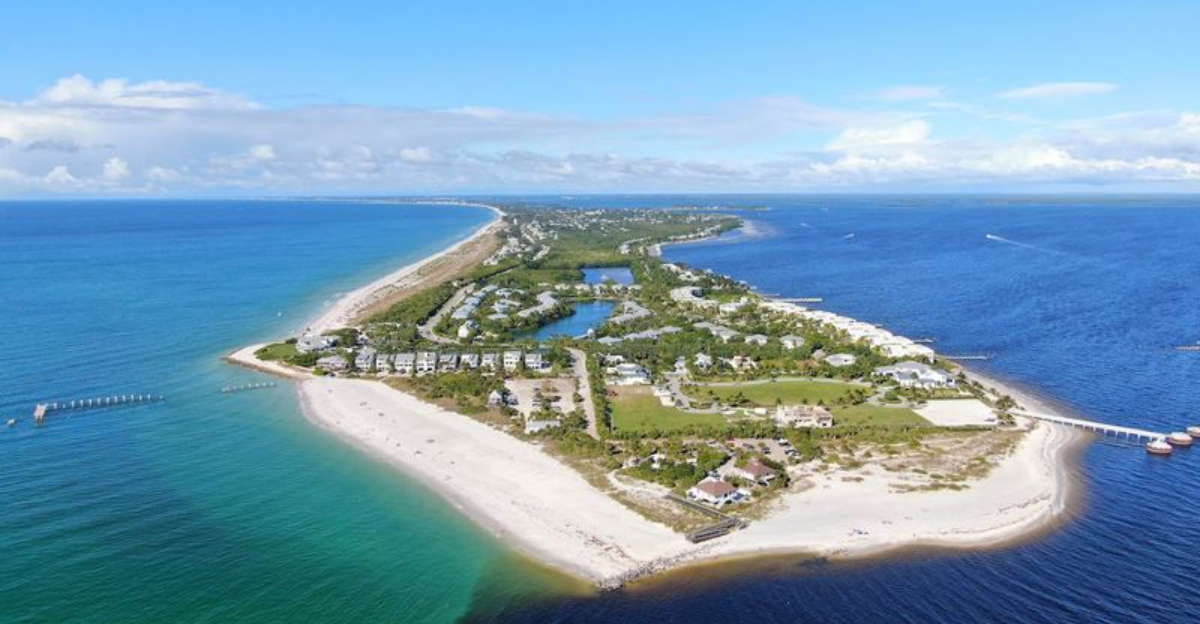
Hidden away on Gasparilla Island in southwest Florida, Boca Grande remains one of the state’s best-kept secrets. While crowds flock to Miami and Orlando, this charming village offers something rare: genuine small-town tranquility mixed with old Florida charm. With pristine beaches, world-class fishing, and a pace of life that feels like stepping back in time, Boca Grande proves that the best destinations are often the ones tourists haven’t discovered yet.
1. Gasparilla Island State Park Brings You Face-to-Face with Nature
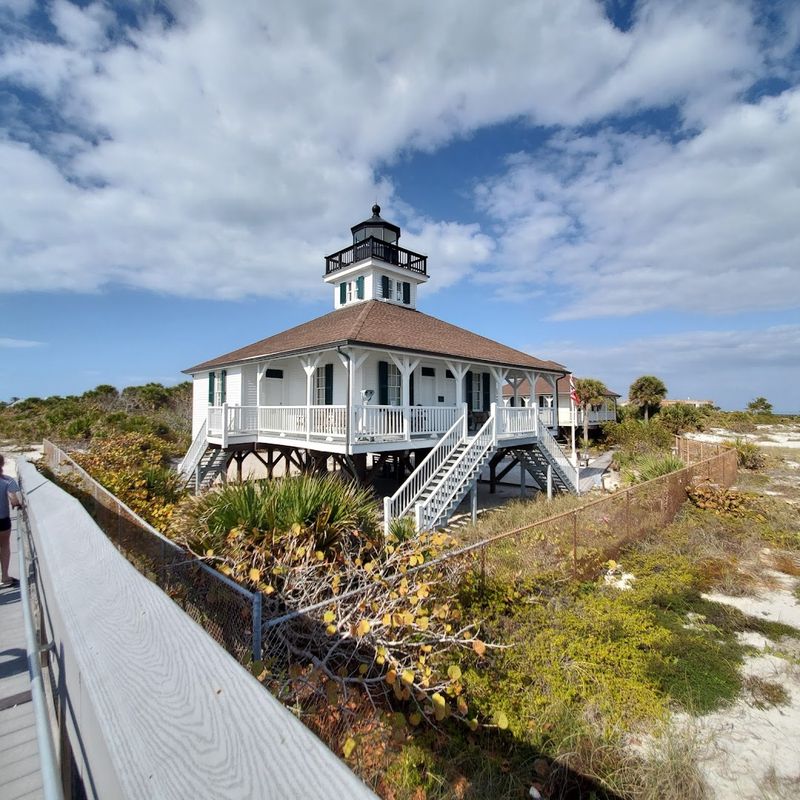
Gasparilla Island State Park sits at the southern tip of the island, where nature puts on a show that most Florida tourists never witness. The park wraps around the historic Boca Grande Lighthouse, built in 1890, which still stands as a proud reminder of the island’s maritime heritage. You can walk the sandy trails that wind through sea grape and cabbage palms, spotting gopher tortoises and shore birds along the way.
The beaches here feel untouched compared to Florida’s more commercial stretches. Shells scatter across the sand like treasures waiting to be discovered, and the water shimmers in shades of emerald and turquoise. During tarpon season, you might see anglers casting lines from the shore, hoping to hook one of these silver giants.
What makes this park special is its ability to transport you away from modern chaos. No high-rises block the horizon, no jet skis disturb the peace. Just miles of coastline where dolphins surf the waves and pelicans dive for dinner.
Pack a picnic, bring your camera, and prepare to experience Florida the way it existed before theme parks and traffic jams took over.
2. Bike Everywhere Because Cars Feel Out of Place Here
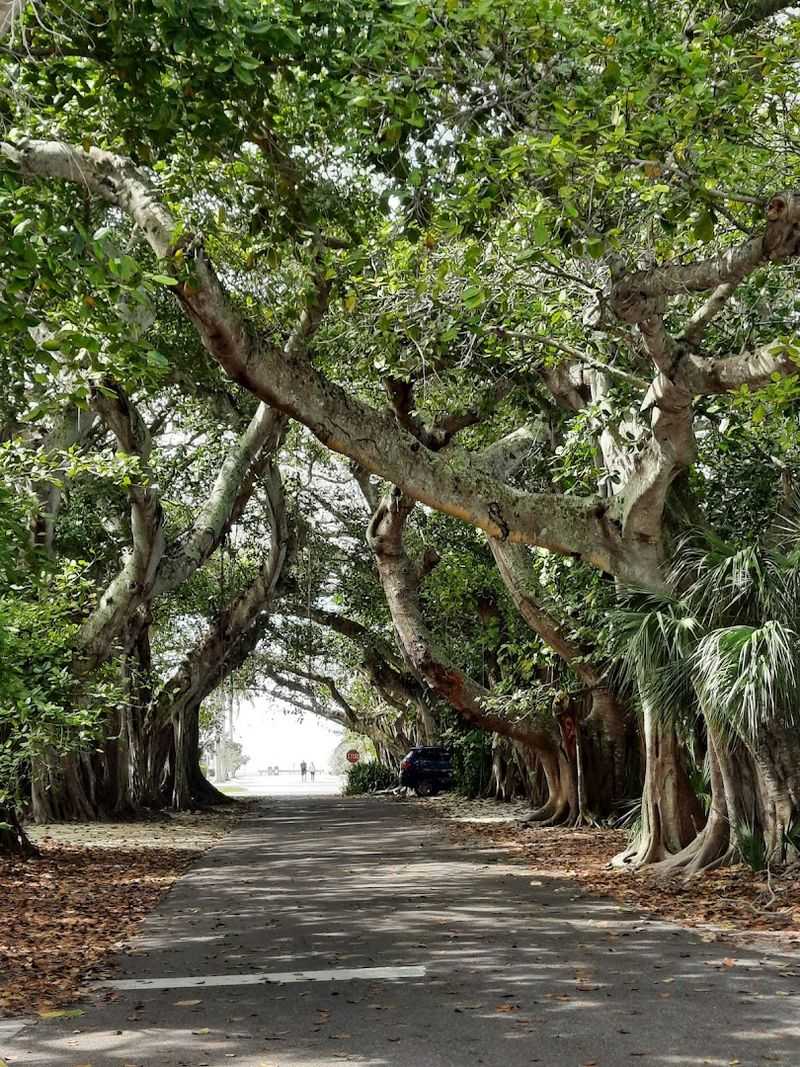
Cars exist in Boca Grande, but they seem almost apologetic about it. This is a bicycle town through and through, where pedaling past banyan trees and pastel cottages counts as the preferred method of transportation. The entire island stretches only seven miles long, making every destination reachable on two wheels without breaking a sweat.
Bike paths crisscross the island like veins, connecting the village center to the beaches, parks, and residential neighborhoods. You’ll pass locals who wave from their porches, kids heading to the beach with surfboards balanced on handlebars, and retirees cruising to morning coffee dates. Several rental shops offer beach cruisers by the hour or day, some with baskets perfect for carrying towels and picnic supplies.
Riding through Boca Grande feels like pedaling through a postcard from the 1950s. Moss-draped oaks create natural tunnels of shade, and the air smells like salt and jasmine. You’ll quickly understand why residents resist change so fiercely.
When a place works this well at such a relaxed pace, why would anyone want to speed it up? Leave your car parked and join the two-wheeled parade.
3. Downtown Boca Grande Keeps Things Simple and Sweet
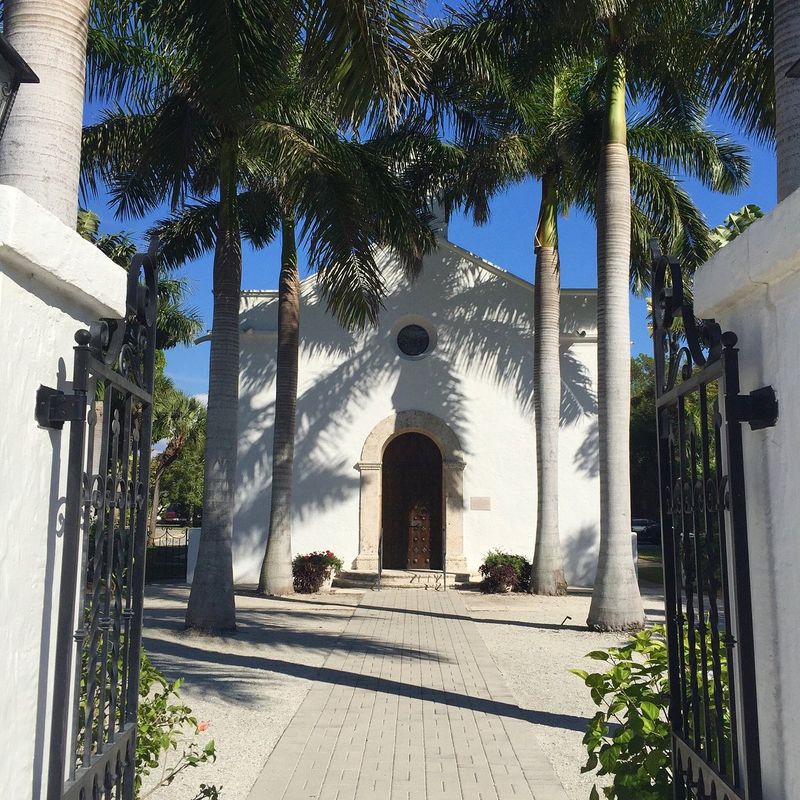
Forget sprawling shopping centers and chain restaurants. Downtown Boca Grande consists of a few blocks where locally-owned shops and eateries create an atmosphere that feels more like visiting your favorite aunt’s neighborhood than a tourist destination. The buildings wear cheerful colors, pink and yellow and turquoise, with awnings that provide shade for window shoppers.
Small boutiques sell resort wear, nautical decorations, and handmade jewelry. You won’t find aggressive sales tactics here, just friendly owners who genuinely enjoy chatting about the island and their products. Several art galleries showcase work from local painters and photographers who capture Gasparilla Island’s natural beauty in ways that make you want to hang their pieces on your wall immediately.
When hunger strikes, choose from casual cafes serving fresh seafood, ice cream shops scooping homemade flavors, and bakeries where the smell of fresh bread drifts onto the sidewalk. Nothing stays open too late, and most places close on Sundays, which somehow adds to the charm. This is a town that values quality of life over profit margins, where business owners would rather spend Sunday with family than chase every possible dollar.
4. Tarpon Fishing Attracts Anglers from Around the World
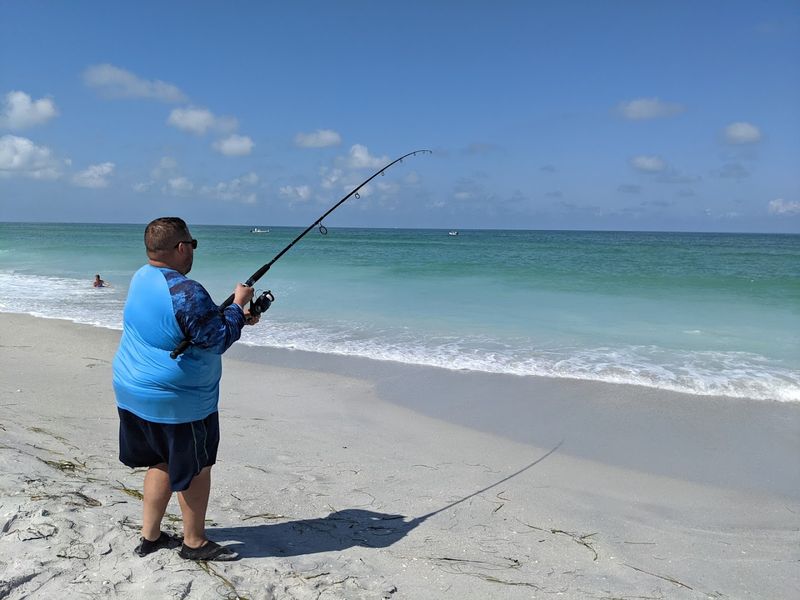
Between April and July, Boca Grande transforms into the tarpon capital of the world. These prehistoric-looking fish, some weighing over 150 pounds, migrate through Boca Grande Pass in numbers that seem almost impossible. Anglers travel from distant countries just to test their skills against these powerful creatures, which leap from the water in spectacular aerial displays when hooked.
The pass creates perfect conditions for tarpon because of its deep channels and strong currents that bring baitfish. Charter captains who’ve fished these waters for decades know exactly where to position their boats, though tarpon fishing always involves equal parts skill and luck. Even if you’re not an angler, watching these silver giants roll at the surface provides entertainment that rivals any aquarium show.
Many visitors book fishing charters months in advance, hoping to experience the adrenaline rush of battling a tarpon. The fish are catch-and-release only, which helps maintain healthy populations for future generations. Whether you hook one yourself or watch from shore as others do battle, tarpon season brings an energy to Boca Grande that pulses through the entire island community.
5. Beaches Offer Solitude Instead of Shoulder-to-Shoulder Crowds
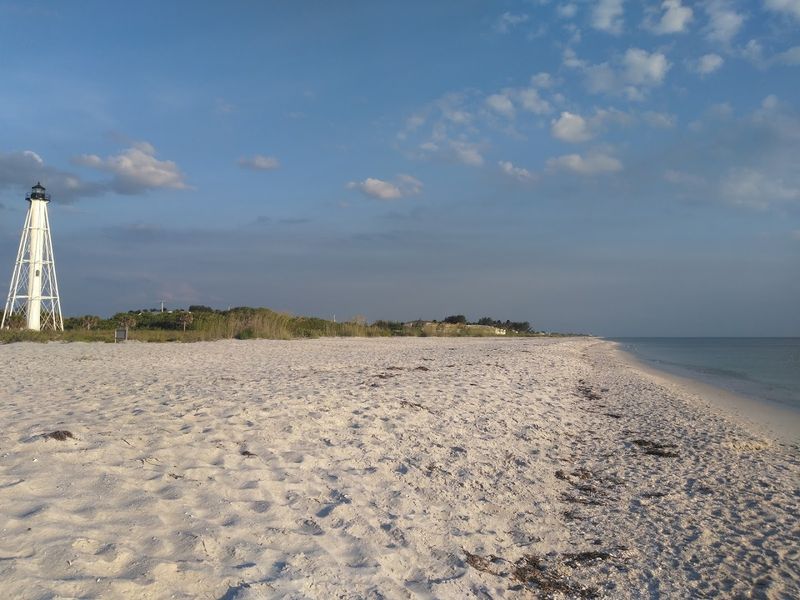
Most Florida beaches pack people together like sardines during peak season. Boca Grande’s beaches laugh at that concept. Even on sunny weekends, you can walk for stretches without passing another soul, finding your own private patch of sand where the biggest decision involves whether to nap or read your book first.
The sand here feels powder-soft between your toes, and the Gulf waters stay relatively calm compared to the Atlantic side. Families spread out blankets without worrying about invading someone else’s space. Kids build sandcastles without accidentally kicking sand on strangers.
The absence of commercial beach vendors means no one interrupts your relaxation trying to sell you parasailing adventures or jet ski rentals.
Shelling enthusiasts consider these beaches prime hunting grounds. After storms, especially, the tide deposits sand dollars, whelks, and fighting conchs along the waterline. Early morning walks often reveal fresh treasures before other collectors arrive.
The beaches also provide excellent bird watching opportunities, with sanderlings racing the waves and ospreys diving for fish offshore. This is beach life without the circus atmosphere, where nature provides all the entertainment necessary.
6. Historic Boca Grande Lighthouse Museum Tells Island Stories
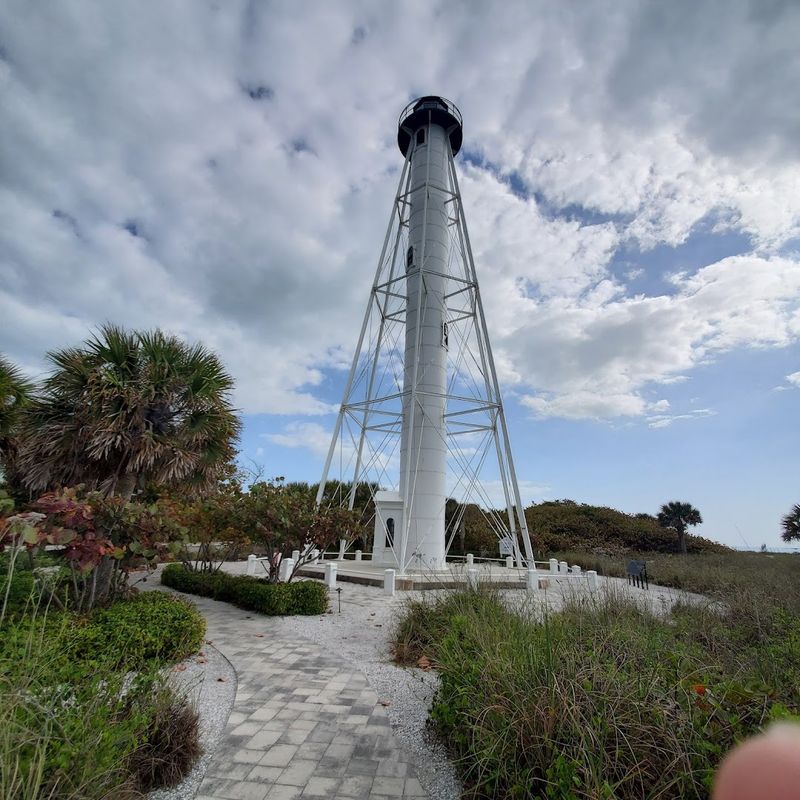
Standing since 1890, the Boca Grande Lighthouse has guided ships through treacherous waters for over a century. Today, it houses a museum that chronicles Gasparilla Island’s transformation from remote outpost to exclusive retreat. Climbing the structure gives you panoramic views that stretch across the Gulf, the island, and Charlotte Harbor in the distance.
Inside, exhibits explain the lighthouse keeper’s daily life, the phosphate shipping industry that once dominated the island’s economy, and the railroad that connected Boca Grande to mainland Florida. Old photographs show the village when dirt roads outnumbered paved ones and fishing guides outnumbered tourists. You’ll learn about the wealthy industrialists who discovered the island in the early 1900s and built winter estates that still stand today.
The museum operates entirely through volunteers and donations, another example of the community’s dedication to preserving its heritage. Rangers share stories that never make it into history books, tales of hurricanes survived and characters who shaped the island’s personality. Visiting this lighthouse provides context that makes exploring the rest of Boca Grande more meaningful, connecting present beauty to past struggles and triumphs.
7. Local Restaurants Serve Fresh Catch Without the Tourist Trap Prices
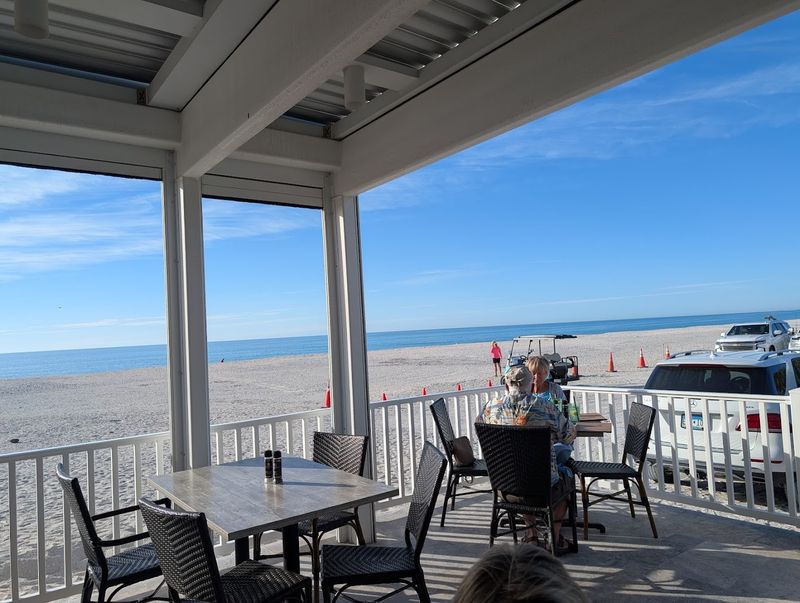
Boca Grande’s dining scene refuses to gouge visitors just because they can. Family-owned restaurants serve grouper sandwiches, stone crab claws, and shrimp caught that morning at prices that won’t require a second mortgage. The emphasis falls on quality ingredients prepared simply, letting the freshness speak for itself rather than hiding mediocre fish under heavy sauces.
Several waterfront spots let you watch pelicans dive while you eat, and the dress code rarely extends beyond casual. Flip-flops and sandy feet receive no judgment here. Locals and visitors sit side by side at communal tables, swapping fishing stories and restaurant recommendations.
Some places have been serving the same recipes for decades because when something works perfectly, why mess with it?
You’ll also find options beyond seafood, from Cuban sandwiches to wood-fired pizza to classic American breakfasts that fuel fishing charters and beach days. The island supports its restaurants year-round, not just during tourist season, which means owners actually care about maintaining quality and relationships rather than maximizing profits during brief windows. Eating here feels like joining a friend for dinner rather than being processed through a tourist feeding station.
8. Preserved Old Florida Architecture Creates Living History
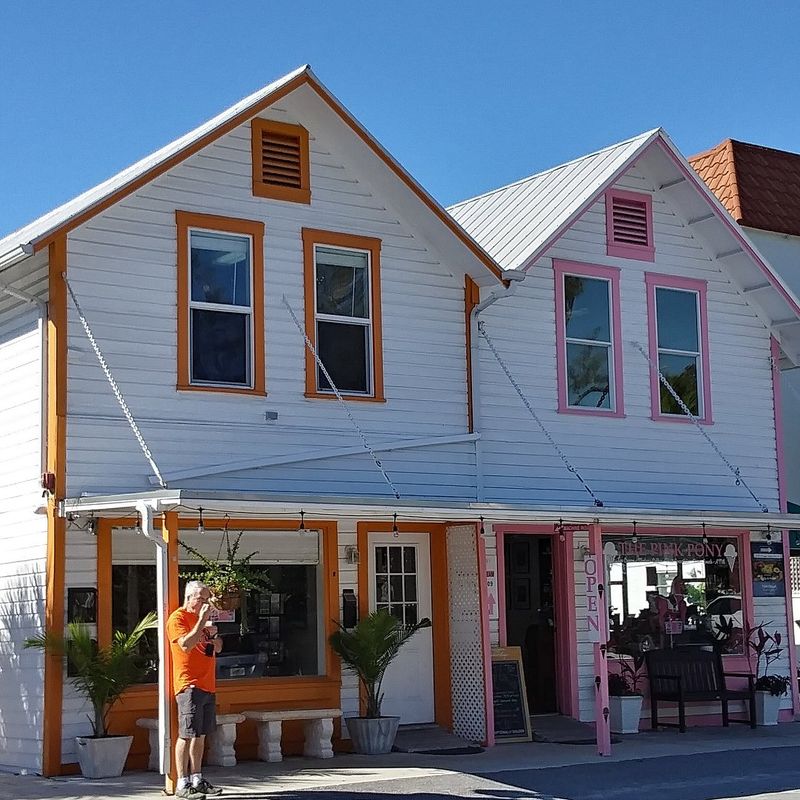
Walking through Boca Grande feels like stepping onto a movie set designed to capture Old Florida before concrete and glass took over. Historic cottages painted in Caribbean colors line streets shaded by ancient trees. Many buildings feature tin roofs, wide porches, and architectural details that disappeared elsewhere decades ago.
The village enforces strict building codes that prevent McMansions and modern eyesores from destroying the aesthetic.
The railroad depot, built in 1907, still stands near the downtown area, now converted to community use but maintaining its original character. Several homes date back to the early 1900s, built by wealthy families who established Boca Grande as a winter retreat for industrialists and their families. You’ll spot architectural styles ranging from Key West conch houses to Mediterranean Revival estates, each telling stories about different eras of the island’s development.
This commitment to preservation doesn’t happen accidentally. Residents actively fight to maintain Boca Grande’s character, sometimes battling developers who see dollar signs where locals see heritage. The result is a town that looks remarkably similar to photographs taken fifty years ago, proving that progress doesn’t require destroying everything that came before.
Every preserved building serves as a middle finger to bland modern development.