These 13 Underrated Florida Towns Might Be the State’s Most Charming
Florida is famous for its theme parks, white-sand beaches, and neon-lit nightlife, but some of the state’s most unforgettable places are the ones most people drive right past. Tucked between the tourist hotspots are small towns full of history, personality, and genuine Southern charm.
These 13 spots prove that the real Florida experience isn’t always found in the biggest cities. Pack a bag and get ready to discover the side of the Sunshine State that rarely makes the headlines.
1. Crystal River
There are not many places on Earth where you can swim alongside wild manatees on a Tuesday morning, but Crystal River makes it completely normal. Nestled along Florida’s Nature Coast, this small town is the only place in the U.S. where you can legally interact with manatees in their natural habitat.
That alone should be enough to put it on your radar.
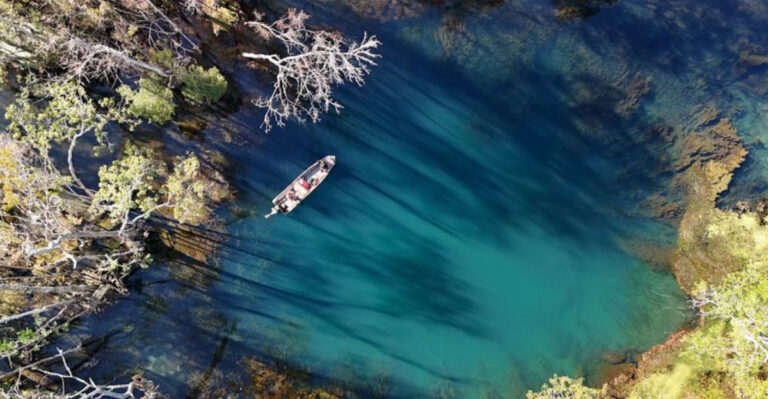
Crystal River sits at the edge of Kings Bay, a natural spring system that pumps out a steady 72-degree water year-round. That warmth draws hundreds of manatees from November through March, turning the town into a quiet wildlife paradise.
Local tour operators offer snorkeling trips that feel more like National Geographic moments than tourist traps.
Beyond the water, the town has a laid-back, old-Florida personality that’s hard to find anymore. Waterfront seafood shacks serve fresh mullet and stone crab while pelicans pace the docks like they own the place.
There are no massive resort chains crowding the shoreline, just independent motels, family-run restaurants, and a community that actually enjoys its own home.
Kayaking and paddleboarding through the spring-fed channels is an experience that feels almost surreal. The water is so clear you can see every blade of seagrass below your board.
Wildlife sightings go well beyond manatees — river otters, ospreys, and even the occasional alligator make regular appearances.
History buffs will appreciate the Crystal River Archaeological State Park, where Native American mounds date back over 1,600 years. It’s one of Florida’s most significant prehistoric sites and one of its least crowded.
Crystal River is the kind of town that rewards slow travel and curious minds equally.
2. Mount Dora
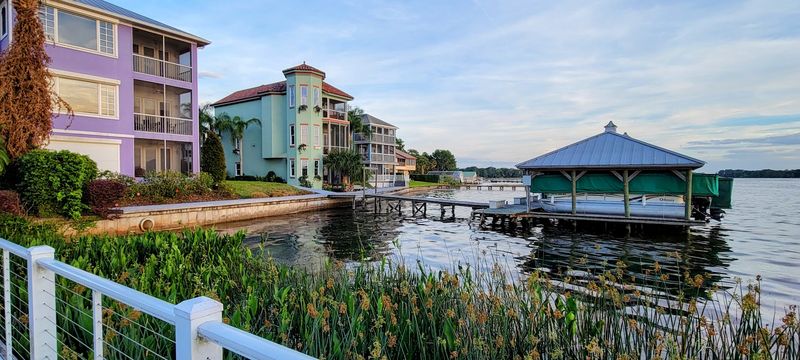
Mount Dora has the kind of downtown that makes you want to cancel your weekend plans and just wander. Perched on a rare Florida hill overlooking Lake Dora, this small Central Florida town is packed with antique shops, art galleries, and locally owned cafes that have been around longer than most of its visitors have been alive.
The elevation alone makes it feel like a different state entirely.
The town earned its reputation as the “antique capital of Florida,” and a stroll down Donnelly Street confirms it. Dealers specialize in everything from vintage jewelry to mid-century furniture, and the quality is surprisingly high.
Weekend festivals here draw serious collectors from across the Southeast, not just casual browsers.
Mount Dora’s calendar is one of the most packed of any small town in Florida. The annual Arts Festival in February brings over 250,000 visitors, and the Craft Fair in October transforms the waterfront into a sprawling artisan marketplace.
Even outside of festival season, there’s always something quirky happening — a boat parade, a lighthouse tour, a jazz night at a tucked-away wine bar.
The lakeside setting gives the town a romantic, unhurried energy. Pontoon boat tours glide across Lake Dora and connect to the Harris Chain of Lakes, one of the best freshwater fishing systems in the state.
Sunsets over the water here are the kind that make people stop mid-sentence just to stare.
Accommodations lean toward historic bed-and-breakfasts rather than cookie-cutter hotel chains. The Lakeside Inn, Florida’s oldest continuously operating hotel, opened in 1883 and still serves guests today.
Mount Dora isn’t trying to impress anyone — and that’s exactly what makes it so impressive.
3. Brooksville
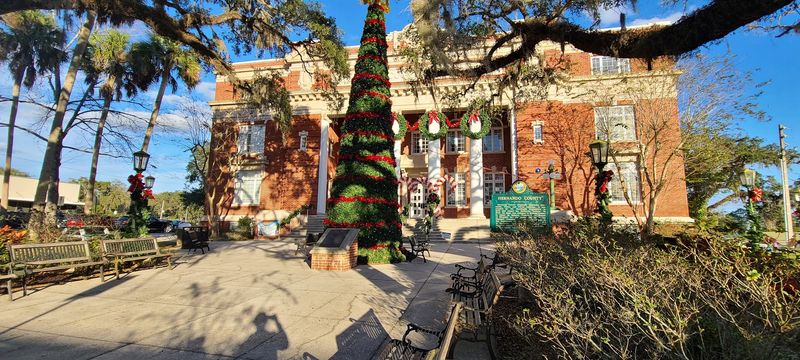
Brooksville looks like someone pressed pause on a small Southern town sometime around 1955 and forgot to hit play again. That’s not a criticism — it’s genuinely one of the most atmospheric places in Florida.
The courthouse square, the wide front porches, the oak canopy overhead — it all adds up to something rare and surprisingly moving.
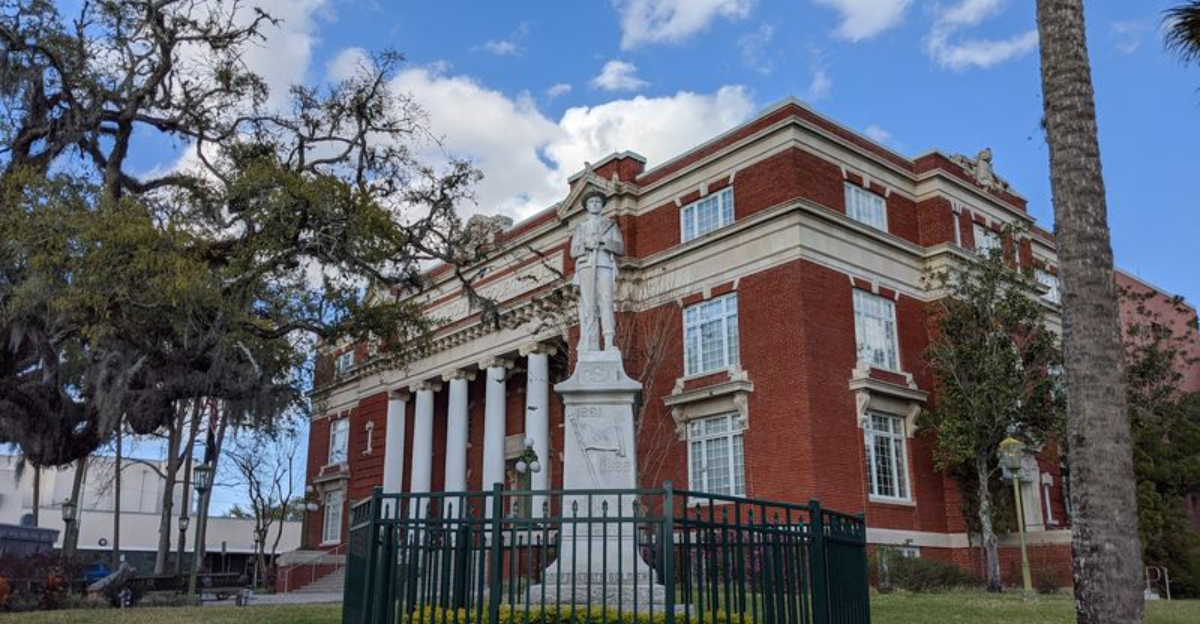
Located in Hernando County, Brooksville sits about an hour north of Tampa but feels like it belongs to a completely different era. The downtown district is anchored by the Hernando County Courthouse, a gorgeous 1912 structure that looks like it was imported straight from a postcard.
Surrounding it are locally owned shops, small diners, and a handful of galleries that quietly hum with creative energy.
History runs deep here. Brooksville played a role in the Civil War, and several historical markers around town tell stories that most Florida visitors never get to hear.
The May-Stringer House, a Victorian-era mansion with a reputation for being haunted, offers tours that mix local lore with surprisingly well-documented history. Ghost hunters and architecture lovers both leave satisfied.
The natural world around Brooksville is just as compelling as the town itself. Withlacoochee State Forest, one of the largest in Florida, wraps around the area and offers hundreds of miles of trails for hiking, biking, and horseback riding.
Nearby Chinsegut Hill provides sweeping views that remind you Florida has more topography than people give it credit for.
The pace of life in Brooksville is unapologetically slow, and locals wouldn’t change a thing. Farmers markets, community events, and front-porch conversations are still the main entertainment.
If you’re burned out on overstimulation, Brooksville is the reset button Florida didn’t tell you it had.
4. Anna Maria Island
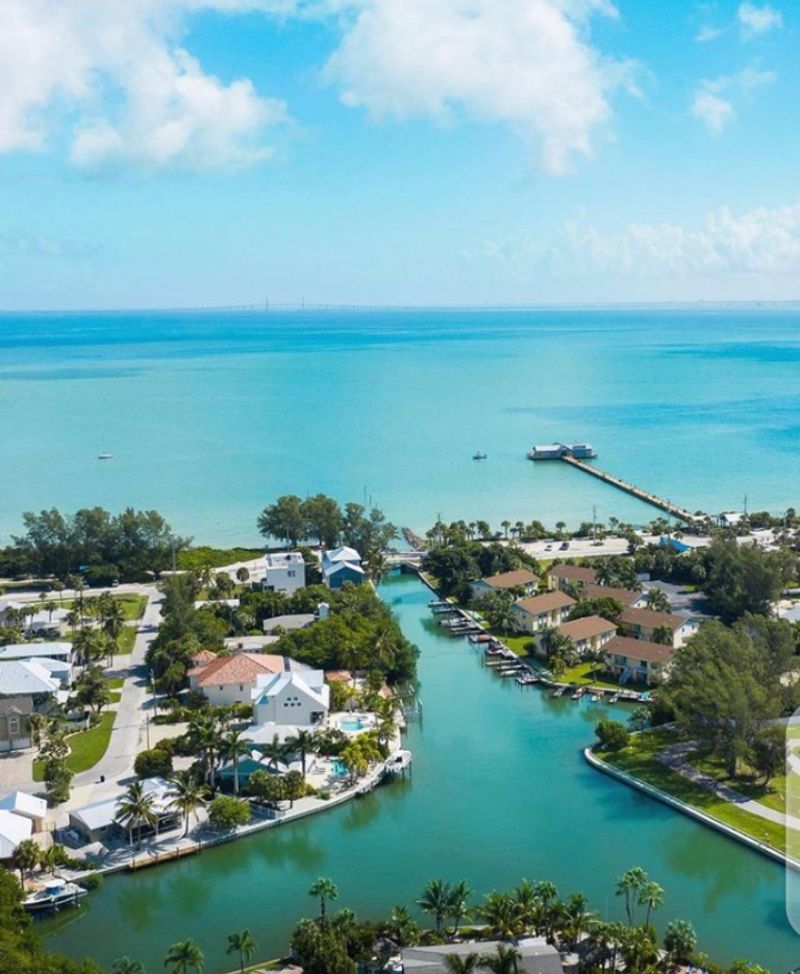
Anna Maria Island is what Florida beaches looked like before the high-rise condos arrived. Sitting just off the coast of Bradenton, this seven-mile barrier island has somehow held onto its old-school beach town character despite being surrounded by one of the fastest-growing regions in the state.
No traffic lights. No chain restaurants on the main drag.
Just the Gulf, the breeze, and a serious commitment to doing things the unhurried way.
The island is divided into three small communities — Anna Maria, Holmes Beach, and Bradenton Beach — each with its own slightly different personality. Anna Maria at the northern tip is the quietest and most residential.
Holmes Beach is the lively middle ground with shops and casual eateries. Bradenton Beach at the south end has a historic fishing pier that locals treat like a living room.
Getting around the island without a car is completely doable thanks to the free trolley that runs the length of Gulf Drive. Cyclists and pedestrians share the road comfortably, and the beach access points are plentiful and uncrowded compared to the bigger Gulf Coast destinations nearby.
The vibe rewards people who slow down.
Seafood here is serious business. Waterfront restaurants serve grouper sandwiches and fresh oysters with none of the pretension you’d find at trendier coastal spots.
Anna Maria City Pier is a perfect spot to watch the sun drop into the Gulf while pelicans dive-bomb the water below.
Vacation rentals on the island tend to be colorful, pastel-painted cottages rather than massive resort properties. Booking one feels like stepping into a simpler version of Florida that most people assume no longer exists.
Anna Maria Island proves it still does, if you know where to look.
5. Tarpon Springs
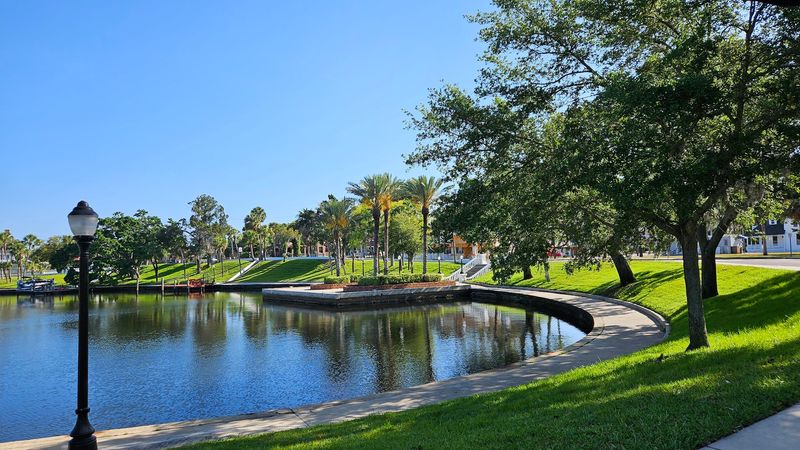
Walking through Tarpon Springs feels less like visiting a Florida beach town and more like stumbling into a Greek coastal village. That’s not an accident.
In the early 1900s, Greek immigrants arrived to work the sponge-diving industry, and their cultural influence never left. Today, Tarpon Springs has the highest percentage of Greek Americans of any city in the United States, and the food, architecture, and community spirit reflect that heritage proudly.
The Sponge Docks along Dodecanese Boulevard are the heart of the experience. Shops selling natural sea sponges, Greek pastries, and handmade goods line the waterfront.
Boats still go out to harvest sponges from the Gulf floor, and you can watch live sponge-diving demonstrations that are equal parts educational and genuinely fascinating.
The food scene is the real reason many people make the drive. Authentic Greek restaurants serve slow-roasted lamb, spanakopita, and baklava at prices that feel almost too reasonable.
St. Nicholas Greek Orthodox Cathedral is a stunning Byzantine-style structure worth seeing even if you’re not particularly interested in architecture — it simply commands attention.
Beyond the Sponge Docks, Tarpon Springs has a charming historic downtown with antique shops and art studios set inside early 20th-century buildings. Fred Howard Park, just minutes away, offers a beautiful causeway beach that’s rarely as crowded as the nearby Clearwater and St. Pete beaches that tourists flock to.
The Epiphany celebration in January, when the Greek Orthodox community holds a cross-diving ceremony in Spring Bayou, draws thousands and is one of the most unique cultural events in the entire state. Tarpon Springs isn’t just a place to visit — it’s a place that makes you want to stay for dinner, and then maybe breakfast too.
6. Sebring
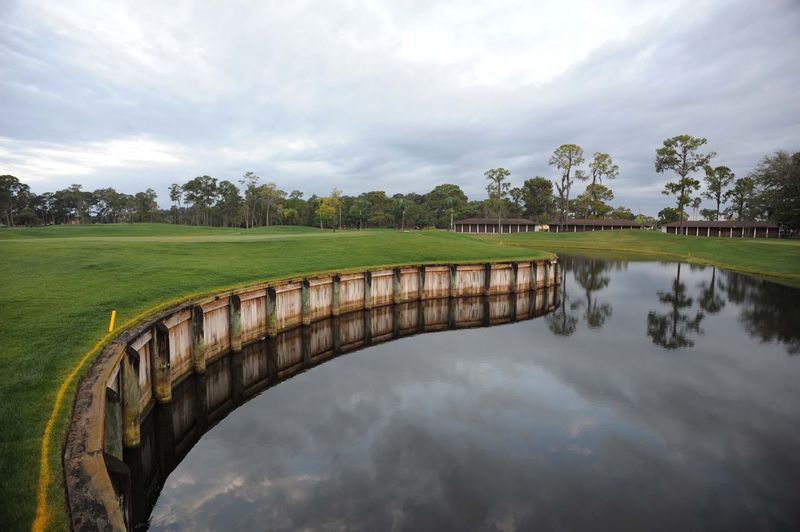
Sebring is the kind of town that sneaks up on you. Most people only know it as the home of the 12 Hours of Sebring, one of the oldest and most prestigious endurance car races in the world.
But show up on a non-race weekend and you’ll find a peaceful lakeside community with a downtown layout unlike anything else in Florida — literally. Sebring was designed in 1912 as a planned city with a circular park at its center, and that radial street grid still defines the town’s personality today.
Lake Jackson anchors the eastern edge of downtown, and the walking path along its shore is a favorite spot for locals at sunrise. The lake is large enough for fishing and boating, but calm enough to kayak without feeling like you need a life insurance policy.
Wading birds work the shallows like they’re on the clock while you drift by.
Highlands Hammock State Park, just a few miles from downtown, is one of Florida’s oldest state parks and one of its most beautiful. Ancient cypress trees rise from dark tannic water, and a boardwalk trail winds through old-growth forest that feels genuinely primeval.
Rangers lead tram tours through the hammock that are worth every penny, especially for families.
The downtown itself is compact but full of character. Independent boutiques, antique dealers, and a smattering of casual restaurants make it easy to spend a few hours without checking your phone.
The Sebring International Raceway is open for tours and track days even when there’s no major event scheduled, which is a surprisingly cool experience.
Sebring sits in the geographic heart of Florida, which means it’s within easy driving distance of both coasts. Use it as a base camp, or just stay longer than you planned.
Either way, it earns its place on this list.
7. Micanopy
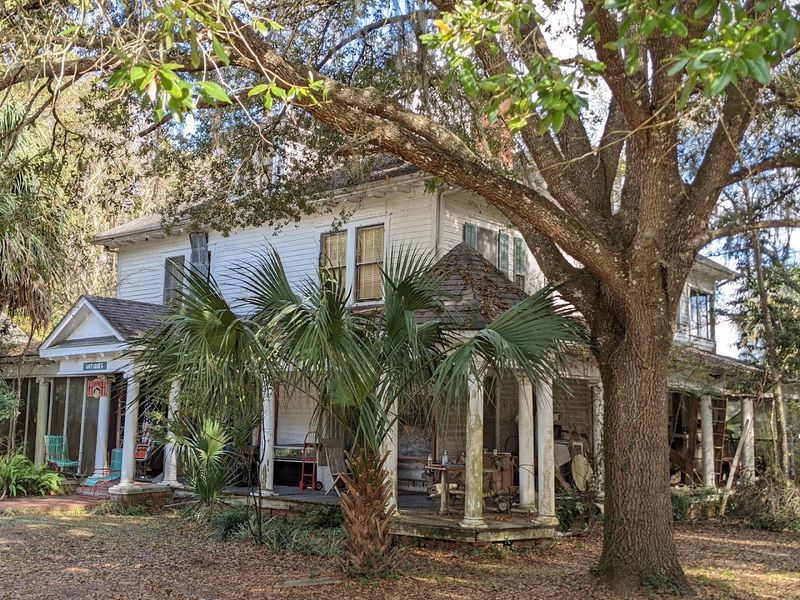
Micanopy might be the smallest town on this list, but it punches so far above its weight that size becomes irrelevant. With a population of just a few hundred people, this tiny North Florida town holds the title of Florida’s oldest inland settlement, and the streets look exactly like you’d expect from a place that old.
Live oaks draped in Spanish moss arch over the main road like a cathedral ceiling, and the buildings lining Cholokka Boulevard date back to the 1800s.
Antique hunting in Micanopy is a full-day commitment if you let it be. The shops here specialize in genuine antiques rather than repurposed junk, and the prices reflect real market knowledge rather than tourist inflation.
Dealers know their inventory, and browsing becomes a conversation rather than a transaction. Come on a weekend morning when the light filters through the oak canopy and the whole town feels like a movie set.
Speaking of movies — Micanopy actually was a movie set. The 1991 film “Doc Hollywood” starring Michael J.
Fox was filmed here, and locals still talk about it with the quiet pride of people who never needed Hollywood to tell them their town was special. The film captured something real about Micanopy’s character that still holds true today.
The surrounding area is lush and wild in the best possible way. Paynes Prairie Preserve State Park sits just south of town and offers bison, wild horses, sandhill cranes, and alligators all sharing a vast open savanna.
Watching a herd of bison graze in Florida feels genuinely surreal the first time you see it.
Micanopy rewards visitors who move slowly and pay attention. There’s no nightlife, no chain anything, and no agenda beyond noticing what’s already there.
That’s the whole point.
8. Fernandina Beach
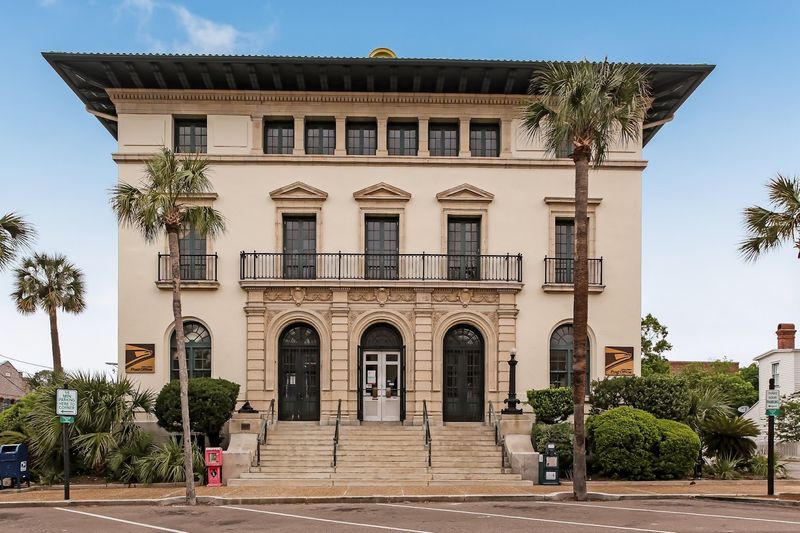
Fernandina Beach sits at the very top of Florida on Amelia Island, and it carries itself with the confidence of a town that knows it’s exceptional. The historic district here is one of the best-preserved Victorian downtowns in the entire Southeast, with over 50 blocks of ornate 19th-century architecture that feel genuinely grand rather than museum-like.
Walking Centre Street is a legitimate architectural tour disguised as a casual afternoon stroll.
Eight national flags have flown over Amelia Island throughout its history, earning it the nickname “Isle of Eight Flags.” That layered past shows up everywhere — in the old fort, in the street names, in the local festivals, and in the stories told by the people who grew up here. The Amelia Island Museum of History does a remarkable job of pulling all those threads together into a narrative that’s actually gripping.
The beaches on Amelia Island are wide, uncrowded, and accessible in ways that the more famous Florida beaches often aren’t. The hard-packed sand at Main Beach is perfect for biking, and the sea turtle nesting activity in summer turns the shoreline into a conservation classroom.
Shrimping is still a working industry here, and the docks near the Palace Saloon — Florida’s oldest bar — are worth a look any time of day.
Fernandina Beach has a food scene that outperforms its size significantly. Local chefs take advantage of fresh shrimp, oysters, and fish from nearby waters, and the restaurant variety ranges from casual waterfront spots to polished dining rooms that could hold their own in any major city.
The town moves at its own pace and has no interest in changing that. Visitors who match that energy leave wondering why they don’t come here every year.
Most of them start doing exactly that.
9. New Smyrna Beach
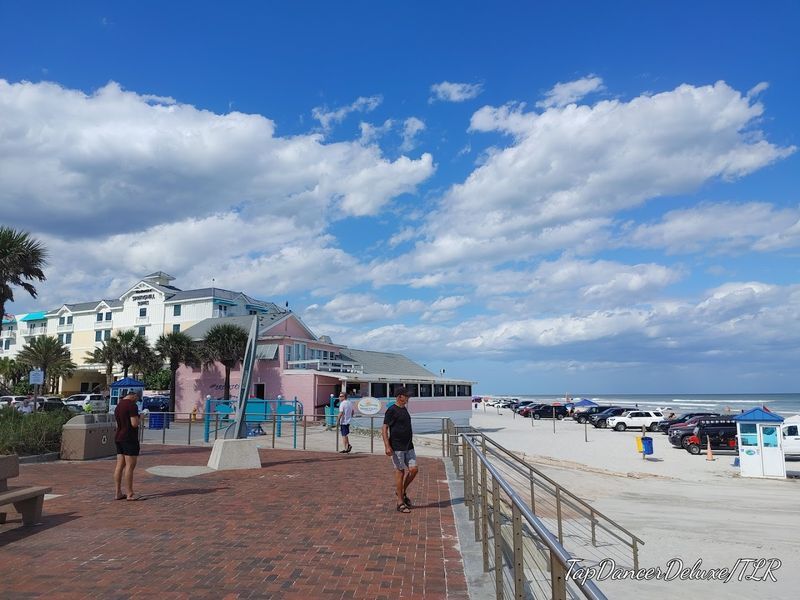
New Smyrna Beach has a split personality, and both sides are worth knowing. On one hand, it’s a legitimate surf town with one of the most consistent Atlantic breaks in Florida, drawing shortboarders and longboarders alike to its shore year-round.
On the other hand, it’s quietly become one of the most vibrant arts communities in the state, with more galleries per capita than almost any other Florida city its size.
Flagler Avenue is the nerve center of the action. The street is lined with surf shops, independent restaurants, art studios, and the kind of casual bars where the bartender knows your name by the second round.
It has the energy of a place that’s discovered by new people regularly but refuses to change its personality for them. That stubbornness is a feature, not a bug.
The historic downtown district on Canal Street runs parallel to the Indian River Lagoon and offers a completely different mood — quieter, more boutique-focused, with galleries showcasing serious contemporary work alongside folk art and photography. The Atlantic Center for the Arts, a nationally recognized artist residency program, calls New Smyrna Beach home and keeps the creative energy genuinely elevated.
Canaveral National Seashore stretches north of town and offers some of the most pristine and undeveloped beach in all of Florida. No vendors, no beach chairs for rent, no volleyball nets — just 24 miles of barrier island coastline that looks the way Florida did before development arrived.
New Smyrna Beach is close enough to Orlando for a day trip but feels about a thousand miles away from theme park energy. Surfers, artists, foodies, and nature lovers all find what they’re looking for here without having to compromise.
That kind of range is genuinely rare.
10. DeFuniak Springs
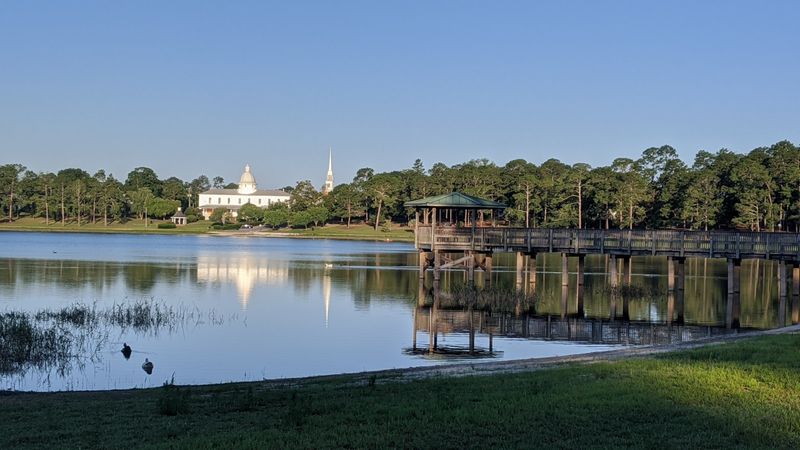
DeFuniak Springs is built around one of the most unusual geographic features in all of Florida — a nearly perfectly circular natural lake. Lake DeFuniak sits at the center of town and is ringed by a walking path and some of the most beautiful Victorian homes you’ll find anywhere in the Panhandle.
The combination of the pristine lake, the historic architecture, and the Spanish moss overhead creates a setting that photographers consistently underestimate until they see it in person.
The town has roots as a winter resort community for Chautauqua gatherings in the late 1800s, when educators, artists, and thinkers from across the country came to exchange ideas in a structured retreat format. That intellectual heritage left its mark on the town’s character.
The Chautauqua Building, a stunning Victorian-era structure, still stands and hosts events that carry on that tradition of community engagement.
Walton County’s wine scene might surprise you. The DeFuniak Springs area is home to Chautauqua Winery, one of Florida’s longest-running wineries, which produces muscadine and other Florida-grown varietals.
The tasting room has a relaxed, unhurried atmosphere that pairs well with the town’s overall energy. It’s the kind of place where you sit down for one glass and end up staying for the afternoon.
Downtown DeFuniak Springs has an authentic, unpolished quality that feels honest. Small shops, a well-stocked used bookstore, and a handful of local eateries make up a modest but genuine commercial district.
The Panhandle Pioneer Settlement nearby offers a living history experience that brings Florida’s frontier past to life in a hands-on way.
DeFuniak Springs sits along I-10 in the Florida Panhandle, making it an easy stop between Pensacola and Tallahassee. Most people pass right through without stopping.
That’s their loss and your opportunity.
11. Dunedin
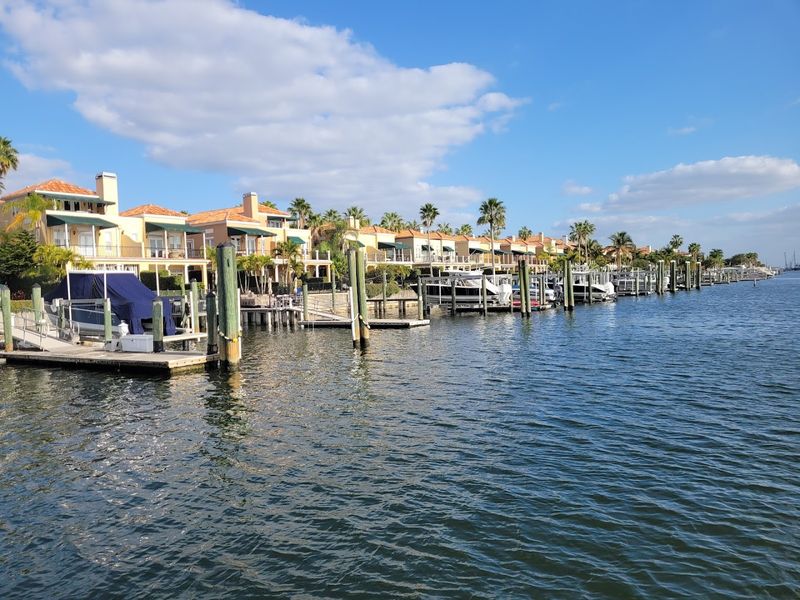
Dunedin is the town that figured out how to be fun without being loud about it. Sitting on the Pinellas County coast just north of Clearwater, this small city has built a reputation as one of the most livable and visitor-friendly communities on Florida’s Gulf Coast.
The downtown is walkable, dog-friendly, and packed with craft breweries, independent restaurants, and boutique shops that cater to people who know the difference between a good time and a gimmick.
The Scottish heritage here is real and celebrated enthusiastically. Dunedin was founded by Scottish merchants in the 1870s, and the name itself is the Scottish Gaelic word for Edinburgh.
The Highland Games held here each spring are among the most authentic outside of Scotland, complete with caber tossing, pipe bands, and enough tartan to make your eyes water in the best possible way.
Honeymoon Island State Park is just minutes from downtown and consistently ranks among the best beaches in Florida. The shelling is outstanding, the osprey nesting area is one of the largest in the state, and the ferry ride to Caladesi Island — accessible only by boat — leads to a beach that regularly wins national best-beach awards.
The combination of easy downtown access and world-class nature is hard to beat.
The craft beer scene in Dunedin is genuinely impressive for a town its size. Dunedin Brewery, one of Florida’s oldest craft breweries, anchors a trail of taprooms and tasting rooms that keeps enthusiasts busy for an entire weekend.
Pair that with a sunset walk along the Pinellas Trail and you’ve got a day that requires no further justification.
Dunedin has managed to grow without losing what made it special to begin with. That’s a trickier balance than it sounds, and this town nails it every time.
12. Apalachicola
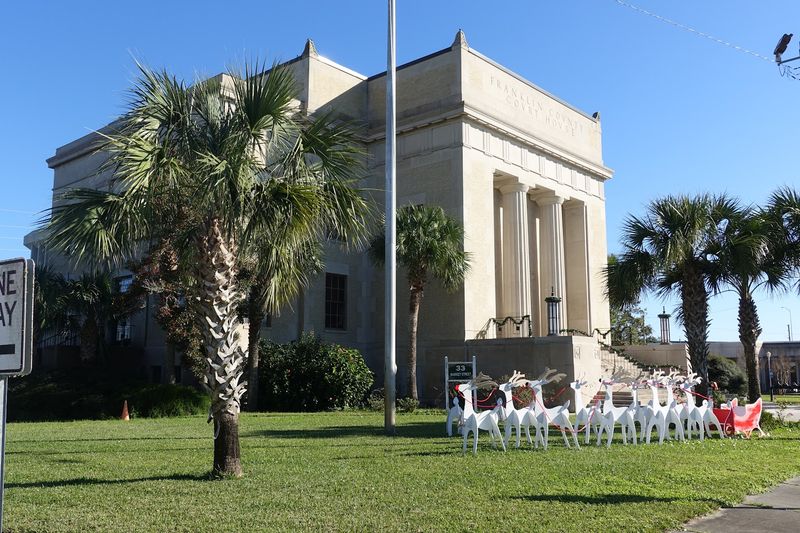
Apalachicola is one of those places that travel writers have been quietly raving about for decades, yet somehow it still hasn’t been overrun. Located on the forgotten coast of the Florida Panhandle, this small fishing town sits at the mouth of the Apalachicola River where it meets the bay, and the geography shapes everything about it — the economy, the food, the pace of life, and the mood of the people who call it home.
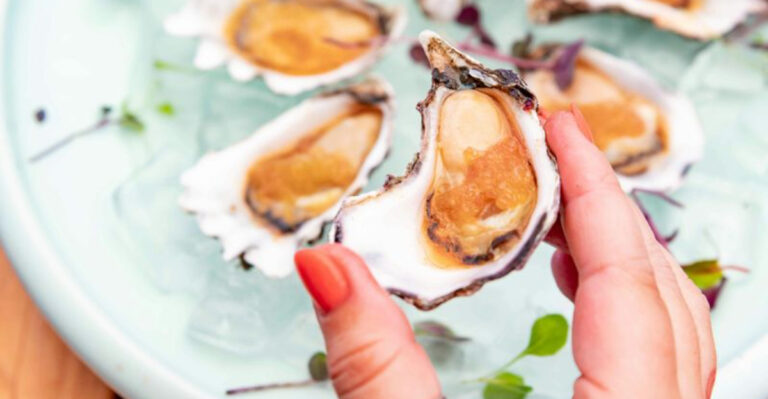
The oysters are the reason most food lovers make the pilgrimage. Apalachicola Bay has historically produced some of the finest wild oysters in the country, and local raw bars serve them in an unpretentious, just-opened-them-in-the-back-room kind of way that makes the experience feel earned rather than curated.
The town takes its oyster heritage seriously, and festivals and events throughout the year celebrate the connection between the community and the water.
The historic district is compact and beautifully preserved. Greek Revival and Victorian-era buildings line Commerce Street, housing galleries, antique shops, and restaurants that operate on their own schedule.
The Apalachicola National Estuarine Research Reserve protects the surrounding estuary system and makes the area one of the most ecologically important in the entire Gulf Coast region.
Gibson Inn, a restored Victorian hotel that dates back to 1907, is the kind of place that makes you want to sit on the wraparound porch with a cold drink and watch the town move at its natural speed. The rooms are full of character, the service is genuinely warm, and the whole experience feels like stepping sideways in time rather than backward.
Apalachicola asks nothing of you except your full attention. Give it that, and it gives back something most Florida towns stopped offering a long time ago — real quiet, real food, and real character.
13. Cedar Key
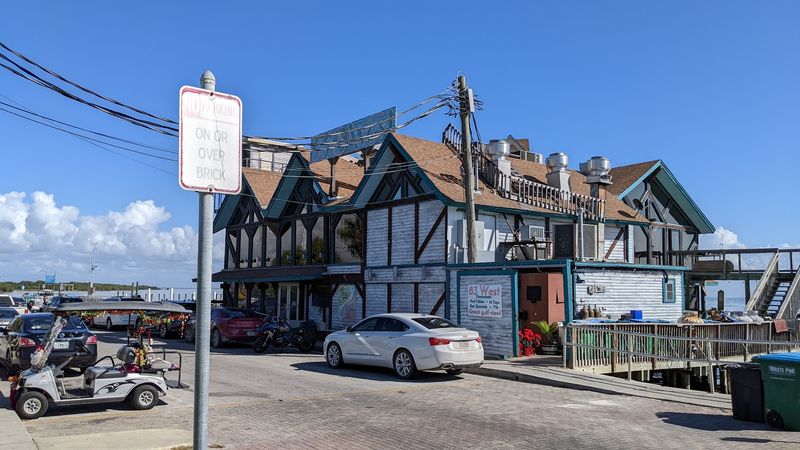
Getting to Cedar Key requires commitment, and that’s exactly why it’s still worth it. Located at the end of State Road 24, a long two-lane road that cuts through marsh and scrub before dead-ending at the Gulf, Cedar Key is as close to the edge of the map as you can get in Florida without falling off.
The isolation is the whole point. It keeps the crowds away and keeps the town honest.
Cedar Key was once one of the most important cities in Florida. In the 1800s it was a major port town and pencil manufacturing hub, using the surrounding cedar forests that gave it its name.
John Muir, the legendary naturalist, ended his famous 1,000-mile walk here in 1867 and wrote about its wild beauty in terms that still ring true. The town has a museum dedicated to that history that’s far more engaging than its modest size suggests.
The seafood culture here is centered on clams. Cedar Key is the clam farming capital of Florida, and the local restaurants serve them steamed, raw, in chowder, and in pasta with a directness that comes from being a few hundred yards from where they were harvested.
The dining scene is small but dependable, with a handful of waterfront spots that have been feeding visitors the same honest food for decades.
Wildlife around Cedar Key is extraordinary. The Cedar Keys National Wildlife Refuge protects a cluster of offshore islands that serve as nesting grounds for roseate spoonbills, white pelicans, and other species that show up nowhere else in Florida in such numbers.
Kayaking out to those islands on a calm morning is one of the genuinely transcendent outdoor experiences the state has to offer.
Cedar Key doesn’t try to be anything other than what it is. In a state full of reinvention and performance, that kind of authenticity is almost radical.