Explore A Hidden World Beneath This Florida Park’s Towering Trees
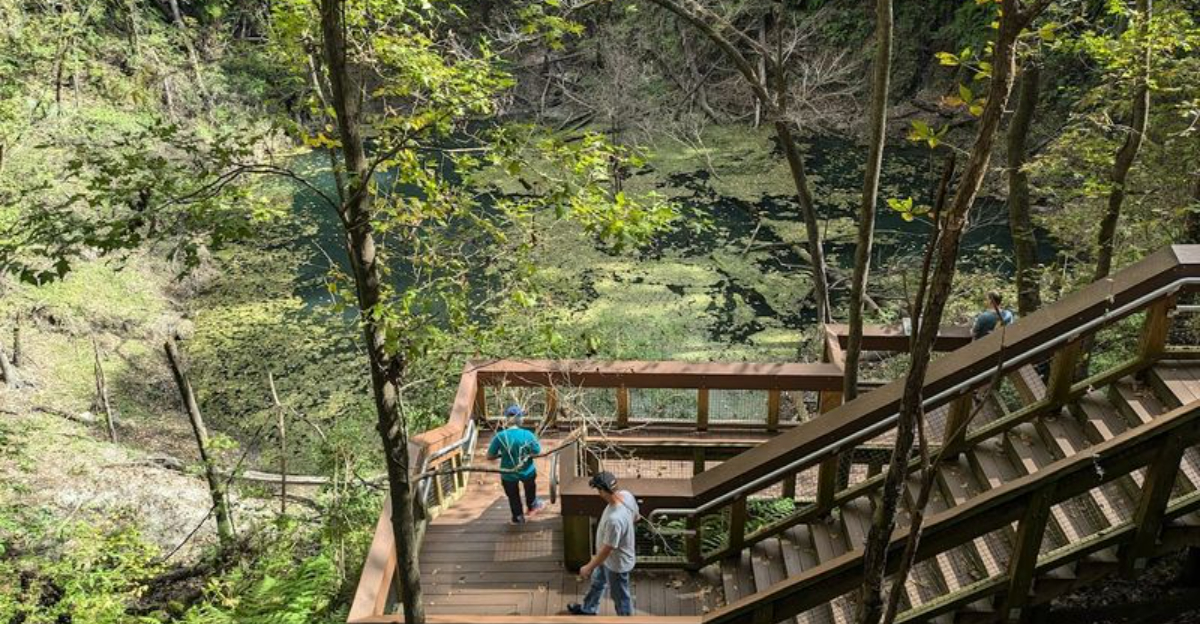
Hidden just off the beaten path in Gainesville sits one of Florida’s most unexpected natural wonders. Devil’s Millhopper Geological State Park drops visitors 120 feet down into a miniature rainforest ecosystem that thrives beneath the surface, complete with waterfalls, lush ferns, and a climate that feels worlds away from the Florida heat above.
This geological marvel formed thousands of years ago when the limestone bedrock collapsed, creating a massive sinkhole that now shelters a thriving world of plants and wildlife that simply shouldn’t exist in North Central Florida.
The Dramatic 120-Foot Sinkhole That Started It All
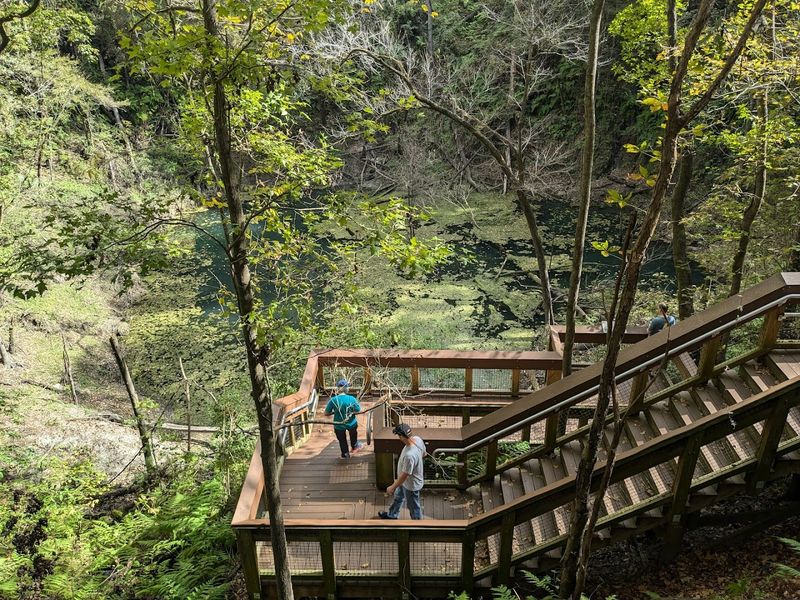
Picture a giant bowl carved straight into the earth, stretching 500 feet across and plunging 120 feet down. That’s Devil’s Millhopper, and it didn’t happen overnight.
Thousands of years ago, underground water dissolved the limestone foundation beneath this spot, creating a cavern that eventually collapsed under its own weight.
The result? A geological feature so unusual that scientists still study it today.
The sinkhole’s steep walls expose layers of rock and fossils that tell the story of ancient seas that once covered Florida millions of years ago.
What makes this crater truly special is the ecosystem it created. Because the sinkhole drops so far below the surface, it traps cool air and moisture.
Temperatures at the bottom stay about 10 degrees cooler than the surrounding area, even on blazing summer days.
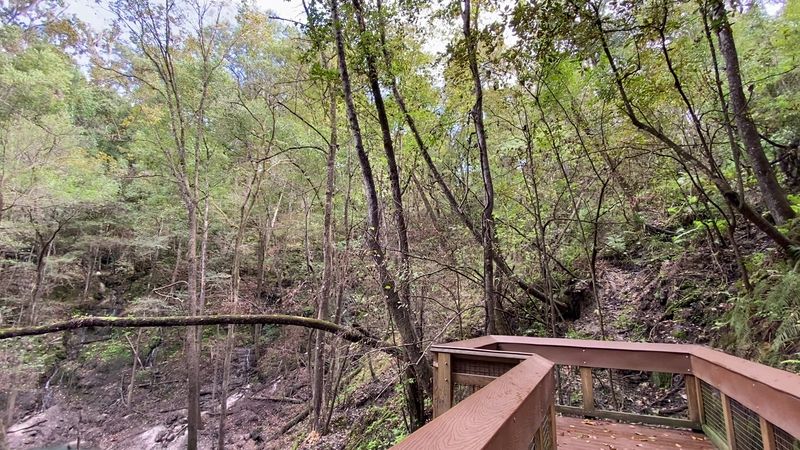
Small streams trickle down the walls from springs feeding into the basin, creating miniature waterfalls that keep the environment humid and damp. This micro-climate allows plants typically found hundreds of miles north to flourish here.
You’ll spot species that normally grow in the Appalachian Mountains thriving alongside typical Florida vegetation.
The name itself comes from the shape, which early settlers thought resembled a hopper mill used to grind grain. The “devil” part likely refers to the mysterious nature of sinkholes, which seemed downright supernatural to people who didn’t understand the geology.
Local legends even claimed the devil himself ground up bones down there, though the reality involves much slower geological processes.
Standing at the rim and peering down into this natural amphitheater feels surreal. The wooden staircase zigzagging down the walls looks almost too perfect to be real, like something from a fantasy movie.
But this is pure Florida geology on full display, raw and remarkable.
The 232-Step Descent Into Another Climate Zone
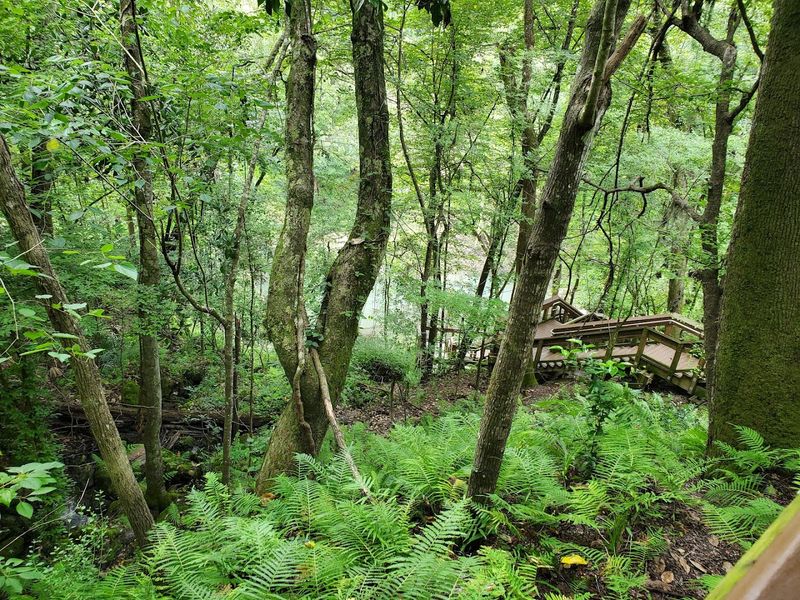
Ready for a workout with a view? The newly renovated boardwalk and staircase system takes you down 232 steps (counting both ways, it’s 264) into the heart of the sinkhole.
Don’t let the number intimidate you, though. The park designed this descent with regular landings where you can catch your breath and take in the changing scenery.
Each landing offers a different perspective on the sinkhole’s ecology. As you descend, you’ll notice the temperature dropping and the air getting noticeably more humid.
The sound of trickling water grows louder with each flight of stairs.
The construction quality of these stairs deserves recognition. After a complete renovation, the wooden structure feels solid and safe, with sturdy handrails and even spacing.
The landings come equipped with benches and interpretive signs that explain what you’re seeing at each level.
About halfway down, you’ll start noticing plant species that have no business growing in Florida. Ferns that typically thrive in North Carolina mountains cling to the moist limestone walls.
The microclimate created by the sinkhole’s depth makes this botanical oddity possible.
By the time you reach the bottom observation platform, you’ve traveled through what feels like a completely different ecosystem. The view from down here looking back up is breathtaking.
The circular opening above frames the sky like a natural skylight, and the walls tower around you covered in greenery.
Now comes the reality check: you have to climb back up those 232 steps. This is where those strategically placed landings become your best friends.
Take your time, use the benches, and remember that thousands of visitors make this climb successfully. The cardiovascular workout is just a bonus to the incredible natural experience you just witnessed below the surface.
Miniature Waterfalls That Defy Florida’s Flat Reputation
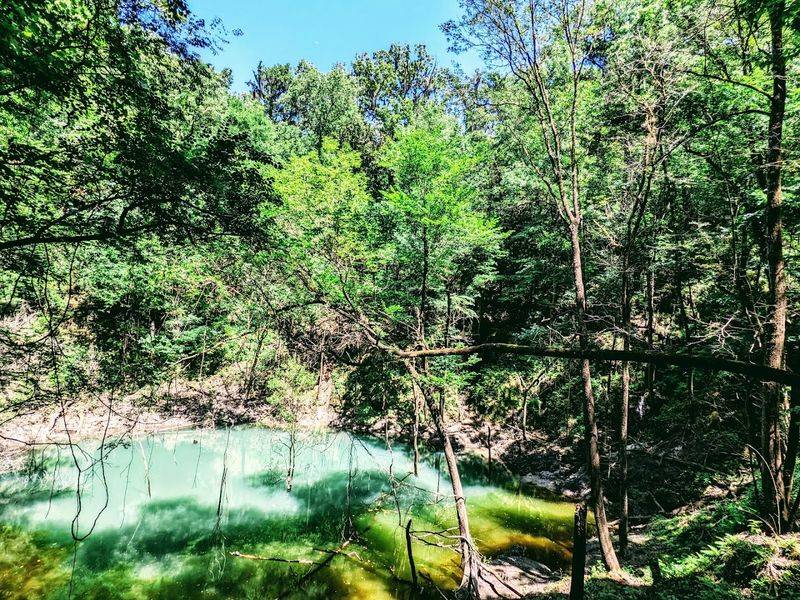
Florida doesn’t exactly scream “waterfall destination,” but Devil’s Millhopper breaks that rule spectacularly. Multiple small streams flow from springs in the sinkhole walls, creating delicate cascades that trickle down the limestone into pools at the bottom.
Fair warning: these aren’t Niagara-sized flows, but their existence in Florida makes them remarkable.
The water flow varies dramatically with rainfall and season. After a good rain, the falls come alive with stronger currents and more dramatic drops.
During dry spells, they might reduce to gentle trickles or even stop completely, leaving only damp streaks on the rock face.
Where does this water come from? The springs tap into the Floridan Aquifer, the massive underground water system that supplies drinking water to millions.
The limestone is naturally porous, allowing water to seep through and emerge at various points along the sinkhole walls.
The constant moisture from these falls creates perfect conditions for moss, ferns, and other moisture-loving plants. The limestone walls near the water sources look carpeted in green, creating a lush backdrop that photographers absolutely love.
Early morning visits often catch the best light filtering down from above.
Visitors sometimes express disappointment when the falls are barely flowing, but even a trickle tells an important story about Florida’s water systems and geology. The presence of any flowing water in a state as flat as Florida represents something genuinely special.
These springs have been feeding this sinkhole for thousands of years, creating the unique ecosystem that exists today.
The pools at the bottom change color throughout the day. Morning visitors report seeing bluish water that turns brownish as daylight increases.
This color shift happens because of sediment suspension and light angles, adding another layer of natural wonder to observe during your visit.
A Half-Mile Nature Trail Around The Rim
Not everyone wants to tackle those stairs, and that’s completely fine. The half-mile trail around the sinkhole’s rim offers an equally rewarding experience without the cardiovascular challenge.
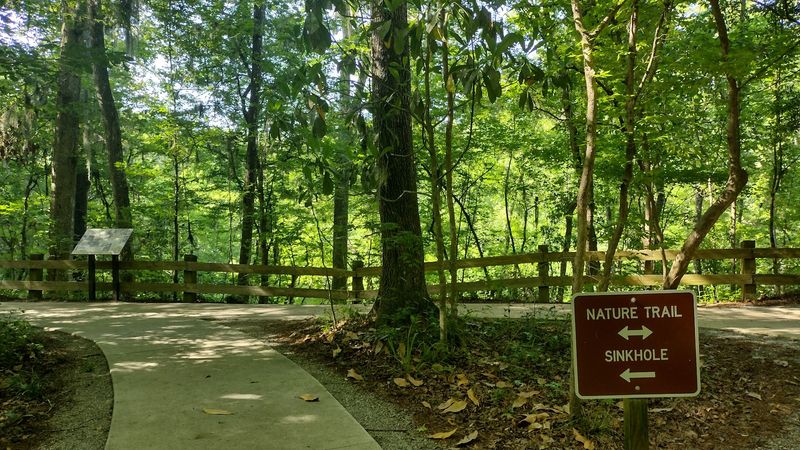
This easy loop takes about 20 minutes at a leisurely pace and provides multiple viewpoints into the crater below.
The trail surface consists of natural ground with some exposed roots, so watch your footing. Proper walking shoes beat flip-flops here, though the terrain isn’t particularly challenging.
Several benches along the route invite you to sit and simply absorb the forest atmosphere.
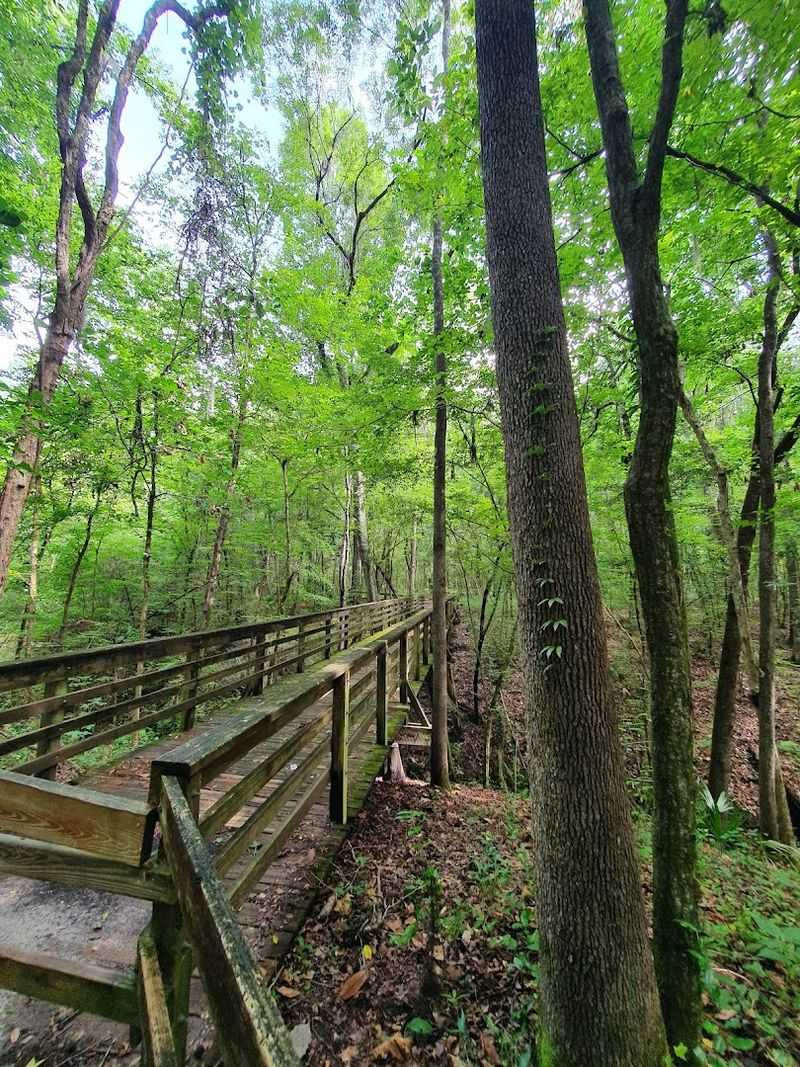
Wooden bridges cross over small ravines where streams feed into the sinkhole, adding charming photo opportunities. The sound of running water accompanies much of the walk, creating a peaceful soundtrack.
Birdsong fills the canopy, and if you’re lucky, you might spot some of the park’s wildlife.
The trail stays mostly shaded under a canopy of hardwood trees, making it comfortable even on warm days. This forest feels notably different from typical Florida pine flatwoods.
The variety of tree species and the lush understory create an almost Appalachian atmosphere.
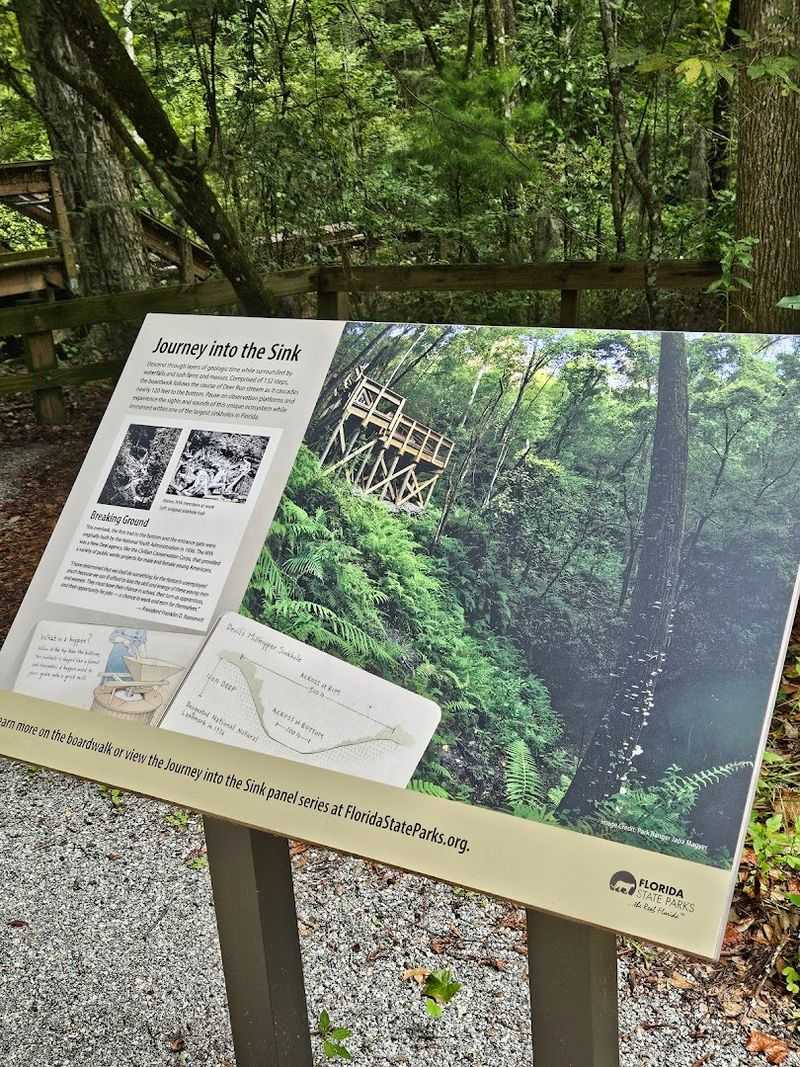
Interpretive signs positioned along the trail explain the geology, ecology, and history of Devil’s Millhopper. These educational markers add context to what you’re seeing without overwhelming you with information.
Kids particularly enjoy the interactive elements and the challenge of spotting different plant species mentioned on the signs.
The rim trail connects to the staircase at multiple points, so you can combine both experiences. Some visitors prefer walking the rim first to get oriented before descending into the sinkhole.
Others save it for after the stairs when their legs need something gentler. Either way works perfectly, and the trail provides excellent value for such a short distance.
An Educational Visitor Center Worth Your Time
Skip the visitor center and you’ll miss some of the coolest context for what you’re about to see. This isn’t just a bathroom stop with a few dusty pamphlets.
The facility features genuinely engaging displays that explain how sinkholes form, what fossils have been found here, and why this particular sinkhole creates such a unique ecosystem.
The exhibits use clear language and visual aids that make complex geology accessible. Kids especially respond well to the hands-on elements and the fossil displays.
You’ll learn that Devil’s Millhopper has yielded fossils from extinct animals that roamed Florida during the Ice Age, including giant ground sloths and saber-toothed cats.
Rangers staff the center during operating hours and they genuinely love talking about the park. Ask questions and you’ll get detailed answers that enhance your understanding of what makes this place special.
They can also provide current information about trail conditions and water flow in the falls.
The building itself deserves mention for its cleanliness and modern facilities. The restrooms are exceptionally well-maintained, which matters more than you might think when you’re spending time outdoors.
Clean bathrooms can make or break a state park experience, especially for families with young children.
Before heading out to the trails, spend ten minutes browsing the displays. You’ll appreciate the sinkhole more when you understand the geological forces that created it.
The center explains why the temperature drops as you descend, why certain plants grow here, and how the aquifer system works beneath your feet.
The gift shop carries field guides, educational materials, and the usual state park merchandise. Proceeds support park maintenance and programming, so purchasing something helps preserve this natural wonder.
The selection focuses on quality over quantity, with items actually related to geology and Florida ecology rather than generic tourist trinkets.
Perfect Picnic Grounds With Grills And Shade
The parking area features well-maintained picnic facilities that transform this from a quick stop into a half-day destination. Several wooden picnic tables sit under shade trees, with charcoal grills available for cooking.
Pack a cooler and make an afternoon of it after exploring the sinkhole.
The picnic area stays surprisingly peaceful even when the park gets busy. The layout spreads tables out enough that groups don’t feel cramped together.
Families with kids appreciate having space to spread out after the hike, and the grills mean you can cook lunch rather than relying on restaurants.
Bringing charcoal? The grills are standard park-issue metal units that work perfectly fine for burgers, hot dogs, or whatever you’re cooking.
Just remember to pack out your trash and dispose of coals properly. The park provides trash receptacles, but practicing leave-no-trace principles keeps this place beautiful for everyone.
The shade situation deserves emphasis because Florida sun can be brutal. The mature trees covering the picnic area provide genuine relief from the heat.
Even on hot summer days, the temperature under these trees stays tolerable, especially compared to standing in direct sunlight.
Squirrels and birds frequent the area, hoping for dropped crumbs. They’re entertaining to watch but resist the urge to feed them.
Human food isn’t healthy for wildlife, and feeding animals creates dependency problems that harm both the creatures and future visitors’ experiences.
Accessibility matters, and the picnic area delivers. The facilities are wheelchair-friendly, with paved paths connecting to the parking lot and restrooms.
Families with strollers or visitors with mobility challenges can fully participate in the picnic experience without barriers.
The location right by the parking lot makes hauling coolers and gear convenient. You’re not trekking supplies a quarter-mile to reach picnic spots.
This practical setup makes Devil’s Millhopper particularly family-friendly for groups wanting to combine nature exploration with a traditional picnic outing.
Wildlife Watching In An Unexpected Habitat
The unique microclimate attracts wildlife you wouldn’t expect to find in North Central Florida. Bird enthusiasts should bring binoculars because the sinkhole acts as a natural bird magnet.
Species that prefer cooler, moister environments find refuge here, creating unusual sightings for the region.
One reviewer mentioned hearing owls chattering during their visit. These nocturnal hunters roost in the trees around the sinkhole during the day.
Early morning or late afternoon visits increase your chances of spotting them or at least hearing their distinctive calls echoing through the crater.
Butterflies flutter through the park in impressive numbers during warmer months. The variety of plant species supports different butterfly populations, creating colorful displays along the trails.
Patient observers can photograph multiple species without moving more than a few feet.
The sinkhole’s walls provide habitat for various creatures seeking cool, damp conditions. Salamanders and frogs thrive in the moist environment near the bottom.
While you probably won’t see them during a typical visit, knowing they’re there adds to the appreciation of this ecosystem’s complexity.
Squirrels dominate the visible wildlife scene, scampering through trees and across the rim trail. They’ve grown accustomed to human presence but remain wild animals.
Watch them forage and play, but maintain respectful distance and never attempt to feed or touch them.
Reptiles occasionally make appearances, though they’re less common than in drier Florida habitats. The cooler temperatures don’t suit most snake species that prefer heat.
You might spot a lizard or two sunning themselves on the stairs’ railings, but large reptiles are rare.
The real wildlife show happens in the insect world. Dragonflies patrol the sinkhole’s air space, catching smaller insects on the wing.
The constant moisture supports populations of interesting bugs that entomologists would appreciate. Kids often find the insect life more immediately engaging than waiting to spot larger animals.
Practical Details That Make Your Visit Smooth
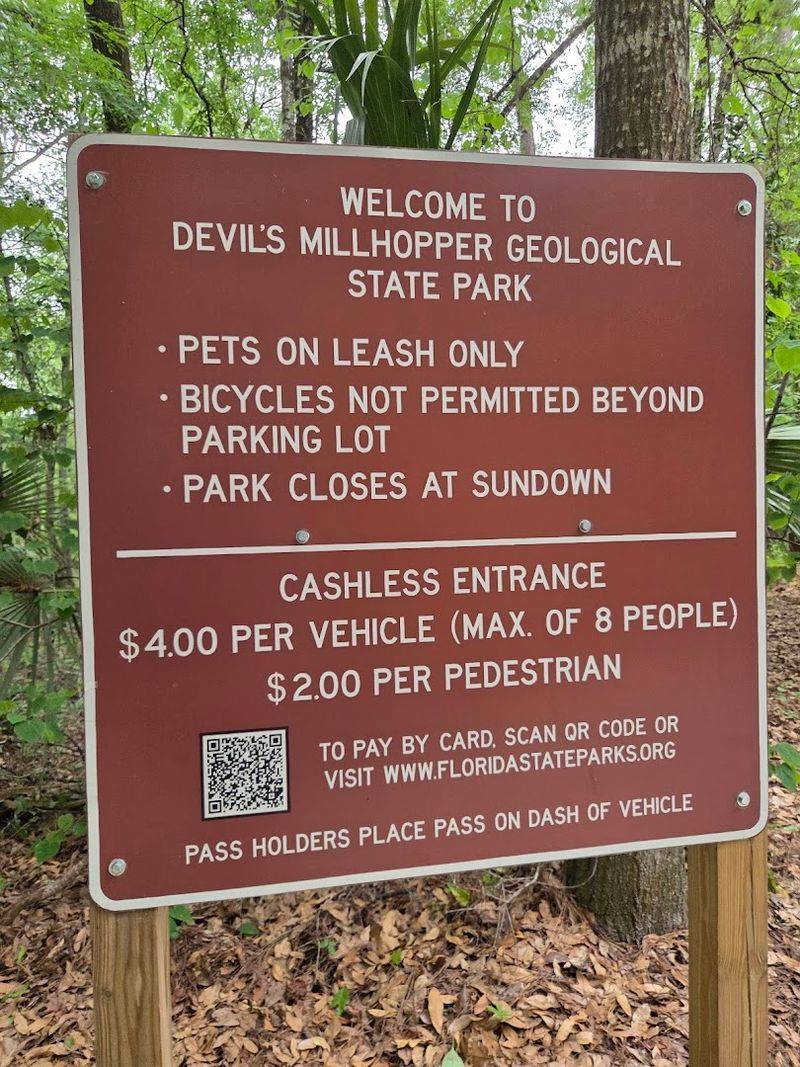
Entry costs four dollars per vehicle, payable through a QR code system at the entrance. No cash?
No problem. The digital payment system accepts cards and mobile payments.
Florida State Parks pass holders enter free, making the annual pass a smart investment if you plan to visit multiple state parks.
The park opens at 9 AM and closes at 5 PM Wednesday through Sunday. It’s closed Monday and Tuesday, which catches some visitors off guard.
Always check the website before driving over to avoid showing up on a closed day. Holiday schedules may vary, so verify hours during major holiday weekends.
Parking rarely presents problems even on busy weekends. The lot accommodates dozens of vehicles with space for RVs and vehicles with trailers.
Arrive early on Saturday mornings if you want the place nearly to yourself, though the park never feels overcrowded even during peak times.
Pets are welcome on leashes, which delights dog owners looking for interesting walking spots. Keep your dog under control and clean up after them.
The stairs might challenge some dogs, especially on the return climb, so know your pet’s physical capabilities before attempting the descent.
Bring water, especially if you’re tackling the stairs. The physical exertion combined with Florida’s humidity means you’ll work up a sweat.
No concessions operate in the park, so pack anything you might want. A small backpack with water bottles and snacks makes the experience more comfortable.
The park offers guided walks on Saturday mornings for visitors wanting expert interpretation. Rangers lead these free programs, sharing detailed information about geology, ecology, and history.
Check the website for current scheduling since programs may change seasonally.
Plan about 45 minutes to an hour for a complete visit including the stairs and rim trail. Add another 30 minutes if you’re exploring the visitor center thoroughly or having a picnic.
This makes Devil’s Millhopper perfect for a morning or afternoon activity rather than an all-day commitment.